Inspect Does Property Without Notice
Description
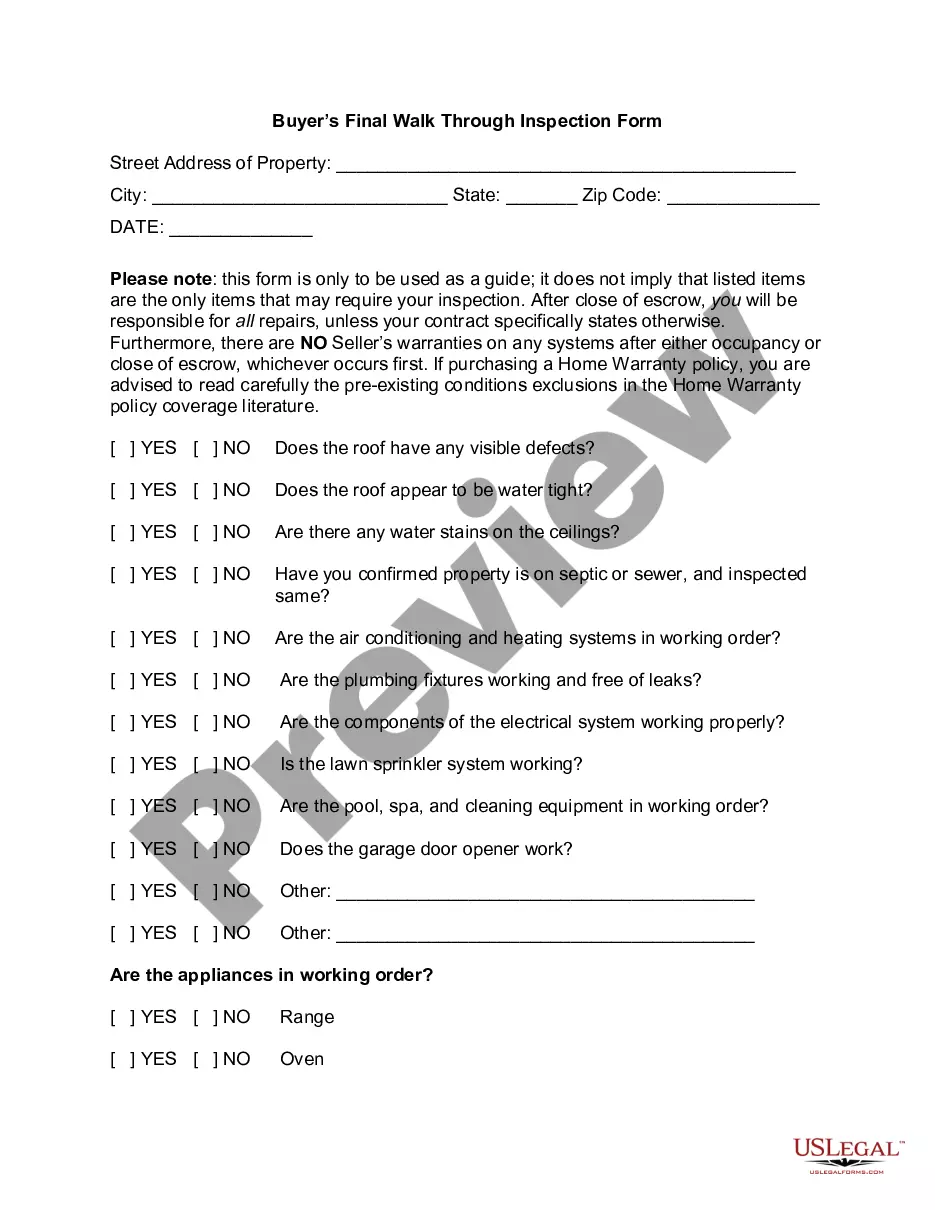
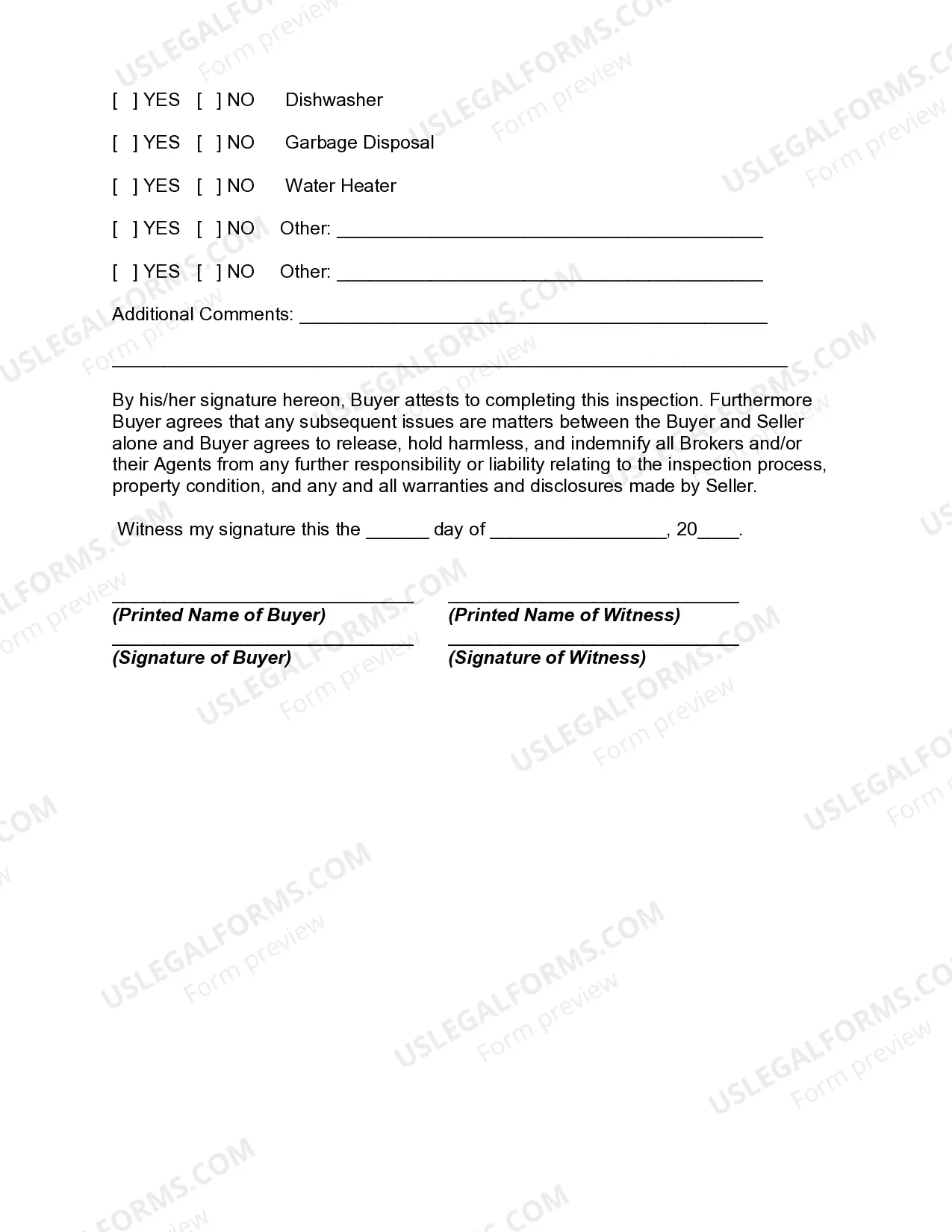
Get your form ready online
Our built-in tools help you complete, sign, share, and store your documents in one place.
Make edits, fill in missing information, and update formatting in US Legal Forms—just like you would in MS Word.
Download a copy, print it, send it by email, or mail it via USPS—whatever works best for your next step.
Sign and collect signatures with our SignNow integration. Send to multiple recipients, set reminders, and more. Go Premium to unlock E-Sign.
If this form requires notarization, complete it online through a secure video call—no need to meet a notary in person or wait for an appointment.
We protect your documents and personal data by following strict security and privacy standards.

Make edits, fill in missing information, and update formatting in US Legal Forms—just like you would in MS Word.

Download a copy, print it, send it by email, or mail it via USPS—whatever works best for your next step.

Sign and collect signatures with our SignNow integration. Send to multiple recipients, set reminders, and more. Go Premium to unlock E-Sign.

If this form requires notarization, complete it online through a secure video call—no need to meet a notary in person or wait for an appointment.

We protect your documents and personal data by following strict security and privacy standards.
Looking for another form?


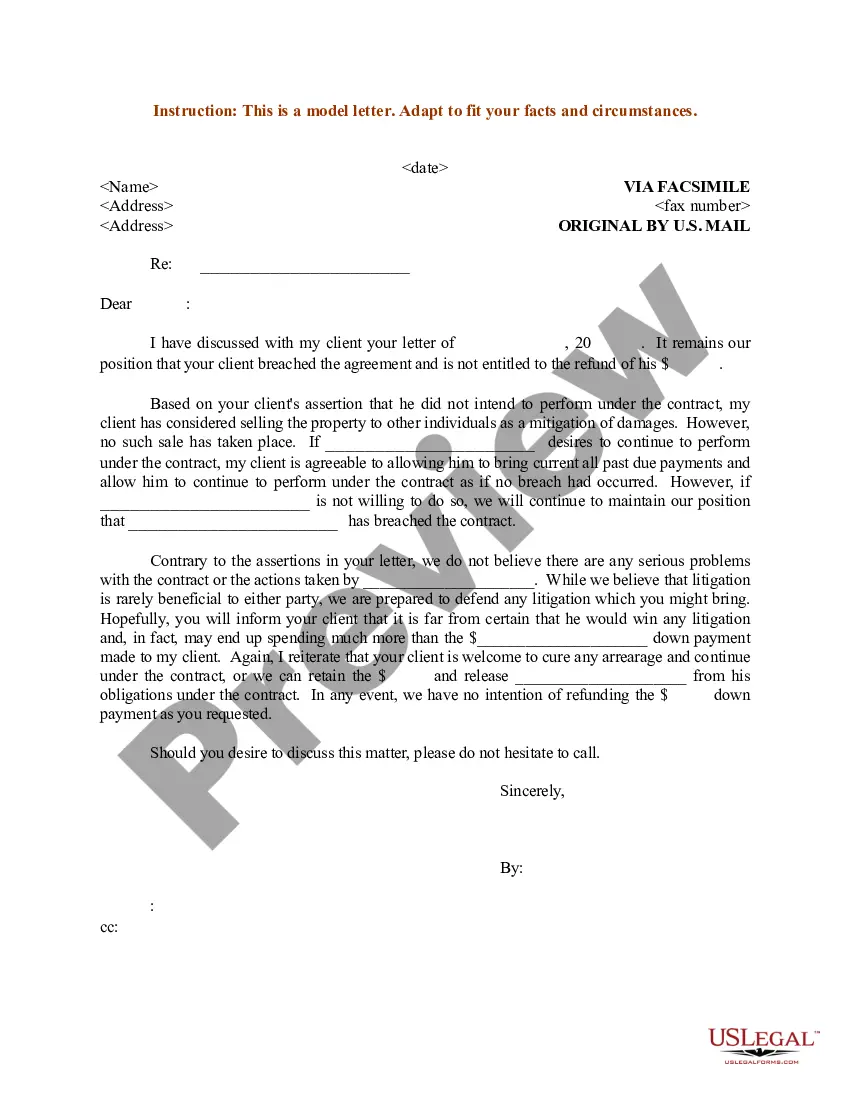


How to fill out Buyer's Final Walk Through Inspection Form?
Regardless of whether for commercial reasons or personal affairs, everyone must handle legal matters at some stage in their life.
Filling out legal paperwork requires meticulous care, starting with selecting the appropriate form template. For instance, if you select an incorrect version of an Inspect Does Property Without Notice, it will be rejected upon submission.
With a comprehensive US Legal Forms collection available, there’s no need to waste time searching for the right template online. Take advantage of the library’s straightforward navigation to find the appropriate form for any situation.
- Obtain the template you require by utilizing the search bar or catalog navigation.
- Review the form’s details to ensure it matches your situation, state, and locality.
- Click on the form’s preview to scrutinize it.
- If it is the incorrect document, return to the search tool to find the Inspect Does Property Without Notice template you need.
- Acquire the template if it fulfills your requirements.
- If you possess a US Legal Forms account, simply click Log in to access previously saved documents in My documents.
- In case you do not have an account yet, you can obtain the form by clicking Buy now.
- Choose the appropriate pricing option.
- Complete the account registration form.
- Select your payment method: use a credit card or PayPal account.
- Choose the file format you desire and download the Inspect Does Property Without Notice.
- Once saved, you can fill out the form using editing software or print it and complete it manually.
Form popularity
FAQ
Generally, a building inspector cannot enter your property without permission, especially if it is residential. They typically need a valid reason, such as a scheduled inspection or a complaint about the property. However, in some jurisdictions, inspectors may have the authority to inspect properties without notice if there is a safety concern. Always check local laws and regulations to understand your rights regarding property inspections.
One of the most significant red flags in a home inspection is the presence of mold or water damage. These issues can indicate serious underlying problems, such as leaks or inadequate ventilation, which can lead to costly repairs. Additionally, structural issues like cracks in the foundation or walls can signal major concerns. If you're facing such issues, consider using the uslegalforms platform to access legal documents that can help you navigate your options.
In most cases, a home inspector cannot simply show up unannounced. Typically, they must schedule an appointment with the homeowner or the real estate agent to conduct an inspection. However, some inspectors may have the authority to inspect properties without notice in specific situations, such as foreclosures or when the property is vacant. It's crucial to understand your rights and local regulations regarding property inspections.
Generally, a landlord cannot enter your apartment without permission or proper notice, except in emergencies. This rule protects your privacy and rights as a tenant. If you experience instances where Inspect does property without notice, you should address the issue with your landlord or seek legal assistance to ensure your rights are upheld.
In Michigan, landlords cannot retaliate against tenants for exercising their rights, such as complaining about unsafe living conditions. They also cannot enter a tenant's property without proper notice, except in emergencies. Understanding your rights is vital, especially when Inspect does property without notice, as illegal actions by landlords can lead to serious consequences.
The amount you can sue your landlord for varies based on the issue and local laws. Generally, you can seek compensation for damages, lost security deposits, or other financial losses incurred. It's crucial to gather evidence and consult with a legal expert to understand your rights and potential compensation when Inspect does property without notice.
Yes, you can consider legal action if your landlord enters your apartment without proper notice, as this typically violates tenant rights. It is essential to document the incidents and communicate your concerns to your landlord first. If the situation does not improve, exploring legal avenues may be necessary, especially since Inspect does property without notice can lead to significant issues.
You can express your concerns about a property management inspection, but you may not be able to outright refuse it. Generally, landlords have the right to inspect their property, especially if proper notice is given. However, if Inspect does property without notice, you might have grounds to discuss this with your landlord or seek legal advice.
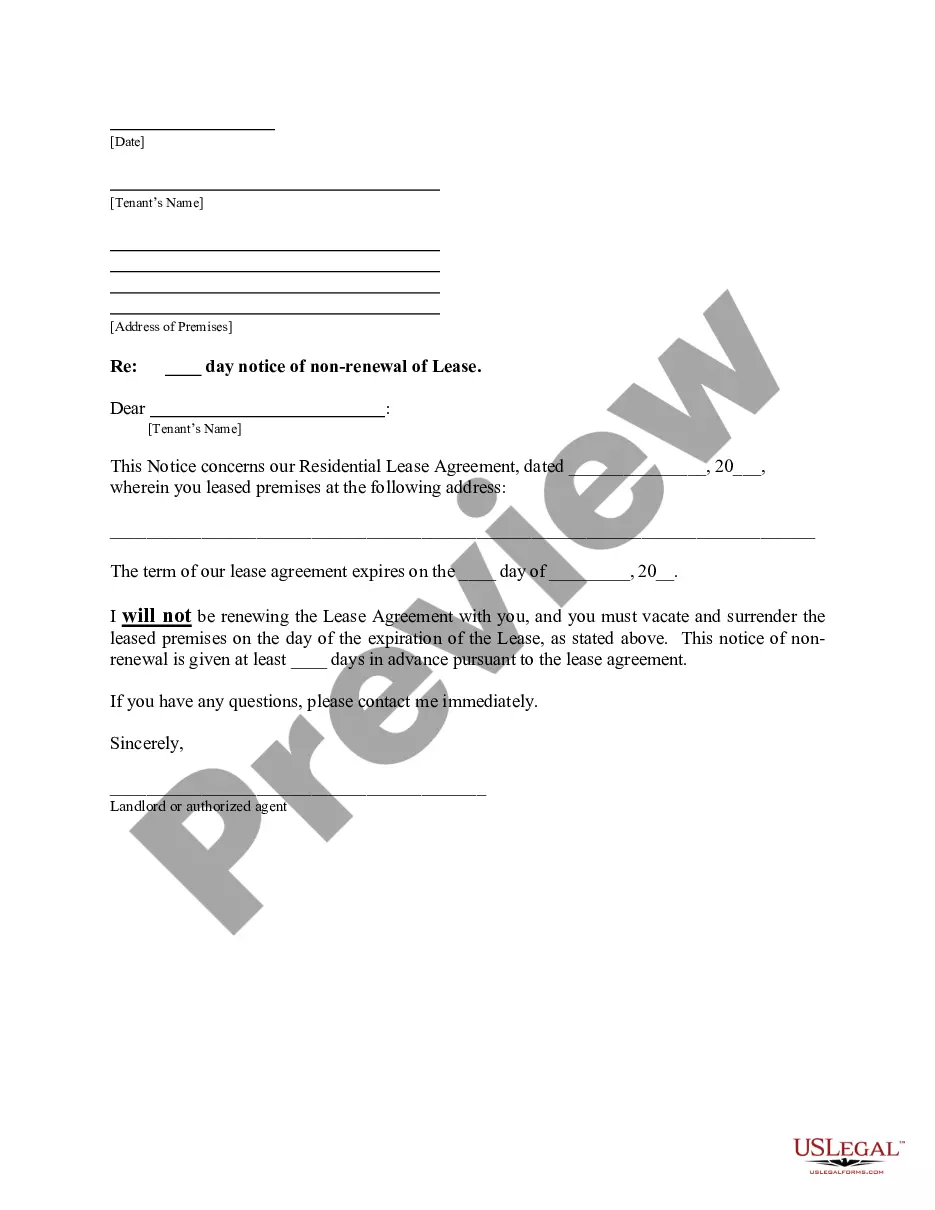
A letter to a tenant for inspection typically outlines the purpose and timing of the inspection. For instance, you might state, 'Dear Tenant's Name, we plan to inspect the property on Date at Time. This inspection is necessary to ensure everything is in good condition. Please let us know if you have any questions or concerns.' Ensuring proper communication helps avoid misunderstandings, especially when Inspect does property without notice.