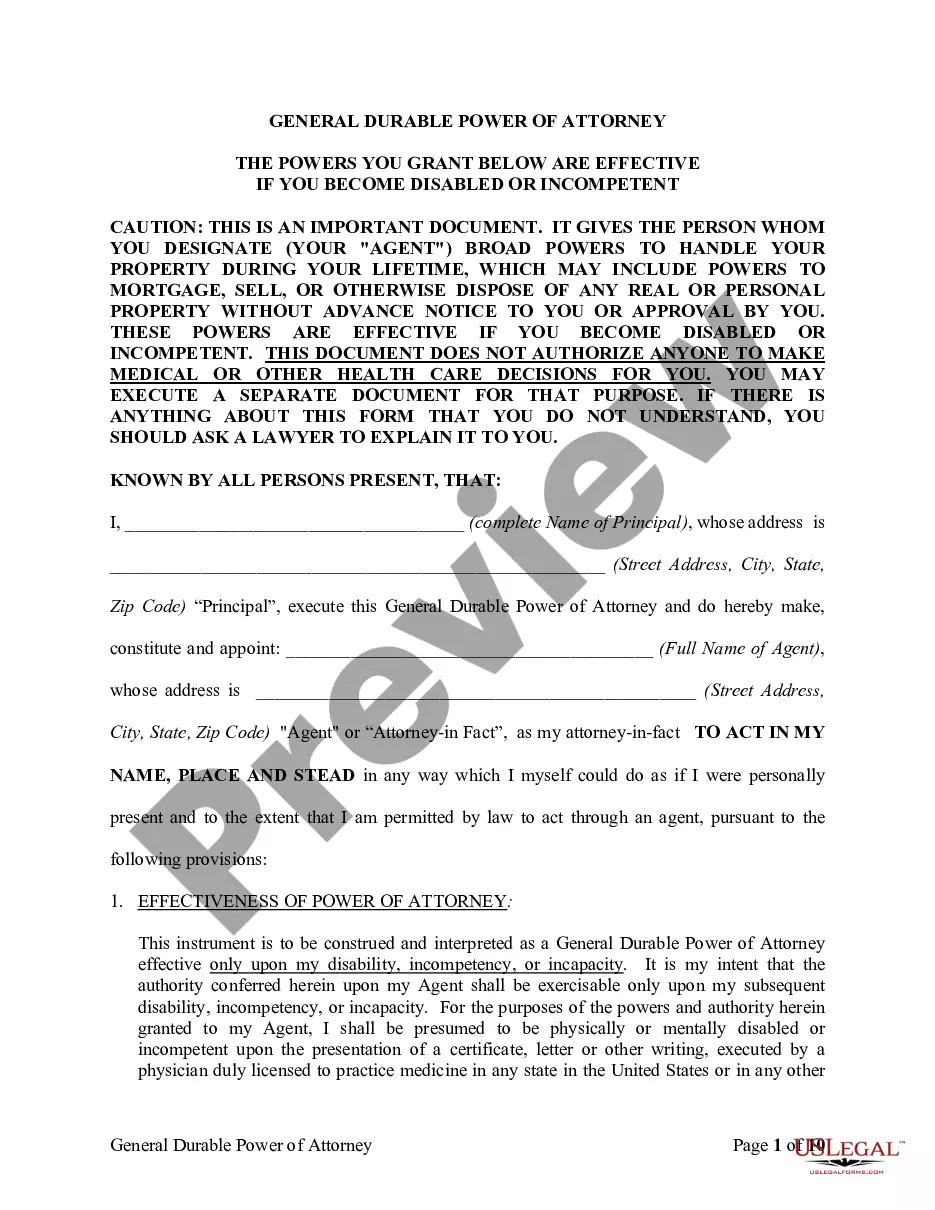
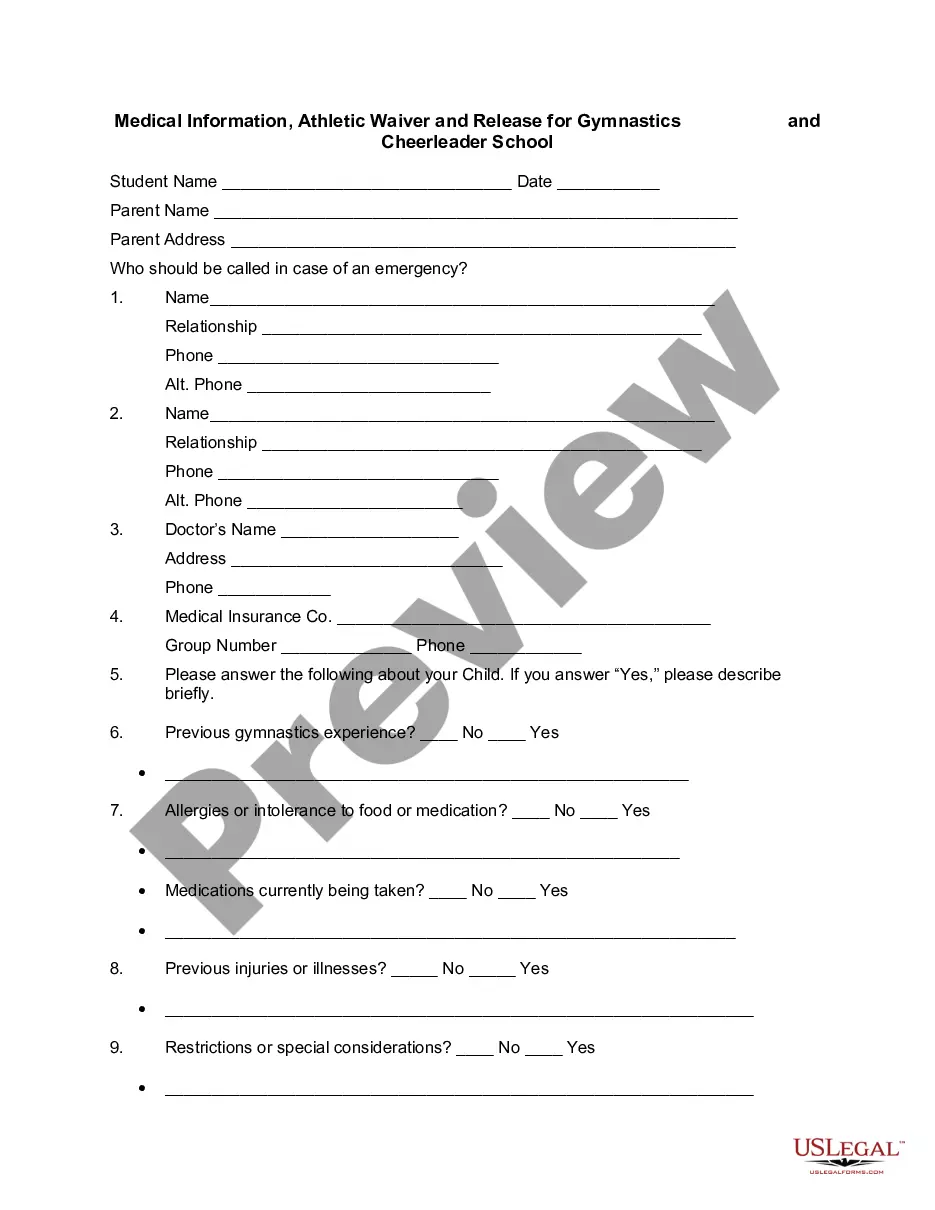
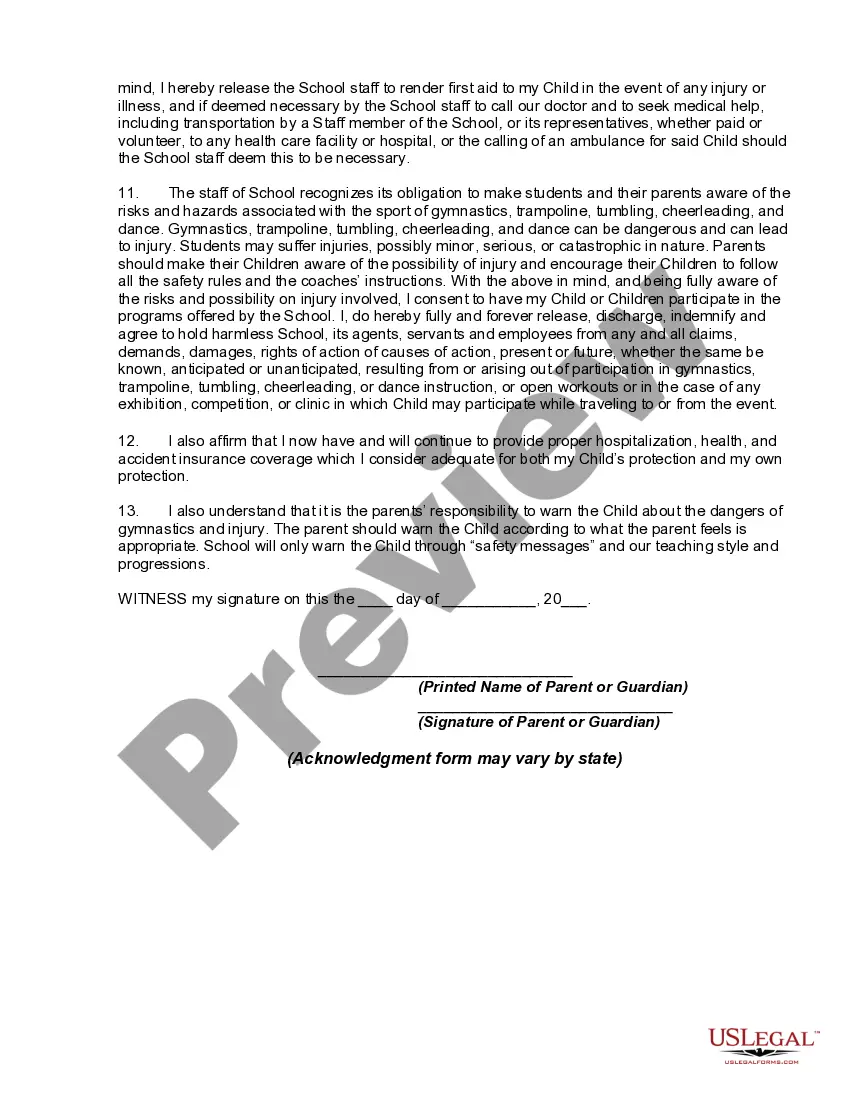
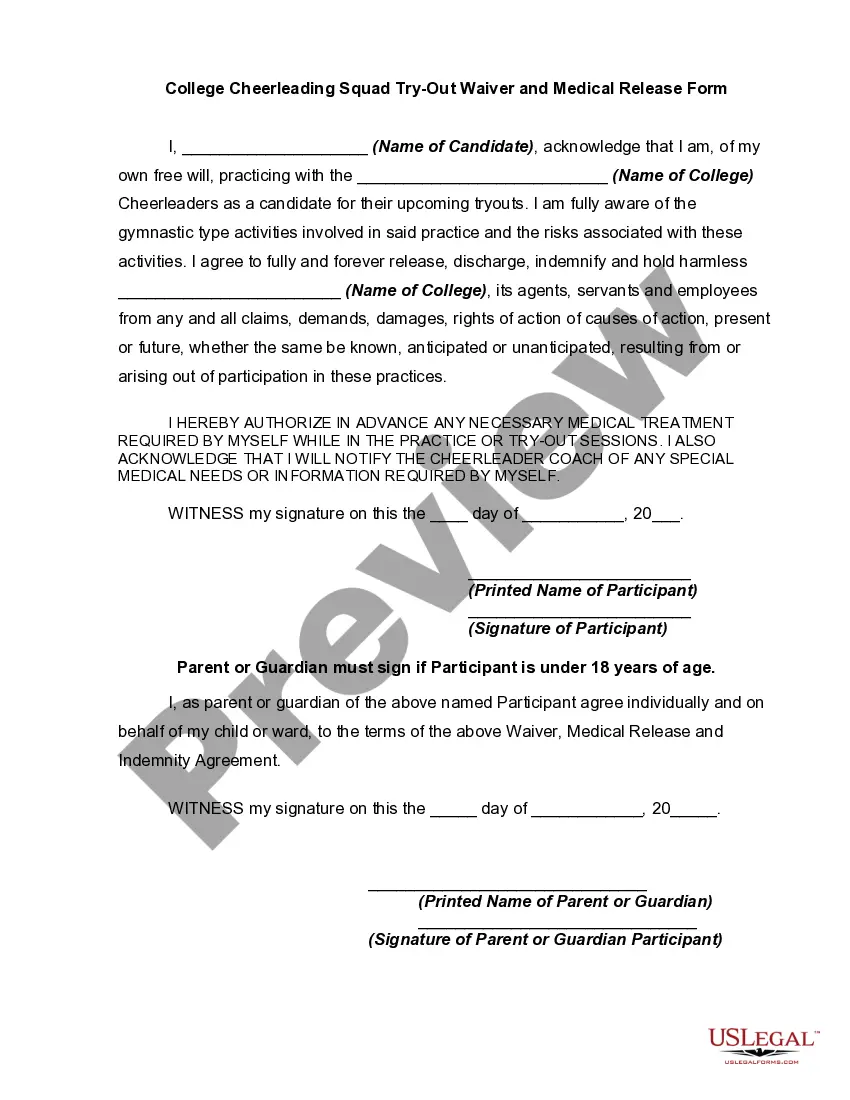
Medical Information Release Without Consent
Description
Get your form ready online
Our built-in tools help you complete, sign, share, and store your documents in one place.
Make edits, fill in missing information, and update formatting in US Legal Forms—just like you would in MS Word.
Download a copy, print it, send it by email, or mail it via USPS—whatever works best for your next step.
Sign and collect signatures with our SignNow integration. Send to multiple recipients, set reminders, and more. Go Premium to unlock E-Sign.
If this form requires notarization, complete it online through a secure video call—no need to meet a notary in person or wait for an appointment.
We protect your documents and personal data by following strict security and privacy standards.

Make edits, fill in missing information, and update formatting in US Legal Forms—just like you would in MS Word.

Download a copy, print it, send it by email, or mail it via USPS—whatever works best for your next step.

Sign and collect signatures with our SignNow integration. Send to multiple recipients, set reminders, and more. Go Premium to unlock E-Sign.

If this form requires notarization, complete it online through a secure video call—no need to meet a notary in person or wait for an appointment.

We protect your documents and personal data by following strict security and privacy standards.
Looking for another form?







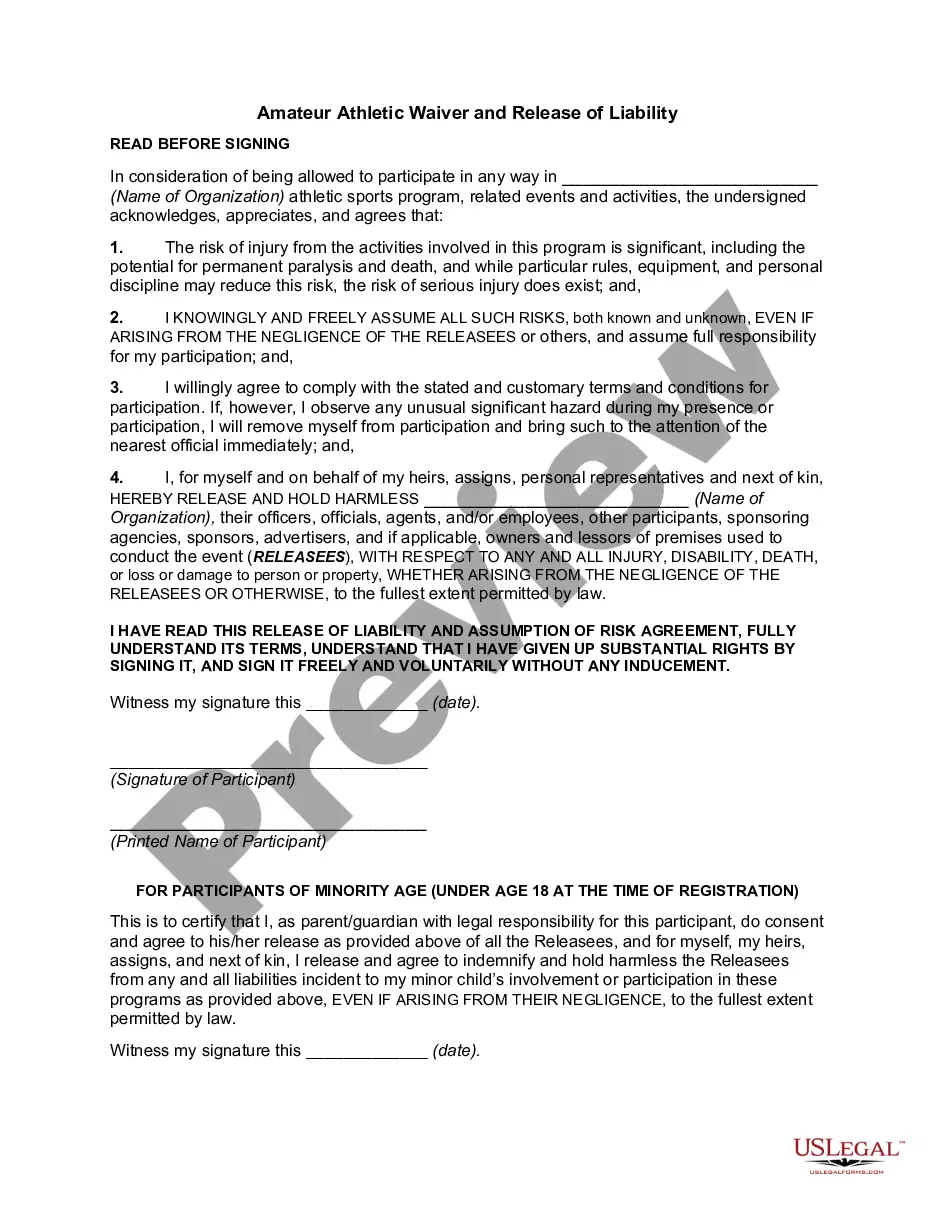
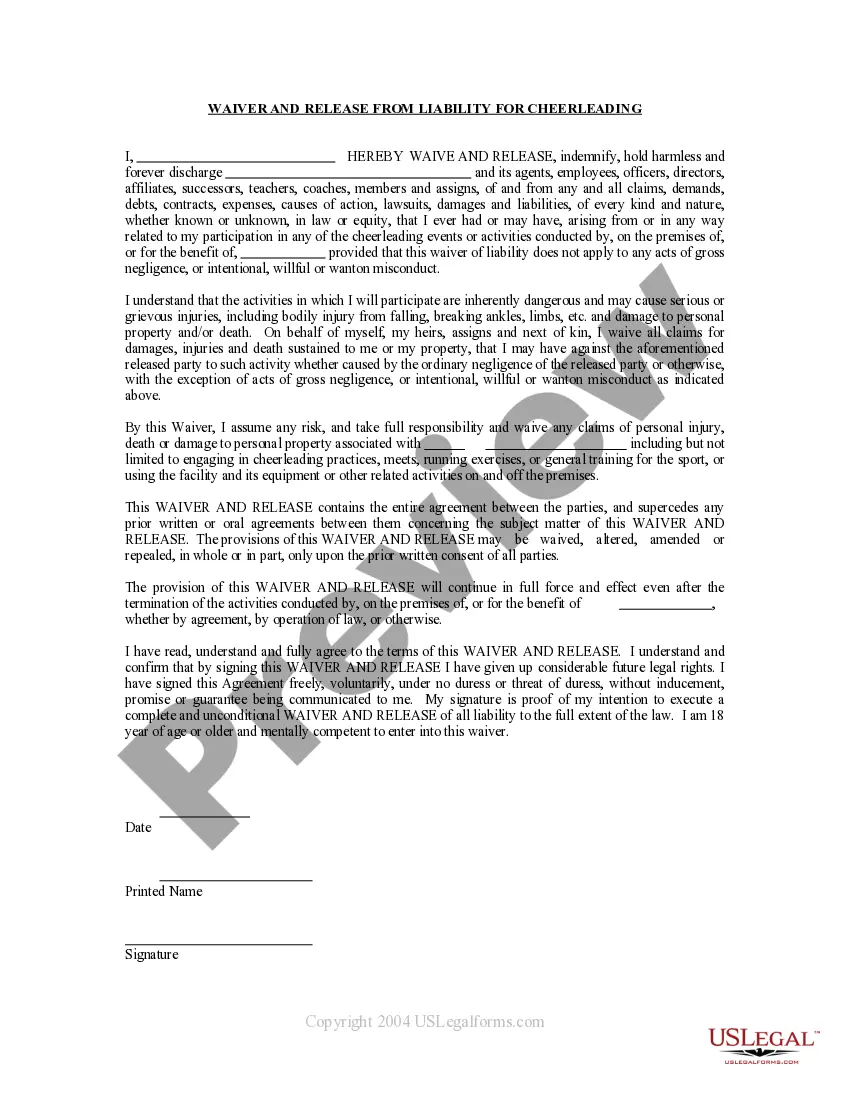
How to fill out Medical Information, Athletic Waiver And Release For Gymnastics And Cheerleader School?
How to locate professional legal documents that comply with your state's regulations and create the Medical Information Release Without Consent without engaging a lawyer.
Numerous online services offer templates for a variety of legal situations and formalities. However, identifying which samples meet both your requirements and legal standards can be time-consuming.
US Legal Forms is a reliable service that assists you in finding official documents prepared per the latest state law updates and reduces your legal assistance costs.
If you do not have an account with US Legal Forms, follow the guidelines below: Review the webpage you've opened and verify if the form meets your requirements. To achieve this, utilize the form description and preview options if available. Search for another template in the header that pertains to your state if needed. Once you locate the appropriate document, click the Buy Now button. Select the most suitable pricing plan, then Log In or create an account. Choose your preferred payment method (by credit card or via PayPal). Change the file format for your Medical Information Release Without Consent and click Download. The documents you acquire will remain in your possession: you can always access them in the My documents tab of your profile. Sign up for our library and prepare legal documents independently like a skilled legal professional!
- US Legal Forms is not just an ordinary web directory.
- It features over 85,000 verified templates for diverse business and personal scenarios.
- All documents are categorized by area and state, streamlining your search process.
- Additionally, it connects with robust tools for PDF editing and eSignature, allowing Premium users to fill out their papers online effortlessly.
- Acquiring the necessary documentation requires minimal time and effort.
- If you already possess an account, Log In to confirm your subscription is active.
- Download the Medical Information Release Without Consent by clicking the appropriate button adjacent to the file name.
Form popularity
FAQ
There are a few scenarios where you can disclose PHI without patient consent: coroner's investigations, court litigation, reporting communicable diseases to a public health department, and reporting gunshot and knife wounds.
It can be disclosed to the parents or the legal guardian of the patient where the patient is not of legal age or mentally incapacitated; and if the patient is of legal age, then, the information can be disclosed with his right to choose the person to whom the medical information should be communicated.
A covered entity is permitted, but not required, to use and disclose protected health information, without an individual's authorization, for the following purposes or situations: (1) To the Individual (unless required for access or accounting of disclosures); (2) Treatment, Payment, and Health Care Operations; (3)
More generally, HIPAA allows the release of information without the patient's authorization when, in the medical care providers' best judgment, it is in the patient's interest. Despite this language, medical care providers are very reluctant to release information unless it is clearly allowed by HIPAA.
You should specify so that your doctor knows what to release. If you want to release everything, then include this language: "I authorize the release of my complete health history (including all information related to HIV or AIDS, mental health care, communicable diseases, or treatment of alcohol and drug abuse)."