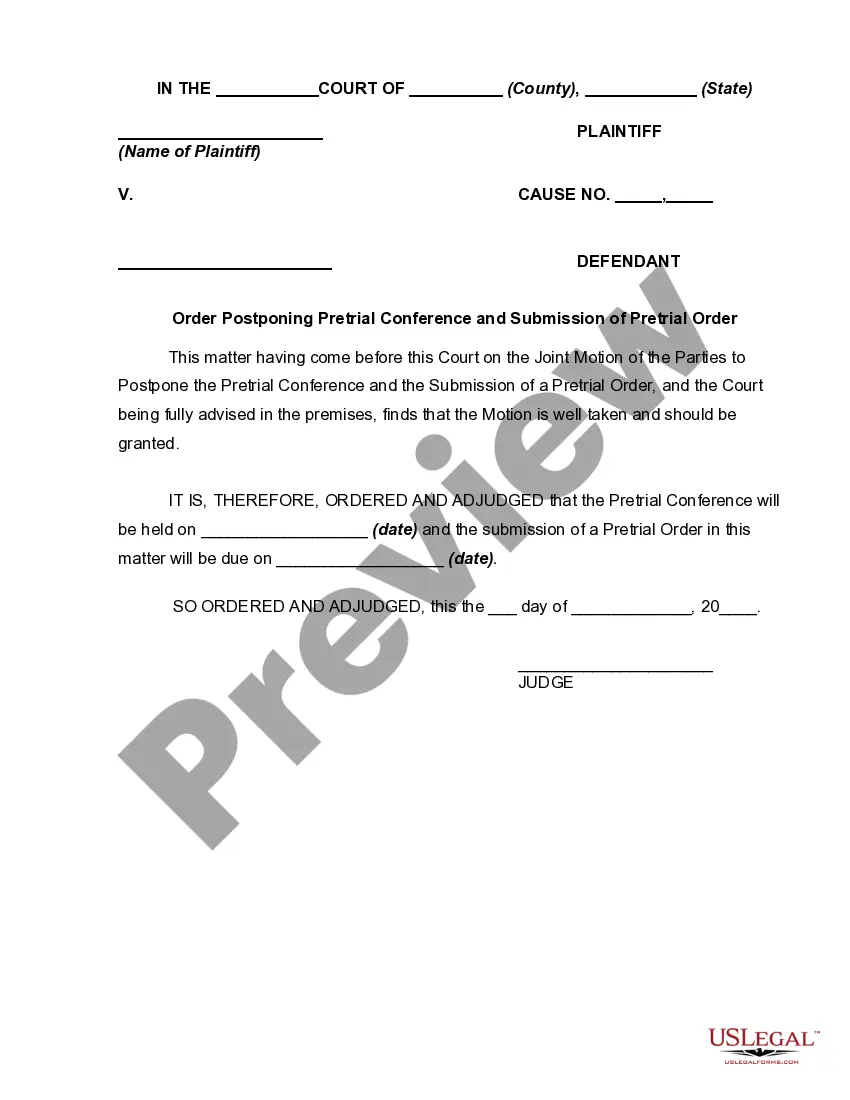
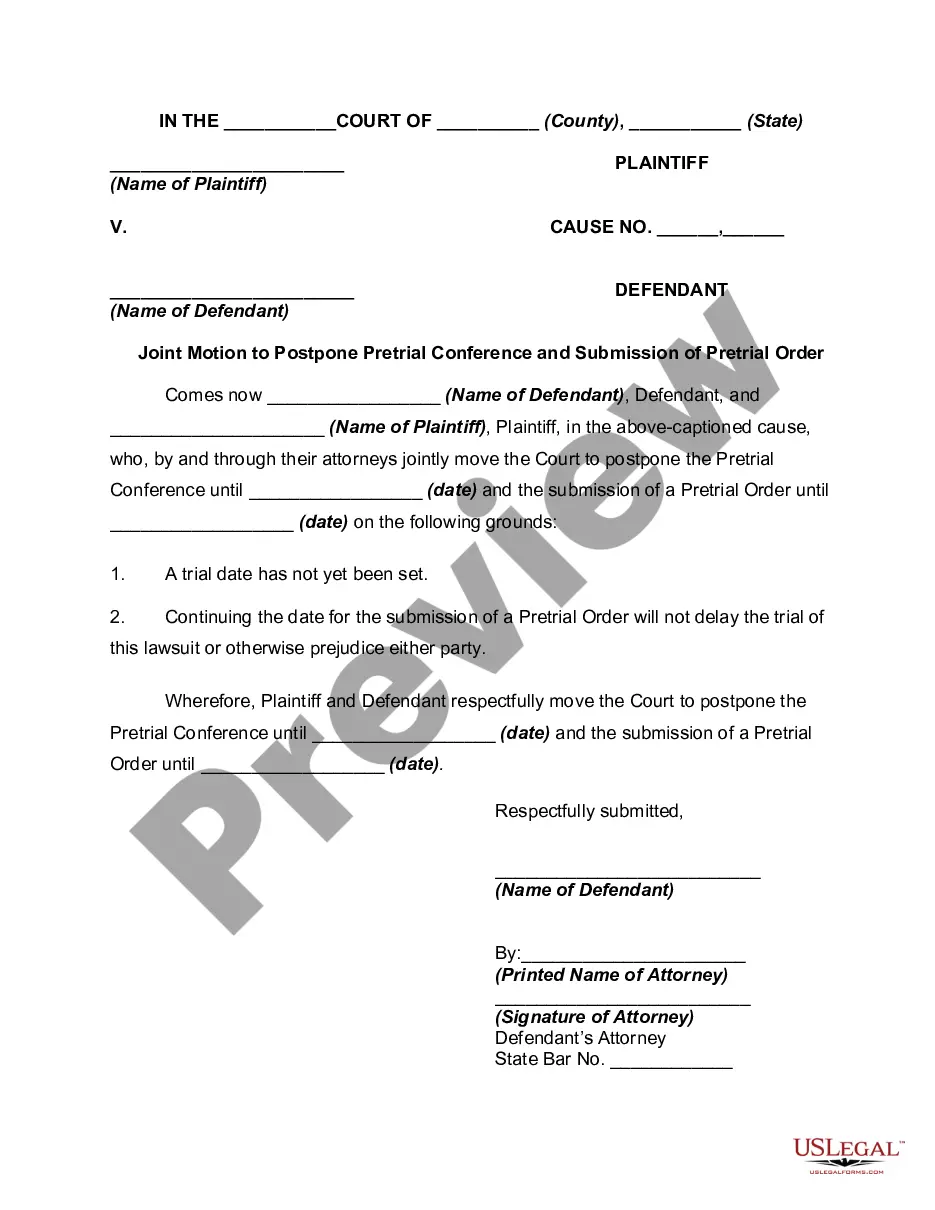
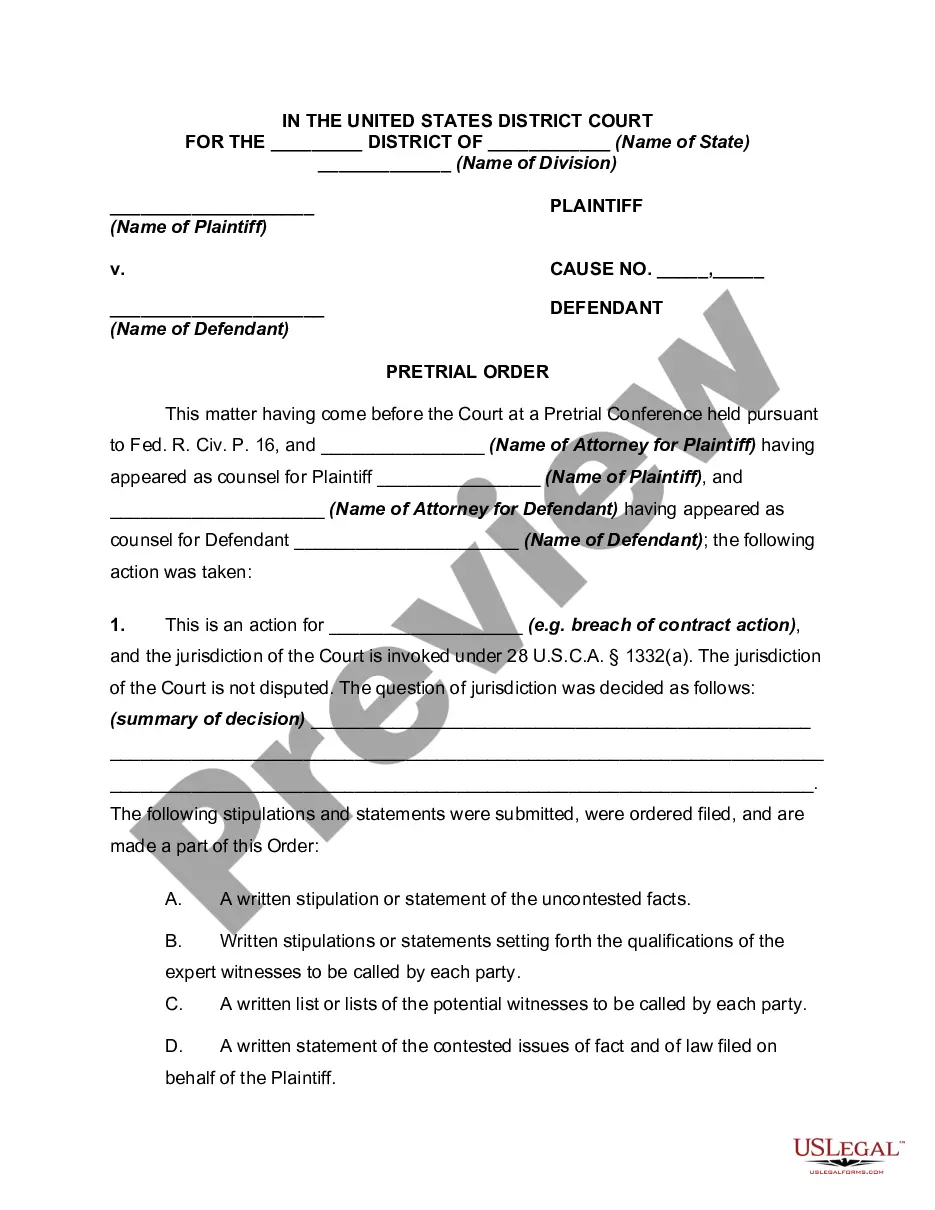
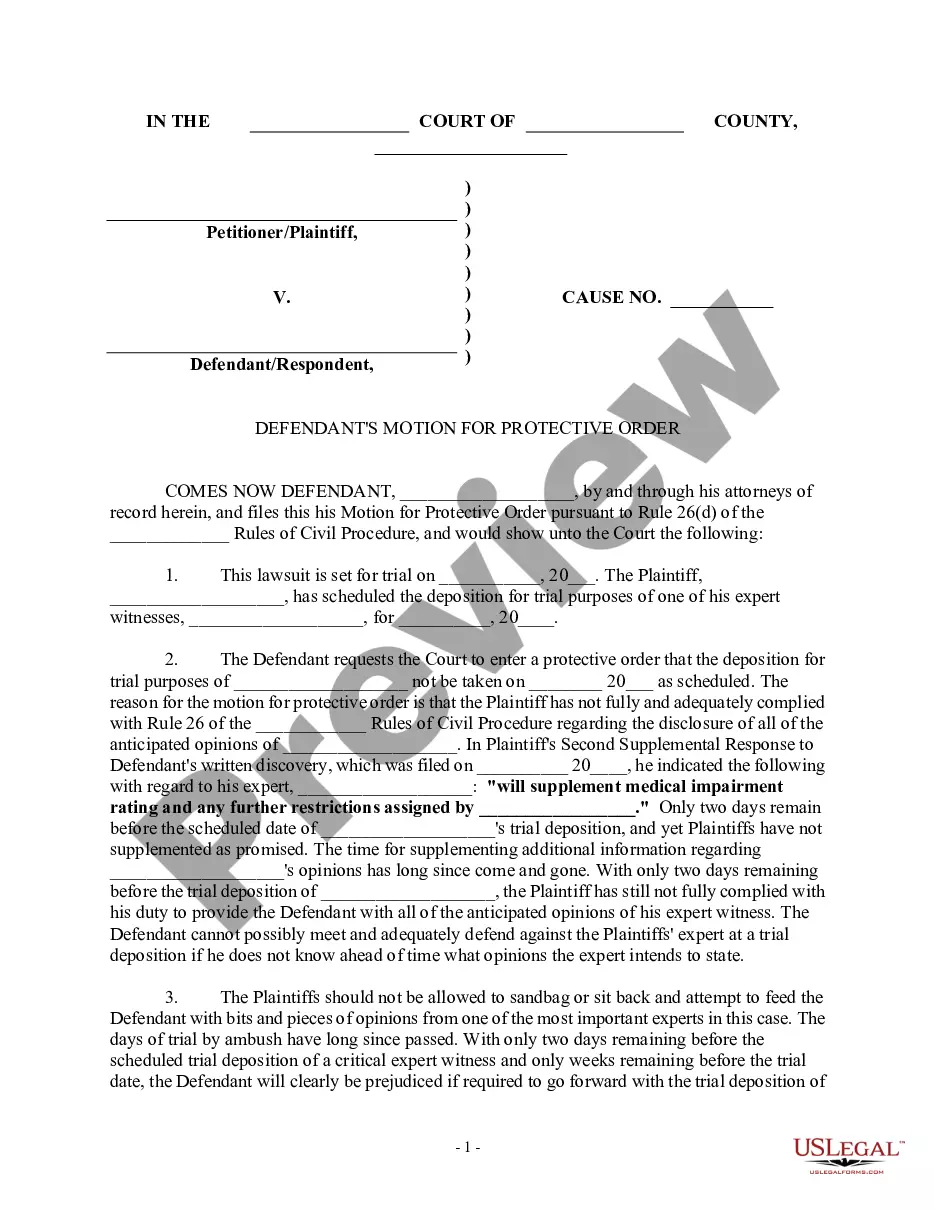
Pretrial Court Motion For Evidence
Description
Get your form ready online
Our built-in tools help you complete, sign, share, and store your documents in one place.
Make edits, fill in missing information, and update formatting in US Legal Forms—just like you would in MS Word.
Download a copy, print it, send it by email, or mail it via USPS—whatever works best for your next step.
Sign and collect signatures with our SignNow integration. Send to multiple recipients, set reminders, and more. Go Premium to unlock E-Sign.
If this form requires notarization, complete it online through a secure video call—no need to meet a notary in person or wait for an appointment.
We protect your documents and personal data by following strict security and privacy standards.

Make edits, fill in missing information, and update formatting in US Legal Forms—just like you would in MS Word.

Download a copy, print it, send it by email, or mail it via USPS—whatever works best for your next step.

Sign and collect signatures with our SignNow integration. Send to multiple recipients, set reminders, and more. Go Premium to unlock E-Sign.

If this form requires notarization, complete it online through a secure video call—no need to meet a notary in person or wait for an appointment.

We protect your documents and personal data by following strict security and privacy standards.
Looking for another form?





How to fill out Order Postponing Pretrial Conference And Submission Of Pretrial Order?
Creating legal documents from the ground up can occasionally be overwhelming.
Certain situations may require extensive research and significant financial investment.
If you’re looking for a simpler and more cost-effective method of preparing Pretrial Court Motion For Evidence or any other paperwork without unnecessary complications, US Legal Forms is always available to you.
Our online library of more than 85,000 current legal templates encompasses nearly every area of your financial, legal, and personal issues. With just a few clicks, you can immediately obtain state- and county-specific forms carefully prepared by our legal experts.
Examine the form preview and details to confirm that you are on the correct document you seek. Verify that the template you choose adheres to the laws and regulations of your state and county. Select the suitable subscription option to obtain the Pretrial Court Motion For Evidence. Download the document, then complete, sign, and print it. US Legal Forms enjoys a solid reputation and boasts over 25 years of experience. Join us today and make form completion a straightforward and efficient process!
- Utilize our site whenever you require trustworthy and dependable services that enable you to effortlessly locate and download the Pretrial Court Motion For Evidence.
- If you’re a returning user and have already established an account with us, simply Log In to your account, find the template and download it or re-download it anytime in the My documents section.
- Not registered yet? No problem. Setting it up takes just a few minutes, allowing you to browse the catalog.
- Before proceeding to download the Pretrial Court Motion For Evidence, consider following these guidelines.
Form popularity
FAQ
To request evidence for court, you typically need to file a pretrial court motion for evidence. This process involves specifying what evidence you need, why you need it, and how it relates to your case. You can streamline this process by utilizing legal resources like US Legal Forms, which provide templates and guidance for drafting effective motions. Ensuring you follow the proper procedure is crucial for a successful request.
Yes, pretrial motions for evidence are generally considered public records. This means that anyone can access the documents submitted to the court, including motions and supporting evidence. By checking the local court’s online database or visiting in person, you can see the motions filed. It's important to understand how this transparency can impact your case and your ability to prepare.
Filing a pretrial court motion for evidence can greatly impact your case by excluding harmful evidence or establishing what evidence can be admitted. This strategy allows you to create a more favorable perspective in court. Furthermore, pretrial motions can streamline the trial process by resolving issues ahead of time. Overall, using these motions effectively can enhance your position and lead to a more favorable outcome.
Preparing for a pretrial involves several key steps. Begin by reviewing your case thoroughly, collecting all evidence, and identifying key witnesses. It's also beneficial to understand various pretrial court motions for evidence that you may want to file, as they can significantly affect the outcome of your case. For assistance with forms and documentation, consider using services like US Legal Forms, which can guide you through the preparation process.
Writing a statement for court involves being clear and concise while ensuring you include all pertinent information. Start with an introduction that identifies the purpose of the statement, followed by a logical arrangement of your evidence and arguments. Mention any relevant pretrial court motions for evidence to emphasize the strength of your claims. It's essential to review your statement for accuracy and completeness before submission.
To fill out a pretrial statement, start by gathering all relevant facts of your case. Clearly outline your legal theories, the evidence you plan to present, and any witnesses you intend to call. Utilizing a pretrial court motion for evidence can help clarify which pieces of evidence support your case. Platforms like US Legal Forms offer templates that make this process more straightforward and less daunting.
A pretrial court motion for evidence can include a motion to suppress evidence, which argues that certain evidence should not be allowed in court. This type of motion often focuses on evidence gathered without a warrant or through coercion. By filing such a motion, you can potentially have critical evidence excluded, helping to strengthen your case. Understanding these motions is crucial for anyone preparing for trial.
A pretrial motion is a request made to the court before the trial begins. It typically addresses specific legal issues, such as the admissibility of evidence, and can involve different types of motions. A pretrial court motion for evidence specifically concerns what evidence can be used during the trial. Effectively utilizing these motions can set the tone for the case and influence trial strategies.
The accused have several pretrial rights, including the right to a speedy trial, the right to remain silent, and the right to counsel. These rights are designed to ensure fairness in the legal process. For example, the right to challenge evidence through pretrial court motions for evidence allows the accused to protect their interests. Upholding these rights is crucial for a fair trial experience.
Three common pretrial motions include motions to suppress evidence, motions for a change of venue, and motions for discovery. These motions are essential in shaping the future of a case before it goes to trial. A pretrial court motion for evidence specifically focuses on the admissibility of certain evidence. Each of these motions can significantly impact outcomes, making their understanding vital for any legal strategy.