Confidentiality With Former Students
Description
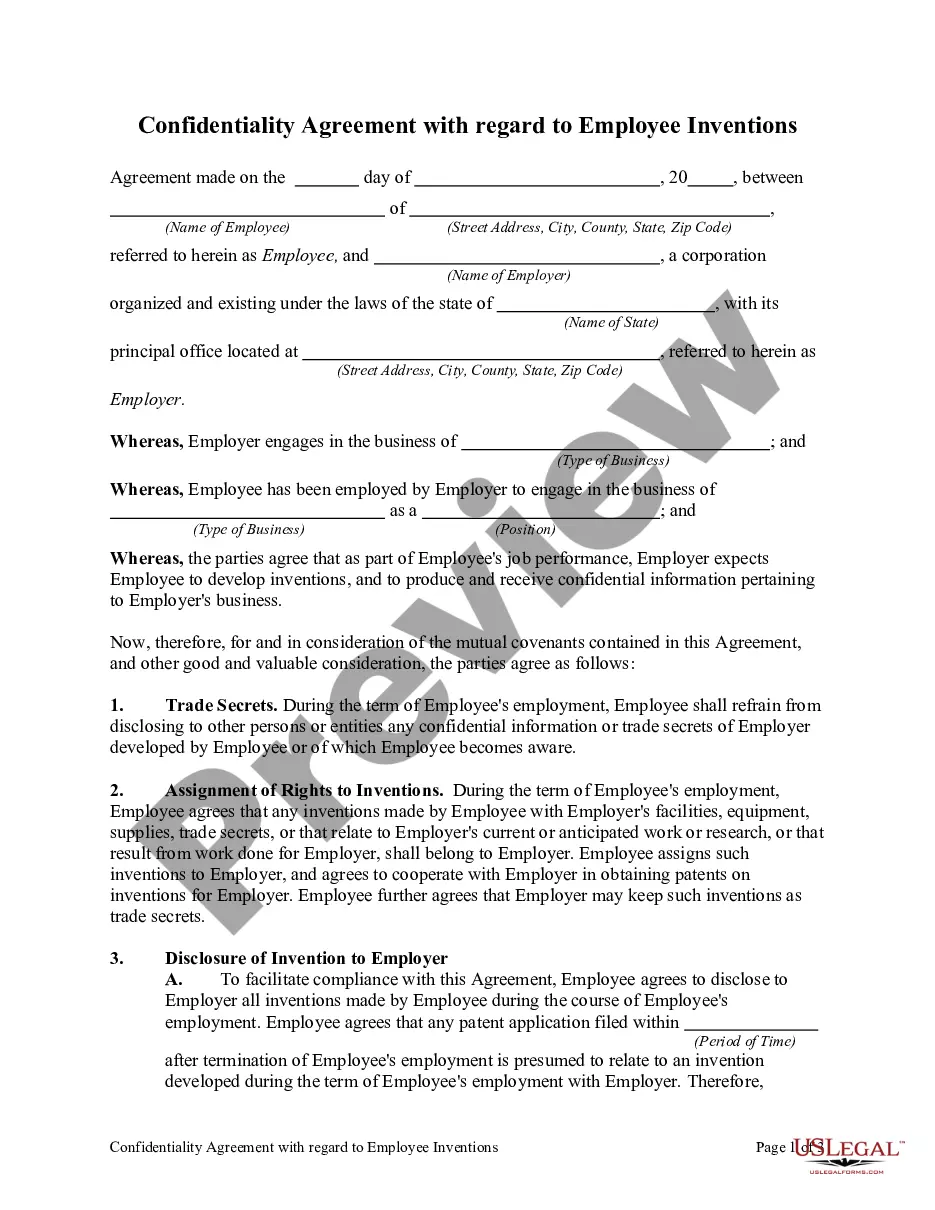
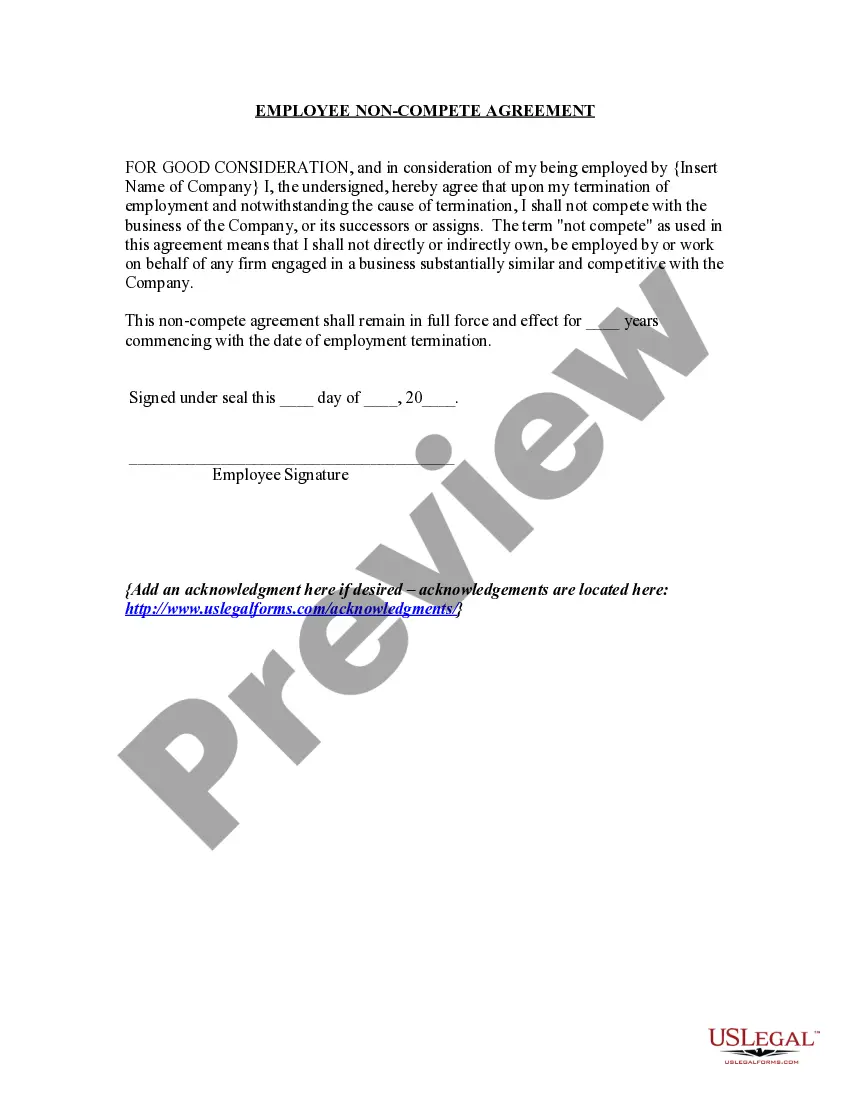
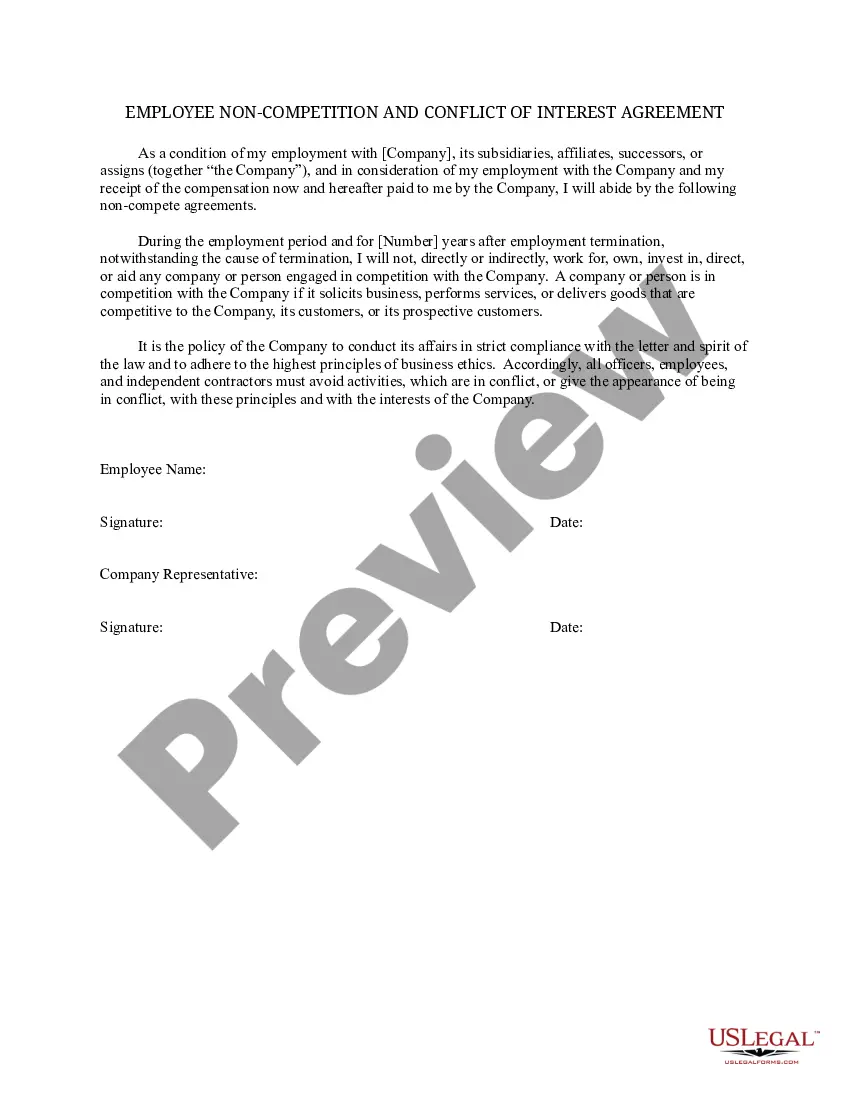
Get your form ready online
Our built-in tools help you complete, sign, share, and store your documents in one place.
Make edits, fill in missing information, and update formatting in US Legal Forms—just like you would in MS Word.
Download a copy, print it, send it by email, or mail it via USPS—whatever works best for your next step.
Sign and collect signatures with our SignNow integration. Send to multiple recipients, set reminders, and more. Go Premium to unlock E-Sign.
If this form requires notarization, complete it online through a secure video call—no need to meet a notary in person or wait for an appointment.
We protect your documents and personal data by following strict security and privacy standards.

Make edits, fill in missing information, and update formatting in US Legal Forms—just like you would in MS Word.

Download a copy, print it, send it by email, or mail it via USPS—whatever works best for your next step.

Sign and collect signatures with our SignNow integration. Send to multiple recipients, set reminders, and more. Go Premium to unlock E-Sign.

If this form requires notarization, complete it online through a secure video call—no need to meet a notary in person or wait for an appointment.

We protect your documents and personal data by following strict security and privacy standards.
Looking for another form?







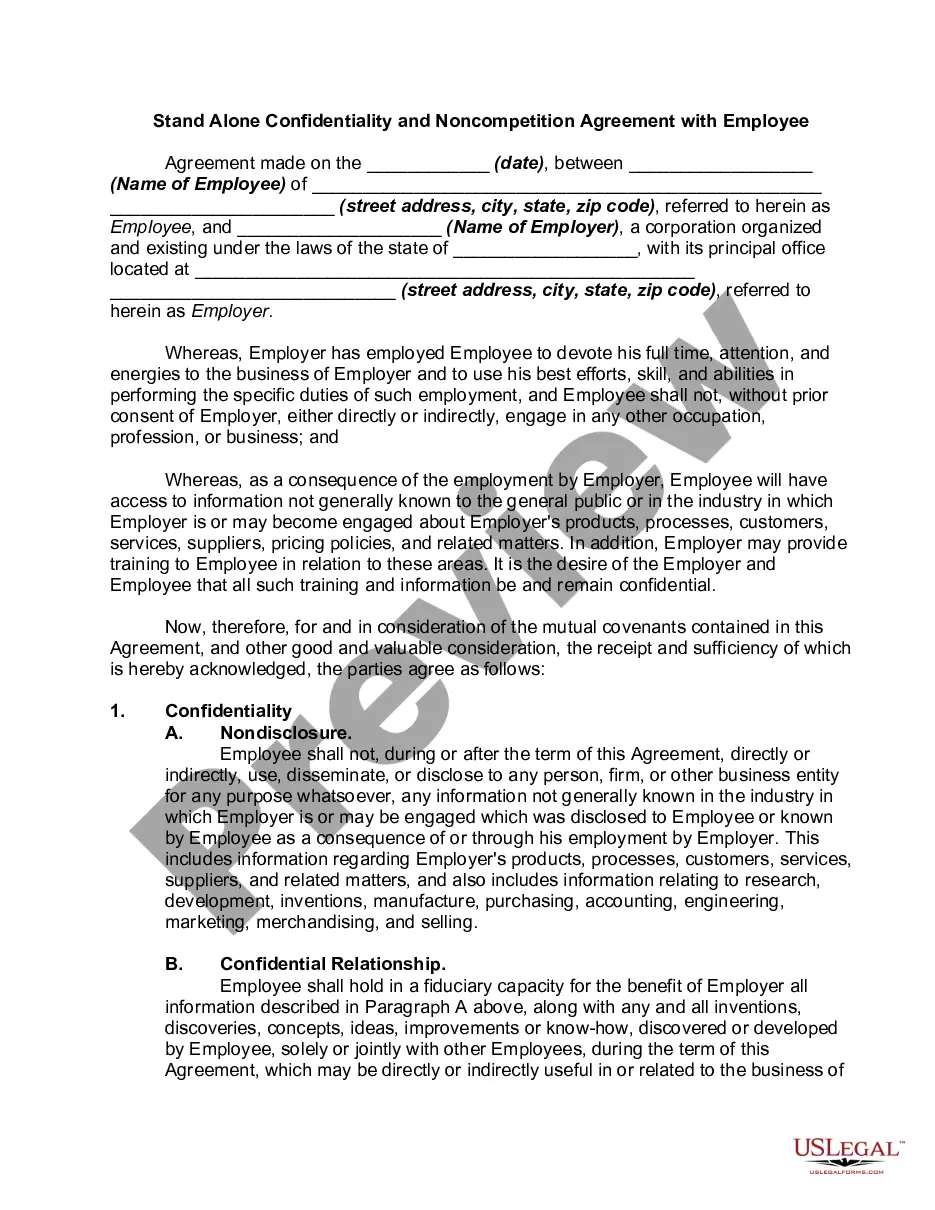
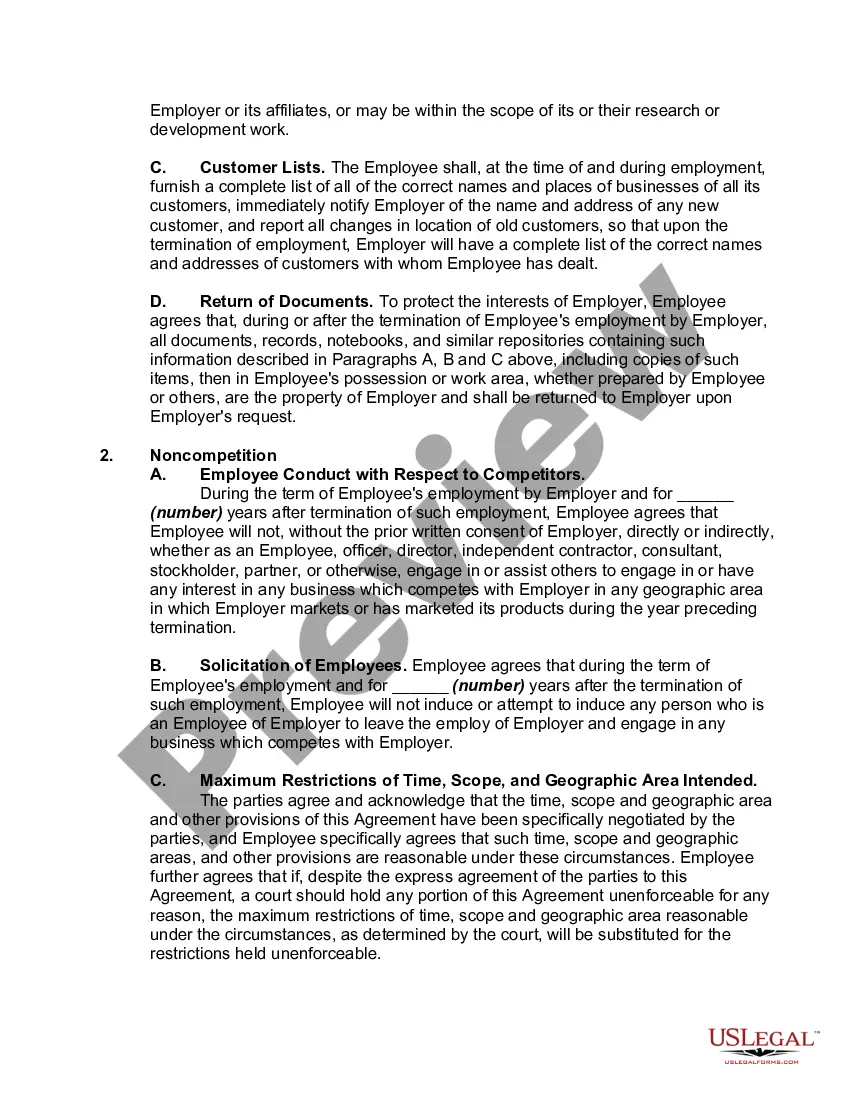
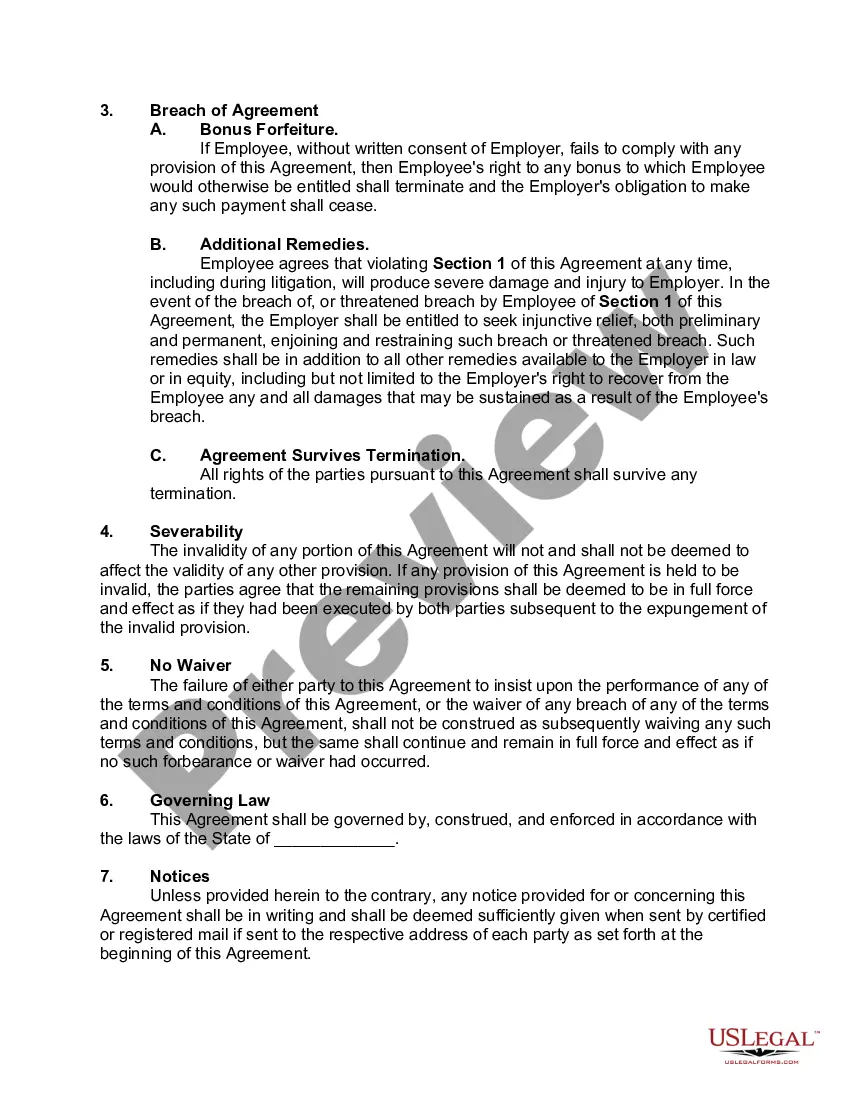
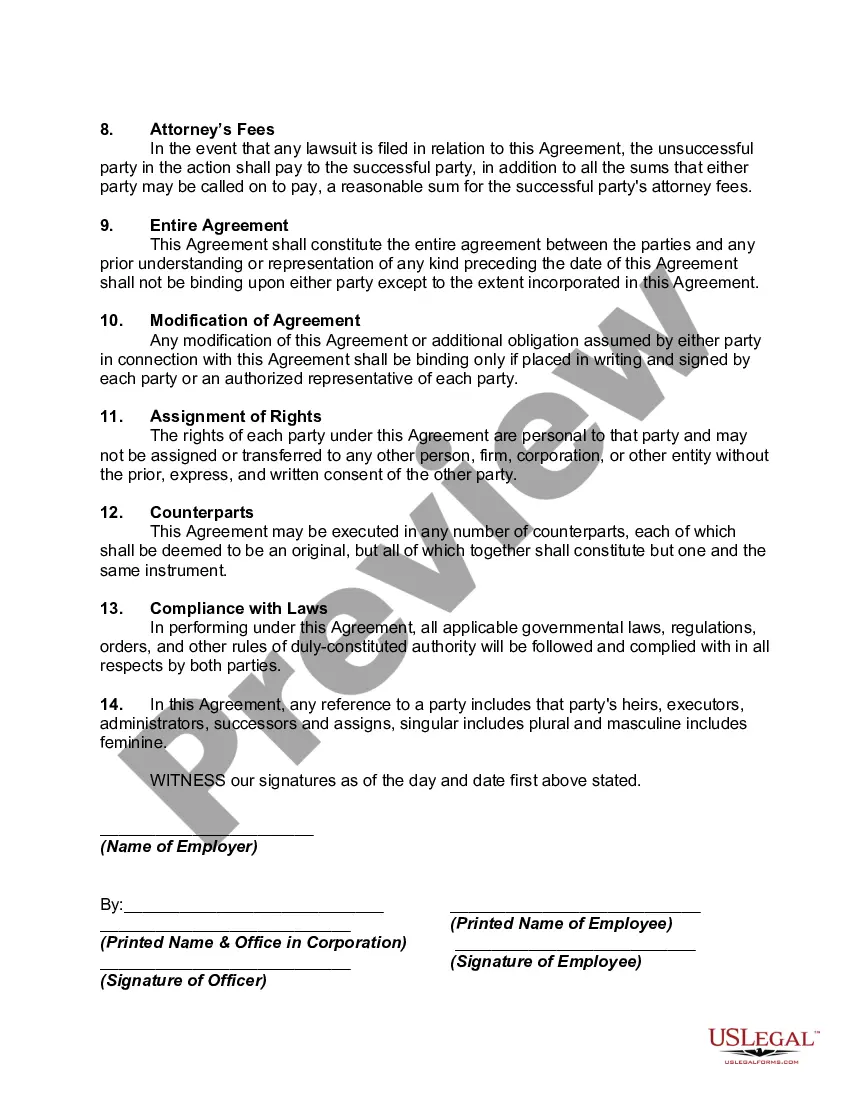
How to fill out Stand Alone Confidentiality And Noncompetition Agreement With Employee?
It’s well-known that you cannot transform into a legal specialist overnight, nor can you comprehend how to swiftly prepare Confidentiality With Former Students without possessing a specific skill set.
Drafting legal documents is an elaborate process that demands a specific level of education and expertise. Therefore, why not entrust the generation of the Confidentiality With Former Students to the professionals.
With US Legal Forms, one of the most comprehensive legal document repositories, you can discover everything from court documents to templates for internal communication.
If you require a different template, restart your search.
Sign up for a free account and choose a subscription plan to procure the template.
- We understand how vital compliance and adherence to federal and local regulations are.
- That’s why, on our platform, all forms are location-specific and current.
- Here’s how to get started with our platform and acquire the document you need within moments.
- Identify the document you are searching for using the search bar at the top of the page.
- View it (if this option is available) and read the accompanying description to ascertain whether Confidentiality With Former Students is what you need.
Form popularity
FAQ
As a rule of thumb, presume that all student information is confidential, and do not disclose information without a student's consent except to University officials who have a legitimate educational interest in the information.
It may be a matter of keeping a student's name, password, or parent information private, or maybe assessment results and grades need to be kept confidential.
Teachers can ensure students' privacy by empowering them to share only the information they want and helping them understand how sharing their personal information can impact them. Confidentiality comes into play when private data is shared.
Establish separate computers or accounts for student use of the computer. Don't ever speak about students around 3rd parties. If you have to, don't use their names or use generic names such as John and Mary.
Protection of student data privacy starts with students, who have access to their own information and should play a role by being mindful of their own privacy. Teachers can help by educating students about the need for privacy and encouraging them to set boundaries on sharing personally identifiable information.