Python Requests Multipart/form-data
Description
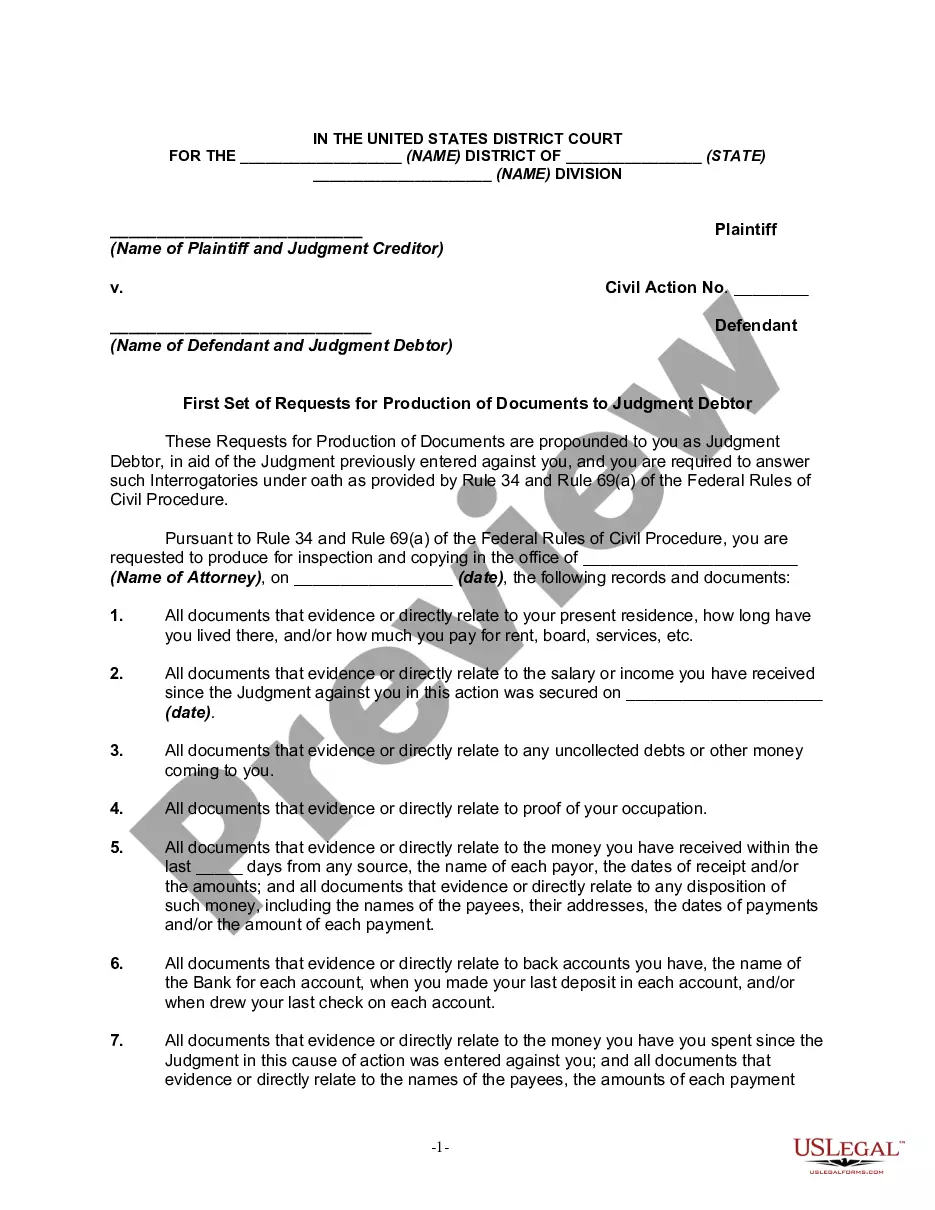
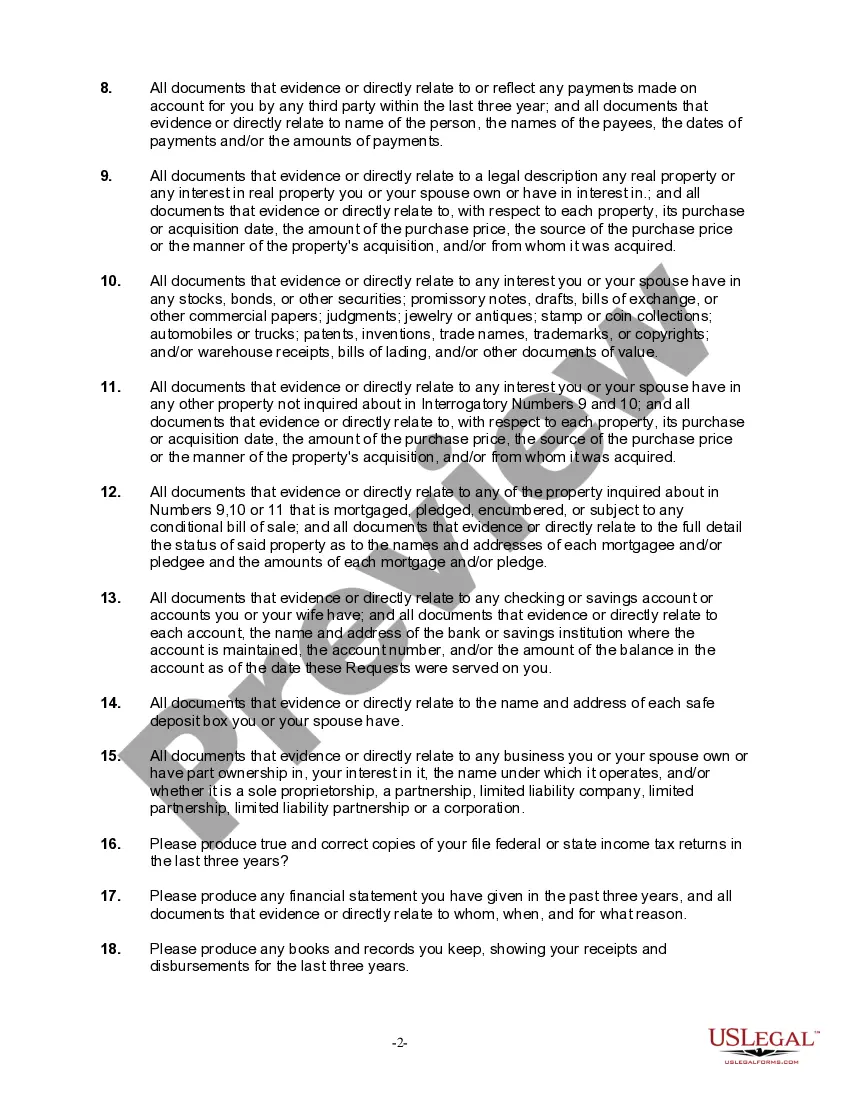
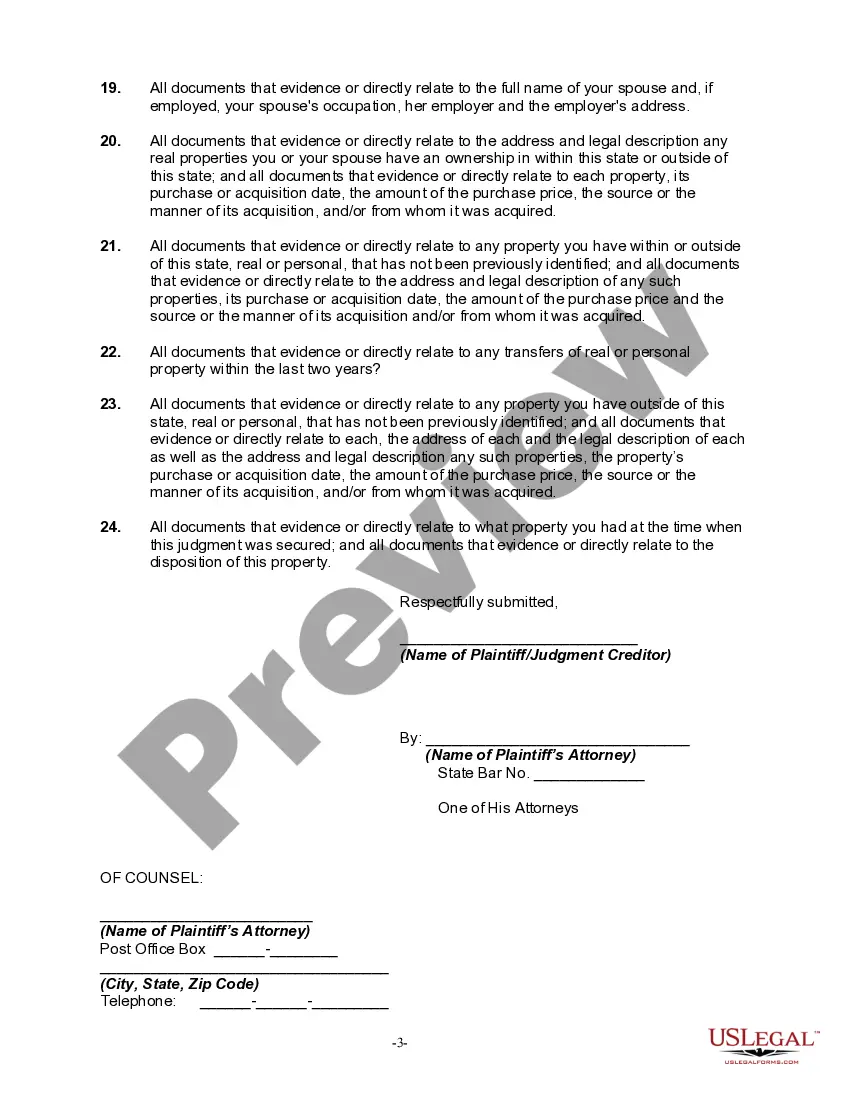
Get your form ready online
Our built-in tools help you complete, sign, share, and store your documents in one place.
Make edits, fill in missing information, and update formatting in US Legal Forms—just like you would in MS Word.
Download a copy, print it, send it by email, or mail it via USPS—whatever works best for your next step.
Sign and collect signatures with our SignNow integration. Send to multiple recipients, set reminders, and more. Go Premium to unlock E-Sign.
If this form requires notarization, complete it online through a secure video call—no need to meet a notary in person or wait for an appointment.
We protect your documents and personal data by following strict security and privacy standards.

Make edits, fill in missing information, and update formatting in US Legal Forms—just like you would in MS Word.

Download a copy, print it, send it by email, or mail it via USPS—whatever works best for your next step.

Sign and collect signatures with our SignNow integration. Send to multiple recipients, set reminders, and more. Go Premium to unlock E-Sign.

If this form requires notarization, complete it online through a secure video call—no need to meet a notary in person or wait for an appointment.

We protect your documents and personal data by following strict security and privacy standards.
Looking for another form?



How to fill out Requests For Production Of Documents In Federal Court To Judgment Debtor In General And Regarding Property Available To Satisfy Judgment?
- If you have an existing account, log in to your profile and ensure your subscription is active. Click the Download button to save the required form template.
- For new users, begin by reviewing the Preview mode and detailed form descriptions to select the appropriate legal form that aligns with your jurisdiction.
- If you find discrepancies or are in need of a different template, utilize the Search tab to locate the correct form that suits your needs.
- Proceed to purchase the document by clicking the Buy Now button. You will need to select a subscription plan and create an account to access the resources.
- Complete your transaction by entering your payment details through credit card or PayPal, securing your subscription.
- Finally, download your selected legal form and save it to your device. To access your documents anytime, visit the My Forms section of your account.
By following these steps, you can easily navigate the US Legal Forms platform and obtain the necessary legal documents with confidence. This service not only provides a vast array of forms but also offers access to premium experts for additional guidance.
Experience the convenience of US Legal Forms today and ensure your legal documents are completed accurately and efficiently. Sign up now!
Form popularity
FAQ
To post data in Python Requests, use the requests.post() method, and provide your data in a dictionary format as the 'data' argument. If you're working with files, you should include them in a dictionary under the 'files' key. This functionality of Python requests multipart/form-data makes posting complex data, including files, simple and direct.
Python multipart is used primarily for handling files and data in HTTP requests. It enables you to send files along with other data in a single request, which is important for web applications that require file uploads. Utilizing Python requests multipart/form-data helps streamline this process, making it efficient and user-friendly.
To get FormData values in Python, you'll typically extract them from the request object after a form submission. If you are using a web framework like Flask or Django, the request object will contain all submitted form data. In this context, utilizing Python requests multipart/form-data helps to ensure that your data is well-structured and easily retrievable.
Sending data in Python requests is straightforward and can be achieved using the requests library. You can choose to use 'data' for form data or 'json' for JSON data within your request. When dealing with file uploads, remember that Python requests multipart/form-data supports this feature seamlessly, making data handling easy.
To add form data in an HTTP request, use the 'data' parameter in the requests.post() method. This is where you can include form fields as a dictionary, like {'field1': 'value1', 'field2': 'value2'}. For cases involving file uploads, Python requests multipart/form-data allows you to seamlessly manage files alongside form data.
To send a body in a POST request using Python, you will utilize the requests.post() method. You can pass your data as a dictionary to the 'data' parameter of this method. Using Python requests multipart/form-data is particularly beneficial when you need to upload files or send form data in a structured way.
To send a request in Python, you can use the requests library, which simplifies the process of making HTTP requests. First, import the requests module, then call one of its methods like get(), post(), or put(), depending on the type of request you want to make. For example, you can easily send a POST request with Python requests multipart/form-data.
In Reqbin, multipart form data refers to the method of sending files and other types of data within the same HTTP request format. This feature is useful when developing applications that involve file uploads alongside other user inputs. Leveraging this approach with Python requests multipart/form-data can greatly enhance your application's effectiveness in handling complex submissions.
Multipart mixed and form data serve different purposes in multipart requests. Multipart mixed allows for combining files and data without specific organization, while form data maintains a structured approach for form submissions. When using Python requests multipart/form-data, understanding these distinctions is crucial for accurately sending the intended data format.
Python-multipart is a library designed to handle multipart form data in Python applications. It simplifies parsing incoming multipart requests, particularly when dealing with file uploads. This tool is especially beneficial when working with Python requests multipart/form-data, as it helps streamline the process of handling various data types in a single request.