Title Deed Means
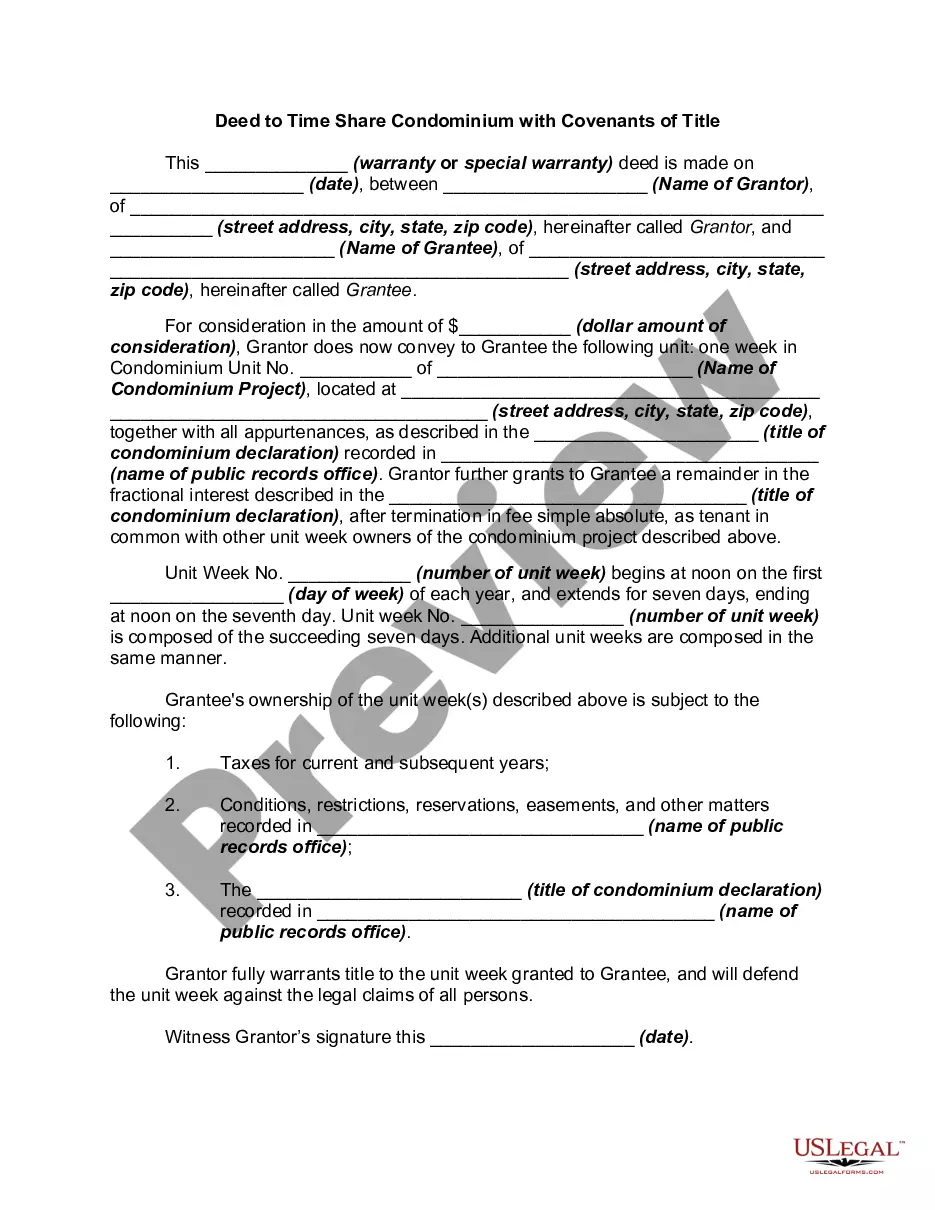
Description
Get your form ready online
Our built-in tools help you complete, sign, share, and store your documents in one place.
Make edits, fill in missing information, and update formatting in US Legal Forms—just like you would in MS Word.
Download a copy, print it, send it by email, or mail it via USPS—whatever works best for your next step.
Sign and collect signatures with our SignNow integration. Send to multiple recipients, set reminders, and more. Go Premium to unlock E-Sign.
If this form requires notarization, complete it online through a secure video call—no need to meet a notary in person or wait for an appointment.
We protect your documents and personal data by following strict security and privacy standards.

Make edits, fill in missing information, and update formatting in US Legal Forms—just like you would in MS Word.

Download a copy, print it, send it by email, or mail it via USPS—whatever works best for your next step.

Sign and collect signatures with our SignNow integration. Send to multiple recipients, set reminders, and more. Go Premium to unlock E-Sign.

If this form requires notarization, complete it online through a secure video call—no need to meet a notary in person or wait for an appointment.

We protect your documents and personal data by following strict security and privacy standards.
Looking for another form?







How to fill out Deed To Time Share Condominium With Covenants Of Title?
- Log in to your account if you're a returning user. Click the Download button to retrieve your form. Ensure your subscription is active; renew if necessary.
- For first-time users, start by reviewing the form descriptions in Preview mode. Verify it meets your specific needs and local regulations.
- If needed, utilize the Search tab to find the correct template, ensuring it aligns with your requirements before proceeding.
- Choose your form by clicking the Buy Now button and select your preferred subscription plan. You'll need to create an account for full access.
- Complete your purchase by entering your payment details via credit card or PayPal.
- Download your document and save it on your device. You can find it anytime in the My Forms section of your profile.
In conclusion, US Legal Forms empowers individuals and attorneys to efficiently manage legal documentation through its comprehensive library. With over 85,000 easily editable forms, you can ensure your documents are accurate and legally sound.
Don't hesitate to start today and simplify your legal processes!
Form popularity
FAQ
After closing, the title deed means should be recorded at the county office by your title company or attorney. This process may take a few weeks, but you can follow up with them to confirm the status. Once recorded, you can request a copy of your deed for your records. Having this document is essential for establishing ownership.
Typically, the original title deed means a legal document that confirms ownership of the property. After closing, the deed is usually held by the county recorder's office or the title company that handled the transaction. Sometimes, homeowners choose to keep a copy for their records. If you need the original, you may need to contact the recorder’s office.
The main purpose of a deed is to convey property ownership from one party to another. When you receive a title deed, it means you have legal proof of your rights to the property. Deeds also outline essential details such as the property description and any restrictions or covenants. Using platforms like US Legal Forms can simplify obtaining or managing these important documents, ensuring you understand what your title deed means.
A title deed means the official document that proves property ownership. Another term you might encounter is 'deed,' which also signifies the legal instrument used in property transactions. This essential document is crucial for establishing the owner's rights to the property. Understanding various terms related to title deed means getting a clearer picture of your property rights.
Being on the deed usually means you are recognized as the legal owner of the property, while the title indicates legal rights. The distinction matters when it comes to selling or passing the property on. Understanding what a title deed means will help you make informed decisions about your ownership. Consulting tools like USLegalForms can guide you through these complexities.
Deciding whether to add someone to your deed can have significant implications. Adding someone can simplify estate transfers but can also complicate property decisions. It's essential to consider how this will affect ownership rights and responsibilities. Always think about what a title deed means in terms of shared property and seek legal advice if needed.
Both title and deed play crucial roles in property ownership, but their importance can vary. The title represents ownership rights, while the deed is the physical document that transfers those rights. Understanding what a title deed means helps clarify the distinction between ownership and the act of conveying that ownership.
Completing a deed requires accurate documentation and thorough understanding of the legal process. First, gather necessary information including property details and the names of both parties involved. Then, ensure the deed is signed, notarized, and filed with the appropriate county office. Understanding what a title deed means here can save you from legal complications.
While a deed can facilitate property ownership, it also has potential disadvantages. For instance, transferring a deed can create risks if not all terms are clear, which can lead to disputes. Additionally, a title deed means ongoing responsibilities, such as taxes and maintenance. It’s important to weigh these factors before proceeding.
The owner of the deed to a property is generally the individual or entity listed on the public record. This means that if you hold the title deed, you have legal ownership. However, understanding what a title deed means is crucial, as it may outline any liens or claims against the property. Regularly checking your deed can help protect your ownership rights.