Quiet Title Action Indiana Without Attorney

Description
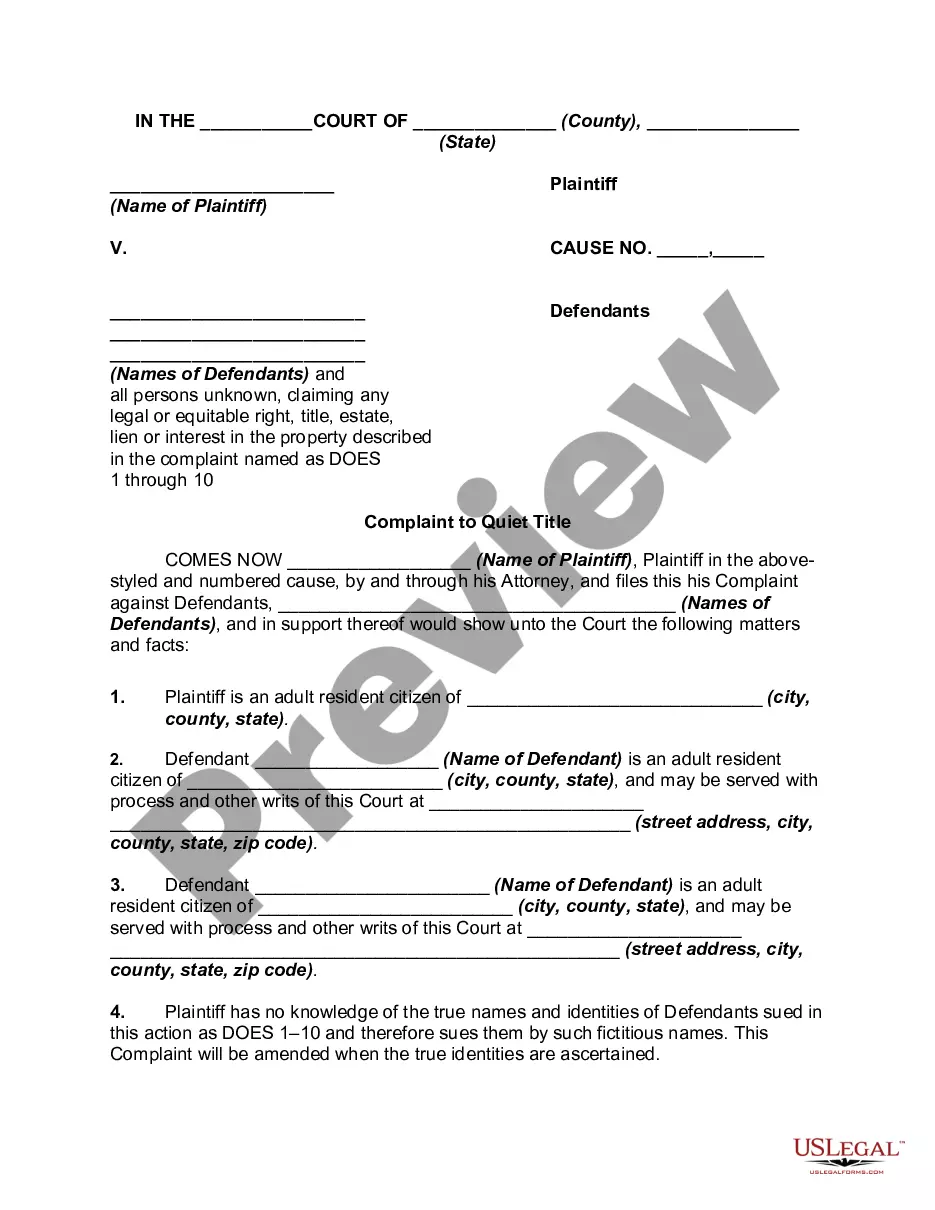
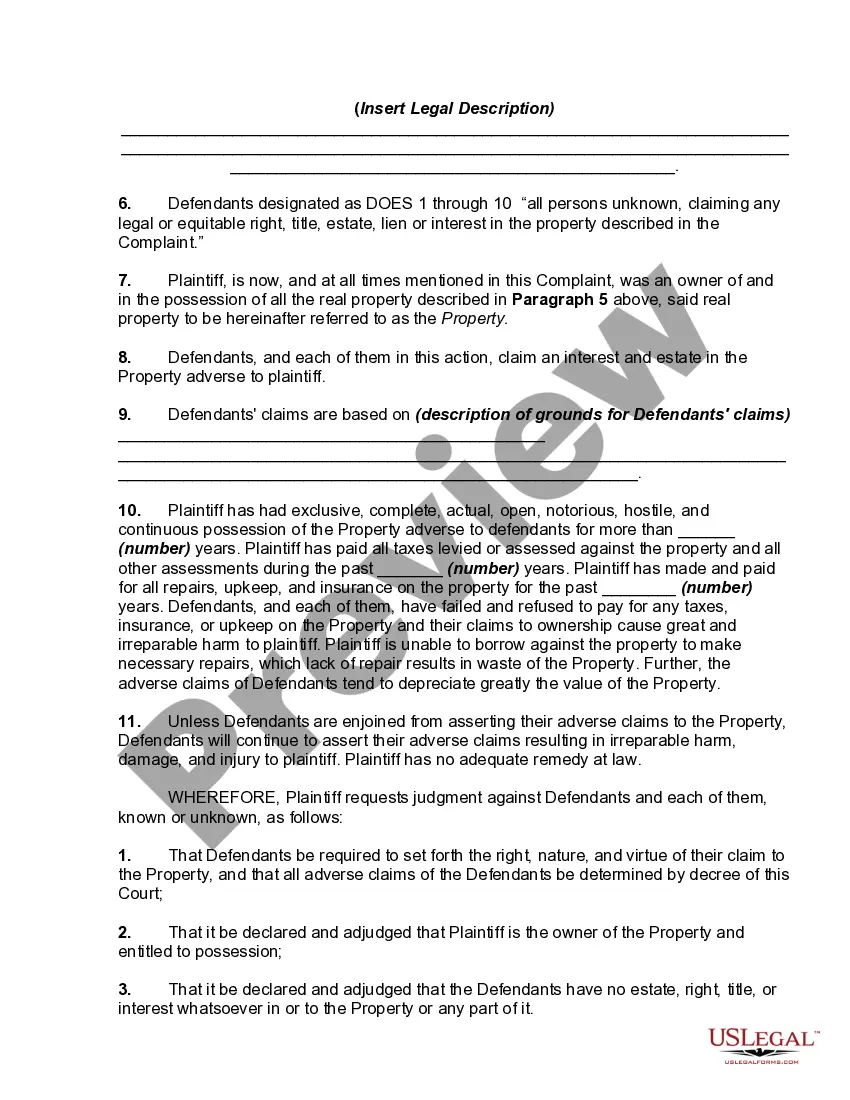
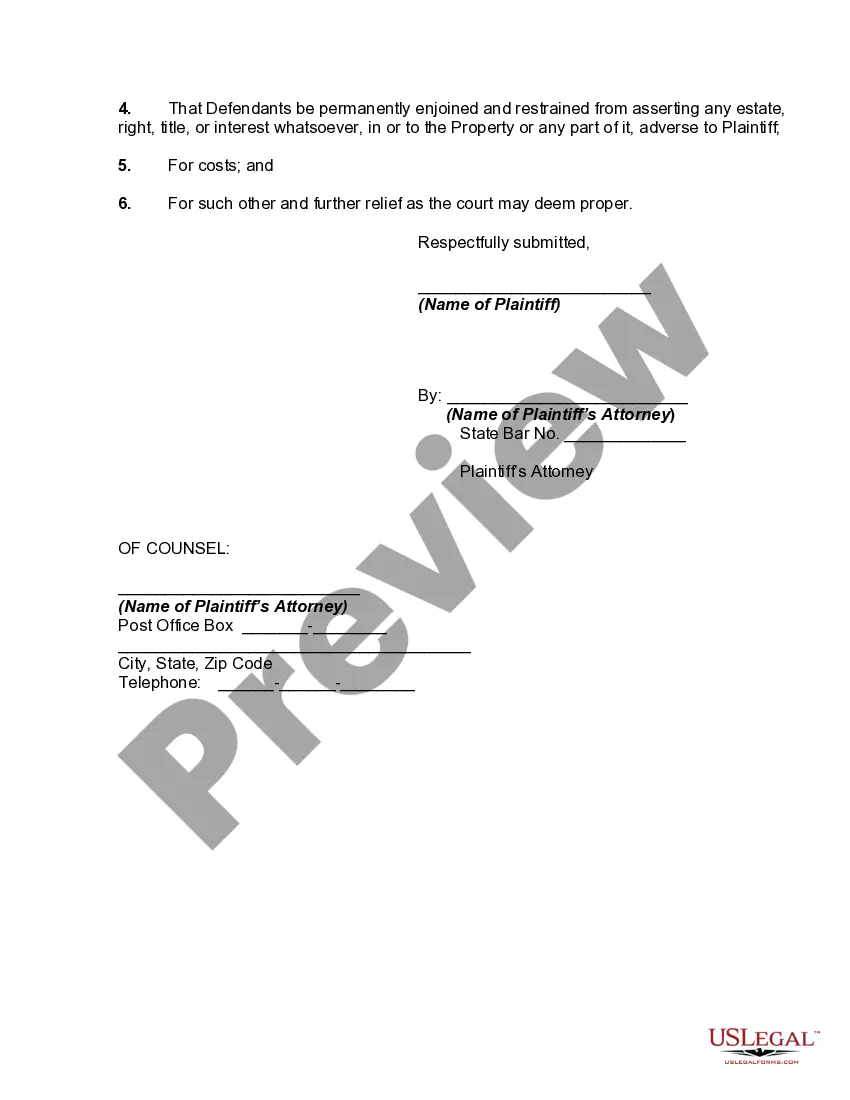
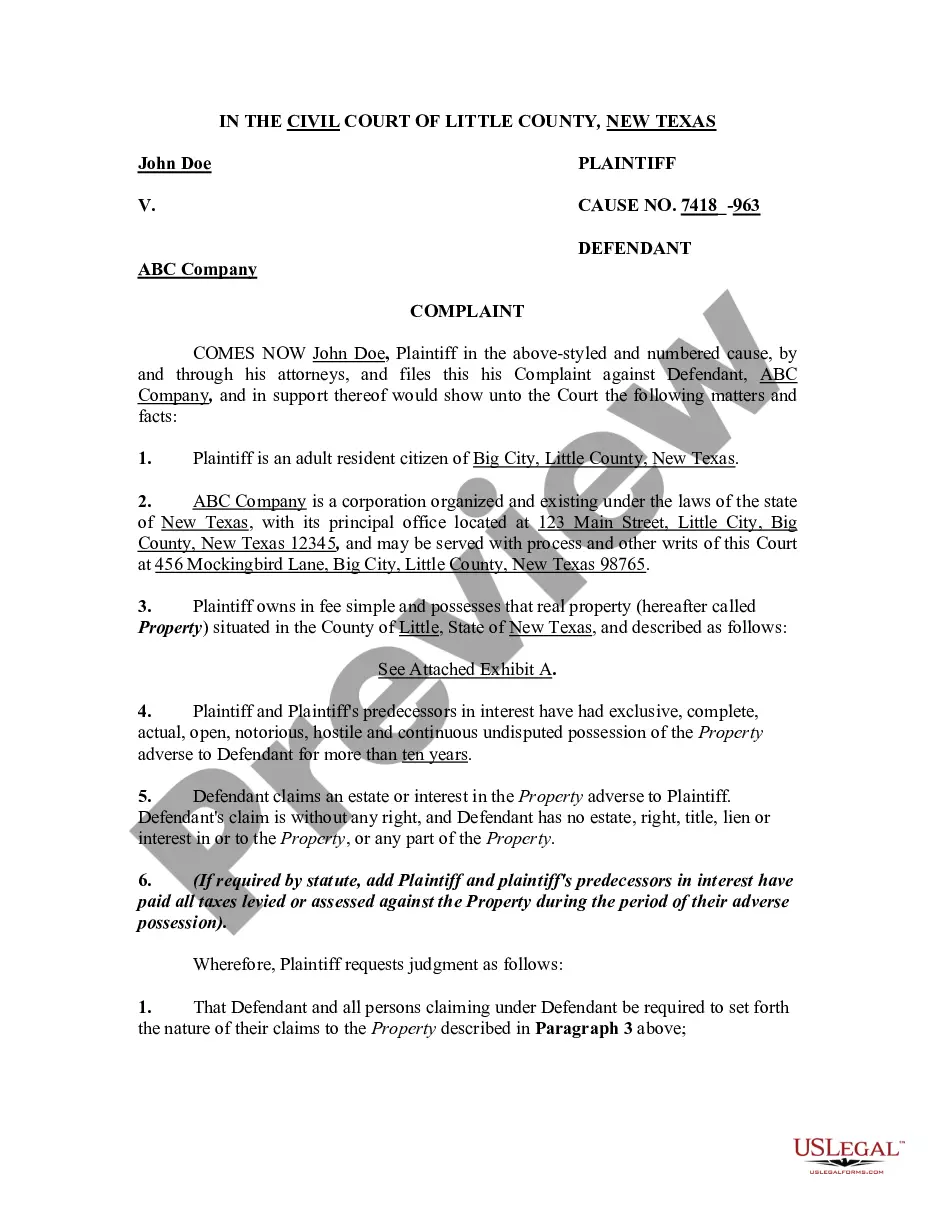
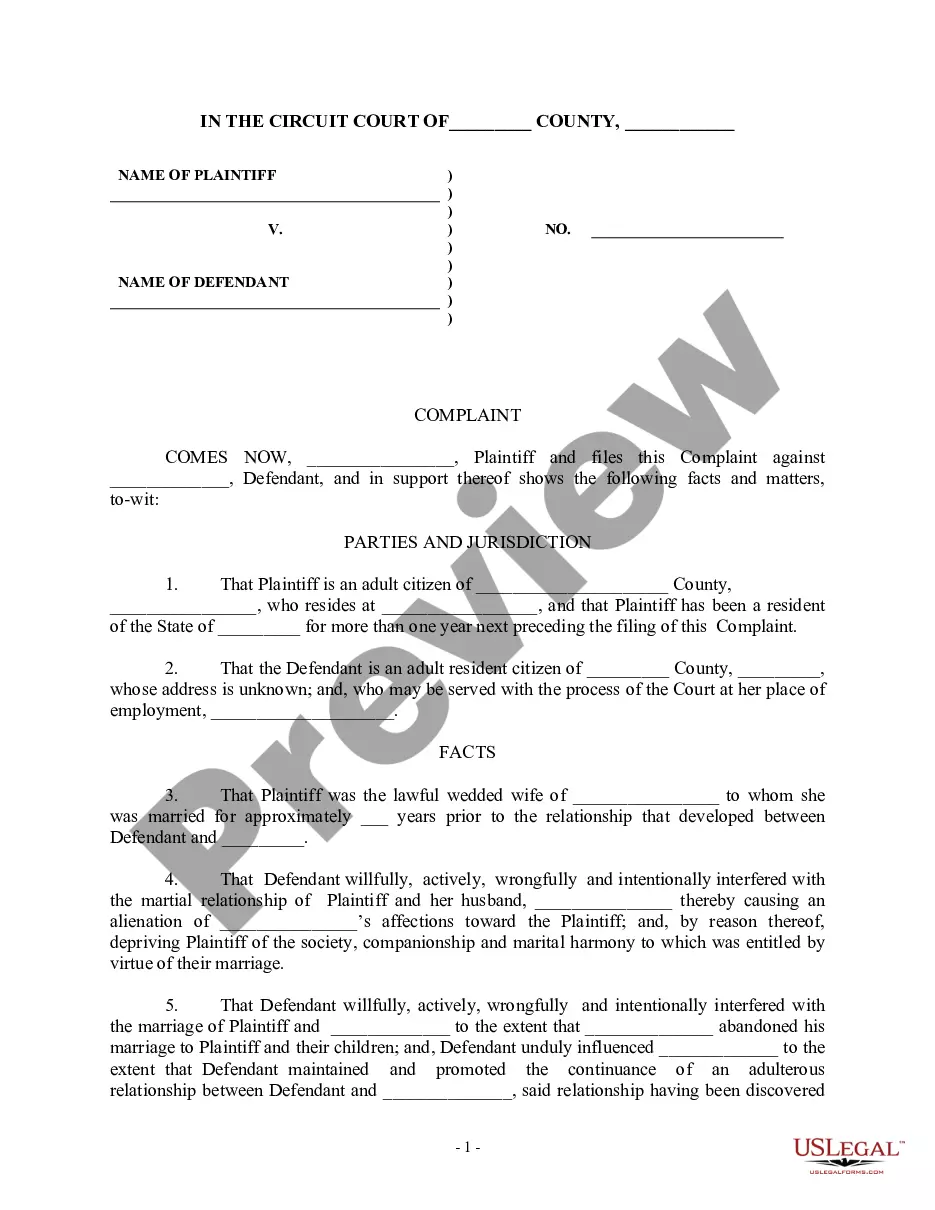
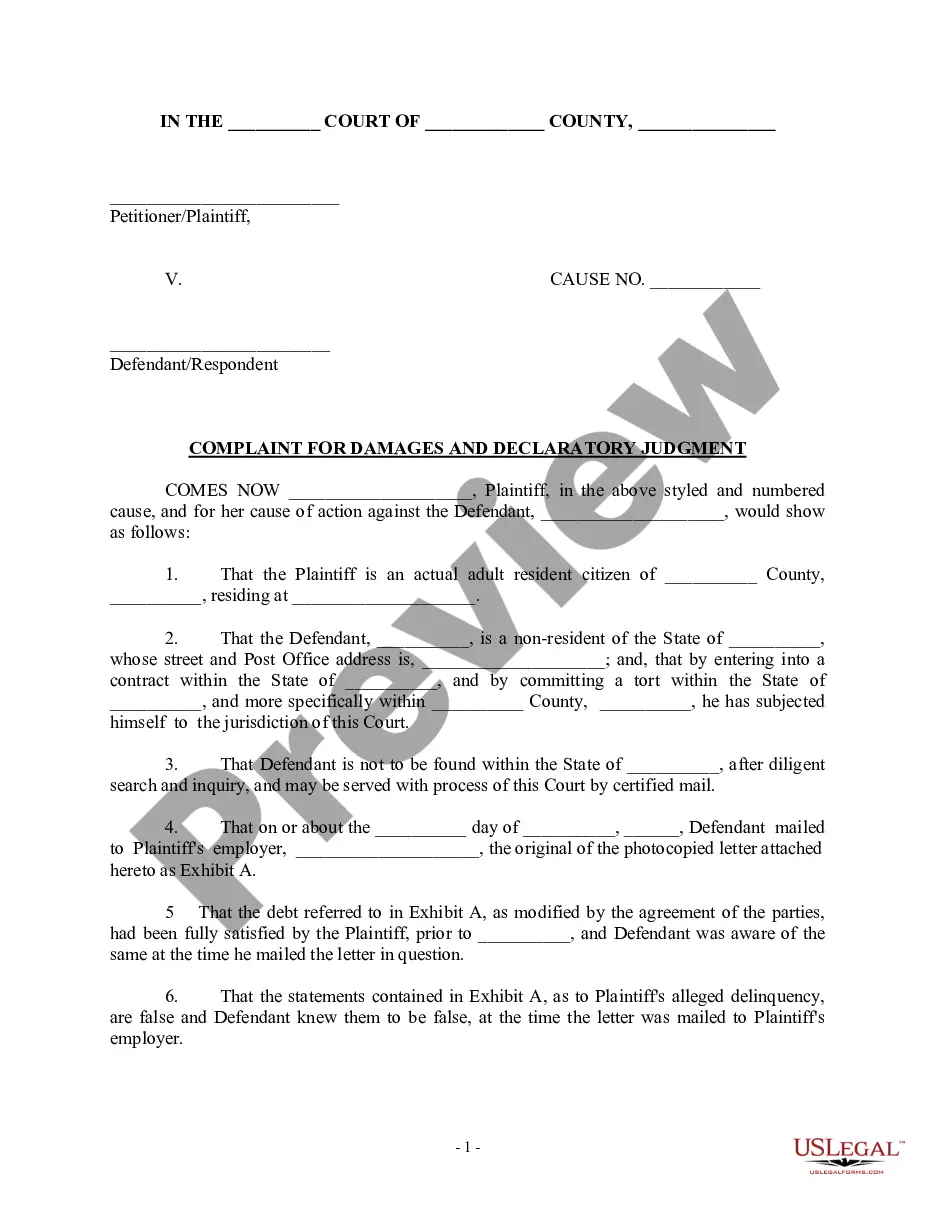
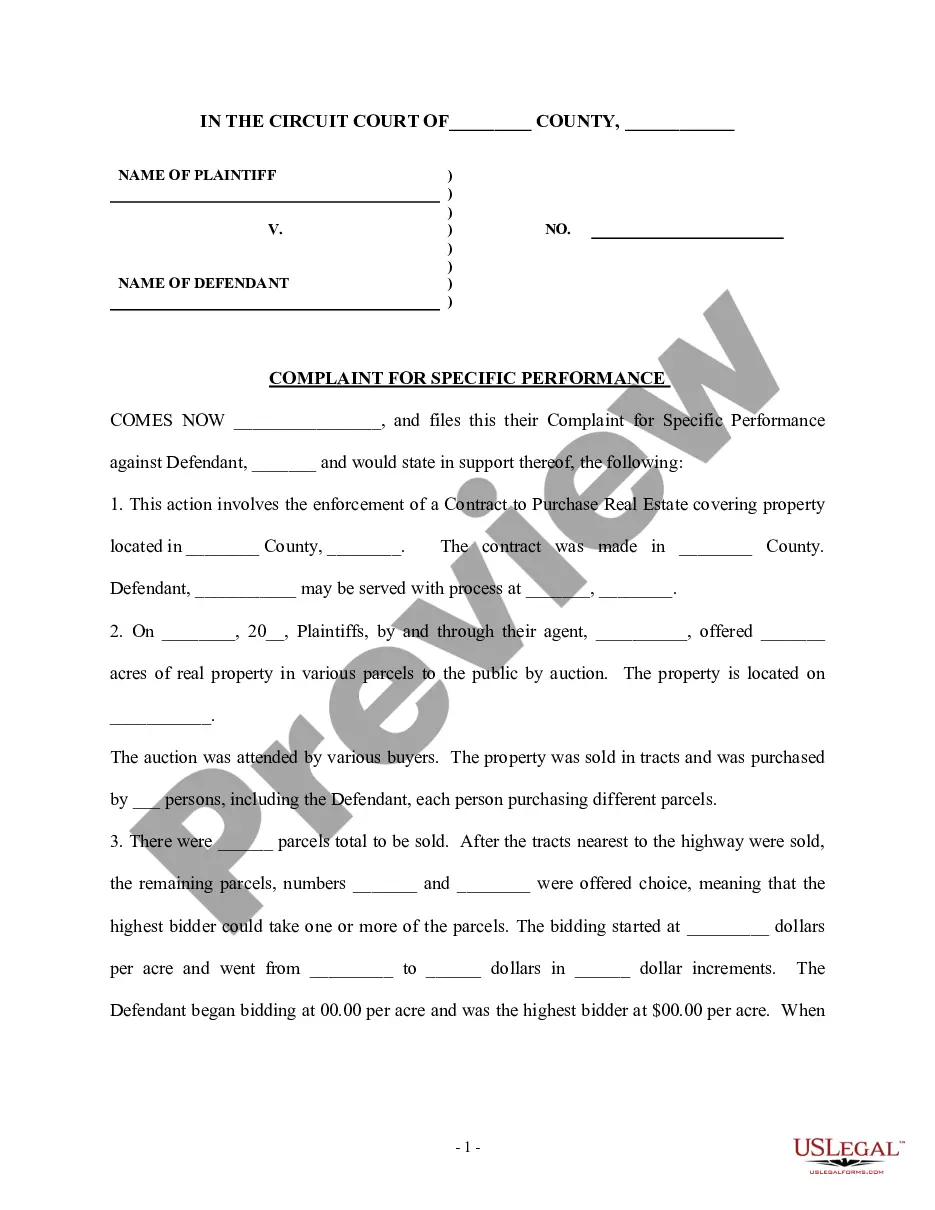
Get your form ready online
Our built-in tools help you complete, sign, share, and store your documents in one place.
Make edits, fill in missing information, and update formatting in US Legal Forms—just like you would in MS Word.
Download a copy, print it, send it by email, or mail it via USPS—whatever works best for your next step.
Sign and collect signatures with our SignNow integration. Send to multiple recipients, set reminders, and more. Go Premium to unlock E-Sign.
If this form requires notarization, complete it online through a secure video call—no need to meet a notary in person or wait for an appointment.
We protect your documents and personal data by following strict security and privacy standards.

Make edits, fill in missing information, and update formatting in US Legal Forms—just like you would in MS Word.

Download a copy, print it, send it by email, or mail it via USPS—whatever works best for your next step.

Sign and collect signatures with our SignNow integration. Send to multiple recipients, set reminders, and more. Go Premium to unlock E-Sign.

If this form requires notarization, complete it online through a secure video call—no need to meet a notary in person or wait for an appointment.

We protect your documents and personal data by following strict security and privacy standards.
Looking for another form?
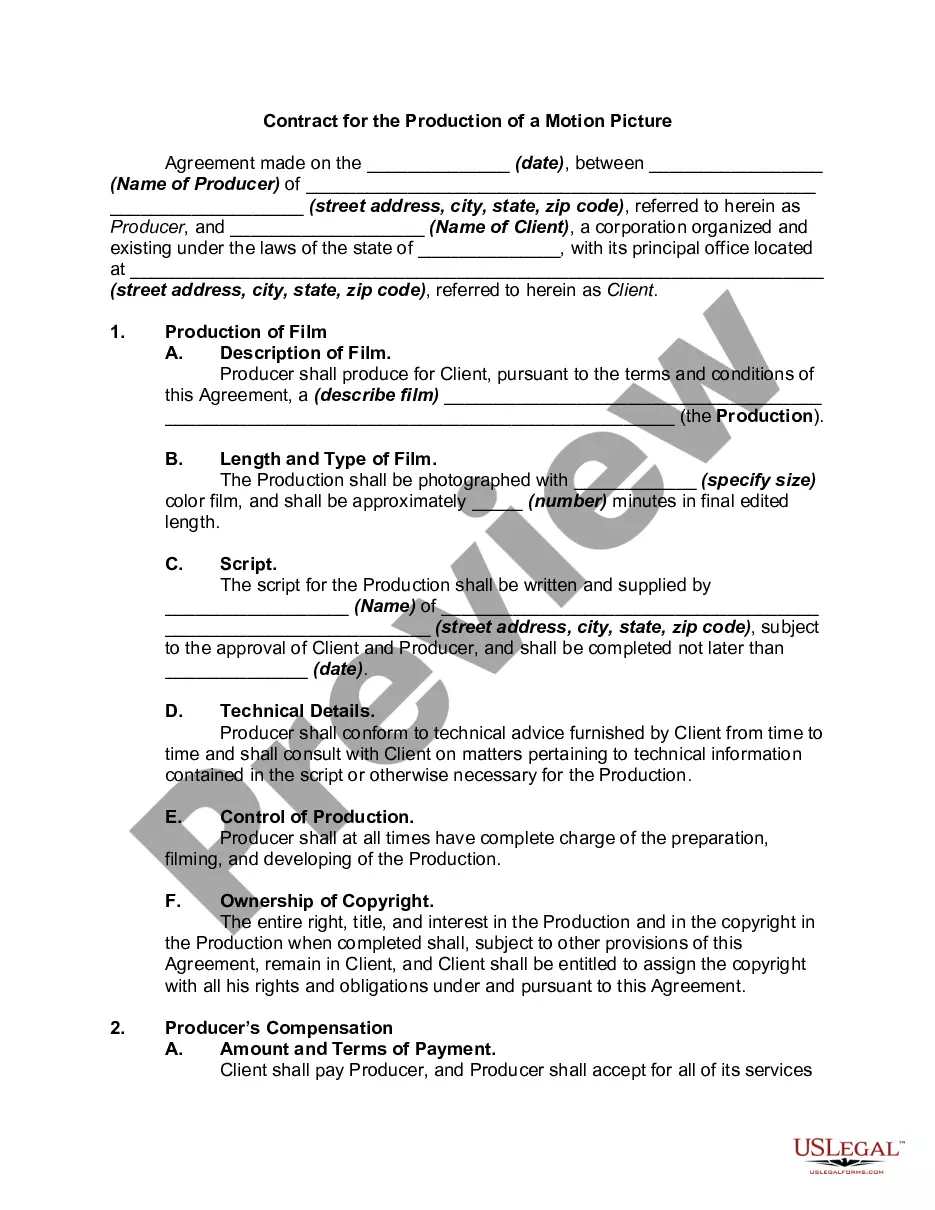


How to fill out Complaint To Quiet Title By Adverse Possessor With Unknown Defendants?
It’s widely known that you cannot transform into a legal specialist in a day, nor can you quickly learn how to prepare a Quiet Title Action Indiana Without Attorney without possessing specialized knowledge.
Drafting legal papers is a lengthy procedure necessitating specific education and expertise. Hence, why not entrust the preparation of the Quiet Title Action Indiana Without Attorney to experienced professionals.
With US Legal Forms, which boasts one of the most comprehensive libraries of legal templates, you can discover everything from courtroom documents to in-office communication templates.
You can re-access your forms from the My documents tab anytime. If you’re a current client, you can simply Log In, and find and download the template from the same tab.
Regardless of the intent of your documentation—be it financial, legal, or personal—our platform is here to assist. Explore US Legal Forms today!
- Locate the document you need by utilizing the search bar at the top of the page.
- Preview it (if this option is available) and review the accompanying description to determine if Quiet Title Action Indiana Without Attorney is what you’re looking for.
- If additional templates are needed, restart your search.
- Create a free account and select a subscription plan to purchase the form.
- Select Buy now. Once the transaction is complete, you can obtain the Quiet Title Action Indiana Without Attorney, fill it out, print it, and send or deliver it to the required parties or organizations.
Form popularity
FAQ
A California Estate Plan generally includes a Living Trust, Powers of Attorney, a Living Will, and a Pour-Over Will?for starters. It requires a specialized California Estate Planning Attorney to do it right.
The five most important documents to have in your estate plan are your will, a trust, powers of attorney, advanced medical directives, and beneficiary designations.
At a bare minimum, there should be two main components: a last will and testament and a durable power of attorney. In addition to these parts, you can add things such as a trust and even medical directions. These are the main components of an estate plan that you should consider, including in your comprehensive plan.
The 4 legal documents every adult should have A will. Also known as: a last will and testament. ... A living will. Also known as: an advance directive. ... Durable health care power of attorney. It appoints: a health care proxy. ... Durable financial power of attorney. It appoints: an attorney-in-fact or agent.
5 Steps to Organize Estate Documents for Your Executor 5 Steps to Organize. ... Step 1: Create a checklist of important documents (and their locations) ... Step 2: List the names and contact information of key associates. ... Step 3: Catalog your digital asset inventory. ... Step 4: Ensure all documents are organized and accessible.
Steps to Create a Will in Nevada Decide what property to include in your will. Decide who will inherit your property. Choose an executor to handle your estate. Choose a guardian for your children. Choose someone to manage children's property. Make your will. Sign your will in front of witnesses. Store your will safely.
Can I Make My Own Will in Nevada? Yes. State law does not require that you use an attorney to create your will. You do not need an attorney to create the document if you know what property you own and who you want to give it to.
The Estate Planning Process. Estate planning involves determining how an individual's assets will be preserved, managed, and distributed after death. It also takes into account the management of an individual's properties and financial obligations in the event that they become incapacitated.