Quiet Title Action In Georgia
Description
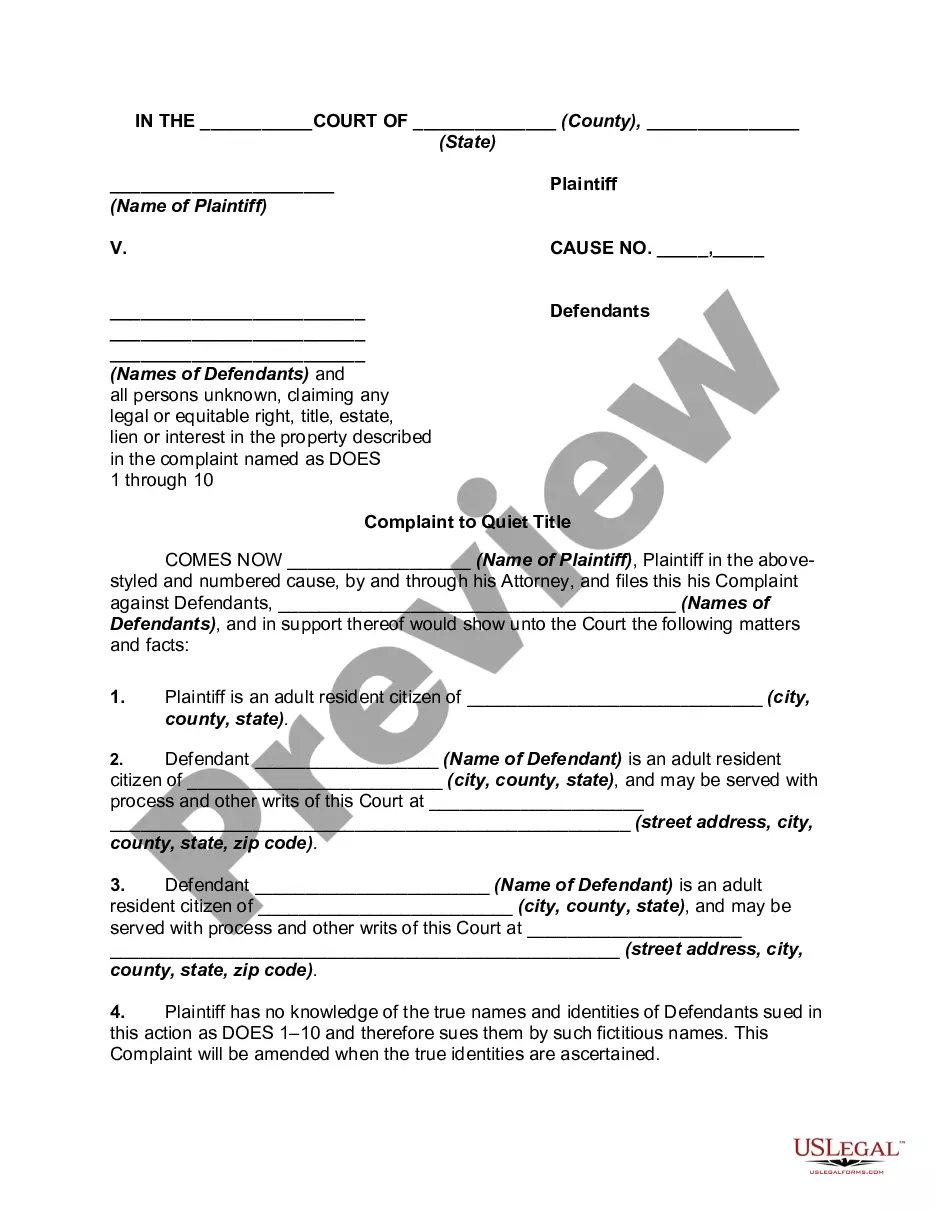
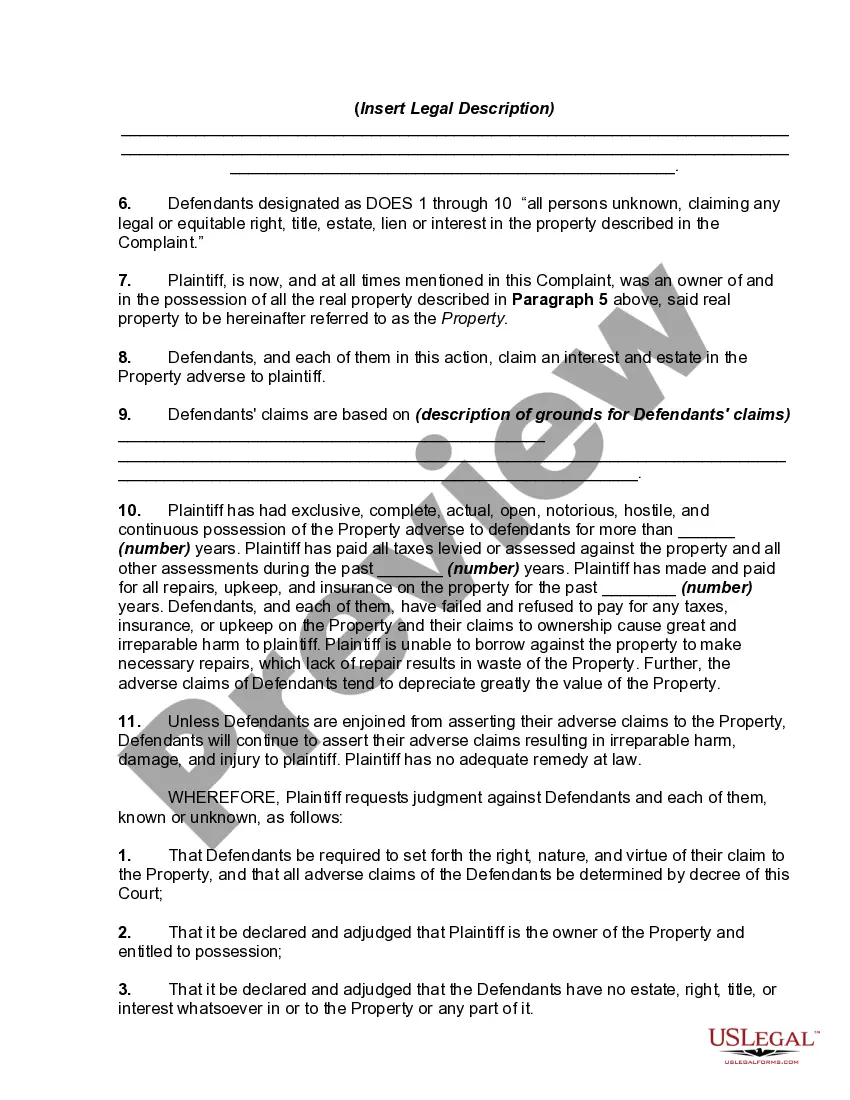
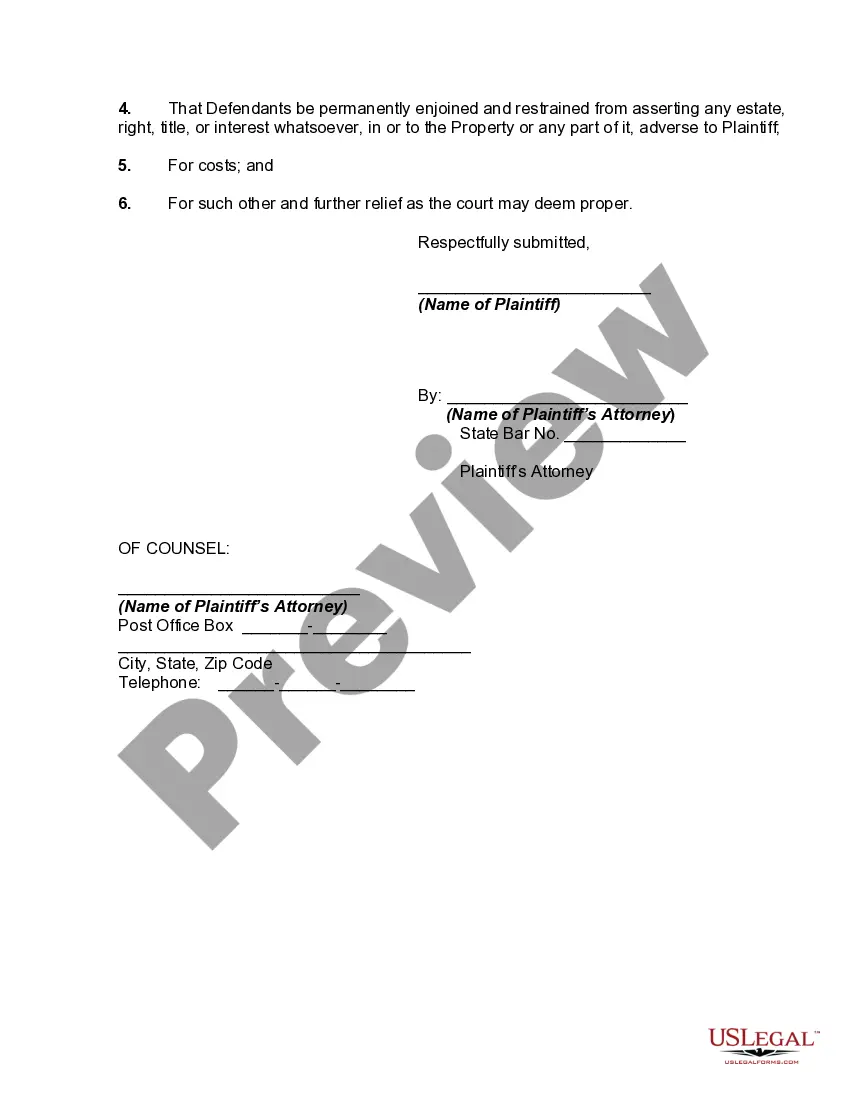
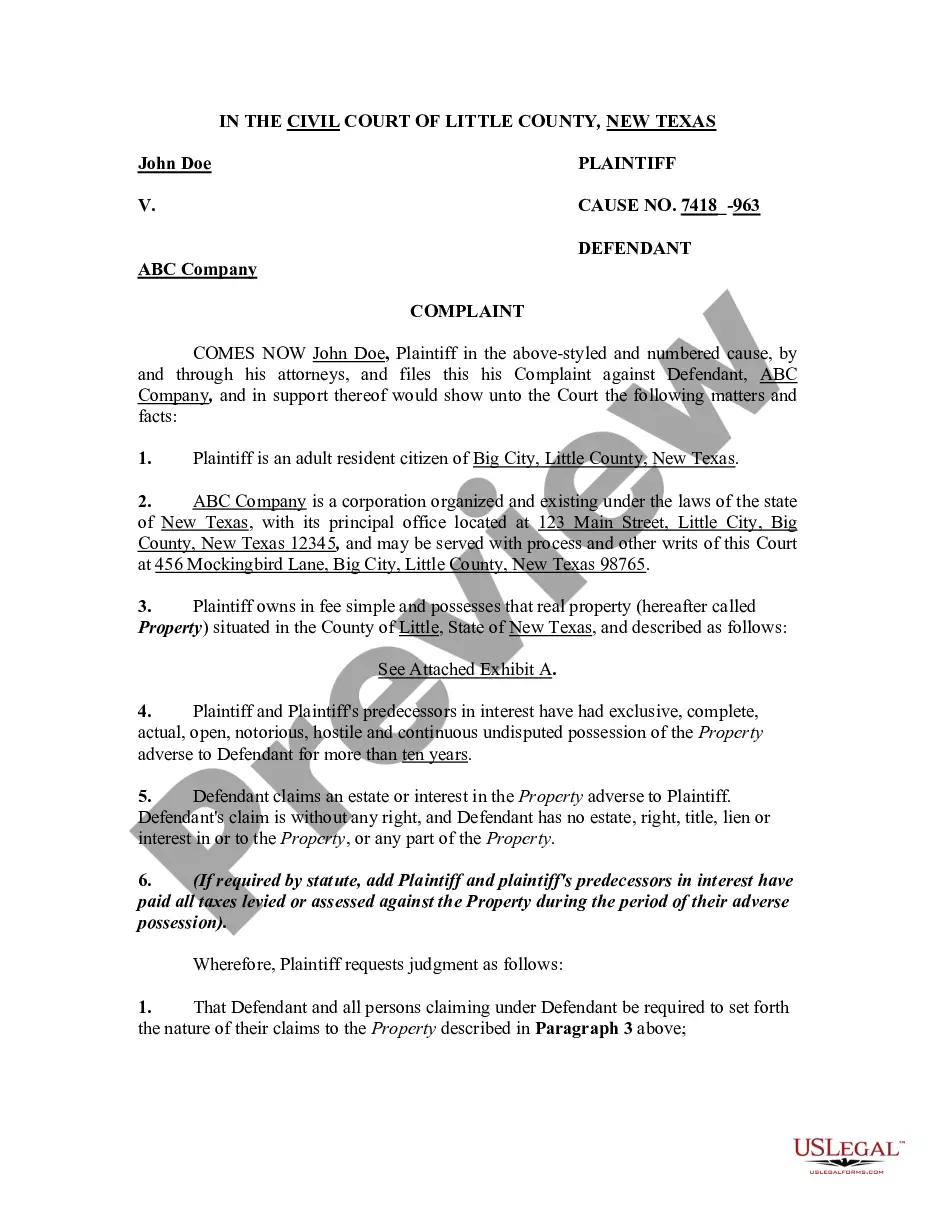
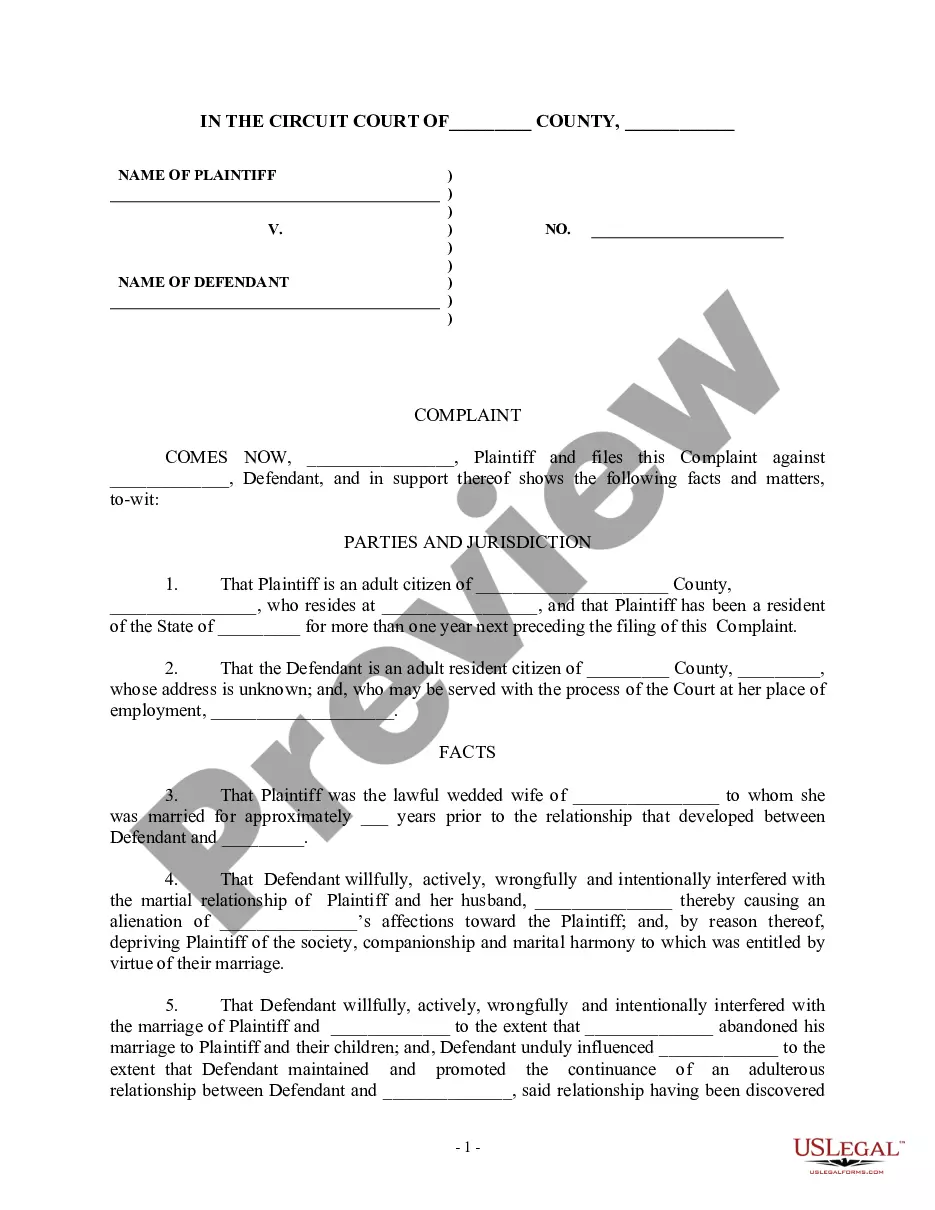
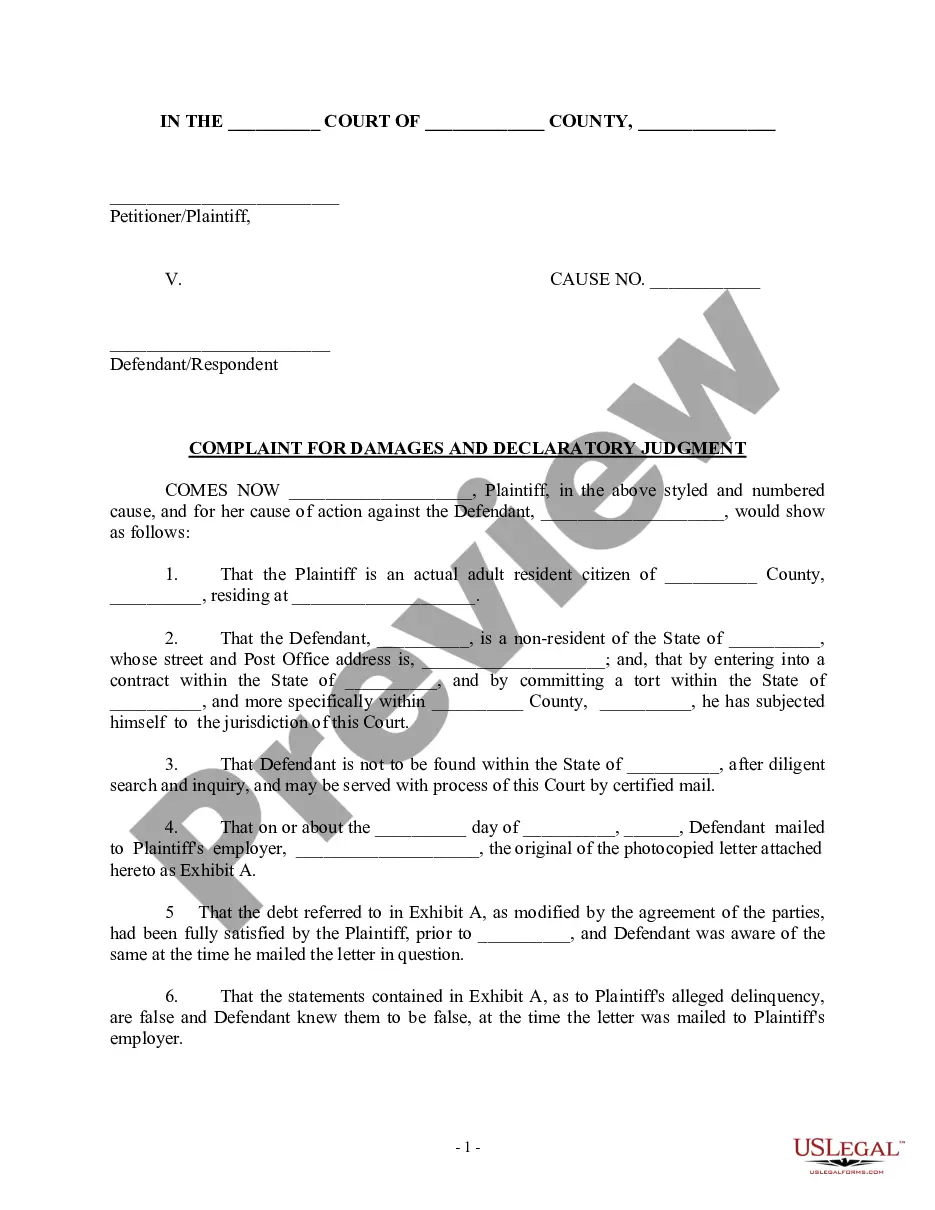
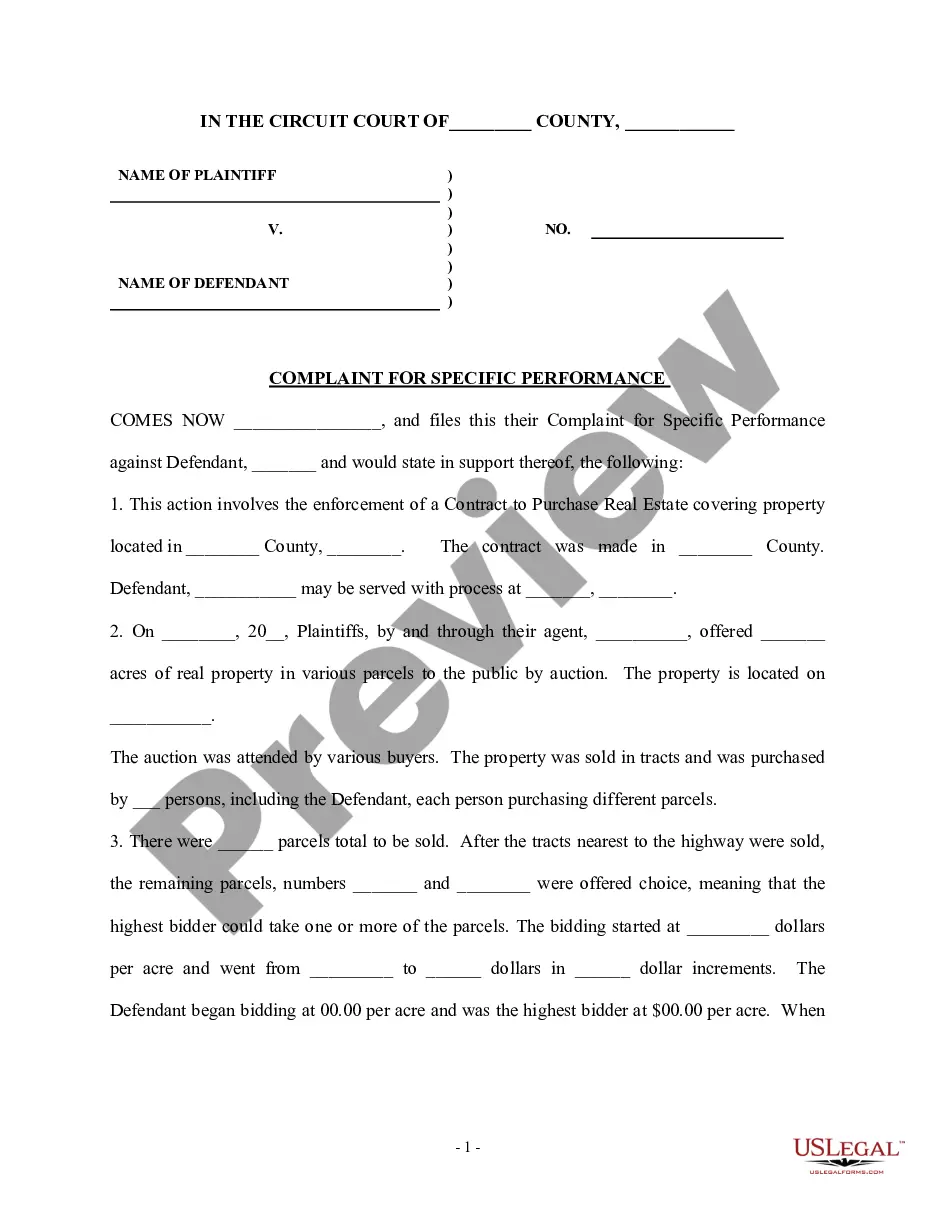
Get your form ready online
Our built-in tools help you complete, sign, share, and store your documents in one place.
Make edits, fill in missing information, and update formatting in US Legal Forms—just like you would in MS Word.
Download a copy, print it, send it by email, or mail it via USPS—whatever works best for your next step.
Sign and collect signatures with our SignNow integration. Send to multiple recipients, set reminders, and more. Go Premium to unlock E-Sign.
If this form requires notarization, complete it online through a secure video call—no need to meet a notary in person or wait for an appointment.
We protect your documents and personal data by following strict security and privacy standards.

Make edits, fill in missing information, and update formatting in US Legal Forms—just like you would in MS Word.

Download a copy, print it, send it by email, or mail it via USPS—whatever works best for your next step.

Sign and collect signatures with our SignNow integration. Send to multiple recipients, set reminders, and more. Go Premium to unlock E-Sign.

If this form requires notarization, complete it online through a secure video call—no need to meet a notary in person or wait for an appointment.

We protect your documents and personal data by following strict security and privacy standards.
Looking for another form?



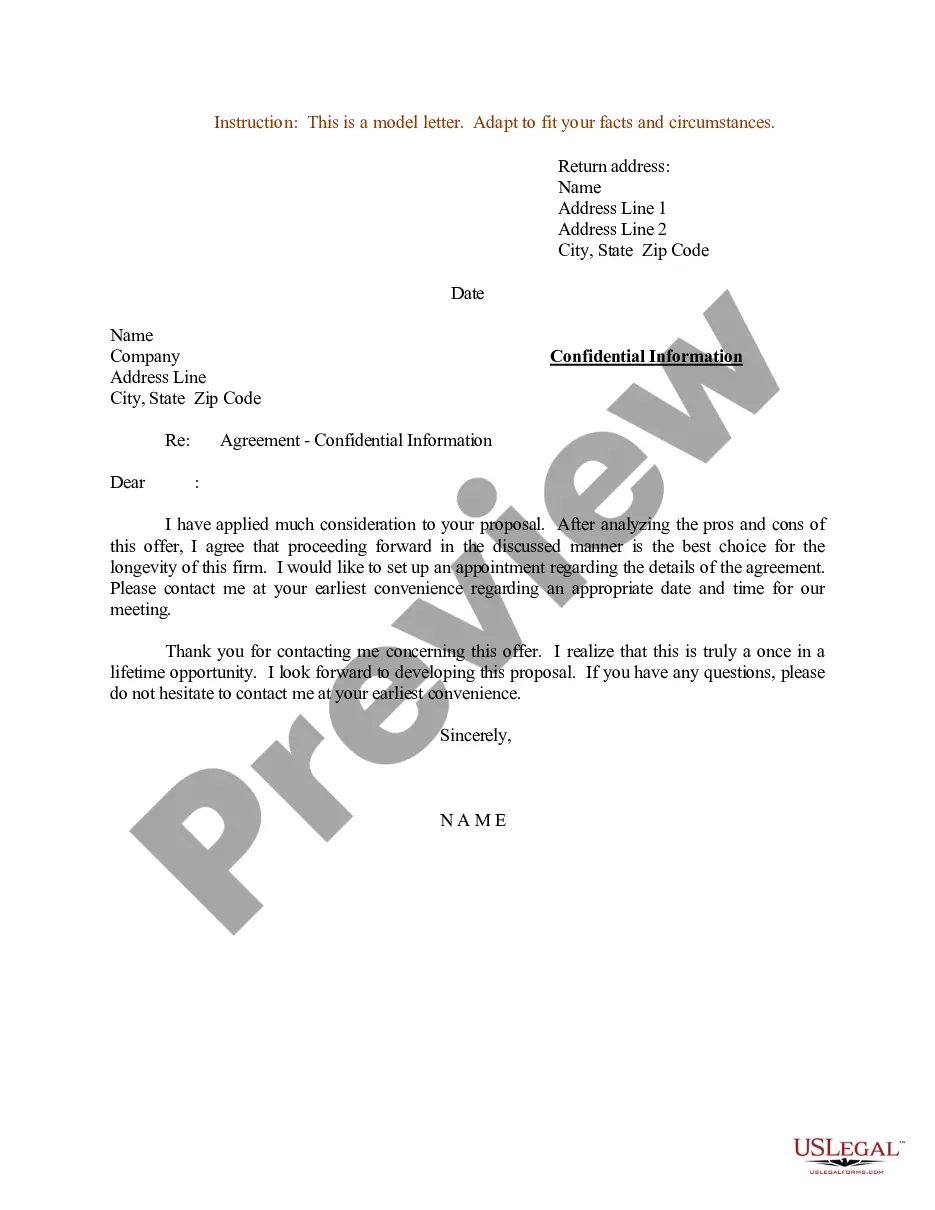
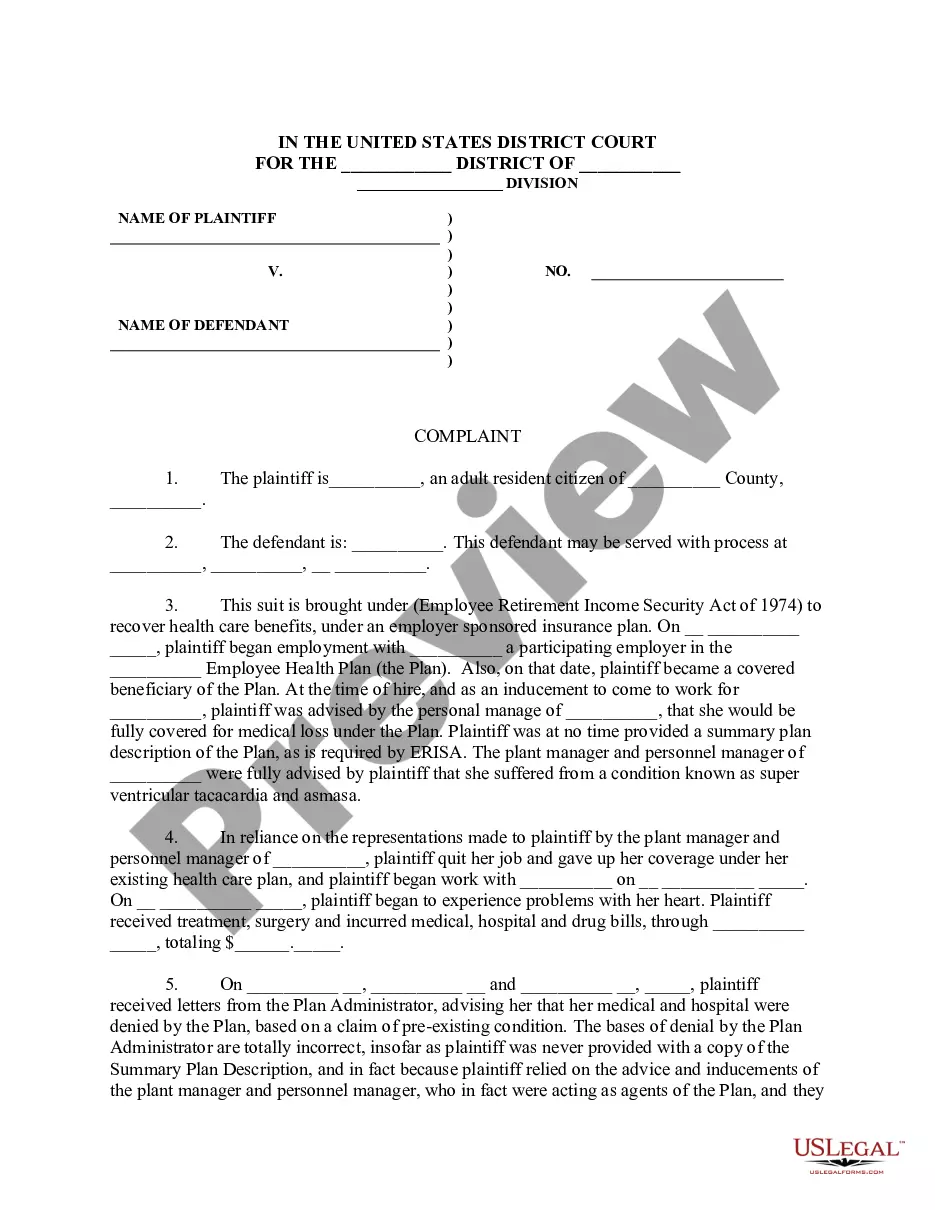
How to fill out Complaint To Quiet Title By Adverse Possessor With Unknown Defendants?
It’s well-known that you cannot transition into a legal professional instantly, nor can you swiftly comprehend how to effectively prepare a Quiet Title Action In Georgia without possessing a specialized skill set.
Drafting legal documents is a lengthy process that necessitates a specific education and expertise. So why not delegate the creation of the Quiet Title Action In Georgia to the experts.
With US Legal Forms, one of the most extensive legal template collections available, you can find everything from court documents to templates for internal business correspondence. We recognize how vital compliance with federal and state laws and regulations is.
Click Buy now. Once your payment is processed, you can download the Quiet Title Action In Georgia, complete it, print it, and send or deliver it to the appropriate individuals or organizations.
You can regain access to your documents at any time from the My documents section. If you're already a client, you can simply Log In and locate and download the template from the same section.
Regardless of the purpose of your forms—be it financial, legal, or personal—our website has everything you need. Explore US Legal Forms today!
- Here’s how to get started on our website and acquire the form you require in just a few minutes.
- Utilize the search bar at the top of the page to find the form you need.
- If available, preview it and read the accompanying description to determine if Quiet Title Action In Georgia is what you're looking for.
- If you need another template, begin your search anew.
- Create a free account and select a subscription plan to purchase the template.
Form popularity
FAQ
Success in a quiet title action in Georgia hinges on providing clear and compelling evidence of your ownership claim. Make sure your documentation is thorough, including title deeds and property history. Additionally, understanding the legal procedures and potential legal defenses from other parties is essential. For efficient preparation, consider using USLegalForms, which offers specialized resources to help you effectively build your case.
The procedure for filing a quiet title action in Georgia involves several steps, starting with gathering necessary documentation proving your ownership. You must then file a complaint in the appropriate court, ensuring you properly name all potential claimants. Once the court processes your request, a hearing will be scheduled to determine the legitimacy of your title. Utilizing a platform like USLegalForms can streamline this process, offering templates and guidance tailored to quiet title actions.
A disadvantage of a mortgage assignment is the consequences of failing to record it. Under most state laws, an entity seeking to institute foreclosure proceedings must record the assignment before it can do so. If a mortgage is not recorded, the judge will dismiss the foreclosure proceeding.
A deed of trust is the most common method of securing a lien on real estate in Missouri. Mortgages are rarely used.
An "assignment" is the document that is the legal record of this transfer from one mortgagee to another. In a typical transaction, when the mortgagee sells the debt to another bank, an assignment is recorded, and the promissory note is endorsed (signed over) to the new bank.
The most common example of an Assignment of Mortgage is when a mortgage lender transfers/sells the mortgage to another lender. This can be done more than once until the balance is paid. The lender does not have to inform the borrower that the mortgage is being assigned to another party.
Mortgages are assigned using a document called an assignment of mortgage. This legally transfers the original lender's interest in the loan to the new company. After doing this, the original lender will no longer receive the payments of principal and interest.
An assignment of mortgage gives the loan seller's rights under the mortgage, including the right to foreclose if the borrower doesn't make payments, to the new owner of the loan.
This document was created when a mortgagee wished to recover his money, but the mortgagor could not pay it back. The mortgagee would assign the mortgage to another person, who would pay him the money he was owed.
In a mortgage assignment, your original lender or servicer transfers your mortgage account to another loan servicer. When this occurs, the original mortgagee or lender's interests go to the next lender. Even if your mortgage gets transferred or assigned, your mortgage's terms should remain the same.