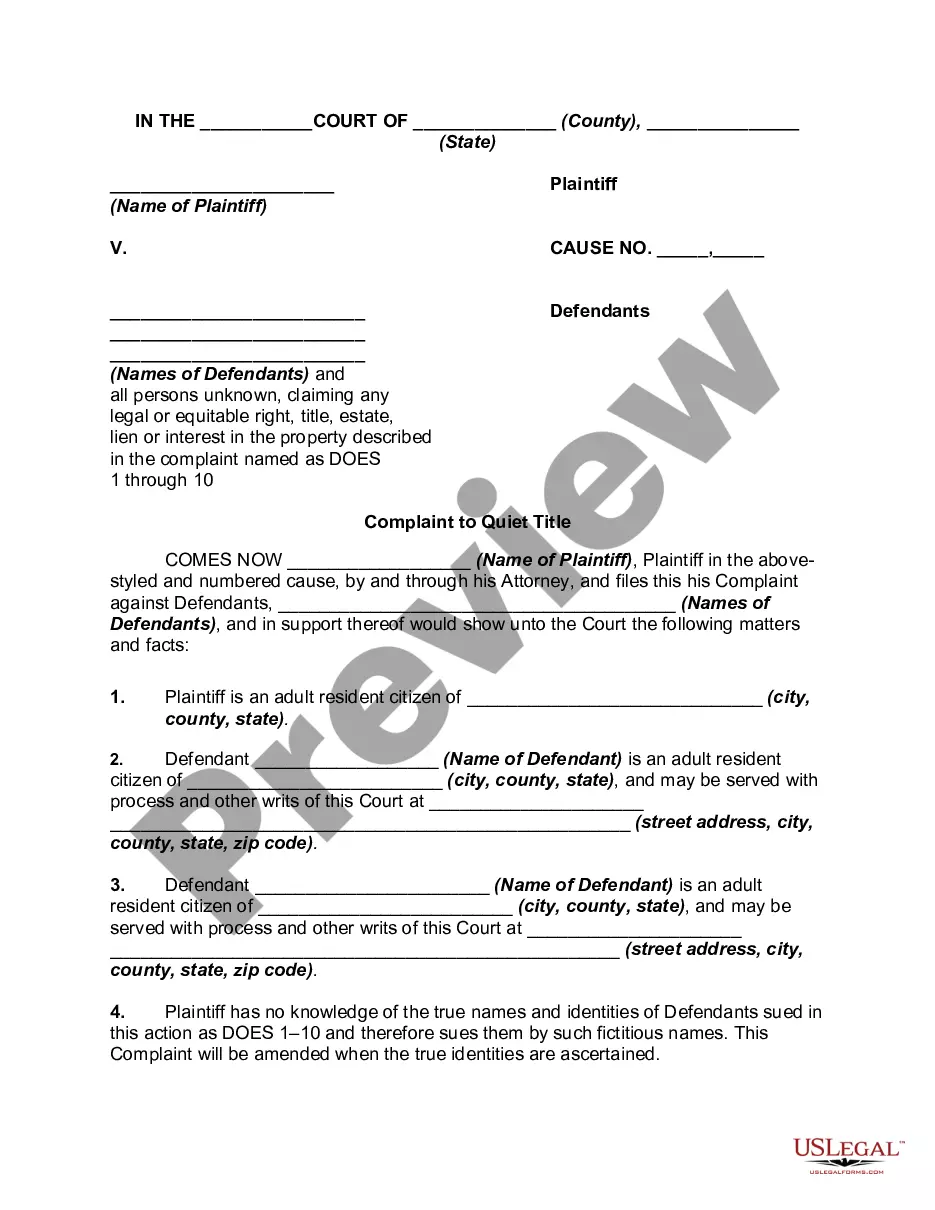
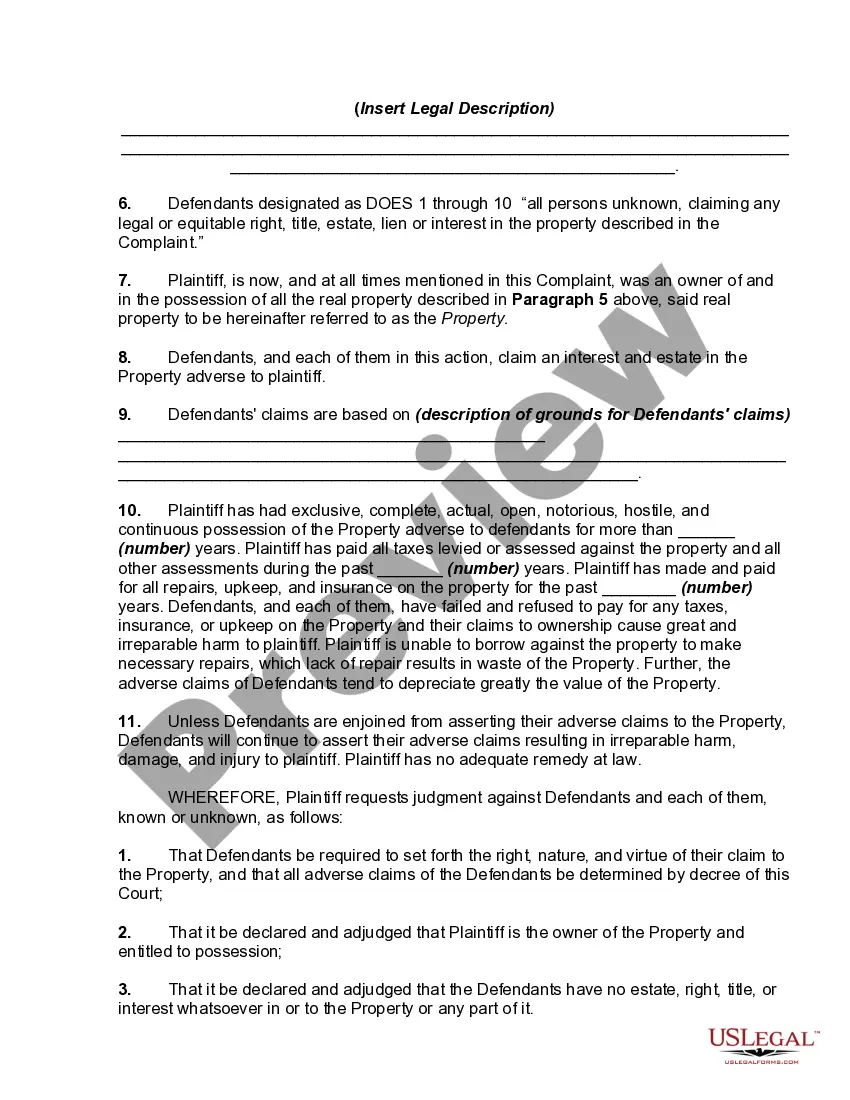
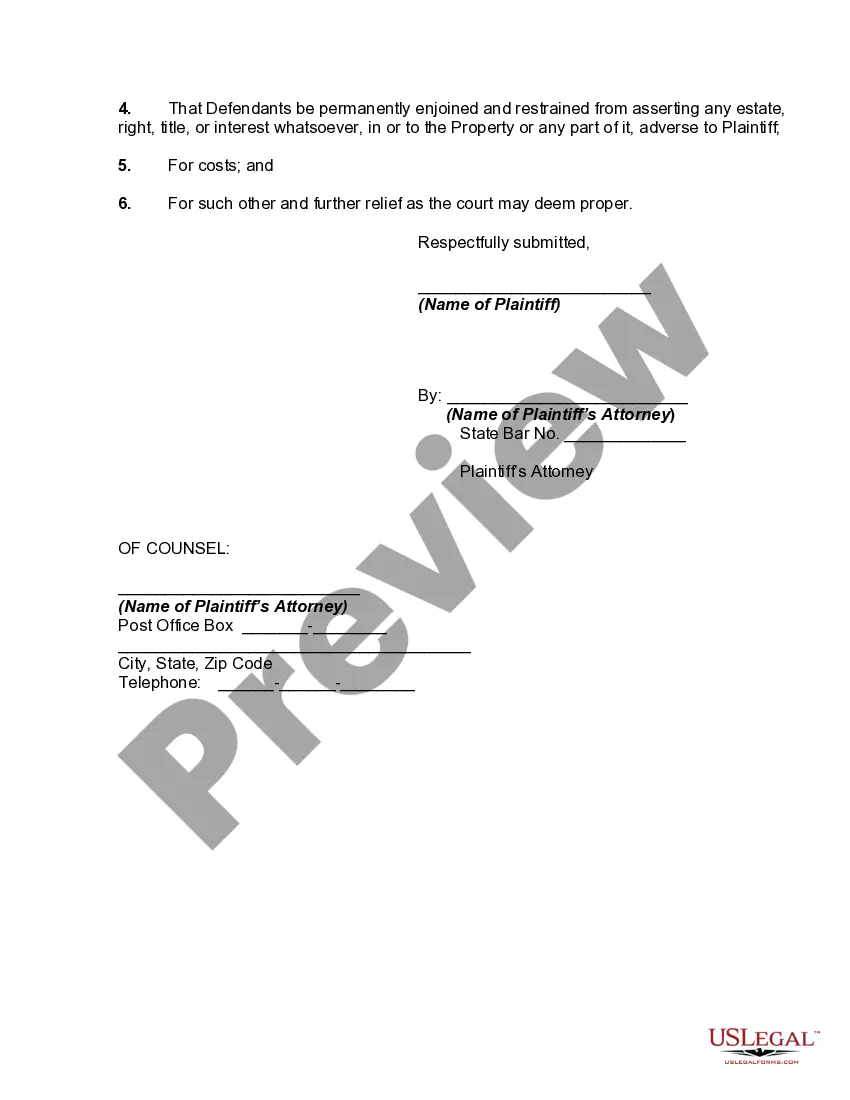
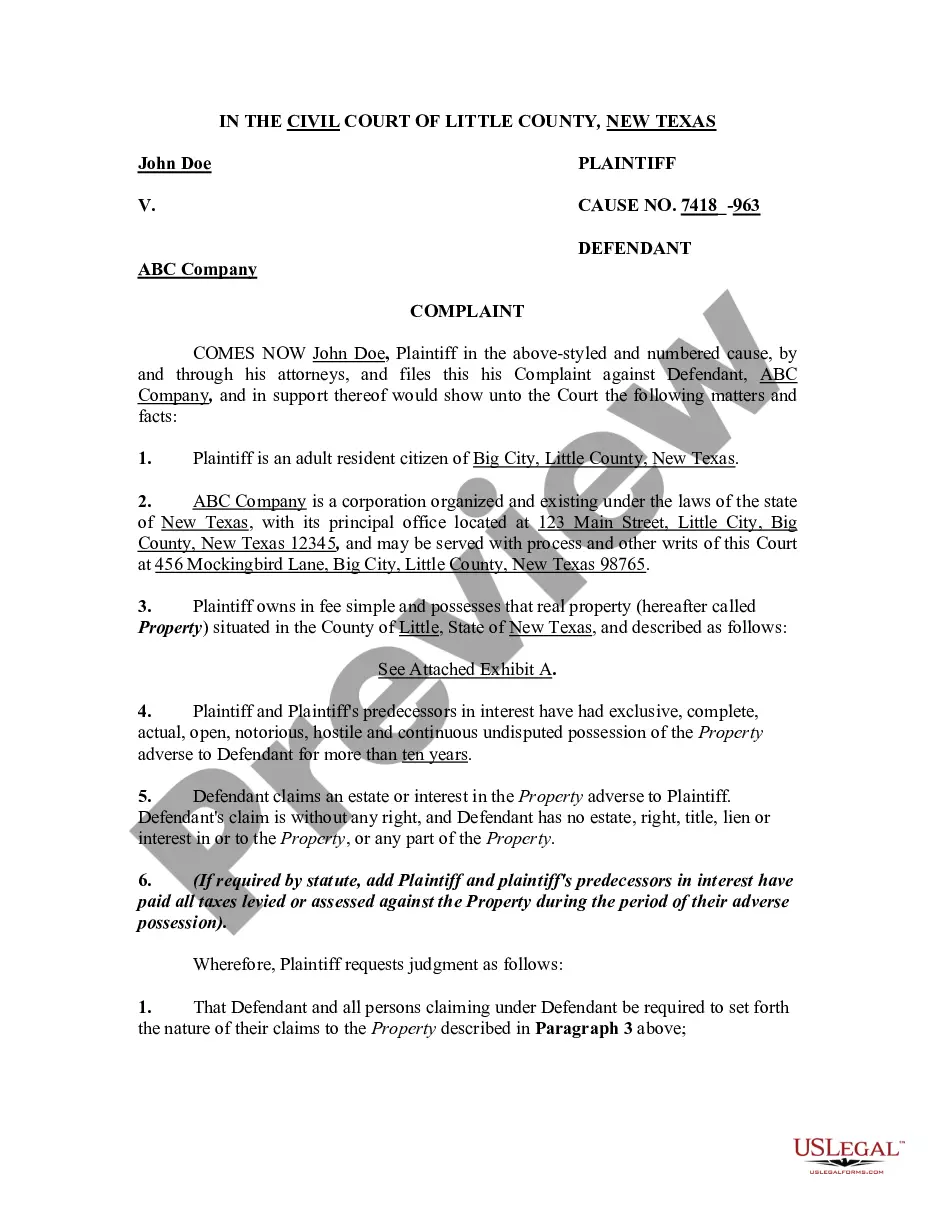
Quiet Title Action In Arkansas

Description
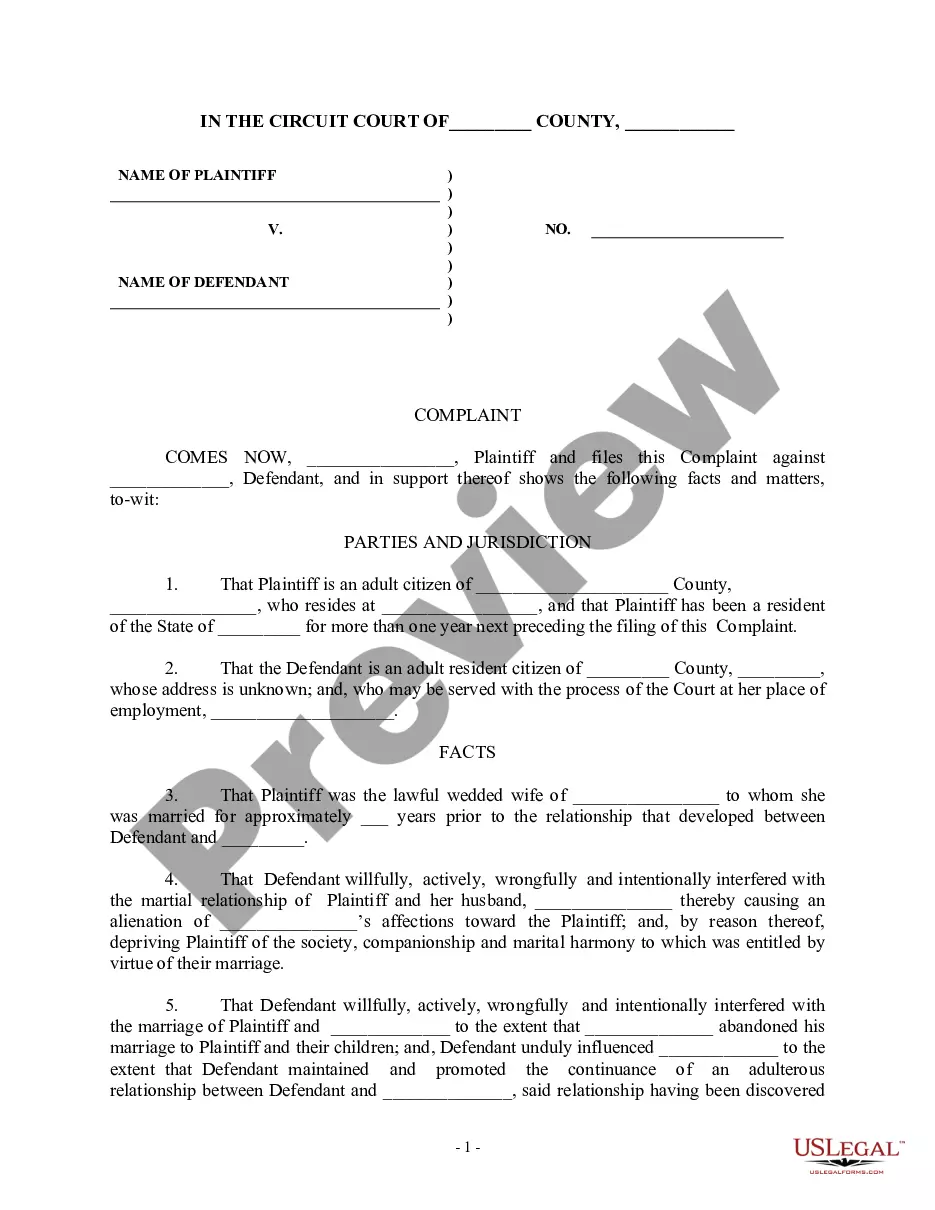
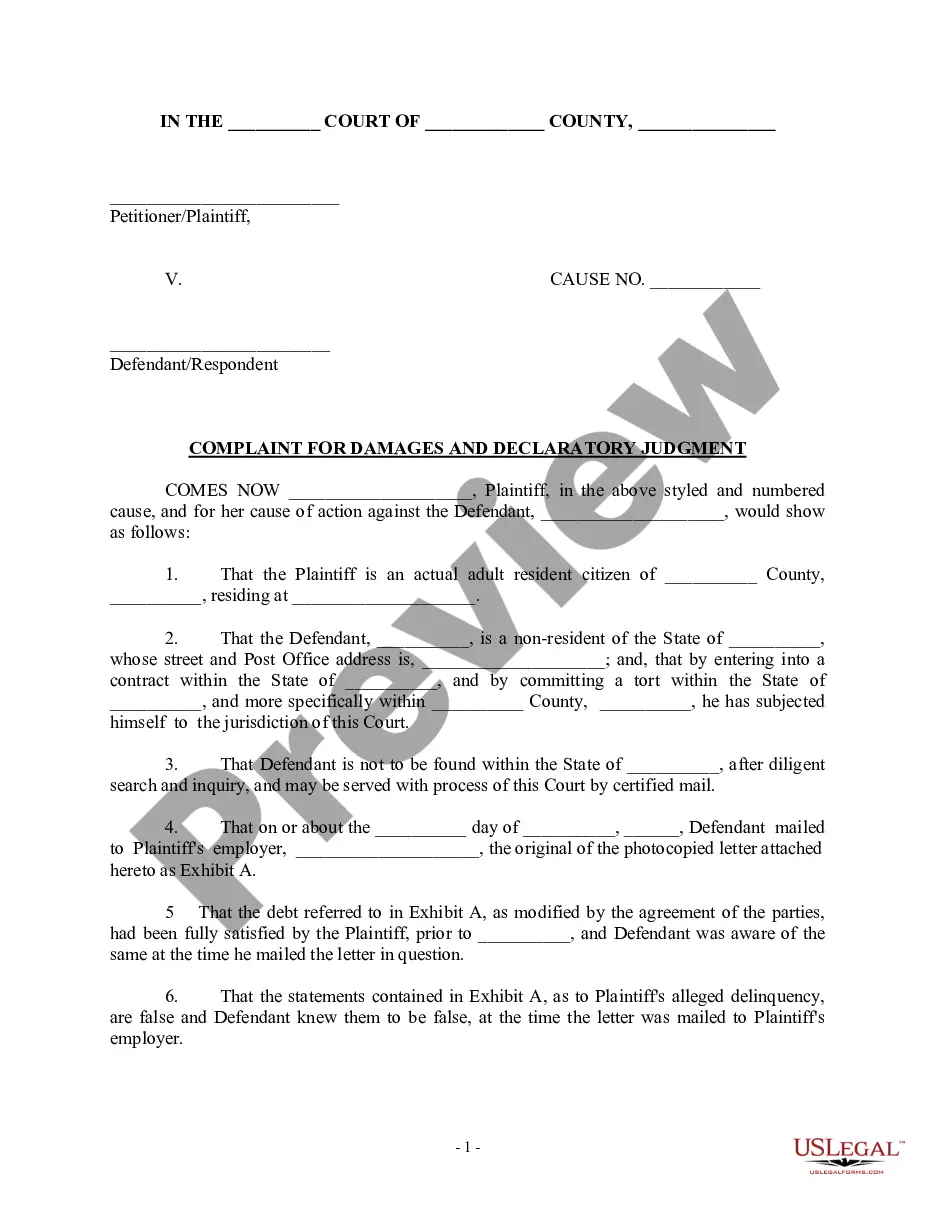
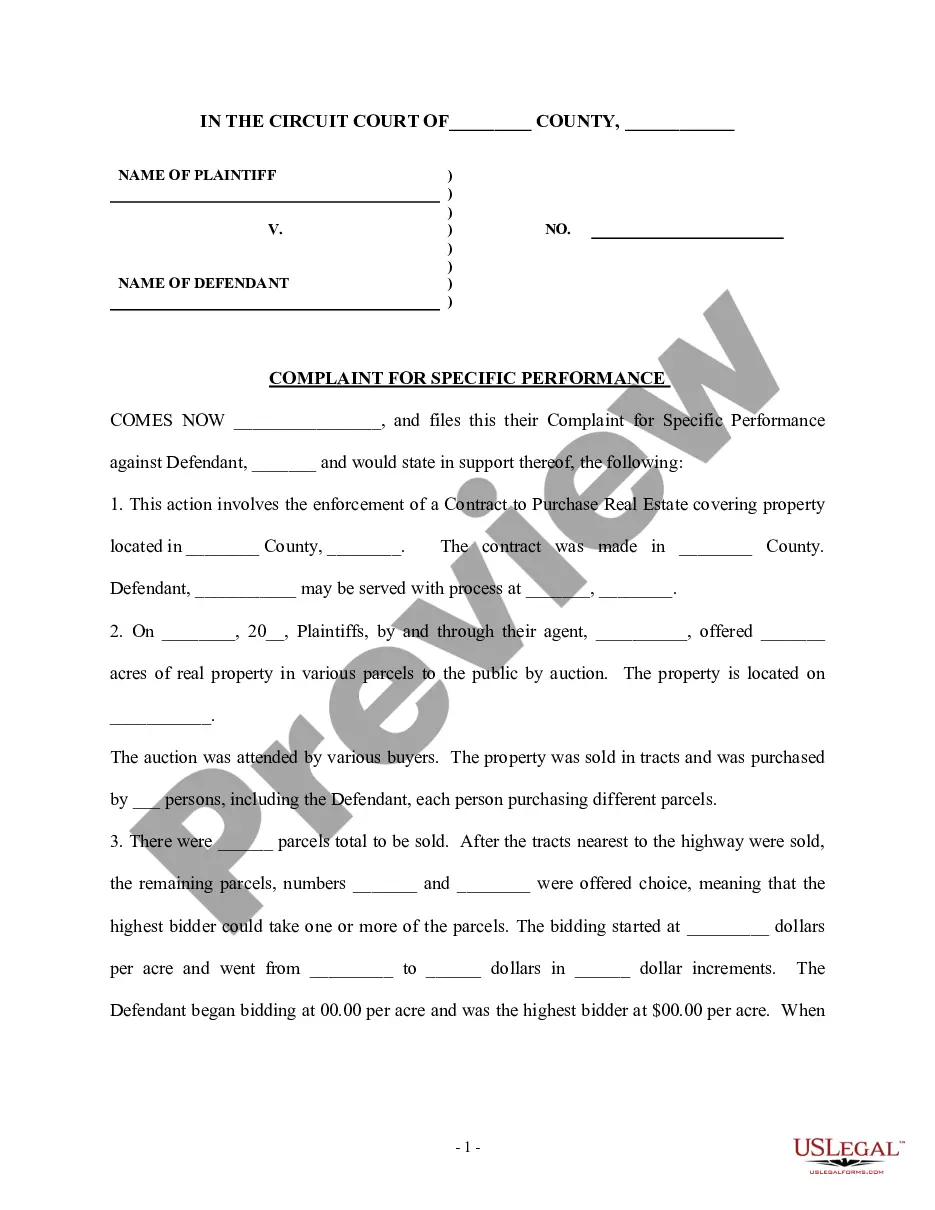
Get your form ready online
Our built-in tools help you complete, sign, share, and store your documents in one place.
Make edits, fill in missing information, and update formatting in US Legal Forms—just like you would in MS Word.
Download a copy, print it, send it by email, or mail it via USPS—whatever works best for your next step.
Sign and collect signatures with our SignNow integration. Send to multiple recipients, set reminders, and more. Go Premium to unlock E-Sign.
If this form requires notarization, complete it online through a secure video call—no need to meet a notary in person or wait for an appointment.
We protect your documents and personal data by following strict security and privacy standards.
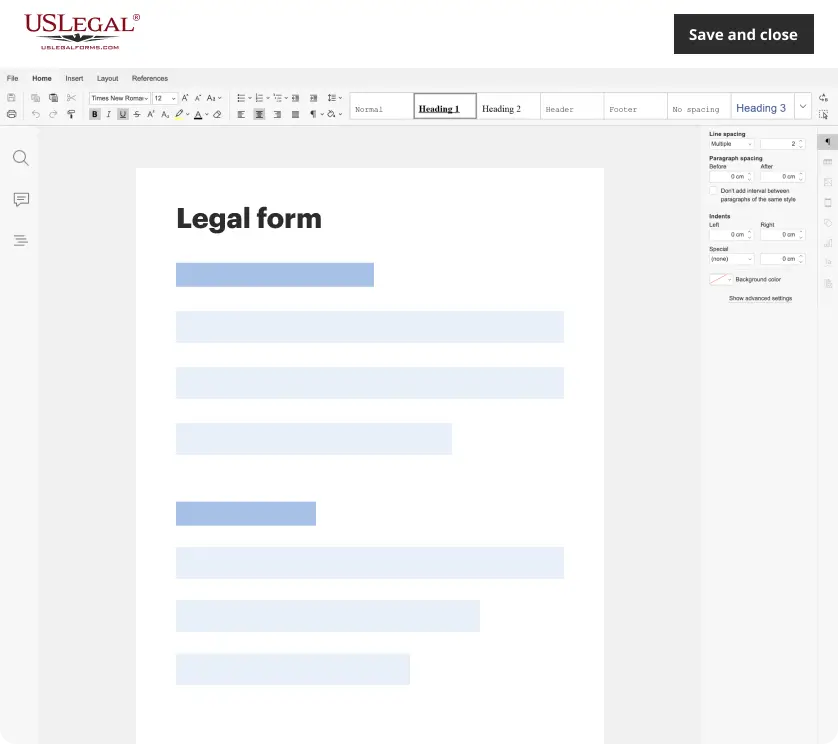
Make edits, fill in missing information, and update formatting in US Legal Forms—just like you would in MS Word.
Download a copy, print it, send it by email, or mail it via USPS—whatever works best for your next step.
Sign and collect signatures with our SignNow integration. Send to multiple recipients, set reminders, and more. Go Premium to unlock E-Sign.

If this form requires notarization, complete it online through a secure video call—no need to meet a notary in person or wait for an appointment.
We protect your documents and personal data by following strict security and privacy standards.
Looking for another form?
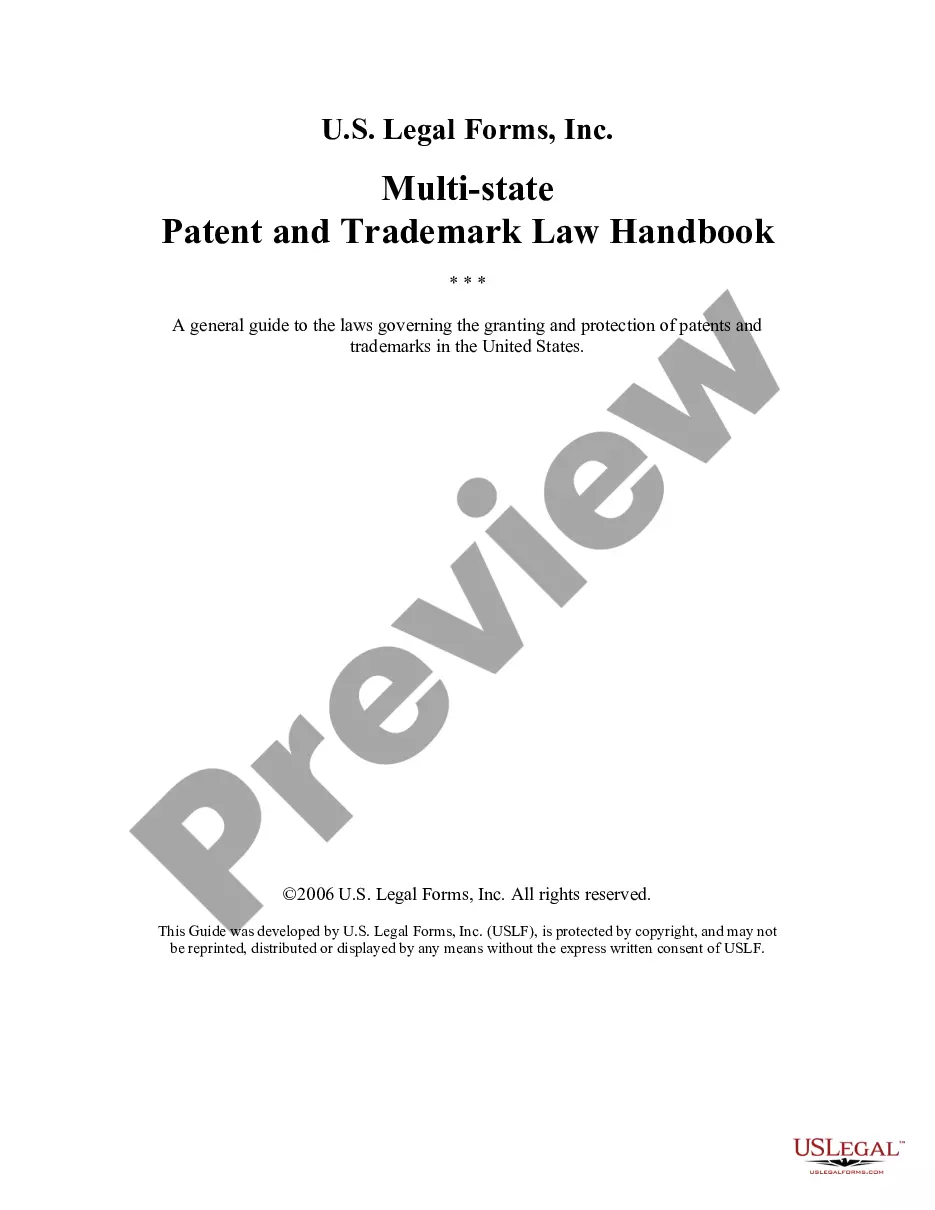
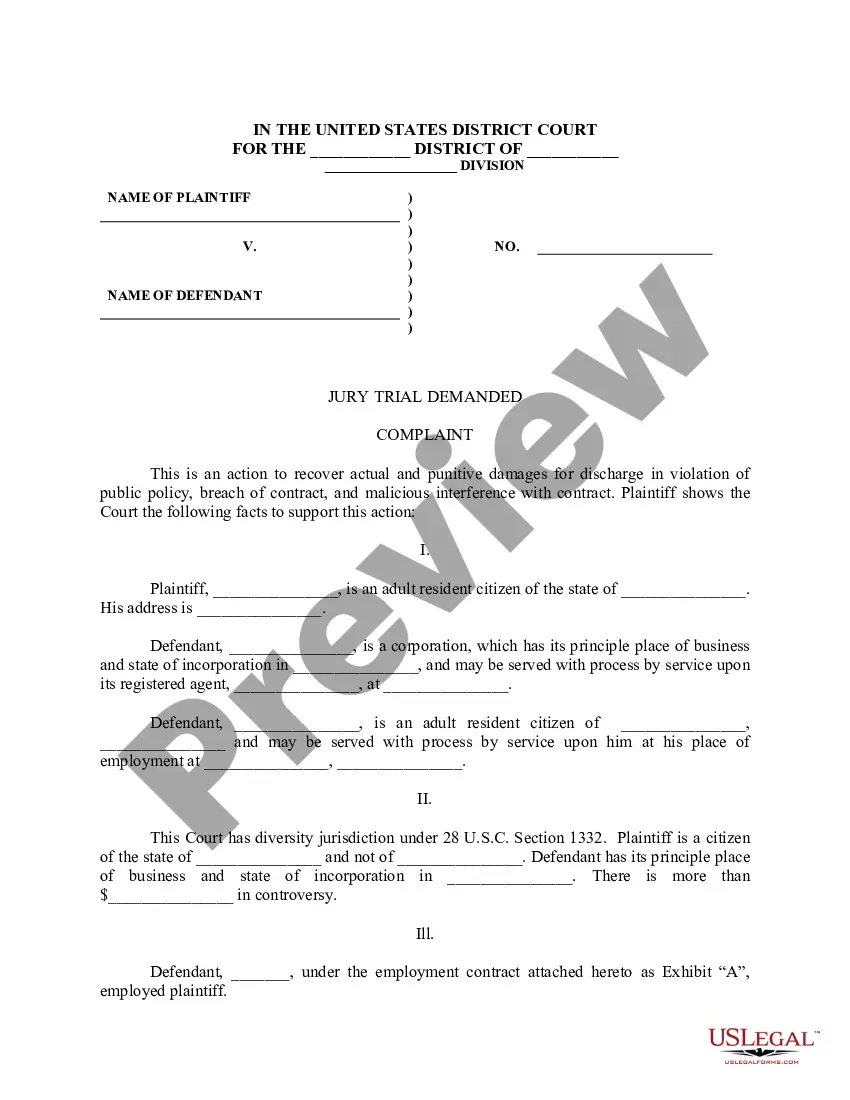
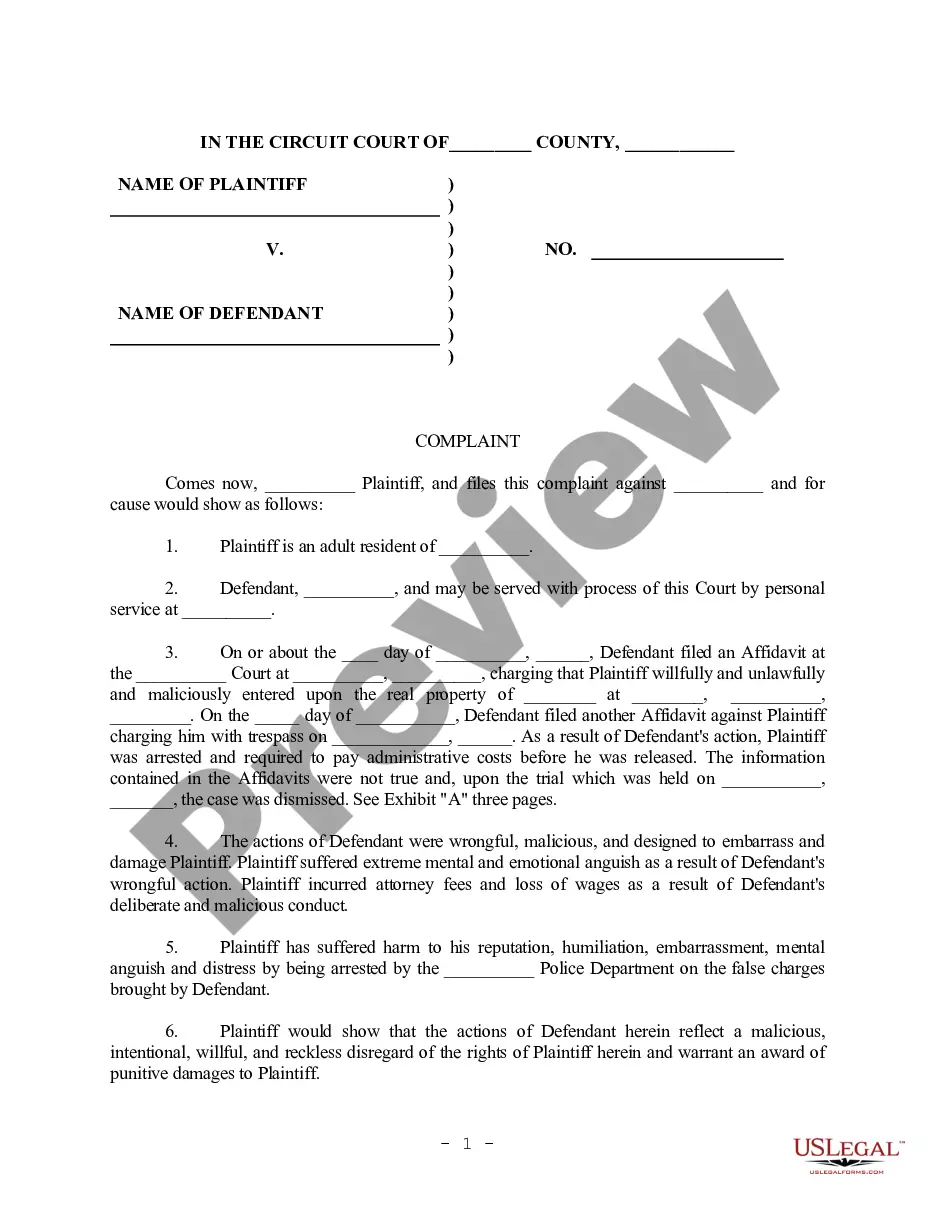
How to fill out Complaint To Quiet Title By Adverse Possessor With Unknown Defendants?
Creating legal documents from the ground up can occasionally feel quite daunting. Some situations may require extensive research and significant financial investment.
If you’re looking for a more direct and economical method of preparing a Quiet Title Action In Arkansas or other forms without unnecessary complications, US Legal Forms is readily available.
Our online collection of over 85,000 current legal forms covers nearly all aspects of your financial, legal, and personal matters. With just a few clicks, you can swiftly access state- and county-specific templates carefully crafted by our legal specialists.
Utilize our platform whenever you require a dependable service through which you can efficiently find and download the Quiet Title Action In Arkansas. If you’re already familiar with our website and have created an account before, merely Log In to your account, select the form, and download it, or re-download it at any time in the My documents section.
US Legal Forms boasts an impeccable reputation and over 25 years of experience. Join us today and transform form completion into a simple and efficient process!
- Examine the form preview and descriptions to confirm that you are viewing the form you need.
- Ensure that the form you select adheres to the regulations and laws of your state and county.
- Choose the appropriate subscription plan to acquire the Quiet Title Action In Arkansas.
- Download the form. Then, fill it out, sign it, and print it.
Form popularity
FAQ
A deed of trust is a document used in real estate transactions. It represents an agreement between the borrower and a lender to have the property held in trust by a neutral and independent third party until the loan is paid off.
The main difference between a deed and a deed of trust is that a deed is a transfer of ownership, while a deed of trust is a security interest. A deed of trust is used to secure a loan, while a deed is used to transfer ownership of a property.
With a deed of trust, the lender gives the borrower the funds to make the home purchase. In exchange, the borrower provides the lender with a promissory note. The promissory note outlines the terms of the loan and the borrower's promise (hence the name) to pay.
A deed of trust is a legal agreement that's similar to a mortgage, which is used in real estate transactions. Whereas a mortgage only involves the lender and a borrower, a deed of trust adds a neutral third party that holds rights to the real estate until the loan is paid or the borrower defaults.
A trust deed is always used together with a promissory note that sets out the amount and terms of the loan. The property owner signs the note, which is a written promise to repay the borrowed money. A trust deed gives the third-party ?trustee? (usually a title company or real estate broker) legal.
While most states have either mortgages or deeds of trust, there are a few states that allow you to choose which is better for you. These states include Alabama, Arizona, Arkansas, Illinois, Kentucky, Maryland, Michigan, and Montana.
(1) All deeds, mortgages and other instruments required by law to be recorded to be effectual against purchasers without notice, or creditors, shall be recorded in the county clerk's office of the county in which the property conveyed, or the greater part thereof, is located.
The deed of trust is what secures the promissory note. The promissory note includes the interest rate, the payment amounts and terms, and the buyer's promise to pay the lender the amount borrowed plus interest.