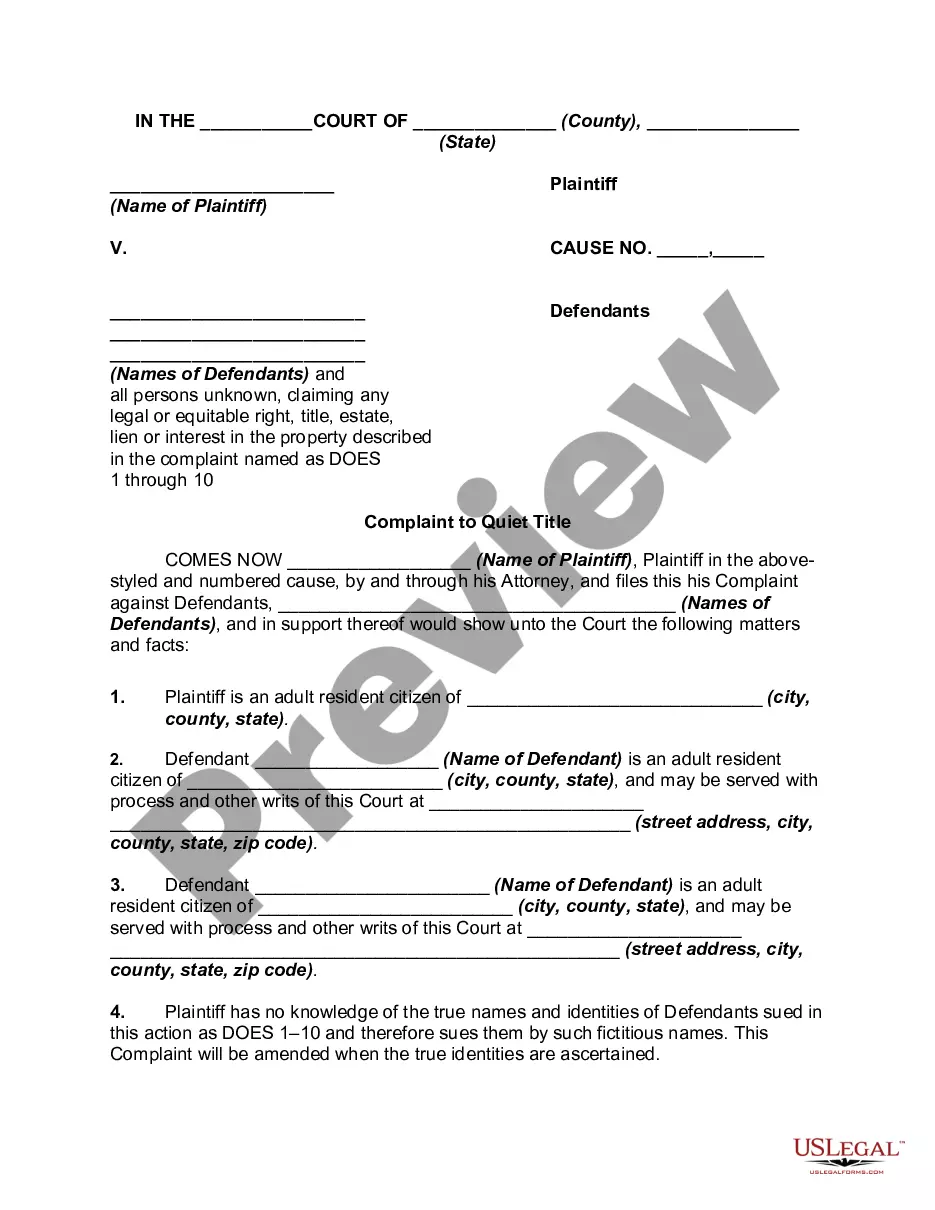
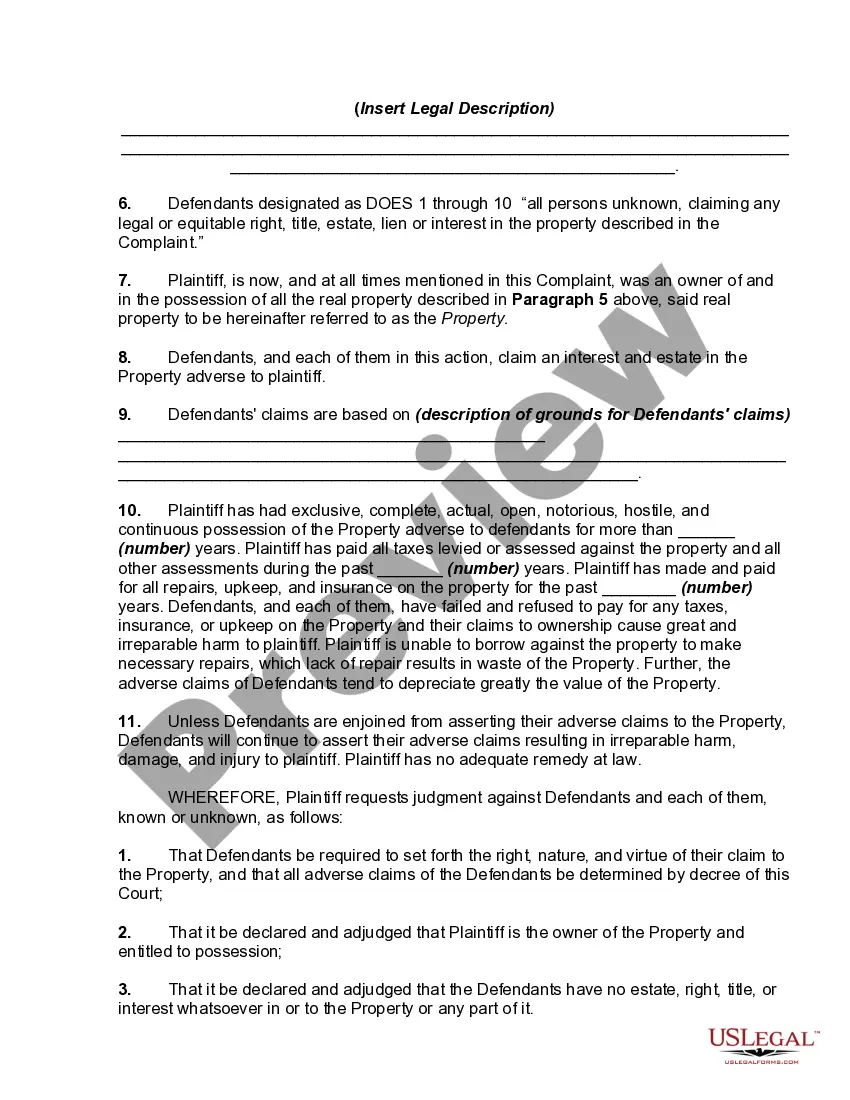
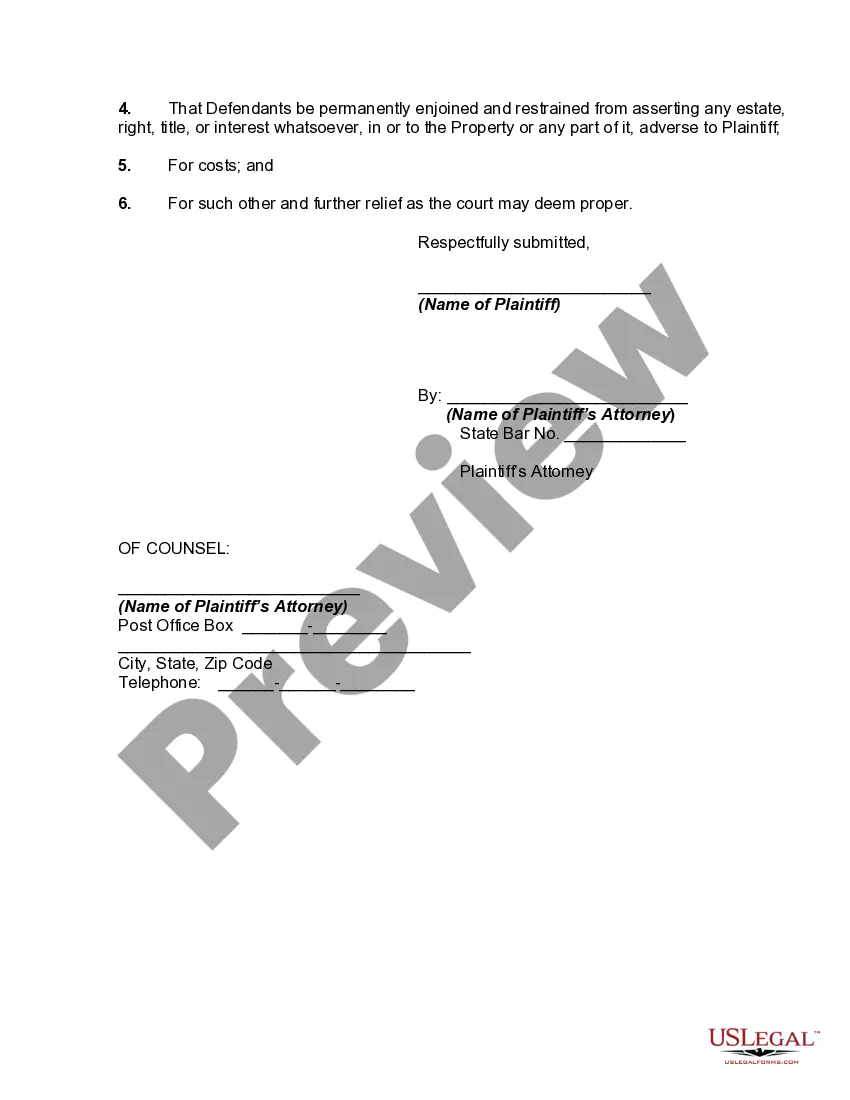
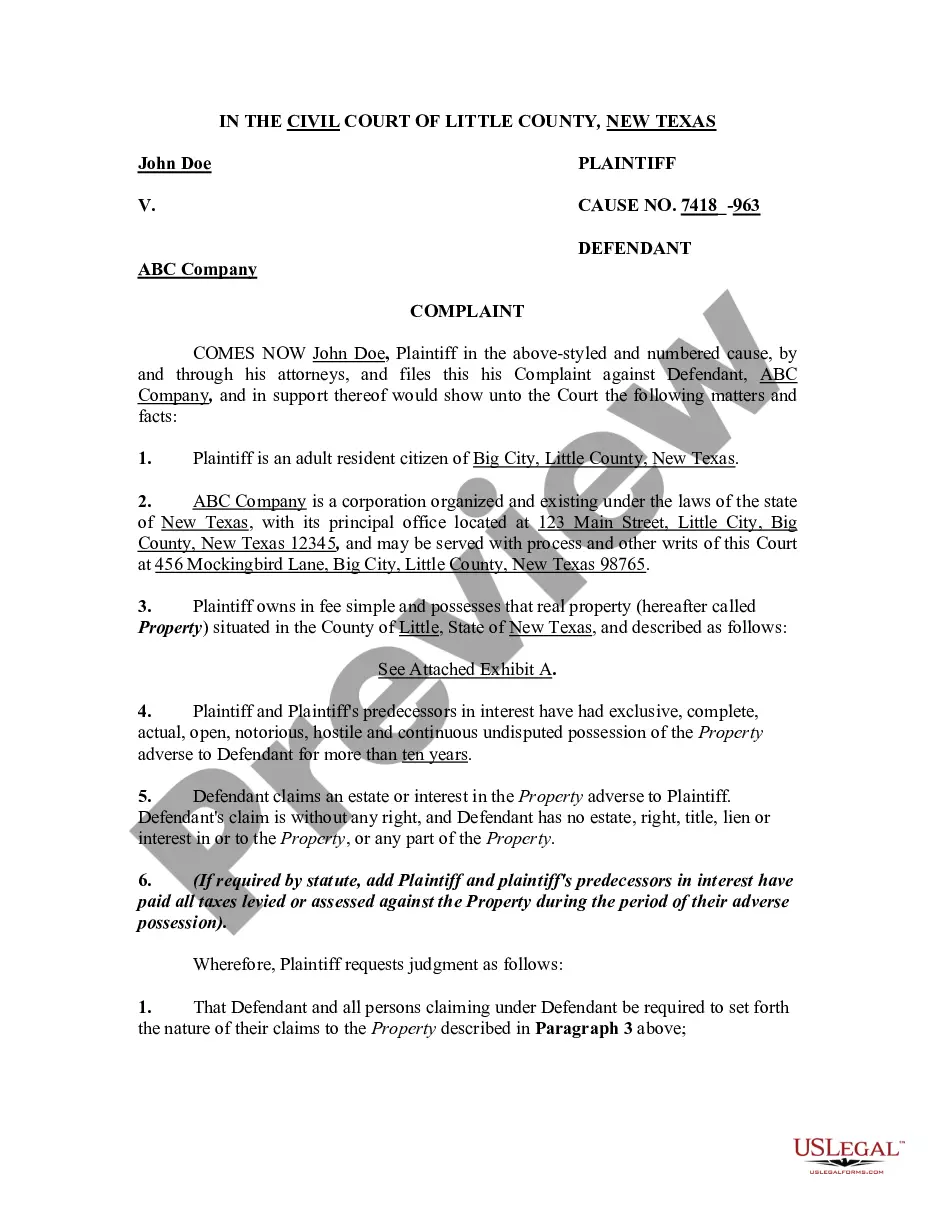
Michigan Quiet Title Form Without Attorney

Description
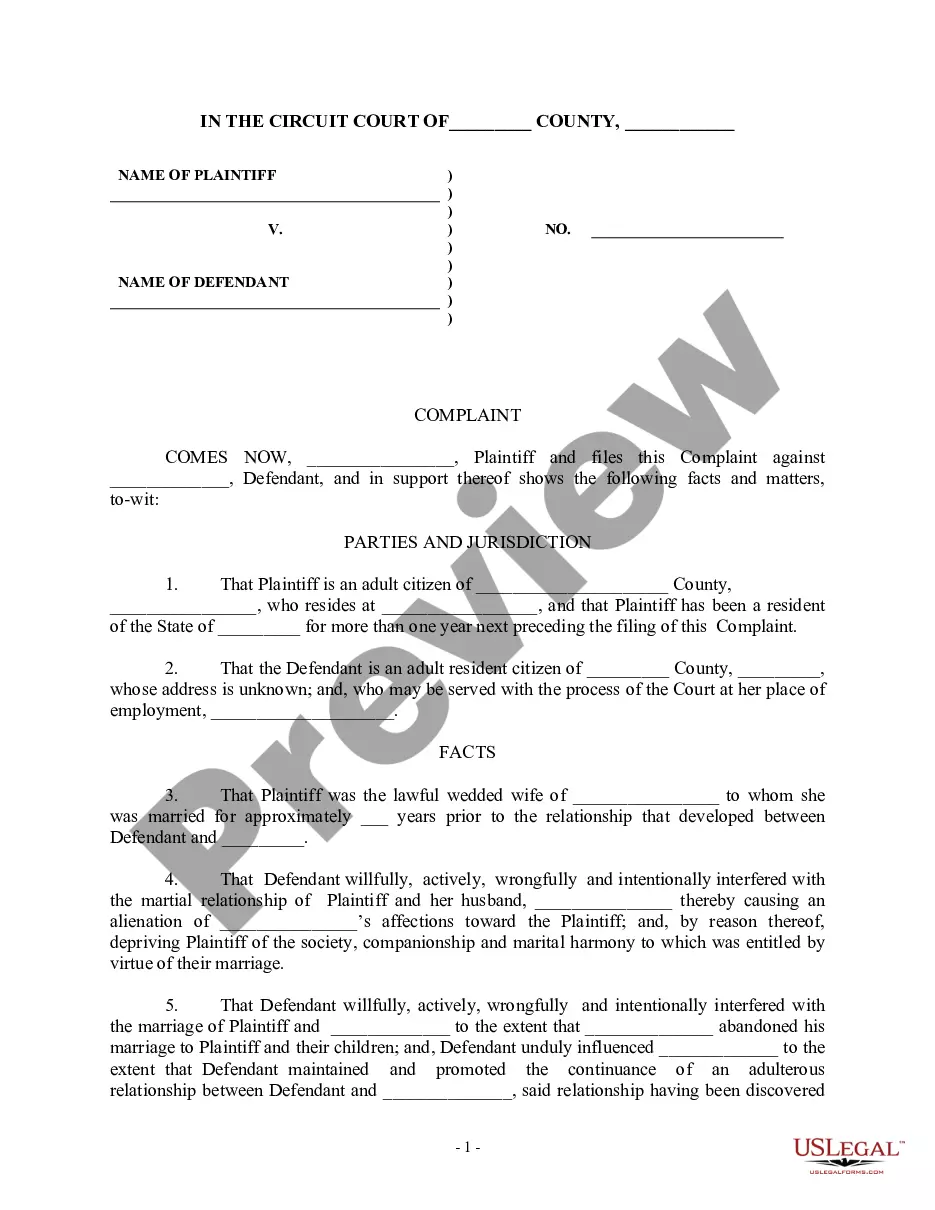
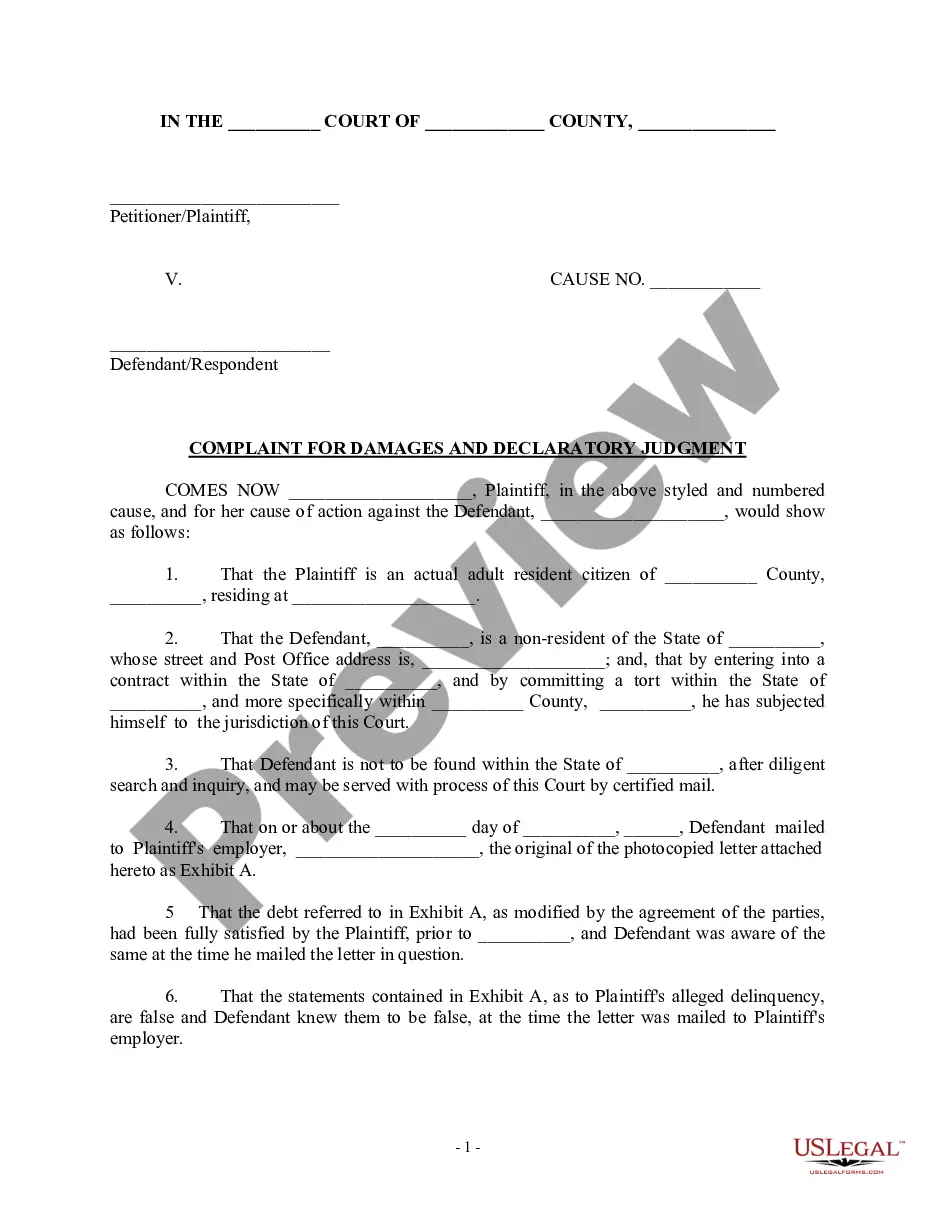
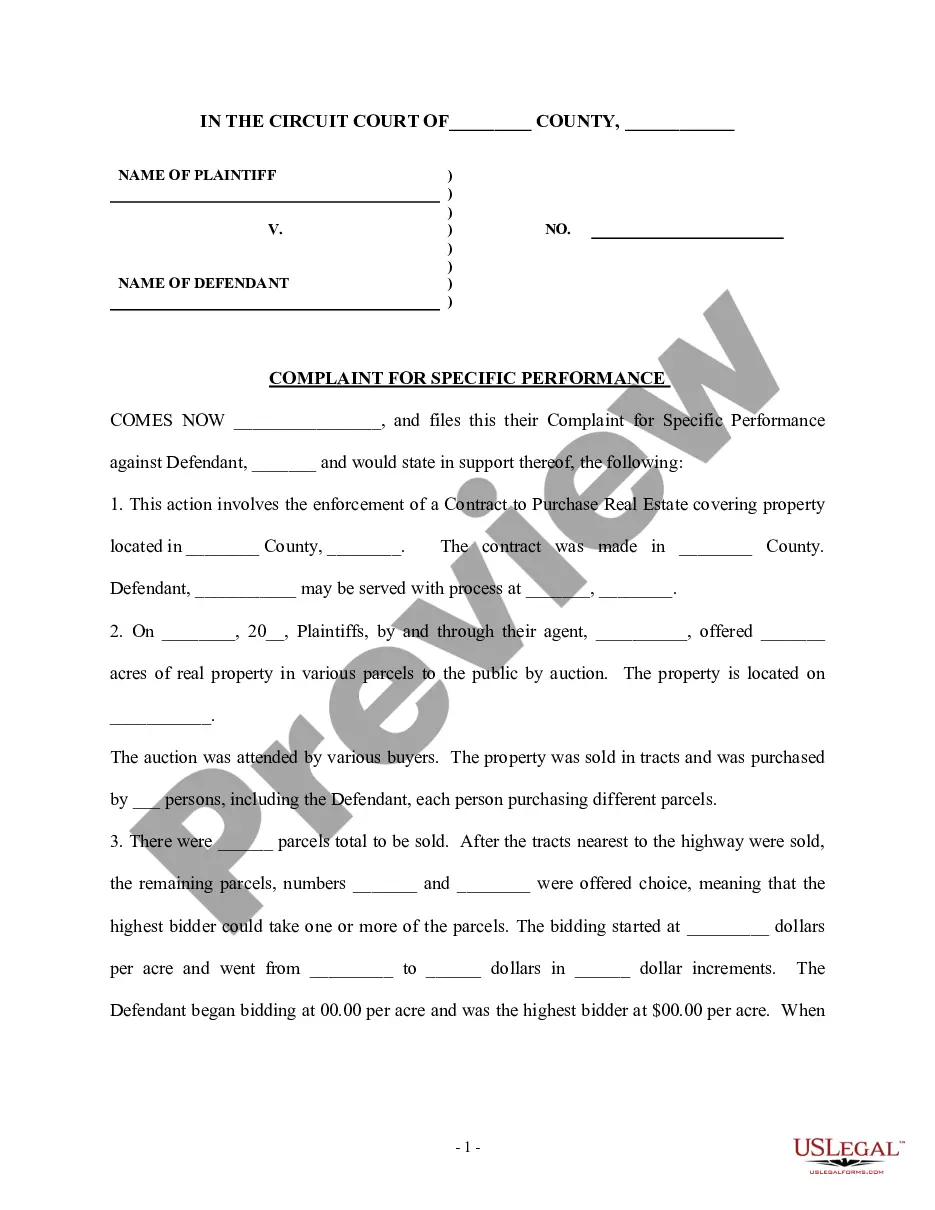
Get your form ready online
Our built-in tools help you complete, sign, share, and store your documents in one place.
Make edits, fill in missing information, and update formatting in US Legal Forms—just like you would in MS Word.
Download a copy, print it, send it by email, or mail it via USPS—whatever works best for your next step.
Sign and collect signatures with our SignNow integration. Send to multiple recipients, set reminders, and more. Go Premium to unlock E-Sign.
If this form requires notarization, complete it online through a secure video call—no need to meet a notary in person or wait for an appointment.
We protect your documents and personal data by following strict security and privacy standards.
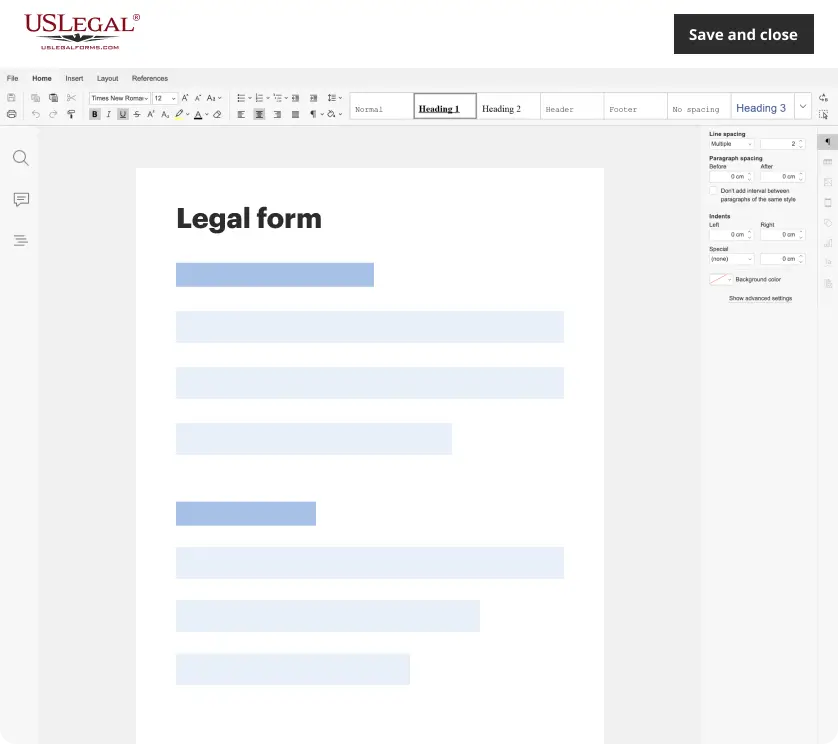
Make edits, fill in missing information, and update formatting in US Legal Forms—just like you would in MS Word.
Download a copy, print it, send it by email, or mail it via USPS—whatever works best for your next step.
Sign and collect signatures with our SignNow integration. Send to multiple recipients, set reminders, and more. Go Premium to unlock E-Sign.
If this form requires notarization, complete it online through a secure video call—no need to meet a notary in person or wait for an appointment.
We protect your documents and personal data by following strict security and privacy standards.
Looking for another form?

How to fill out Complaint To Quiet Title By Adverse Possessor With Unknown Defendants?
Utilizing legal templates that adhere to federal and state regulations is crucial, and online resources provide a variety of choices to select from.
However, what is the use of spending time searching for the accurately composed Michigan Quiet Title Form Without Attorney example on the internet when the US Legal Forms digital library has already compiled such templates in one convenient location.
US Legal Forms is the largest virtual legal archive with over 85,000 editable templates created by attorneys for various business and personal situations. They are easy to navigate with all documents organized by state and intended use. Our specialists stay updated with legal amendments, ensuring your documents are current and compliant when acquiring a Michigan Quiet Title Form Without Attorney from our platform.
All documents obtained through US Legal Forms are reusable. To re-download and complete previously saved forms, access the My documents tab in your account. Take advantage of the most extensive and user-friendly legal document service!
- Acquiring a Michigan Quiet Title Form Without Attorney is fast and straightforward for both existing and new users.
- If you already possess an account with an active subscription, Log In and retrieve the document you need in your preferred format.
- If you are new to our site, follow the steps outlined below.
- Review the template using the Preview feature or the text description to guarantee it satisfies your requirements.
- Search for an alternative sample using the search tool at the top of the page if necessary.
- Click Buy Now once you have found the appropriate form and choose a subscription package.
- Establish an account or Log In and complete your payment via PayPal or credit card.
- Choose the optimal format for your Michigan Quiet Title Form Without Attorney and download it.
Form popularity
FAQ
The form usually used for land contracts in Michigan allows the Land Contract seller to mortgage the property but only up to the amount of the land contract balance and with payments no higher than the land contract payment.
Steps to Sell a House by Owner in Michigan Price Your Home for Sale. Prep Your House. Market Your Property. Manage Showings. Review, Compare, and Negotiate Offers. Close the Sale with a Professional.
Sellers are typically responsible for covering the real estate transfer tax in Michigan, which includes a state tax of $3.75 for every $500 of value and an additional county tax of $0.55 for every $500 of value.
Does the seller pay closing costs in Michigan? Yes, sellers pay closing costs in Michigan (and every state). Sellers are on the hook for a number of expenses, including real estate commissions, one of the heftiest costs associated with any real estate transaction.
How to sell a house by owner Determine the fair market value. ... List your property and find a buyer. ... Negotiate and secure an offer. ... Create a Real Estate Purchase Agreement and secure finances. ... Transfer the property title.
Working With a Lawyer Unlike some states, Michigan does not require that sellers involve a lawyer in the house-selling transaction. Even if it's not required, you might decide to engage a lawyer at some point in the process?for example, to review the final contract or to assist with closing details.
One important requirement is that all contracts for purchase or sale of real estate must be in writing. An offer made and accepted in a phone call or conversation is not enforceable. The buyer in a FSBO process should be prepared to make an offer in writing.
The title search is conducted by accessing the information related to that particular property via public records. You need only locate your Michigan county's register of deeds and search the recorded property information. All documents recorded with the register of deeds are available to the public.