Adverse Possessor For Possession
Description
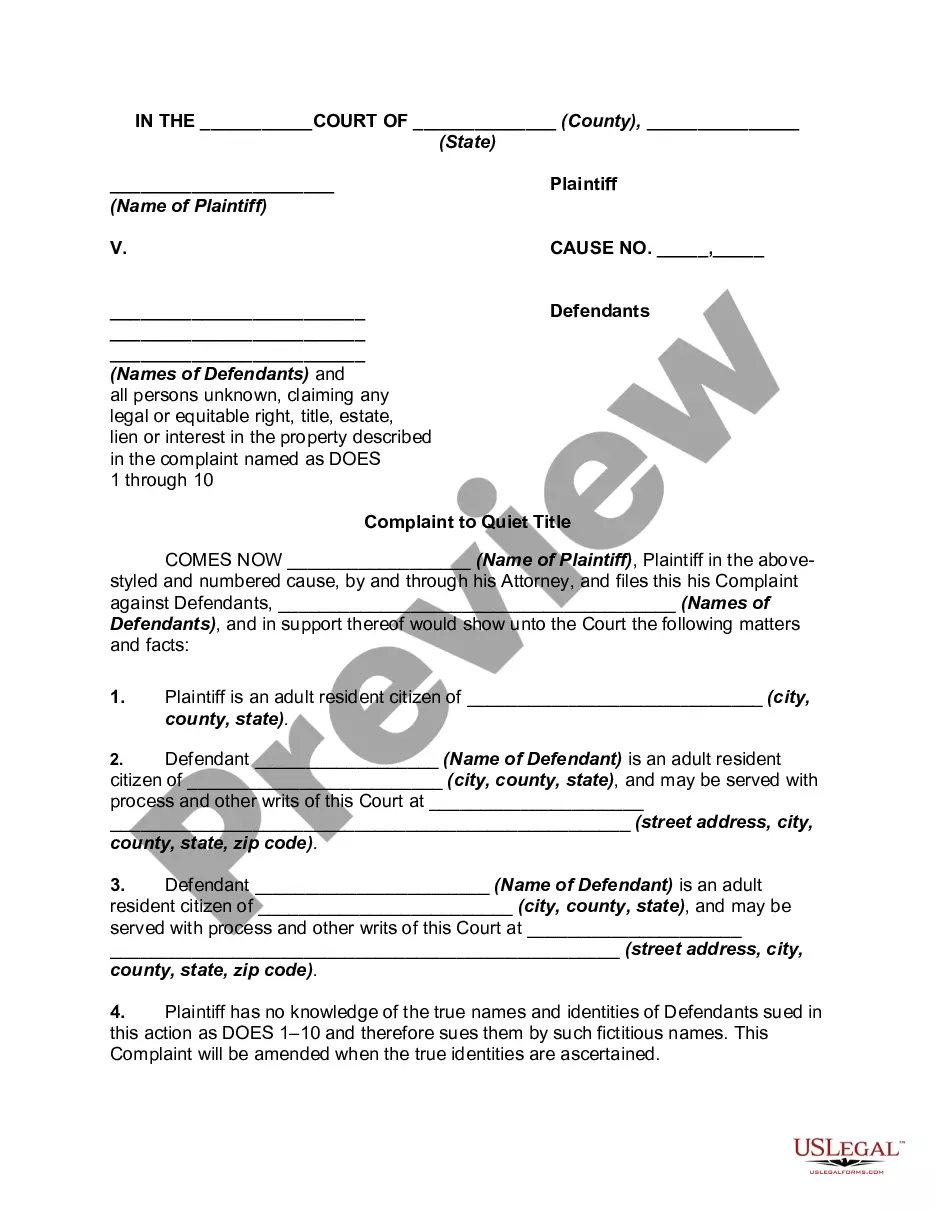
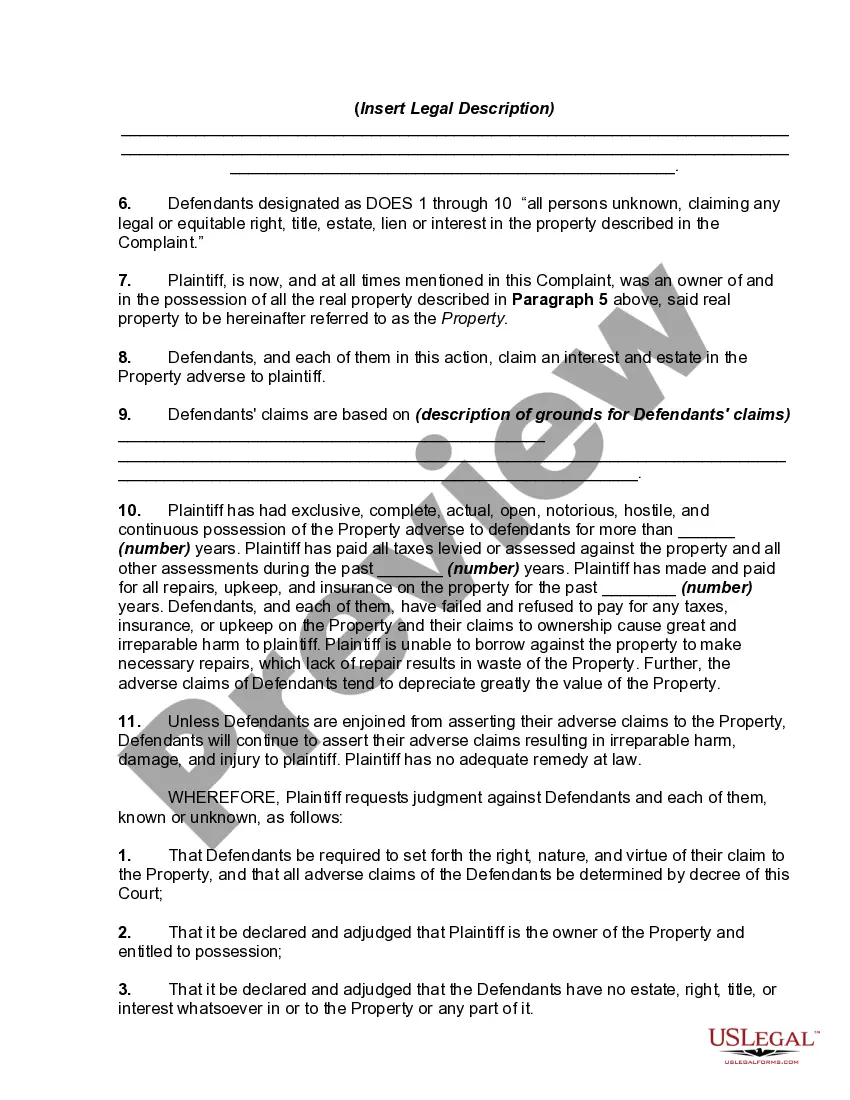
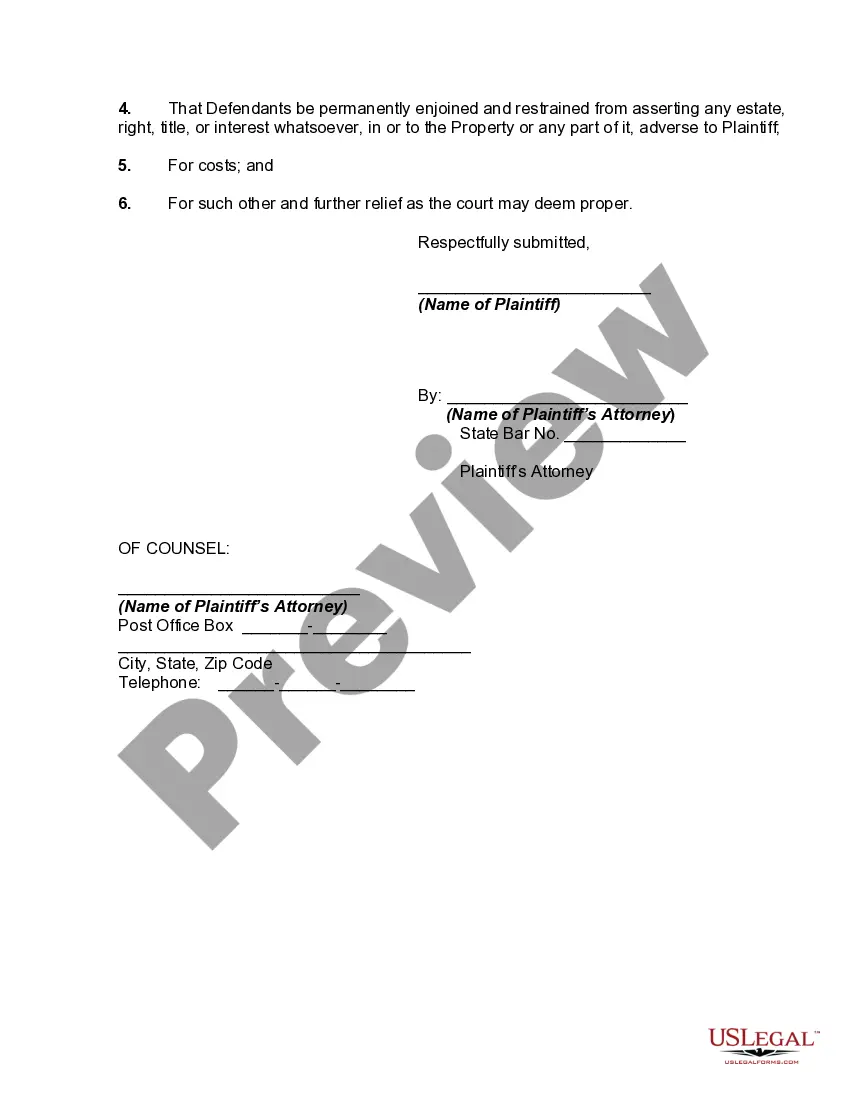
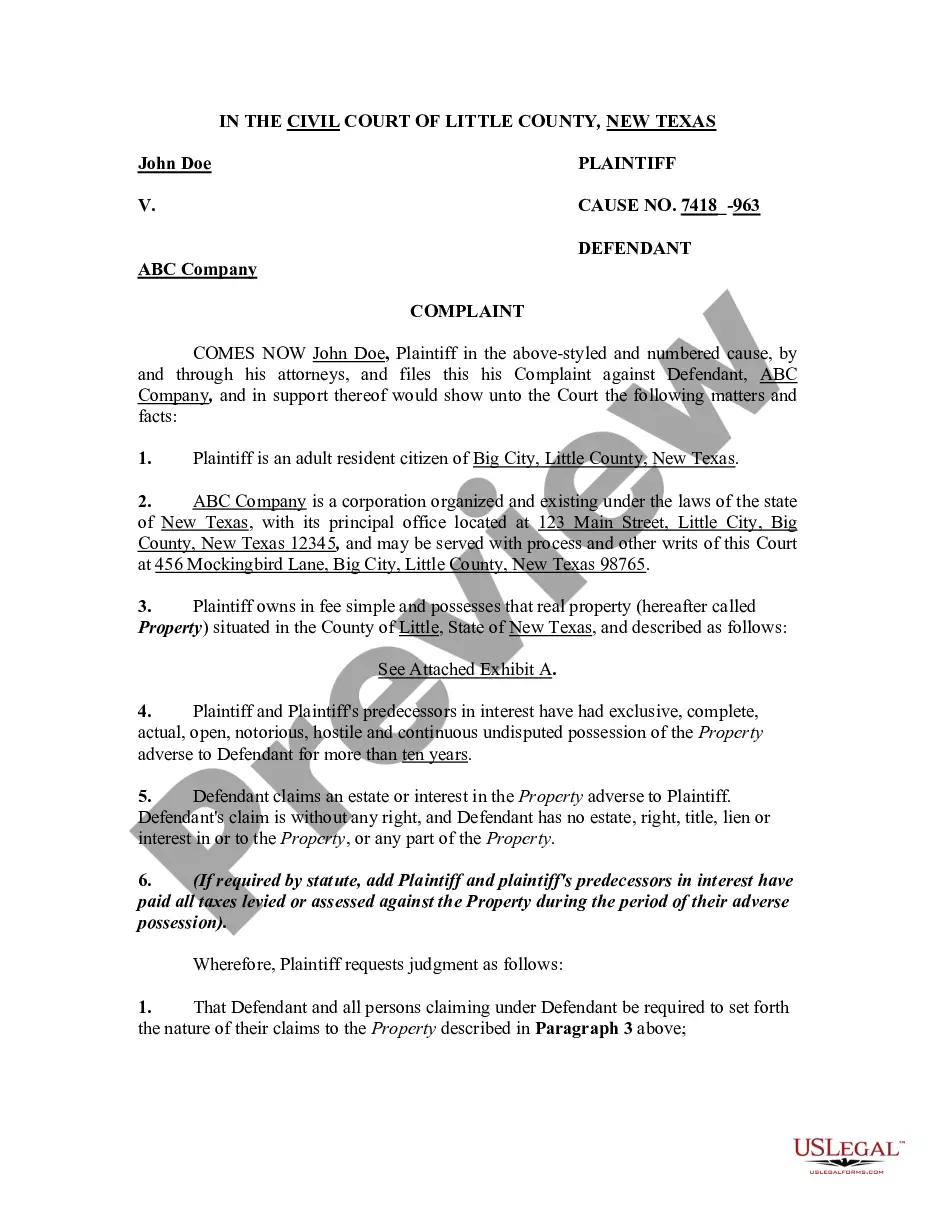

Get your form ready online
Our built-in tools help you complete, sign, share, and store your documents in one place.
Make edits, fill in missing information, and update formatting in US Legal Forms—just like you would in MS Word.
Download a copy, print it, send it by email, or mail it via USPS—whatever works best for your next step.
Sign and collect signatures with our SignNow integration. Send to multiple recipients, set reminders, and more. Go Premium to unlock E-Sign.
If this form requires notarization, complete it online through a secure video call—no need to meet a notary in person or wait for an appointment.
We protect your documents and personal data by following strict security and privacy standards.

Make edits, fill in missing information, and update formatting in US Legal Forms—just like you would in MS Word.

Download a copy, print it, send it by email, or mail it via USPS—whatever works best for your next step.

Sign and collect signatures with our SignNow integration. Send to multiple recipients, set reminders, and more. Go Premium to unlock E-Sign.

If this form requires notarization, complete it online through a secure video call—no need to meet a notary in person or wait for an appointment.

We protect your documents and personal data by following strict security and privacy standards.
Looking for another form?

How to fill out Complaint To Quiet Title By Adverse Possessor With Unknown Defendants?
- If you are a returning user, log in to your account and download your desired form template by clicking the Download button. Ensure your subscription is active; if it’s not, renew it as per your payment plan.
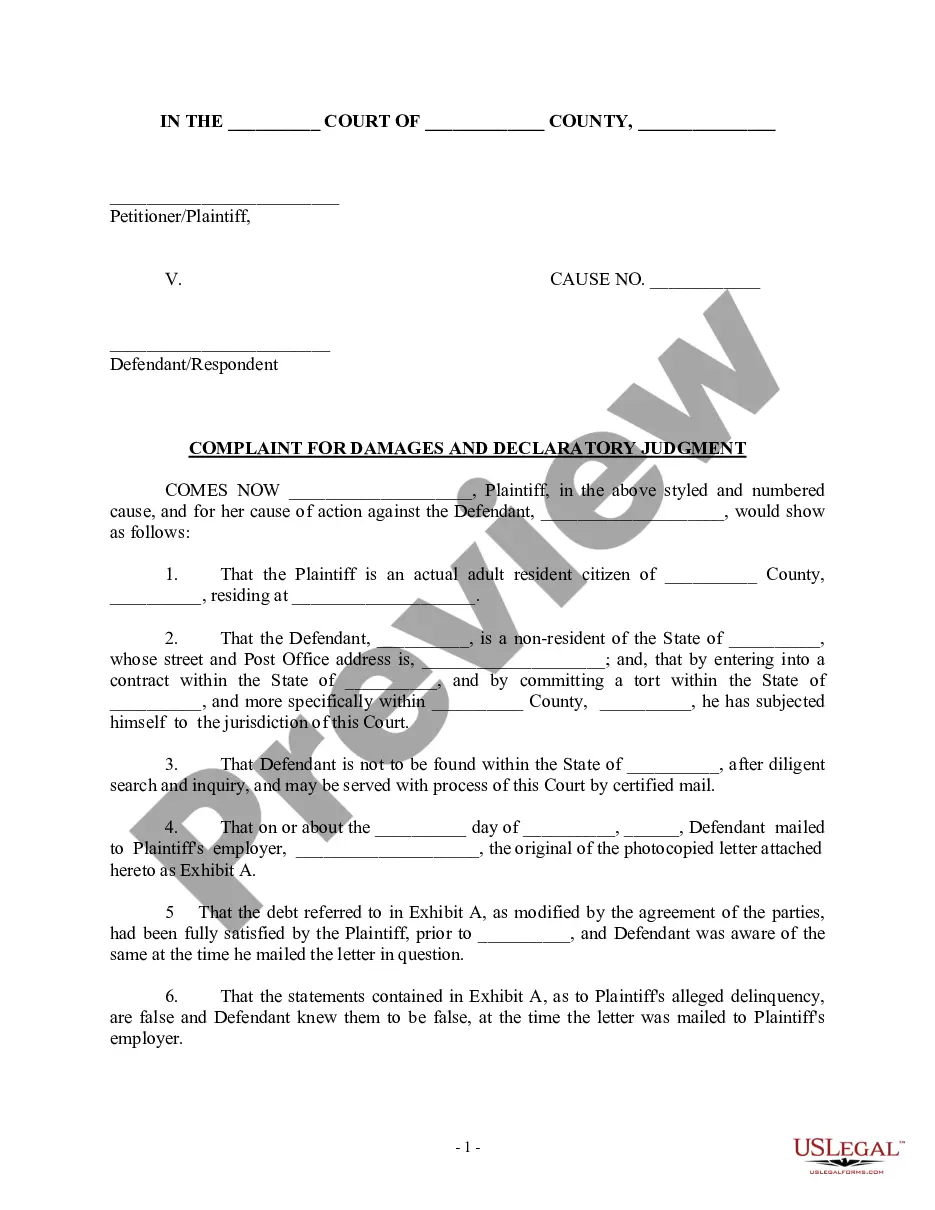
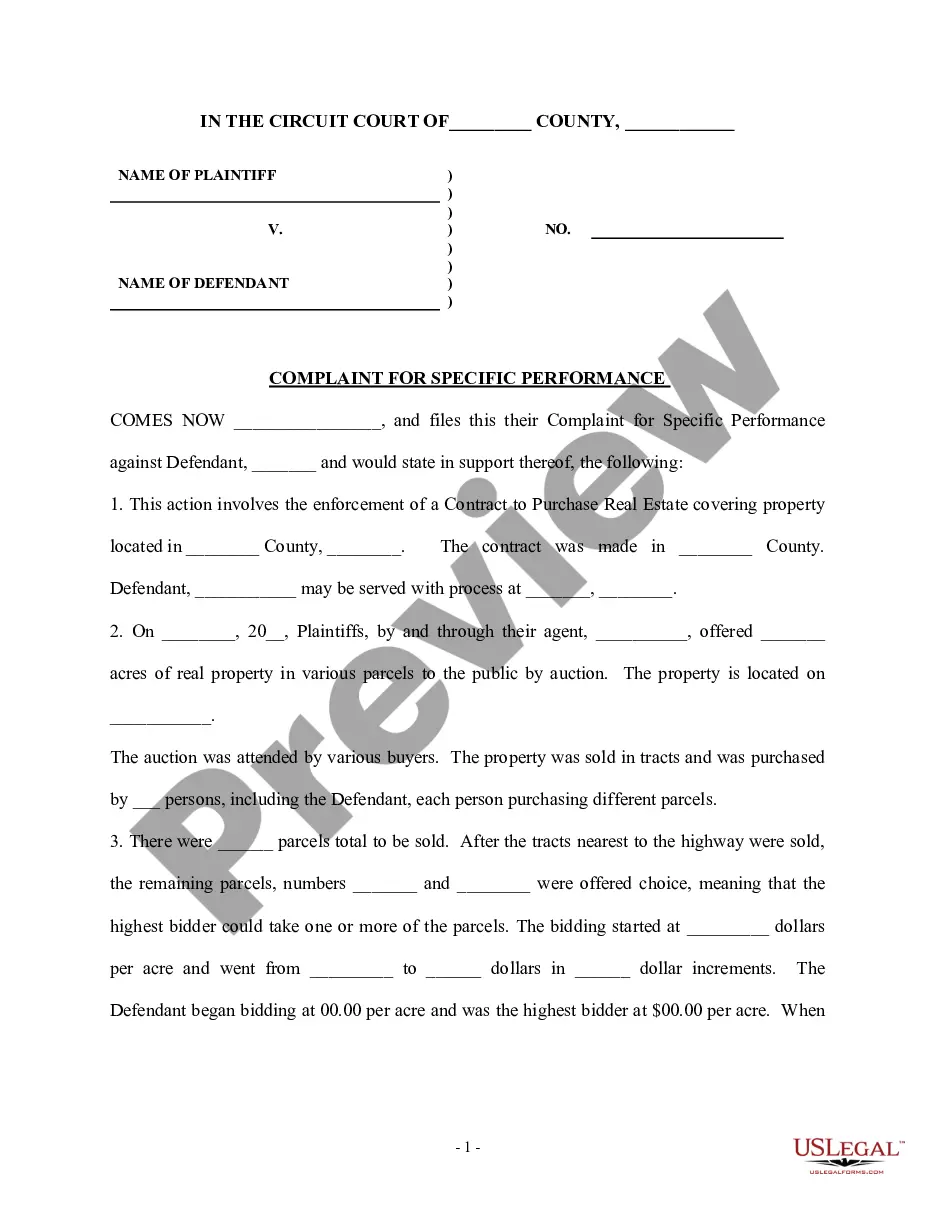
- For first-time users, begin by browsing through the available forms. Check the Preview mode and form description to confirm that the selected document meets your needs and complies with local jurisdiction requirements.
- If you think you need a different template, use the Search tab to locate a suitable alternative. Once you find what you need, move to the next step.
- Purchase your selected document by clicking the Buy Now button, then choose the subscription plan that best fits your needs. Creating an account is essential for accessing the library resources.
- Complete your purchase by entering your credit card information or using your PayPal account to finalize the subscription.
- Download the desired form to your device. You can access and complete your template later from the My Forms section of your account.
US Legal Forms not only offers a wide range of documents but also connects users with premium experts available to assist in form completion. This ensures that your documents are both accurate and legally sound, tailored specifically for your needs.
In summary, leveraging US Legal Forms for your legal document needs can save time and reduce confusion. Don't hesitate; explore the extensive resources available today!
Form popularity
FAQ
To qualify for adverse possession in Minnesota, the possessor must show that their use of the property is continuous, open, notorious, hostile, and exclusive for ten years. Additionally, they must not have permission from the property owner. Gathering evidence of these factors now will support any potential claim. Utilizing resources from US Legal Forms can guide you through navigating the complex aspects of adverse possessor for possession.
In Minnesota, mowing a neighbor's lawn does not automatically grant an adverse possession claim. For a successful claim, the use must be continuous, open, and notorious for a ten-year period, among other factors. If you notice a neighbor mowing your land regularly, it’s wise to discuss boundaries with them. Understanding how adverse possessor for possession operates can help you take preventative measures.
In Florida, the statutory period for claiming adverse possession is seven years. During this time, the adverse possessor must occupy the property in a way that is open, notorious, and exclusive. If you believe someone is claiming your land without permission, knowing this timeframe can be crucial. Being informed about the adverse possessor for possession can empower you to take necessary actions quicker.
To defeat an adverse possession claim, property owners should provide clear evidence of their ownership, including proper documentation and visible boundaries. Additionally, you can argue that the possessor's use is not hostile or exclusive, which are key elements of adverse possession. By actively using your land and informing the possessor that they do not have permission to use it, you strengthen your case. Remember, understanding your rights as an adverse possessor for possession can greatly aid in protecting your property.
Adverse possession in Tennessee allows an adverse possessor for possession to take legal ownership of property under certain conditions. The Possession must be open, continuous, and without the consent of the rightful owner for at least 7 years. Furthermore, the possessor must intend to possess the property as their own. If these criteria are met, the possessor may successfully claim ownership through a legal process.
In Tennessee, the required period for an adverse possessor for possession is at least 7 years. This timeframe begins when the possessor openly occupies the property without permission. During this time, the possessor must treat the property as their own, demonstrating exclusive control. After fulfilling this period, the adverse possessor may file a suit to claim legal title.
Acquiring property by adverse possession generally requires you to establish continuous and open use, intention to possess, and that your possession is exclusive and against the rights of the true owner. These requirements form the foundation of an adverse possessor's claim. It's critical to gather evidence supporting these elements to strengthen your case. For additional assistance, USLegalForms offers valuable resources that can help clarify these requirements and guide you through the process.
To claim a piece of property through adverse possession, you must prove actual possession, continuous use, open and notorious occupation, and exclusivity of possession. This means your use of the property should be visible and obvious, without hiding your claim. Moreover, you must demonstrate the intention to possess the land as if you owned it. Utilizing platforms like USLegalForms can provide you with templates and guidance to help prepare your case.
Adverse possession is a legal doctrine that allows a person to claim ownership of land under certain conditions, primarily when the original owner fails to act on their rights. It typically involves the actual, physical use of the property without the owner's permission for a particular period. This means that an adverse possessor for possession not only uses the land but seeks to maintain control over it. It's crucial to understand this definition in the context of local laws that govern such claims.
The requirements for adverse possession claims typically include continuous and uninterrupted use, open and notorious possession, and exclusive possession. Additionally, the possessor must intend to take ownership, showing no intent to share the land with the legal owner. Understanding your state's laws on adverse possession is vital, as they significantly influence the claim's outcome. You can leverage resources from USLegalForms to navigate these complexities effectively.