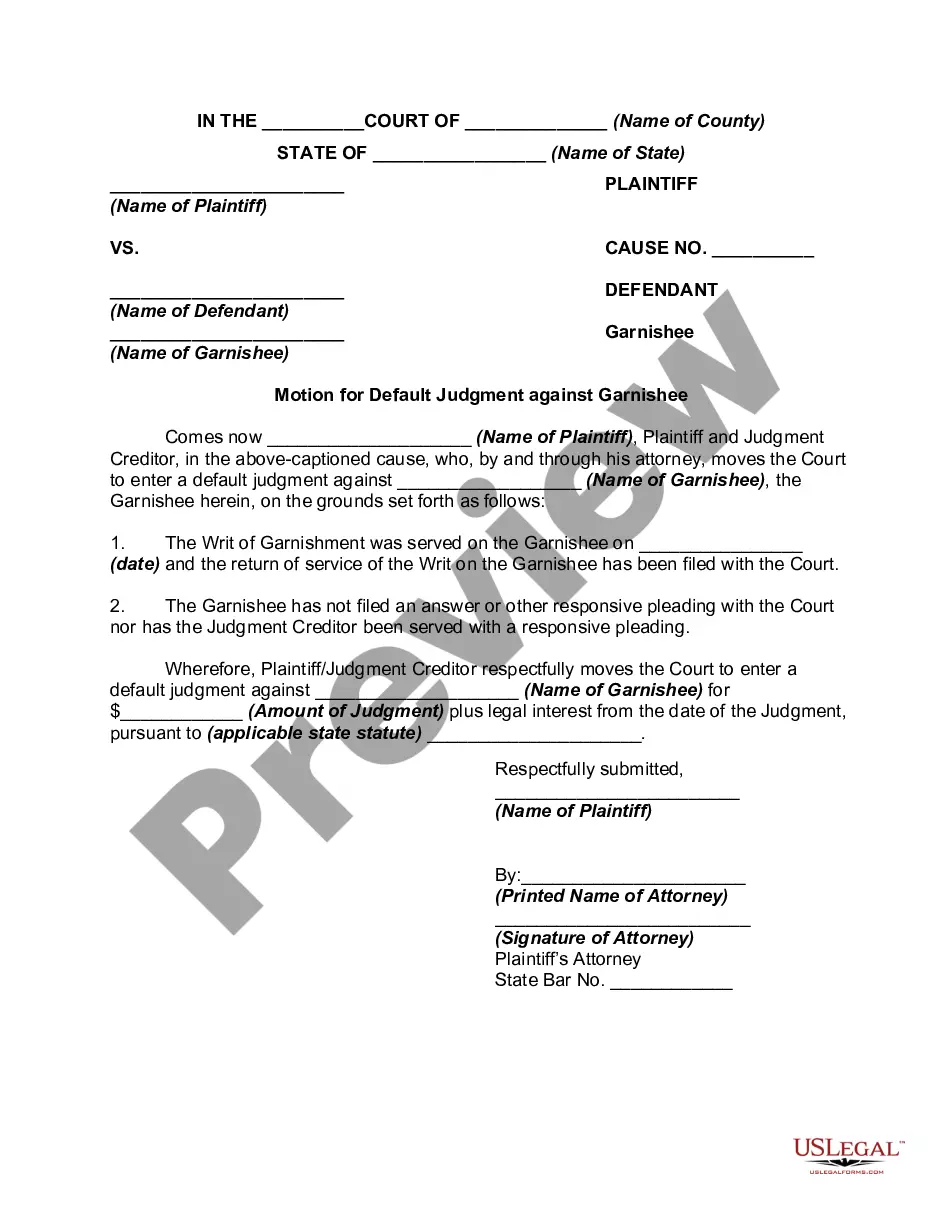
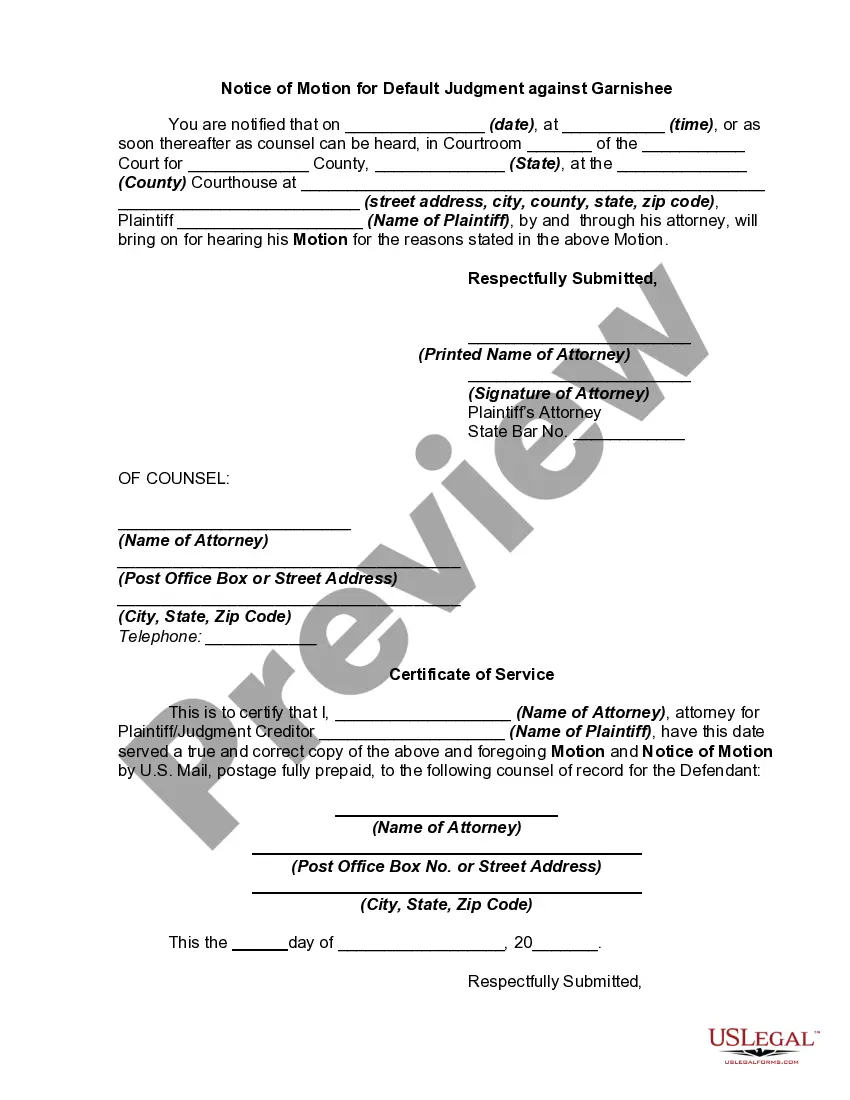
Default Judgment Motion With Prejudice
Description
Get your form ready online
Our built-in tools help you complete, sign, share, and store your documents in one place.
Make edits, fill in missing information, and update formatting in US Legal Forms—just like you would in MS Word.
Download a copy, print it, send it by email, or mail it via USPS—whatever works best for your next step.
Sign and collect signatures with our SignNow integration. Send to multiple recipients, set reminders, and more. Go Premium to unlock E-Sign.
If this form requires notarization, complete it online through a secure video call—no need to meet a notary in person or wait for an appointment.
We protect your documents and personal data by following strict security and privacy standards.

Make edits, fill in missing information, and update formatting in US Legal Forms—just like you would in MS Word.

Download a copy, print it, send it by email, or mail it via USPS—whatever works best for your next step.

Sign and collect signatures with our SignNow integration. Send to multiple recipients, set reminders, and more. Go Premium to unlock E-Sign.

If this form requires notarization, complete it online through a secure video call—no need to meet a notary in person or wait for an appointment.

We protect your documents and personal data by following strict security and privacy standards.
Looking for another form?







Form popularity
FAQ
When a judge is described as being in prejudice, it means they have made a ruling that is intended to have a long-lasting effect, such as a dismissal that bars future claims. This is particularly relevant in regards to a default judgment motion with prejudice, where the outcome is final and eliminates the possibility to contest the matter down the line.
Rule 36.16 2 of the Uniform Civil Procedure Rules (UCPR) outlines how courts address cases where a party fails to comply with procedural requirements. Under this rule, courts may issue a default judgment motion with prejudice if a party has not responded appropriately, reflecting an unwillingness to engage with the court process.
Prejudice judgment is another term that describes a ruling that has a lasting impact on the rights of the parties involved. Specifically, in the context of a default judgment motion with prejudice, it means that the losing party can no longer contest the claims made against them in future court sessions.
An example of a prejudice judgment occurs when a defendant fails to respond to a lawsuit, leading the court to issue a default judgment against them. This settlement denies the defendant the chance to present their side of the case, effectively sealing the outcome in favor of the plaintiff.
A prejudice judgment, often described in the context of a default judgment motion with prejudice, indicates that the case has been resolved in a way that bars the losing party from re-litigating the same claim. This type of judgment is conclusive and leaves no option for the defendant to revisit the matter in the future.
Yes, there is a notable difference. A judgment refers to a formal decision made by a court regarding the rights and liabilities of the parties involved in a case. In contrast, a default judgment motion with prejudice means that the case is dismissed permanently, preventing the plaintiff from re-filing the suit.
A default decision means the court has decided in favor of one party due to the other party's absence or failure to respond. This typically happens in cases where the defendant does not engage in the legal proceedings, prompting the plaintiff to file a default judgment motion with prejudice. Consequently, the absence of the defendant from the process leads to an automatic ruling that may disadvantage them significantly.
A default decision is a ruling made by a court when one party fails to participate in the legal process. For example, if a defendant ignores a summons and complaint, the court may grant a default judgment to the plaintiff, often through a default judgment motion with prejudice. This means the defendant cannot later contest the decision and must accept the court's ruling as final.
An example of a default occurs when a defendant does not respond to a lawsuit within the required time frame. When this happens, the court can issue a default judgment, often at the request of the plaintiff. This means the plaintiff can benefit from a default judgment motion with prejudice, ensuring that the defendant loses the right to contest the judgment in the future.
To file a motion to vacate a default judgment in New Jersey, first gather the necessary documents and evidence to support your case. Next, complete the motion forms and prepare a legal brief explaining why the default should be set aside. You can then submit your paperwork to the court and attend the hearing, where you can present your reasons for requesting to vacate the default judgment, potentially challenging a motion that includes a default judgment motion with prejudice.
