Motion To Vacate In Virginia
Description
Get your form ready online
Our built-in tools help you complete, sign, share, and store your documents in one place.
Make edits, fill in missing information, and update formatting in US Legal Forms—just like you would in MS Word.
Download a copy, print it, send it by email, or mail it via USPS—whatever works best for your next step.
Sign and collect signatures with our SignNow integration. Send to multiple recipients, set reminders, and more. Go Premium to unlock E-Sign.
If this form requires notarization, complete it online through a secure video call—no need to meet a notary in person or wait for an appointment.
We protect your documents and personal data by following strict security and privacy standards.

Make edits, fill in missing information, and update formatting in US Legal Forms—just like you would in MS Word.

Download a copy, print it, send it by email, or mail it via USPS—whatever works best for your next step.

Sign and collect signatures with our SignNow integration. Send to multiple recipients, set reminders, and more. Go Premium to unlock E-Sign.

If this form requires notarization, complete it online through a secure video call—no need to meet a notary in person or wait for an appointment.

We protect your documents and personal data by following strict security and privacy standards.
Looking for another form?

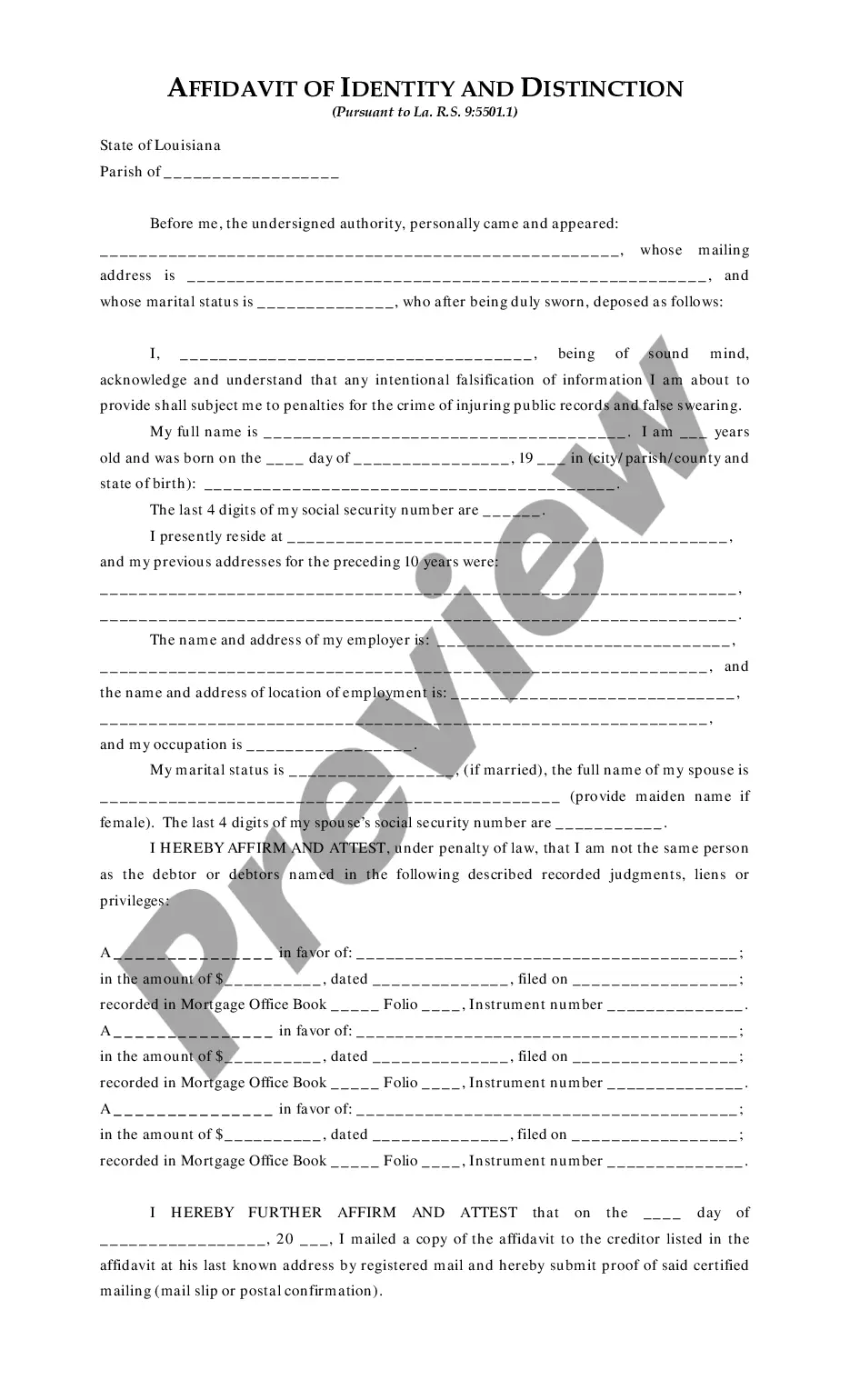







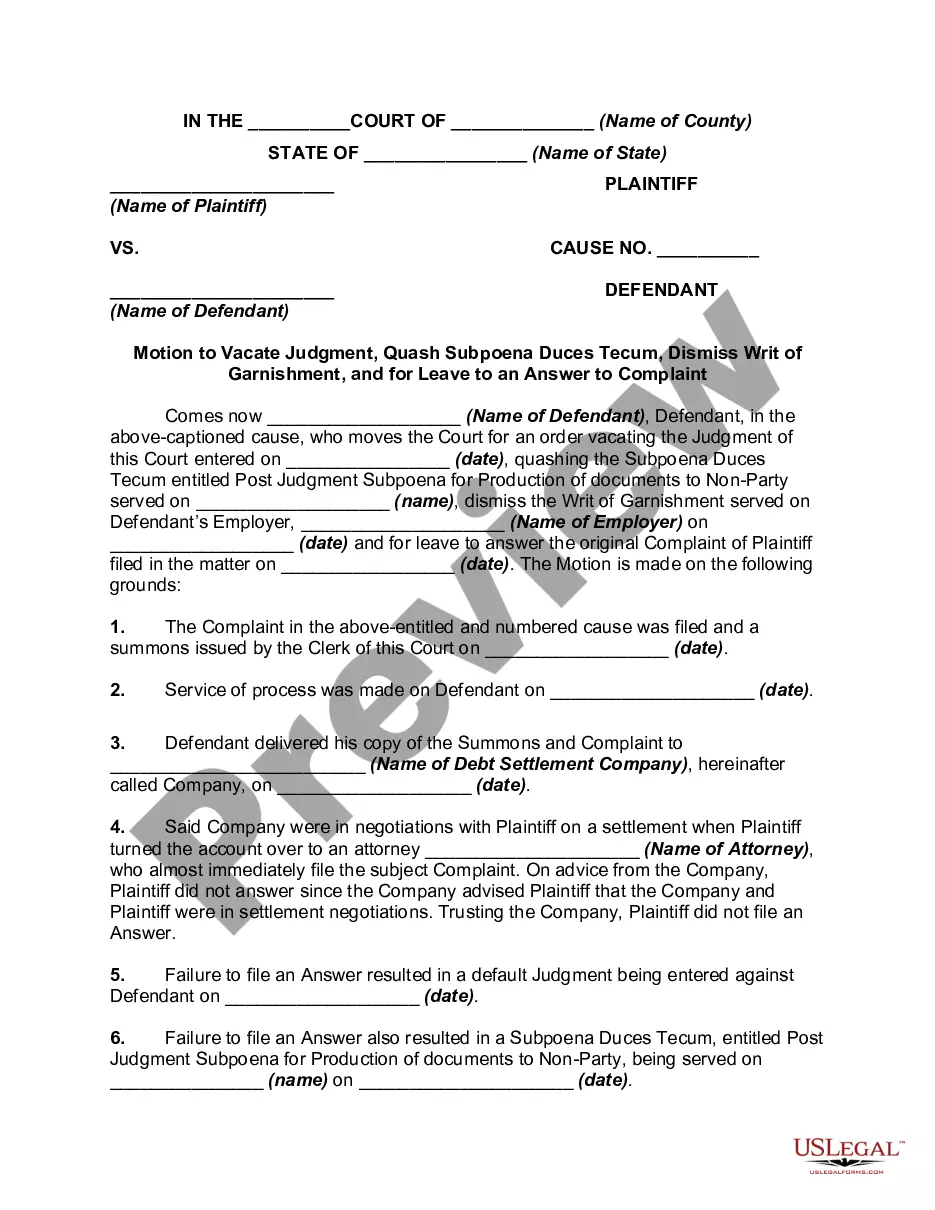
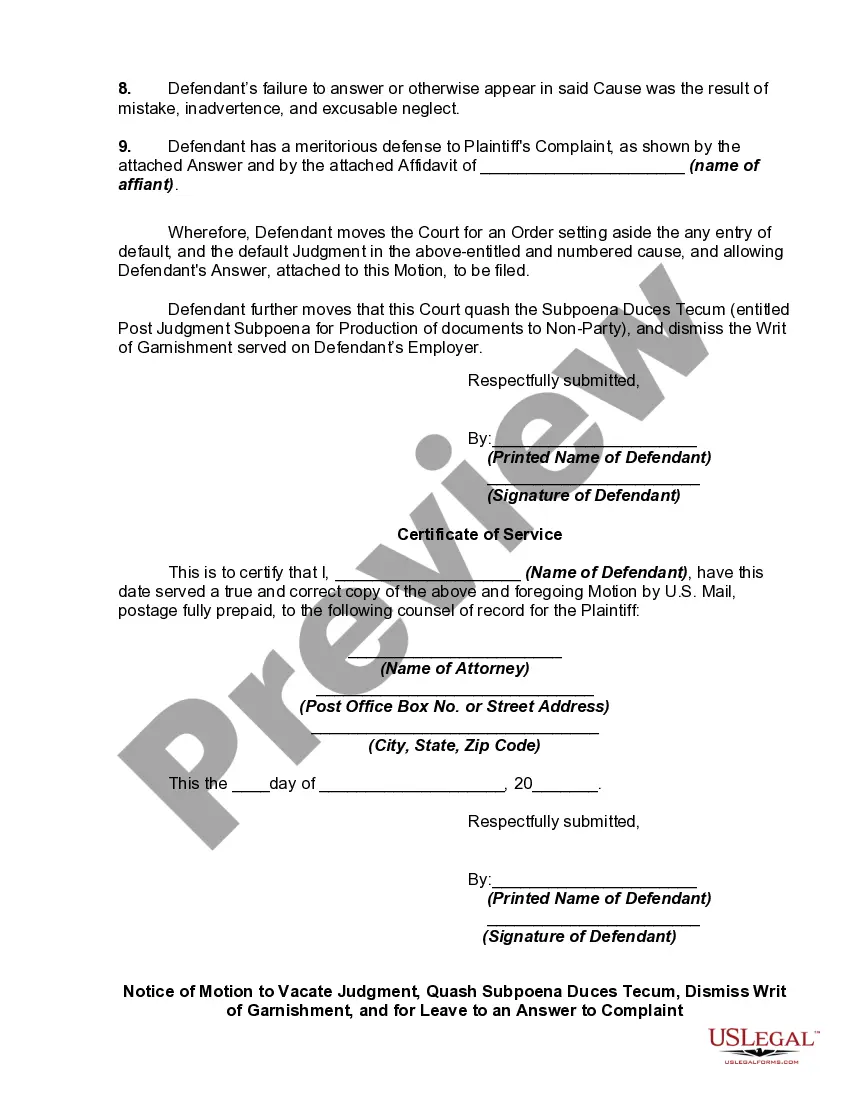
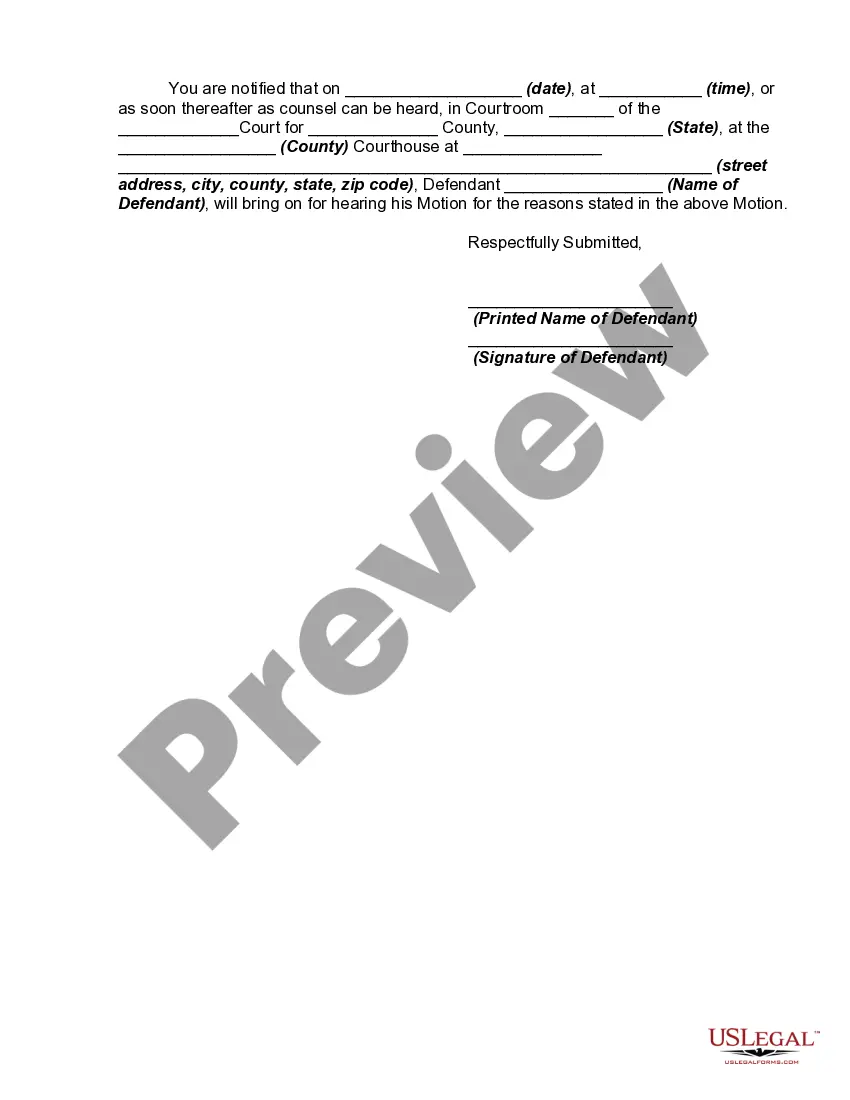
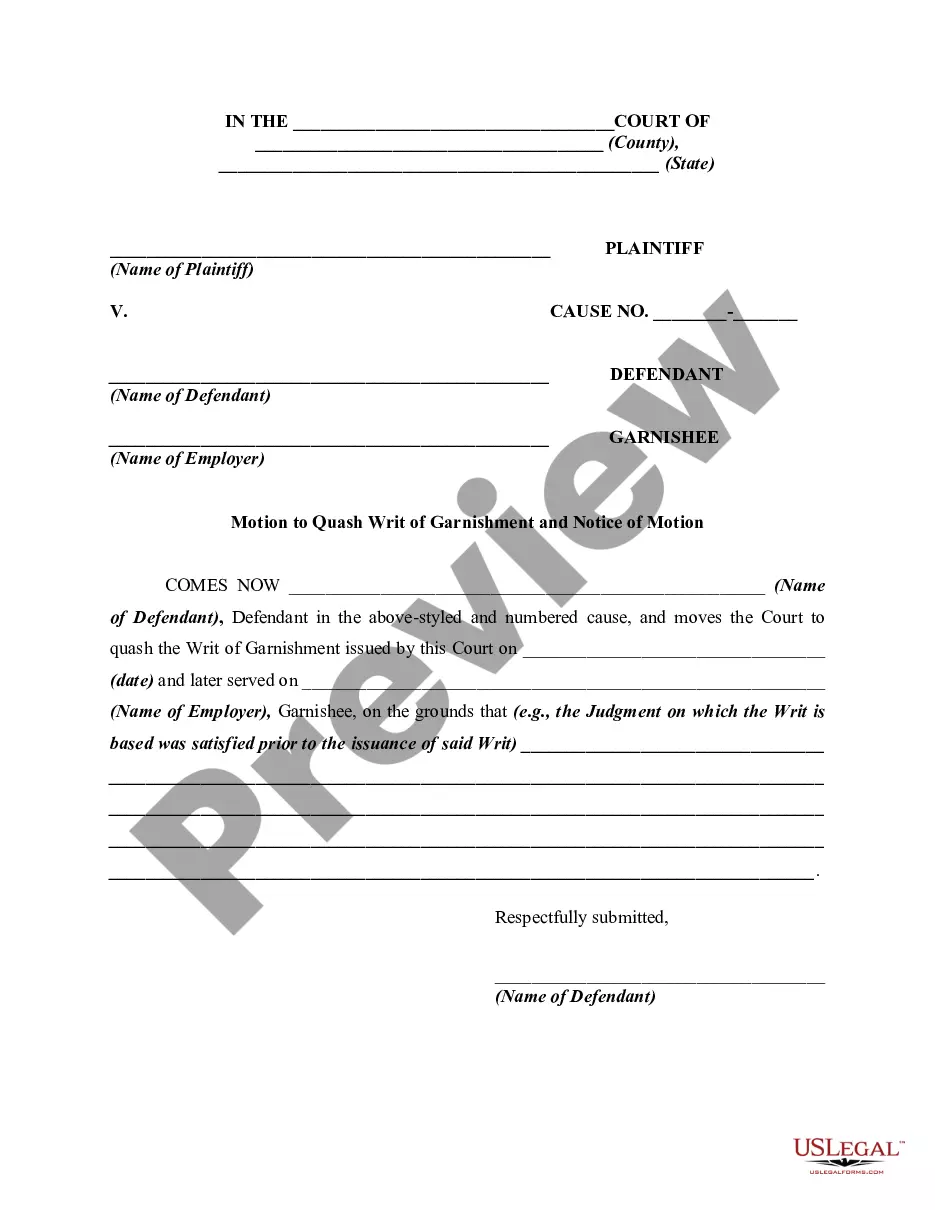
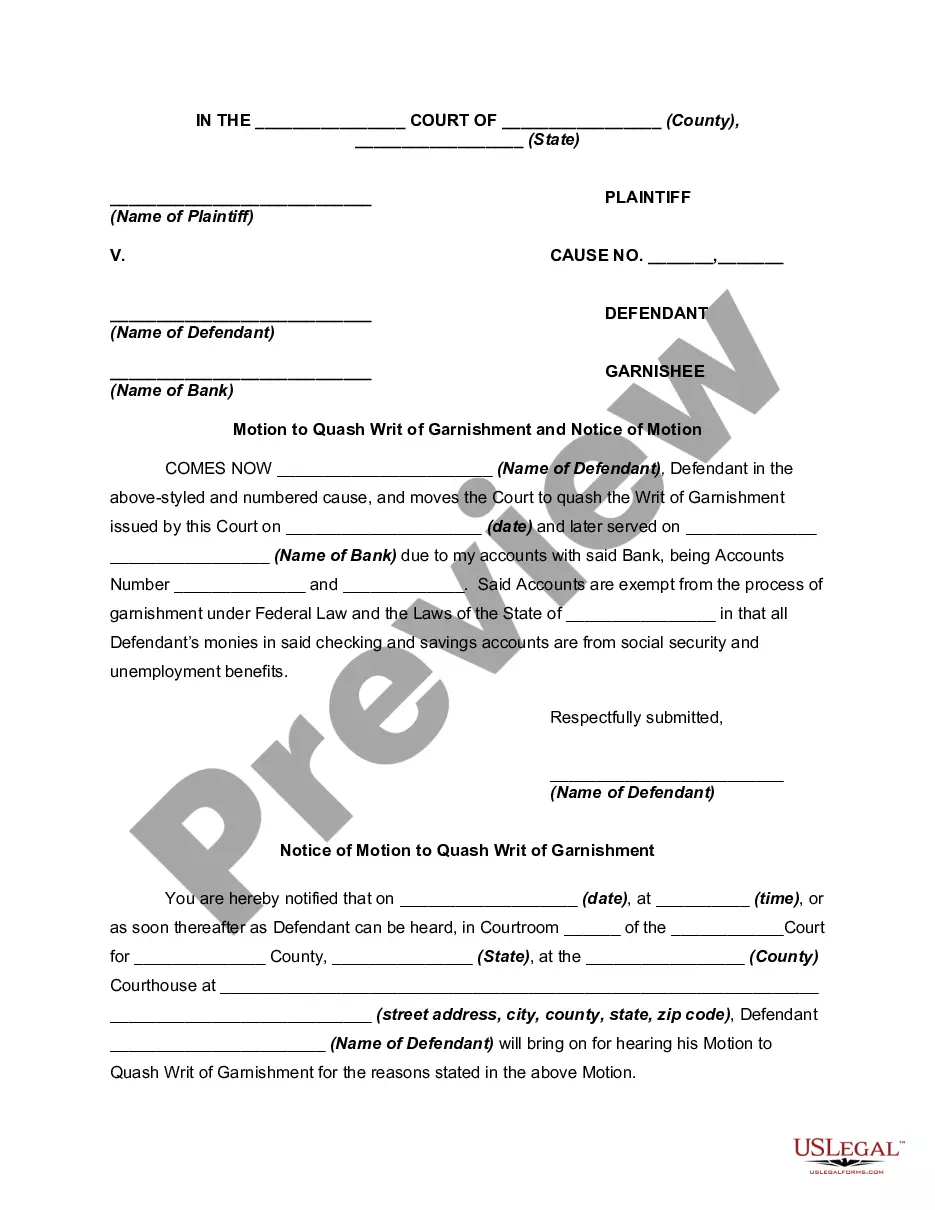
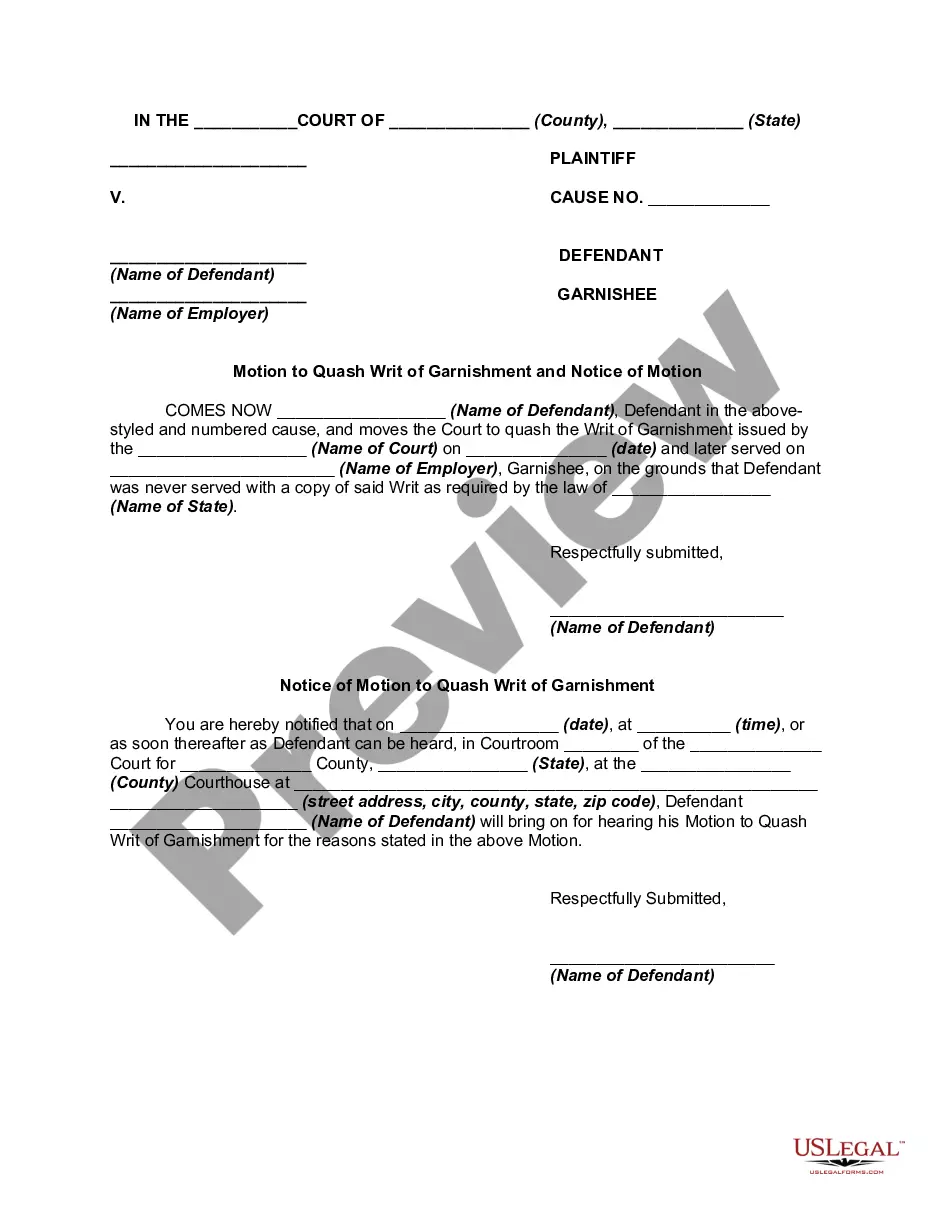
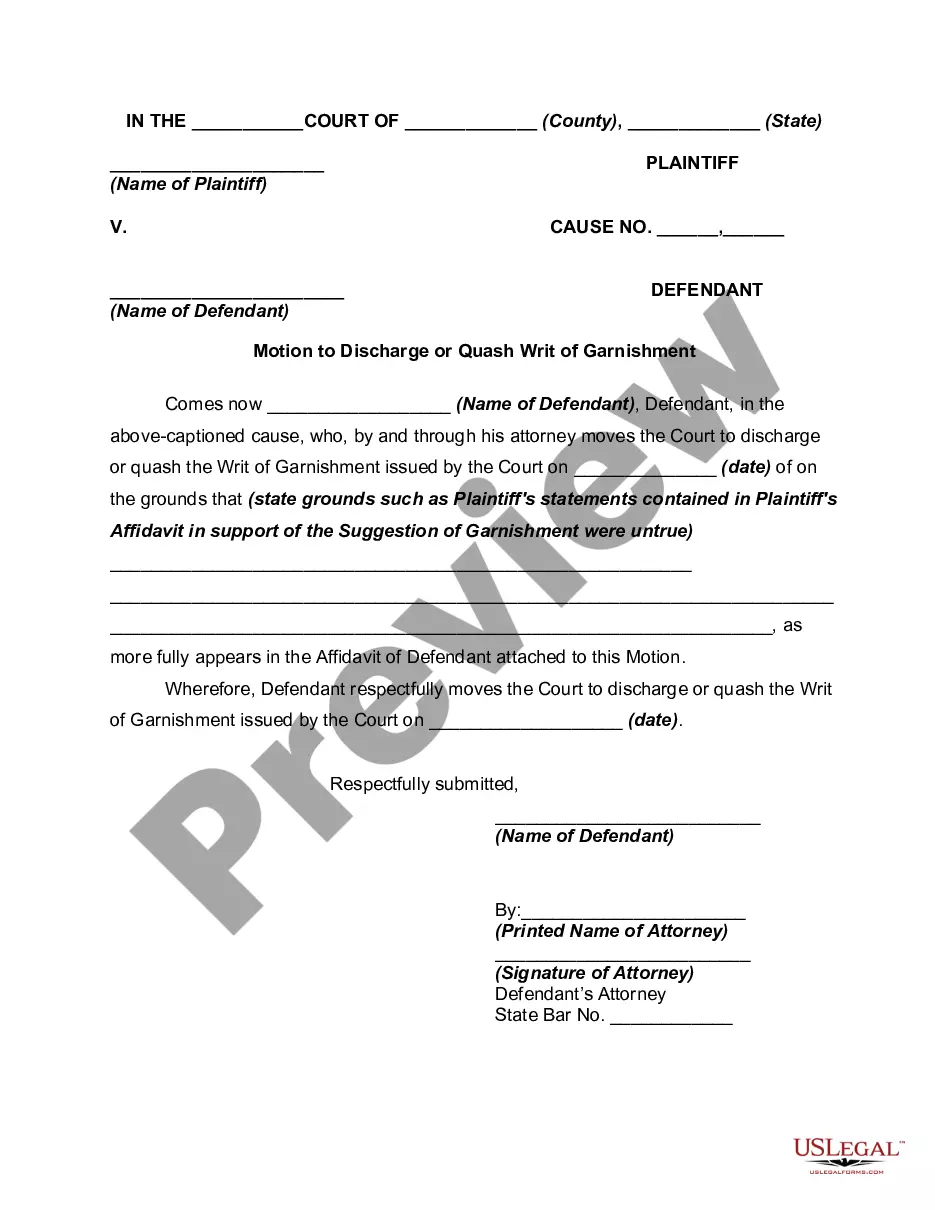
How to fill out Motion To Vacate Judgment, Quash Subpoena Duces Tecum, Dismiss Writ Of Garnishment, And For Leave To File An Answer To Complaint?
Regardless of whether for commercial aims or personal affairs, everyone eventually must handle legal issues at some point in their lifetime.
Filling out legal forms demands meticulous care, beginning with selecting the suitable template.
Once it is downloaded, you can fill out the form using editing software or print it and complete it by hand. With a comprehensive US Legal Forms catalog available, you do not need to waste time searching for the right template online. Utilize the library’s straightforward navigation to find the appropriate form for any occasion.
- Locate the form you require by utilizing the search bar or browsing through the catalog.
- Review the form’s details to verify it aligns with your situation, state, and county.
- Click on the form’s preview to check it out.
- If it is the incorrect form, return to the search option to find the Motion To Vacate In Virginia example you are searching for.
- Obtain the template when it fits your requirements.
- If you already possess a US Legal Forms account, simply click Log in to access previously saved documents in My documents.
- If you don't have an account yet, you can acquire the form by selecting Buy now.
- Choose the suitable pricing option.
- Complete the profile registration form.
- Select your payment method: you can use a credit card or PayPal.
- Choose the document format you desire and download the Motion To Vacate In Virginia.
Form popularity
FAQ
In Virginia, the responding party typically has 21 days to respond to a filed motion. This timeframe is essential for ensuring a fair legal process, especially for motions like the Motion to Vacate in Virginia. However, in certain cases, a judge may grant additional time if requested properly. Staying informed about these deadlines can significantly impact the court's proceedings.
Filing a motion generally involves several steps, starting with drafting the motion according to court regulations. Specifically, for a Motion to Vacate in Virginia, ensure that you include all pertinent information and justifications for your request. Once your motion is drafted, file it with the court clerk and provide copies to all involved parties. Always keep a record of your filings for future reference.
The 21 day rule in Virginia refers to the time frame in which a party must respond to a motion after it has been filed. Specifically, you have 21 days to file an answer to a motion, such as a Motion to Vacate in Virginia. This ensures that all parties involved have a fair chance to present their arguments. Understanding and adhering to this timeline is crucial for a successful legal outcome.
In Virginia, you typically need to go to court to evict someone. The eviction process starts with filing an unlawful detainer action, which allows you to seek a judgment against the tenant. If the court rules in your favor, you may then proceed to obtain a Motion to Vacate in Virginia to formalize the order. This process ensures you follow the legal steps to protect your rights as a landlord.
A motion to vacate is a legal request asking the court to nullify a prior judgment, such as an eviction. During this process, the judge reviews the circumstances under which the original ruling was made. If granted, this motion allows the tenant to remain in the property or re-establish their tenancy rights. Utilizing resources from US Legal Forms can streamline your understanding of filing a motion to vacate in Virginia.
No, a landlord cannot evict you immediately in Virginia. There is a legal process that must be followed, which includes providing notice to the tenant. This process typically involves a hearing where both parties can present their case. Understanding this process is crucial, especially during disputes over a motion to vacate in Virginia.
In some cases, you can take back your intent to vacate, but it largely depends on your rental agreement and the landlord's response. If you notify your landlord before the intended departure date, they might allow you to stay. However, it's essential to confirm this with your landlord as you may be bound by specific terms outlined in your lease. Always refer to professional advice or resources like US Legal Forms for clarity.
A letter of intent to vacate is a formal document that a tenant uses to notify their landlord about their intention to move out of the property. This letter should include the date of intended departure and any relevant details about the condition of the apartment upon leaving. It provides a clear communication channel to avoid misunderstandings. Consider using a platform like US Legal Forms to create and send this letter efficiently.
A notice of intent to vacate in Virginia is a written declaration by the tenant indicating their plan to leave the rental property. This notice typically outlines the tenant's intended moving date and helps landlords prepare for the vacancy. It plays a crucial role in ensuring a smooth transition for both parties involved in the lease. You should submit this notice in accordance with the terms of your rental agreement.
No, a notice to vacate is not the same as an eviction. A notice to vacate in Virginia is a formal request from the landlord for the tenant to leave the property. An eviction, on the other hand, is a legal process that follows if a tenant does not comply with the notice. It's essential to understand these distinctions when dealing with rental agreements in Virginia.