Court Judgment Filed Within
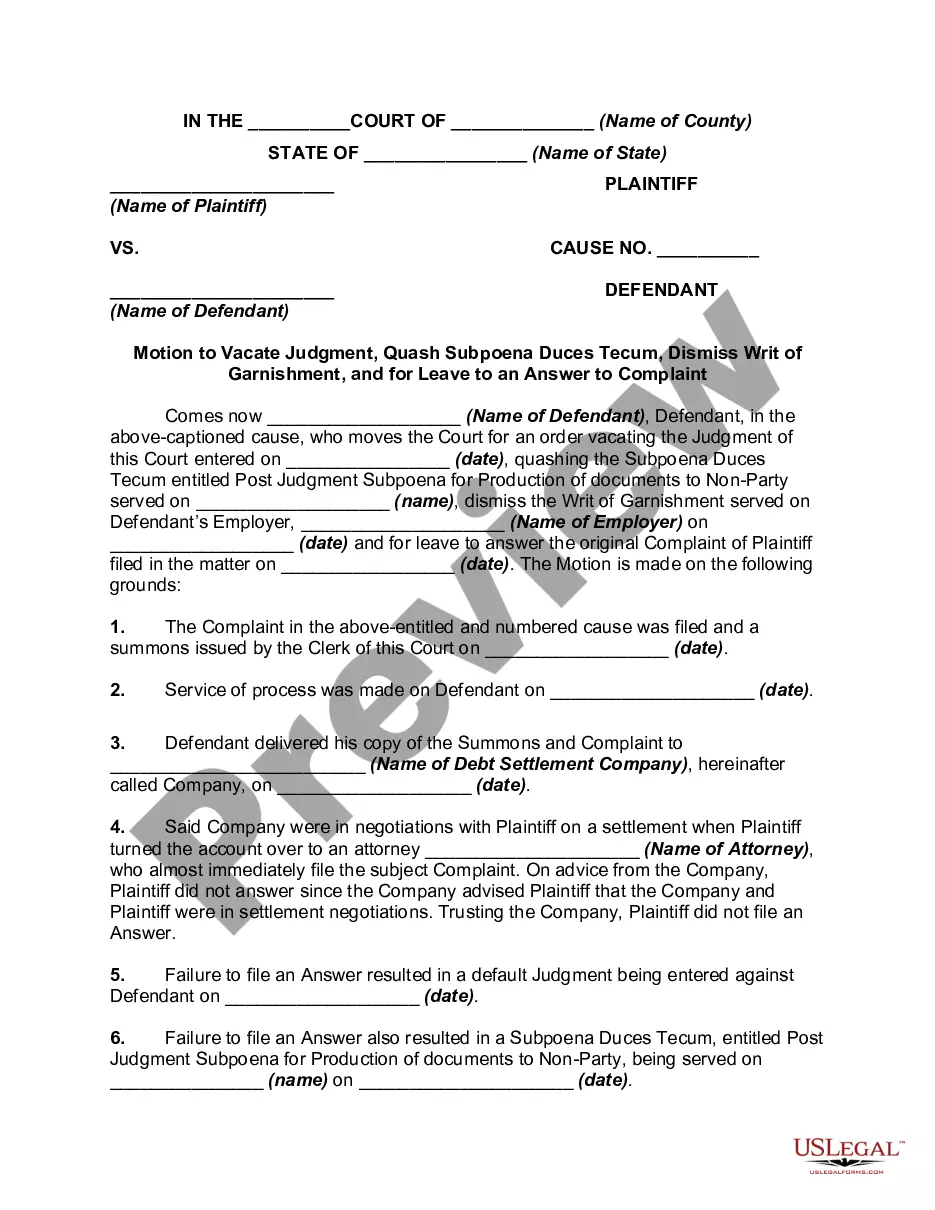
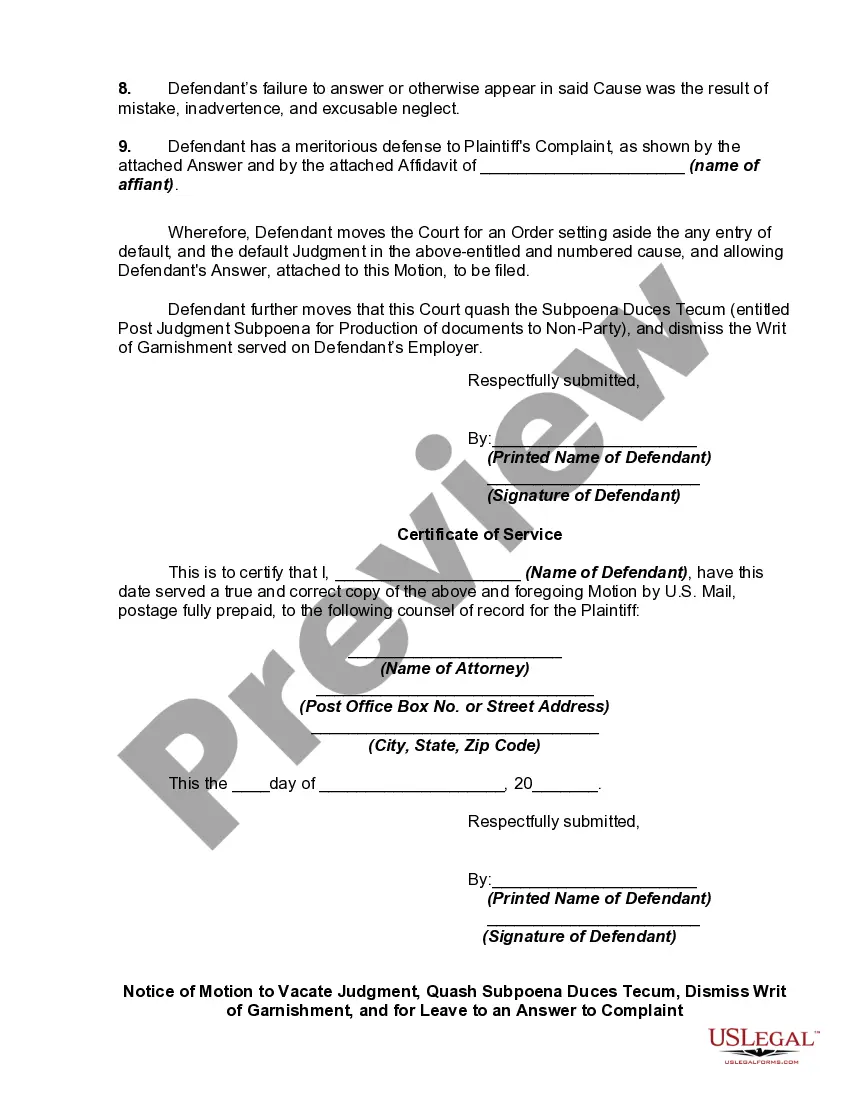
Description
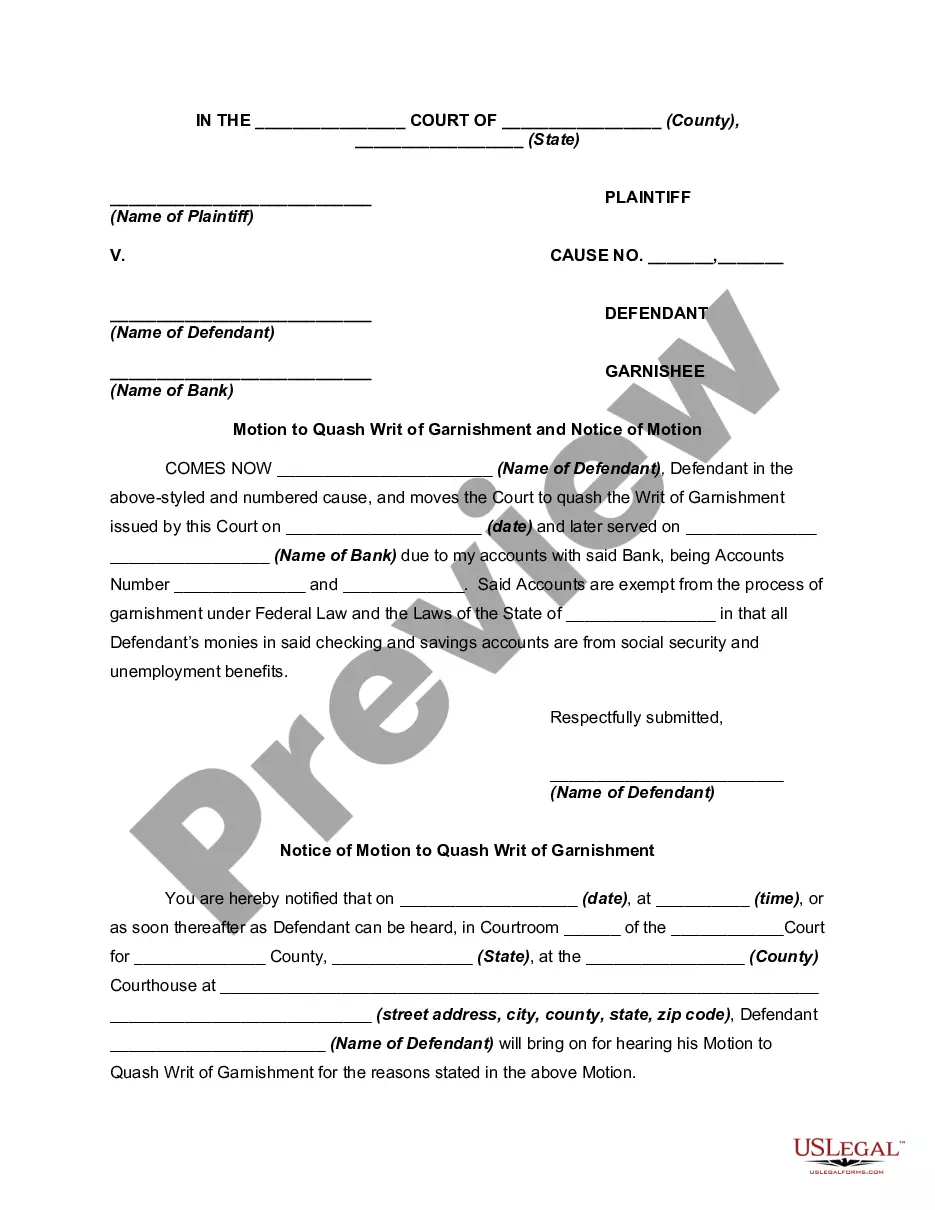
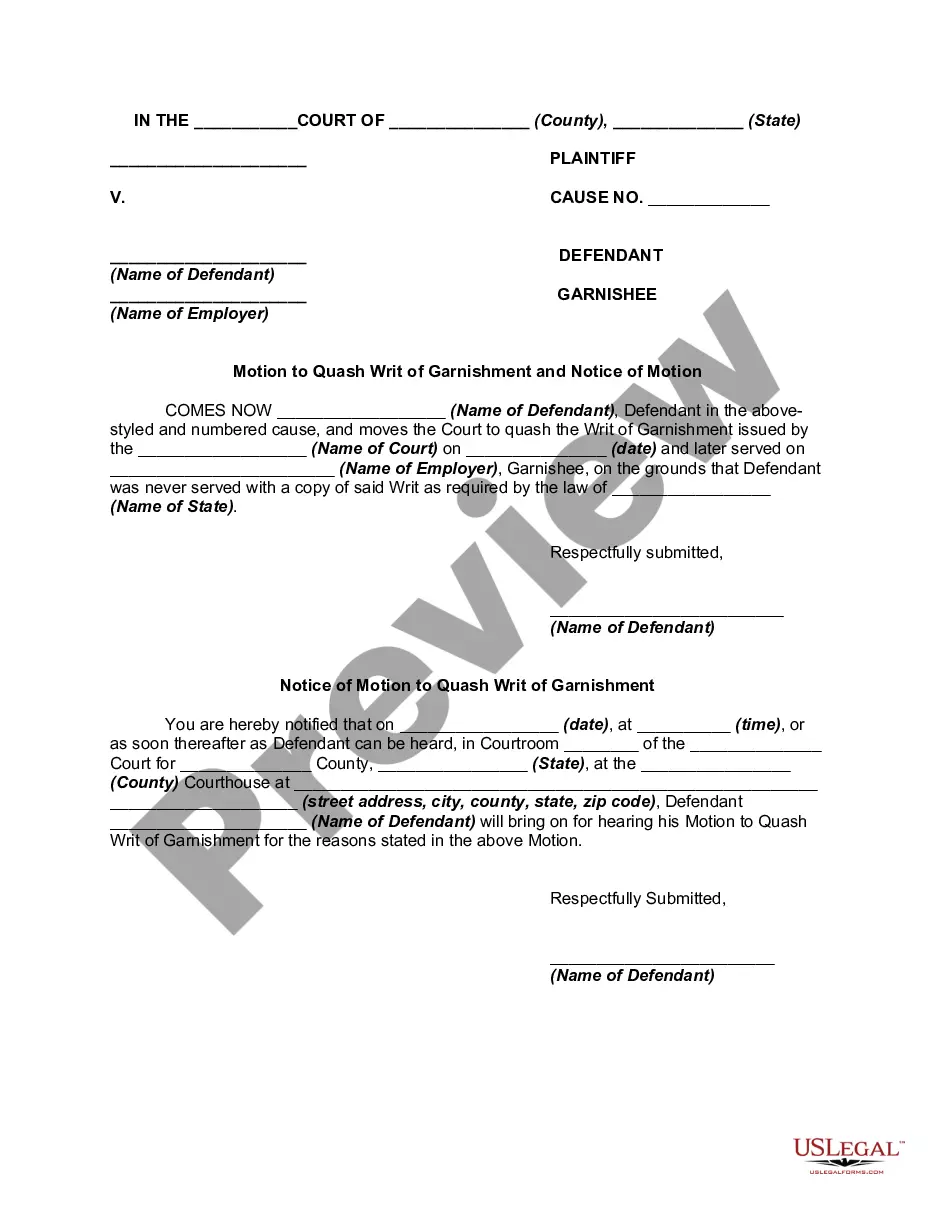
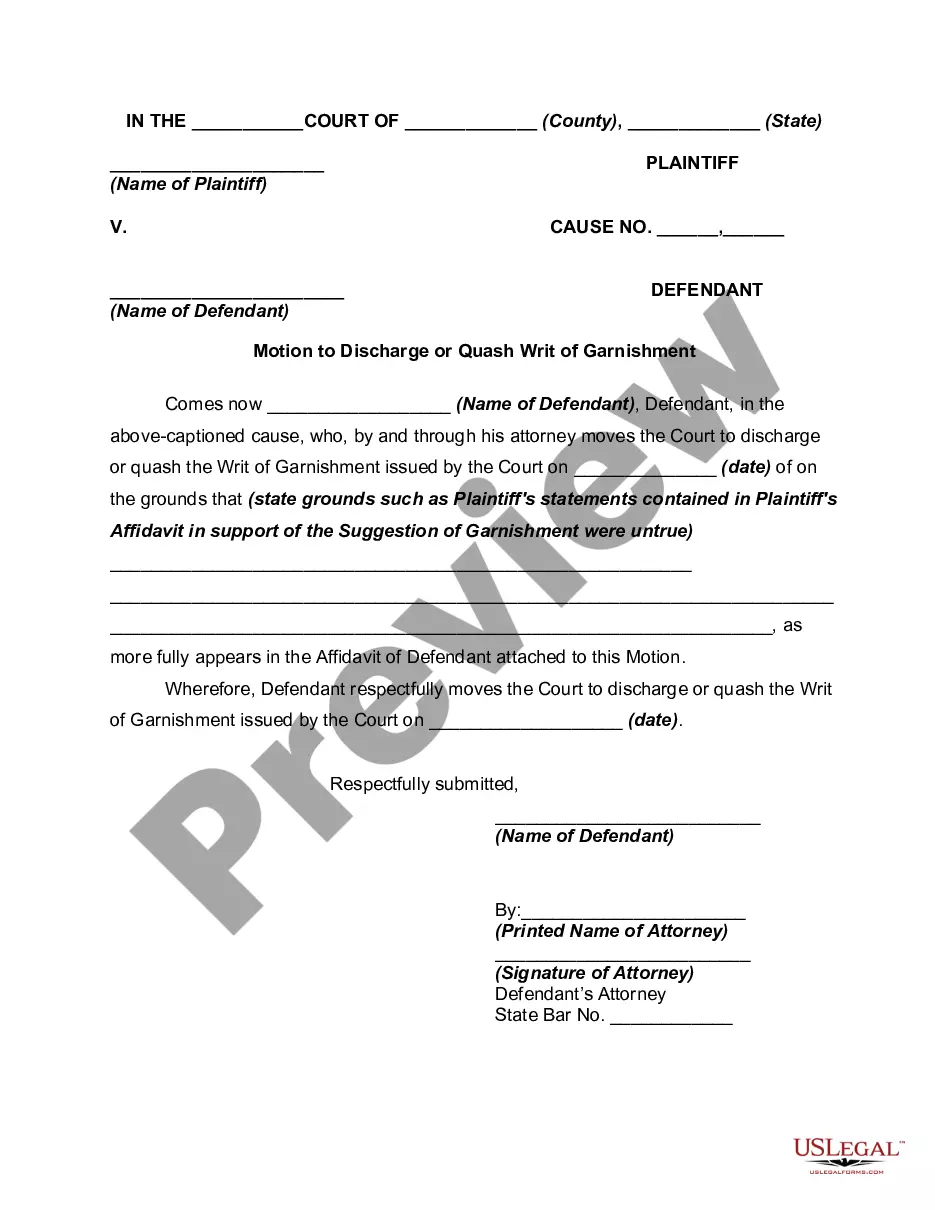
Get your form ready online
Our built-in tools help you complete, sign, share, and store your documents in one place.
Make edits, fill in missing information, and update formatting in US Legal Forms—just like you would in MS Word.
Download a copy, print it, send it by email, or mail it via USPS—whatever works best for your next step.
Sign and collect signatures with our SignNow integration. Send to multiple recipients, set reminders, and more. Go Premium to unlock E-Sign.
If this form requires notarization, complete it online through a secure video call—no need to meet a notary in person or wait for an appointment.
We protect your documents and personal data by following strict security and privacy standards.

Make edits, fill in missing information, and update formatting in US Legal Forms—just like you would in MS Word.

Download a copy, print it, send it by email, or mail it via USPS—whatever works best for your next step.

Sign and collect signatures with our SignNow integration. Send to multiple recipients, set reminders, and more. Go Premium to unlock E-Sign.

If this form requires notarization, complete it online through a secure video call—no need to meet a notary in person or wait for an appointment.

We protect your documents and personal data by following strict security and privacy standards.
Looking for another form?



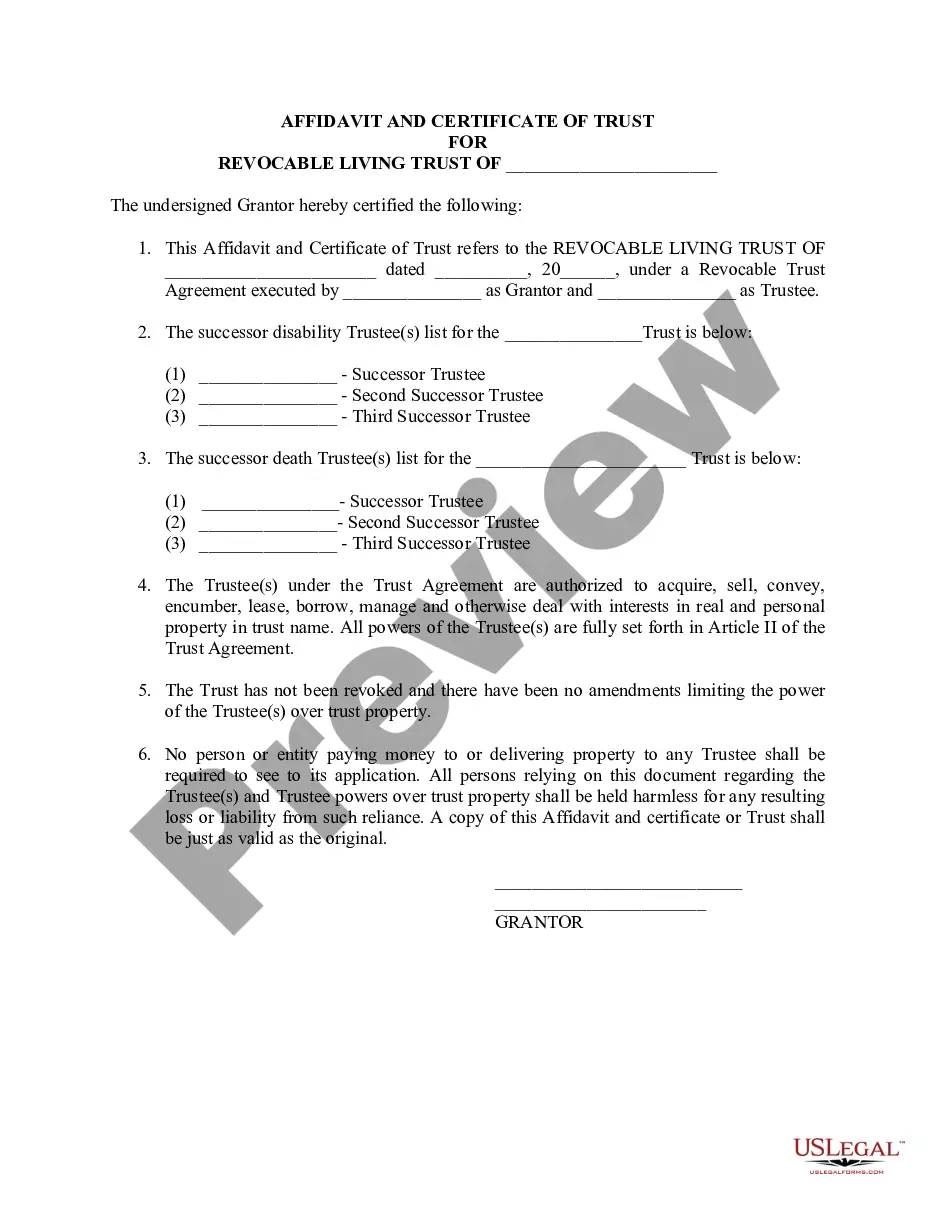


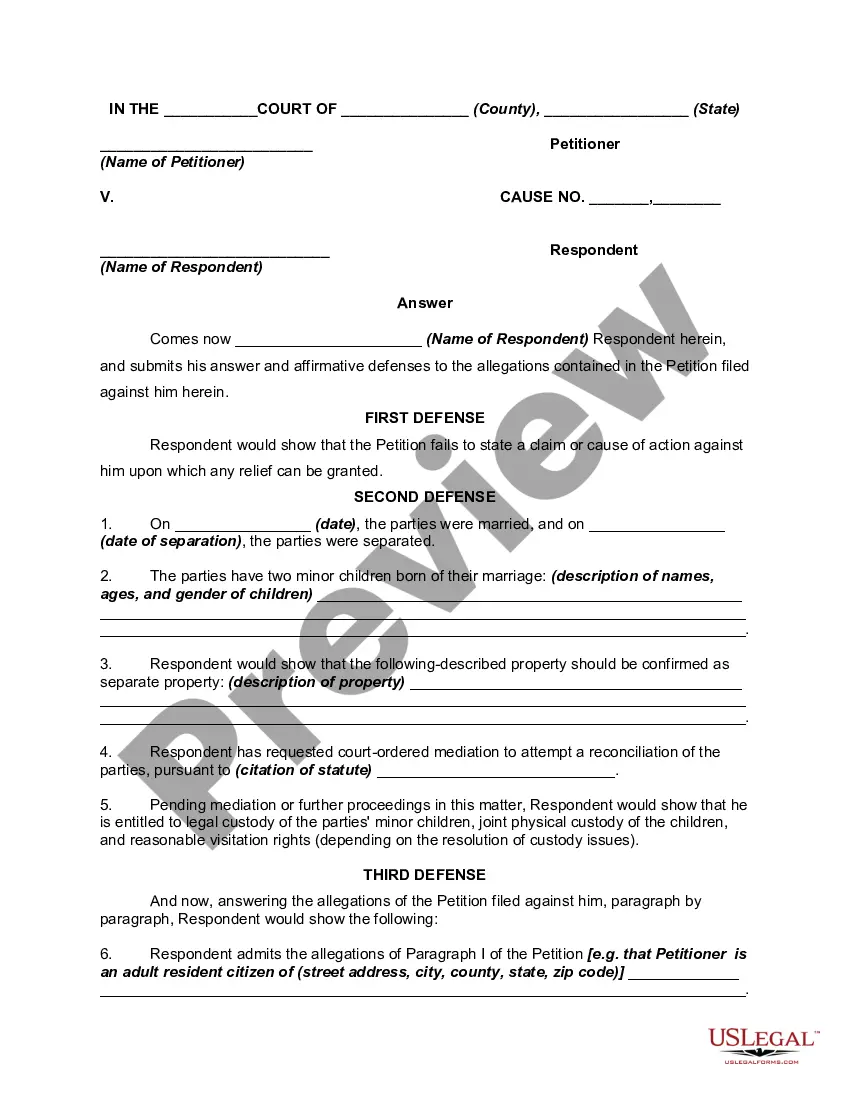
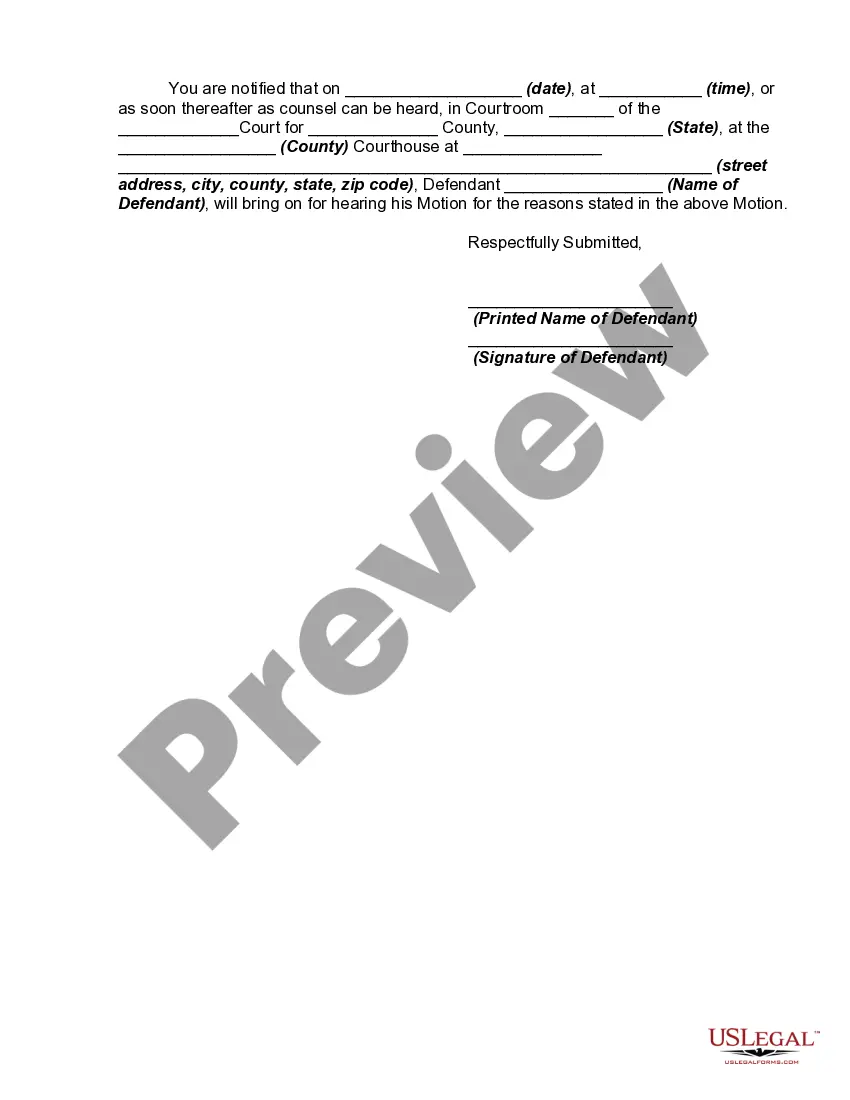
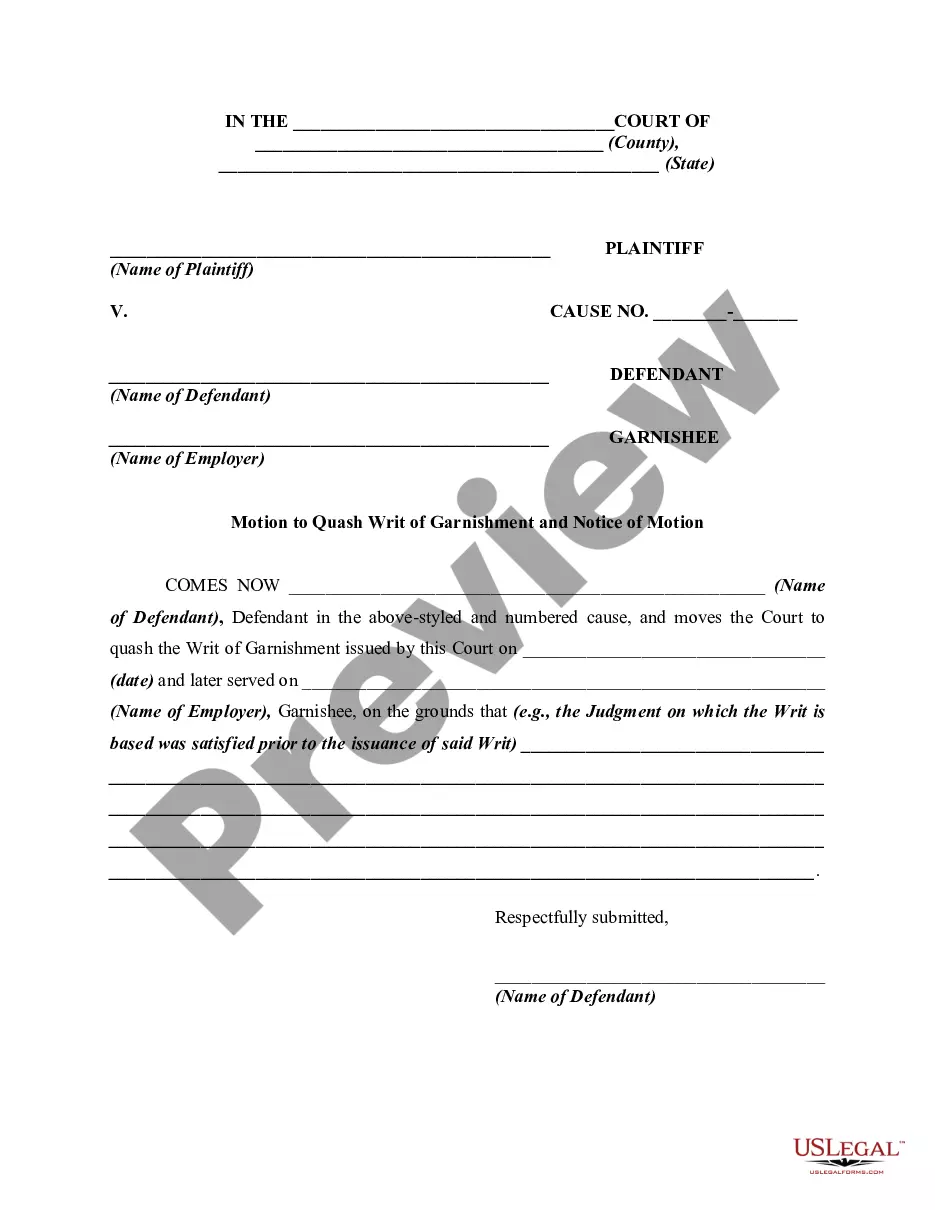
How to fill out Motion To Vacate Judgment, Quash Subpoena Duces Tecum, Dismiss Writ Of Garnishment, And For Leave To File An Answer To Complaint?
Managing legal documents and procedures can be a time-intensive addition to your day.
Court Judgment Filed Within and similar forms typically require you to locate them and grasp how to fill them out accurately.
Therefore, whether you are dealing with financial, legal, or personal issues, accessing a comprehensive and useful online library of forms whenever necessary will be tremendously helpful.
US Legal Forms is the leading online platform for legal documents, providing over 85,000 state-specific forms along with an array of resources to help you complete your paperwork with ease.
Is this your first time using US Legal Forms? Sign up and create a free account within minutes and you'll gain access to the form library and Court Judgment Filed Within. Then, follow the steps below to complete your form: Ensure you have found the correct form by utilizing the Preview function and reviewing the form details. Select Buy Now when ready, and choose the subscription plan that suits your needs. Click Download then fill out, sign, and print the form. US Legal Forms boasts twenty-five years of expertise in assisting users with their legal documents. Obtain the form you require today and simplify any process effortlessly.
- Explore the library of relevant documents available to you with just one click.
- US Legal Forms supplies state- and county-specific forms accessible at any time for downloading.
- Protect your document management tasks with a premium service that enables you to fill out any form in minutes without additional or concealed charges.
- Simply Log In to your account, find Court Judgment Filed Within, and download it instantly from the My documents section.
- You can also access forms you have previously saved.
Form popularity
FAQ
Yes, there is usually a time limit for setting aside a default judgment, often around 30 days from the date the judgment was entered. Exceptions can apply depending on the circumstances surrounding the default. It's important to act quickly if you believe you have valid grounds for doing so. Consider consulting with platforms like US Legal Forms for guidance in navigating your options related to court judgment filed within.
The period to set aside a judgment can vary by jurisdiction, but it's generally within a few months after the judgment is made. Some states allow for extensions under particular conditions, while others have strict limits. Understanding local rules is key to ensuring you meet the necessary deadlines. Remember, court judgments filed within the specific timeframe can either help or hinder your efforts to overturn a decision.
A court judgment filed within a legal case typically follows a defined structure. It includes the case title, court name, and date of issue. Furthermore, it clearly states the decision made by the judge, outlines the relevant facts, and provides the legal rationale. A well-structured judgment ensures clarity and helps all parties understand their legal standing.
A default judgment can be entered after the defendant fails to respond to a legal complaint within the allowed time. Each state determines its specific response period, typically ranging from 20 to 30 days. If the defendant does not take action, the plaintiff can file for the default judgment. Therefore, it's essential to be aware of local laws to prevent a court judgment filed within too short a timeframe.
When a default judgment is entered, it signifies that the court has ruled in favor of the plaintiff due to the defendant's failure to contest the case. This judgment is typically binding and provides the plaintiff with the legal relief they sought. Importantly, once a court judgment is filed within the appropriate time, it can have lasting implications for the defendant, including financial liabilities. Hence, addressing legal matters promptly is essential.
The timeframe for a judgment to be entered often varies by jurisdiction, but it typically takes several weeks after the defendant's response period ends. If a default judgment is sought, the plaintiff can usually request it shortly after the time limit has passed. Keep in mind that courts often require specific documentation to process a court judgment filed within the optimal period. Understanding these timelines helps in effective legal planning.
ORDER 18, RULE 2 CLAUSE 4 - Application under - Reopening of the case to record evidence - HELD, Once the matter has been heard and posted for judgment, nothing is required to be done by the Court except to pronounce the judgment - Interlocutory application to reopen the case and record further evidence after the ...
It depends what you were supposed to be doing in court. If you are a witness then there will be a warrent out for your arrest. You will be arrested for contempt of court. The case will be adjourned until you are found to give evidence.
The judgment should set out the particulars of the offence, the prosecution case, the plea of the accused, the evidence of the prosecution witness, the case of the defence, discussion of the evidence and conclusions. The judgment should reveal whether the evidence shows proof beyond reasonable doubt.
A judgment must begin with clear recital of facts of the case, cause of action and the way the case has been brought to the Court. A Judge must have essential facts in mind, and its narration should be brief but without any mistake. The importance of first paragraph of the judgment cannot be overemphasized.