Sample Opposition To Motion For Protective Order California
Description
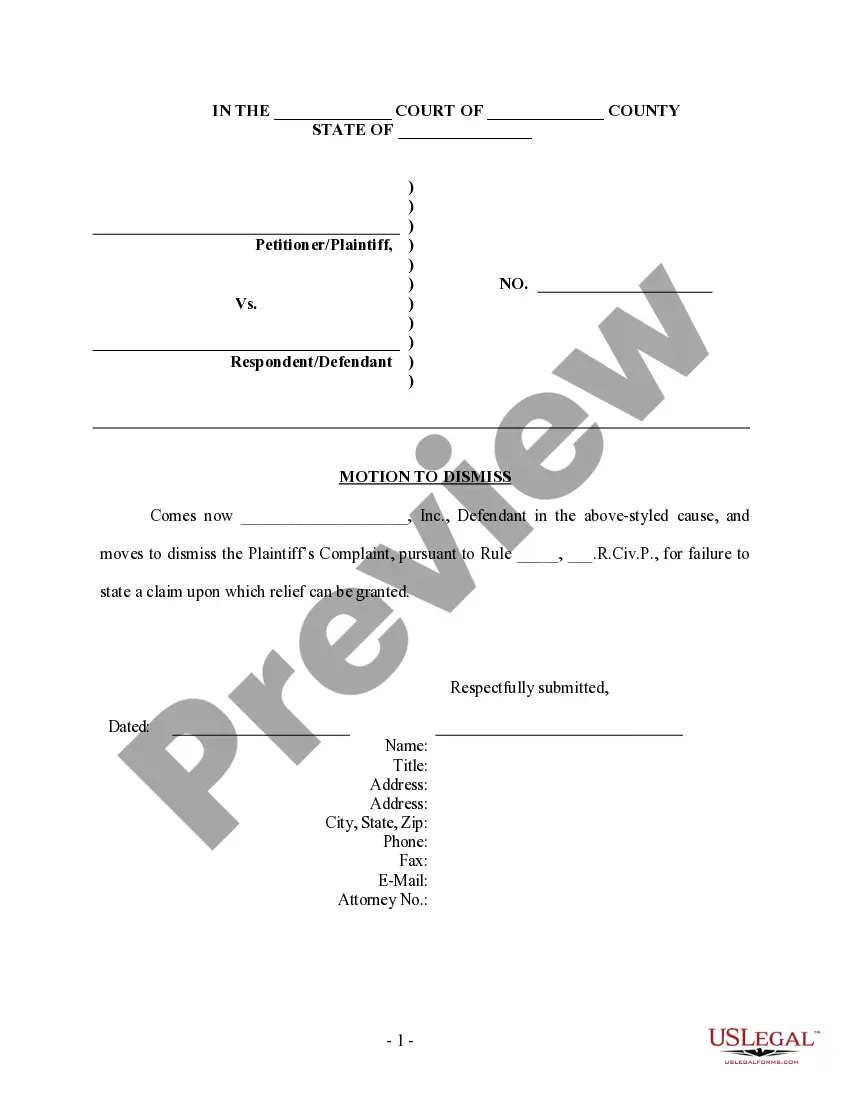
Get your form ready online
Our built-in tools help you complete, sign, share, and store your documents in one place.
Make edits, fill in missing information, and update formatting in US Legal Forms—just like you would in MS Word.
Download a copy, print it, send it by email, or mail it via USPS—whatever works best for your next step.
Sign and collect signatures with our SignNow integration. Send to multiple recipients, set reminders, and more. Go Premium to unlock E-Sign.
If this form requires notarization, complete it online through a secure video call—no need to meet a notary in person or wait for an appointment.
We protect your documents and personal data by following strict security and privacy standards.

Make edits, fill in missing information, and update formatting in US Legal Forms—just like you would in MS Word.

Download a copy, print it, send it by email, or mail it via USPS—whatever works best for your next step.

Sign and collect signatures with our SignNow integration. Send to multiple recipients, set reminders, and more. Go Premium to unlock E-Sign.

If this form requires notarization, complete it online through a secure video call—no need to meet a notary in person or wait for an appointment.

We protect your documents and personal data by following strict security and privacy standards.
Looking for another form?









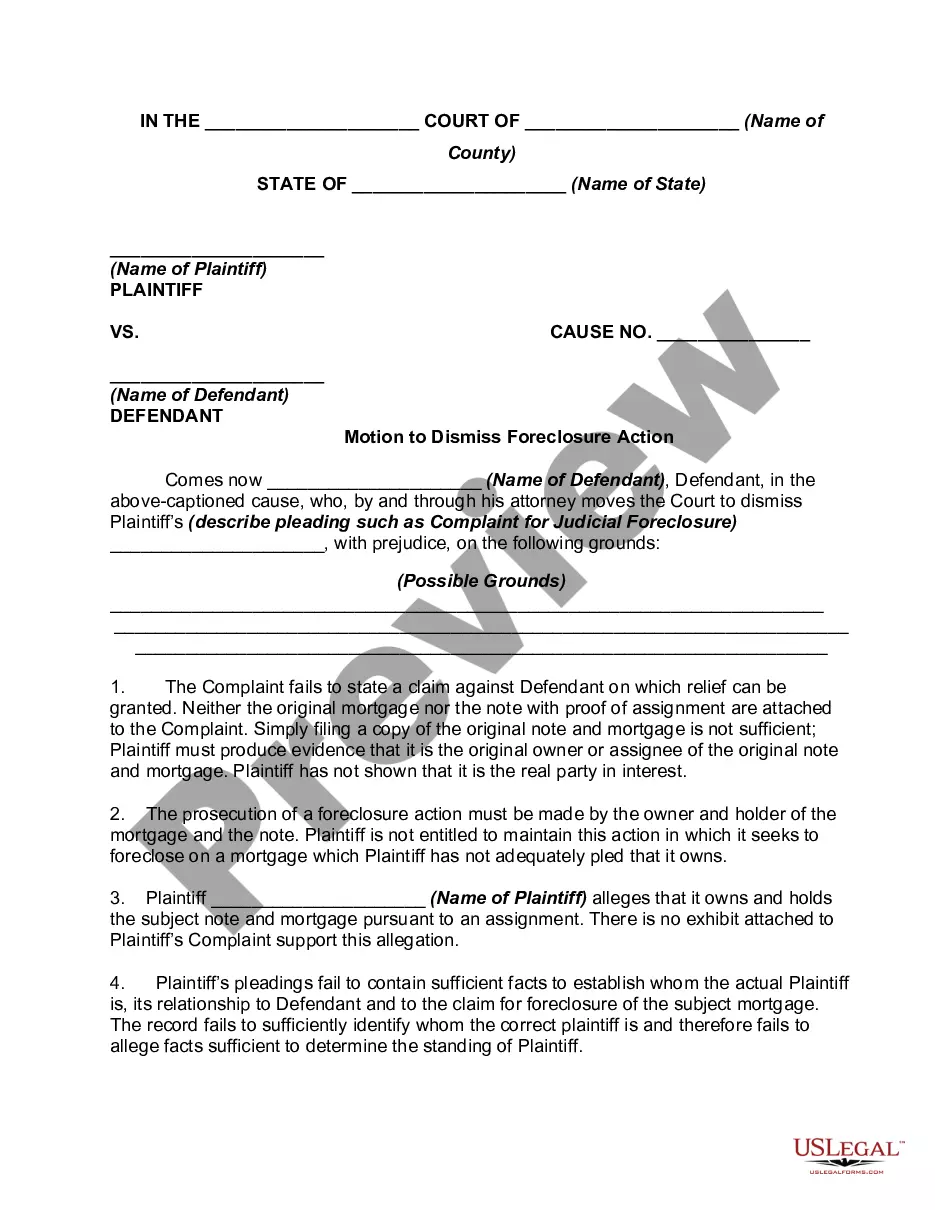
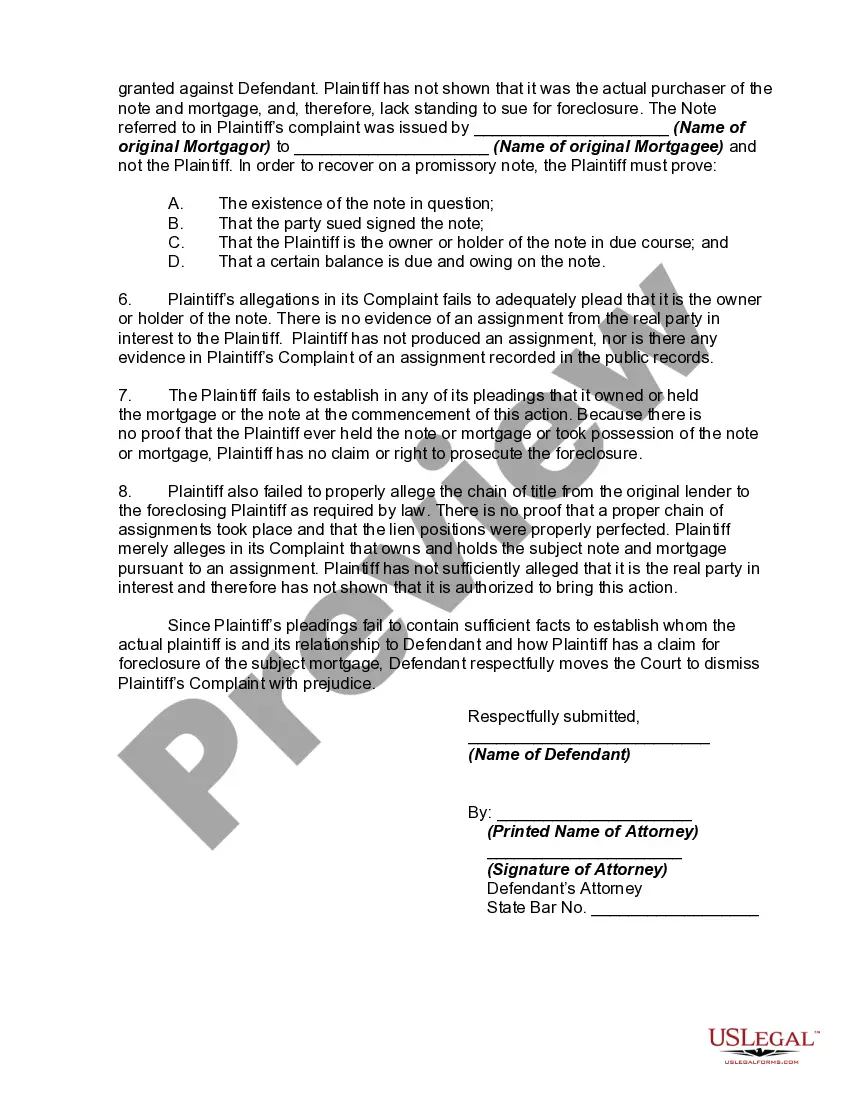
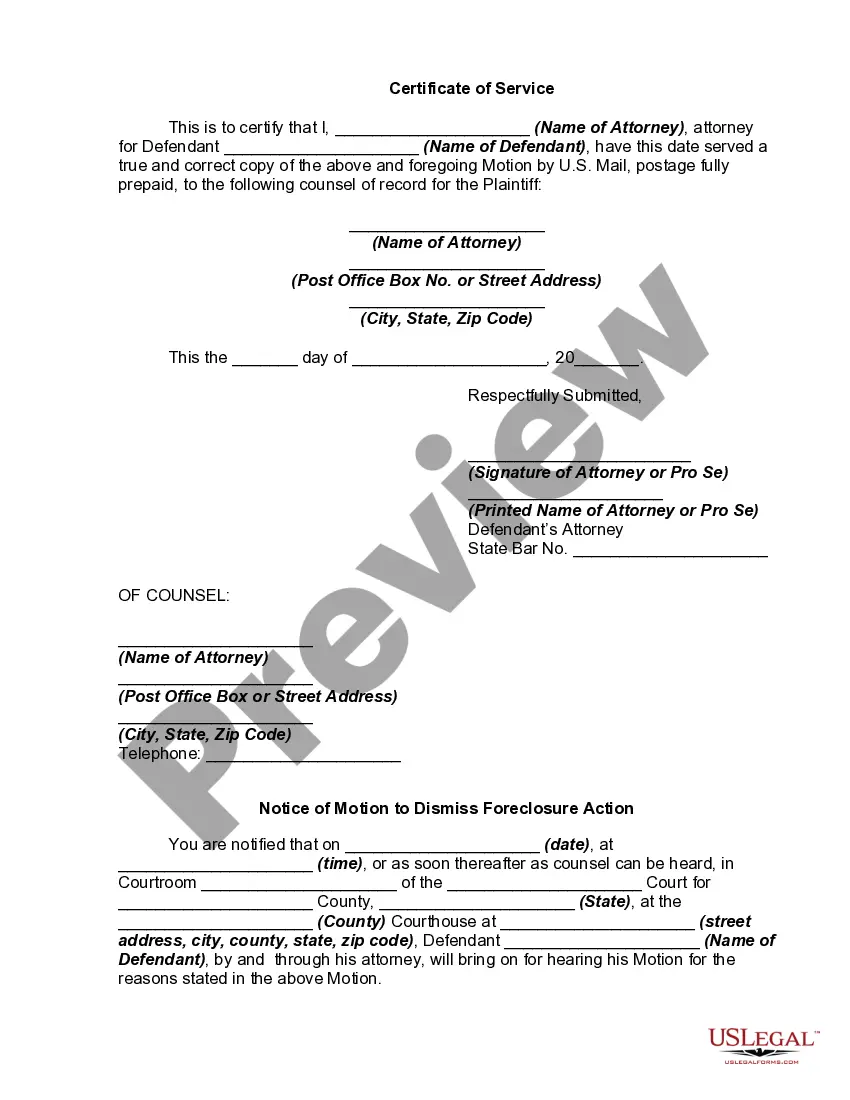
How to fill out Motion To Dismiss Foreclosure Action And Notice Of Motion?
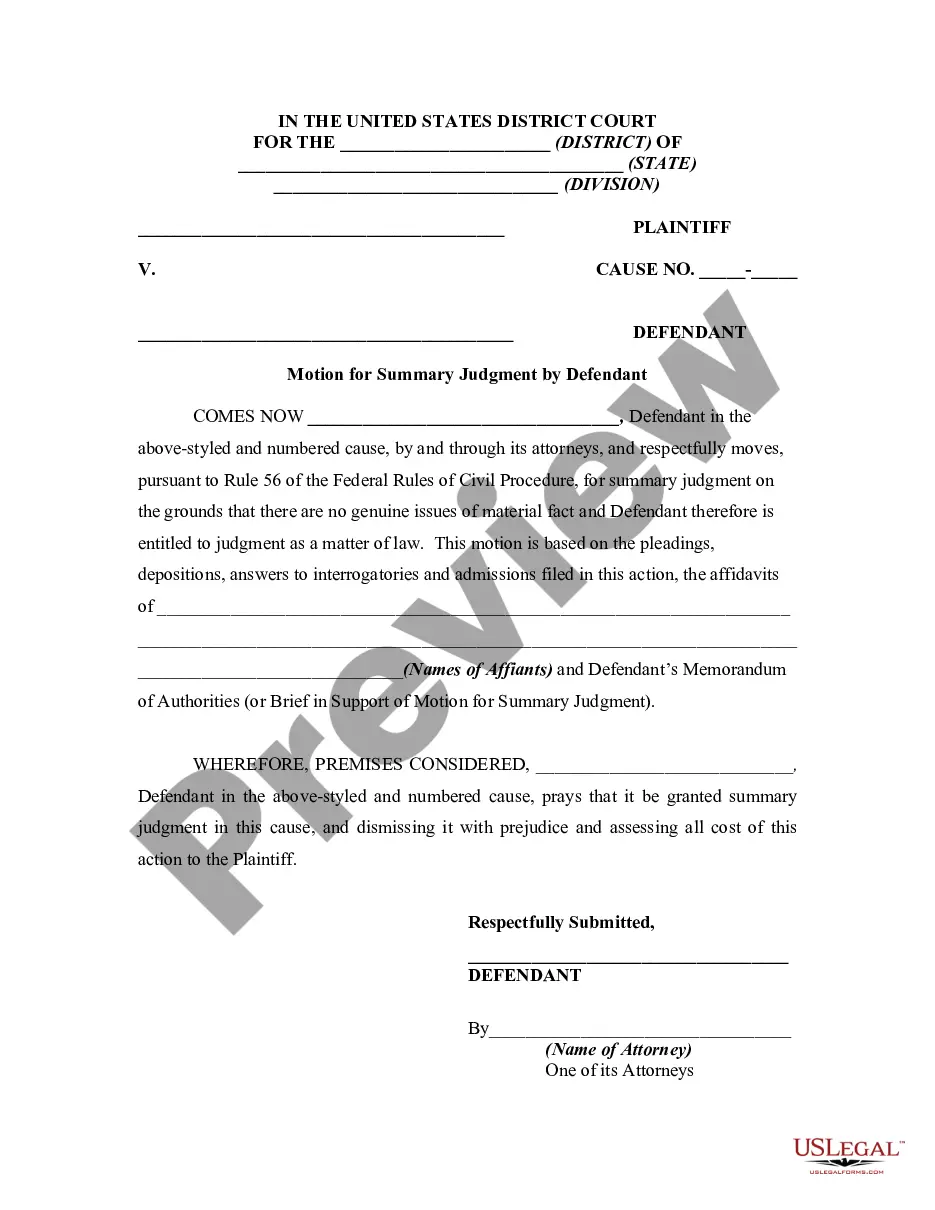
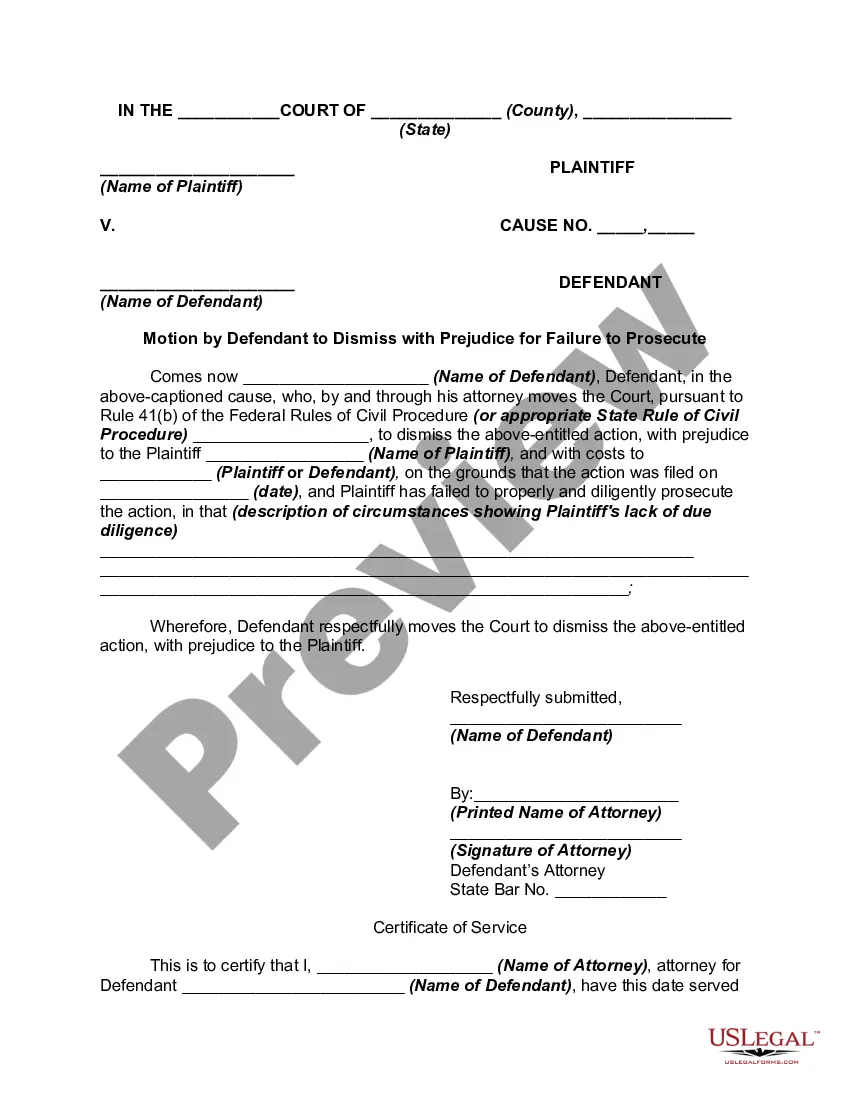
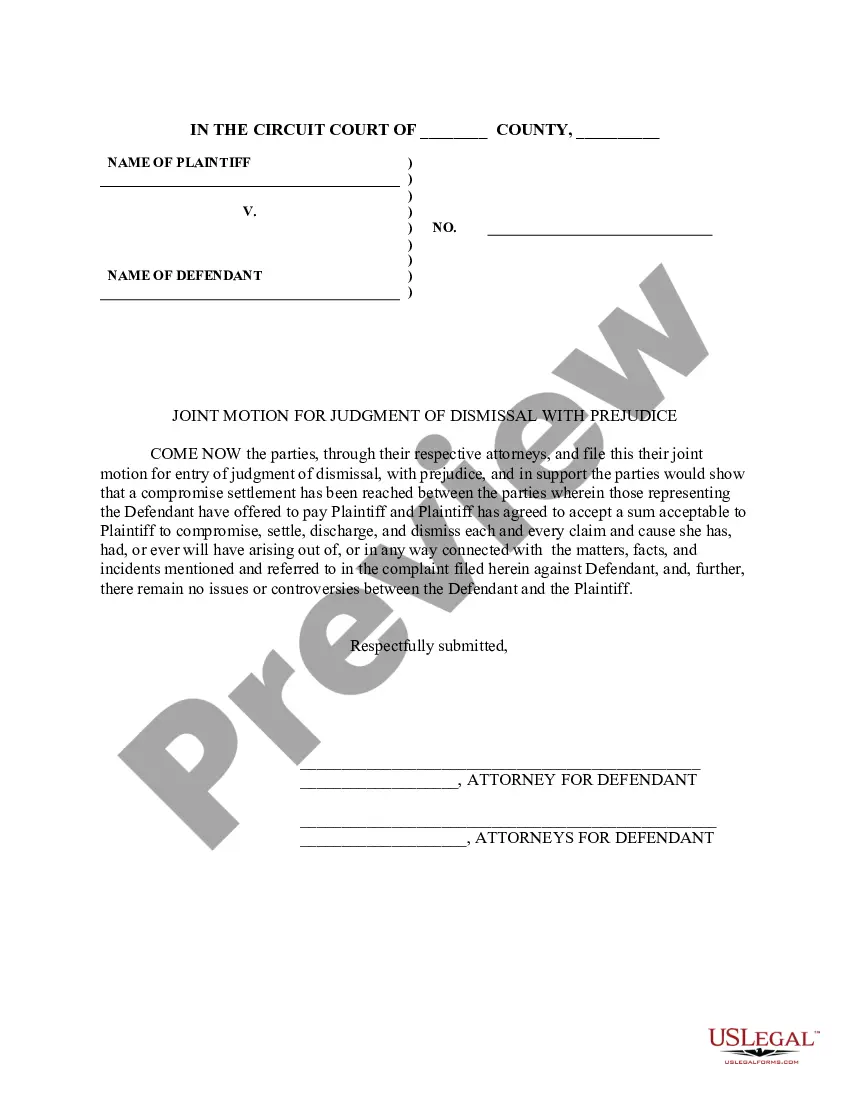
The Example Opposition To Motion For Protective Order California displayed on this page is a reusable legal format crafted by expert lawyers following federal and state laws.
For over 25 years, US Legal Forms has supplied individuals, organizations, and legal professionals with more than 85,000 confirmed, state-specific documents for any business and personal situation. It’s the quickest, easiest, and most reliable method to obtain the forms you require, as the service ensures bank-level data protection and anti-malware safeguards.
Re-access your documentation whenever necessary. Go to the My documents tab in your profile to redownload any previously saved forms. Subscribe to US Legal Forms to obtain verified legal templates for all life’s needs at your fingertips.
- Search for the required document and review it.
- Browse through the file you searched and preview it or examine the form description to verify it meets your requirements. If it doesn’t, use the search feature to find the correct one. Click Buy Now when you’ve identified the template you need.
- Choose a pricing plan that fits your needs and create an account. Make a swift payment using PayPal or a credit card. If you already possess an account, Log In and check your subscription to move forward.
- Select the format you desire for your Example Opposition To Motion For Protective Order California (PDF, Word, RTF) and save the document on your device.
- Print the template to fill it out manually. Alternatively, use an online multifunctional PDF editor to quickly and accurately complete and sign your form electronically.
Form popularity
FAQ
To effectively respond to an opposition to a motion to compel discovery in California, you should first review the opposition's points carefully. Next, prepare a comprehensive reply that addresses each argument presented, ensuring to reference relevant laws and procedures. Utilizing a Sample opposition to motion for protective order california can guide you in structuring your response. Additionally, consider consulting resources available on the US Legal Forms platform to access templates and legal documents tailored to your needs.
Yes, when opposing a motion to compel, you typically need a separate statement outlining specific objections and responses to each request made by the motion. This document helps clarify your position and can highlight any relevant legal standards. Looking at a sample opposition to motion for protective order California may provide context for what to include in your statement.
In replying to a motion to dismiss, your goal is to address and counter the arguments made in the initial motion. Focus on clarifying any misconceptions, reinforcing your case's strengths, and citing legal precedents supporting your position. Using a sample opposition to motion for protective order California can be a helpful resource in structuring your reply.
To write an opposition to a motion to dismiss, you should emphasize relevant facts and legal arguments that dispute the grounds for dismissal. Your document should include a detailed overview of why the case has merit and cannot be dismissed. A sample opposition to motion for protective order California is available to guide you through the essential elements needed for an effective response.
A motion typically needs to contain a clear statement of the request, the legal basis for the request, and supporting facts. Additionally, including details on how the motion aligns with relevant laws can strengthen its validity. Referencing a sample opposition to motion for protective order California can help ensure you adhere to essential components in your own motions.
An opposition brief should clearly outline your stance in response to the opposing party’s arguments. Start with a strong introduction, present your arguments logically, and support them with appropriate legal precedents and evidence. You can find useful examples of a sample opposition to motion for protective order California that may guide you in crafting your brief effectively.
To oppose a motion to dismiss, you must outline reasons why the case should continue, focusing on legal and factual grounds. Include persuasive arguments that highlight any deficiencies in the opponent's motion. A well-prepared sample opposition to motion for protective order California can provide a solid framework for making your case compelling.
Writing an opposition to a motion involves clearly presenting your arguments against the motion being challenged. You should start by identifying the motion’s main points and then systematically refuting them with factual evidence or legal reasoning. Utilizing a sample opposition to motion for protective order California can serve as a valuable reference for structuring your response.
A Rule 26 C motion for protective order is a request made in court to protect a party from the disclosure of sensitive or confidential information during the discovery process. This motion becomes essential when one party believes that sharing certain documents or information could lead to harm or disadvantage. Understanding how to craft a successful sample opposition to motion for protective order California can help you effectively protect your interests.
Yes, a motion to quash generally requires a separate statement outlining the specific objections you have regarding the notice or discovery request. This statement must detail the grounds for your objections and should be supported by relevant evidence. As you prepare your motion, consider accessing a sample opposition to motion for protective order California to streamline the process and ensure compliance with California court rules.