Redemption Period
Description
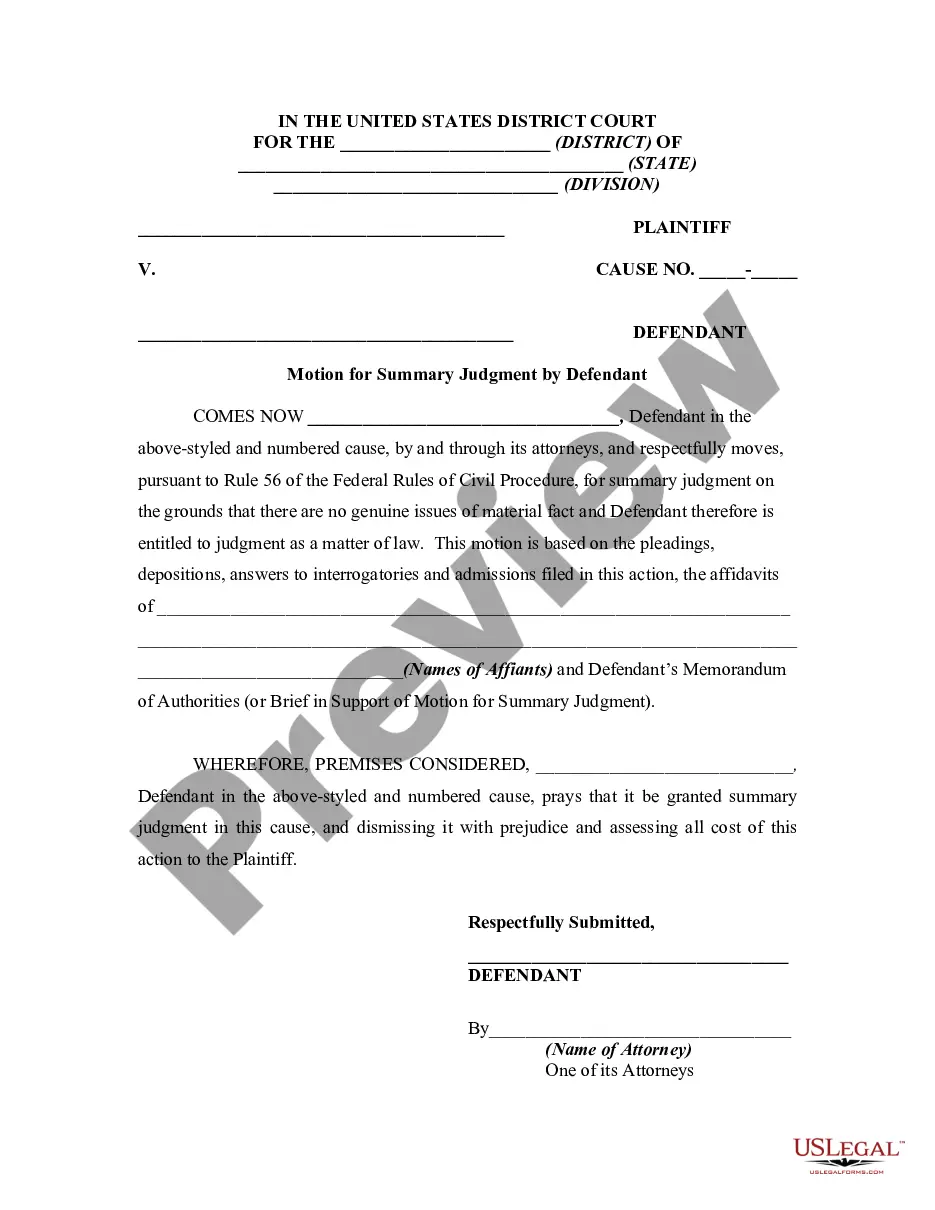
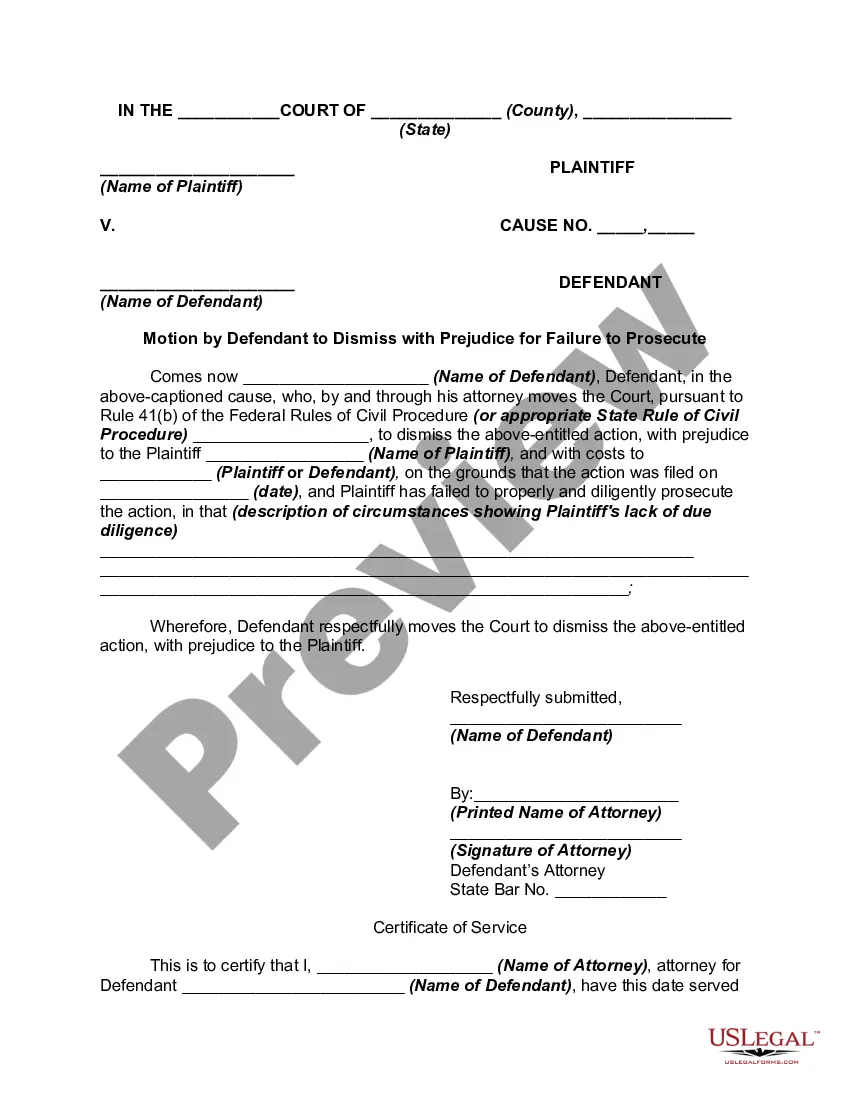
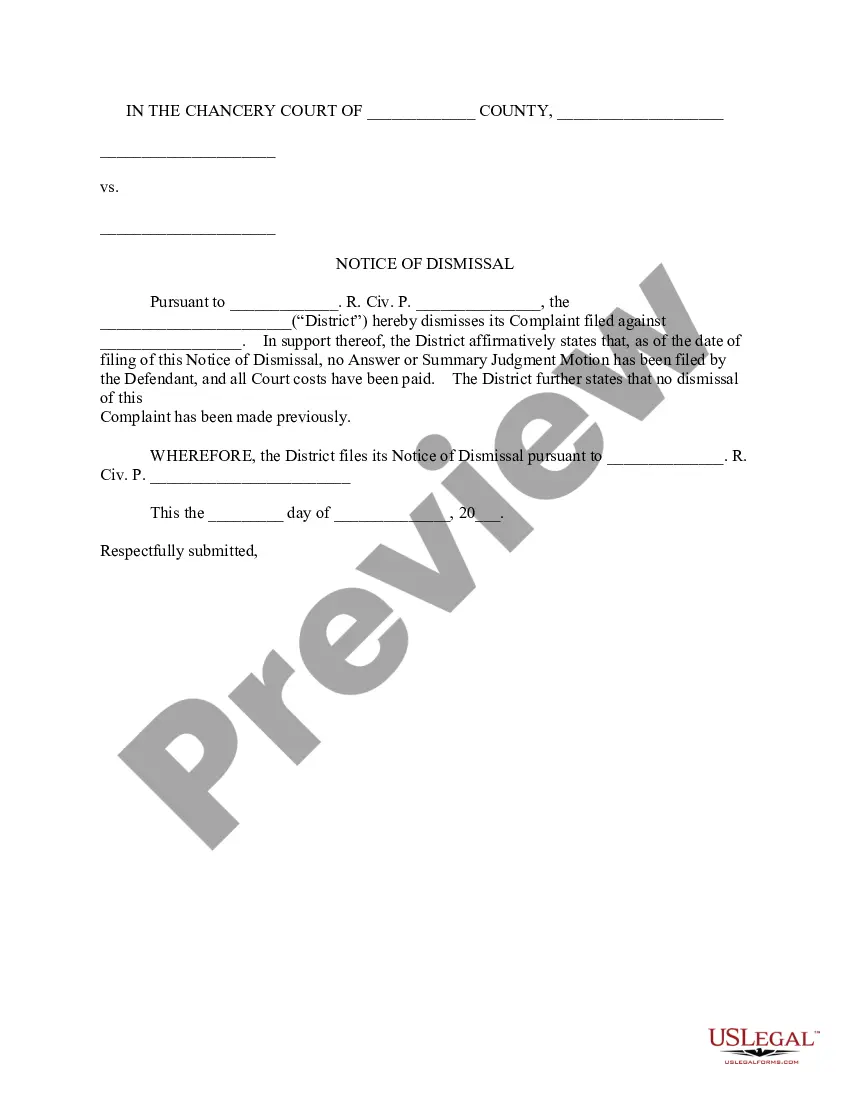
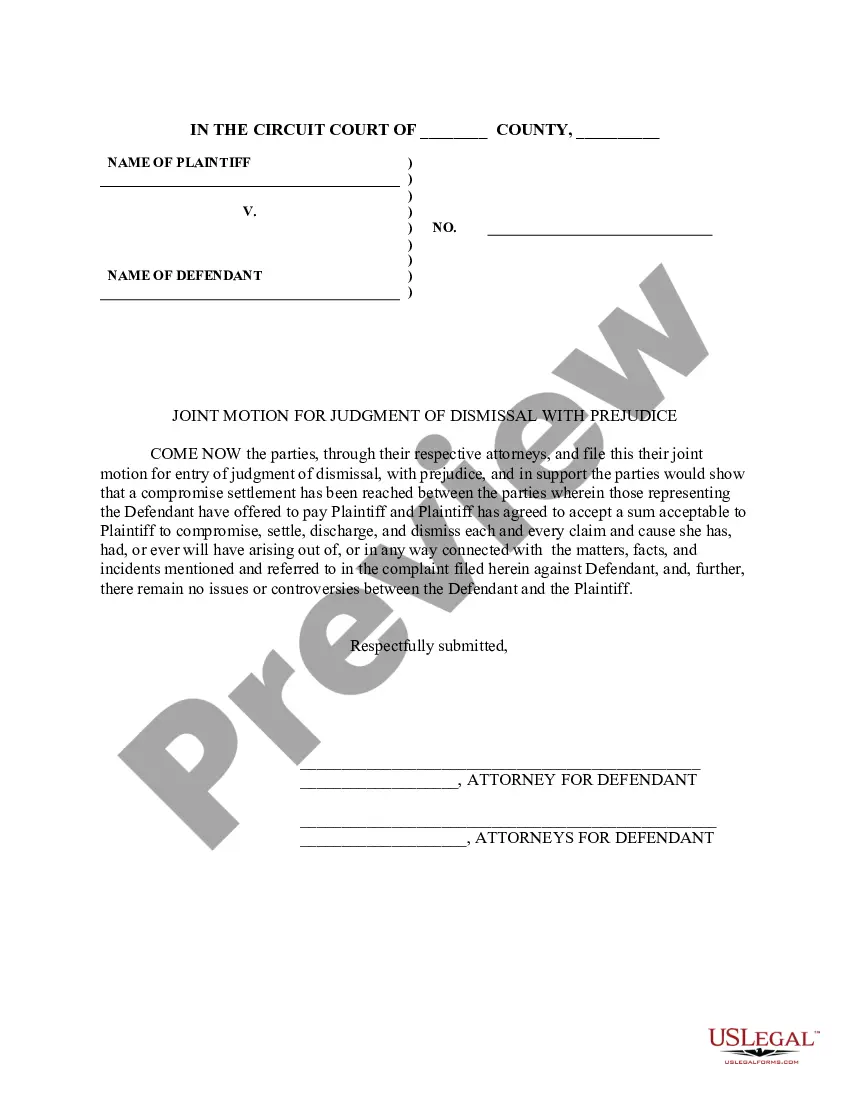
Get your form ready online
Our built-in tools help you complete, sign, share, and store your documents in one place.
Make edits, fill in missing information, and update formatting in US Legal Forms—just like you would in MS Word.
Download a copy, print it, send it by email, or mail it via USPS—whatever works best for your next step.
Sign and collect signatures with our SignNow integration. Send to multiple recipients, set reminders, and more. Go Premium to unlock E-Sign.
If this form requires notarization, complete it online through a secure video call—no need to meet a notary in person or wait for an appointment.
We protect your documents and personal data by following strict security and privacy standards.

Make edits, fill in missing information, and update formatting in US Legal Forms—just like you would in MS Word.

Download a copy, print it, send it by email, or mail it via USPS—whatever works best for your next step.

Sign and collect signatures with our SignNow integration. Send to multiple recipients, set reminders, and more. Go Premium to unlock E-Sign.

If this form requires notarization, complete it online through a secure video call—no need to meet a notary in person or wait for an appointment.

We protect your documents and personal data by following strict security and privacy standards.
Looking for another form?
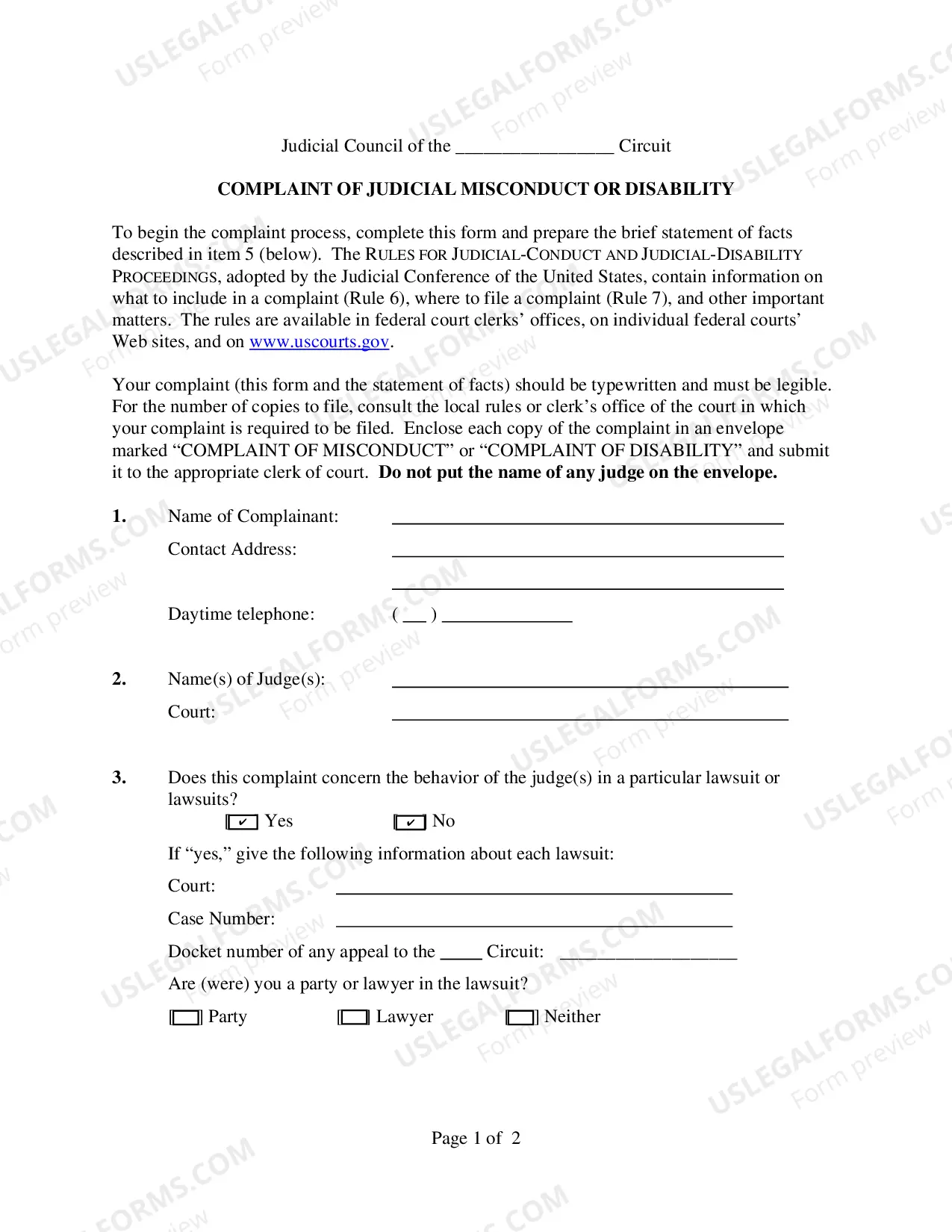

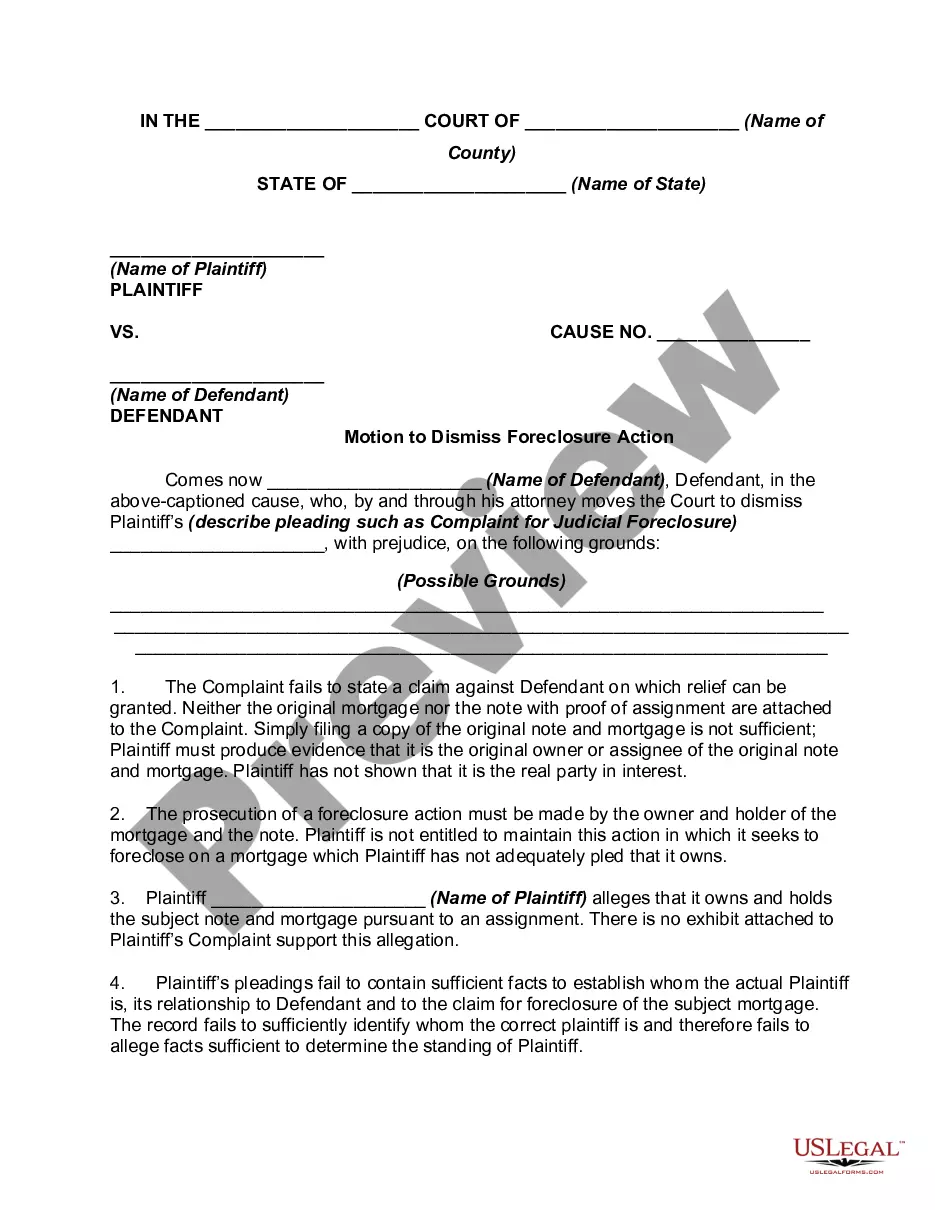
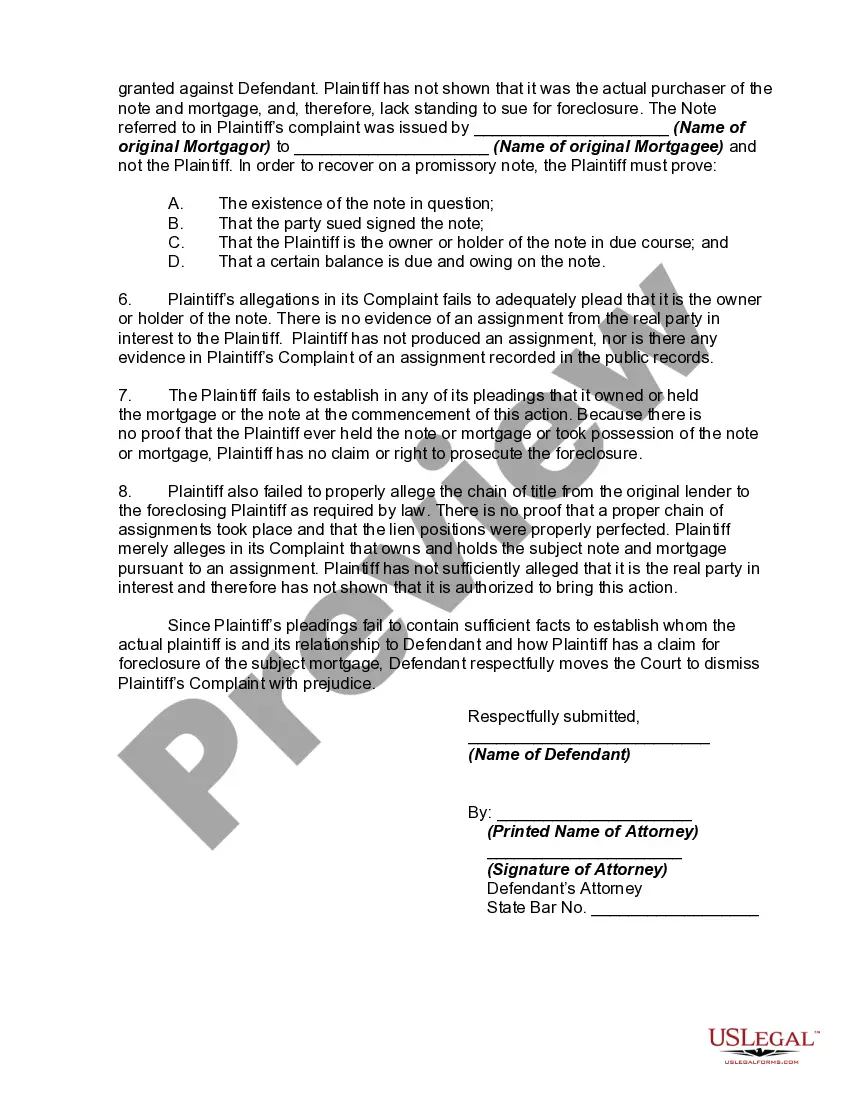
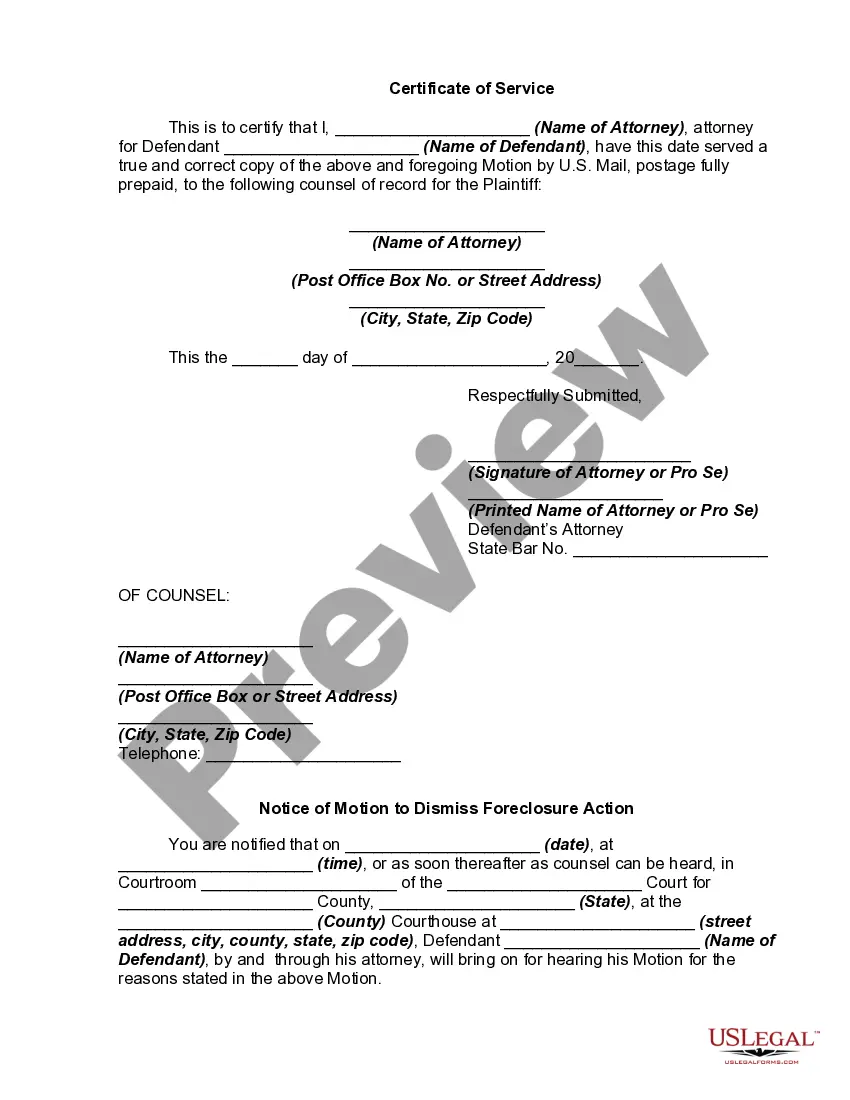
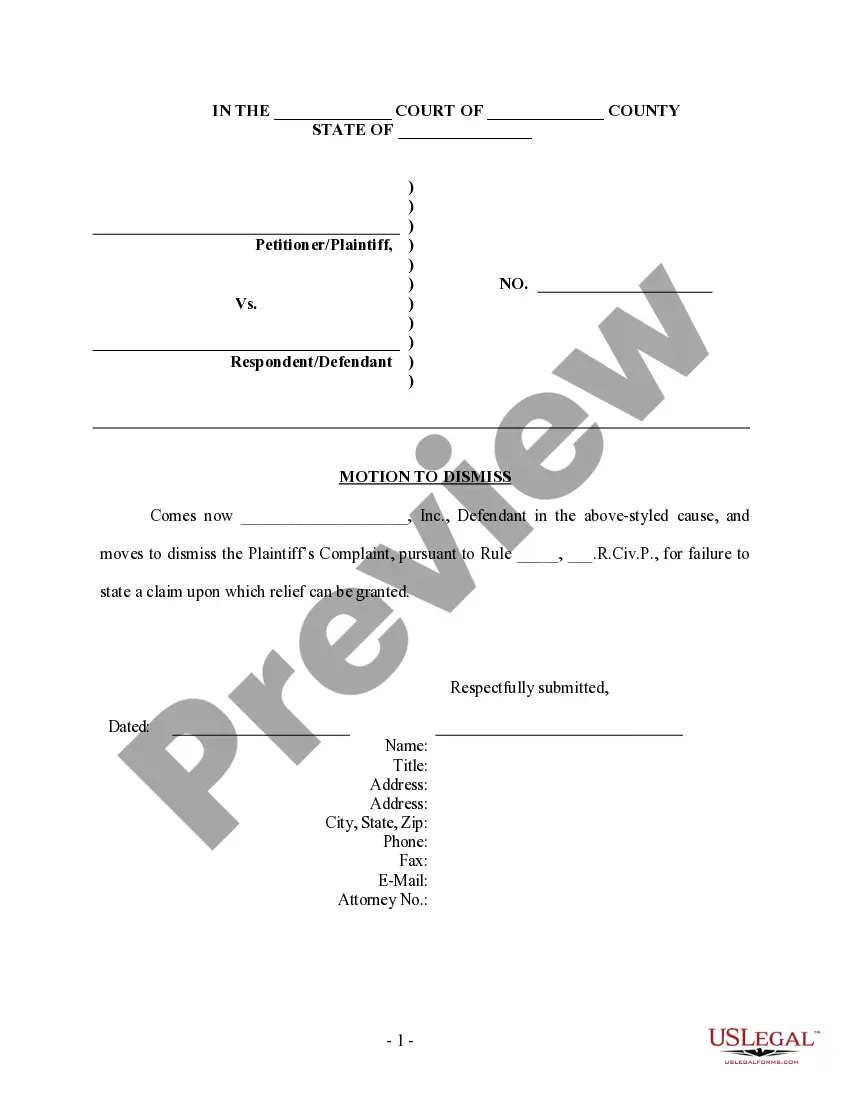
How to fill out Motion To Dismiss Foreclosure Action And Notice Of Motion?
- Log in to your US Legal Forms account if you are a returning user, and check your subscription status to ensure it's valid.
- For first-time users, explore the Preview mode to understand the available form options and descriptions to find the right document that meets your jurisdiction's needs.
- If the form doesn't meet your criteria, utilize the Search tab to locate a more suitable template.
- Purchase your selected document by clicking the Buy Now button; you will need to register for an account to gain full access.
- Complete your transaction using credit card details or PayPal for your subscription.
- Download the chosen form onto your device for easier access and future reference through the My Forms menu.
By efficiently managing your redemption period, you can ensure that all your legal documentation is handled with precision and compliance.
Don’t hesitate—start exploring US Legal Forms today for a hassle-free experience in obtaining legal documents!
Form popularity
FAQ
The term 'redemption period' denotes a specified timeframe allowed for individuals to reclaim property that has been lost to foreclosure or tax lien sale. During this time, property owners can settle outstanding debts to regain their possessions. Being informed about this period can empower you during challenging financial situations. For detailed insights, consider US Legal Forms as your go-to resource.
The redemption period historically refers to the designated time after a foreclosure sale, where former homeowners could reclaim their property by settling the debt. This period varies by state, often lasting from a few days to several months. It's important to be aware of local laws, as they significantly affect the redemption period. US Legal Forms provides clear information to help you understand these specifics.
Selling your house during the redemption period is possible, but it comes with challenges. During this time, your property is still legally owned by you, but financial complications may arise. If you decide to sell, be sure to communicate clearly with potential buyers about your unique situation. Using US Legal Forms, you can access legal documents and guidance to facilitate this sale.
The IRS redemption period usually refers to the time you have to redeem property sold at tax foreclosure, generally within 120 days. During this time, you can reclaim your property by paying the owed taxes, a critical point for homeowners facing financial difficulties. Understanding this period is essential to avoid losing your home. US Legal Forms provides resources to help clarify this process and ensure you have the proper documentation.
The redemption period in New York typically lasts for one year after the foreclosure sale. During this time, the homeowner has the right to reclaim their property by paying back the overdue amounts. It's important to understand this duration and your options during the redemption period. US Legal Forms can offer insights and access to necessary documents to help you effectively navigate this timeframe.
Selling a house that is in active foreclosure can be quite challenging. You must disclose the foreclosure status to potential buyers, and there may be limited time before the process concludes. Understanding your rights during the redemption period is crucial; consulting US Legal Forms can provide you with the necessary documents and guidance to streamline the sale.
Yes, property can be sold during the redemption period. However, it is important to understand that selling during this time may complicate the process. Potential buyers often require assurance that the property will not enter into foreclosure. Using a platform like US Legal Forms can help you navigate the complexities of your specific situation.
The redeem period is the timeframe during which a homeowner has the right to reclaim their property from foreclosure by settling their debts. This period is often synonymous with the redemption period, as it highlights the temporary opportunity to regain ownership. Utilizing services like USLegalForms can simplify the process, ensuring you understand your rights and options during this critical time.
Redemption status indicates the current state of your property during the redemption period. It signifies whether or not you are eligible to reclaim your property by paying off the outstanding debt. Maintaining awareness of your redemption status is vital, as it helps you make informed decisions regarding your financial future and your property ownership.
The length of the redemption period can vary depending on state laws and the terms of your mortgage agreement. Typically, it lasts from a few months to several years, depending on local regulations. Knowing the duration of your redemption period is essential, as it allows you to strategize your finances effectively and avoid losing your property.