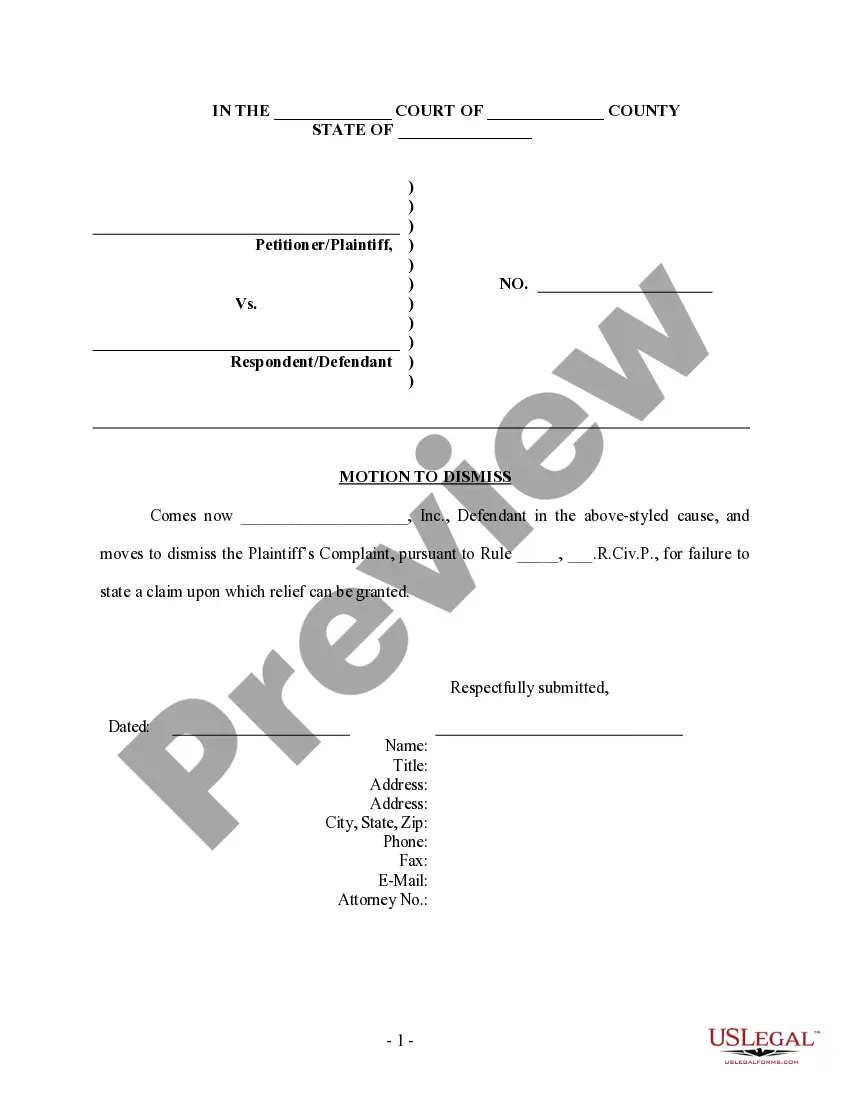
Opposing A Motion To Dismiss With Prejudice
Description
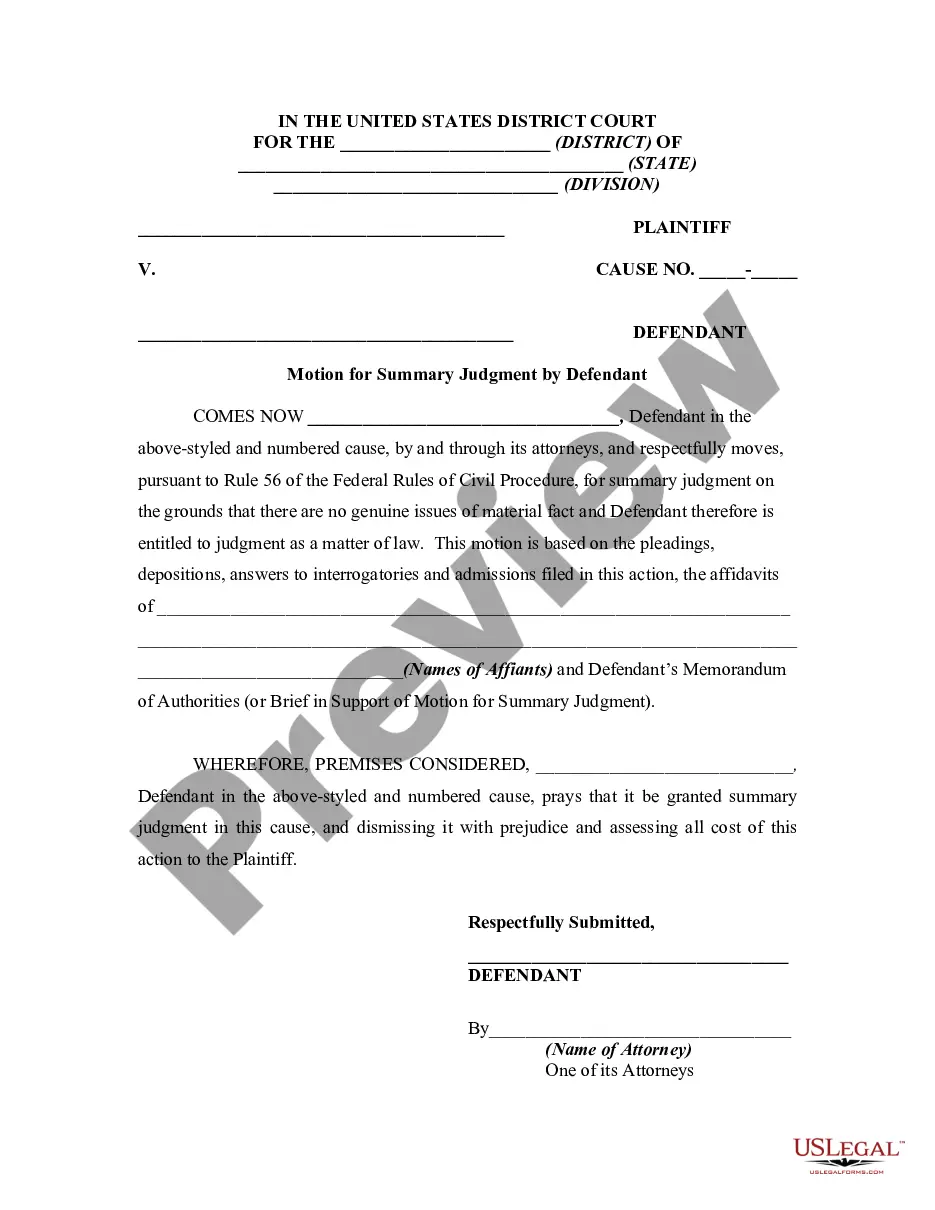
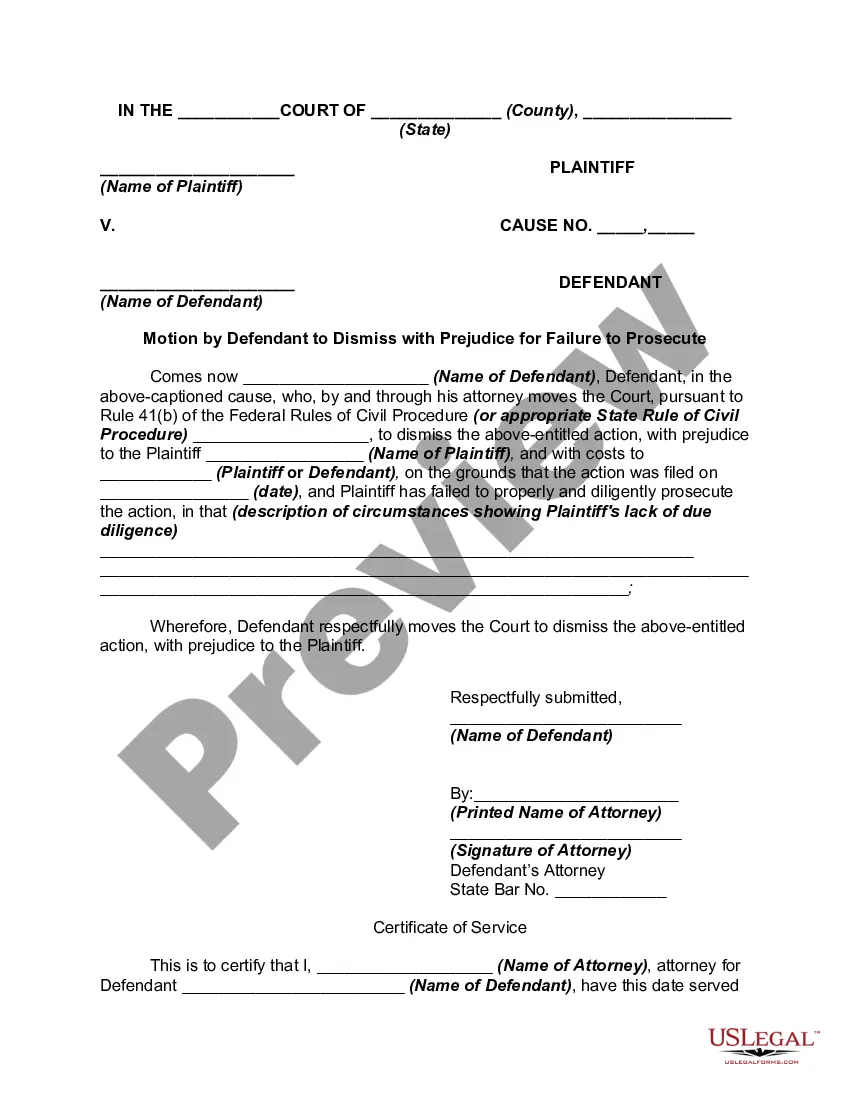
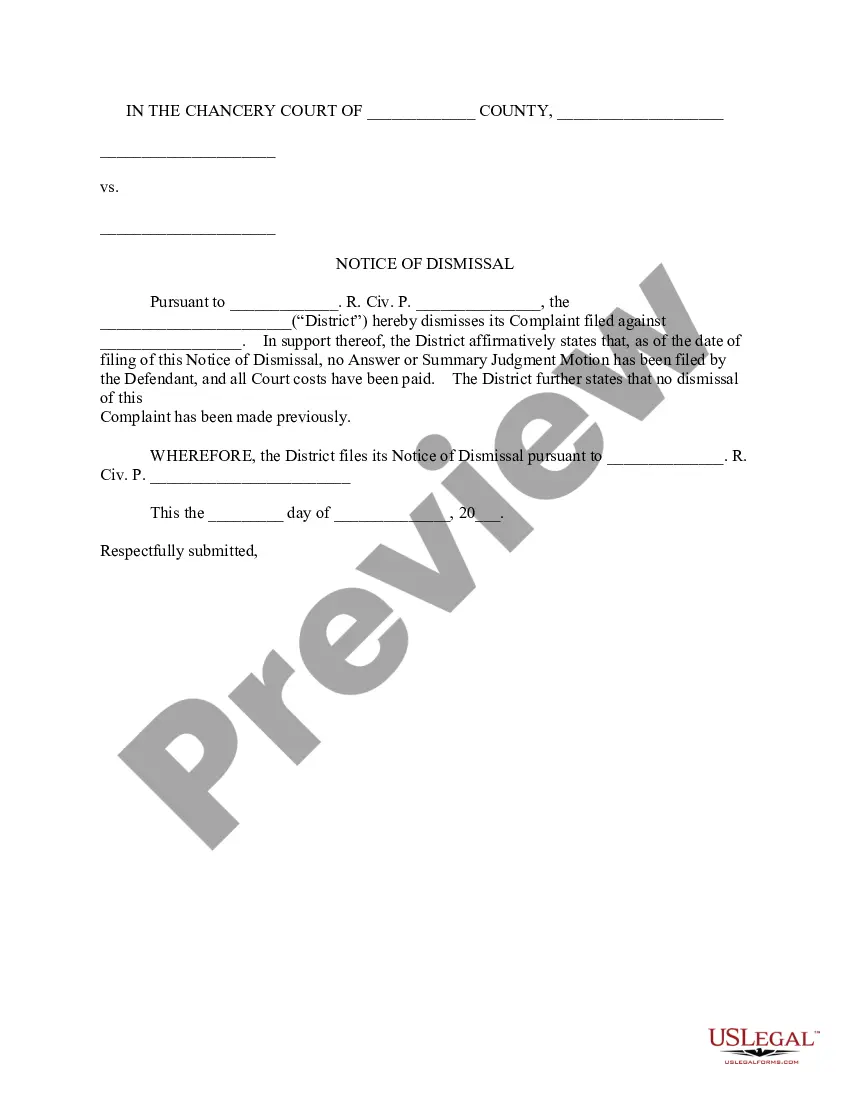
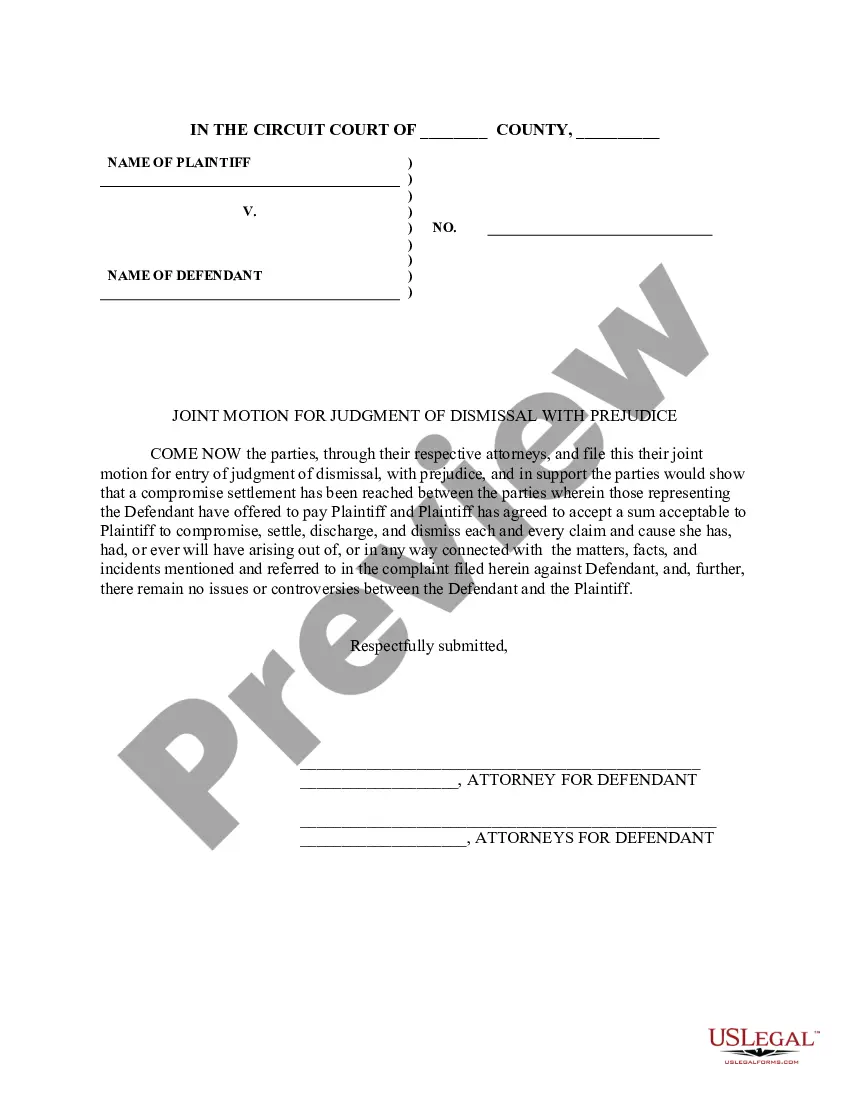
Get your form ready online
Our built-in tools help you complete, sign, share, and store your documents in one place.
Make edits, fill in missing information, and update formatting in US Legal Forms—just like you would in MS Word.
Download a copy, print it, send it by email, or mail it via USPS—whatever works best for your next step.
Sign and collect signatures with our SignNow integration. Send to multiple recipients, set reminders, and more. Go Premium to unlock E-Sign.
If this form requires notarization, complete it online through a secure video call—no need to meet a notary in person or wait for an appointment.
We protect your documents and personal data by following strict security and privacy standards.

Make edits, fill in missing information, and update formatting in US Legal Forms—just like you would in MS Word.

Download a copy, print it, send it by email, or mail it via USPS—whatever works best for your next step.

Sign and collect signatures with our SignNow integration. Send to multiple recipients, set reminders, and more. Go Premium to unlock E-Sign.

If this form requires notarization, complete it online through a secure video call—no need to meet a notary in person or wait for an appointment.

We protect your documents and personal data by following strict security and privacy standards.
Looking for another form?

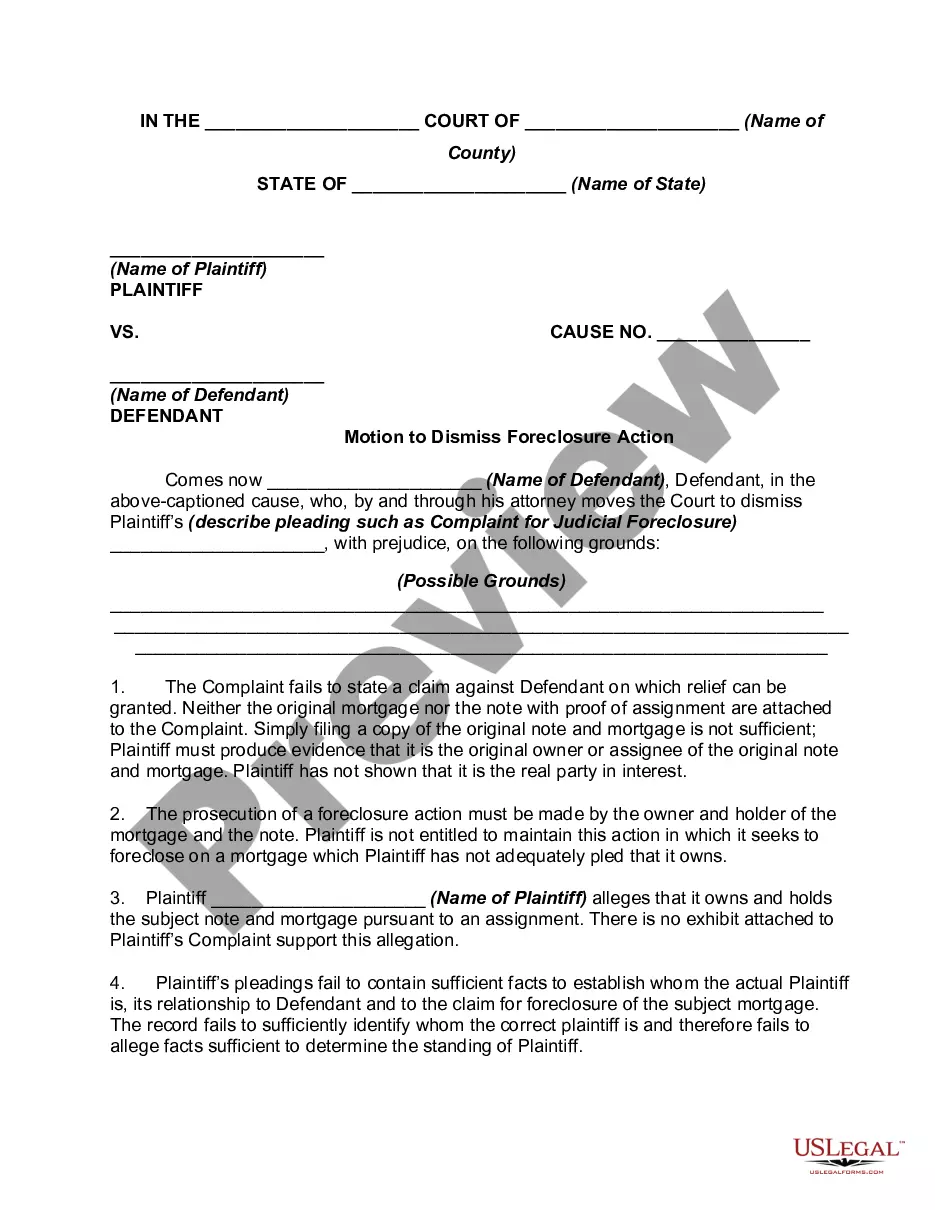
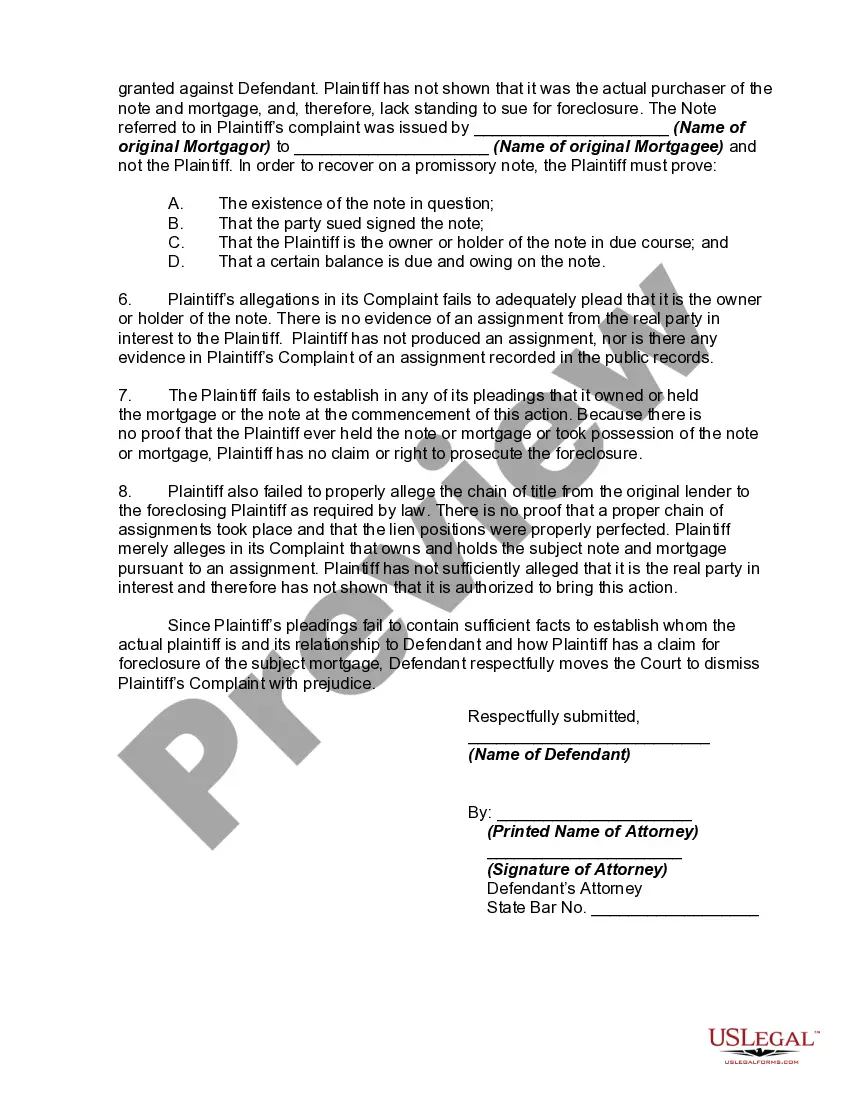
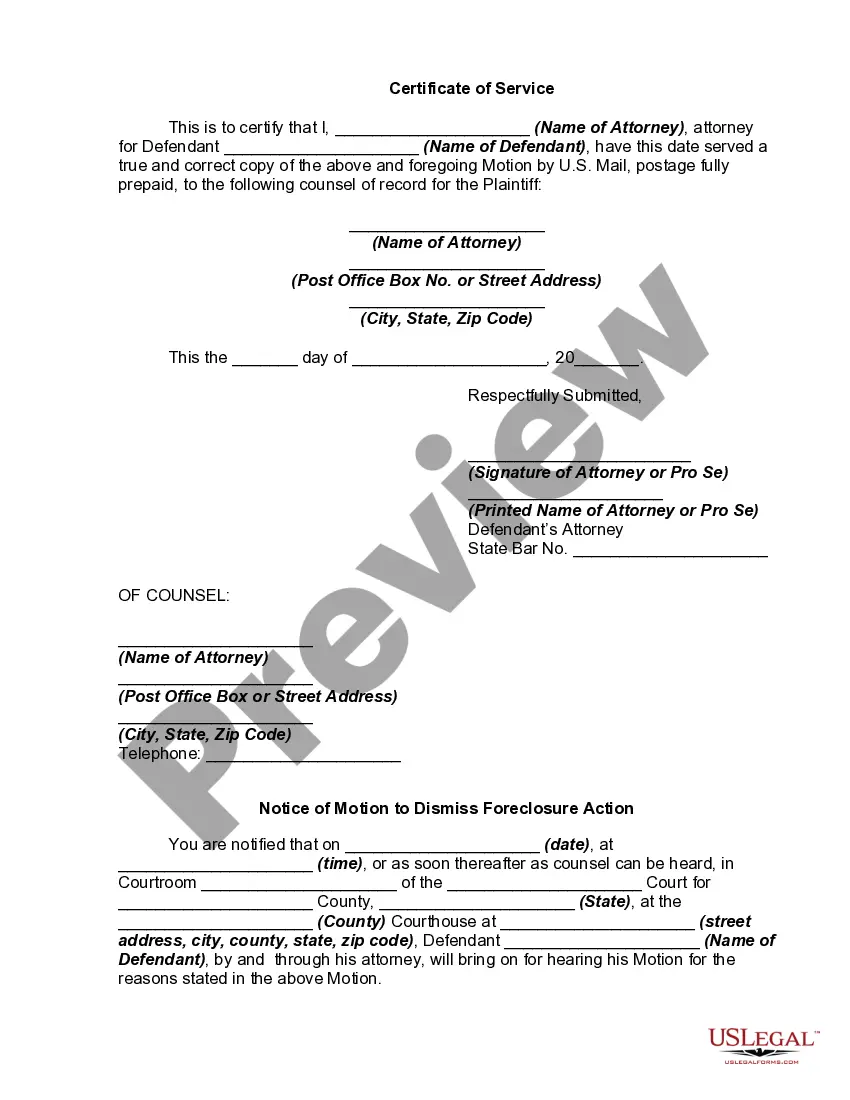
How to fill out Motion To Dismiss Foreclosure Action And Notice Of Motion?
Managing legal documents and protocols can be a lengthy addition to the day.
Challenging a Motion To Dismiss With Prejudice and similar documents usually require you to locate them and understand how to fill them out correctly.
As a result, whether you are handling financial, legal, or personal issues, having a thorough and accessible online repository of documents at your disposal will be beneficial.
US Legal Forms is the leading online service for legal documents, offering more than 85,000 state-specific templates and a variety of resources to assist you in completing your paperwork seamlessly.
Simply Log In to your account, locate Opposing A Motion To Dismiss With Prejudice, and obtain it instantly from the My documents section. You can also access forms that you have previously downloaded.
- Explore the collection of relevant documents available with just one click.
- US Legal Forms gives you access to state- and county-specific templates available for download at any moment.
- Streamline your document management processes with a premium service that enables you to prepare any form in just minutes without extra or hidden fees.
Form popularity
FAQ
You must include a summary of the legal basis for your opposition, explain the reason you are opposing the motion, and state what you would like the judge to order.
The motion to dismiss is a defendant's request that the case be thrown out, usually because of a deficiency in the complaint or the way the complaint was served on the defendant. Failure to state a claim is the most common grounds for dismissal. A judge can dismiss a claim with or without prejudice.
You can appeal a dismissal with prejudice. A dismissal with prejudice means that the case has been dismissed permanently and cannot be brought back to the same court. It is, in effect, a final judgment. However, that does not prevent you from appealing to a higher court.
For example, if someone was subject to an illegal search or arrested without probable cause, that could be considered a violation of the defendant's constitutional rights. Another situation that can lead to dismissal with prejudice is if the person charged with the crime successfully completes a diversion program.
For example, an arrest without probable cause, violation of the right to a speedy trial, or an illegal search can lead to a case being dismissed with prejudice. Other errors in a case also may lead a court to dismiss a case with prejudice.