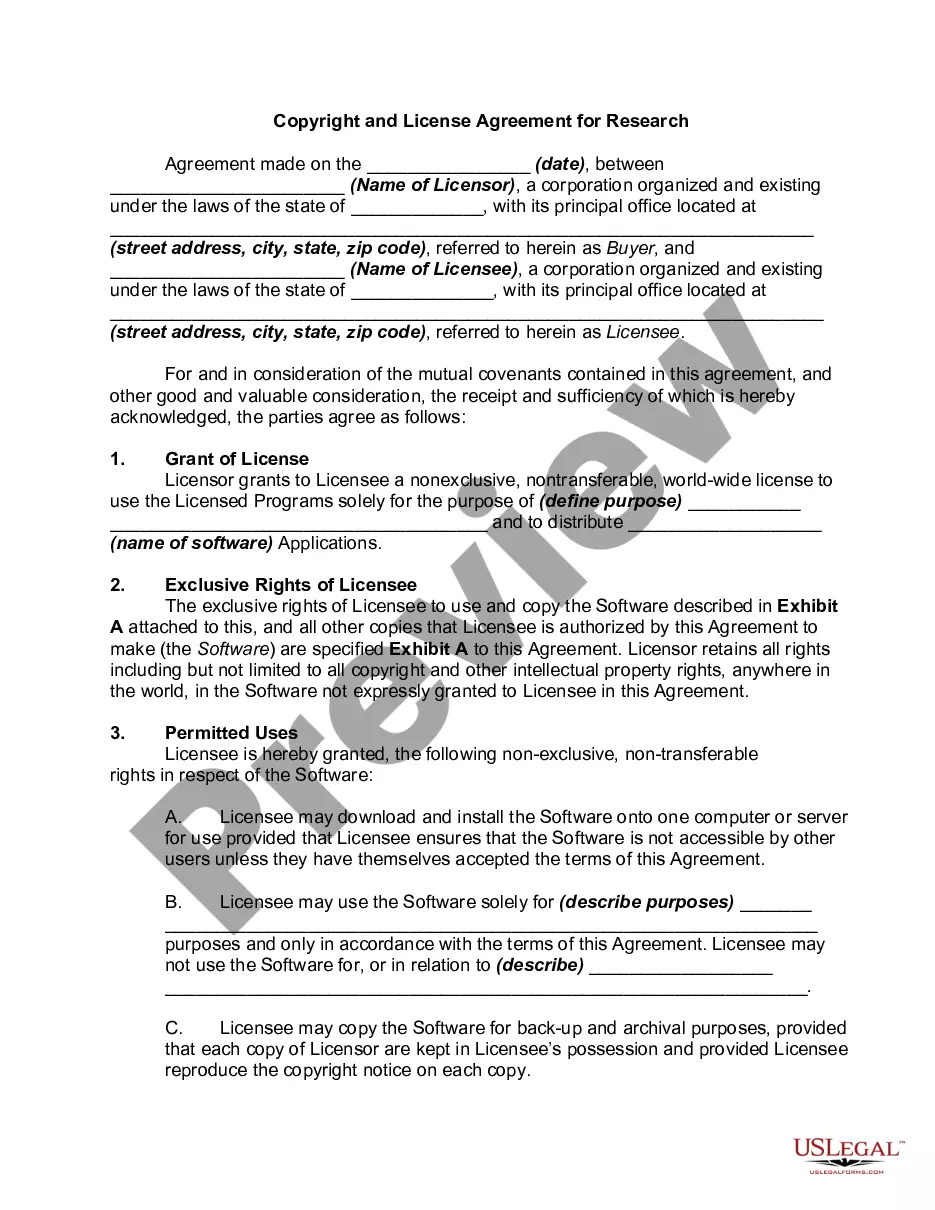
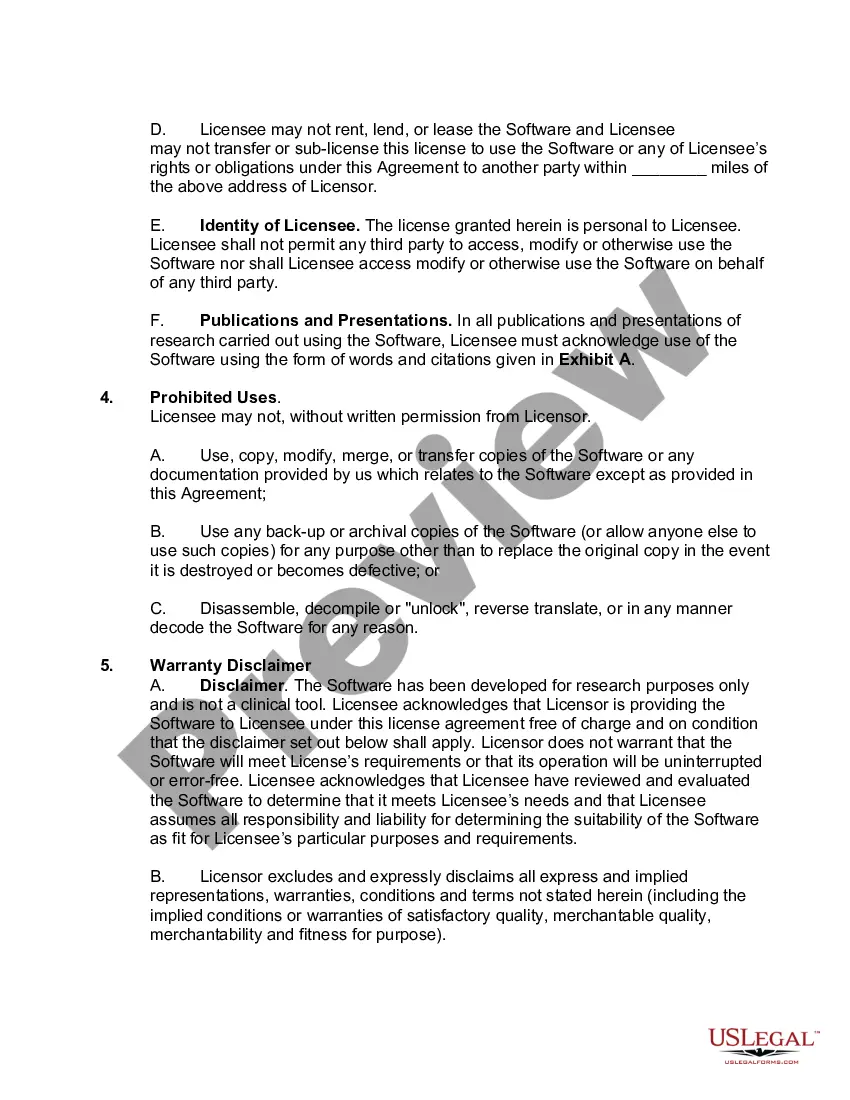
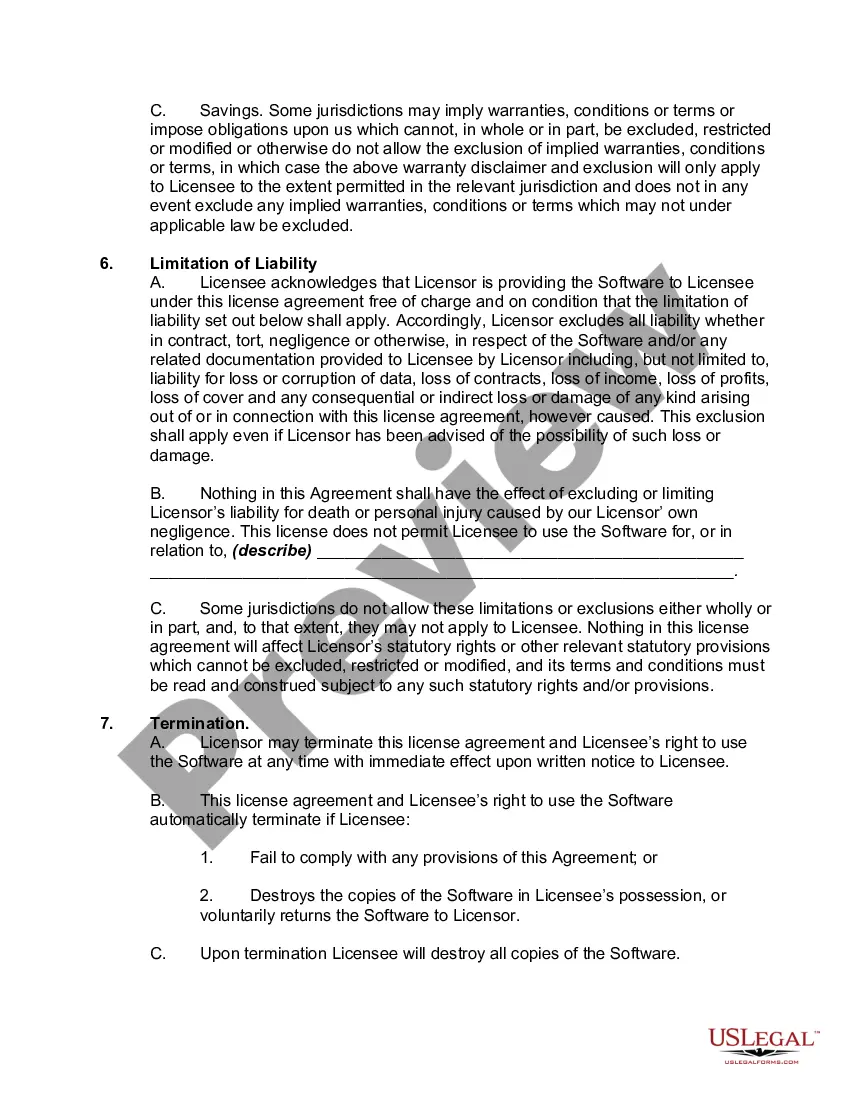
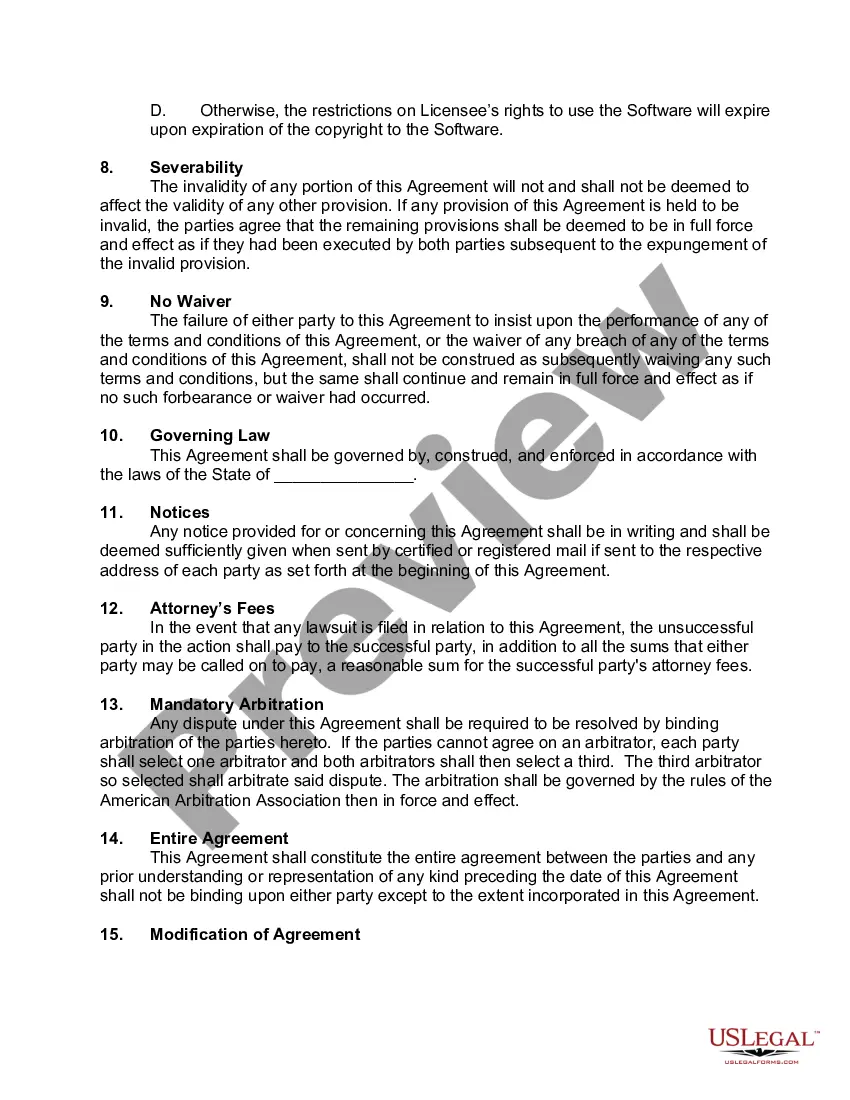
Copyright License Agreement With Google
Description
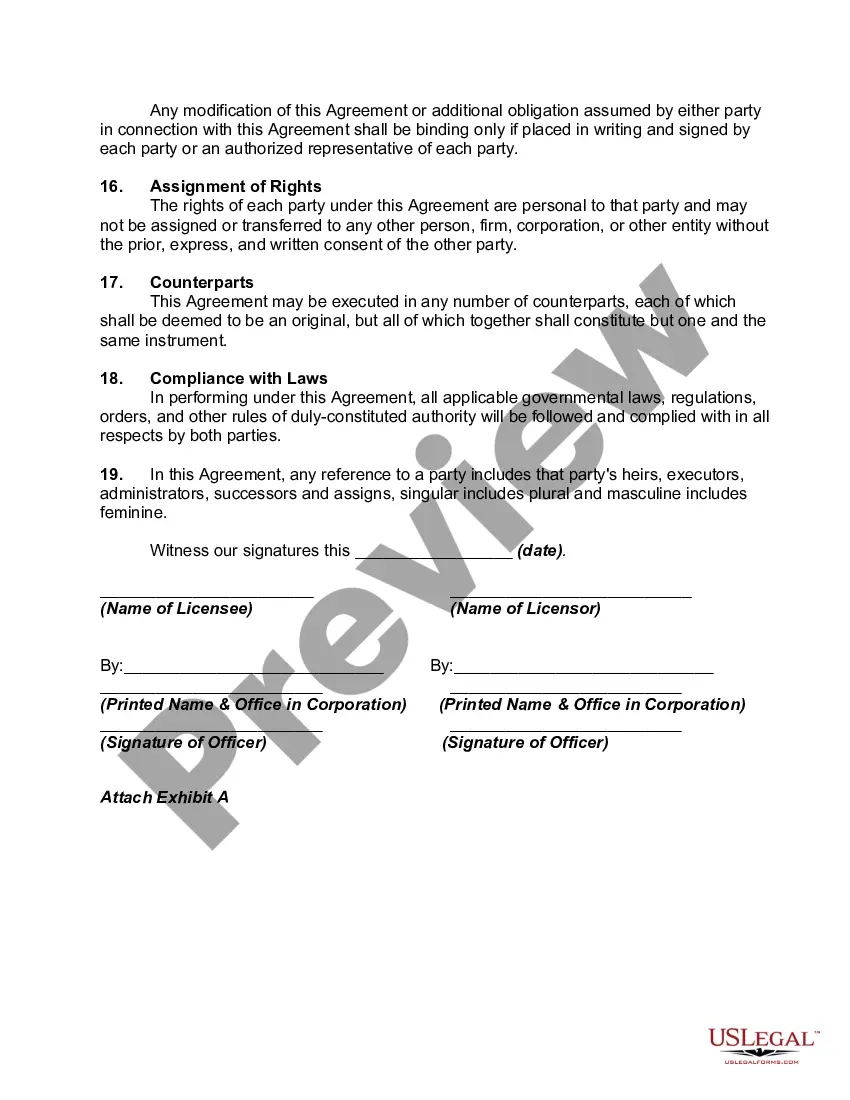
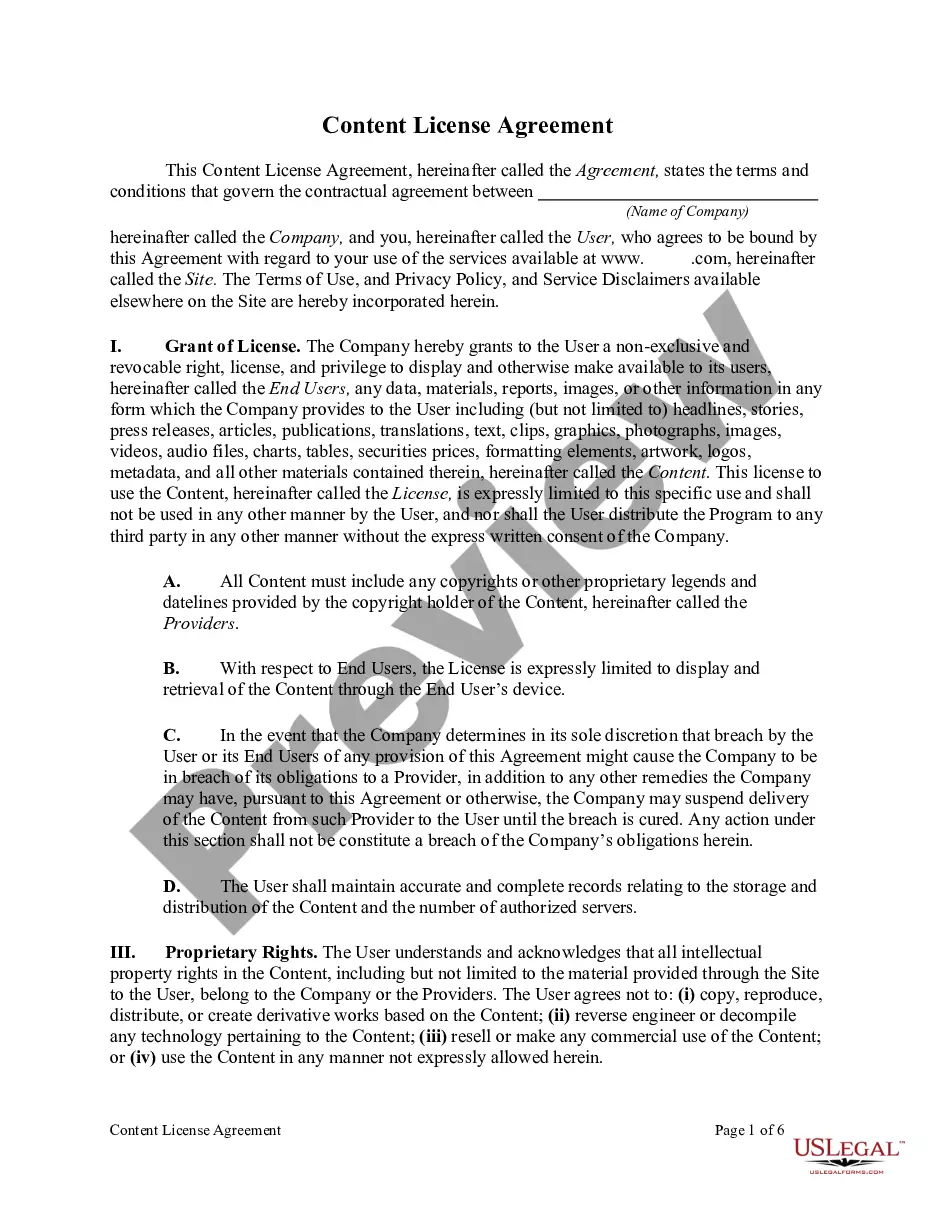
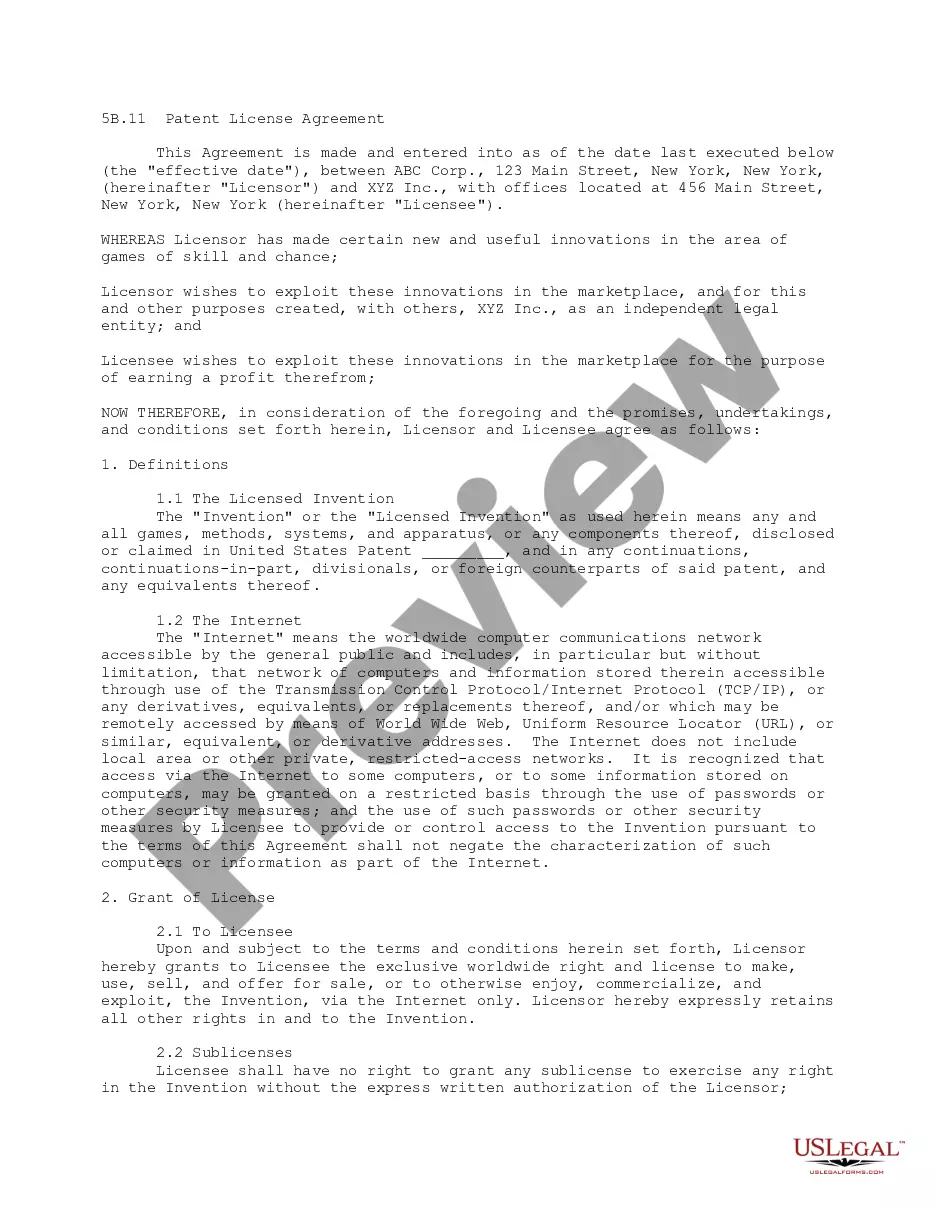
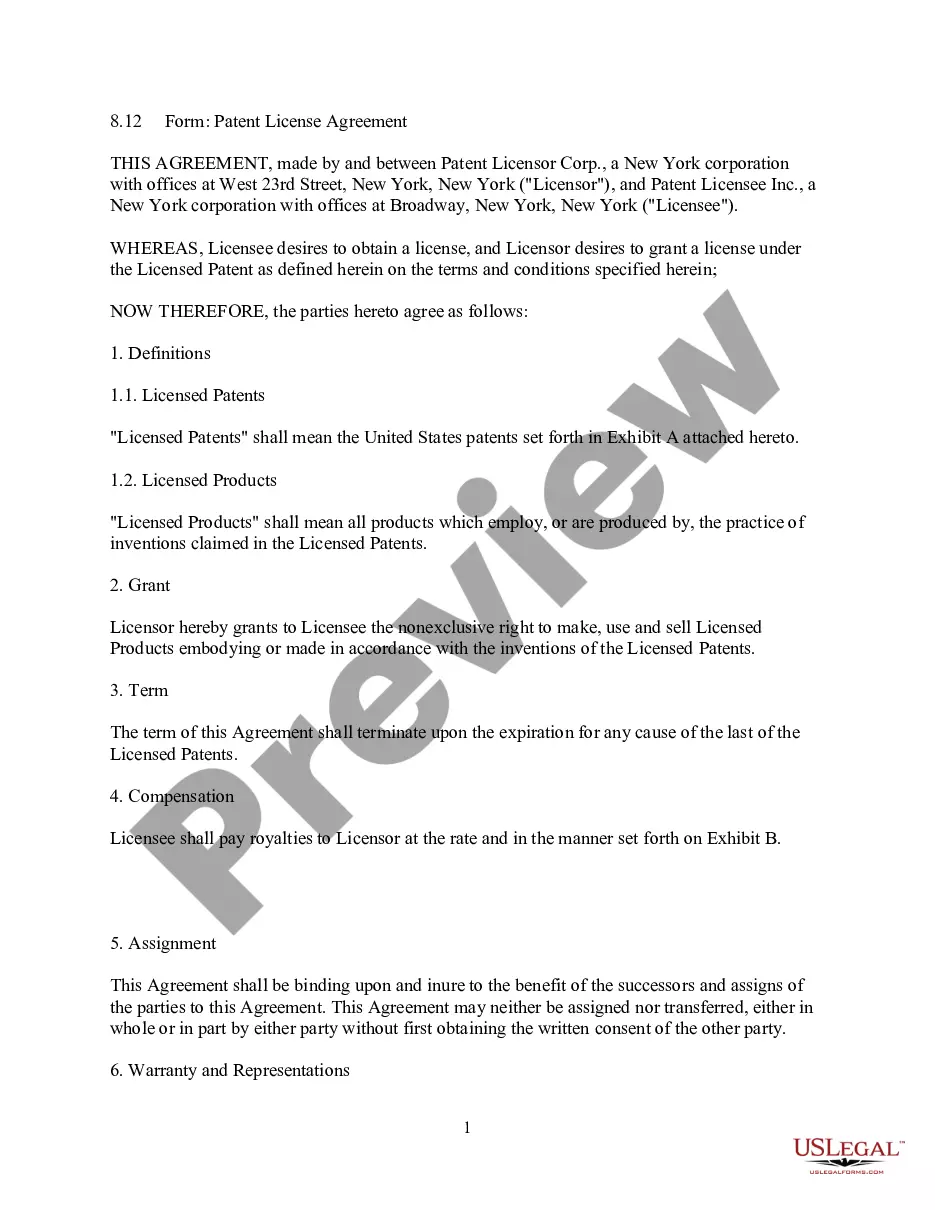
Get your form ready online
Our built-in tools help you complete, sign, share, and store your documents in one place.
Make edits, fill in missing information, and update formatting in US Legal Forms—just like you would in MS Word.
Download a copy, print it, send it by email, or mail it via USPS—whatever works best for your next step.
Sign and collect signatures with our SignNow integration. Send to multiple recipients, set reminders, and more. Go Premium to unlock E-Sign.
If this form requires notarization, complete it online through a secure video call—no need to meet a notary in person or wait for an appointment.
We protect your documents and personal data by following strict security and privacy standards.

Make edits, fill in missing information, and update formatting in US Legal Forms—just like you would in MS Word.

Download a copy, print it, send it by email, or mail it via USPS—whatever works best for your next step.

Sign and collect signatures with our SignNow integration. Send to multiple recipients, set reminders, and more. Go Premium to unlock E-Sign.

If this form requires notarization, complete it online through a secure video call—no need to meet a notary in person or wait for an appointment.

We protect your documents and personal data by following strict security and privacy standards.
Looking for another form?









How to fill out Copyright And License Agreement For Research?
Whether for business purposes or for personal affairs, everybody has to handle legal situations sooner or later in their life. Completing legal paperwork demands careful attention, beginning from picking the proper form sample. For instance, if you select a wrong version of a Copyright License Agreement With Google, it will be turned down when you send it. It is therefore essential to get a trustworthy source of legal files like US Legal Forms.
If you have to obtain a Copyright License Agreement With Google sample, follow these simple steps:
- Get the template you need using the search field or catalog navigation.
- Look through the form’s information to ensure it matches your situation, state, and region.
- Click on the form’s preview to see it.
- If it is the incorrect form, return to the search function to locate the Copyright License Agreement With Google sample you need.
- Download the template if it meets your needs.
- If you have a US Legal Forms account, just click Log in to access previously saved templates in My Forms.
- In the event you do not have an account yet, you may obtain the form by clicking Buy now.
- Choose the proper pricing option.
- Complete the account registration form.
- Choose your transaction method: you can use a credit card or PayPal account.
- Choose the document format you want and download the Copyright License Agreement With Google.
- When it is saved, you are able to complete the form by using editing software or print it and complete it manually.
With a vast US Legal Forms catalog at hand, you do not have to spend time seeking for the right template across the internet. Make use of the library’s straightforward navigation to find the right template for any occasion.
Form popularity
FAQ
Begin your license agreement by defining who all parties are. From there, add information about license grants, charges, licensee's obligations, intellectual property rights, limitation of liability, confidentiality, governing law, waivers, etc. End the template with an agreement form to sign.
How to create a copyright license agreement The names of the parties and the description and name of the licensed work: Write out the full legal names of the parties to the agreement. ... The name(s) and description(s) of the work(s) being licensed: List out the work or the works you're licensing to the licensee.
The CLA is an agreement between the legal owner of the code being contributed and the legal owner of the open source project. When employed software developers write code for for work, their code is likely considered work-for-hire, and owned by the company who employs them.
Whenever a non-Googler wants to submit a patch to a Google open source project, they must first sign a Contributor License Agreement (CLA). This allows the contributor to retain their ownership in the code submitted while granting Google the necessary legal rights to use that contribution.
An example of copyright licensing is when a musical artist licenses original work to a record company; the artist receives part of the profit when the recorded work is sold. In short, the purpose of copyright licensing and copyrights licenses is to profit from a copyrighted work.