Partition Of Real Property Philippines
Description
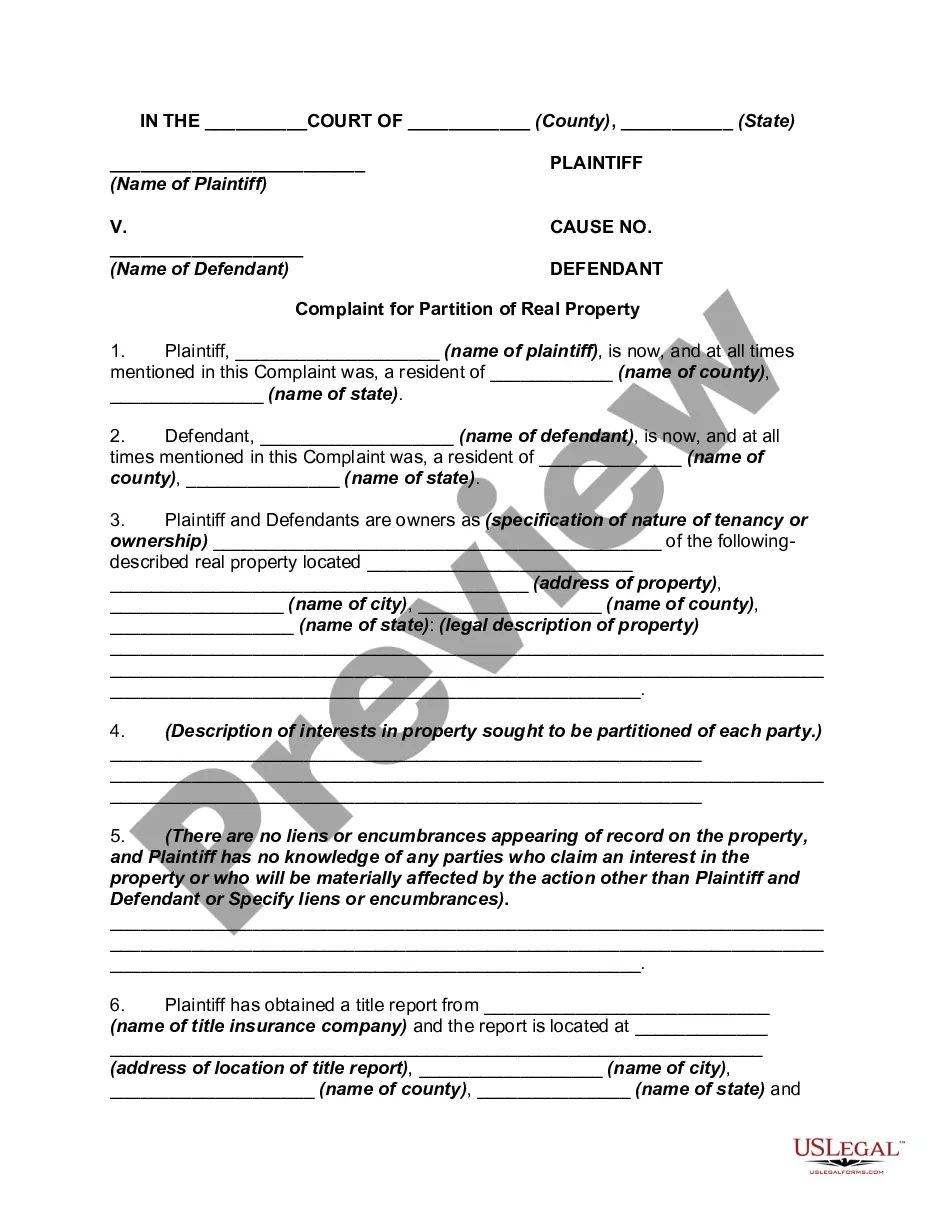
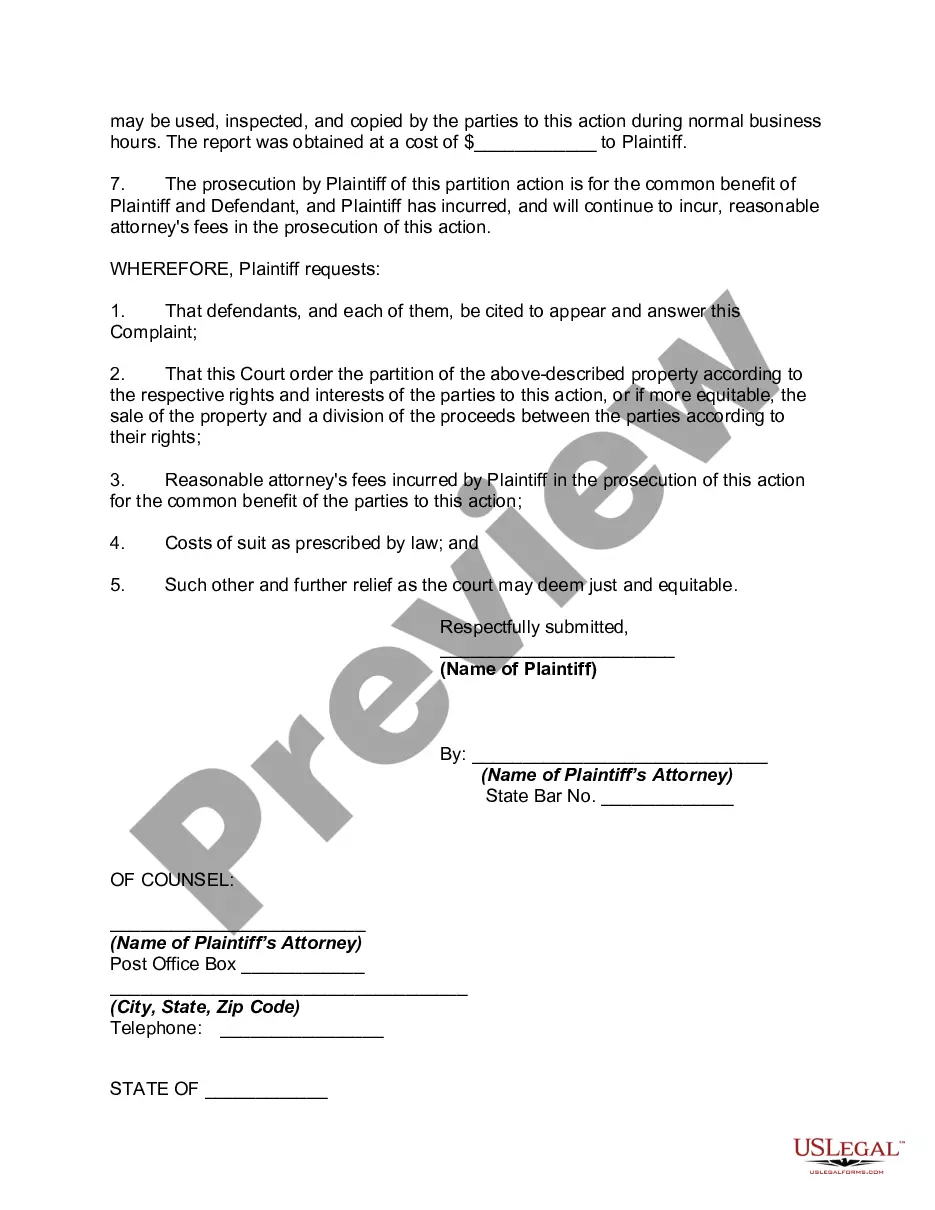
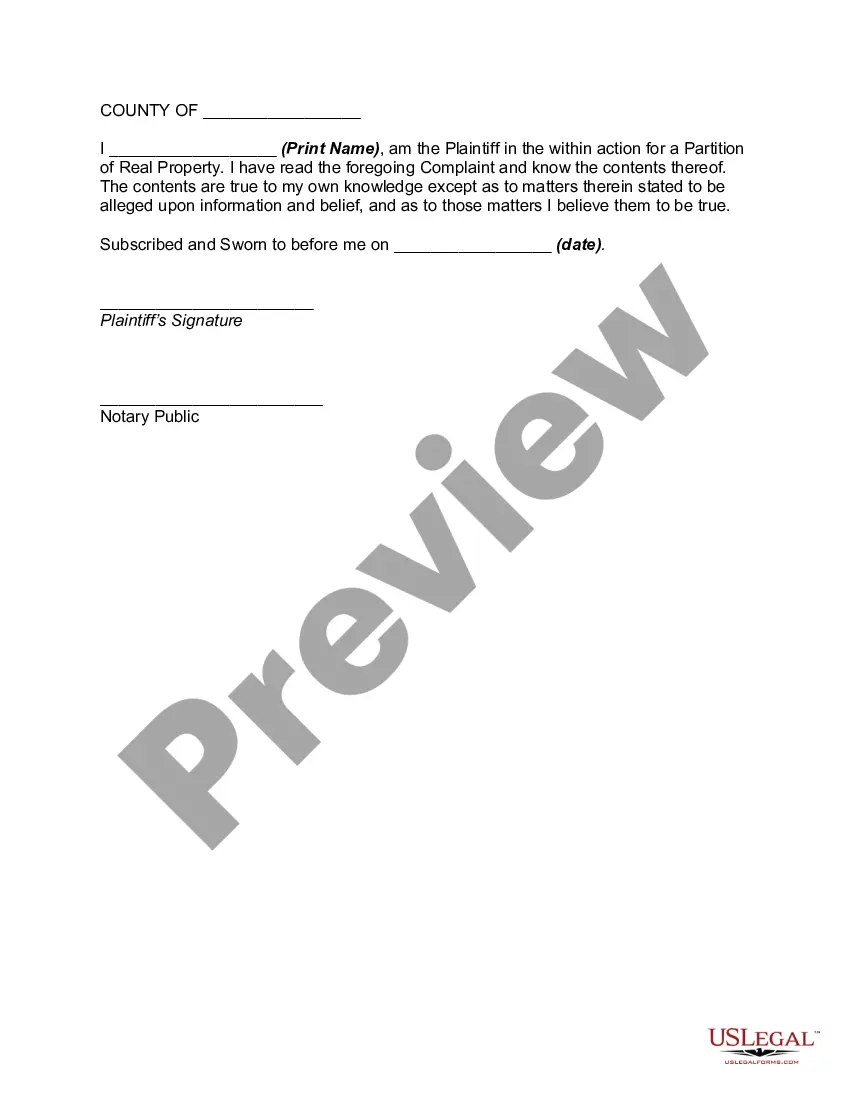
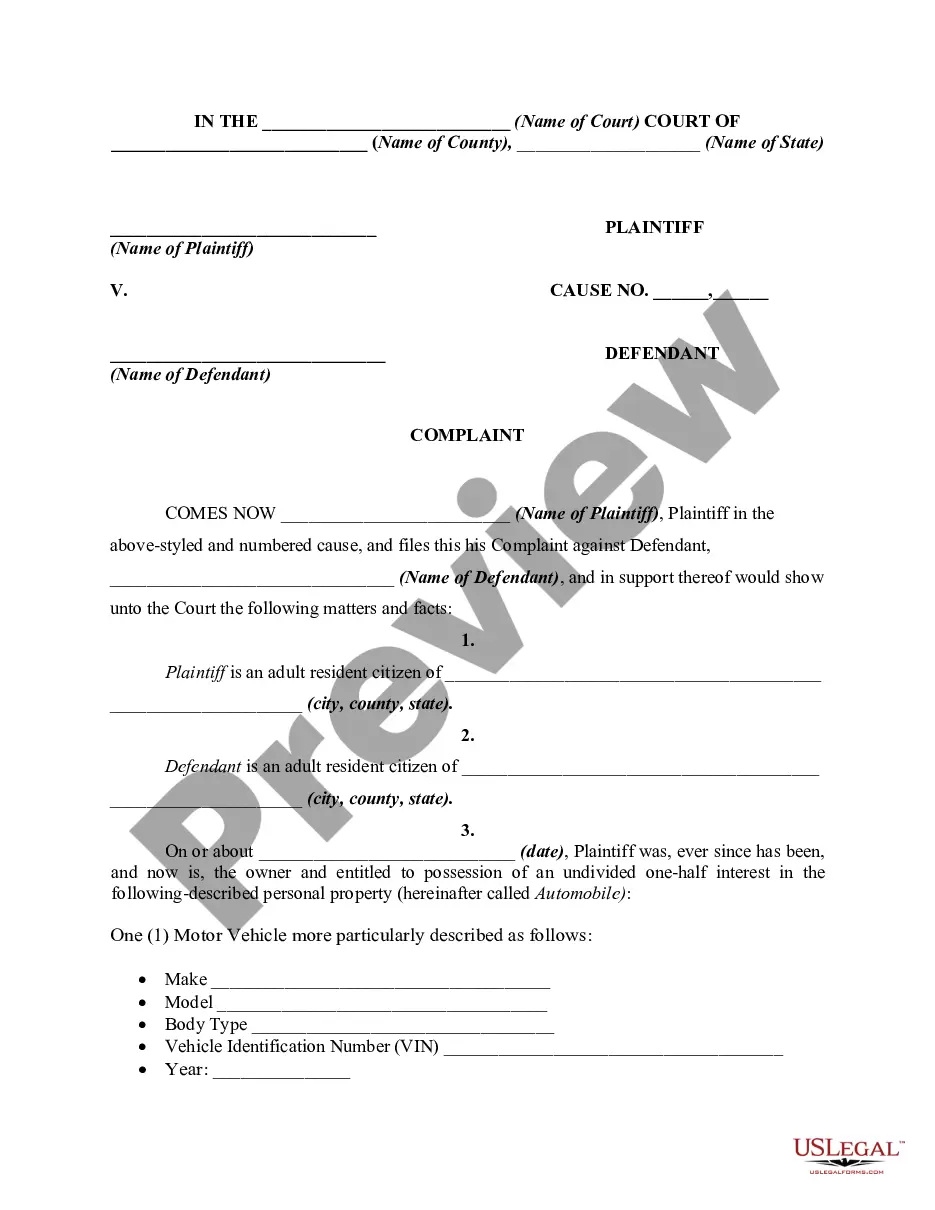
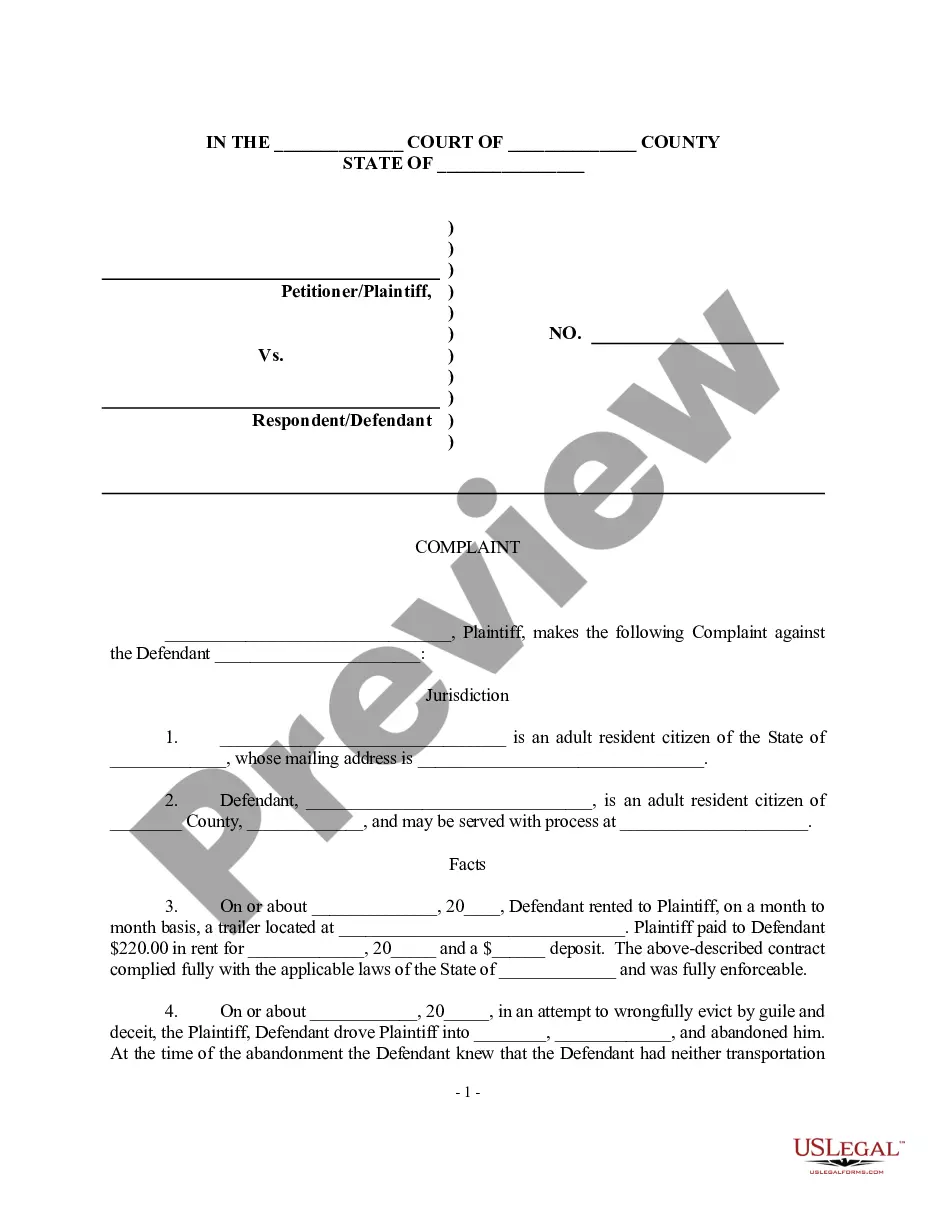
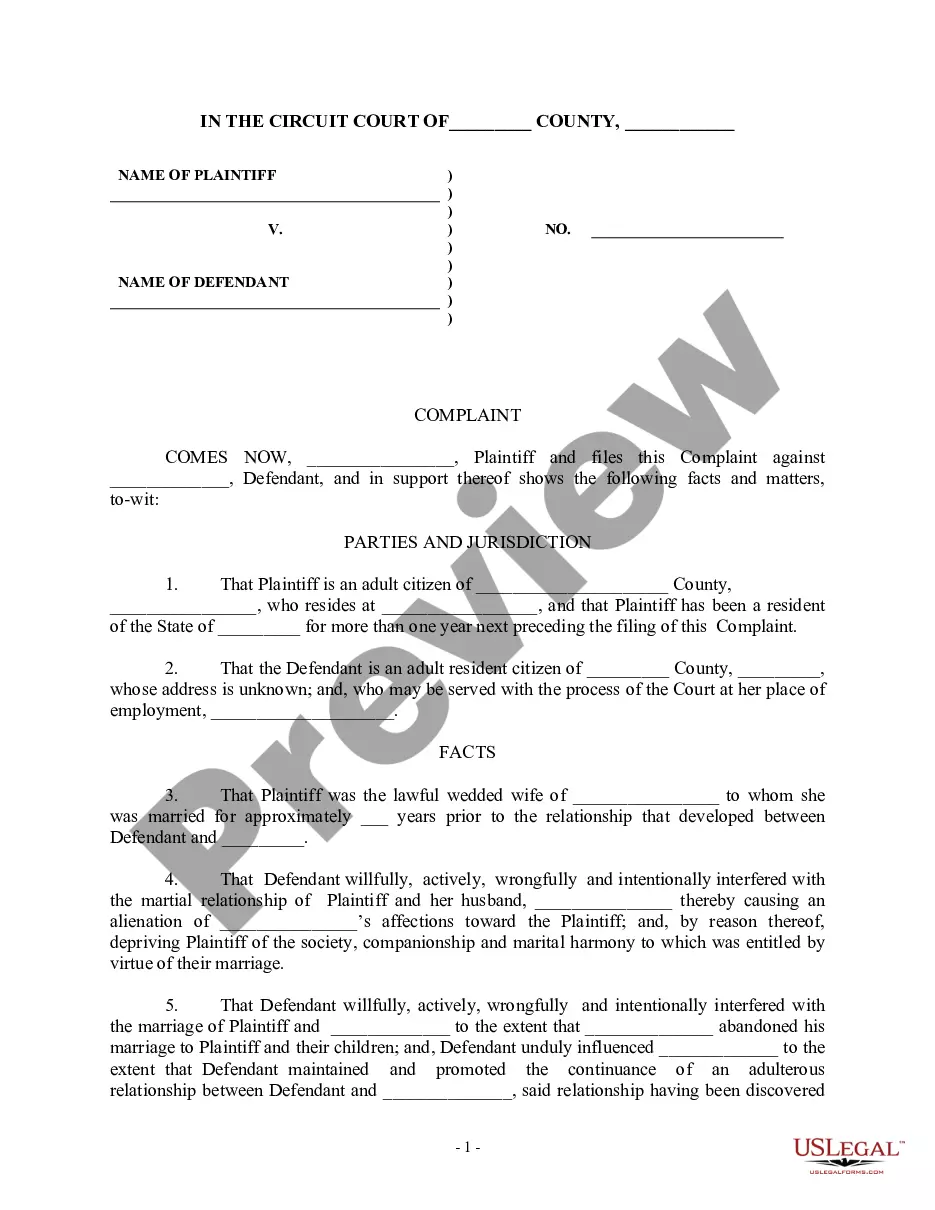
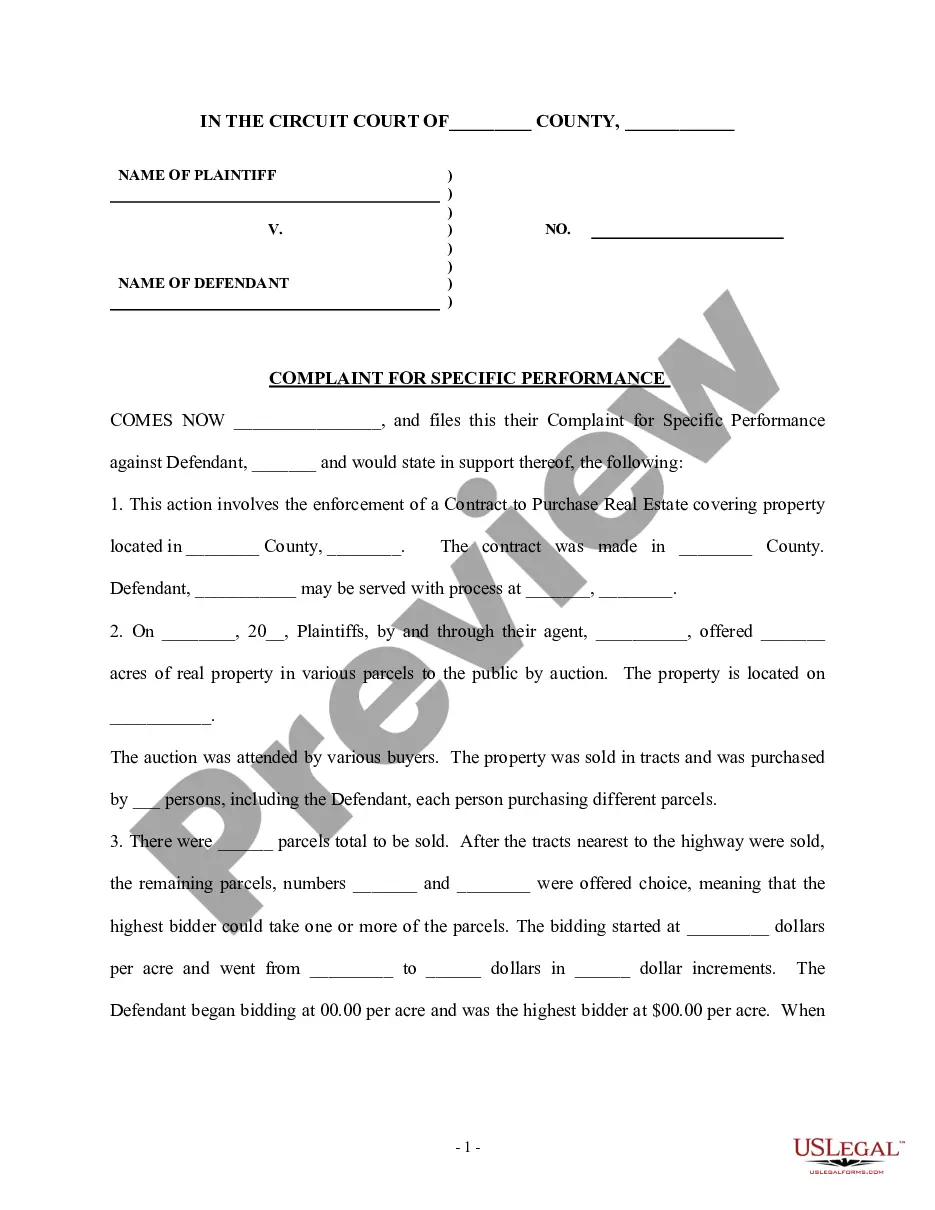
Get your form ready online
Our built-in tools help you complete, sign, share, and store your documents in one place.
Make edits, fill in missing information, and update formatting in US Legal Forms—just like you would in MS Word.
Download a copy, print it, send it by email, or mail it via USPS—whatever works best for your next step.
Sign and collect signatures with our SignNow integration. Send to multiple recipients, set reminders, and more. Go Premium to unlock E-Sign.
If this form requires notarization, complete it online through a secure video call—no need to meet a notary in person or wait for an appointment.
We protect your documents and personal data by following strict security and privacy standards.

Make edits, fill in missing information, and update formatting in US Legal Forms—just like you would in MS Word.

Download a copy, print it, send it by email, or mail it via USPS—whatever works best for your next step.

Sign and collect signatures with our SignNow integration. Send to multiple recipients, set reminders, and more. Go Premium to unlock E-Sign.

If this form requires notarization, complete it online through a secure video call—no need to meet a notary in person or wait for an appointment.

We protect your documents and personal data by following strict security and privacy standards.
Looking for another form?
How to fill out Complaint For Partition Of Real Property?
Whether for commercial reasons or for individual matters, everyone must confront legal circumstances at some point in their lifetime.
Completing legal documents requires meticulous care, beginning with selecting the appropriate form template.
With an extensive US Legal Forms catalog available, you no longer need to waste time searching for the right sample online. Utilize the library’s user-friendly navigation to find the ideal template for any situation.
- Acquire the sample you require by utilizing the search box or catalog navigation.
- Review the form’s details to confirm it aligns with your situation, jurisdiction, and area.
- Click on the form’s preview to view it.
- If it is the incorrect document, return to the search function to locate the Partition Of Real Property Philippines sample you need.
- Download the template if it fits your needs.
- If you already possess a US Legal Forms account, simply click Log in to access previously saved files in My documents.
- If you have not created an account yet, you can obtain the form by clicking Buy now.
- Select the appropriate pricing option.
- Complete the profile registration form.
- Choose your payment method: use a credit card or PayPal account.
- Select the document format you wish and download the Partition Of Real Property Philippines.
- Once it is saved, you can fill out the form using editing software or print it and complete it manually.
Form popularity
FAQ
Pennsylvania is known as an equitable distribution state and not a community property state. Our courts divide marital property and debts based on the principles of equity. That means it is at the court's discretion to divide marital assets and marital debts as it sees fair.
Settlement agreements are common in divorce and marital disputes, property disputes, personal injury cases, and employment disputes. These agreements not only keep disputes out of court, but they also save parties from having to pay expensive legal fees for continued litigation and trial.
A Marital Settlement Agreement is a contract between spouses that divides the marital assets and debts and resolves other issues relating to the divorce including child support, spousal support, alimony, counsel fees and costs, and child custody.
Pennsylvania operates as an equitable distribution state, which means that marital property is divided fairly between spouses. This does not mean that assets will be split evenly among the couple. Instead, the PA Divorce Code utilizes a number of factors to determine fairness in the property division process.
A settlement agreement is not a mandatory document in all divorce cases; however, if the parties are divorcing by mutual consent (i.e., an uncontested, no-fault divorce), a marital settlement agreement is required in most Pennsylvania counties.
Even though Pennsylvania law does not mandate a 50/50 division of marital property, in practice, a 50/50 division is quite common. If the divorcing spouses have similar incomes from their jobs and the marital assets include a home and modest retirement accounts, the courts will often order a 50/50 division.
Pennsylvania is not a 50/50 common law state. PA law requires divorcing couples to equitably divide the marital property. This means that the division of marital property should be based on fairness utilizing a set of enumerated factors in the PA Divorce Code.