Account Estate Form Without Probate
Description
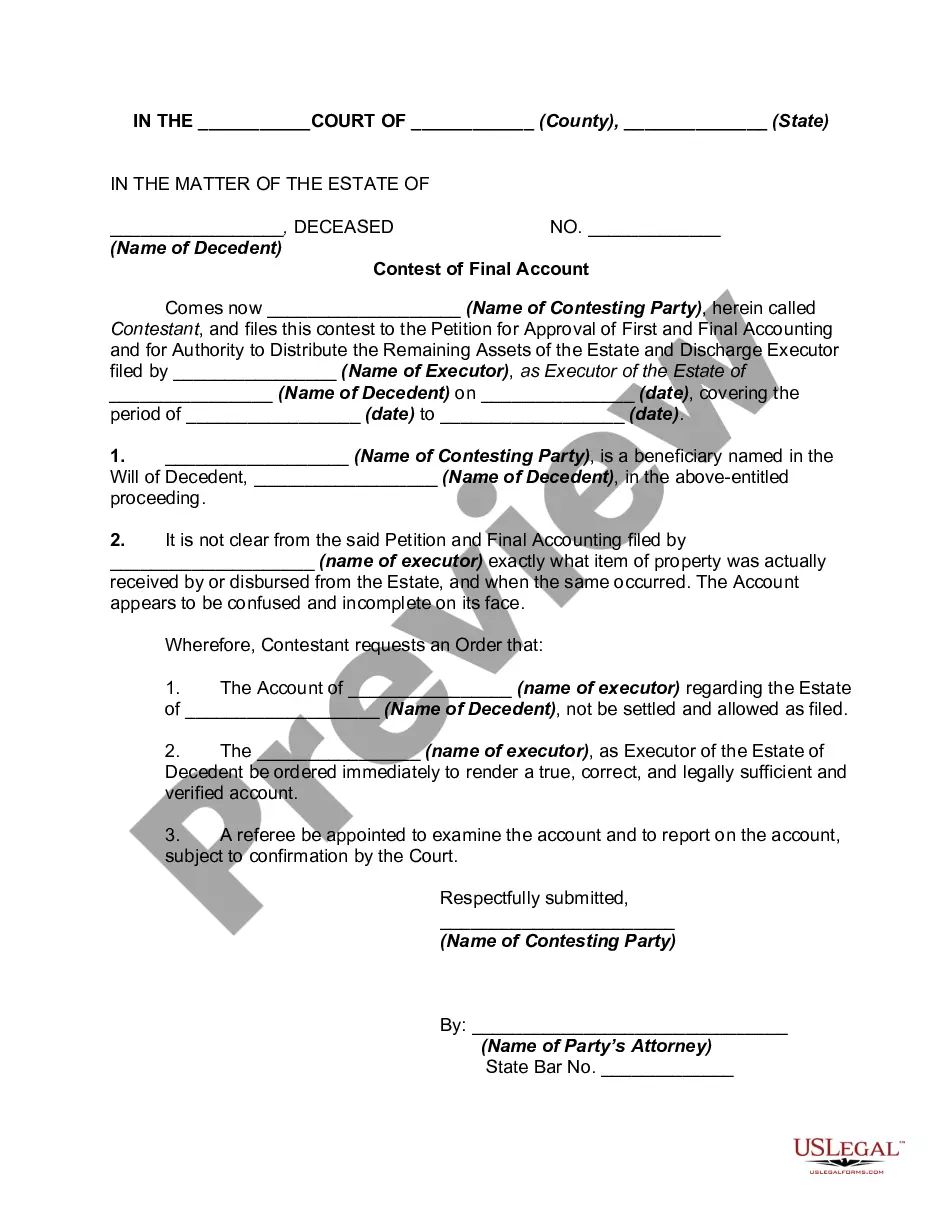
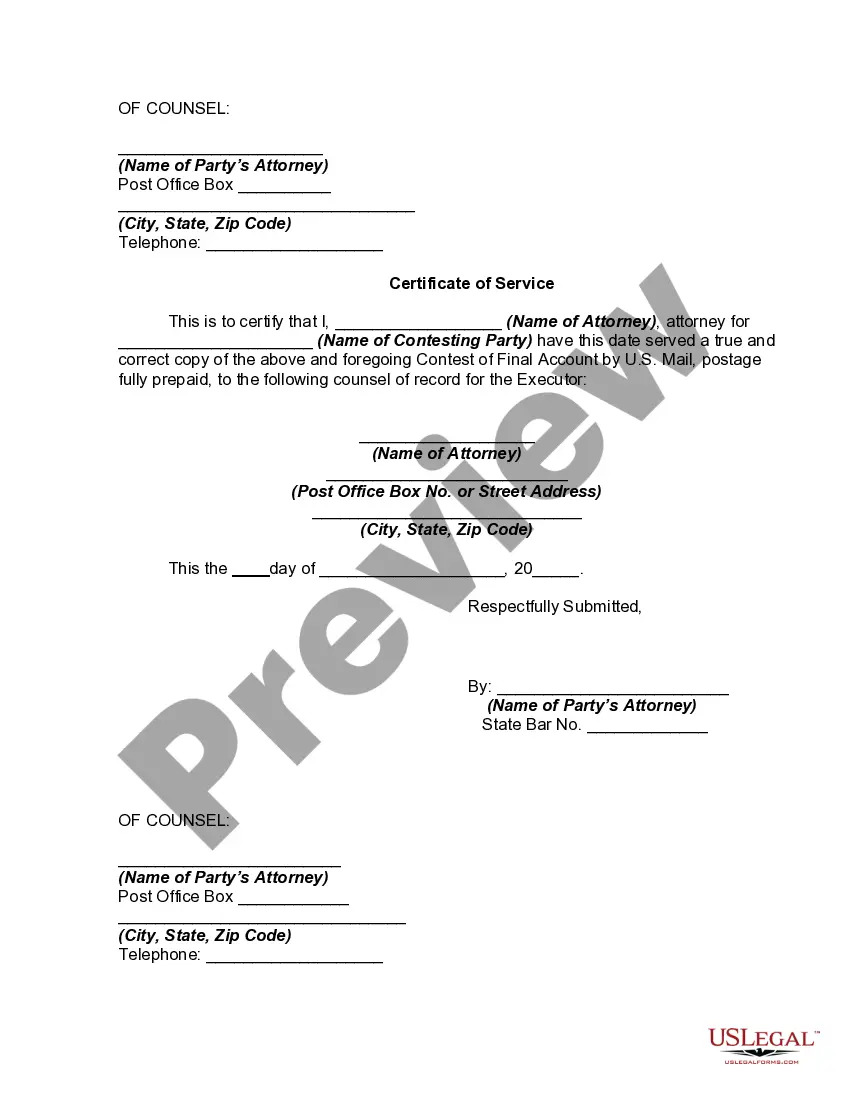
Get your form ready online
Our built-in tools help you complete, sign, share, and store your documents in one place.
Make edits, fill in missing information, and update formatting in US Legal Forms—just like you would in MS Word.
Download a copy, print it, send it by email, or mail it via USPS—whatever works best for your next step.
Sign and collect signatures with our SignNow integration. Send to multiple recipients, set reminders, and more. Go Premium to unlock E-Sign.
If this form requires notarization, complete it online through a secure video call—no need to meet a notary in person or wait for an appointment.
We protect your documents and personal data by following strict security and privacy standards.

Make edits, fill in missing information, and update formatting in US Legal Forms—just like you would in MS Word.

Download a copy, print it, send it by email, or mail it via USPS—whatever works best for your next step.

Sign and collect signatures with our SignNow integration. Send to multiple recipients, set reminders, and more. Go Premium to unlock E-Sign.

If this form requires notarization, complete it online through a secure video call—no need to meet a notary in person or wait for an appointment.

We protect your documents and personal data by following strict security and privacy standards.
Looking for another form?

How to fill out Contest Of Final Account And Proposed Distributions In A Probate Estate?
Managing legal documents can be exasperating, even for seasoned experts.
When you are looking for an Estate Account Form Without Probate and cannot dedicate time to find the correct and current version, the process may become overwhelming.
US Legal Forms meets all your requirements, from personal to business documents, all in one convenient location.
Utilize sophisticated tools to complete and manage your Estate Account Form Without Probate.
Follow these steps after locating the form you require: Confirm it is the right form by previewing it and reviewing its details. Verify that the template is validated in your state or county. Select Buy Now when you are prepared. Choose a monthly subscription plan. Select your preferred format, and Download, complete, eSign, print, and send your document. Experience the US Legal Forms online catalog, backed by 25 years of expertise and trustworthiness. Streamline your daily document management into a simple and user-friendly experience today.
- Access a valuable resource library of articles, guides, and materials related to your situation and requirements.
- Save time and effort searching for the documents you need, and use US Legal Forms’ advanced search and Preview feature to find and download the Estate Account Form Without Probate.
- If you hold a monthly subscription, Log In to your US Legal Forms account, search for the form, and download it.
- Check the My documents section to view previously saved documents and manage your folders as desired.
- If this is your first experience with US Legal Forms, create an account to gain unlimited access to all platform benefits.
- A robust online form repository can be a transformative tool for anyone aiming to handle these matters efficiently.
- US Legal Forms is a leading provider of online legal documents, offering over 85,000 state-specific forms accessible at any time.
- With US Legal Forms, you can find legal and business documents tailored to your state or county.
Form popularity
FAQ
How to open an estate account Begin the probate process. The steps for beginning this process depend on the state in which the deceased person resided. ... Obtain a tax ID number for the estate account. ... Bring all required documents to the bank. ... Open the estate account.
It depends on the nature of the Estate. Many assets pass outside of Probate and Estate Administration. For example, assets with Beneficiary designations such as retirement accounts and life insurance may pass outside of Probate. Many individuals opt to use Trusts to keep assets out of Probate.
The administrator, executor, or beneficiary must: File a final tax return. File any past due returns. Pay any tax due.
By way of example, in a relatively simple estate an informal accounting can consist of copies of all of the estate account statements and a copy of the fiduciaries check register. If there was real property sold by the fiduciary a copy of the closing statement should be provided to the beneficiaries.
An informal accounting for an estate is a document that outlines the financial activities of the estate. This type of accounting is often used to prepare financial statements of affairs. It includes details about assets and liabilities, income and expenses, donations or transfers from the estate, and tax information.