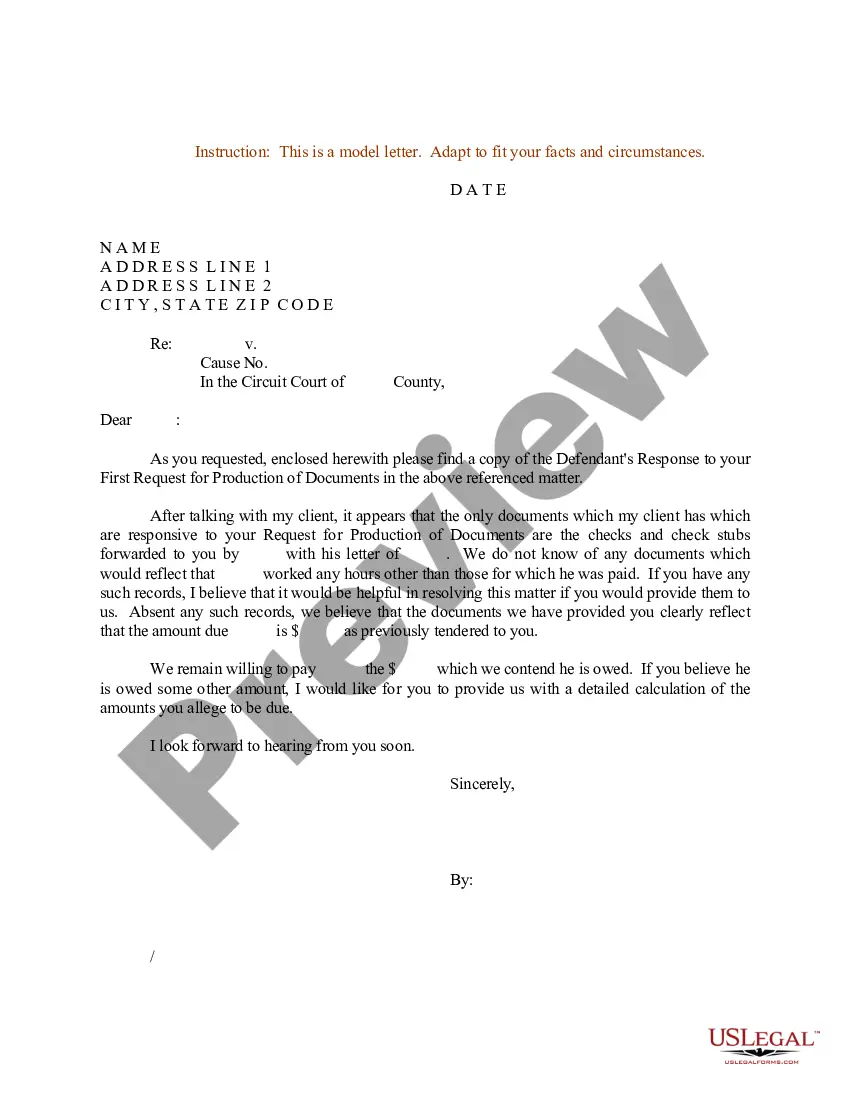
Letter Request For Form 137
Description
Get your form ready online
Our built-in tools help you complete, sign, share, and store your documents in one place.
Make edits, fill in missing information, and update formatting in US Legal Forms—just like you would in MS Word.
Download a copy, print it, send it by email, or mail it via USPS—whatever works best for your next step.
Sign and collect signatures with our SignNow integration. Send to multiple recipients, set reminders, and more. Go Premium to unlock E-Sign.
If this form requires notarization, complete it online through a secure video call—no need to meet a notary in person or wait for an appointment.
We protect your documents and personal data by following strict security and privacy standards.

Make edits, fill in missing information, and update formatting in US Legal Forms—just like you would in MS Word.

Download a copy, print it, send it by email, or mail it via USPS—whatever works best for your next step.

Sign and collect signatures with our SignNow integration. Send to multiple recipients, set reminders, and more. Go Premium to unlock E-Sign.

If this form requires notarization, complete it online through a secure video call—no need to meet a notary in person or wait for an appointment.

We protect your documents and personal data by following strict security and privacy standards.
Looking for another form?
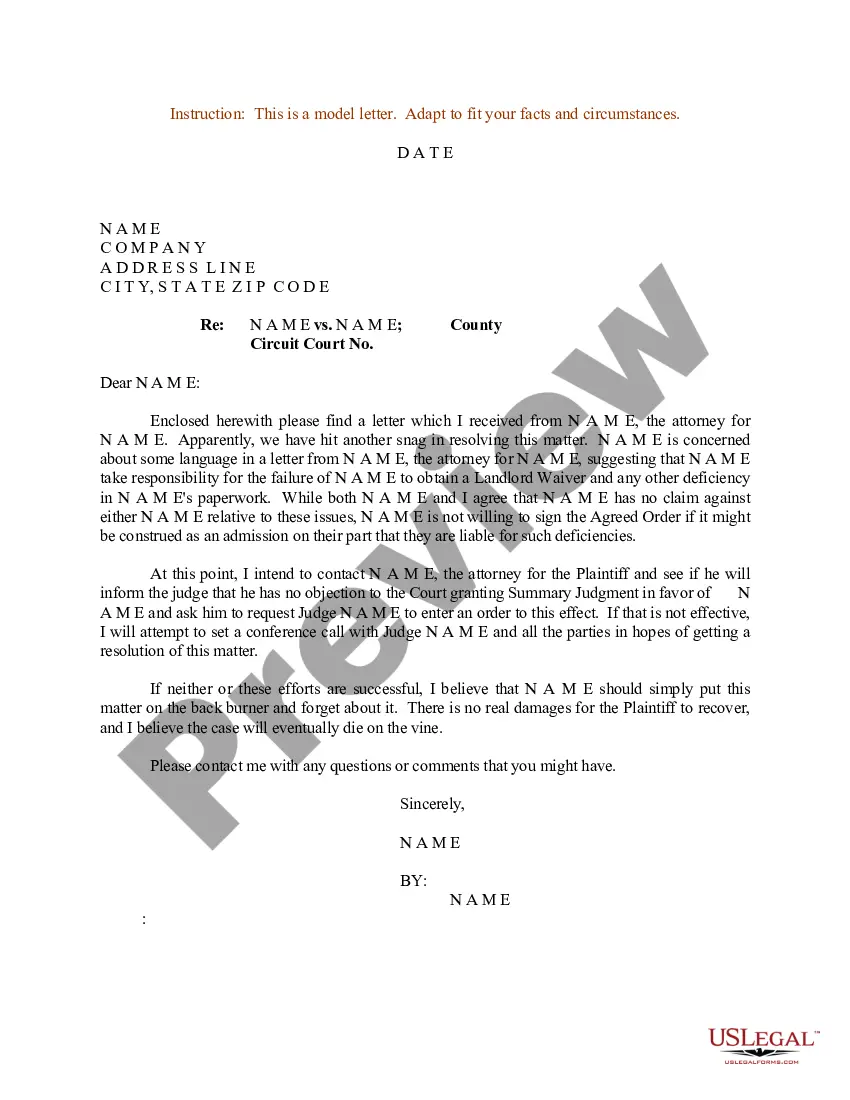
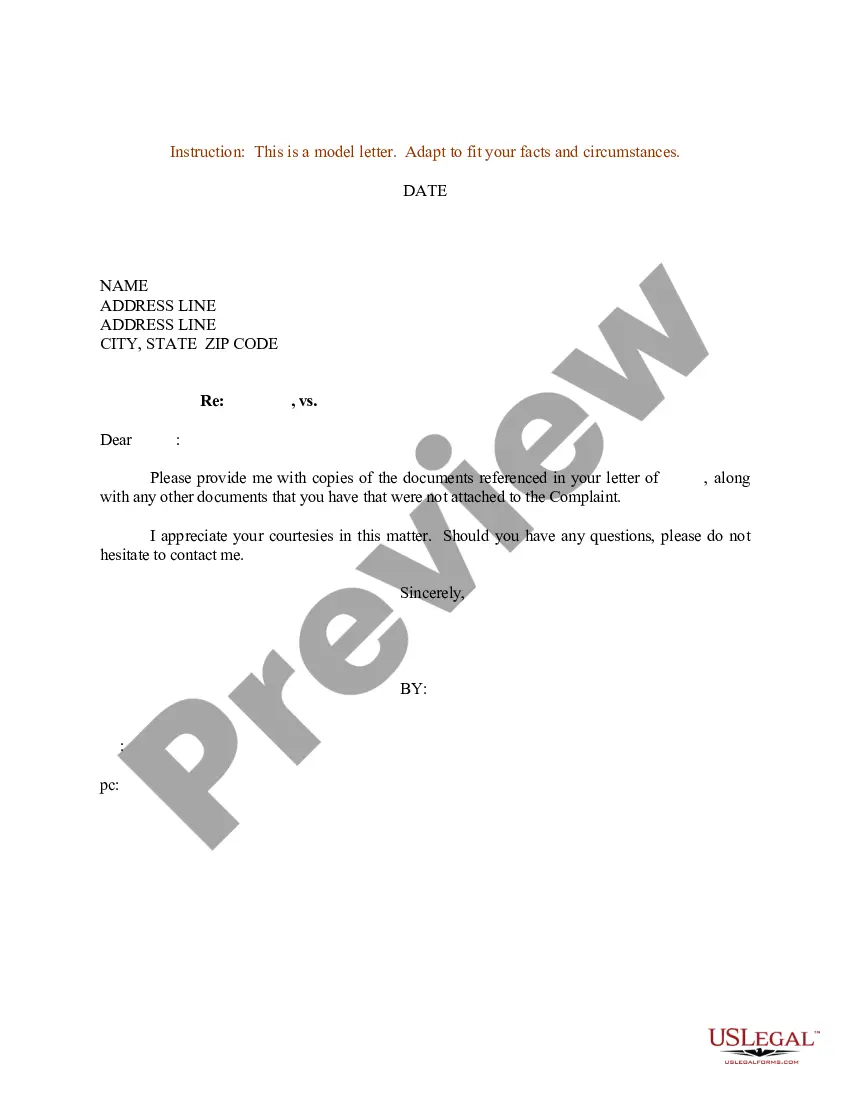
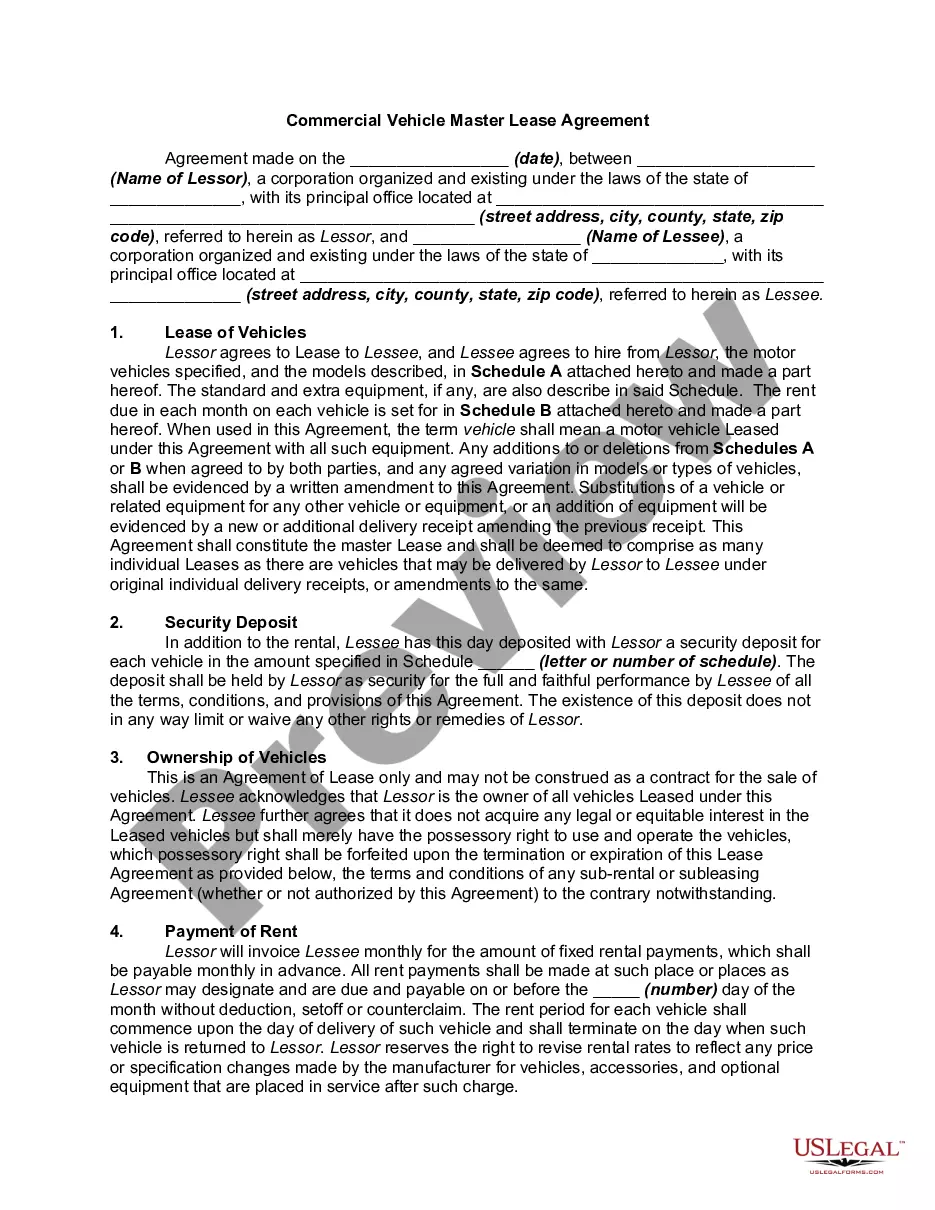
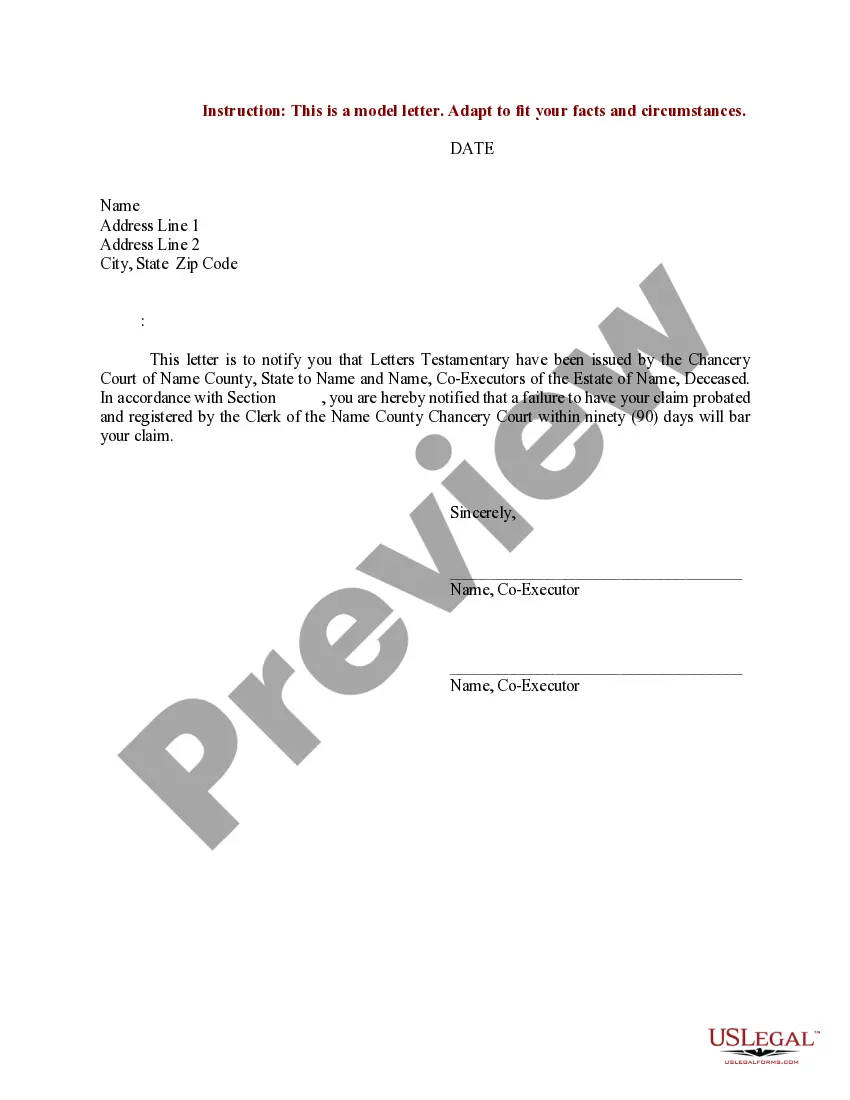
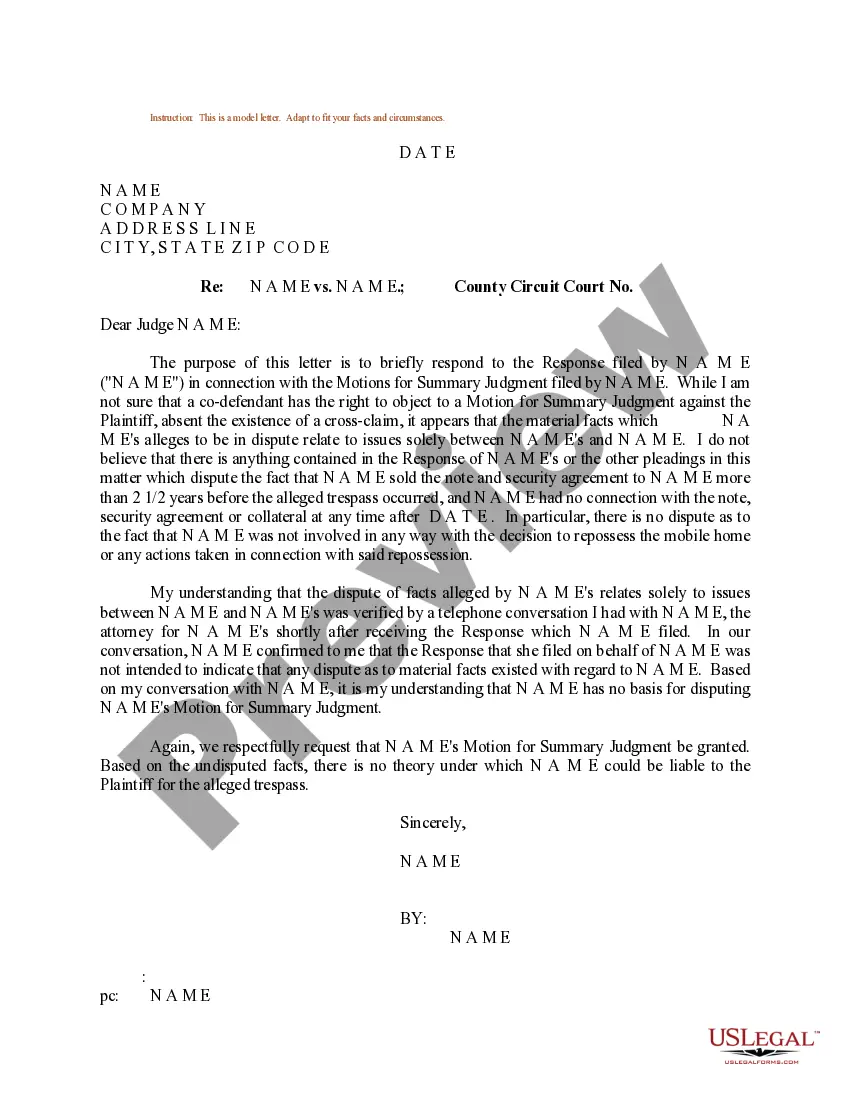
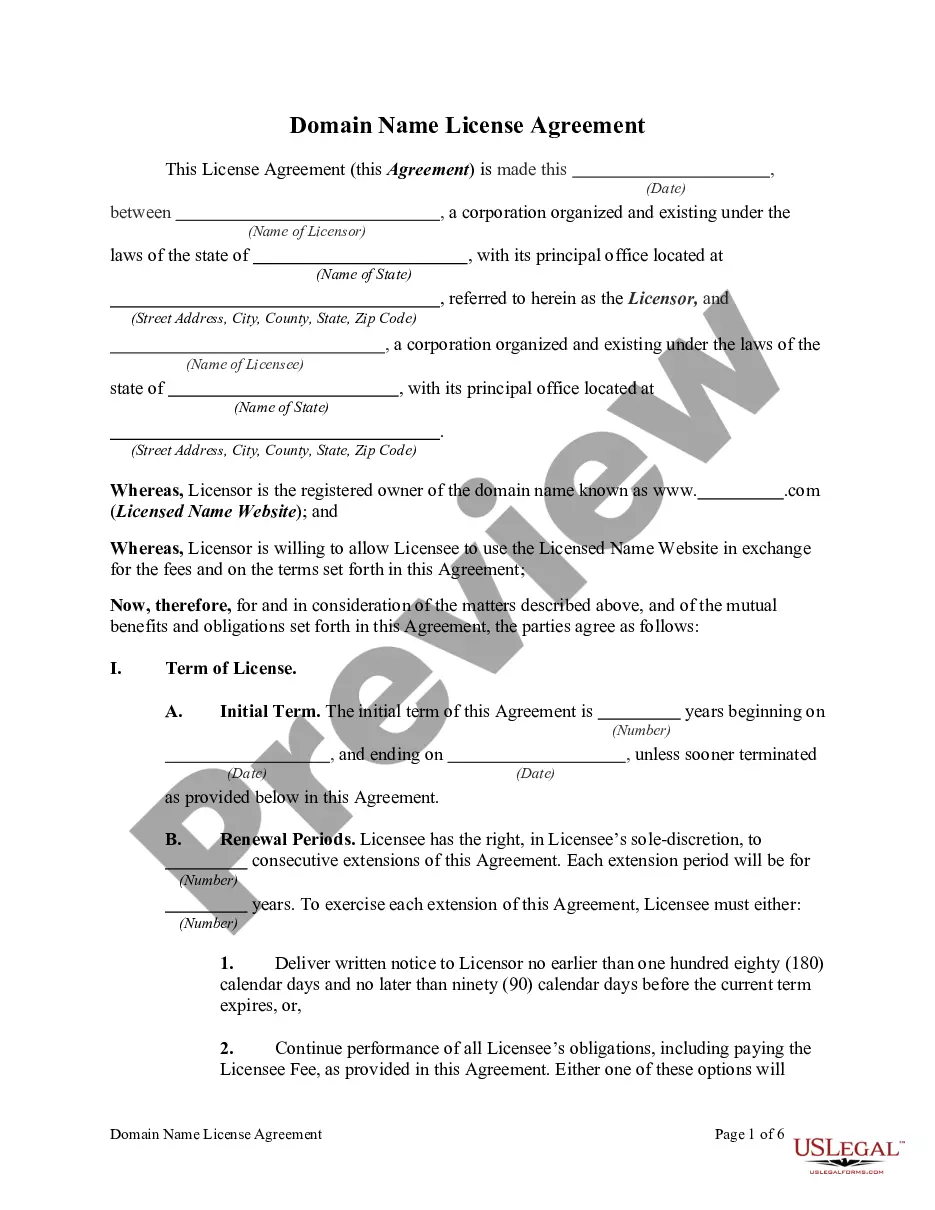
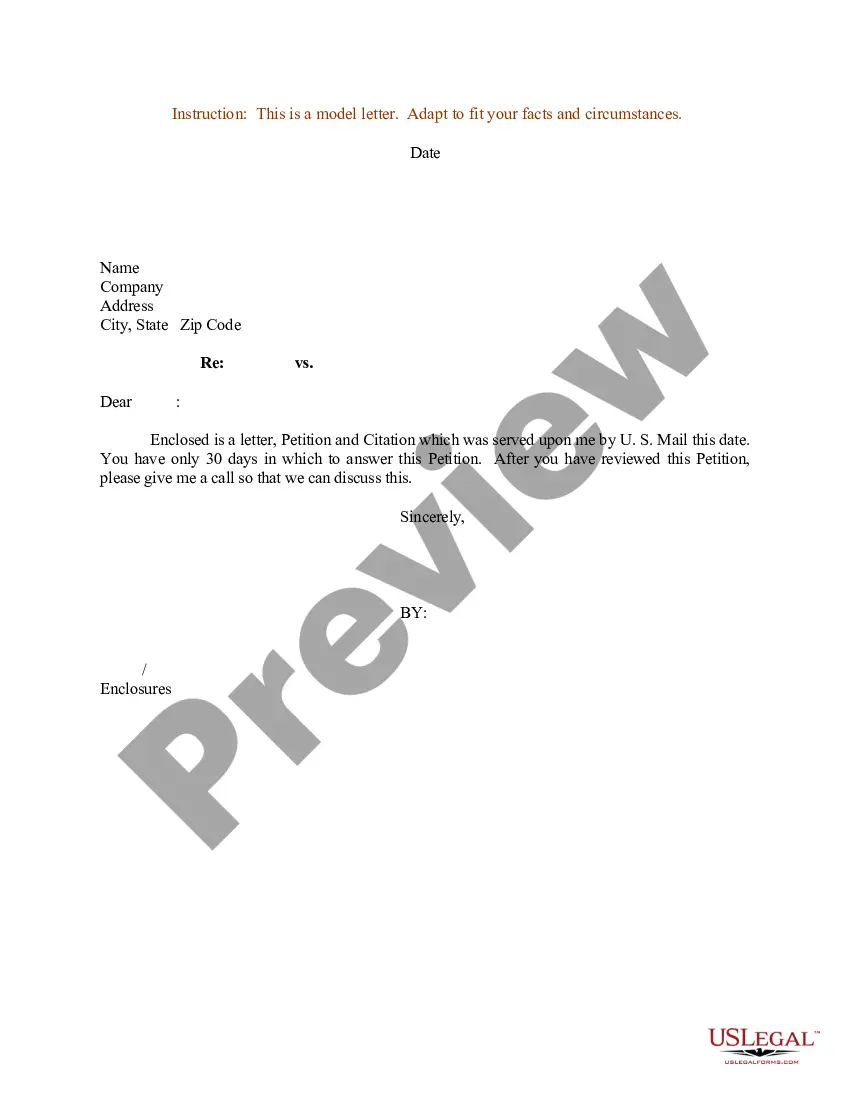
How to fill out Sample Letter For Request For Production Of Document?
Legal administration can be daunting, even for experienced experts.
If you are in need of a Letter Request For Form 137 and cannot find the time to seek out the correct and updated version, the process can be taxing.
Tap into a comprehensive resource hub of articles, guides, and materials pertinent to your circumstances and requirements.
Conserve time and effort in locating the forms you need, and use US Legal Forms' advanced search and Review feature to locate Letter Request For Form 137 and obtain it.
Opt for a subscription plan, select the format you require, and Download, complete, eSign, print and dispatch your documents. Avail yourself of the US Legal Forms online library, supported by 25 years of experience and reliability. Revolutionize your daily document management into a seamless and user-friendly experience today.
- If you hold a monthly subscription, Log In to your US Legal Forms account, search for the form, and secure it.
- Check the My documents tab to view the documents you have previously downloaded and to manage your folders as desired.
- If you are a first-time user of US Legal Forms, create a free account to gain unlimited access to all features in the library.
- Once you've accessed the necessary form, confirm it is the correct one by previewing it and reviewing its details.
- Ensure that the sample is valid in your specific state or county.
- Click Buy Now when you are ready.
- Access state- or county-specific legal and business documents.
- US Legal Forms addresses any requirements you may have, from personal to business paperwork, all in one place.
- Utilize sophisticated tools to complete and manage your Letter Request For Form 137.
Form popularity
FAQ
How do I get letters of testamentary in Arkansas? Settling an Estate in Arkansas The will must be filed with the circuit court in the county where the decedent lived. An executor is appointed to oversee the estate, and the court provides letters testamentary to them.
You must file an Affidavit for Collection of Small Estate with the probate clerk of the circuit court in the county where the deceased last lived. The affidavit can be filed by one or more of the people receiving proceeds from the estate (called distributees).
If Probate has not been opened, then you cannot file a claim against an estate? Next, you need to fill out the claim form and file it with the County Clerk. You can find the form to claim at The Official Arkansas Probate Forms (Form 18). After the caption, you will type in the rest of the form, date, and sign it.
An Arkansas small estate affidavit is used to collect the personal property of a person who died in situations where the person had an estate valued at less than $100,000. It cannot be filed until 45 days have elapsed since the death of the decedent.
How to Settle a Large Estate in Arkansas Step 1: Appoint a Personal Representative. ... Step 2: Petition the Probate Court. ... Step 3: Notify Named Heirs & Creditors. ... Step 4: Inventory & Appraise the Estate's Assets. ... Step 5: Handle the Property Sale. ... Step 6: Final Accounting. ... Step 7: Final Distribution & Estate Closing.
The Entry of Appearance tells the circuit clerk's office to make sure that the attorney receives notice of all documents filed with court by either side in that particular case and it also lets the clerk know that any decisions made by the judge in the case need to be sent to the attorney who filed the Entry of ...
An affidavit of heirship can be used to establish the heirs of a deceased person when there is no probated will or estate. To use an affidavit of heirship for this purpose please follow the instructions below: The person signing the affidavit of heirship cannot be a person listed as an heir.