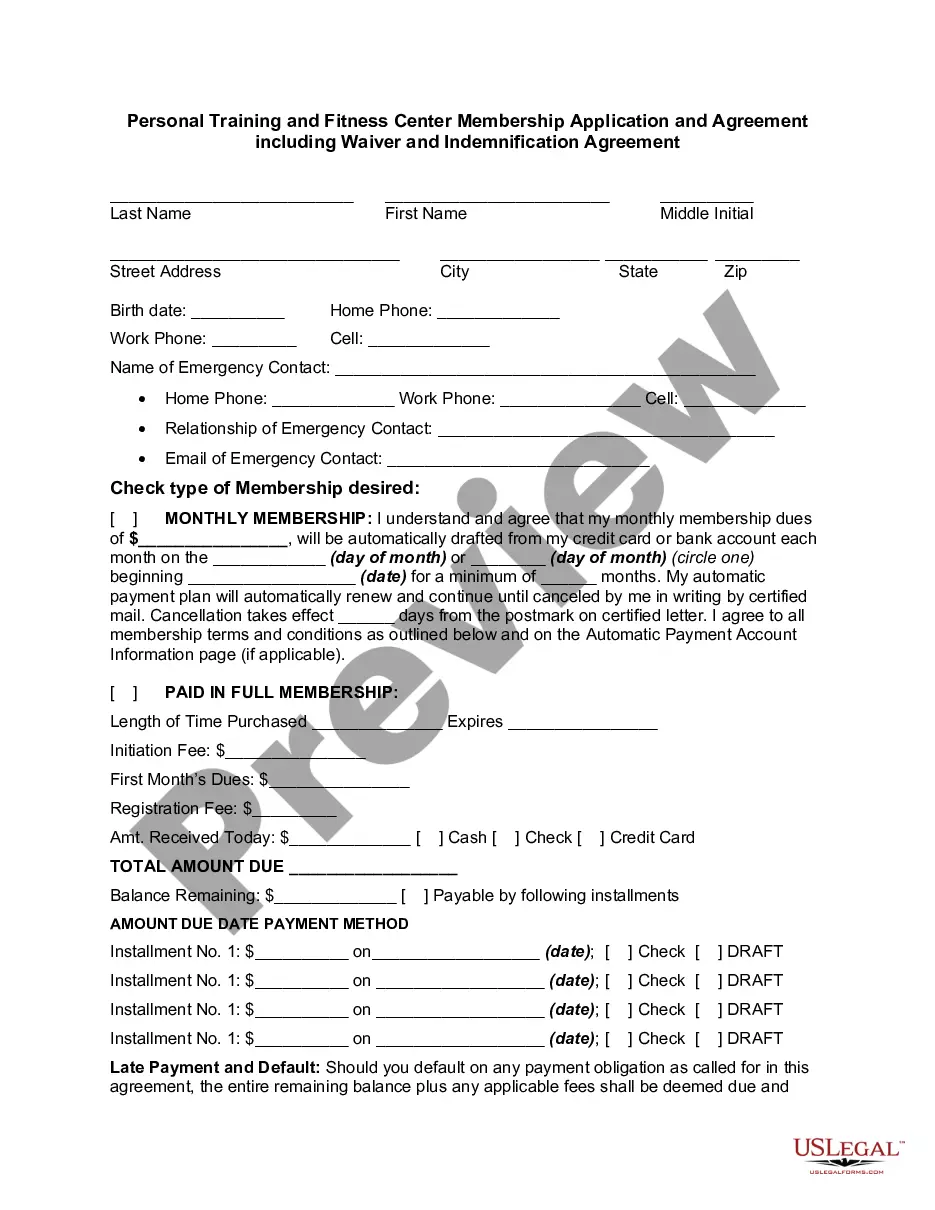
Personal Training Form With Nutrition
Description
Get your form ready online
Our built-in tools help you complete, sign, share, and store your documents in one place.
Make edits, fill in missing information, and update formatting in US Legal Forms—just like you would in MS Word.
Download a copy, print it, send it by email, or mail it via USPS—whatever works best for your next step.
Sign and collect signatures with our SignNow integration. Send to multiple recipients, set reminders, and more. Go Premium to unlock E-Sign.
If this form requires notarization, complete it online through a secure video call—no need to meet a notary in person or wait for an appointment.
We protect your documents and personal data by following strict security and privacy standards.

Make edits, fill in missing information, and update formatting in US Legal Forms—just like you would in MS Word.

Download a copy, print it, send it by email, or mail it via USPS—whatever works best for your next step.

Sign and collect signatures with our SignNow integration. Send to multiple recipients, set reminders, and more. Go Premium to unlock E-Sign.

If this form requires notarization, complete it online through a secure video call—no need to meet a notary in person or wait for an appointment.

We protect your documents and personal data by following strict security and privacy standards.
Looking for another form?
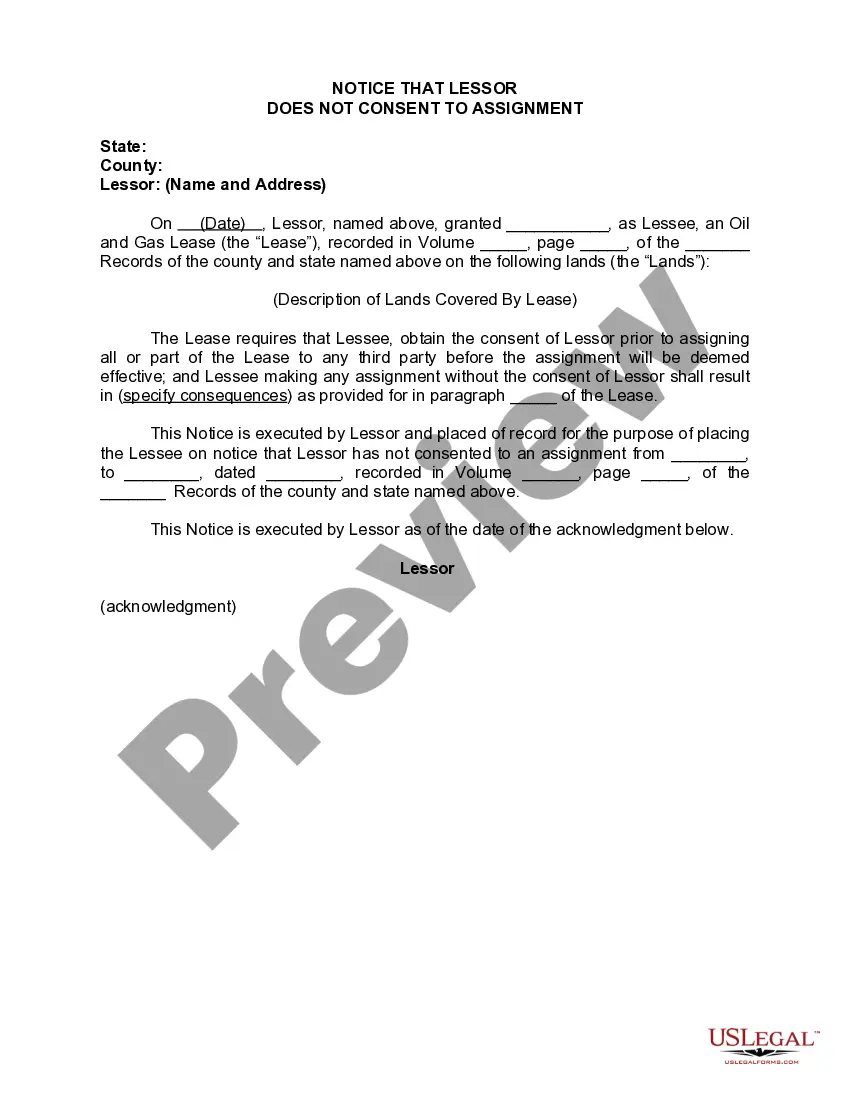
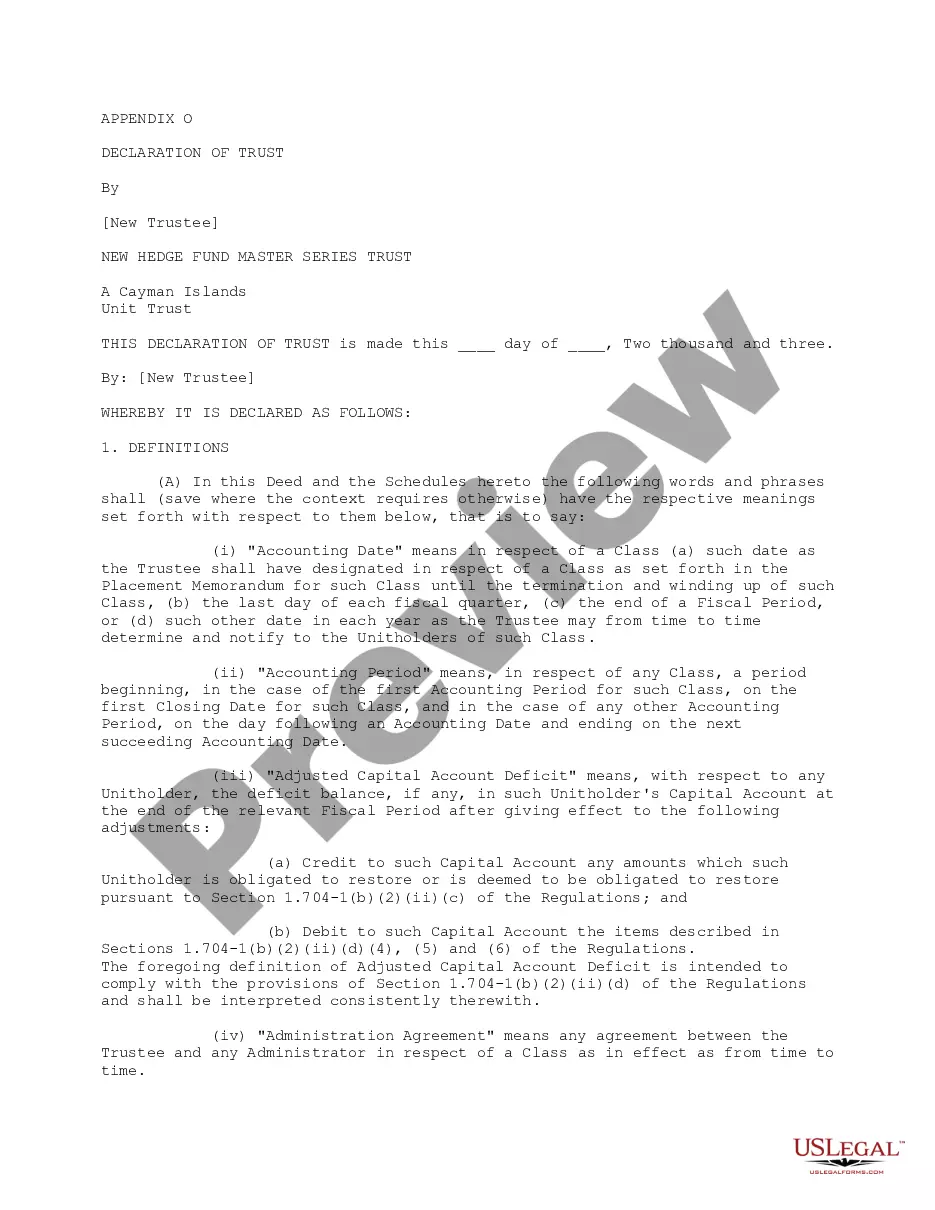
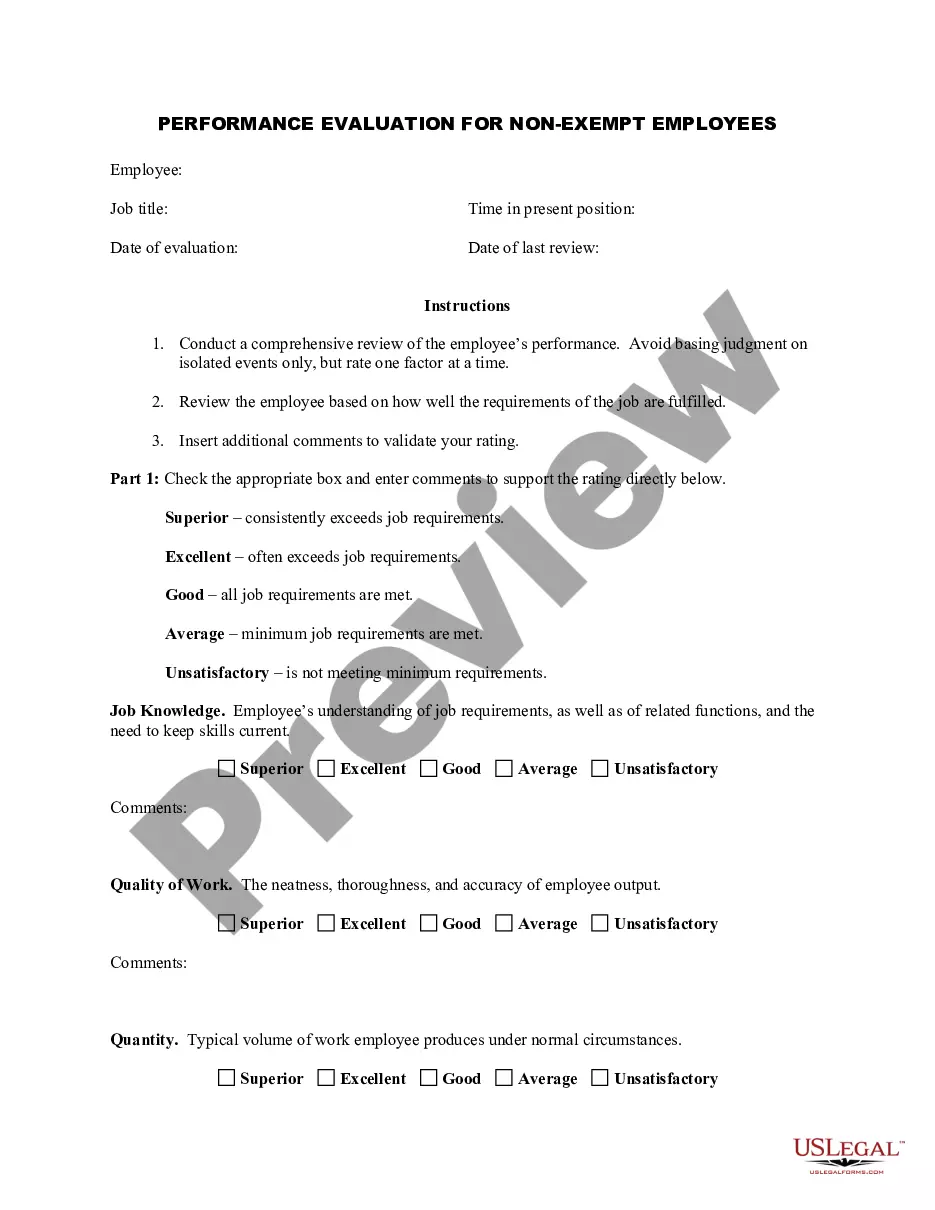

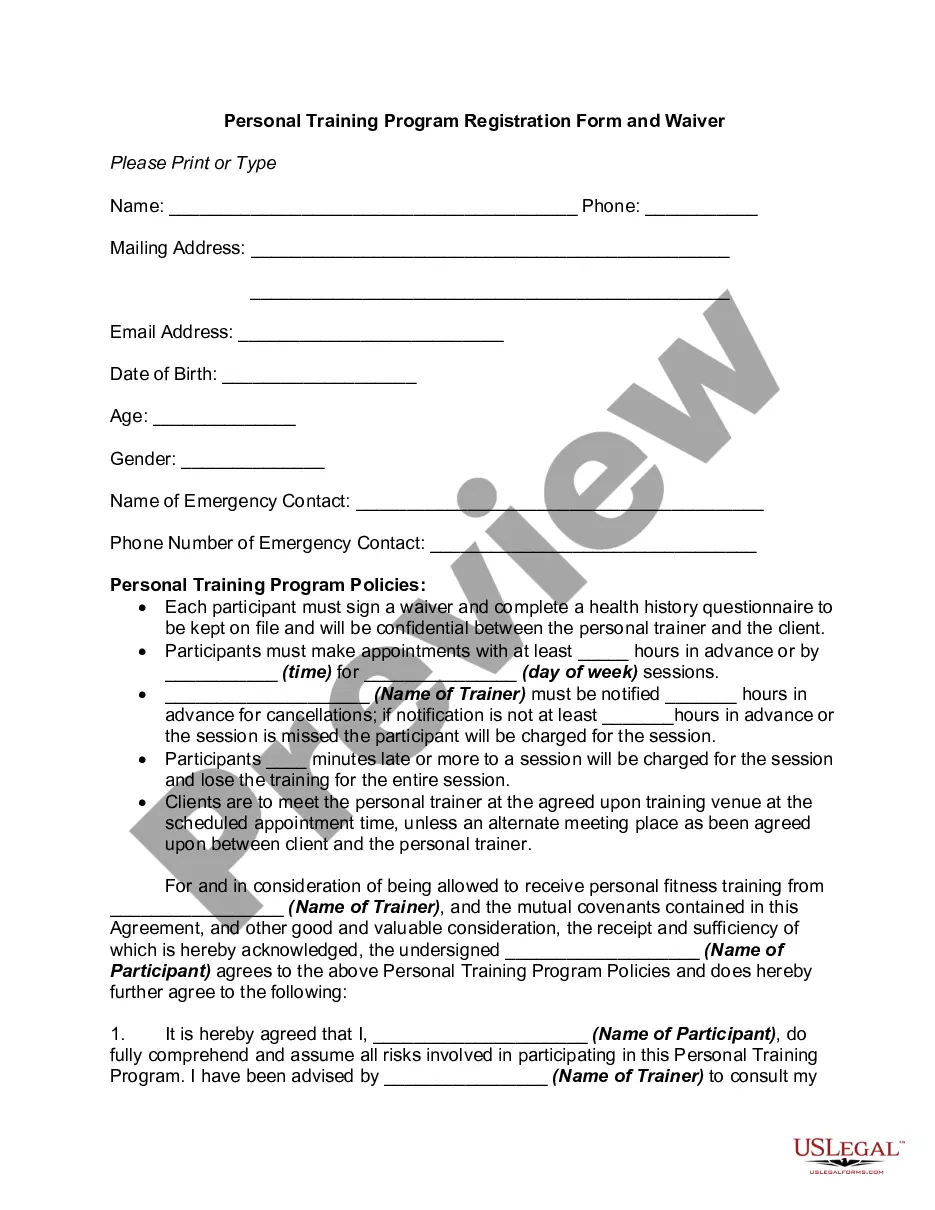
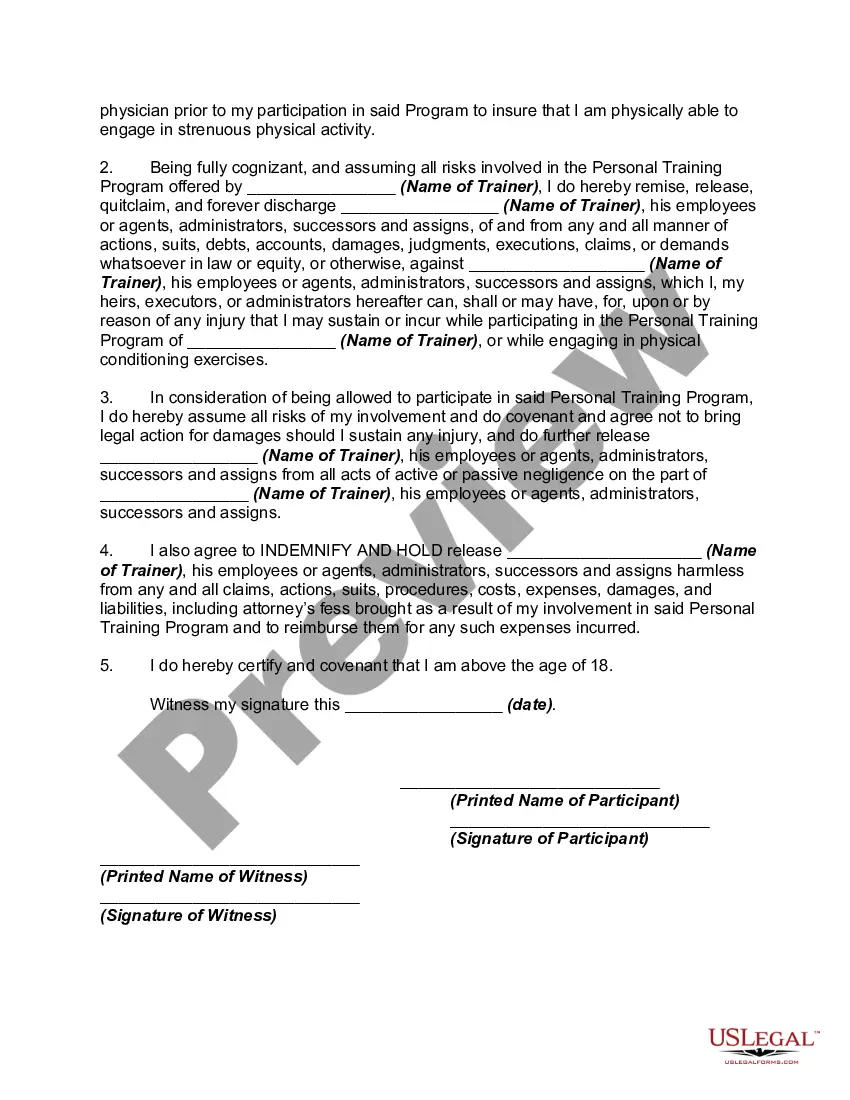
How to fill out Personal Training Program Registration Form And Waiver?
Whether for professional objectives or for personal matters, individuals must confront legal circumstances at various points in their lives.
Completing legal documents requires meticulous care, beginning with selecting the appropriate form template. For example, if you opt for the incorrect iteration of a Personal Training Form With Nutrition, it will be rejected upon submission.
With an extensive US Legal Forms collection available, you do not need to waste time searching for the correct template online. Utilize the library’s user-friendly navigation to find the right form for any occasion.
- Acquire the template you require by using the search bar or catalog browsing.
- Review the form’s details to confirm it aligns with your circumstances, state, and county.
- Click on the form’s preview to review it.
- If it is not the correct form, return to the search tool to locate the Personal Training Form With Nutrition template you need.
- Obtain the file once it satisfies your criteria.
- If you possess a US Legal Forms account, click Log in to access previously stored documents in My documents.
- If you do not have an account yet, you can acquire the form by clicking Buy now.
- Select the appropriate pricing option.
- Fill out the account sign-up form.
- Choose your payment method: either a credit card or PayPal account.
- Select the document format you desire and download the Personal Training Form With Nutrition.
- Once it is downloaded, you can fill out the form using editing software or print it and complete it manually.
Form popularity
FAQ
While personal trainers can offer general nutrition tips, they should avoid providing specific diet plans unless they hold relevant certifications. This practice helps maintain ethical boundaries in personal training and ensures clients receive safe and effective dietary advice. Instead, consider utilizing a personal training form with nutrition that encourages collaboration with a registered dietitian for personalized plans. This approach allows clients to achieve their goals safely and effectively.
Personal trainers are not allowed to diagnose medical conditions or provide medical advice. Additionally, they should not distribute specific meal plans without the appropriate qualifications. This guideline protects both the trainer and client, allowing personal trainers to focus on fitness while enhancing their personal training form with nutrition. Always seek the input of a healthcare provider for any health-related matters.
In the United States, licensed professionals such as registered dietitians and nutritionists can legally provide nutrition information. Personal trainers, while knowledgeable in fitness, should refer clients to these experts for specific dietary advice. This keeps the advice safe and accurate, enhancing your personal training form with nutrition. Remember, consulting a specialist ensures you receive tailored guidance for your health needs.
To file taxes as a personal trainer, it's essential to keep accurate records of your income and expenses. Use a Personal training form with nutrition to track your earnings and any business-related costs, such as equipment, marketing, and training materials. You will typically report your earnings on Schedule C of your tax return, noting the income you generated from your training services. Additionally, consider consulting with a tax professional for personalized advice to ensure compliance and maximize your deductions.
Yes, a nutritionist can also be a personal trainer if they meet the certification requirements in both fields. This combination can be particularly beneficial as it allows for a more integrated approach to health and fitness. By using a personal training form with nutrition, such professionals can give their clients a cohesive experience that addresses both exercise and dietary needs.
Personal trainers can create basic nutrition plans as part of their services, but these plans should focus on general advice rather than specific dietary prescriptions. Implementing a personal training form with nutrition guidelines can help structure this advice effectively. Clients looking for in-depth nutritional plans may benefit from collaborating with a registered dietitian or nutritionist.
While personal trainers primarily concentrate on physical training, they frequently incorporate aspects of nutrition into their programs. A personal training form with nutrition elements can provide clients with valuable dietary tips that complement their workout routines. This integration supports clients in achieving their overall wellness goals by addressing both exercise and nutrition.
Personal training often focuses on exercise and fitness strategies, but many trainers recognize the importance of nutrition. A comprehensive personal training program may include a personal training form with nutrition insights to help clients improve their eating habits. This holistic approach addresses both exercise and diet, ensuring a more effective path to health and fitness objectives.
Yes, personal trainers can provide basic nutrition guidance tailored to their clients’ fitness goals. However, it's essential to recognize that they are not licensed nutritionists. Using a personal training form with nutrition recommendations can bridge this gap by providing clients with structured dietary advice. This approach empowers clients to make informed choices for better results.
A personal training package typically includes workout plans, session schedules, and progress tracking. Importantly, you should also consider incorporating a personal training form with nutrition guidance to enhance your fitness journey. This adds a crucial dietary component, ensuring balanced nutrition alongside your exercise regimen. Ultimately, a well-rounded package helps you achieve your fitness goals efficiently.