What Happens To A Trust When A Spouse Dies
Description

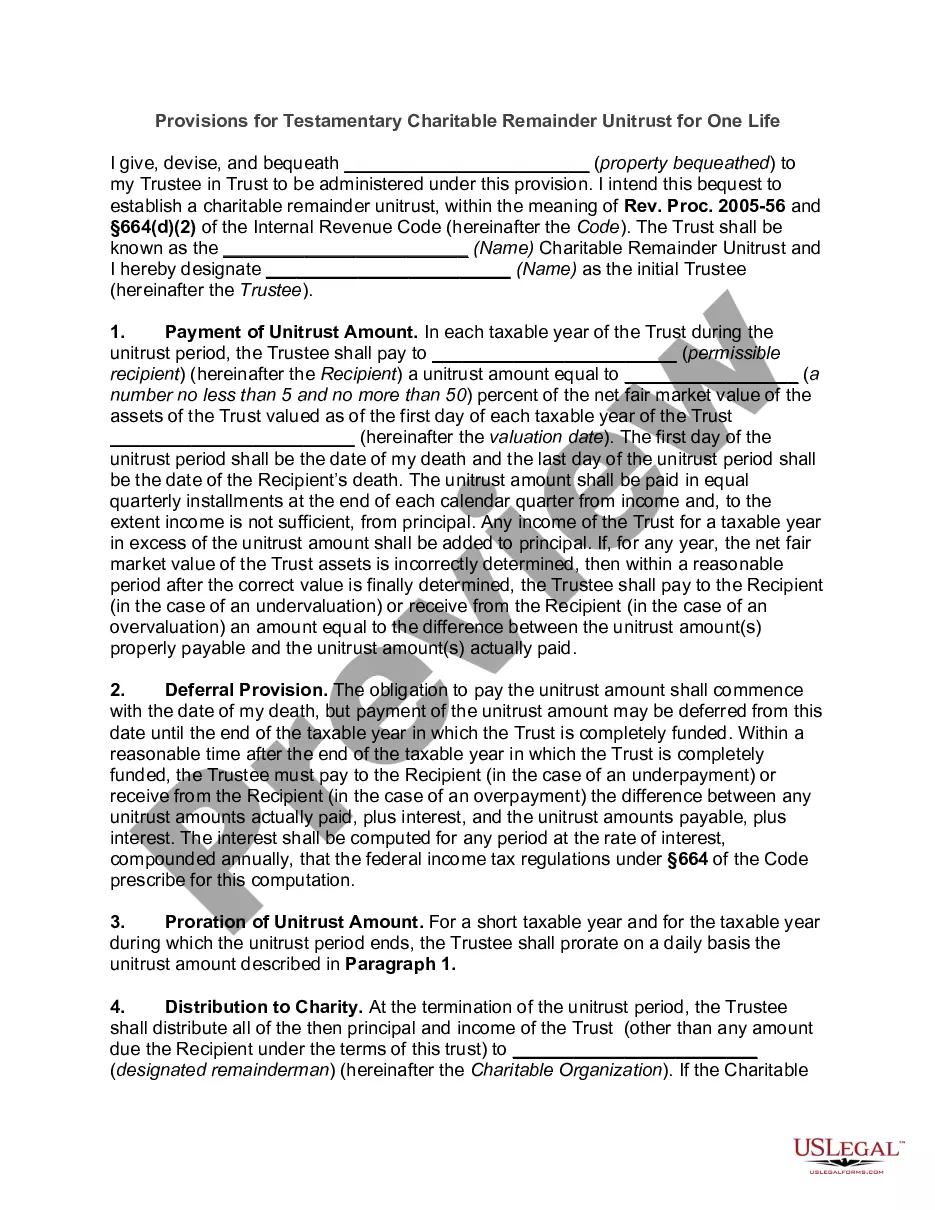
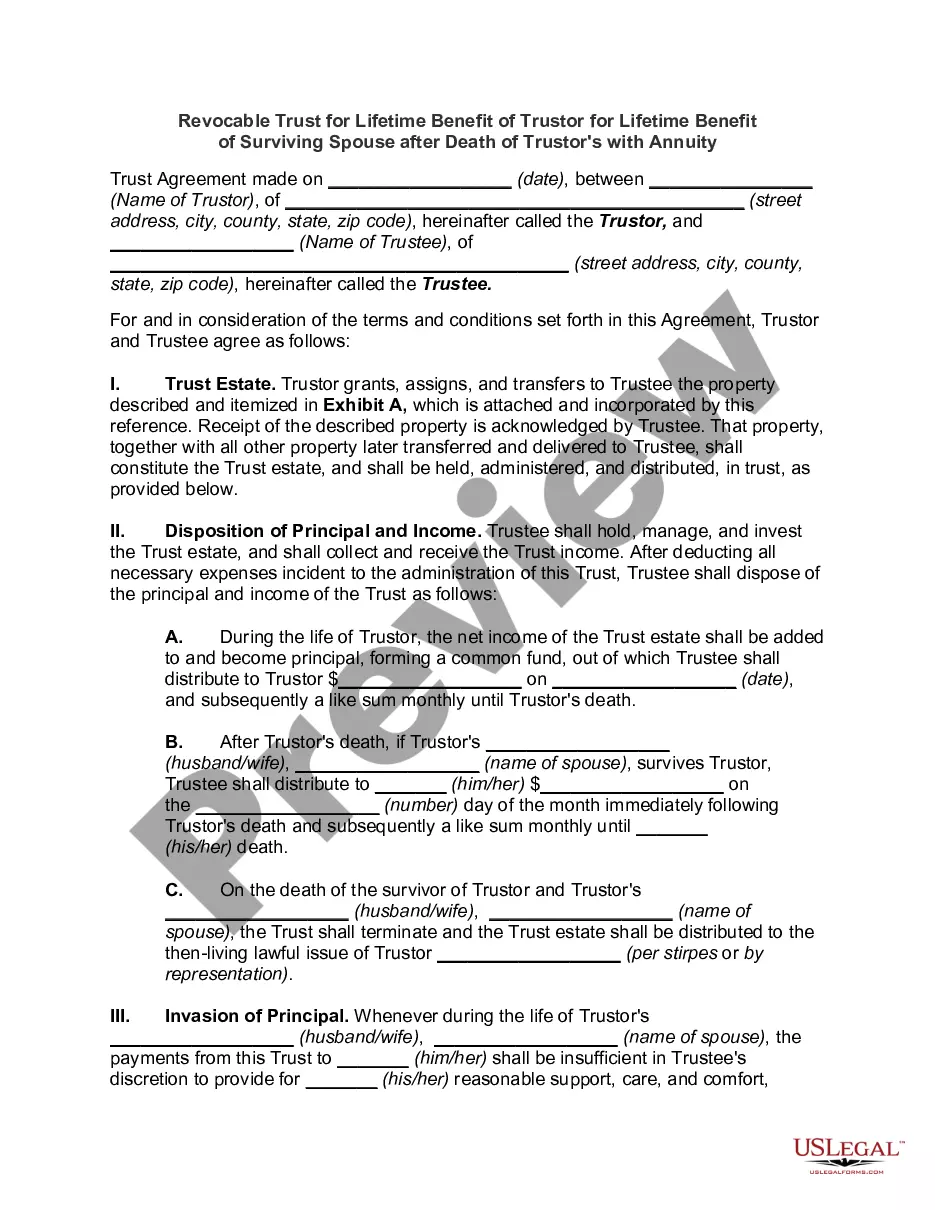
Get your form ready online
Our built-in tools help you complete, sign, share, and store your documents in one place.
Make edits, fill in missing information, and update formatting in US Legal Forms—just like you would in MS Word.
Download a copy, print it, send it by email, or mail it via USPS—whatever works best for your next step.
Sign and collect signatures with our SignNow integration. Send to multiple recipients, set reminders, and more. Go Premium to unlock E-Sign.
If this form requires notarization, complete it online through a secure video call—no need to meet a notary in person or wait for an appointment.
We protect your documents and personal data by following strict security and privacy standards.

Make edits, fill in missing information, and update formatting in US Legal Forms—just like you would in MS Word.

Download a copy, print it, send it by email, or mail it via USPS—whatever works best for your next step.

Sign and collect signatures with our SignNow integration. Send to multiple recipients, set reminders, and more. Go Premium to unlock E-Sign.

If this form requires notarization, complete it online through a secure video call—no need to meet a notary in person or wait for an appointment.

We protect your documents and personal data by following strict security and privacy standards.
Looking for another form?

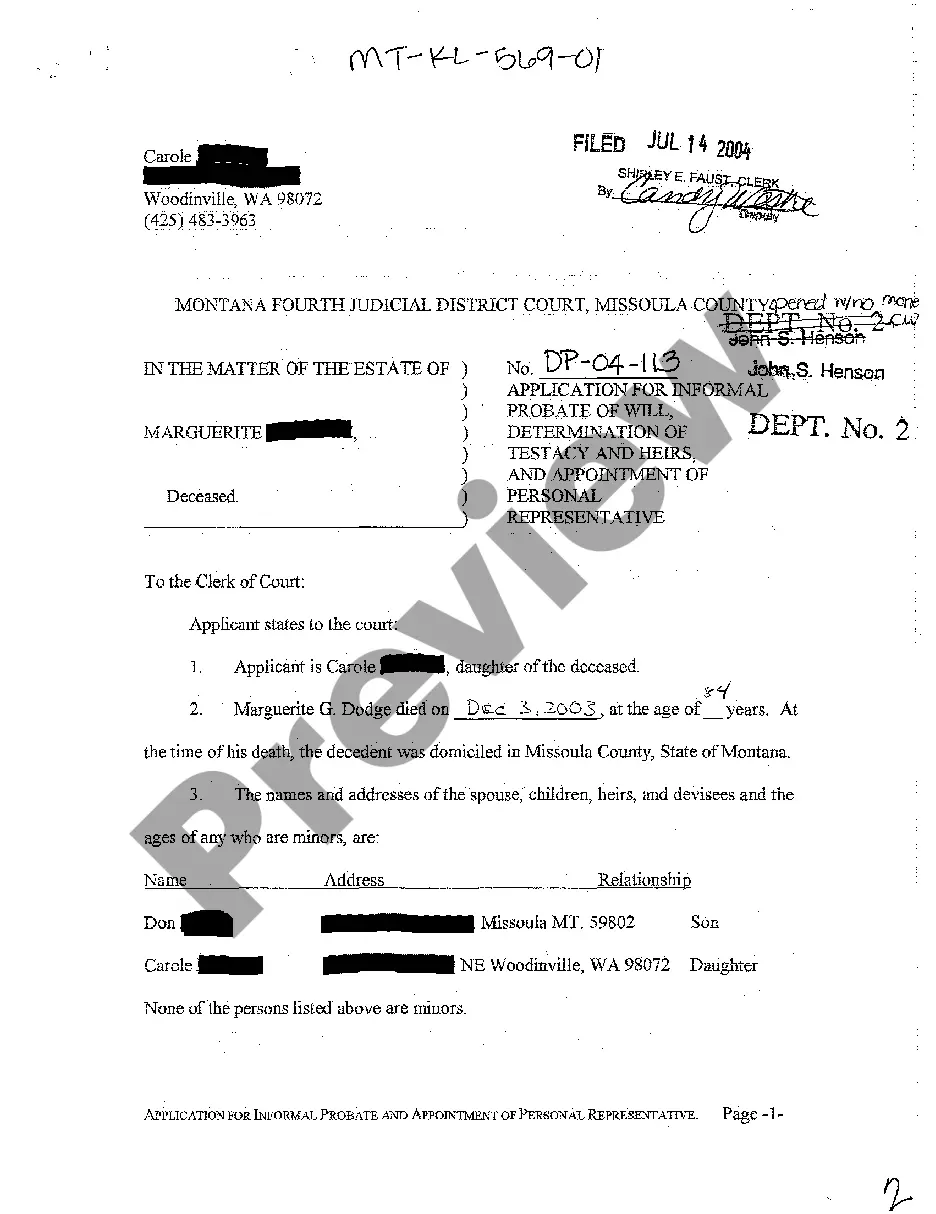
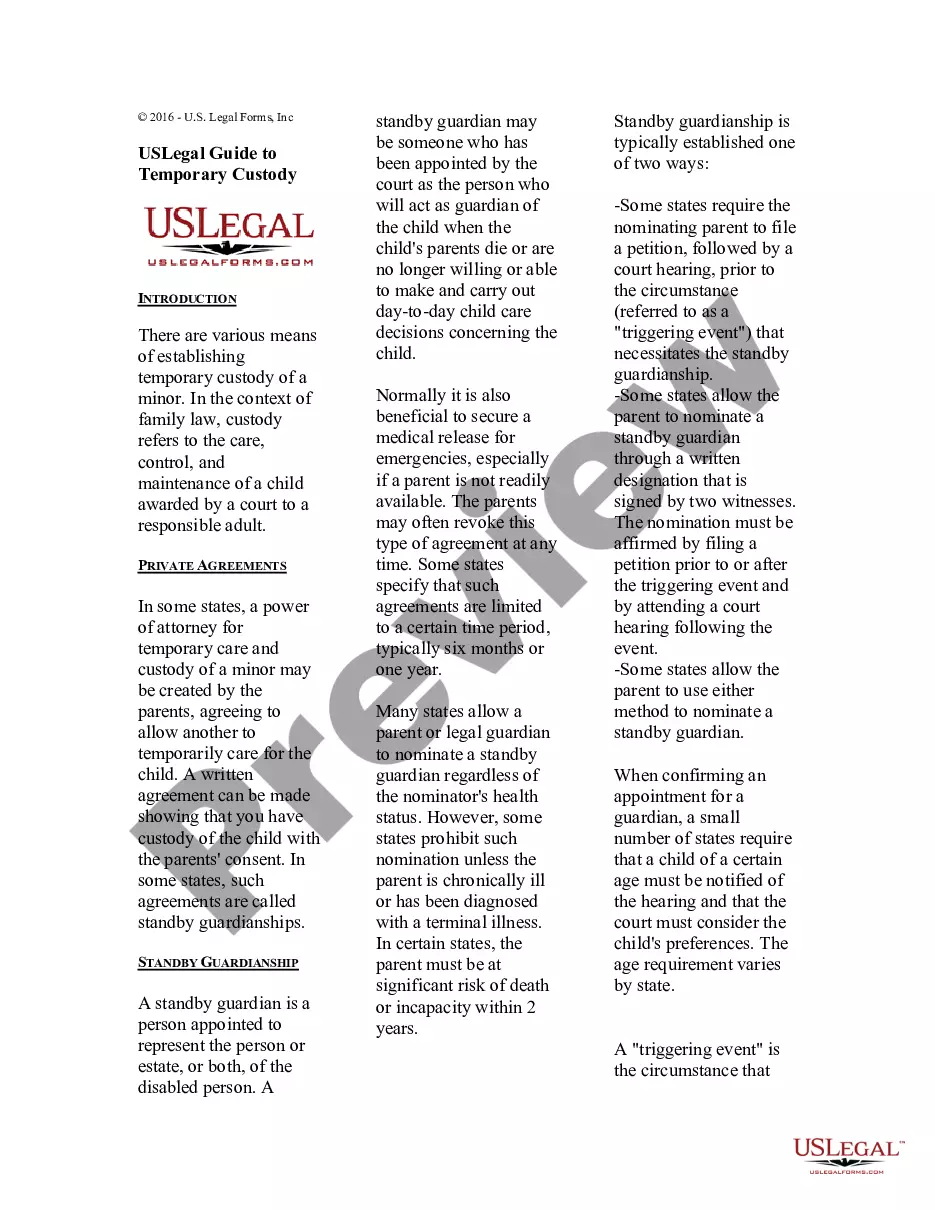
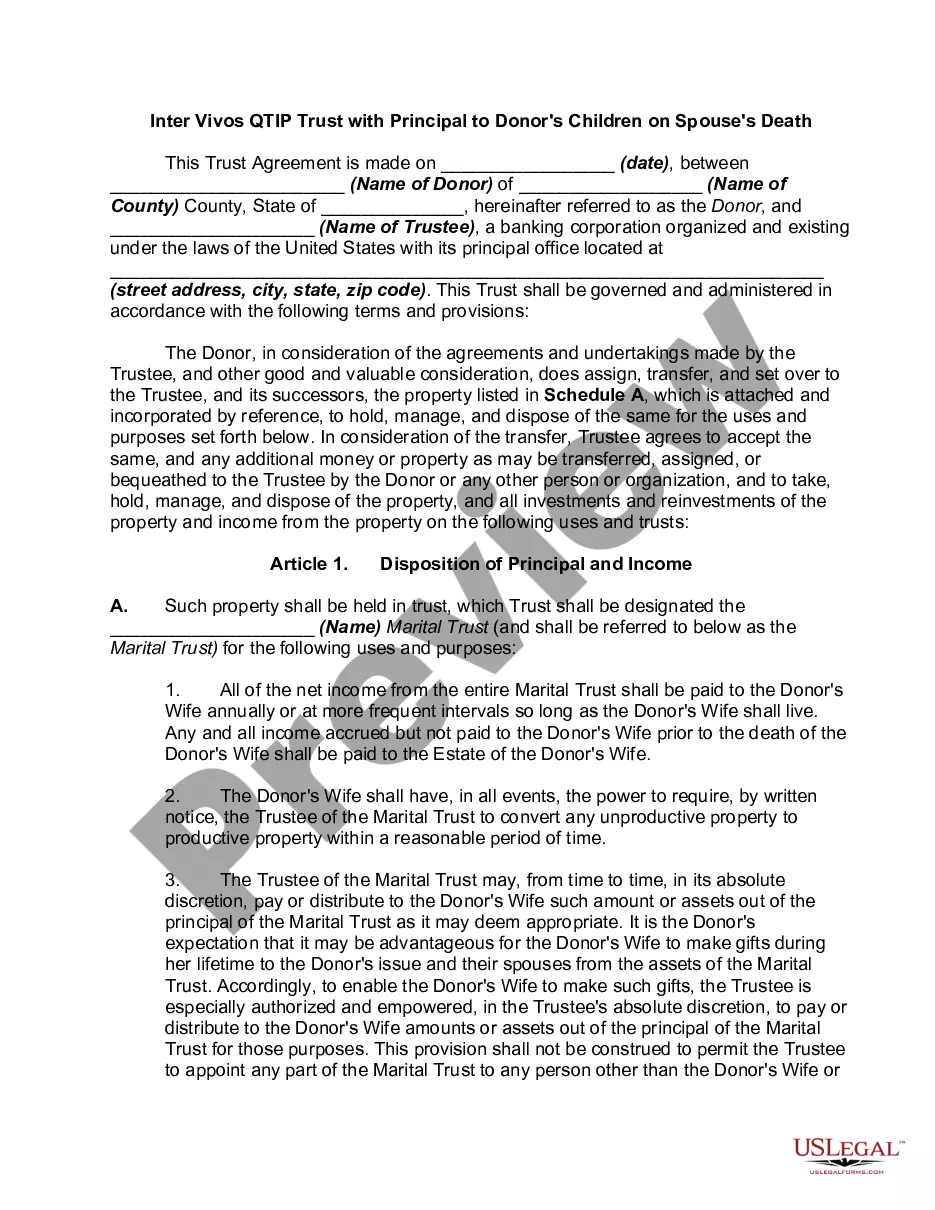
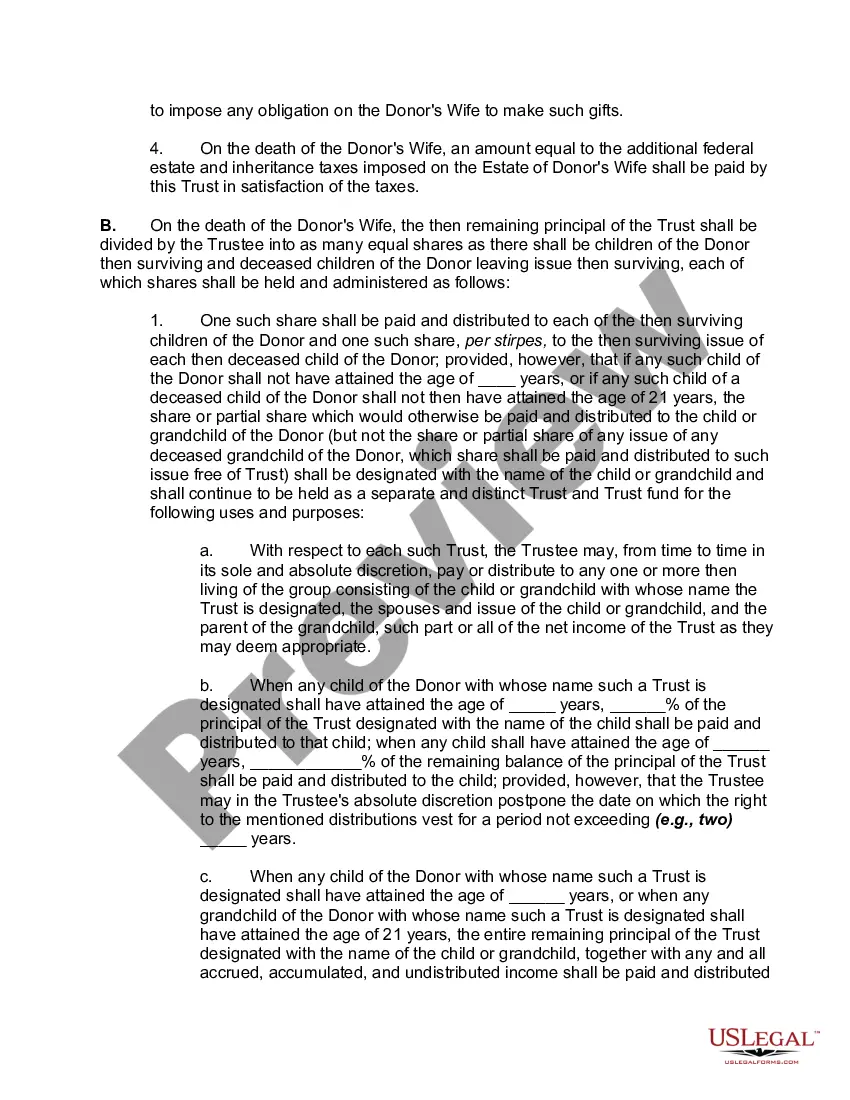
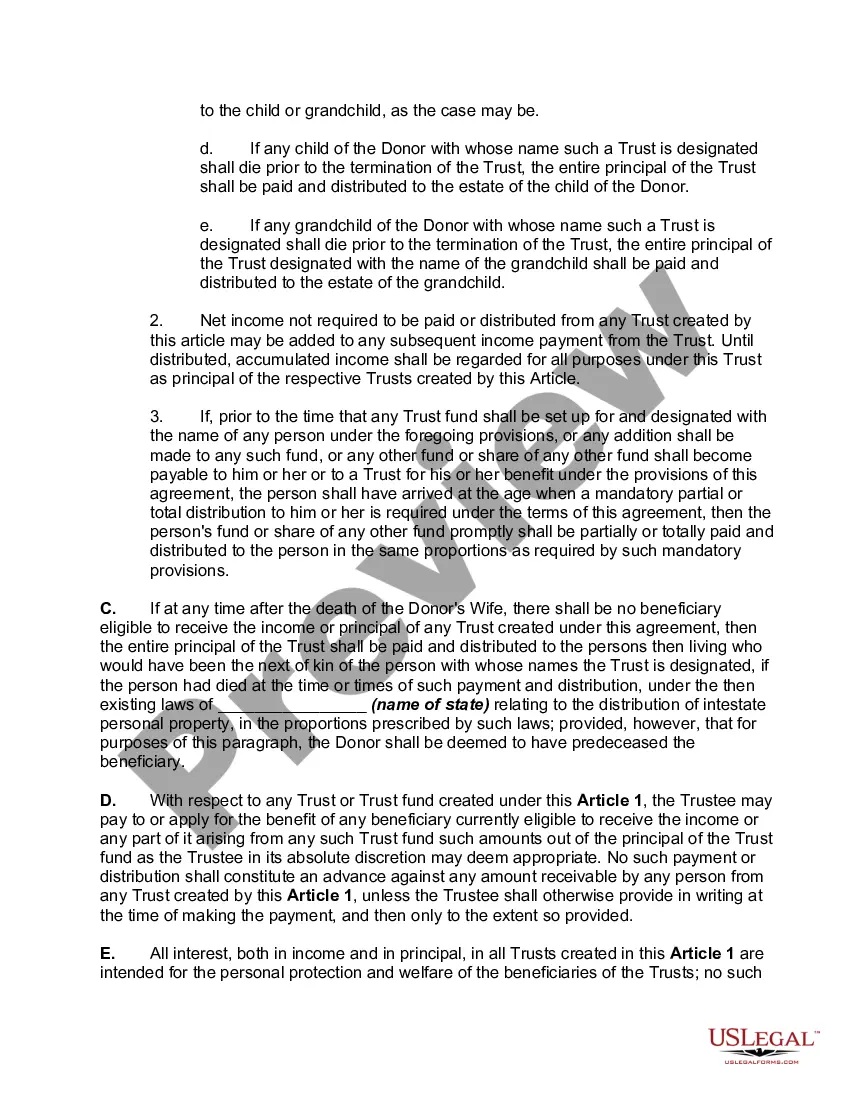
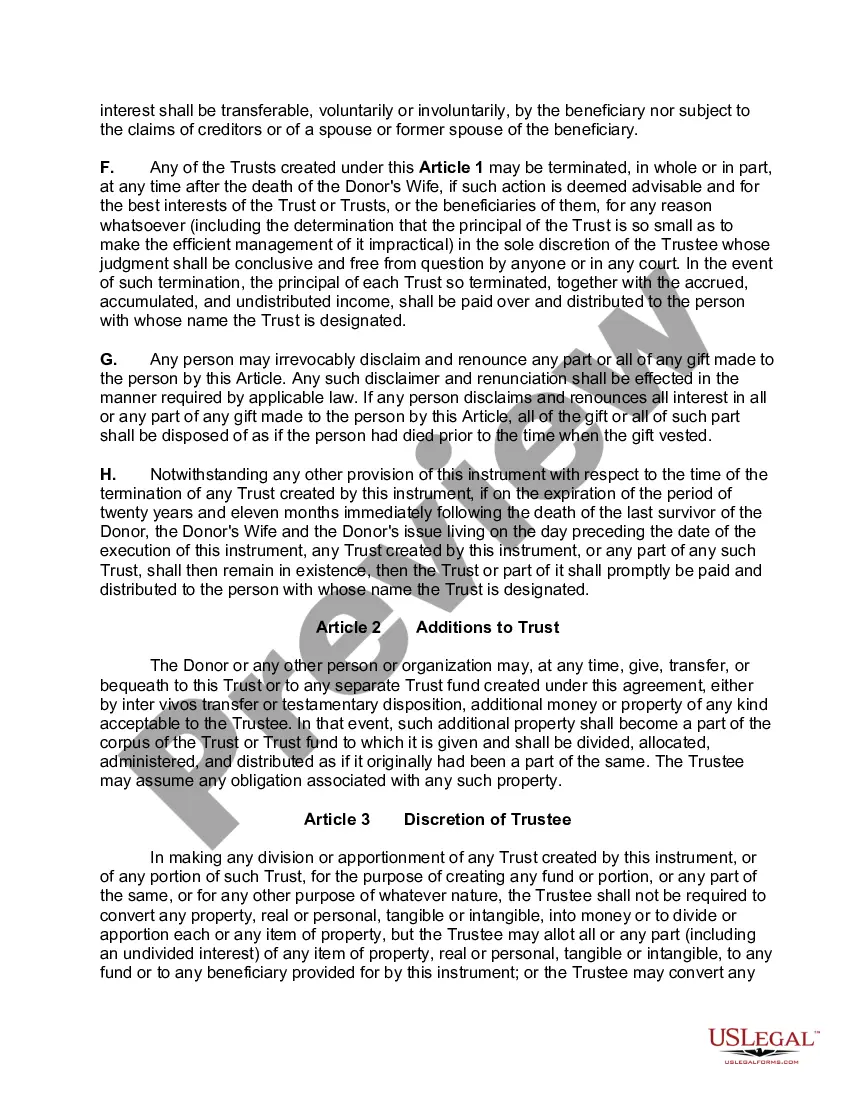
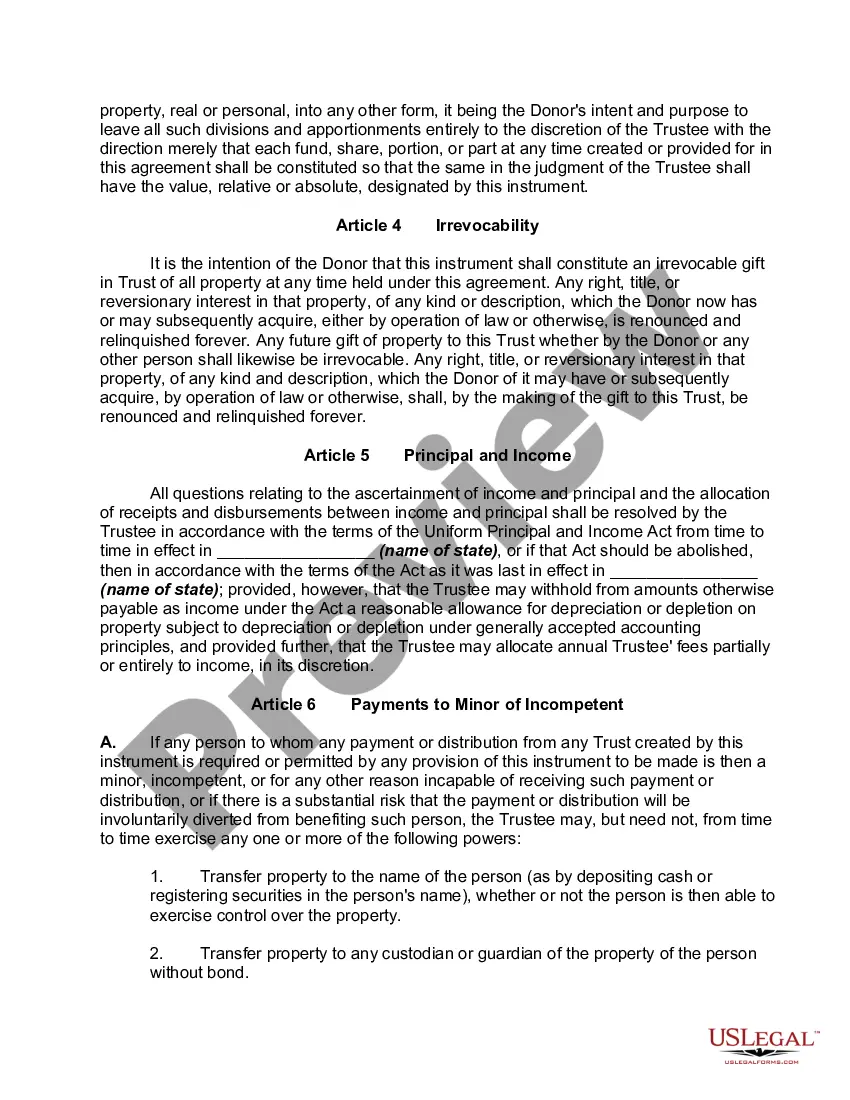
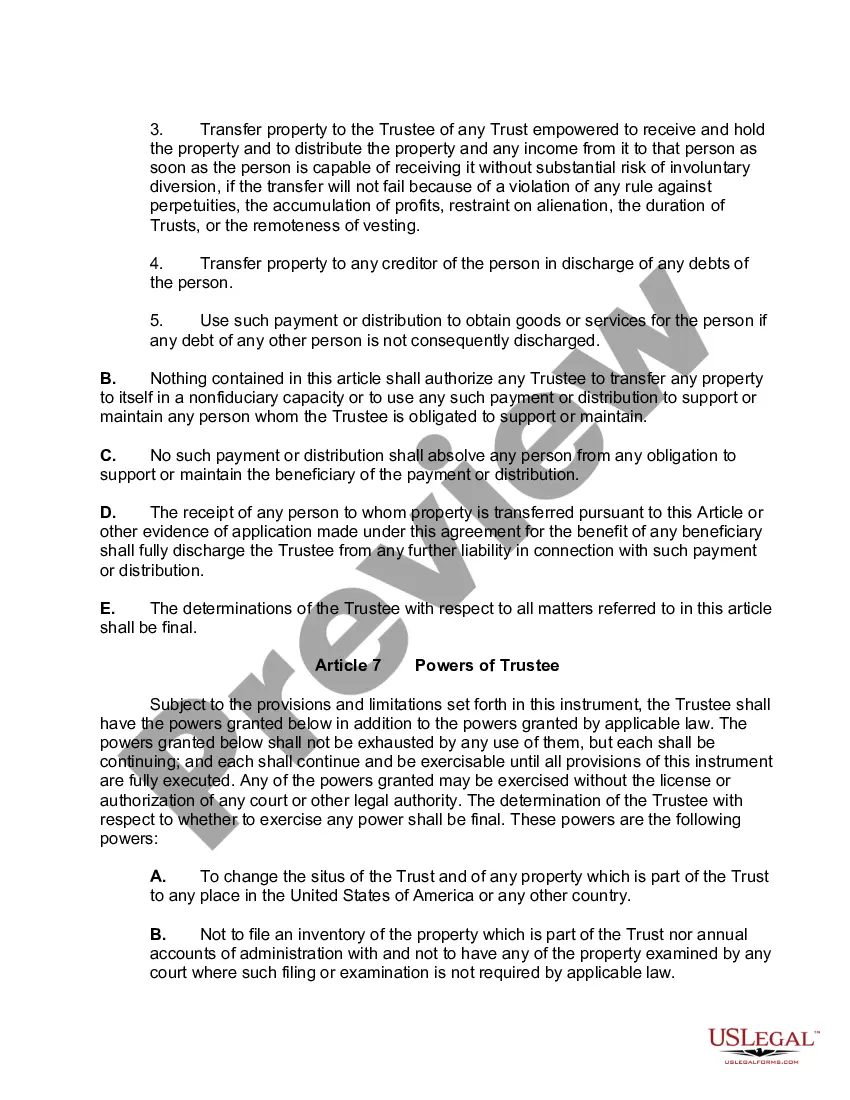
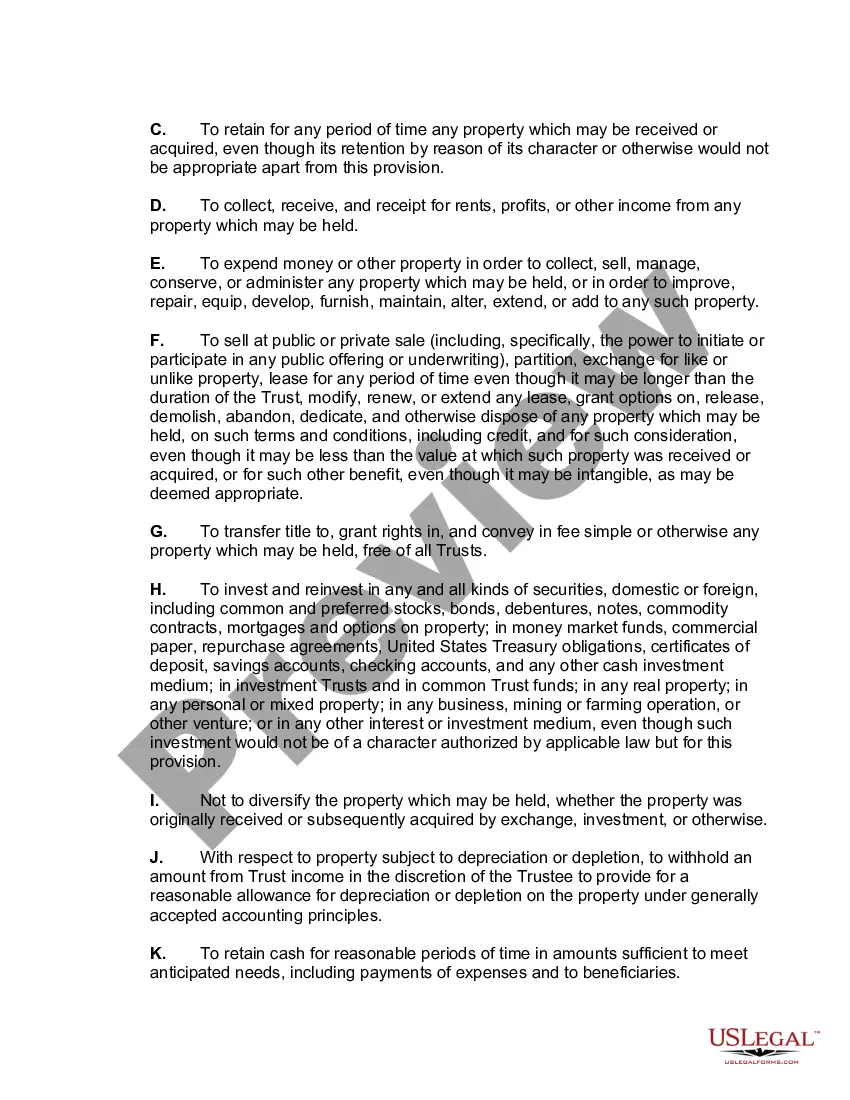
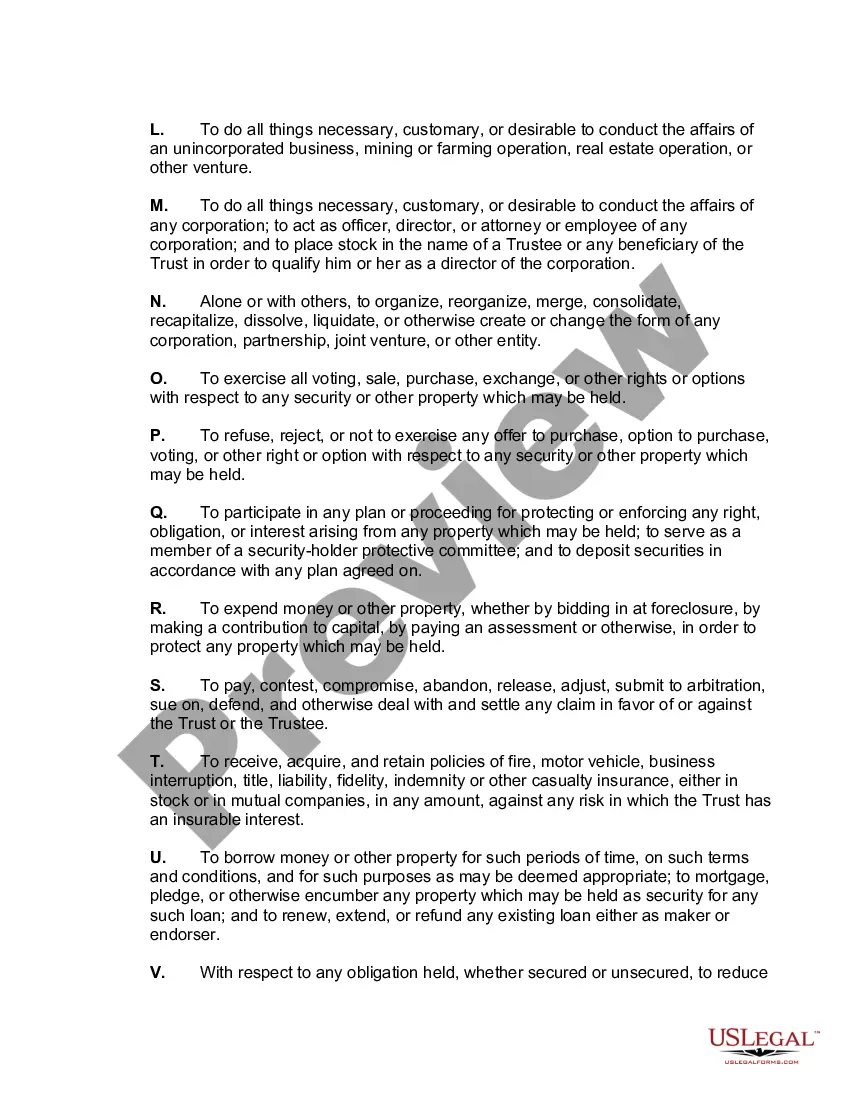
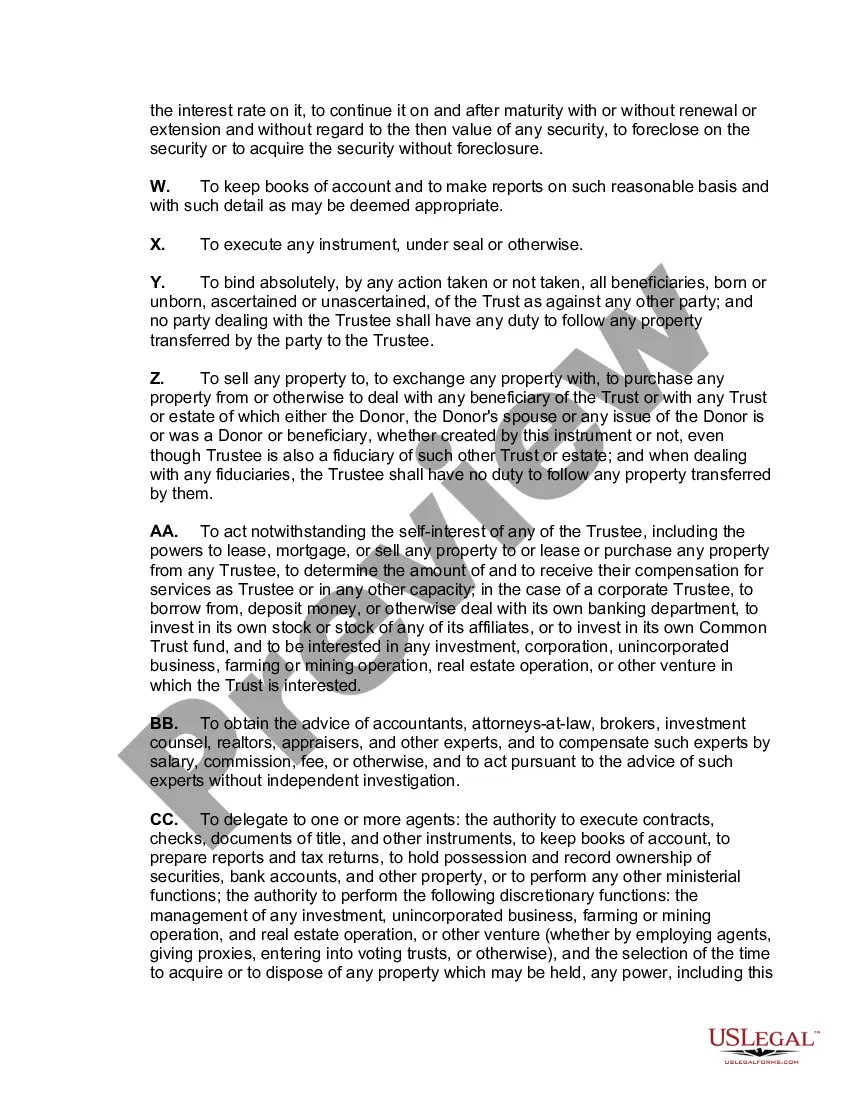
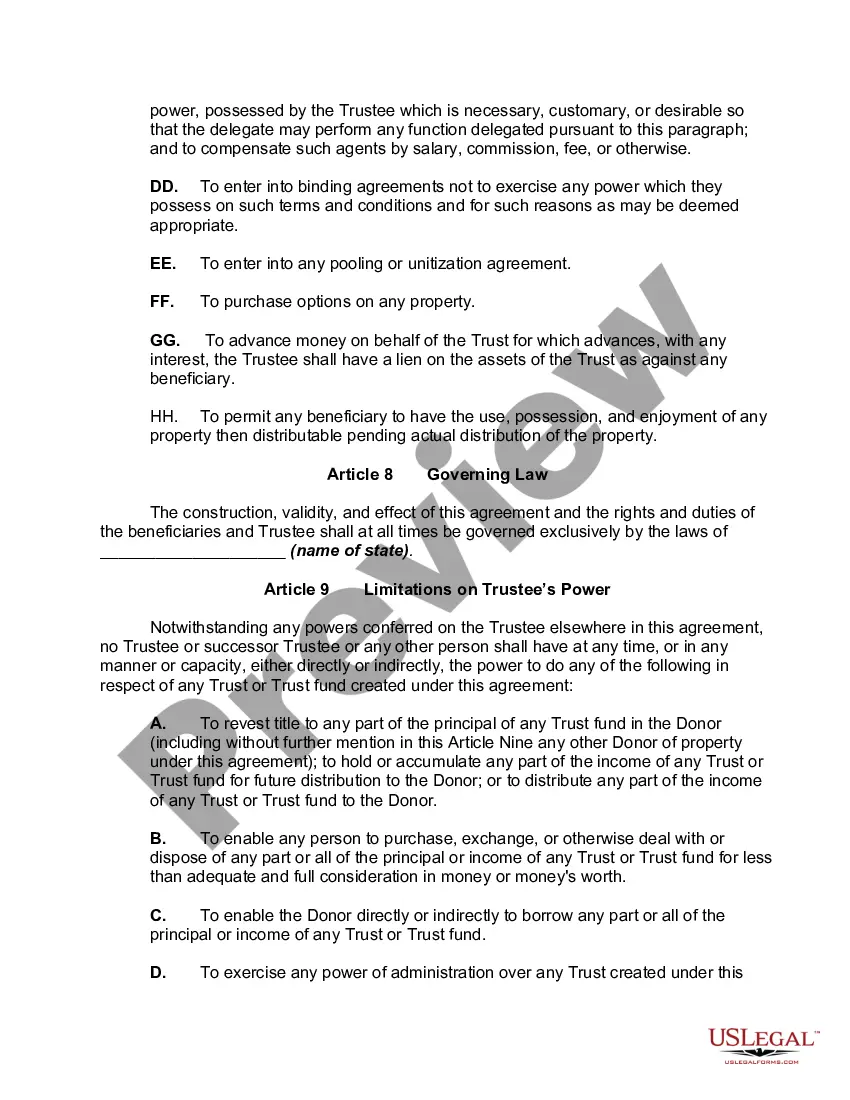
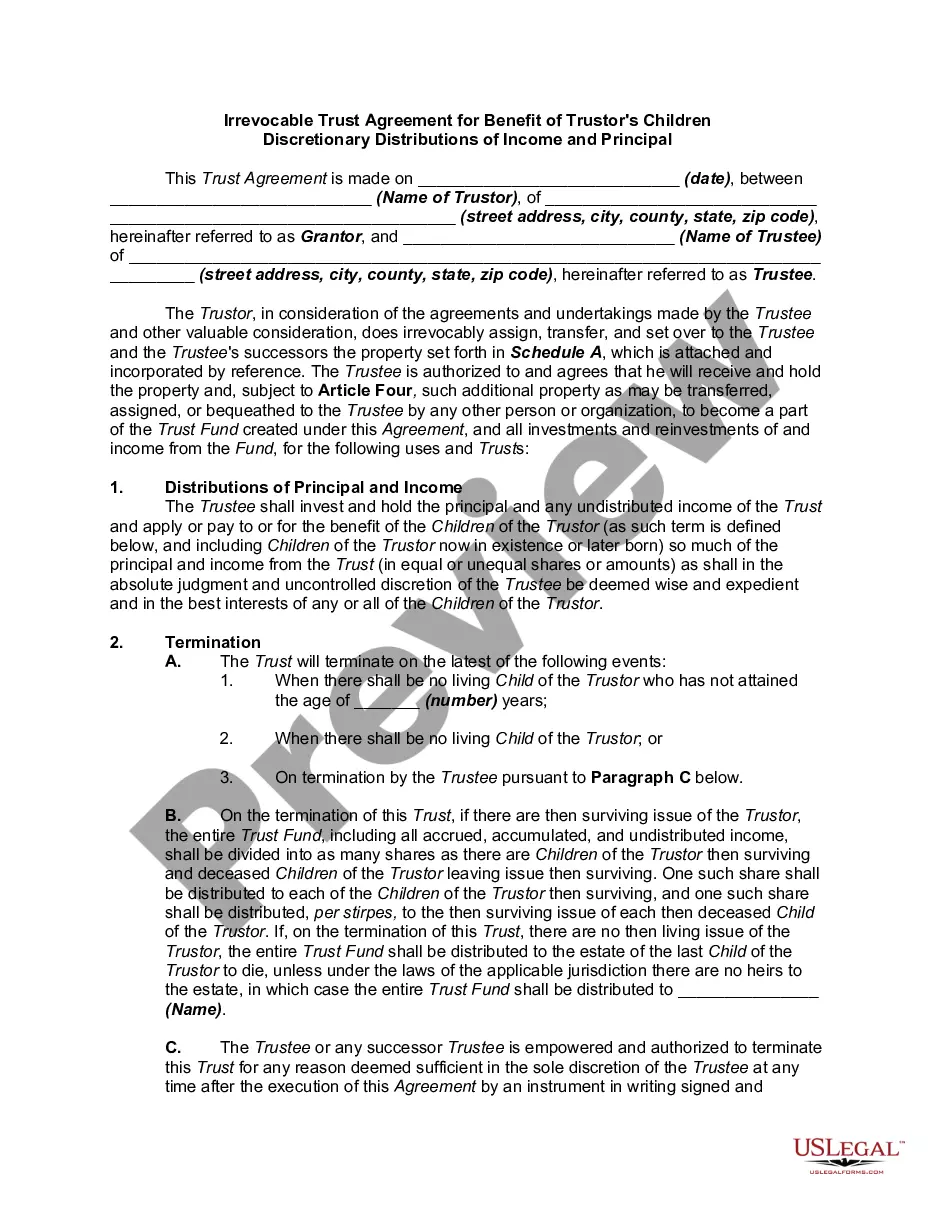
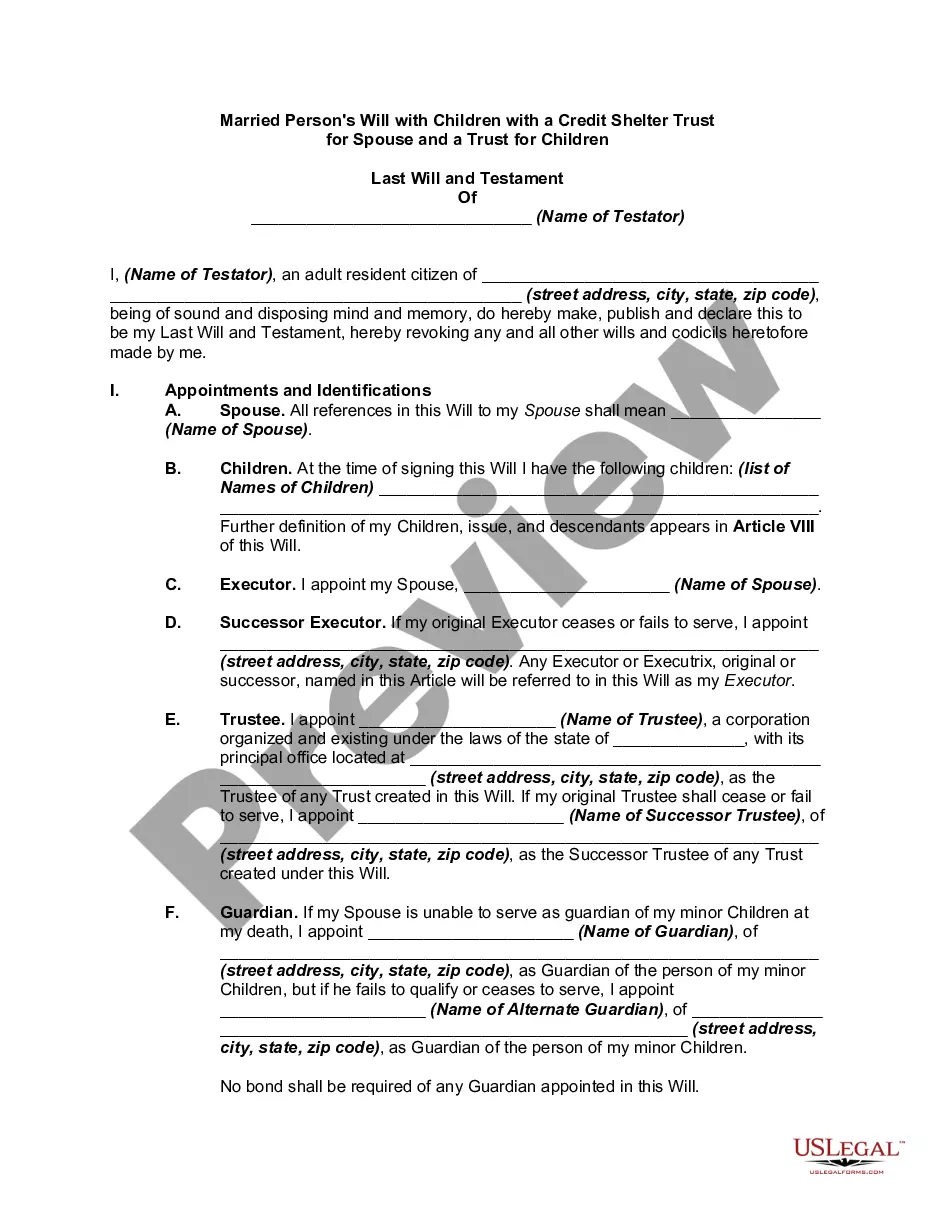
How to fill out Inter Vivos QTIP Trust With Principal To Donor's Children On Spouse's Death?
- If you're a returning user, log in to your account to access your form templates. Ensure your subscription is active; renew it if necessary.
- For first-time users, start by reviewing the Preview mode and form descriptions to select the form that aligns with your needs and local jurisdiction.
- If needed, utilize the Search tab to find additional templates that address your requirements.
- Once the suitable document is identified, click the Buy Now button, select your subscription plan, and create an account to gain access to the entire library.
- Finalize your purchase by entering your payment details, either through credit card or PayPal.
- Download the selected form and save it on your device. You can always revisit it through the My Forms section of your profile.
Taking these steps ensures you have the necessary documentation at your fingertips, allowing for smoother management of trust-related matters during times of loss.
Explore the extensive collection of legal forms at US Legal Forms today to empower yourself with the necessary tools for effective estate planning.
Form popularity
FAQ
The 5 year rule for trusts refers to a specific time frame related to tax implications for certain distributions. If assets are placed in a trust and distributed within five years, they may be subject to capital gains tax and other considerations. Understanding how this rule impacts your estate planning is key. If you want to protect your assets effectively, consider learning more about what happens to a trust when a spouse dies through resources available on USLegalForms.
Generally, a will does not override a trust after death. A trust typically governs the distribution of the trust's assets, while a will addresses assets not included in the trust. Therefore, it’s important to consider how both documents work together. Clarifying what happens to a trust when a spouse dies can help avoid potential conflicts between a will and a trust.
When a spouse dies, the financial landscape can change significantly. Typically, the deceased spouse’s assets transfer to the surviving spouse or designated beneficiaries, depending on the estate plan. Additionally, any trusts in place may dictate how these assets are managed. Understanding what happens to a trust when a spouse dies is crucial for ensuring that financial matters are handled in accordance with the deceased’s wishes.
Settling a trust after death involves several steps, including identifying and valuing the trust assets and paying any debts or taxes. The trustee will follow the trust’s provisions to distribute assets to beneficiaries. This process can vary based on state laws and the complexity of the trust. Using resources like USLegalForms can streamline the process, ensuring all legal requirements are met accurately.
A major disadvantage of a trust is the potential for complexity in administration. Trusts can require ongoing management, legal fees, and tax considerations that may not be immediately apparent. Additionally, if a trust is not structured correctly, it might not provide the intended benefits for the surviving spouse. This complexity emphasizes the importance of consulting experts when establishing your trust.
After your spouse dies, avoid making impulsive decisions about the trust or assets. It’s important not to rush into changes without fully understanding the legal and tax implications. Refrain from altering beneficiary designations or selling assets hastily. Take your time to gather information and seek advice to navigate this challenging period effectively.
When one spouse dies, a trust activates its terms to manage the deceased spouse's assets. The surviving spouse usually continues to have access to the trust's benefits, but certain changes might occur in ownership and distributions. It’s essential to review the trust carefully to know your rights and responsibilities. Consulting with a legal professional can help clarify what happens to a trust when a spouse dies.
When one spouse dies in a trust, the trust typically becomes irrevocable. This means the terms cannot be changed, and the assets will be distributed according to the trust's provisions. The surviving spouse may have specific rights to the assets, depending on state laws and the trust's structure. Understanding the implications is crucial to ensure proper management and distribution of the trust.
Typically, a trust cannot be altered once established, especially if it is irrevocable. If the trust is revocable, the surviving spouse can modify the trust terms unless specific limitations are imposed. Therefore, understanding what happens to a trust when a spouse dies can significantly affect future decisions regarding asset management and beneficiaries. For those needing guidance, the US Legal Forms platform provides resources to assist in navigating these situations effectively.
An irrevocable trust remains in place even after the death of one spouse. The terms set forth in the trust document govern how the assets are managed and distributed. In many cases, the surviving spouse may continue to receive benefits from the trust, while the beneficiaries and their allocations remain unchanged. Grasping what happens to a trust when a spouse dies, particularly in irrevocable trusts, is crucial for effective estate planning.