Trust Spouses Death With A Will
Description
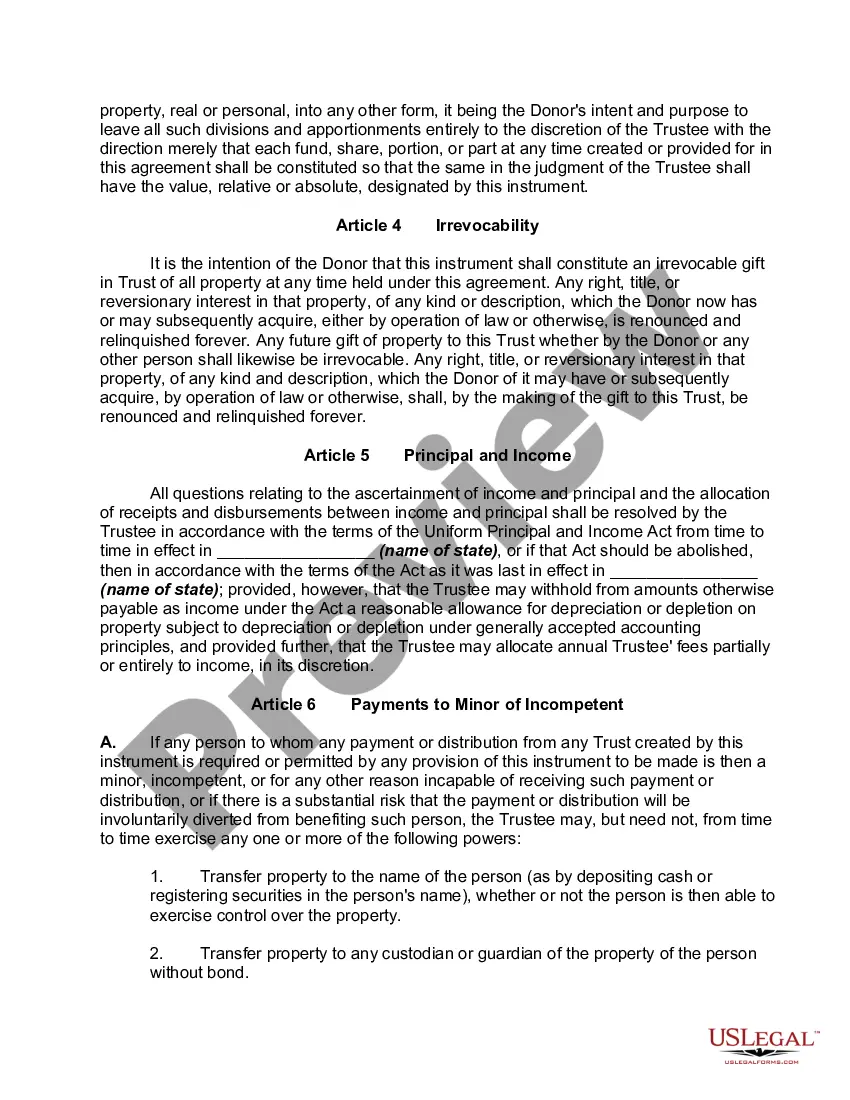
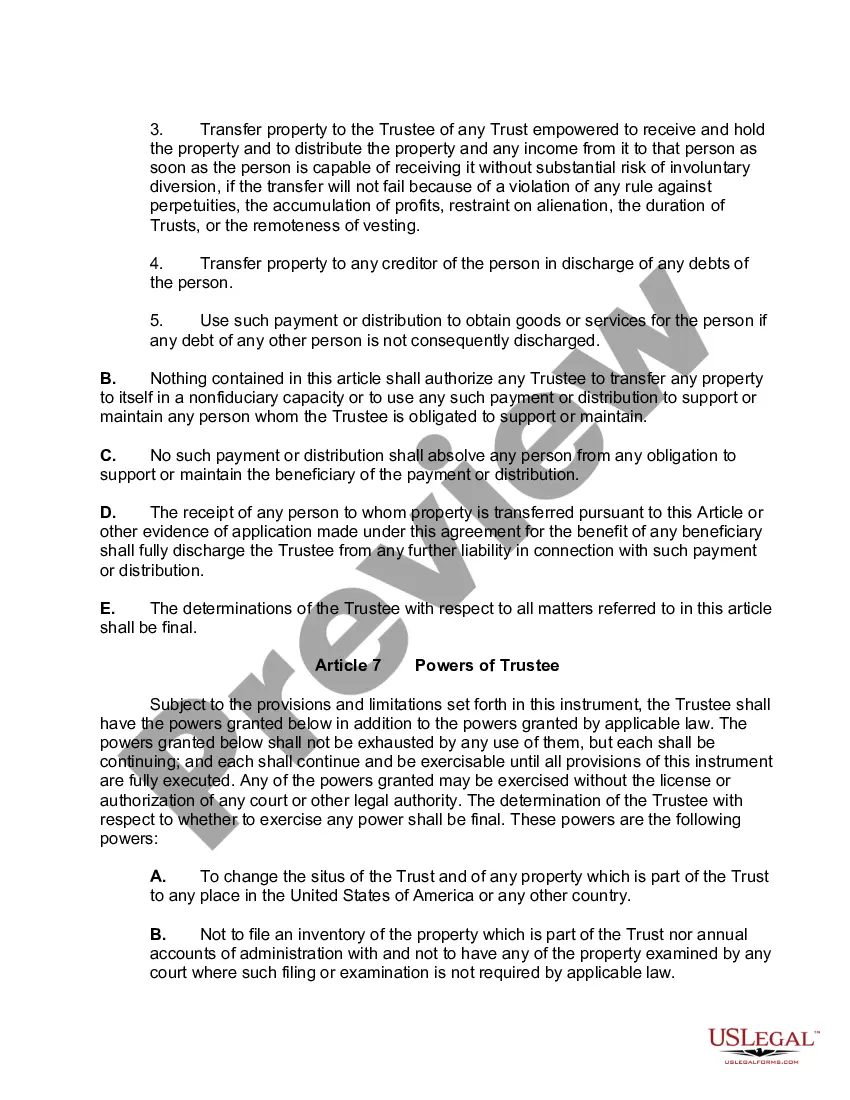
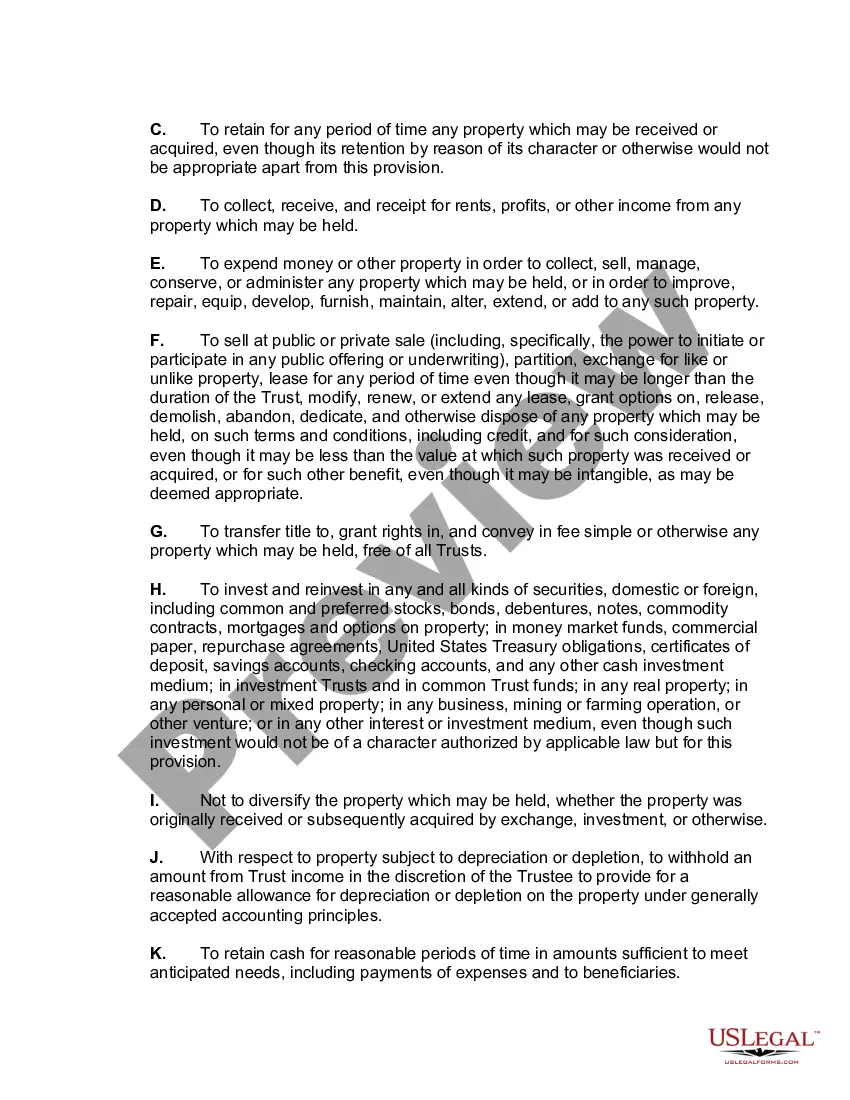
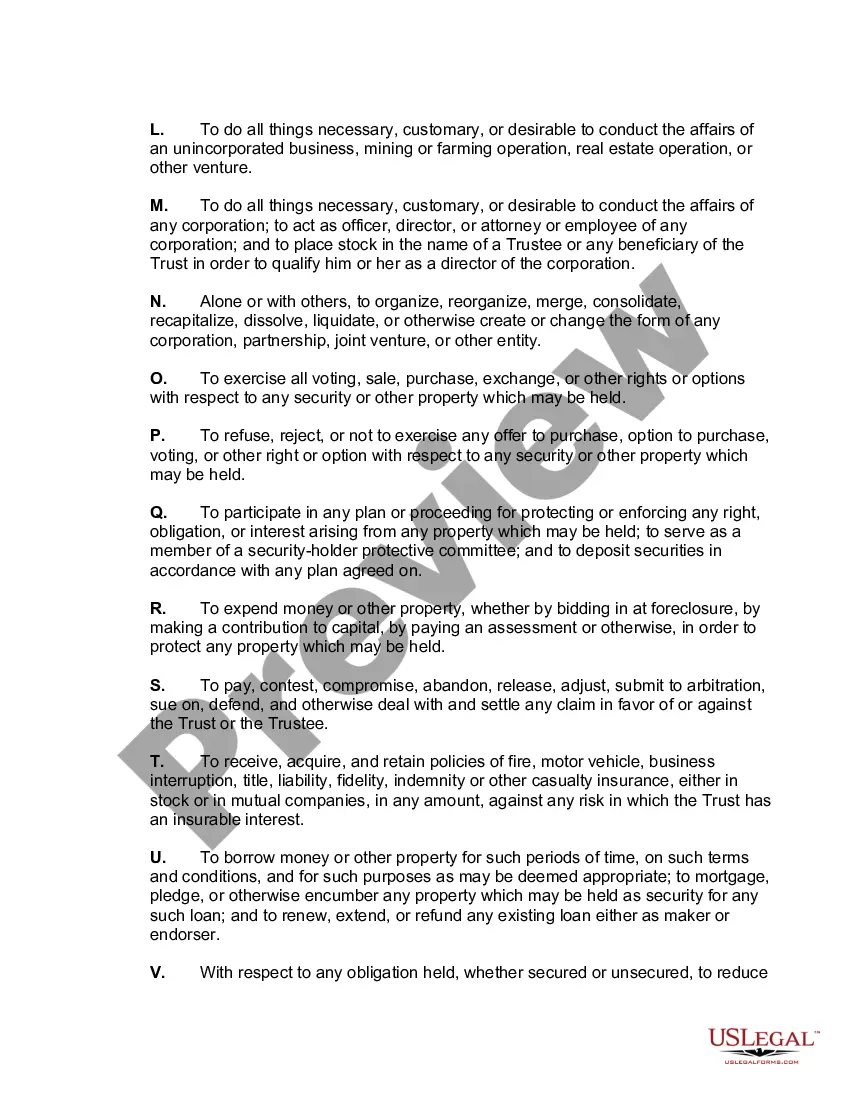
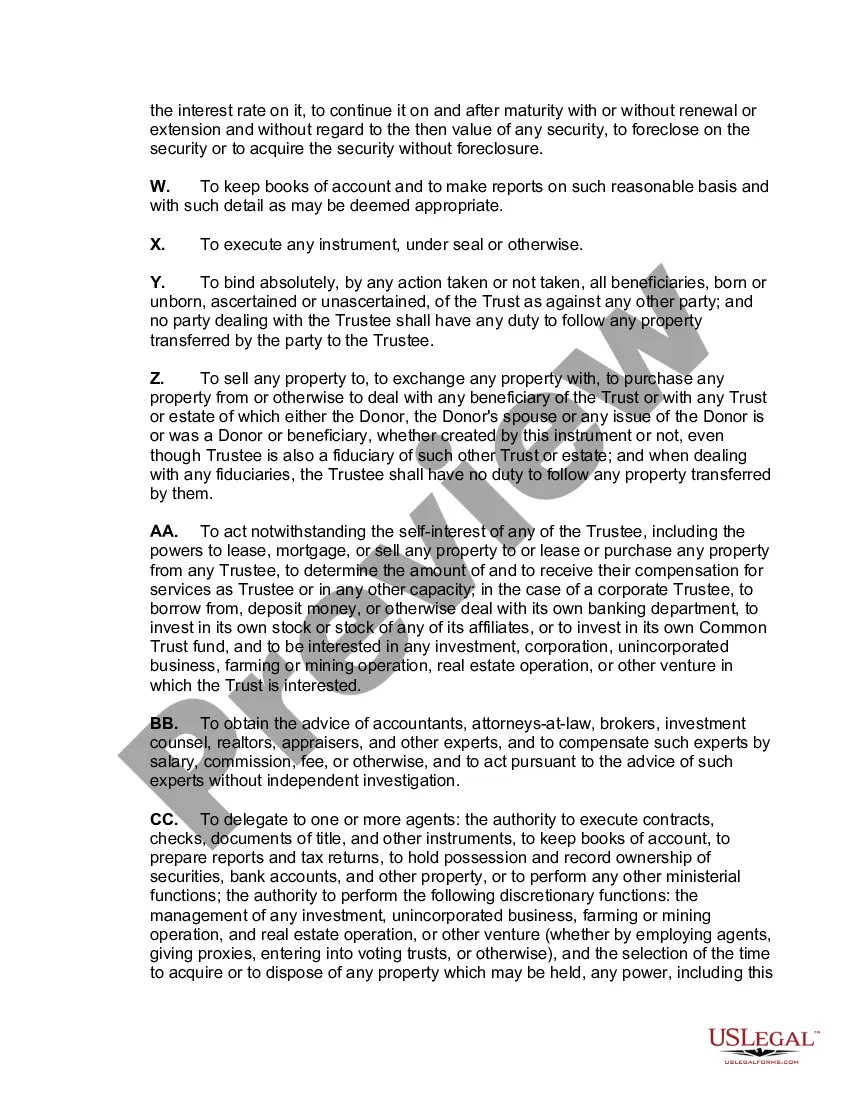
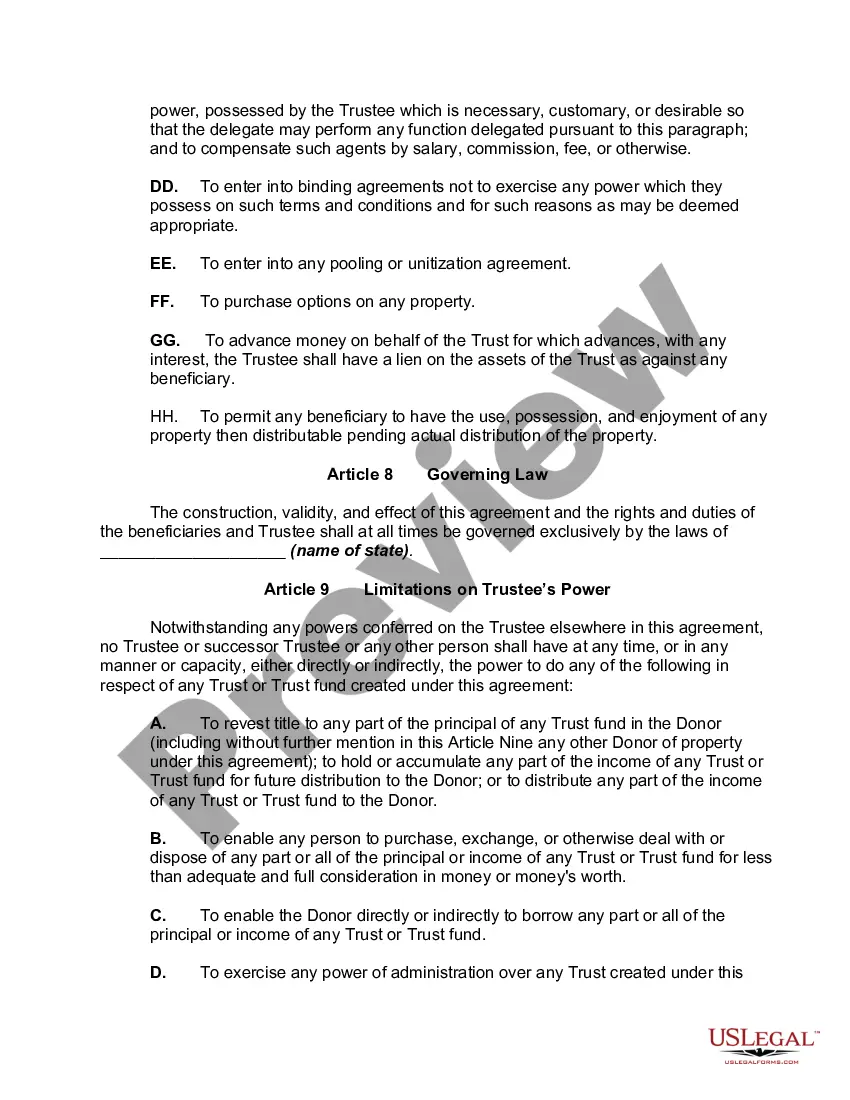

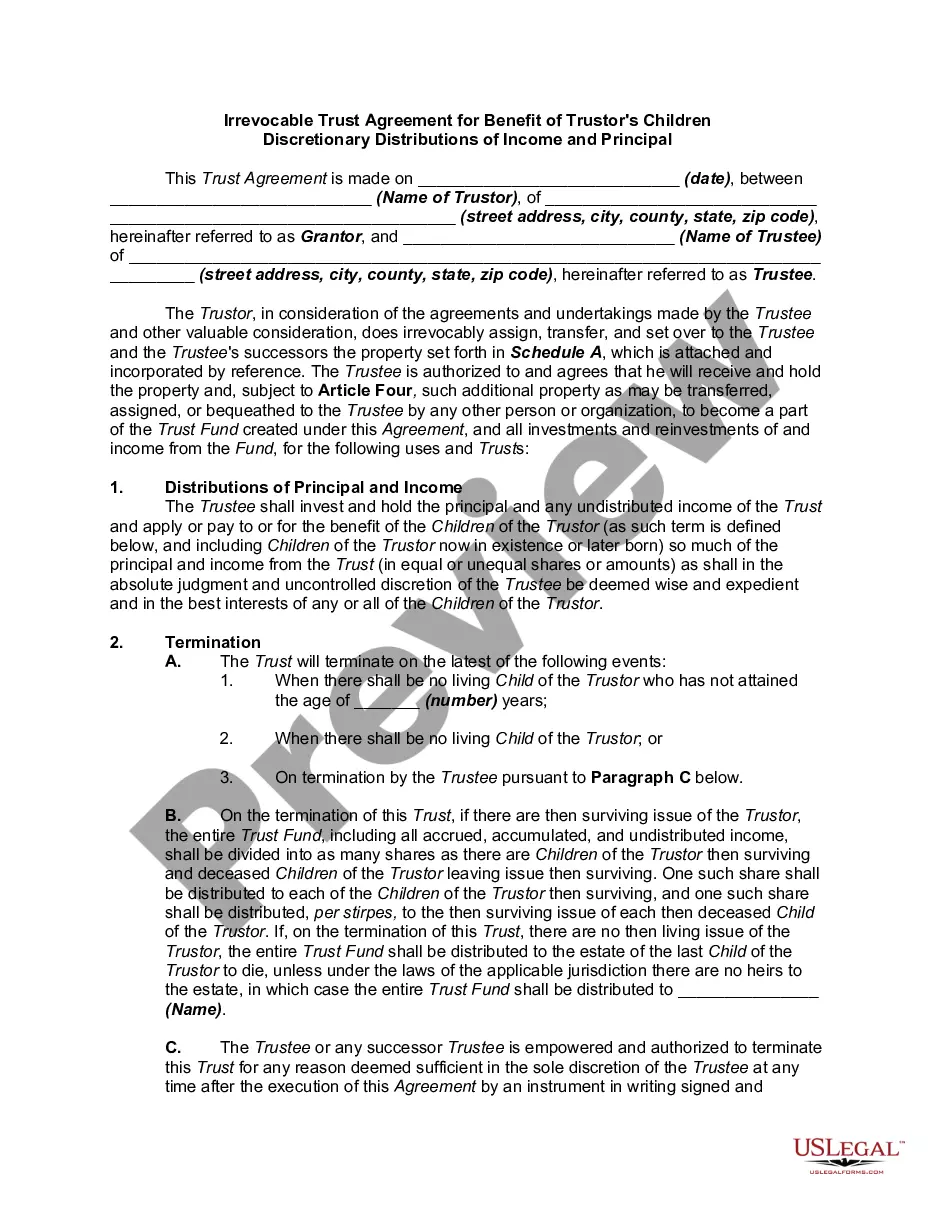
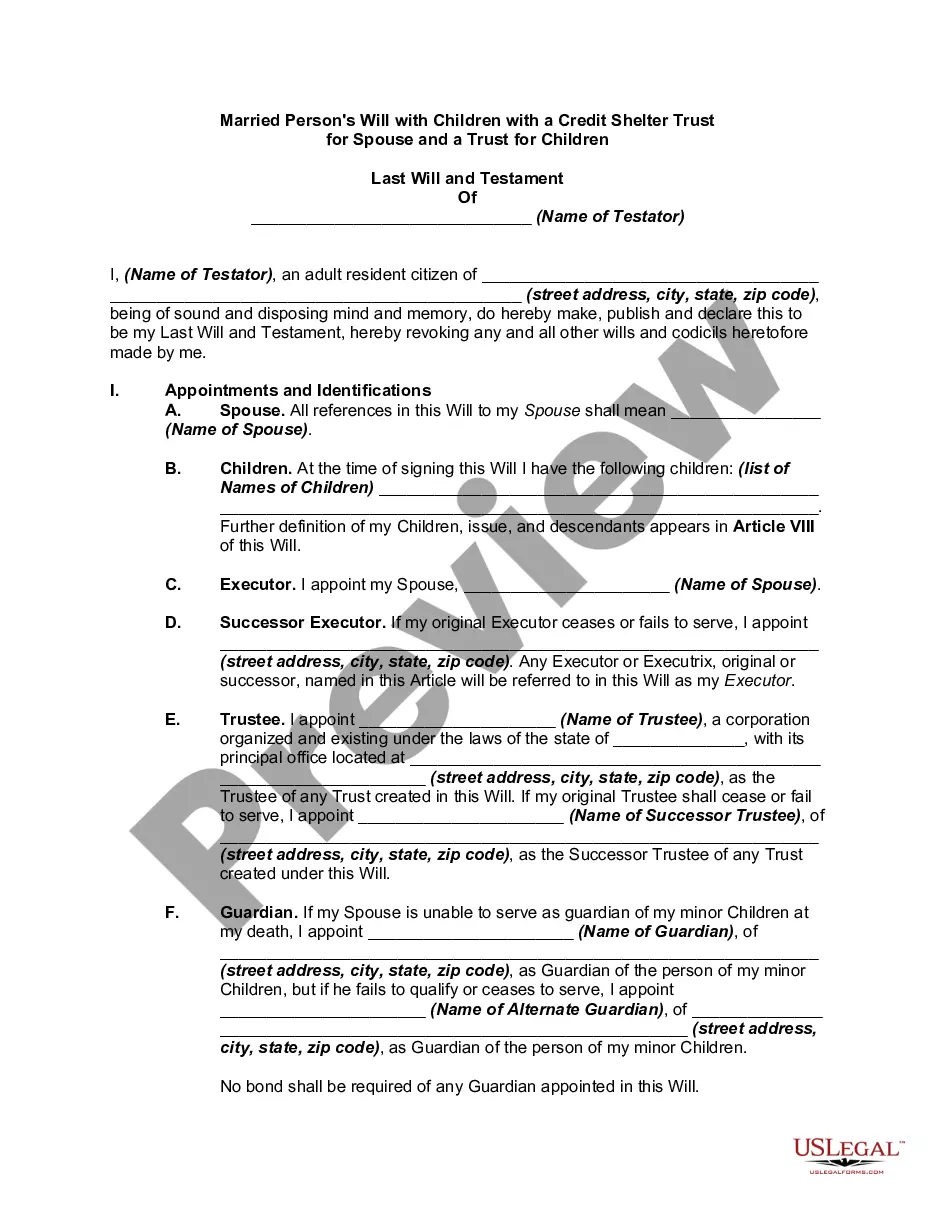
Get your form ready online
Our built-in tools help you complete, sign, share, and store your documents in one place.
Make edits, fill in missing information, and update formatting in US Legal Forms—just like you would in MS Word.
Download a copy, print it, send it by email, or mail it via USPS—whatever works best for your next step.
Sign and collect signatures with our SignNow integration. Send to multiple recipients, set reminders, and more. Go Premium to unlock E-Sign.
If this form requires notarization, complete it online through a secure video call—no need to meet a notary in person or wait for an appointment.
We protect your documents and personal data by following strict security and privacy standards.

Make edits, fill in missing information, and update formatting in US Legal Forms—just like you would in MS Word.

Download a copy, print it, send it by email, or mail it via USPS—whatever works best for your next step.

Sign and collect signatures with our SignNow integration. Send to multiple recipients, set reminders, and more. Go Premium to unlock E-Sign.

If this form requires notarization, complete it online through a secure video call—no need to meet a notary in person or wait for an appointment.

We protect your documents and personal data by following strict security and privacy standards.
Looking for another form?



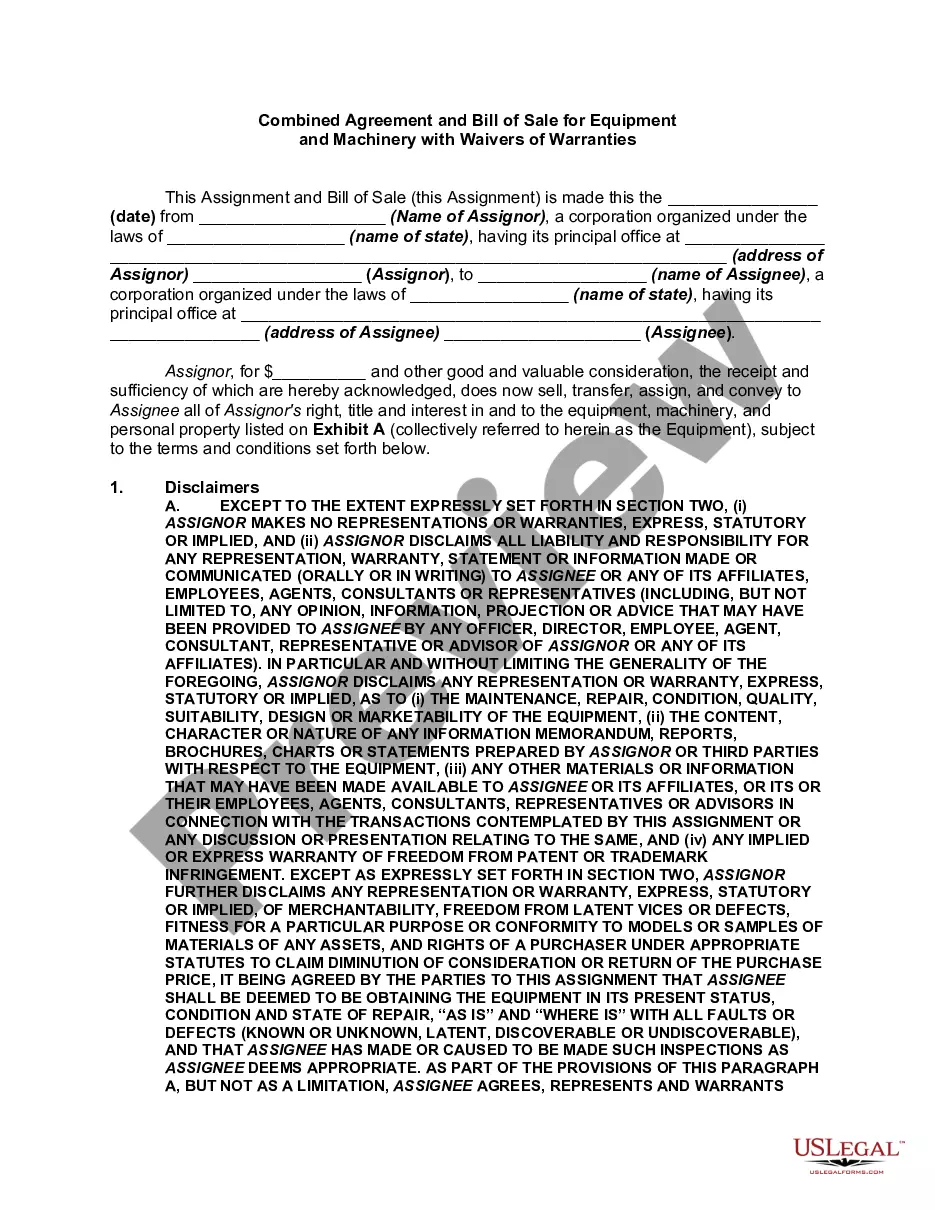
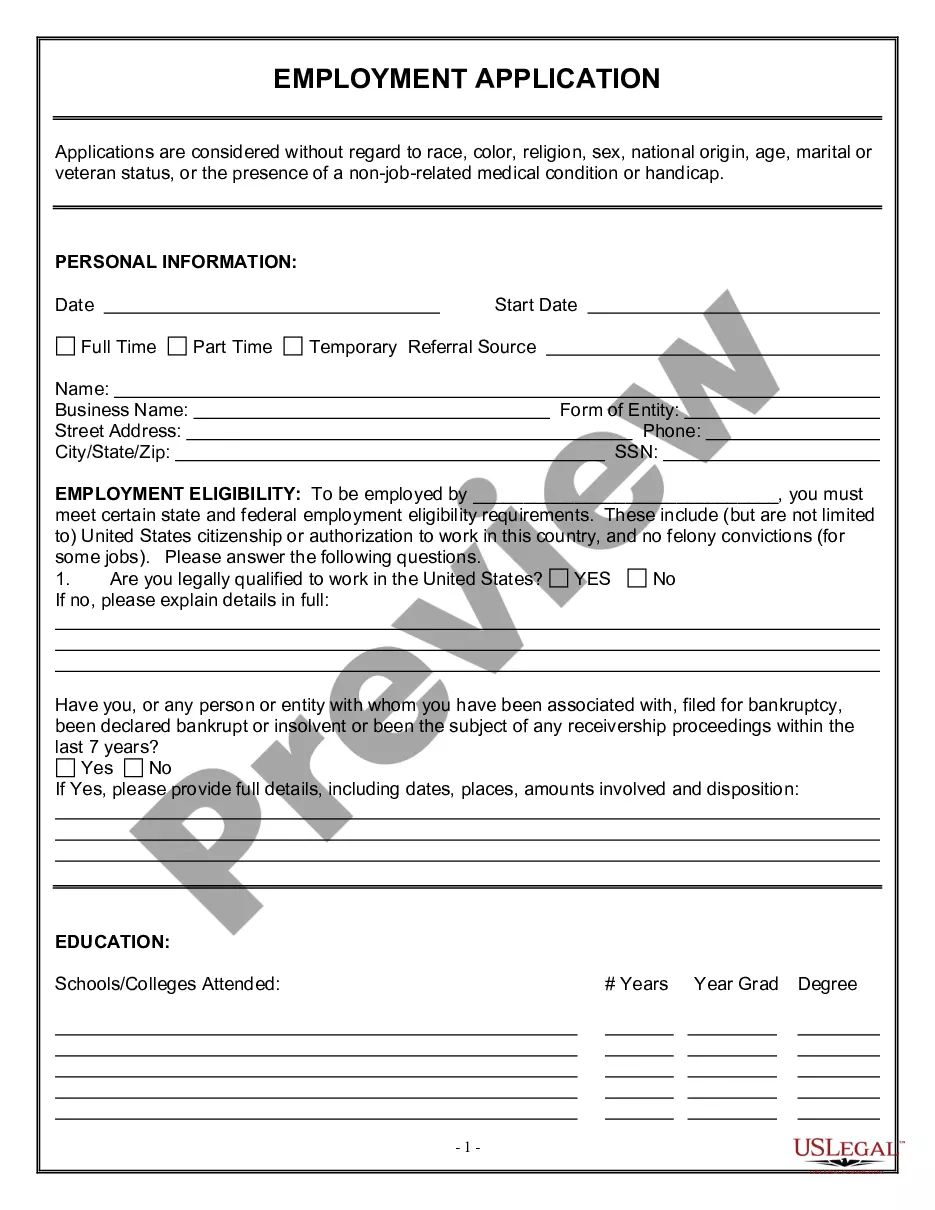



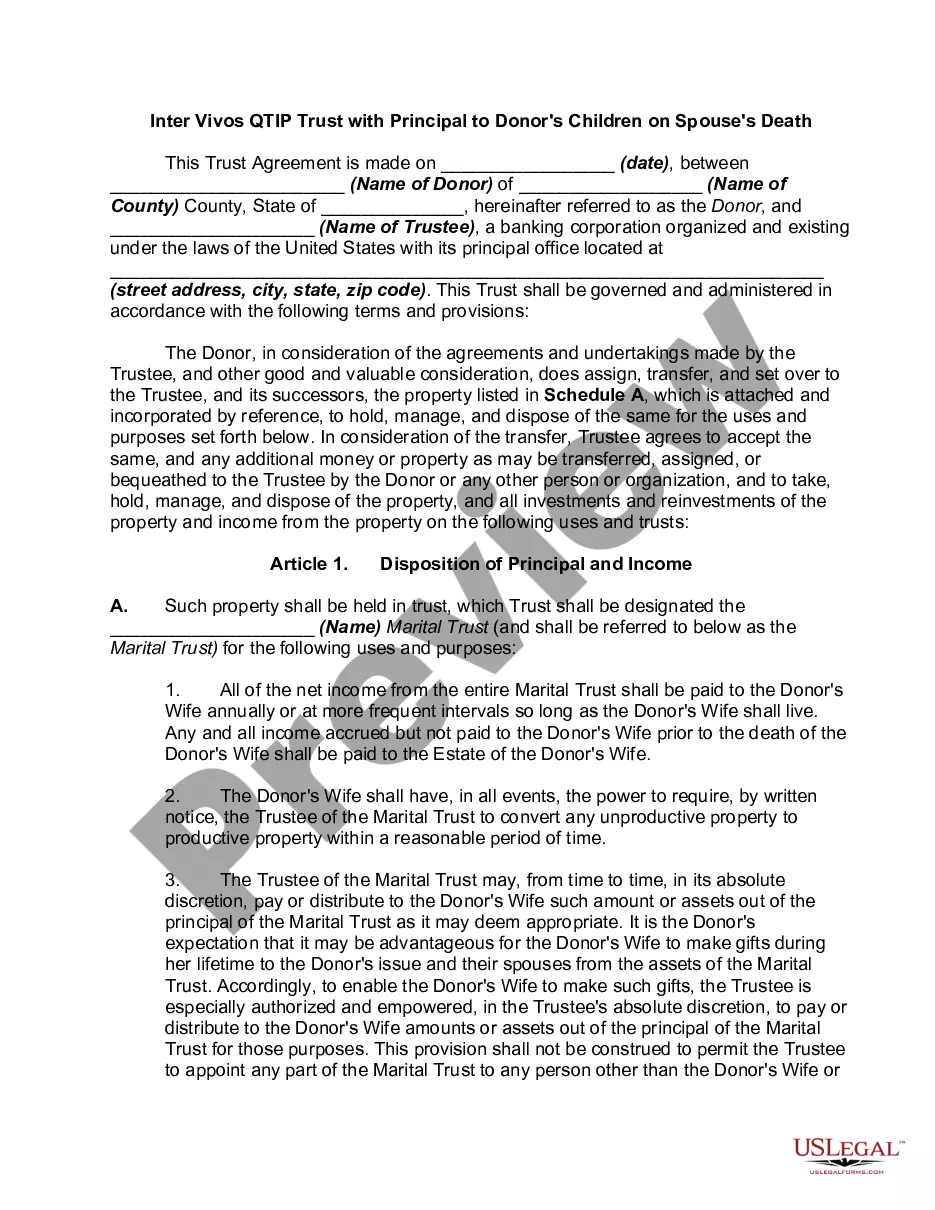
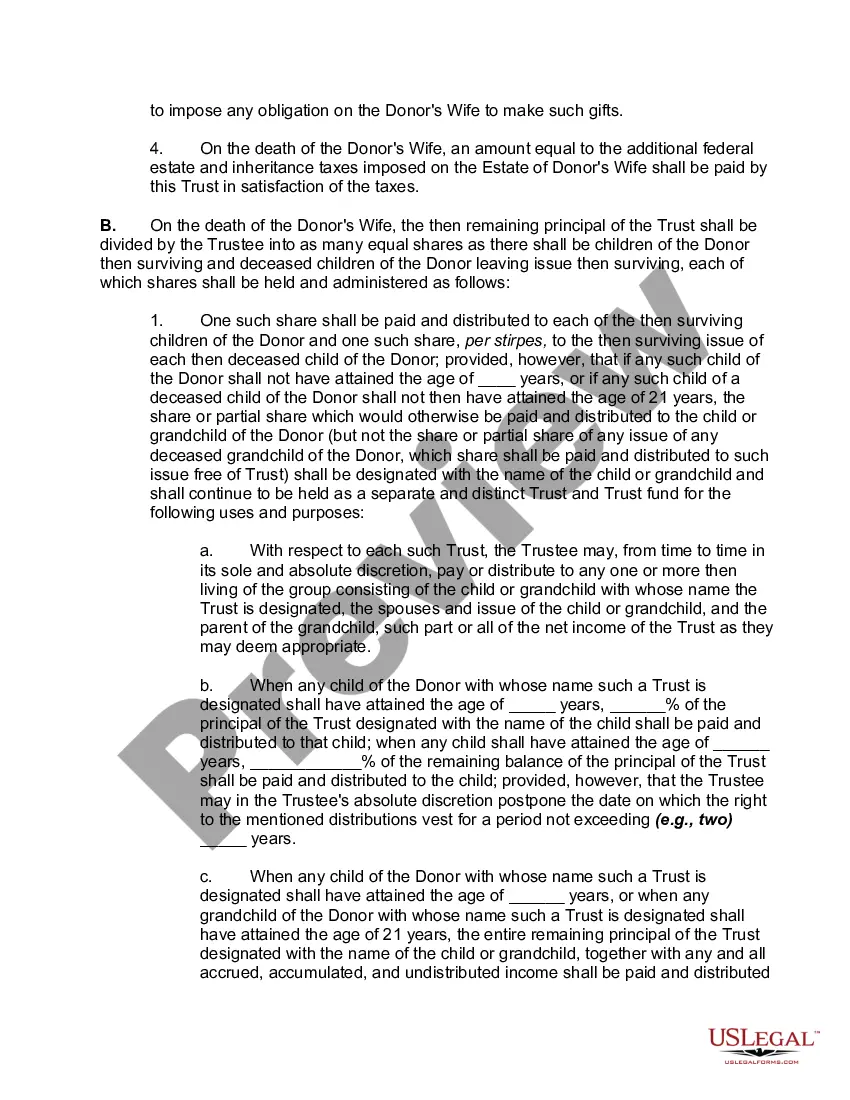
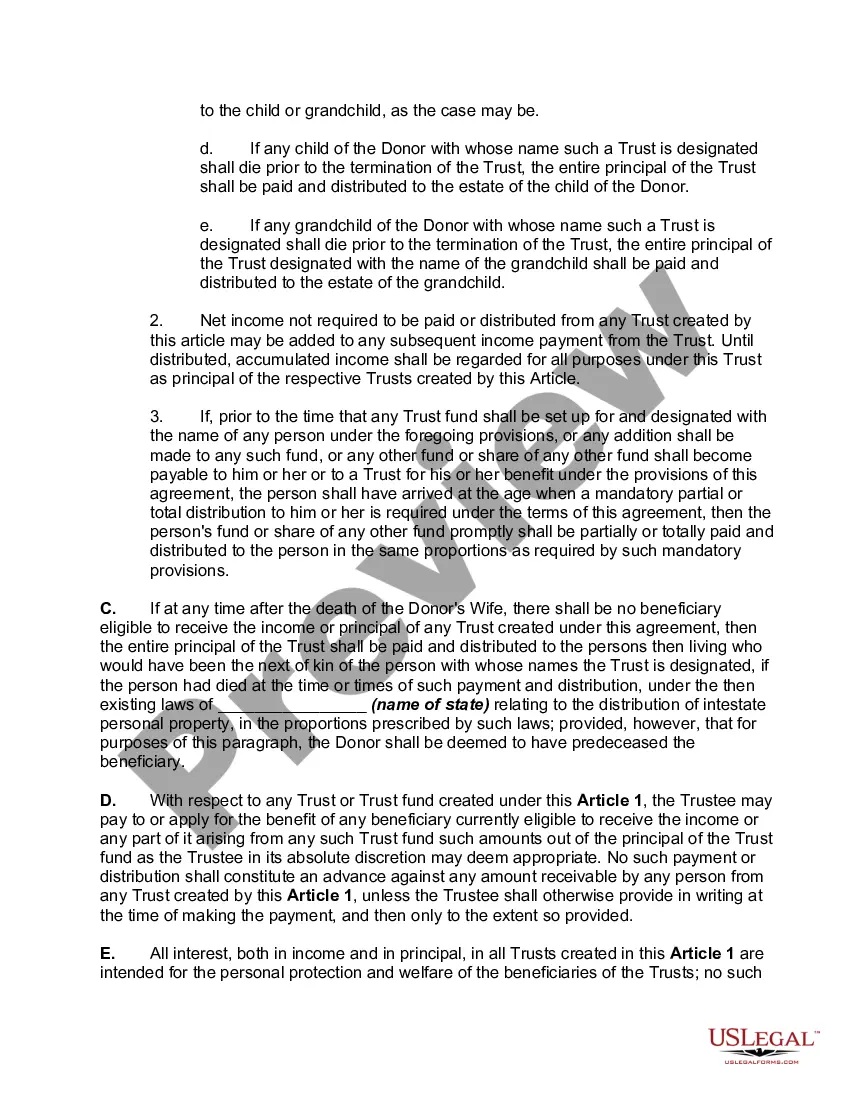
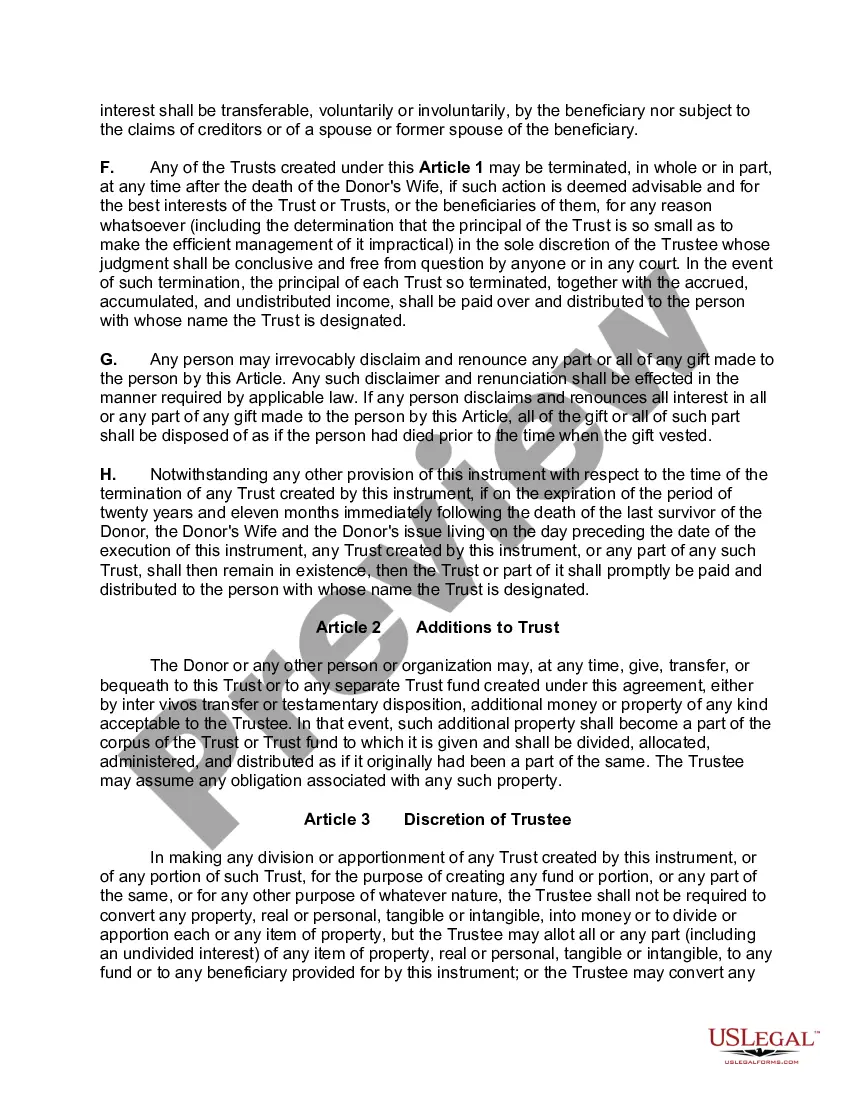
How to fill out Inter Vivos QTIP Trust With Principal To Donor's Children On Spouse's Death?
- If you are a returning user, start by logging into your account on US Legal Forms and downloading the required form template by clicking the Download button. Confirm that your subscription is up-to-date; renew if needed.
- For first-time users, begin by previewing the form options available. Ensure you select a document that fits your specific needs and complies with your local jurisdiction's requirements.
- If the chosen template isn’t quite right, use the Search tab to find a more suitable option aligned with your specifications.
- Once you've identified the correct document, click on the Buy Now button to select your preferred subscription plan. You'll need to create an account to gain access to the extensive library.
- Complete your purchase by entering your payment information, whether it's credit card details or your PayPal account.
- After your transaction is approved, download the form onto your device. You can also find it later in the My Forms section of your profile.
Utilizing US Legal Forms not only streamlines the process of obtaining the necessary legal documents but also equips you with resources to ensure accuracy. With over 85,000 fillable forms and the option to connect with legal experts, you can trust that your documentation is in good hands.
Take advantage of US Legal Forms today to secure your peace of mind during this challenging time. Explore the library and get started making your legal journey easier.
Form popularity
FAQ
The biggest mistake parents make when setting up a trust fund is not clearly defining their wishes regarding the distribution of assets after their death. This can lead to confusion and conflict among family members. When creating a trust, especially to address situations like trust spouses death with a will, it's vital to be explicit about how you want your assets managed and who should benefit. By utilizing resources like US Legal Forms, you can create a clear and legally binding document that reflects your intentions.
After your spouse's death, avoid making hasty decisions regarding finances and assets. It's also important not to overlook the trust provisions, especially when dealing with a trust spouses death with a will. Don't rush to change legal documents without consulting an expert. Instead, take the time to understand your rights and options.
A trust, when one spouse dies, is designed to ensure a smooth transfer of assets. The surviving spouse typically retains rights to the trust's benefits. The trust's terms will dictate how properties and funds are managed, offering peace of mind during a difficult time. Understanding these mechanics can help you navigate the process better.
When one spouse dies in a trust, the trust generally becomes irrevocable. The surviving spouse may no longer change the terms. This situation often triggers the distribution of assets as outlined in the trust document. It's crucial to have clarity in these terms to avoid potential conflicts.
One disadvantage of a family trust is that it may limit your control over certain assets. Once you transfer assets into the trust, they become part of that legal entity, which can restrict how you manage or dispose of them. Moreover, if not properly funded or structured, a family trust may fail to achieve its goals after your spouse’s death with a will. Proper guidance from an estate planning expert can help navigate these concerns effectively.
A significant downfall of having a trust is the potential for ongoing expenses related to its maintenance and management. Unlike a will, a trust does not automatically transfer assets at the time of death, which may lead to delays for heirs. Furthermore, if your trust is not set up correctly, it could create more confusion during the estate settlement process after your spouse’s death with a will. Therefore, it’s vital to approach this option thoughtfully.
When a spouse dies, the trust typically remains intact and continues to operate according to its terms. The named successor trustee will step in to manage and distribute assets as per the trust rules. Understanding how to Trust spouses death with a will can provide clarity on the process and ease transitions during a challenging time.
A will does not override a trust after death; rather, a trust takes precedence in such situations. When you Trust spouses death with a will, the trust dictates how assets will be distributed. Any assets held in the trust will be managed according to its terms, regardless of what the will states.
The first step when a spouse dies is to verify and locate the will. You should gather important documents, including the death certificate, and notify relevant agencies. It is also wise to consider how to Trust spouses death with a will, ensuring that their wishes are honored and that you follow the necessary legal steps.
A trust generally holds more power than a will when managing assets during and after life. Trusts can provide immediate access to assets and avoid probate, while a will must go through the probate process. Therefore, if you Trust spouses death with a will, a trust may facilitate faster resolution of your estate.