Trust All Name With A Symbol
Description
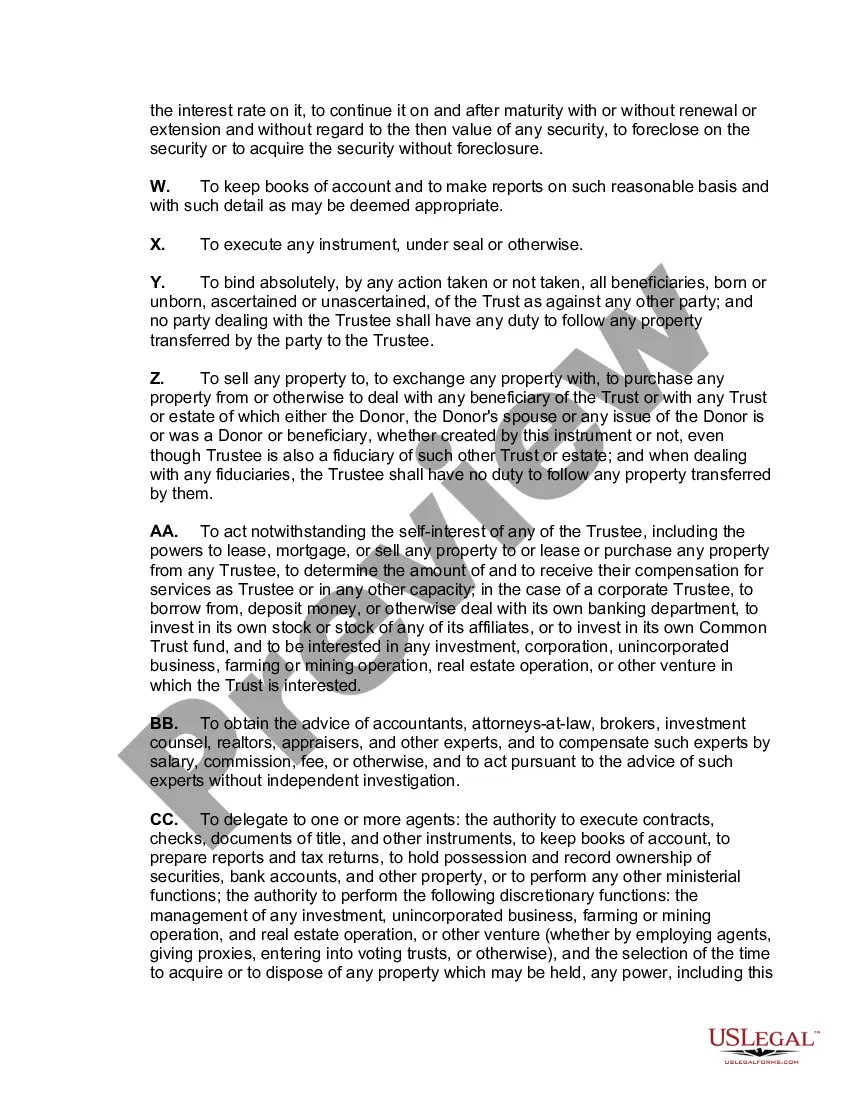
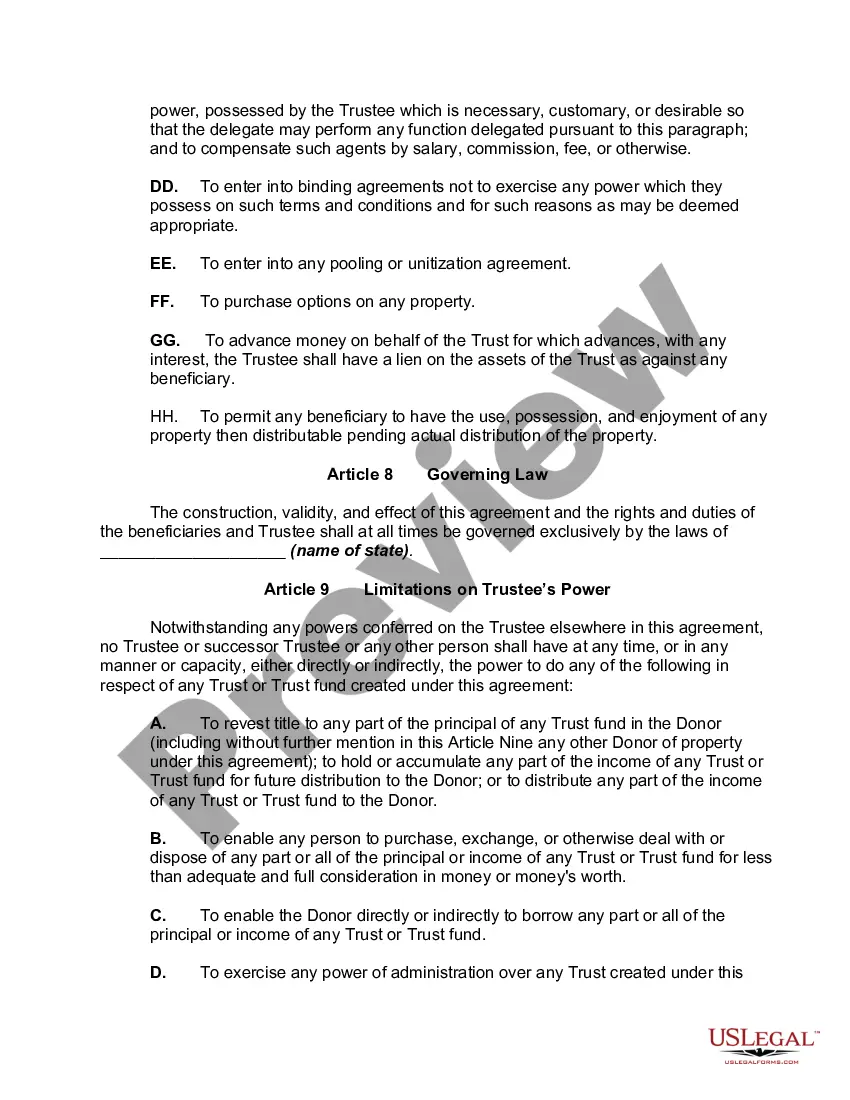

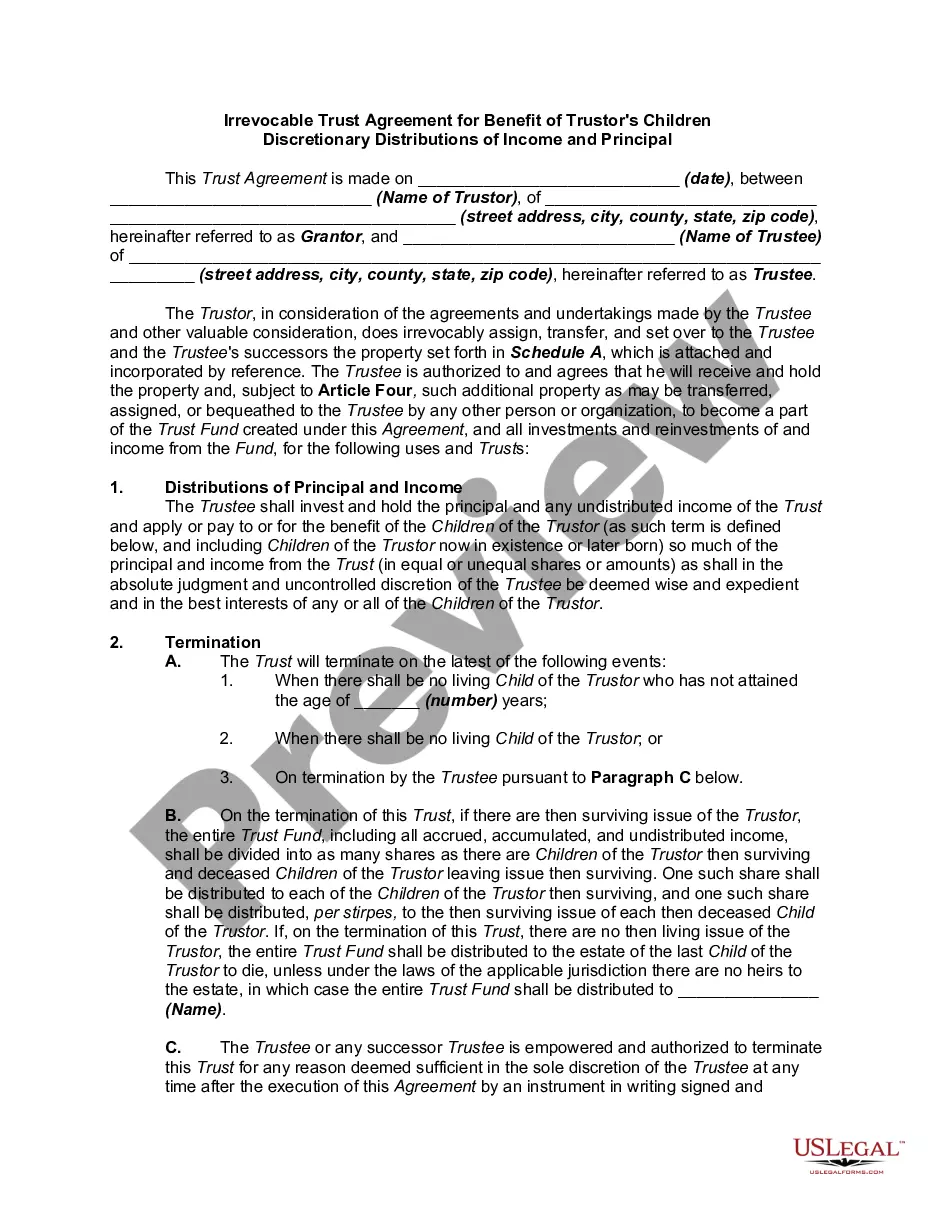
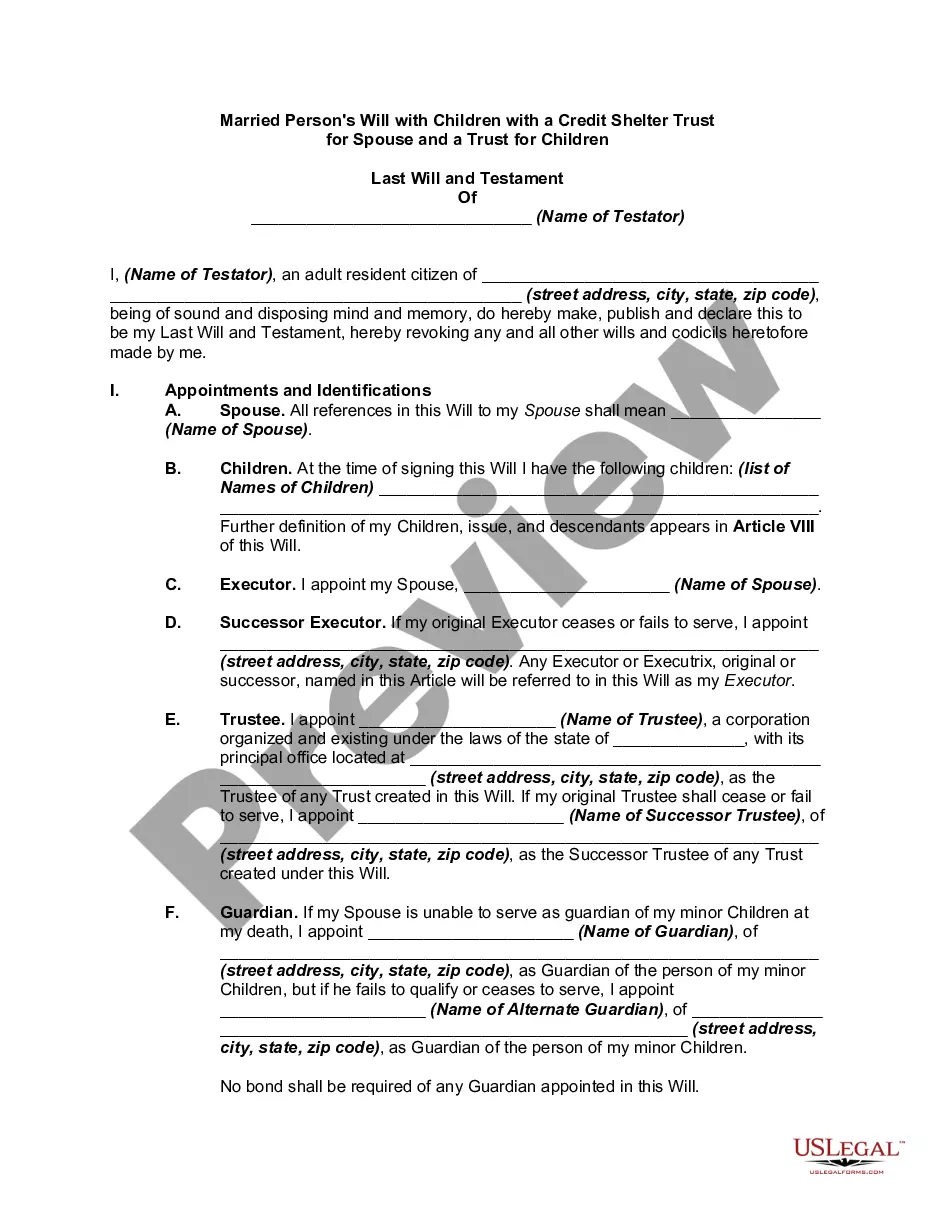
Get your form ready online
Our built-in tools help you complete, sign, share, and store your documents in one place.
Make edits, fill in missing information, and update formatting in US Legal Forms—just like you would in MS Word.
Download a copy, print it, send it by email, or mail it via USPS—whatever works best for your next step.
Sign and collect signatures with our SignNow integration. Send to multiple recipients, set reminders, and more. Go Premium to unlock E-Sign.
If this form requires notarization, complete it online through a secure video call—no need to meet a notary in person or wait for an appointment.
We protect your documents and personal data by following strict security and privacy standards.

Make edits, fill in missing information, and update formatting in US Legal Forms—just like you would in MS Word.

Download a copy, print it, send it by email, or mail it via USPS—whatever works best for your next step.

Sign and collect signatures with our SignNow integration. Send to multiple recipients, set reminders, and more. Go Premium to unlock E-Sign.

If this form requires notarization, complete it online through a secure video call—no need to meet a notary in person or wait for an appointment.

We protect your documents and personal data by following strict security and privacy standards.
Looking for another form?








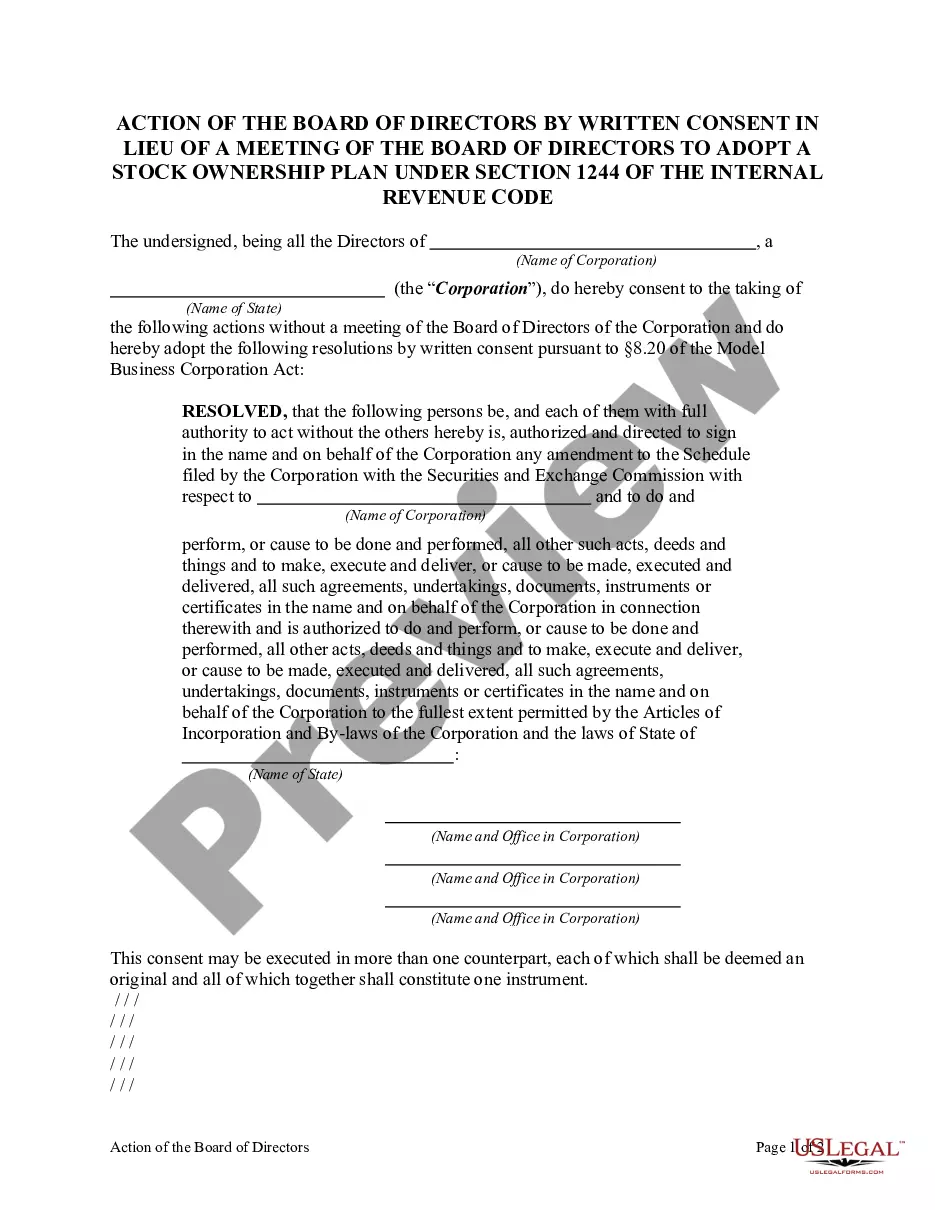

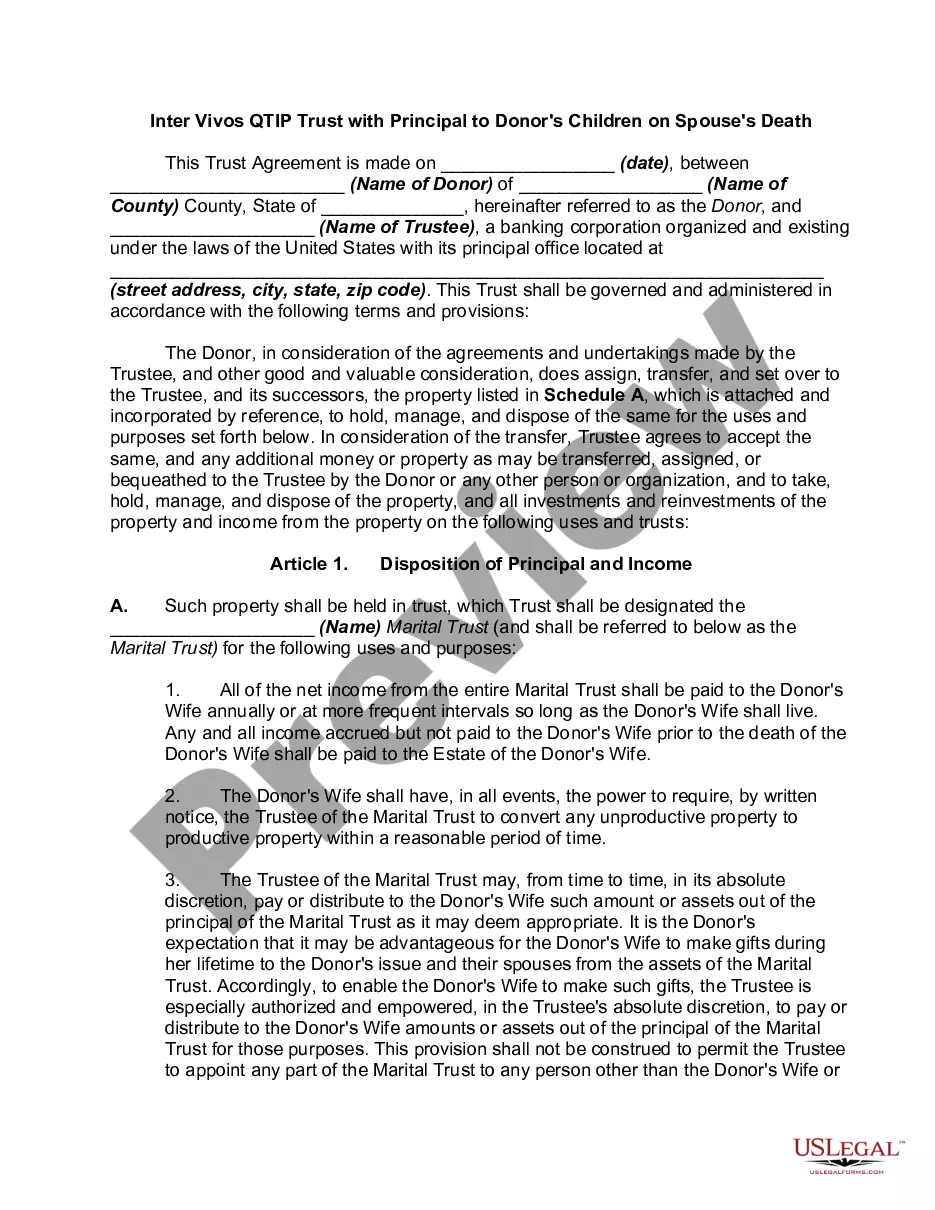
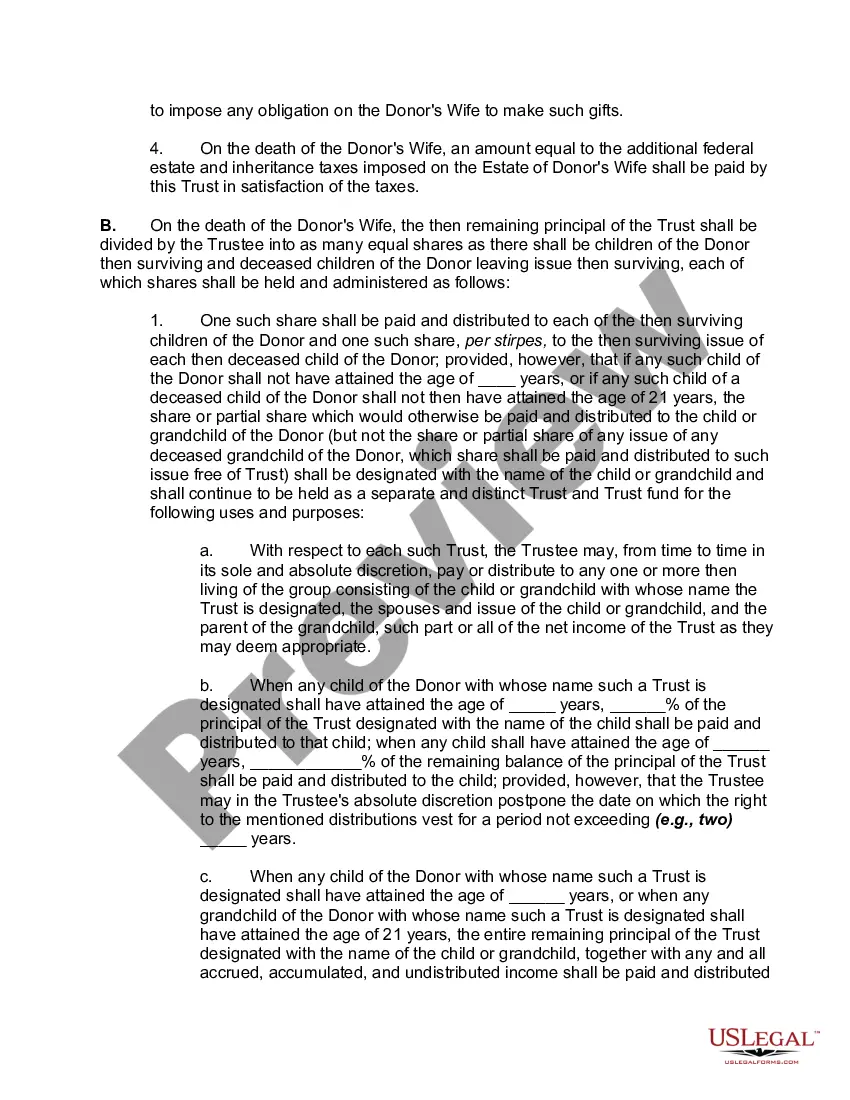
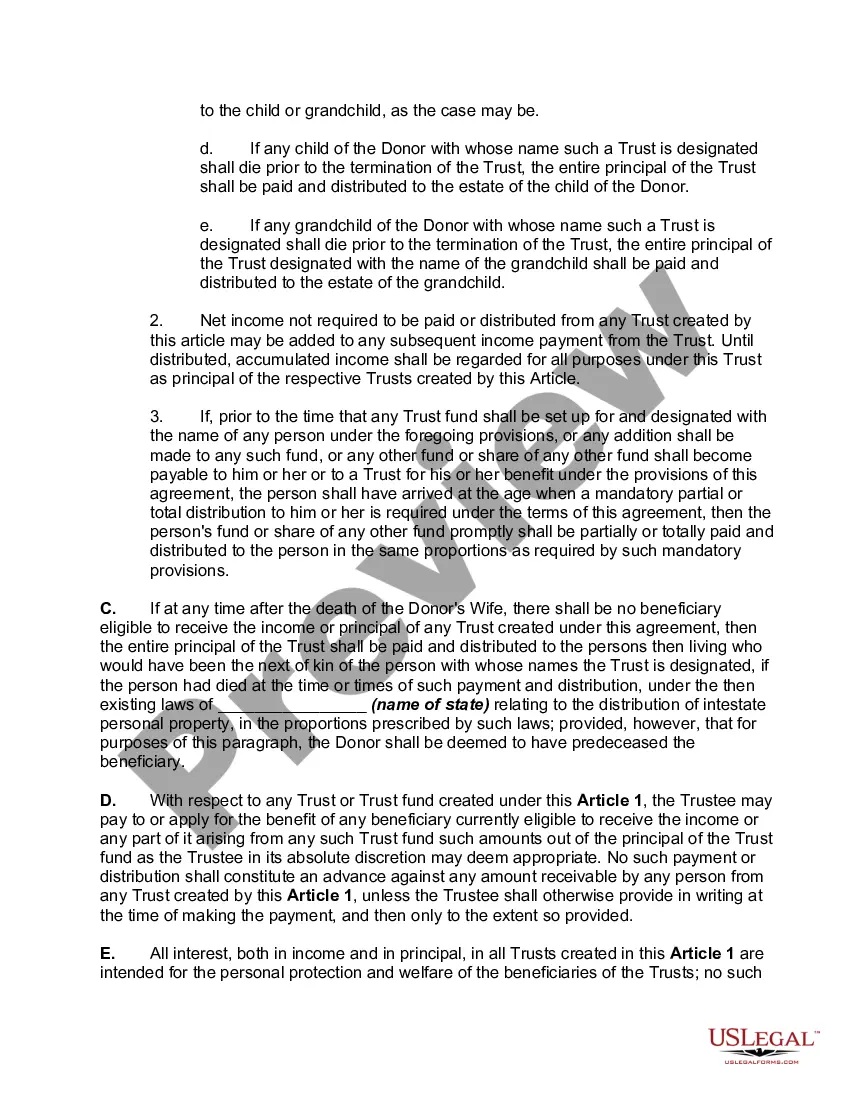
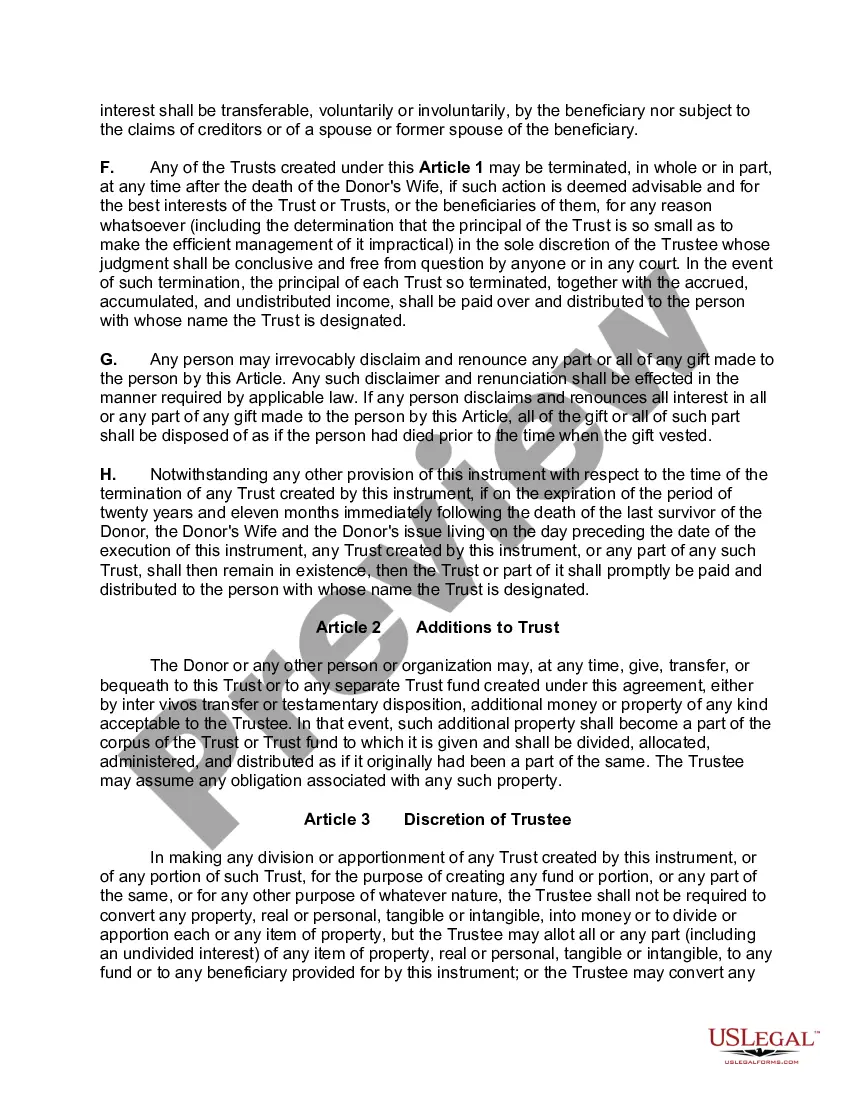
How to fill out Inter Vivos QTIP Trust With Principal To Donor's Children On Spouse's Death?
- If you are a returning user, log in to your account to download your desired form template directly. Check your subscription status and renew it if necessary.
- For first-time users: Begin by reviewing the form descriptions and entering preview mode. Confirm that the form meets your specific needs and adheres to local jurisdictional standards.
- If the required document isn’t available, use the Search tab to find the appropriate form. Once you identify the right one, move on to the next step.
- Once you have the correct document, click the Buy Now button and select your preferred subscription plan. You’ll need to create an account to access the library.
- Complete your purchase by entering your payment details, either through credit card or PayPal.
- After the purchase, download your form to save it on your device. You can access it anytime from the My Forms section of your account.
In conclusion, US Legal Forms simplifies the legal document process by offering a vast library and expert support. By following these steps, you can ensure that your documents are completed accurately and efficiently.
Don't wait, start exploring the powerful resources of US Legal Forms today!
Form popularity
FAQ
The most straightforward trust symbol often involves a handshake, representing agreement and mutual respect. This gesture signifies partnership and confidence, making it an ideal representation of trust. Alternatively, a lock can symbolize security, reinforcing the concept of safeguarding your interests. When aiming to trust all name with a symbol, consider using one of these simple yet powerful visuals to communicate your values clearly.
Creating a trust name involves a few thoughtful steps. Begin by identifying core values that resonate with your mission, then brainstorm names that reflect those ideals. Additionally, incorporating a symbol alongside your name can enhance its impact, allowing it to convey trust effectively. By utilizing tools or services from uslegalforms, you can streamline your naming process and ensure that your trust all name with a symbol resonates with your audience.
Many people associate specific animals with trust due to their behaviors and characteristics. For example, dogs are known for their loyalty and companionship, symbolizing a strong bond of trust. Similarly, elephants represent wisdom and reliability, making them excellent symbols of trust. When choosing to trust all name with a symbol, think about these animals to strengthen your message.
Shapes play a vital role in conveying the concept of trust. For instance, circles often represent unity and completeness, creating a sense of security. Additionally, triangles can symbolize stability, reinforcing the idea of trustworthiness. When you explore options to trust all name with a symbol, consider these shapes as they enhance your brand's reliability.
To initial as a trustee, write your initials followed by 'Trustee' to clarify your role. This involves using your first and last initials to signify your identity formally. Be sure to align this with the full name of the trust for a coherent documentation process.
When writing a trust name, use the full legal name followed by any relevant symbols or designations. For example, if it’s a family trust, it could be formatted as 'Smith Family Trust A.B.C.D.' This precise approach helps avoid any miscommunication regarding the trust's identity.
A signatory on a trust refers to an individual authorized to sign documents related to the trust. This could be the trustee or other parties involved in managing the trust. They ensure that all decisions and transactions adhere to the trust's directives, thus facilitating proper management.
When abbreviating 'trustee' in a signature, it is common to use 'Tr.' or simply include 'Trustee' as part of the full name format. Clarity is important; hence, ensure that it still retains the weight of its responsibility. Always connect it with the trust name for comprehensive identification.
The signature of a trustee reflects their consent and acknowledgment of the trust's terms. It must be written clearly beneath their printed name and title, ensuring it aligns with the trust name. This signature is fundamental in establishing their authority over the trust.
The signature line for a trustee includes their name and the title 'Trustee' beneath their signature. This clearly indicates their role and responsibility in relation to the trust. Always keep it formal and clear by including any symbols associated with the trust name.