Trust All Name With A Space
Description
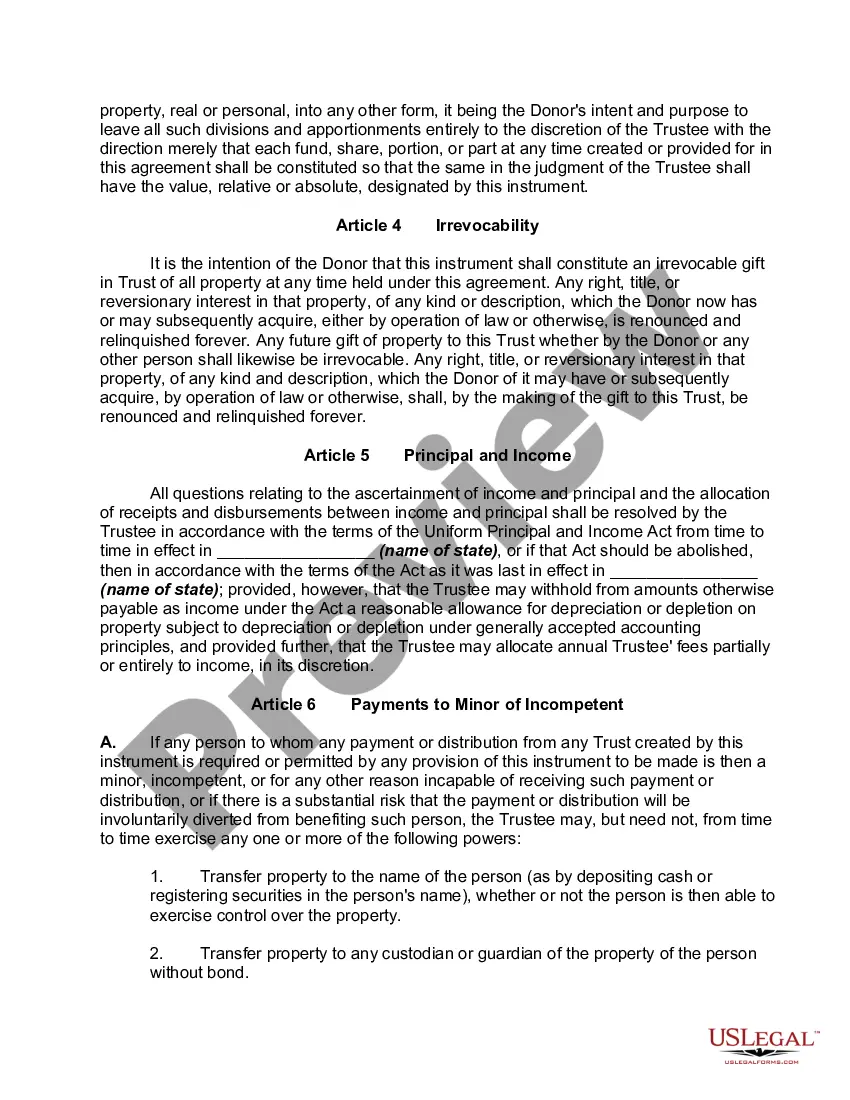
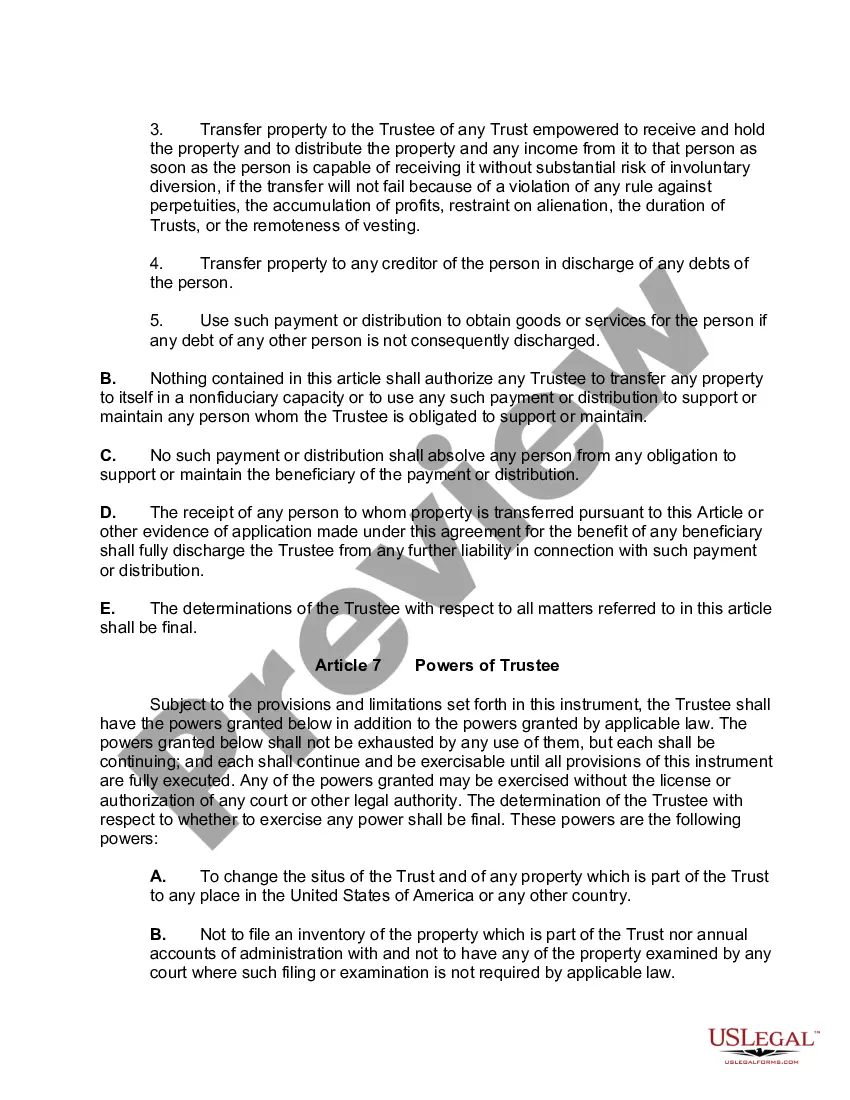
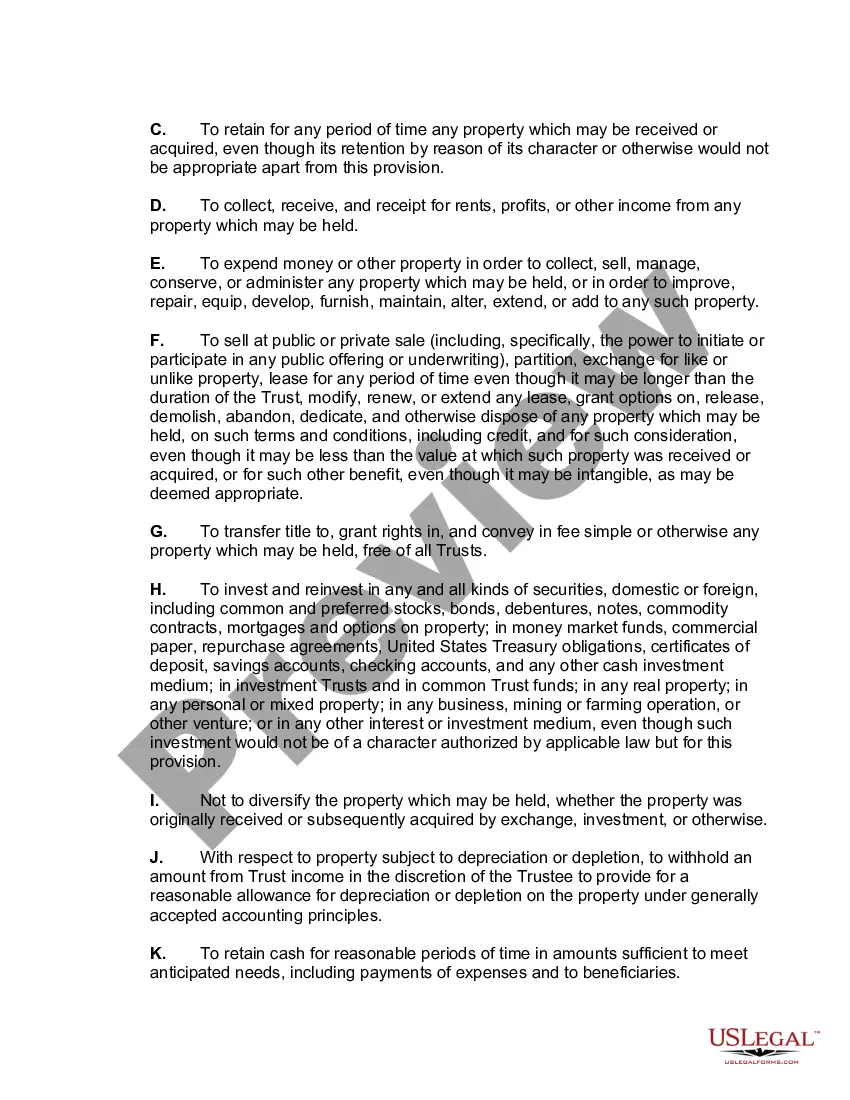
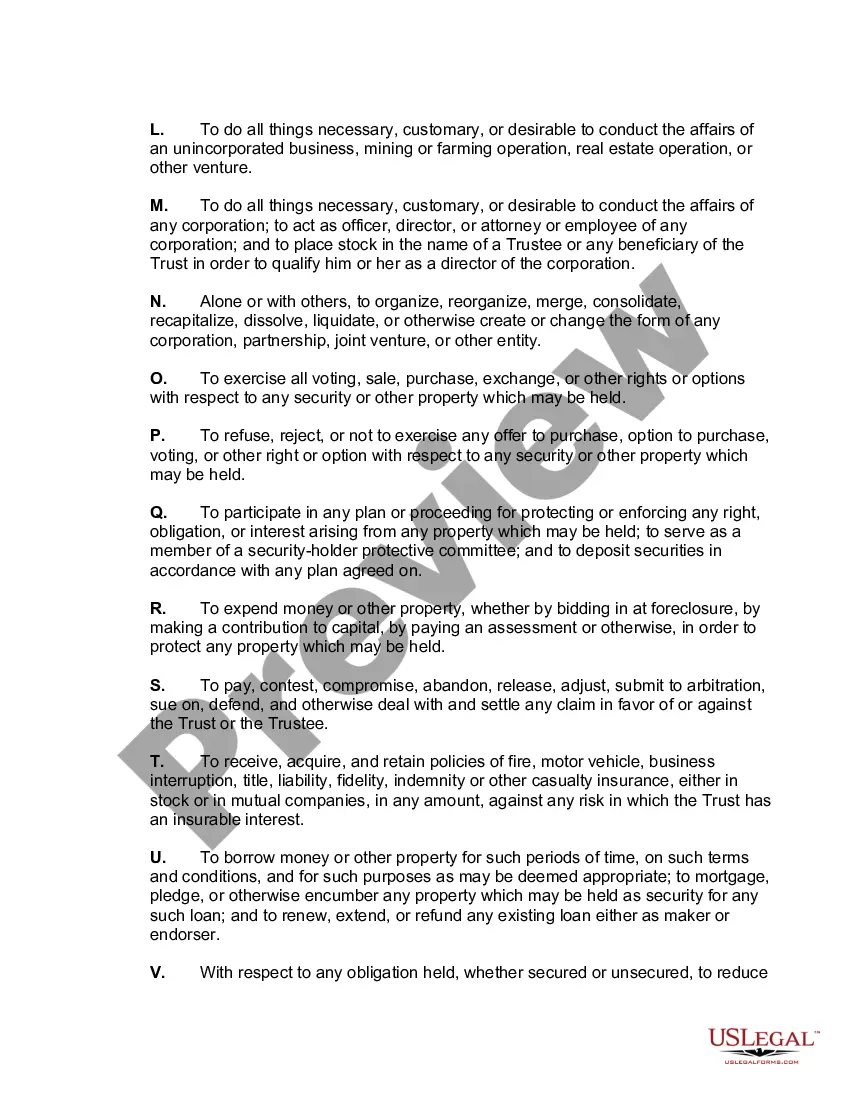

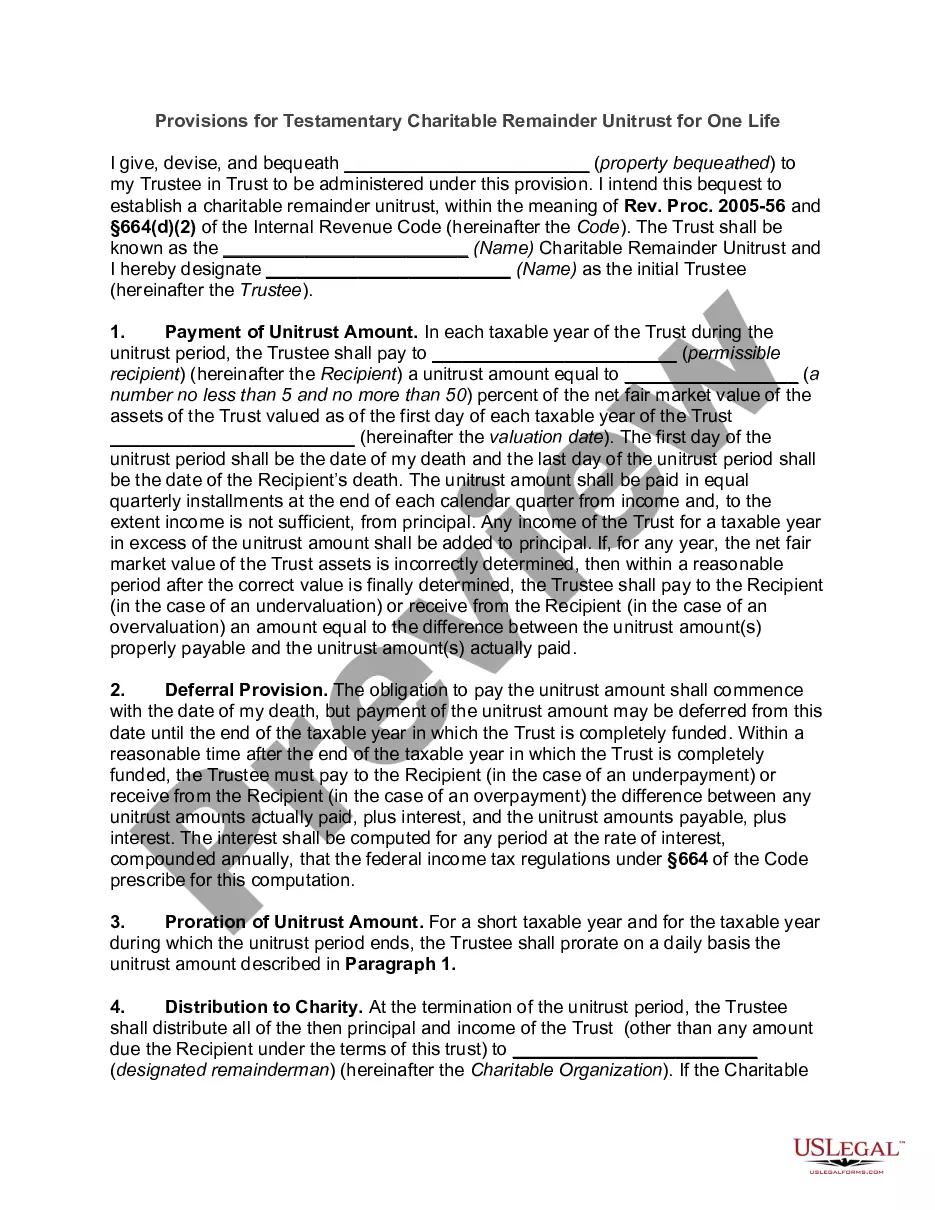
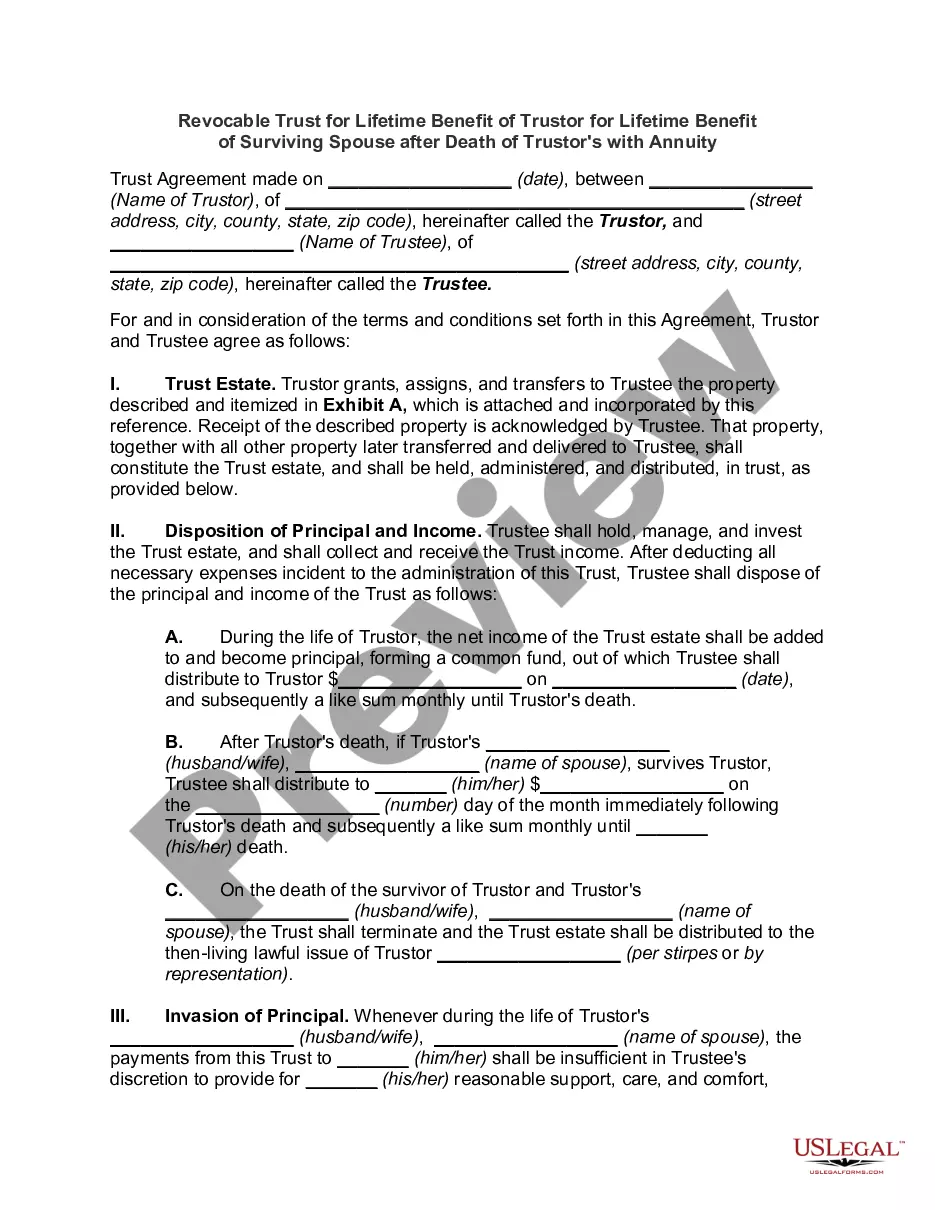
Get your form ready online
Our built-in tools help you complete, sign, share, and store your documents in one place.
Make edits, fill in missing information, and update formatting in US Legal Forms—just like you would in MS Word.
Download a copy, print it, send it by email, or mail it via USPS—whatever works best for your next step.
Sign and collect signatures with our SignNow integration. Send to multiple recipients, set reminders, and more. Go Premium to unlock E-Sign.
If this form requires notarization, complete it online through a secure video call—no need to meet a notary in person or wait for an appointment.
We protect your documents and personal data by following strict security and privacy standards.

Make edits, fill in missing information, and update formatting in US Legal Forms—just like you would in MS Word.

Download a copy, print it, send it by email, or mail it via USPS—whatever works best for your next step.

Sign and collect signatures with our SignNow integration. Send to multiple recipients, set reminders, and more. Go Premium to unlock E-Sign.

If this form requires notarization, complete it online through a secure video call—no need to meet a notary in person or wait for an appointment.

We protect your documents and personal data by following strict security and privacy standards.
Looking for another form?
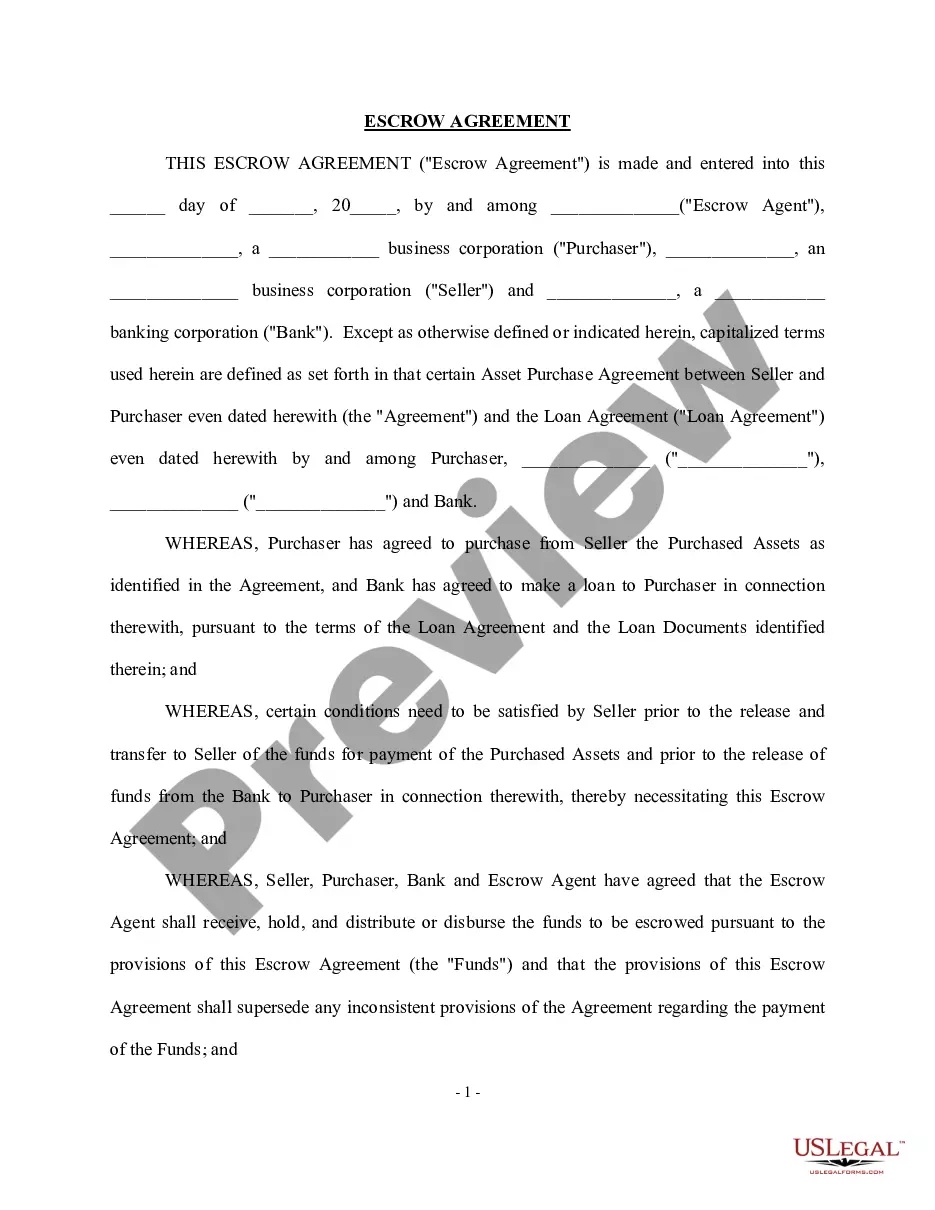

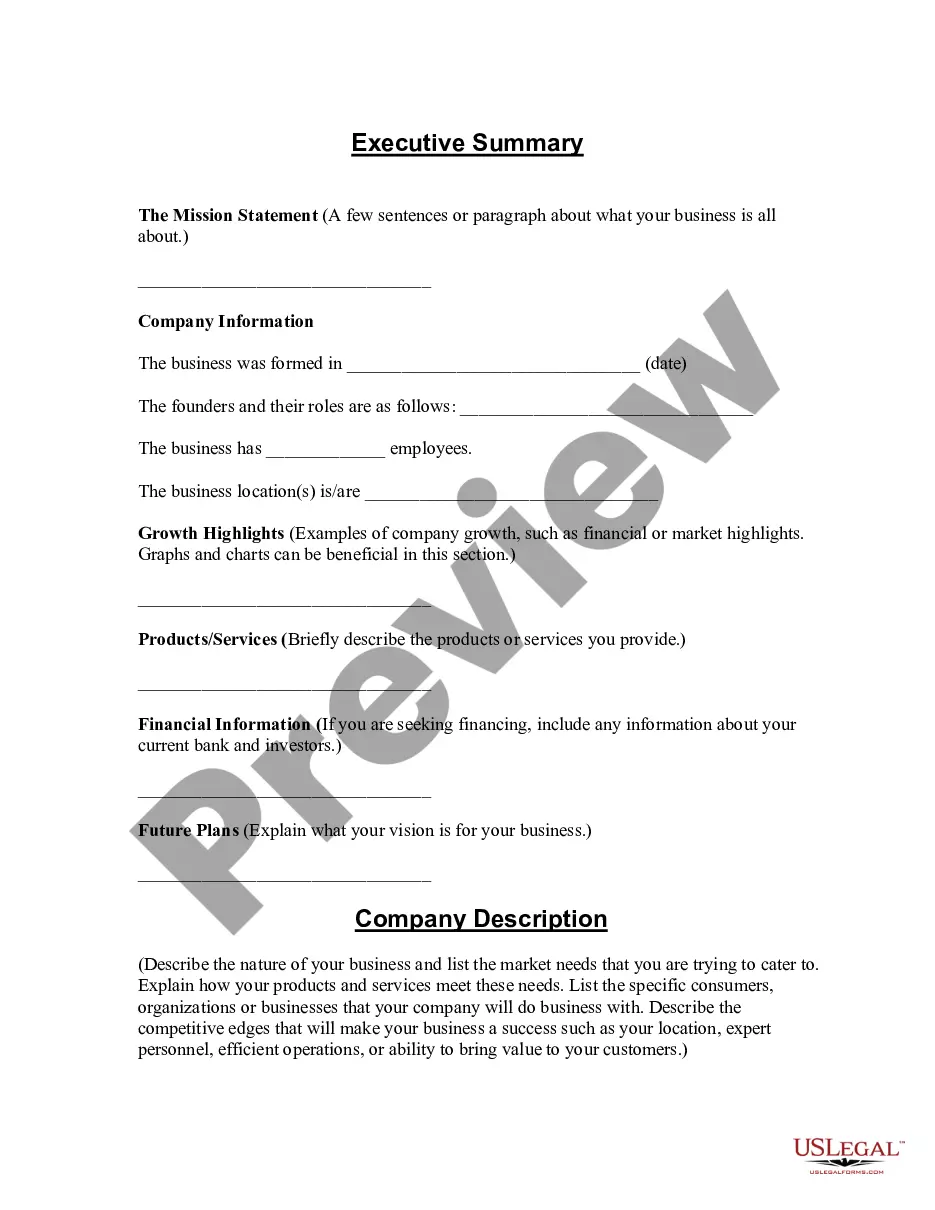



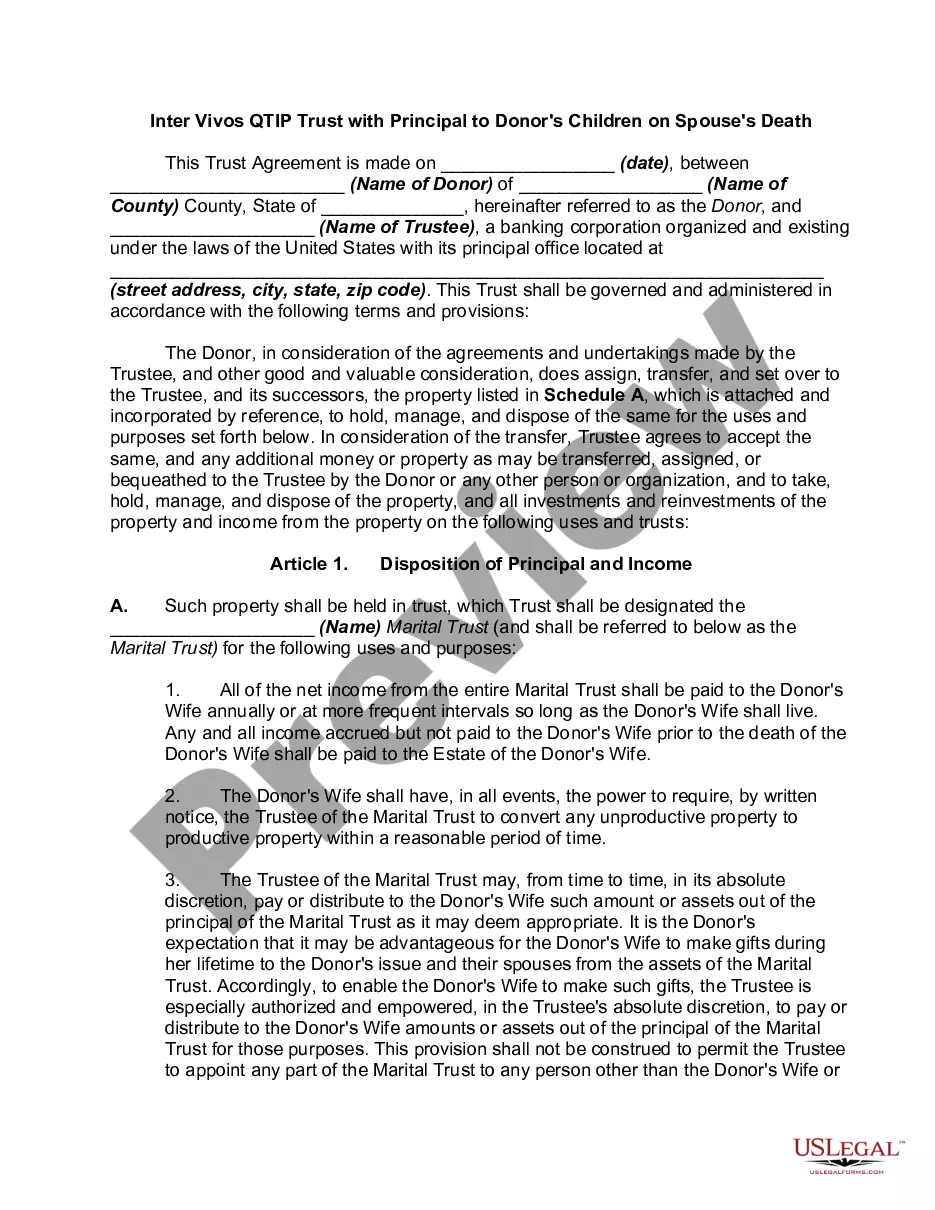
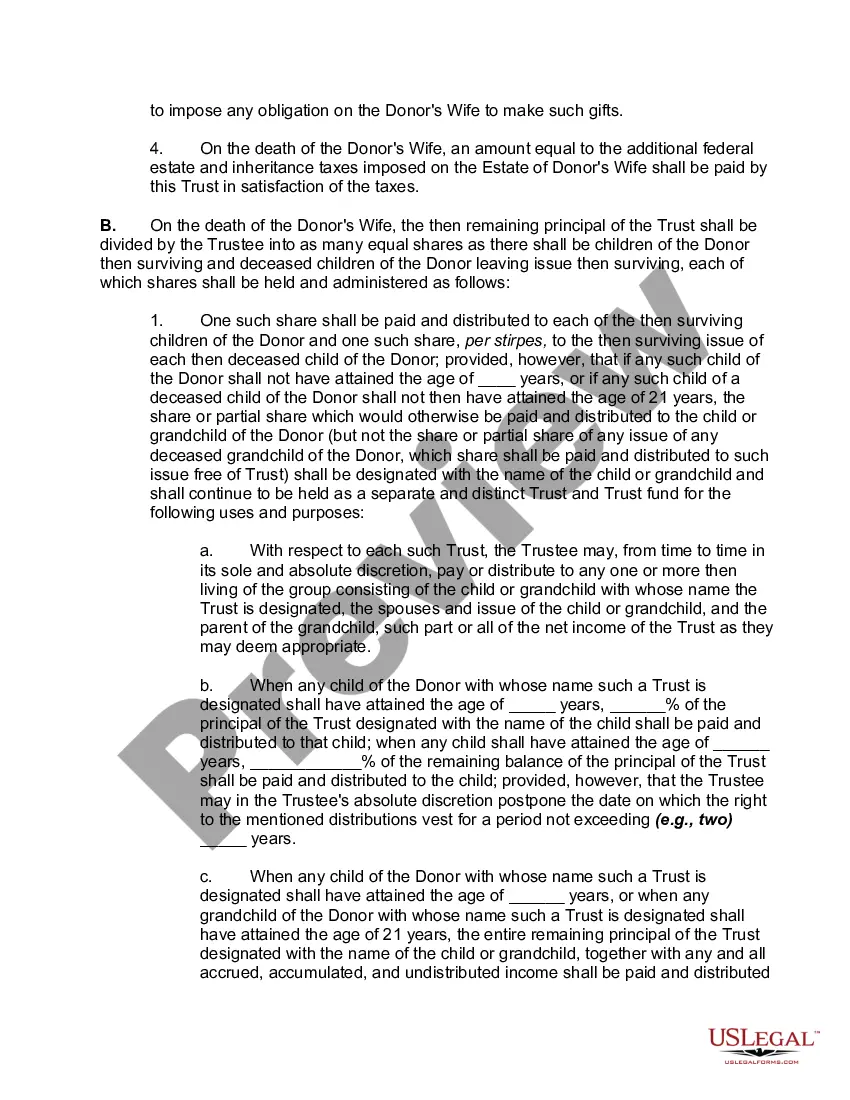
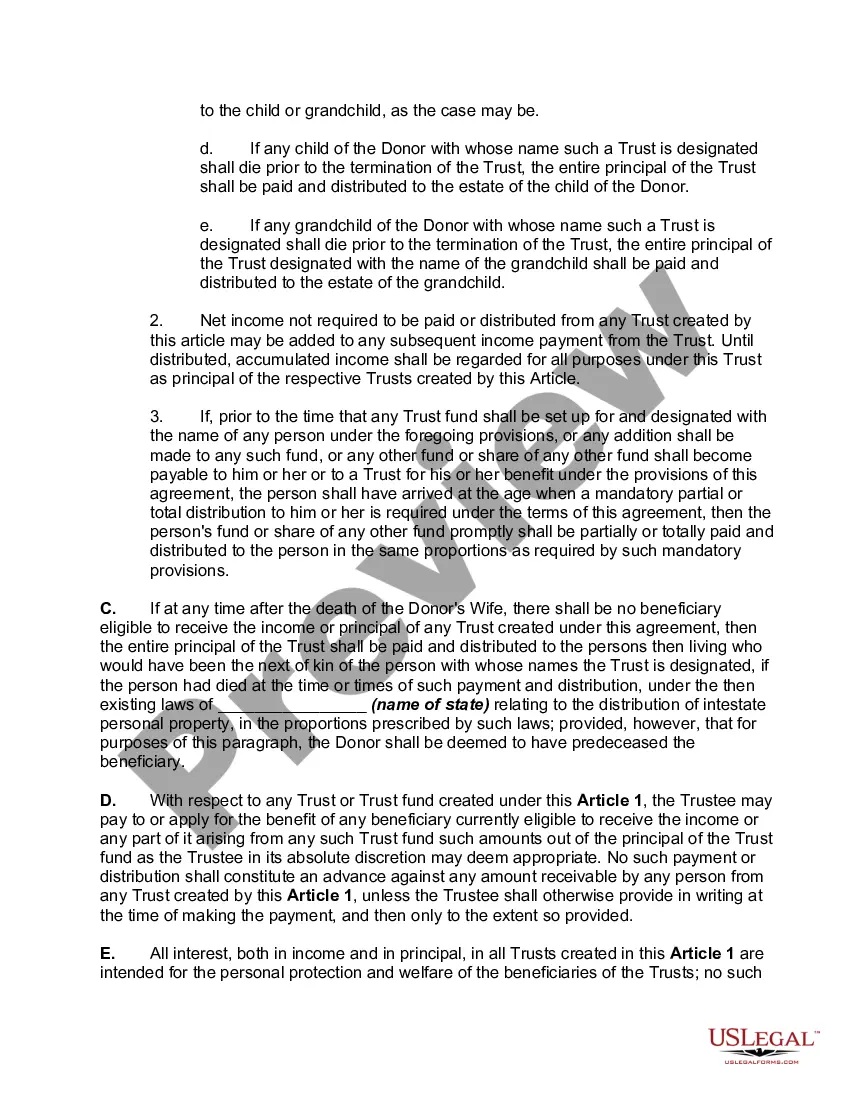
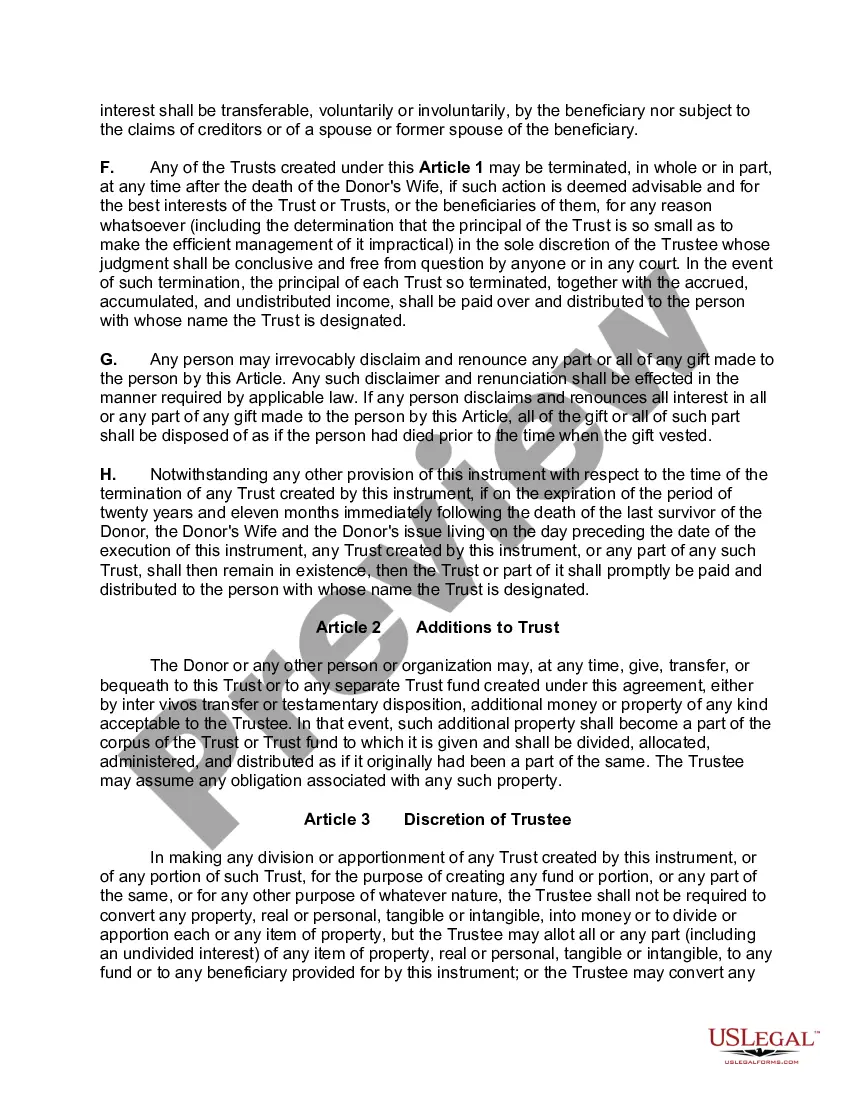
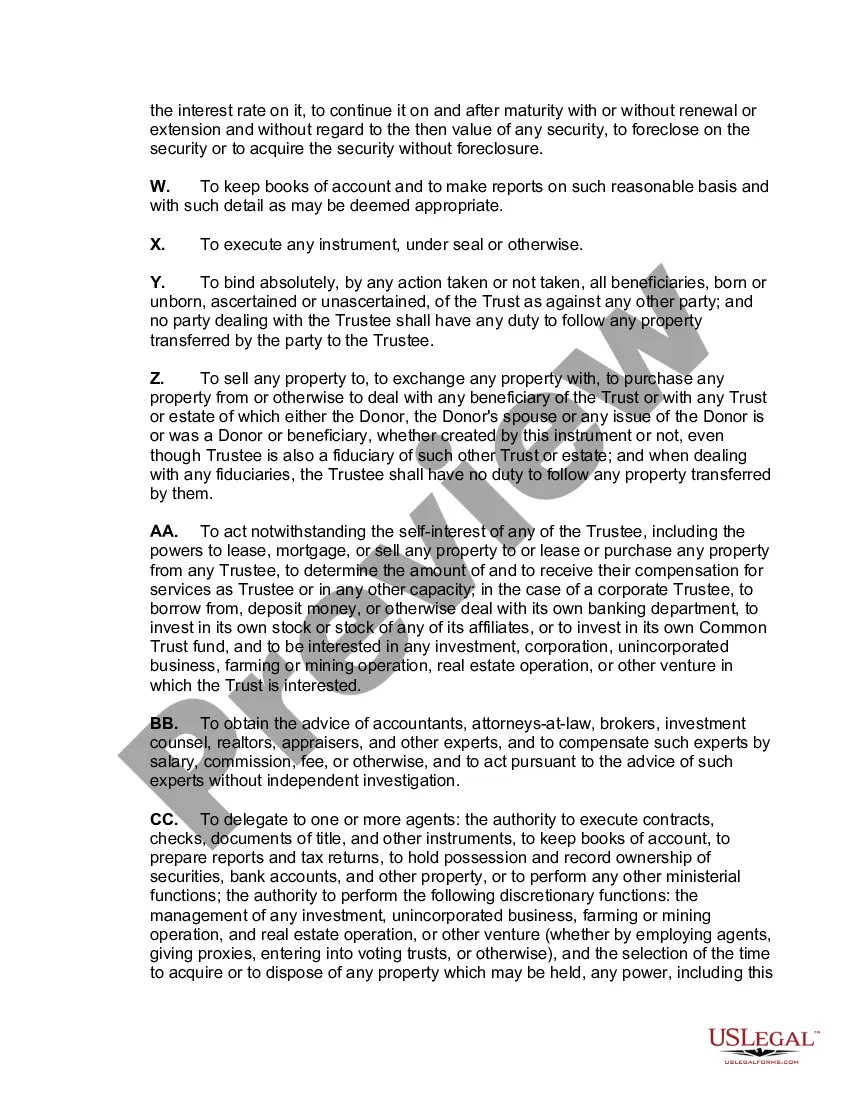
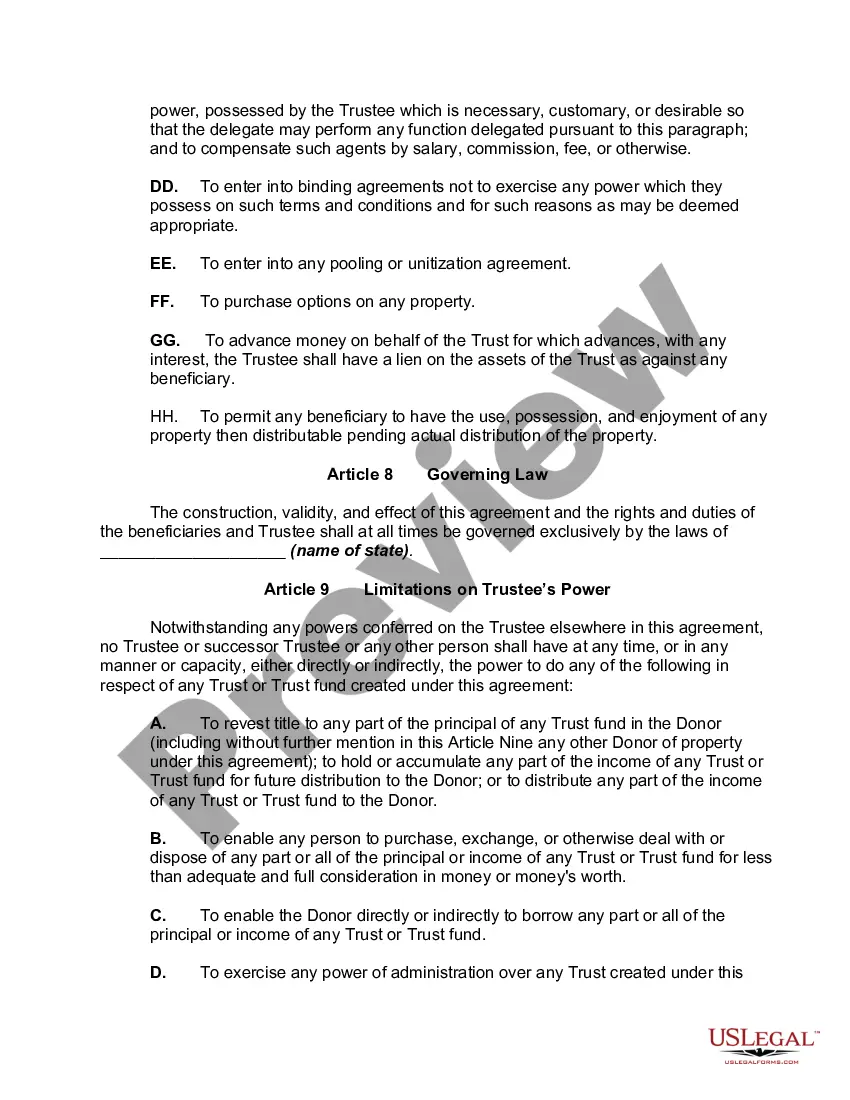
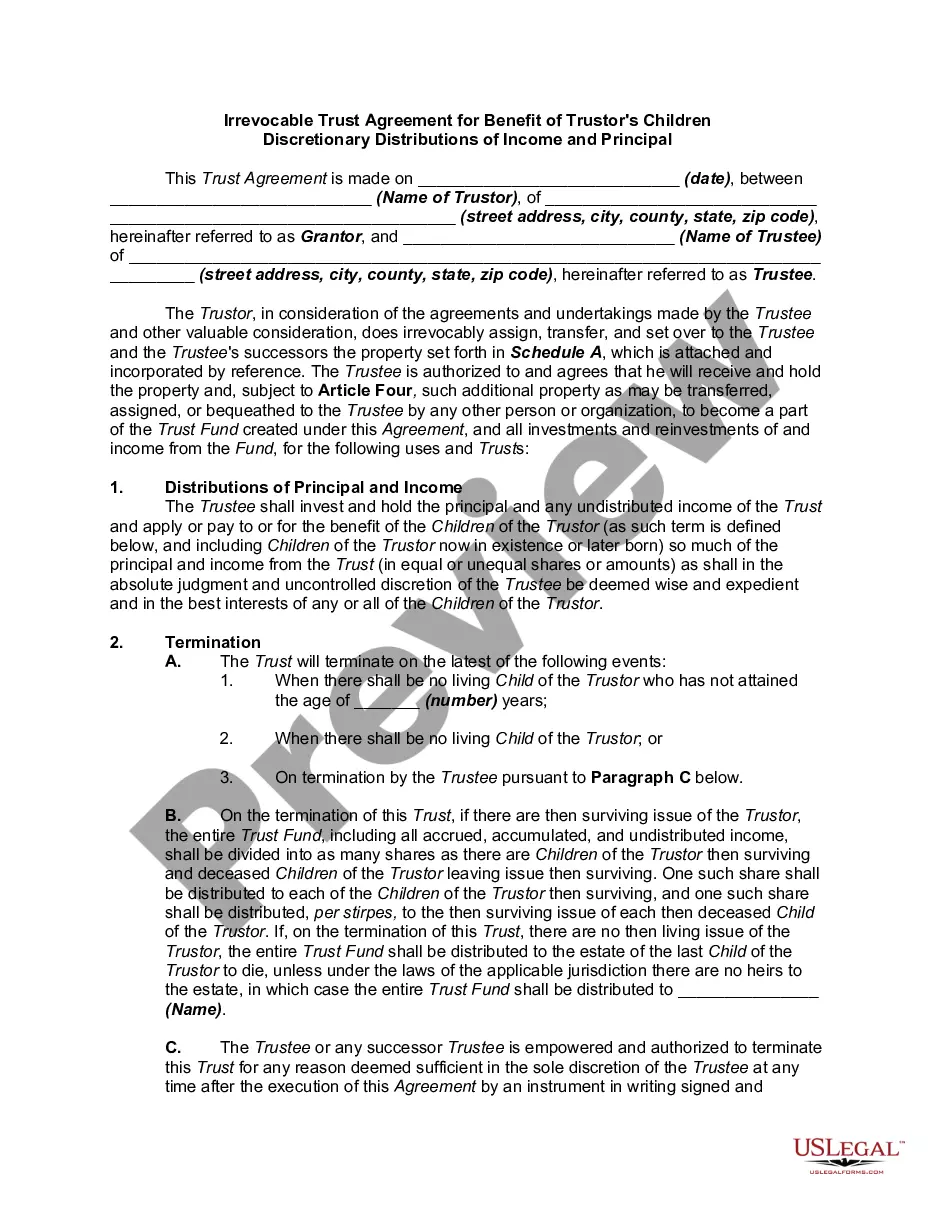
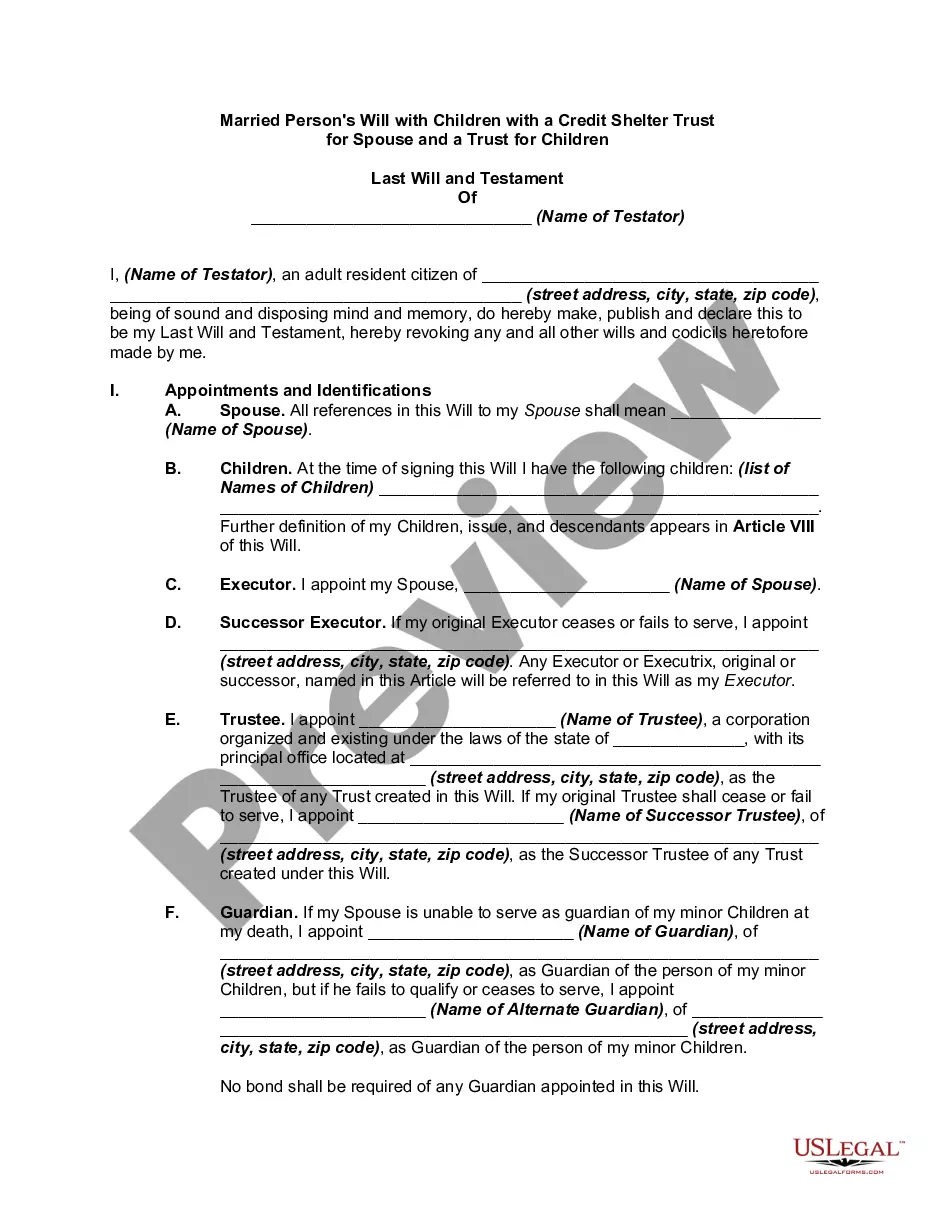
How to fill out Inter Vivos QTIP Trust With Principal To Donor's Children On Spouse's Death?
- Log in to your US Legal Forms account if you're a returning user and verify your subscription status.
- If this is your first visit, start by browsing the Preview mode and form descriptions to confirm you have the correct document.
- Utilize the Search tab to find any additional templates that may suit your needs, ensuring they comply with local regulations.
- Click on the Buy Now button for the selected form, choose your preferred subscription plan, and create an account for access.
- Complete your purchase by providing your payment information and proceed to check out.
- Download your completed form and store it on your device. You can also find this document under the My Forms section of your account.
In conclusion, US Legal Forms provides a robust solution for anyone needing legal documentation quickly and accurately. With its extensive library and premium support, you can trust that your legal needs are in good hands.
Take the next step towards effortless legal documentation today!
Form popularity
FAQ
You can abbreviate a trust name in informal contexts or internal discussions. However, when dealing with official documents or legal communications, using the full name is mandatory. Clarity is vital, as shorter forms may lead to misunderstandings or misinterpretations in legal matters.
A trust short form typically refers to an abbreviated way to reference a trust. For example, using initials or a simplified name can help in informal communication. However, for legal documents and official purposes, it's crucial to use the full legal name to maintain accuracy and compliance.
Yes, there are specific rules for naming a trust that vary by state. Generally, the name should include the word 'trust' to inform others of its nature. It is also recommended to avoid names that may mislead or imply a false connection with government entities or other organizations.
Yes, typically, a trust name must be unique to avoid confusion with other existing trusts and legal entities. This requirement ensures that your trust is easily identifiable and legitimate in legal proceedings. When you create a trust, it is wise to check against state databases to confirm that your chosen name is available.
Yes, TR often denotes 'trust' in legal contexts. However, it is essential to use clear language to avoid confusion. When working with legal documents, you should always fully spell out terms at least once before using abbreviations. This approach enhances clarity and understanding in your trust documentation.
Creating a trust name can be both exciting and meaningful. Consider using family names, personal values, or inspiration that holds significance for you. It's essential to incorporate clarity in your chosen name, such as Trust all name with a space, to reflect the purpose of your trust accurately. The US Legal Forms platform can also provide resources and templates to help you create the perfect trust name with ease.
Yes, many people have spaces in their last names, and it is indeed permitted in most situations. Having a space helps distinguish between multiple last names or compound names. To maintain consistency across documents, make sure your trust name is formatted correctly, such as Trust all name with a space. This ensures there are no issues when registering or filing your trust.
Yes, space is generally allowed in last names, depending on the jurisdiction. Legal systems usually recognize names with spaces, as they accurately reflect personal identity. When considering legal documents, you must include the proper format, such as Trust all name with a space. This ensures clarity and prevents any legal complications in the future.
The rarest last names vary by region and culture, but many are unique and not often encountered. Understanding the diversity of last names can help you appreciate family lineage. If you want to create a unique trust name, consider incorporating ideas from rare last names to inspire originality. Trust all name with a space can truly make your trust stand out.
Typically, a Social Security card reflects the name exactly as it is on your birth certificate or legal documents. This can include a space in the last name if it legally exists. Trust all name with a space ensures that your identity aligns with official records. Always verify your name to avoid issues when filing taxes or interacting with government agencies.