Qtip Trusts Sample For Dummies
Description
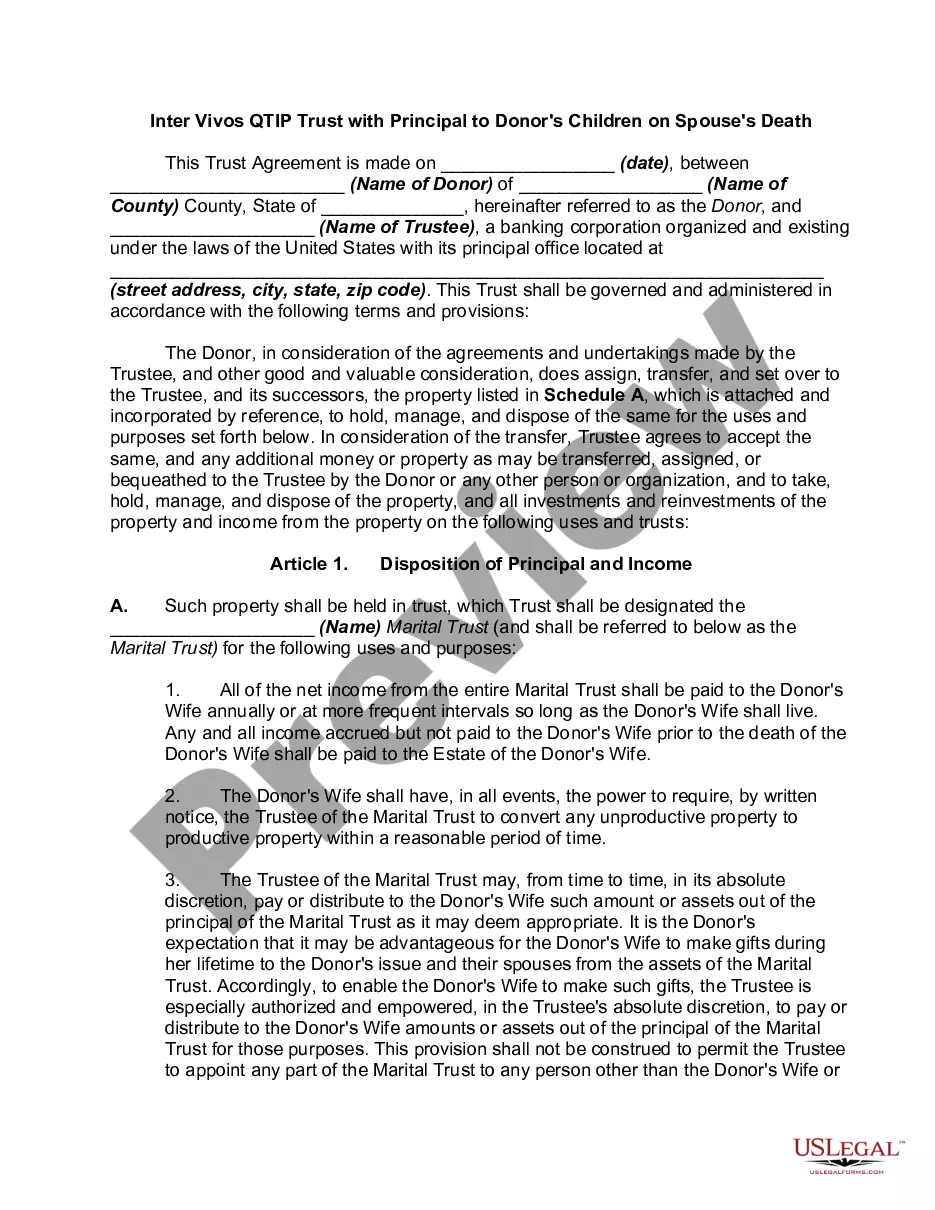
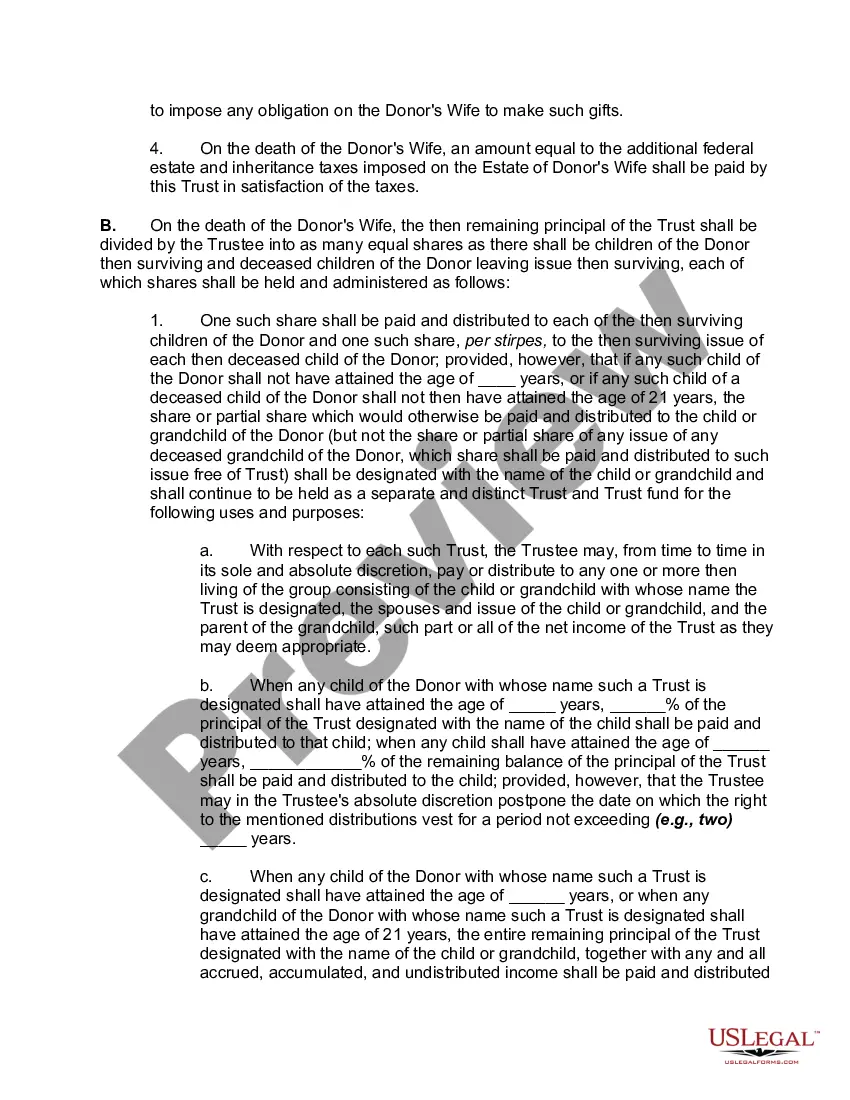
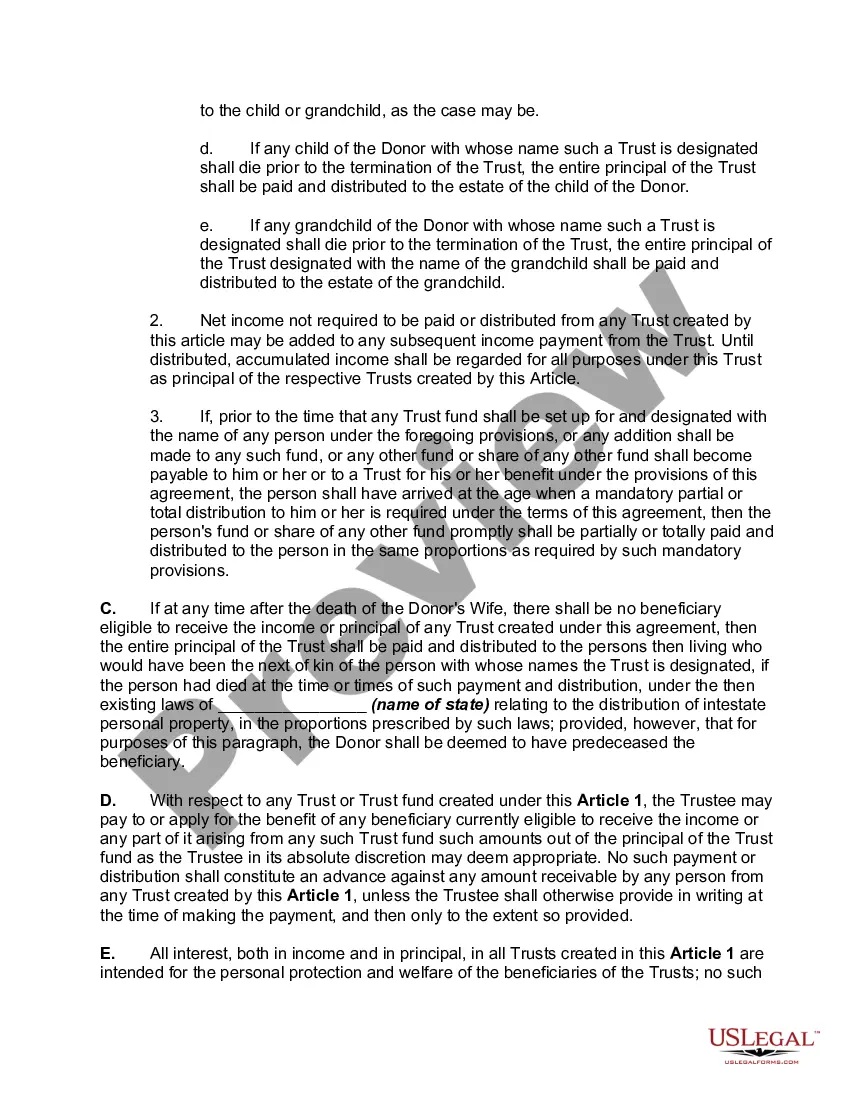
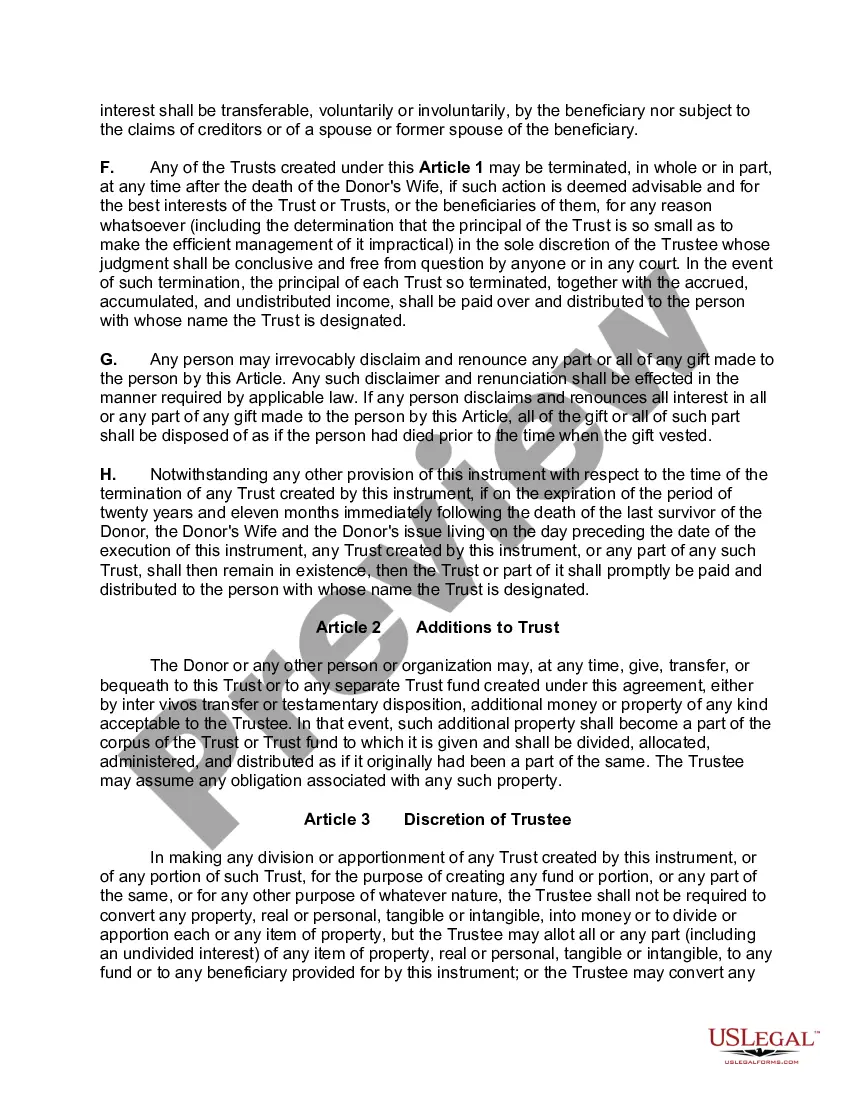
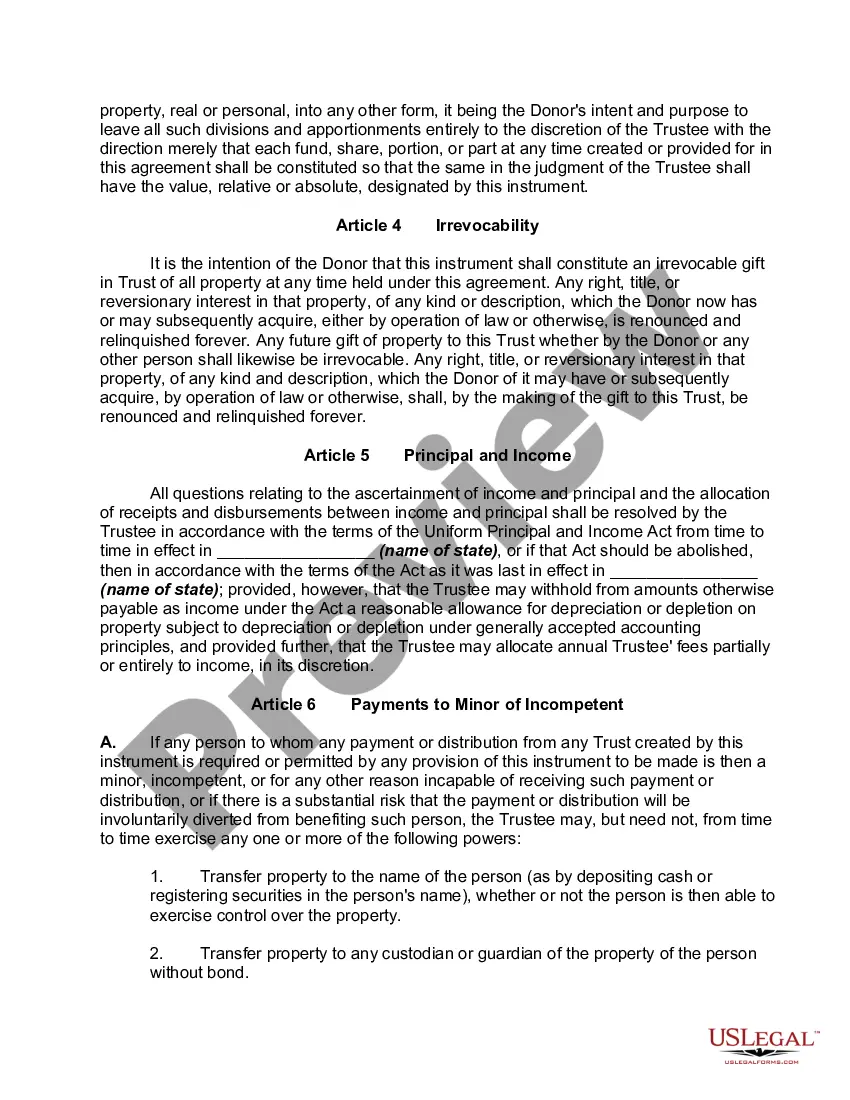
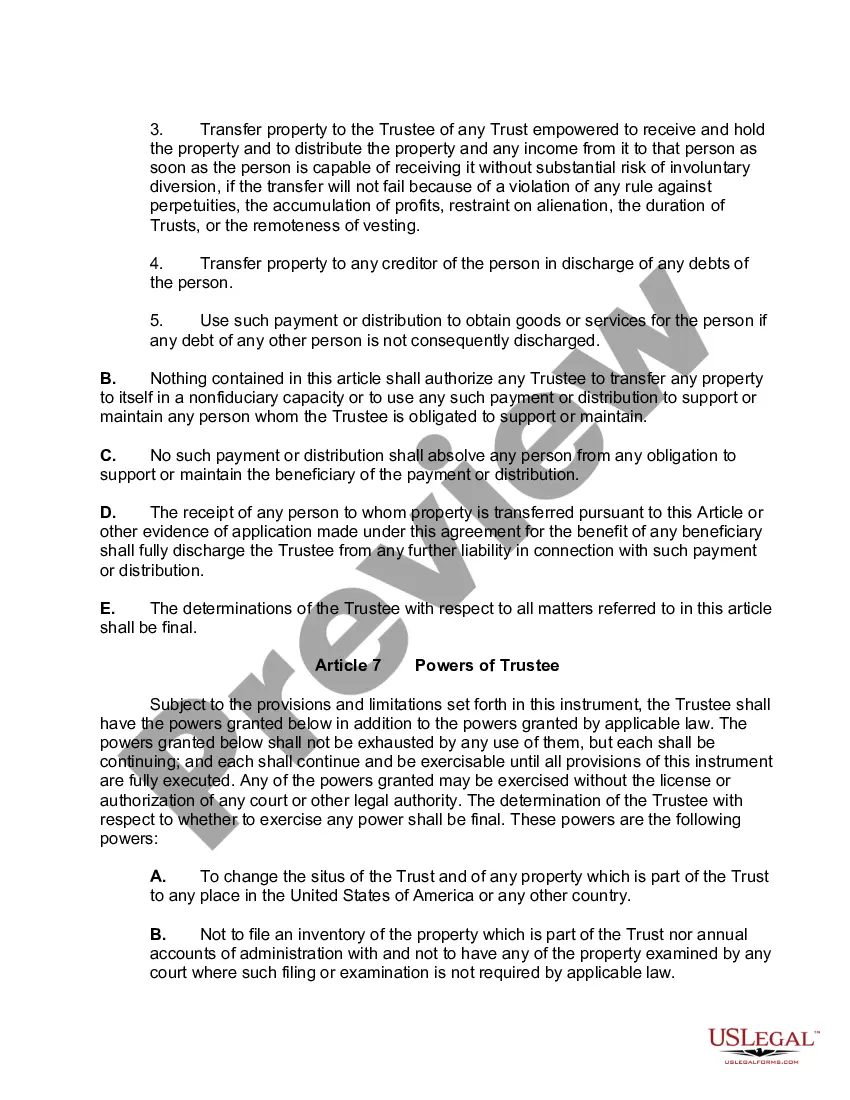
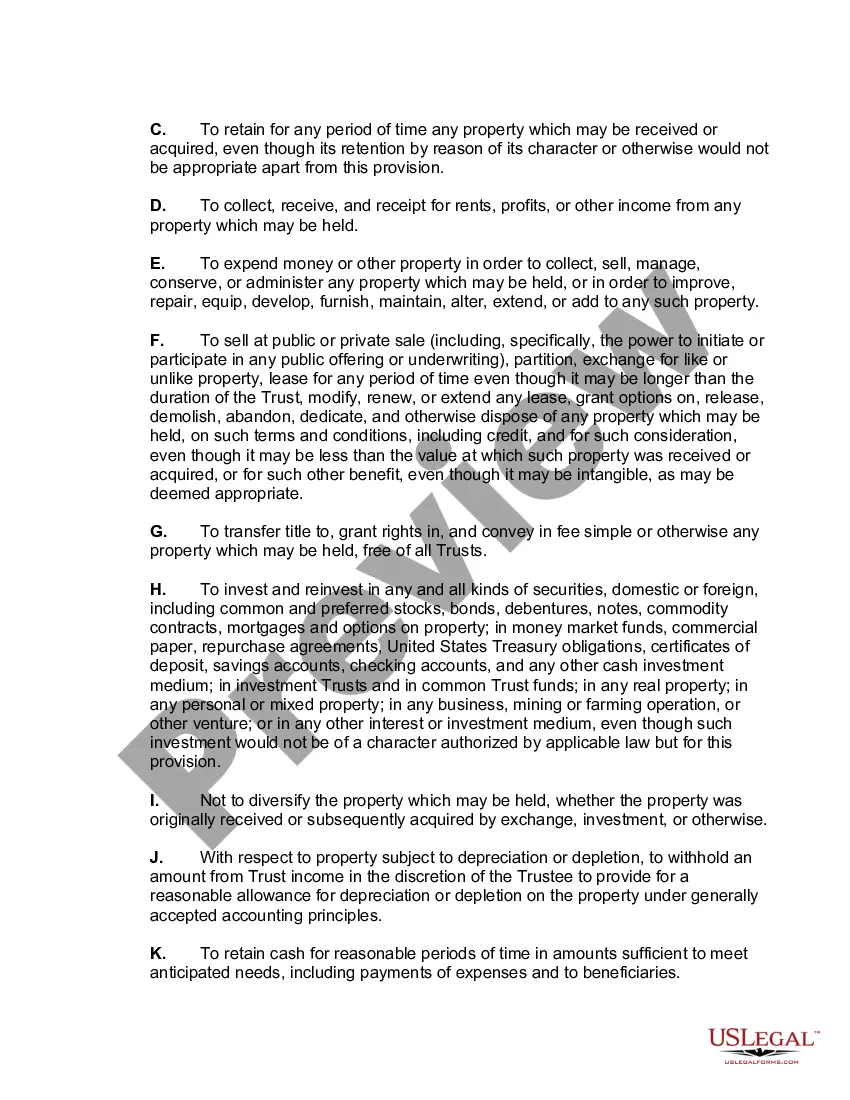
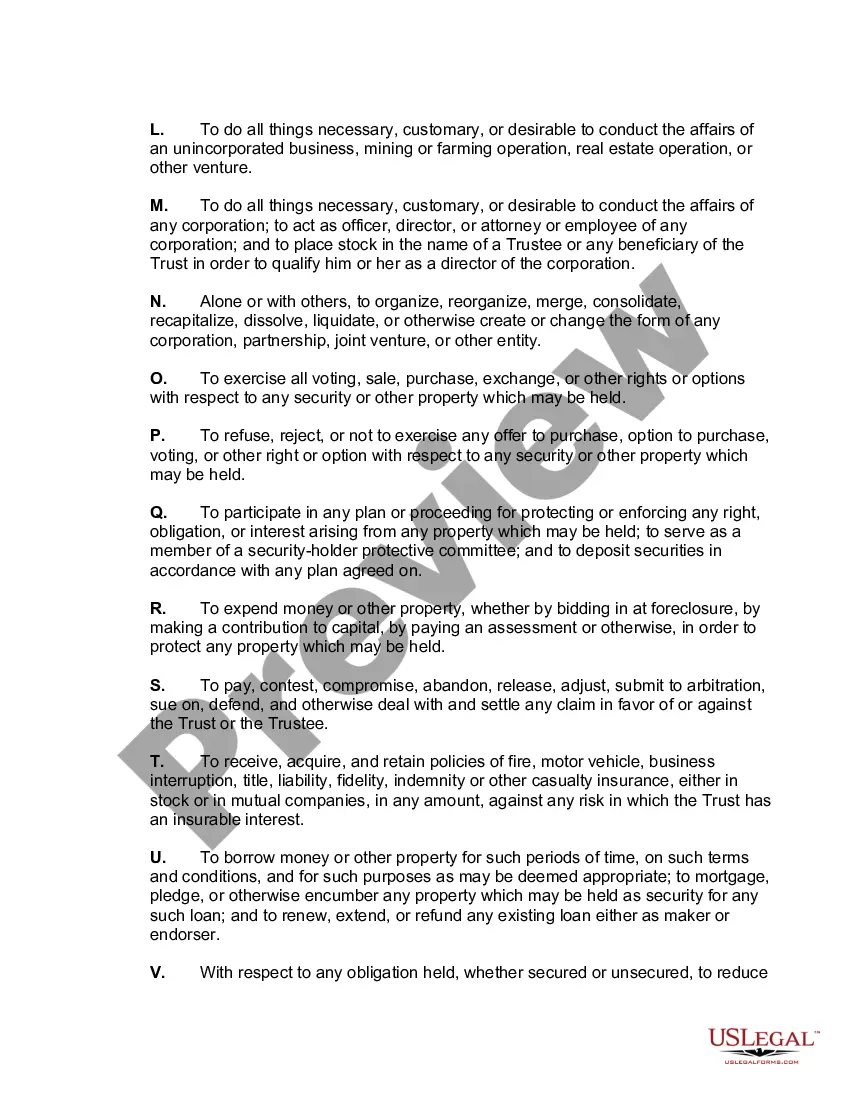
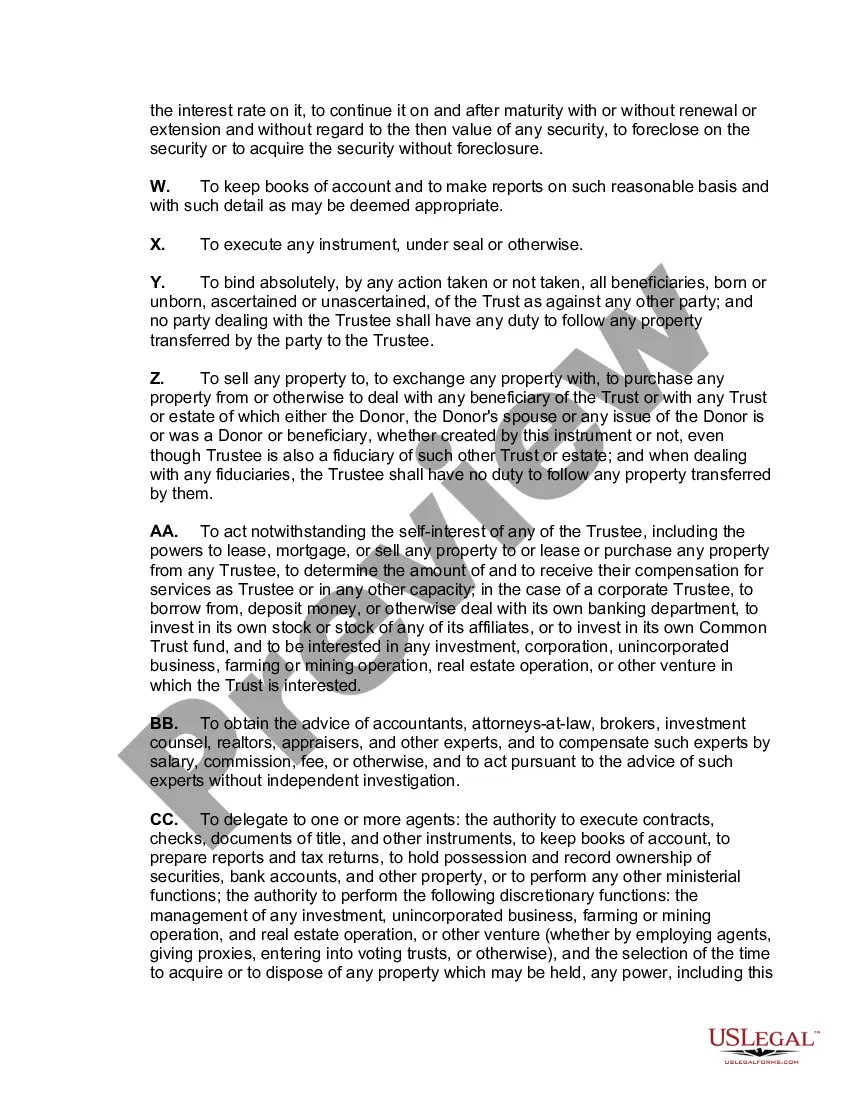
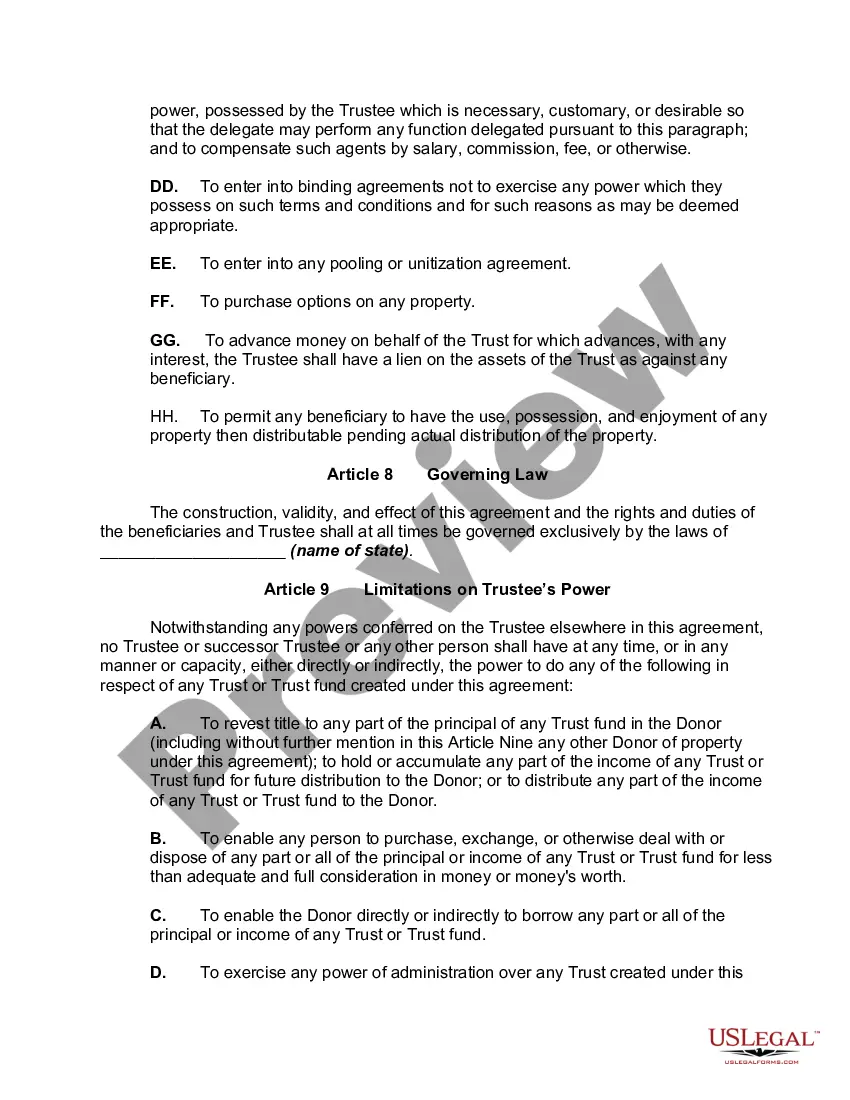

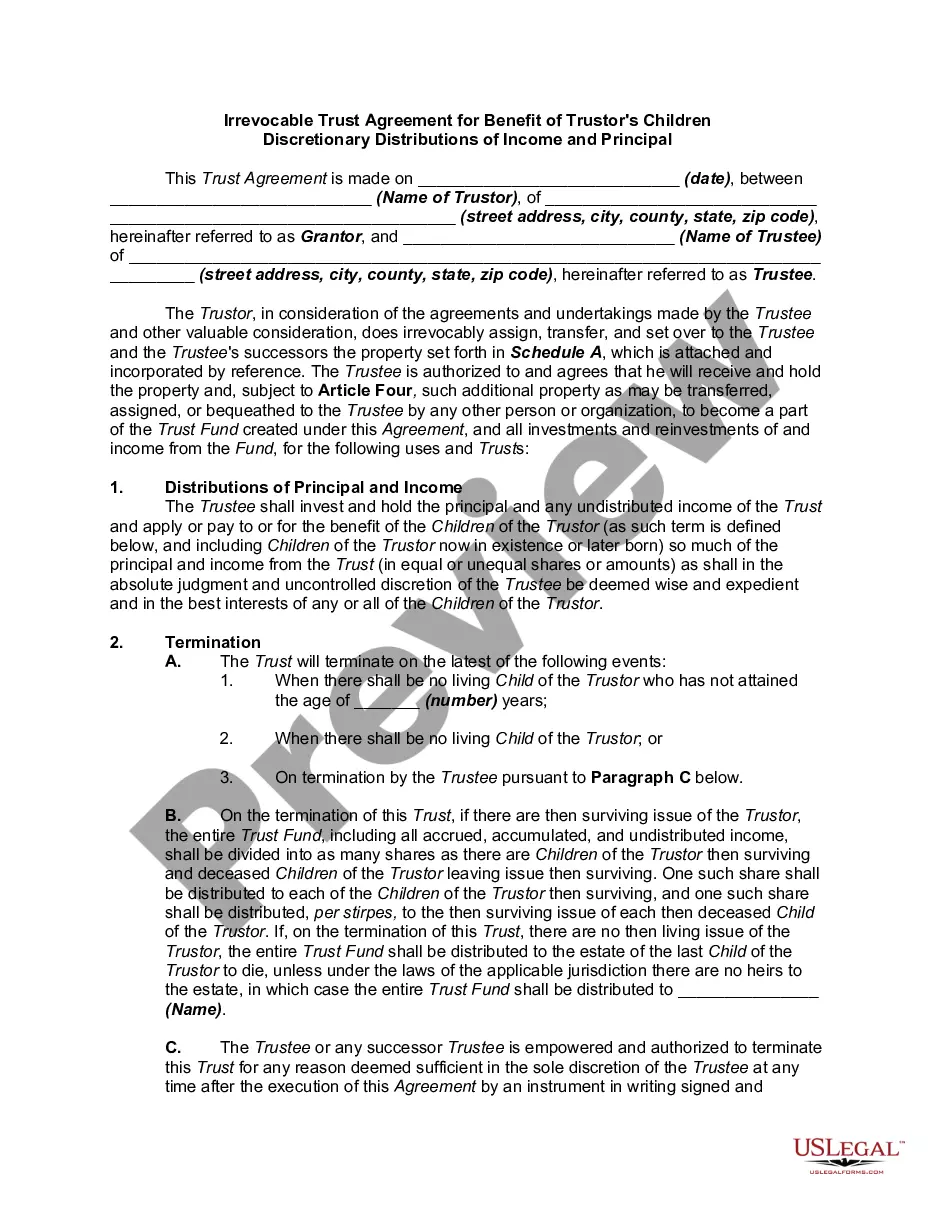
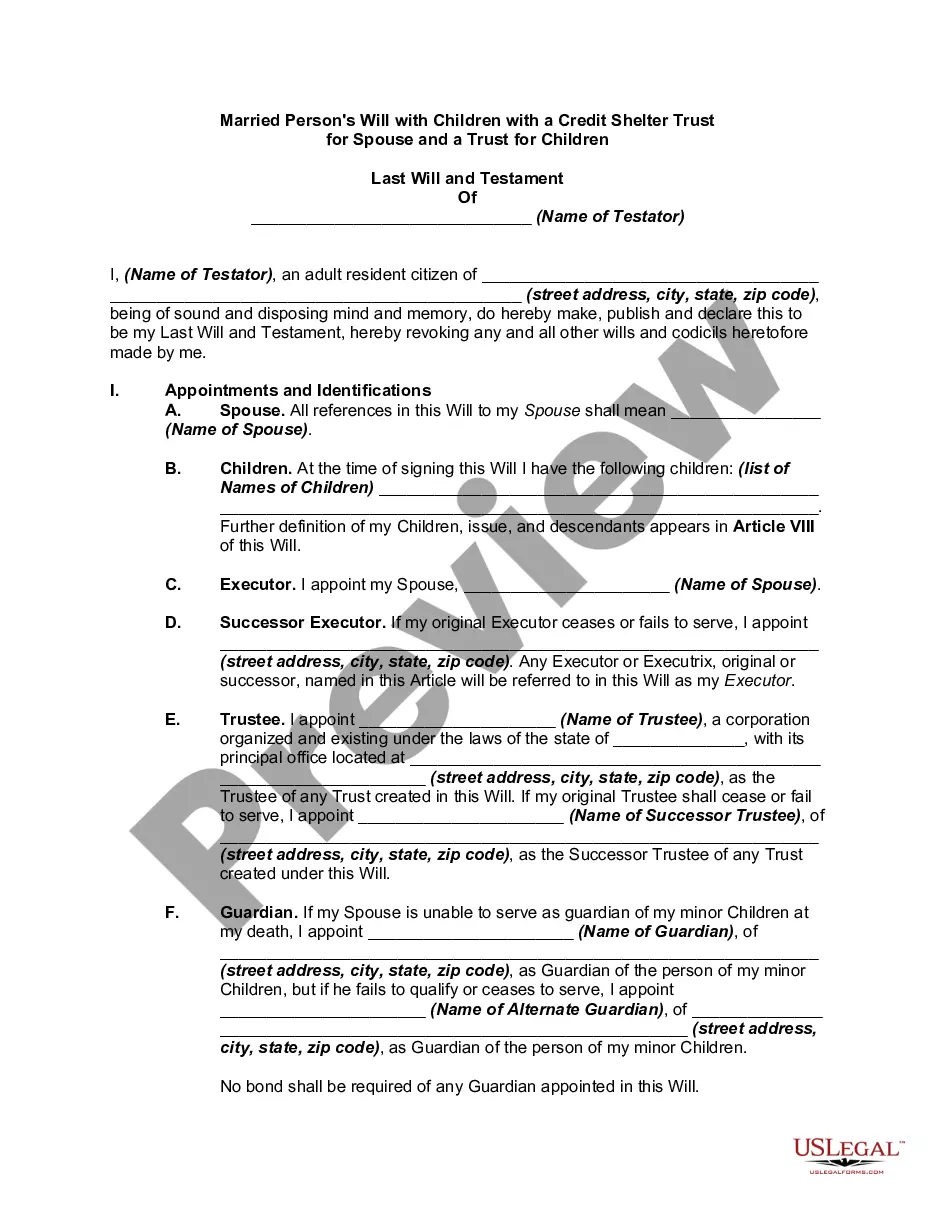
Get your form ready online
Our built-in tools help you complete, sign, share, and store your documents in one place.
Make edits, fill in missing information, and update formatting in US Legal Forms—just like you would in MS Word.
Download a copy, print it, send it by email, or mail it via USPS—whatever works best for your next step.
Sign and collect signatures with our SignNow integration. Send to multiple recipients, set reminders, and more. Go Premium to unlock E-Sign.
If this form requires notarization, complete it online through a secure video call—no need to meet a notary in person or wait for an appointment.
We protect your documents and personal data by following strict security and privacy standards.

Make edits, fill in missing information, and update formatting in US Legal Forms—just like you would in MS Word.

Download a copy, print it, send it by email, or mail it via USPS—whatever works best for your next step.

Sign and collect signatures with our SignNow integration. Send to multiple recipients, set reminders, and more. Go Premium to unlock E-Sign.

If this form requires notarization, complete it online through a secure video call—no need to meet a notary in person or wait for an appointment.

We protect your documents and personal data by following strict security and privacy standards.
Looking for another form?





How to fill out Inter Vivos QTIP Trust With Principal To Donor's Children On Spouse's Death?
It’s clear that you cannot transform into a legal specialist instantly, nor can you swiftly acquire the ability to prepare Qtip Trusts Sample For Dummies without a dedicated background.
Drafting legal documents is a lengthy procedure that necessitates particular education and expertise. So why not entrust the preparation of the Qtip Trusts Sample For Dummies to the experts.
With US Legal Forms, which boasts one of the largest collections of legal documents, you can find anything from judicial paperwork to templates for organizational communication.
Should you need a different template, start your search anew.
Create a free account and select a subscription choice to acquire the form. Hit Buy now. Once the purchase is finalized, you can receive the Qtip Trusts Sample For Dummies, complete it, print it, and deliver it either digitally or via postal service to the relevant individuals or organizations.
- Recognize how vital compliance and observance of federal and state laws are.
- That’s why all forms on our website are tailored to specific locations and are current.
- Begin with our website and obtain the form you need in just moments.
- Utilize the search bar at the top of the page to find the form you’re looking for.
- If available, preview it and read the accompanying description to determine if Qtip Trusts Sample For Dummies is what you seek.
Form popularity
FAQ
The copyright page is where you credit all of the people who helped finalize your book and include their copyright. For example illustrations, cover art and images used should be credited with the person's name on the copyright page.
What does a copyright page include? Copyright notice (required) Rights reserved notice (required) ISBN. Library of Congress Control Number. Disclaimers. Permissions notice. Credits. Print edition.
The copyright page is standard in any book ? where it's poetry, fiction, nonfiction, memoir, or comic. Self-published books are no different, so they should include a copyright page.
Do Ebooks Need a Copyright Page? Ebooks need a copyright page just as printed books do, if not more! Due to their digital nature and availability online, ebooks are more vulnerable to piracy and plagiarism. This is mainly because it's much easier to copy and paste from electronic sources than from printed content.
Ways To Protect Your eBooks. Once an author's ideas are expressed in a concrete form, they instantly acquire copyright for secure publishing. The material is automatically copyrighted as a draft is written down. Even if a digital copy of the book is produced, the author maintains the copyright.
We've taken the time to outline the most critical 5 steps you should take to protect your eBook before you consider publishing it. Convert files into PDF. ... Acquire DRM (Digital Rights Management) Software. ... Add digital watermarks to your eBooks. ... Publish an official copyright notice. ... Register your eBooks.
You automatically own the copyright to your book for free the moment you write down the text. If you want the added legal benefits of registering your copyright, you must pay at least a $45 fee with the US Copyright Office to go through the process.
Even though the copyright page might look simple and most readers often overlook it, it is critical that you include it in your ebook to protect its content and avoid any future legal issues.