Qtip Trust Explained For Beginners
Description
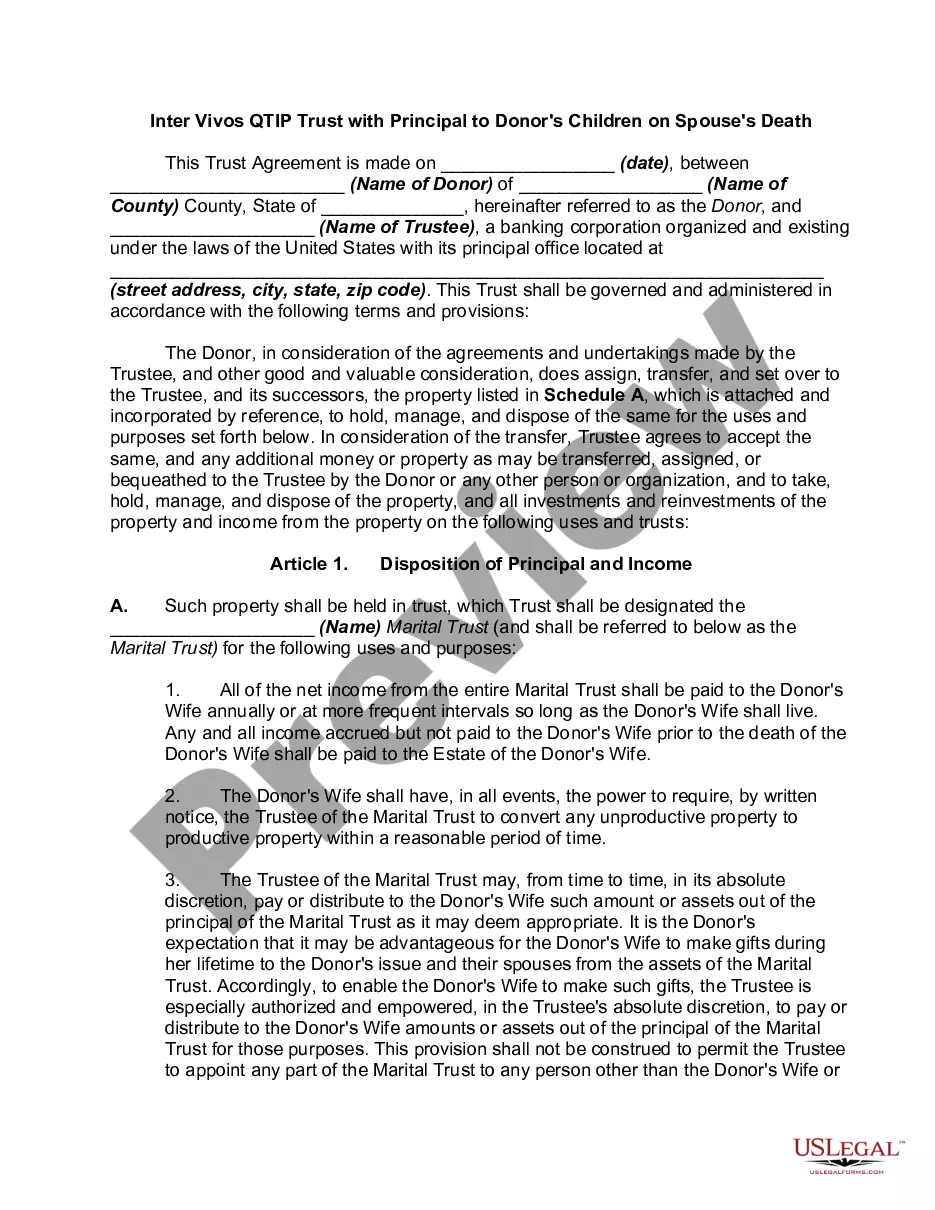
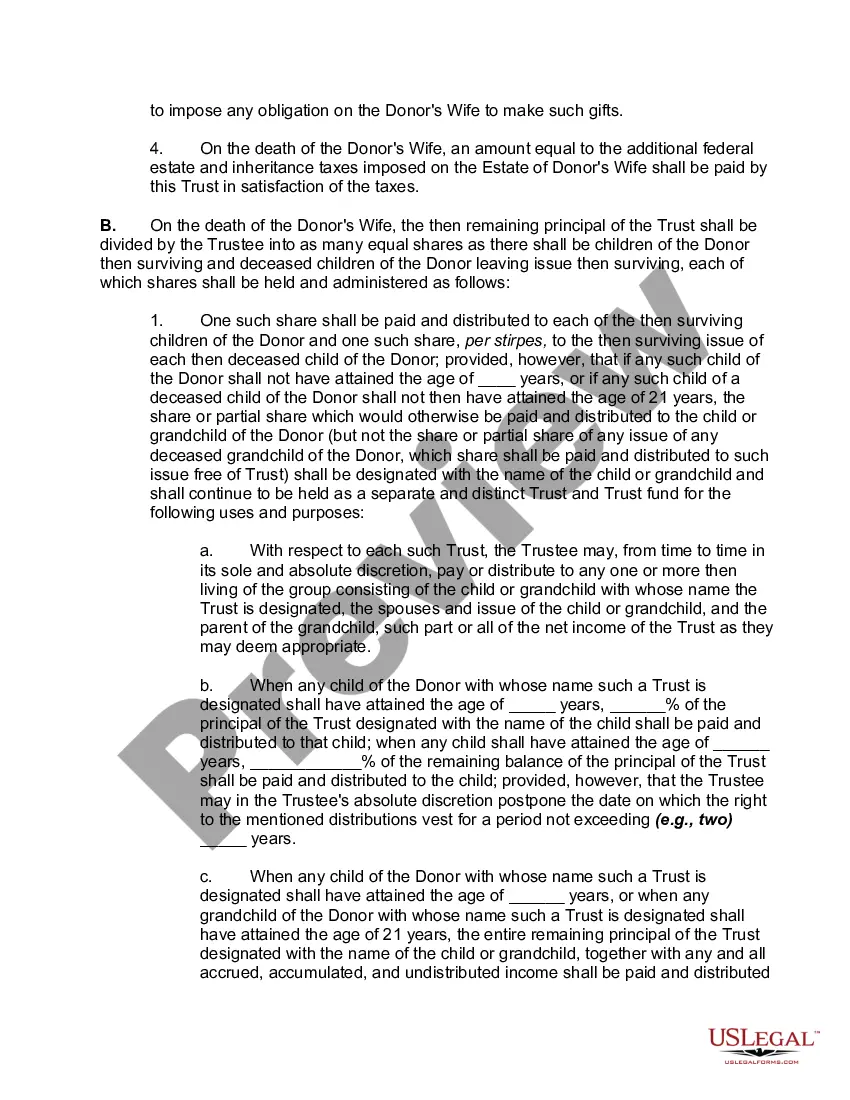
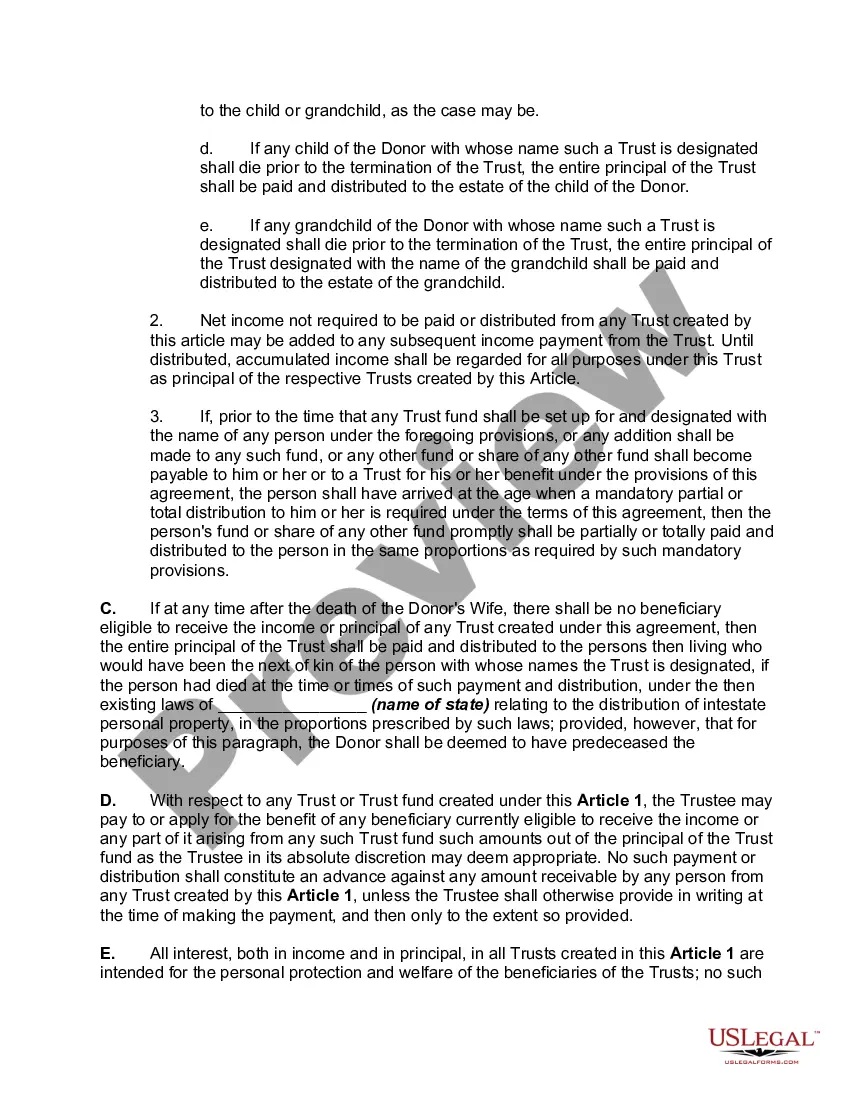
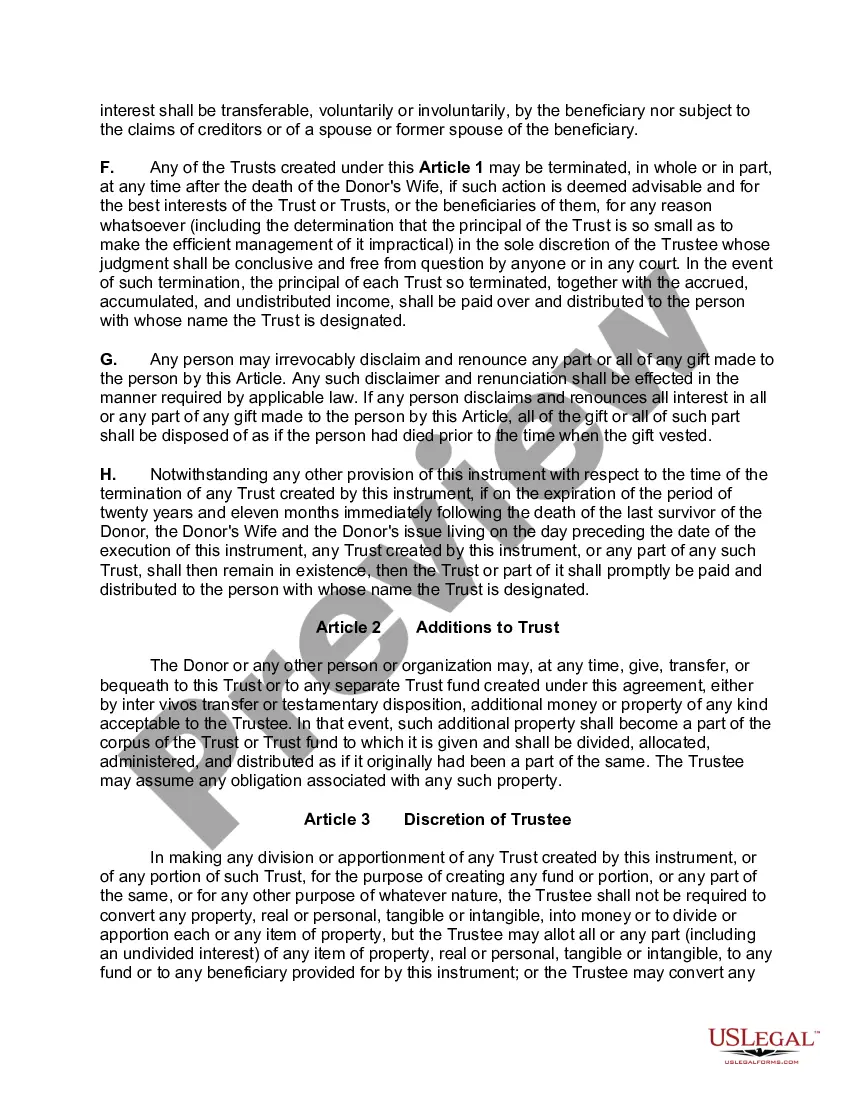
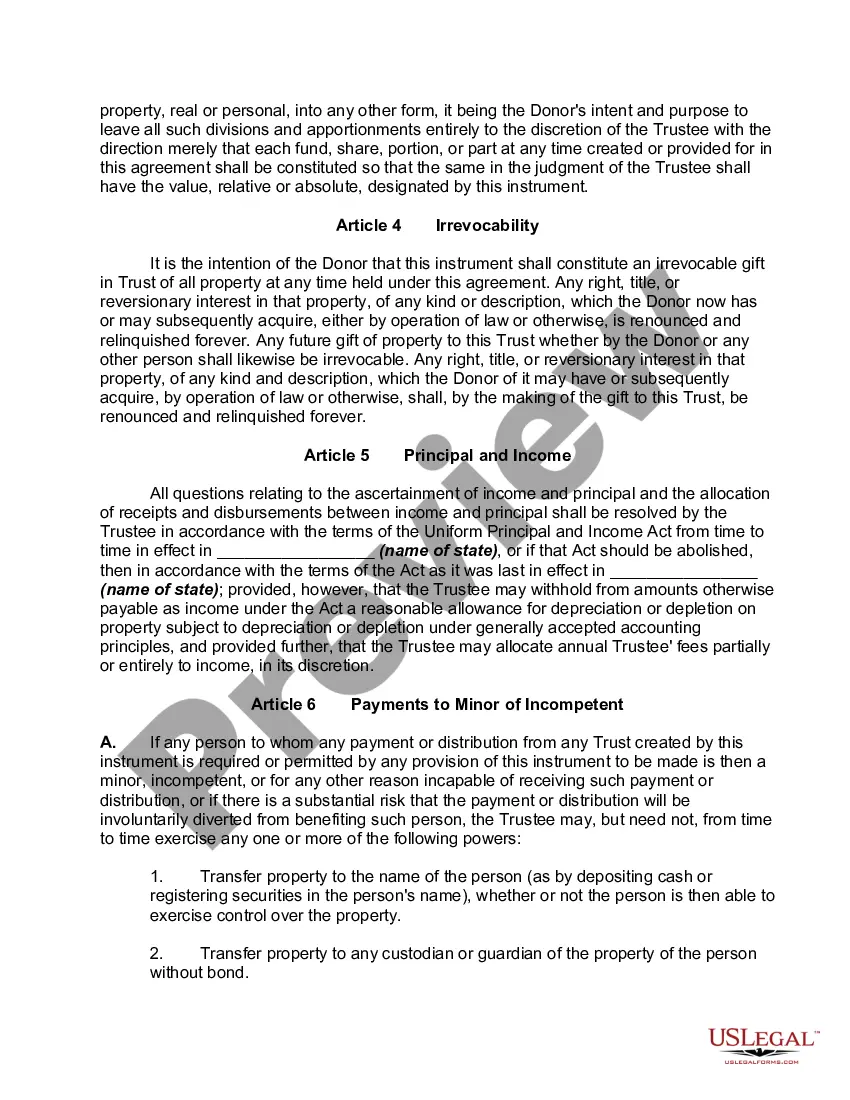
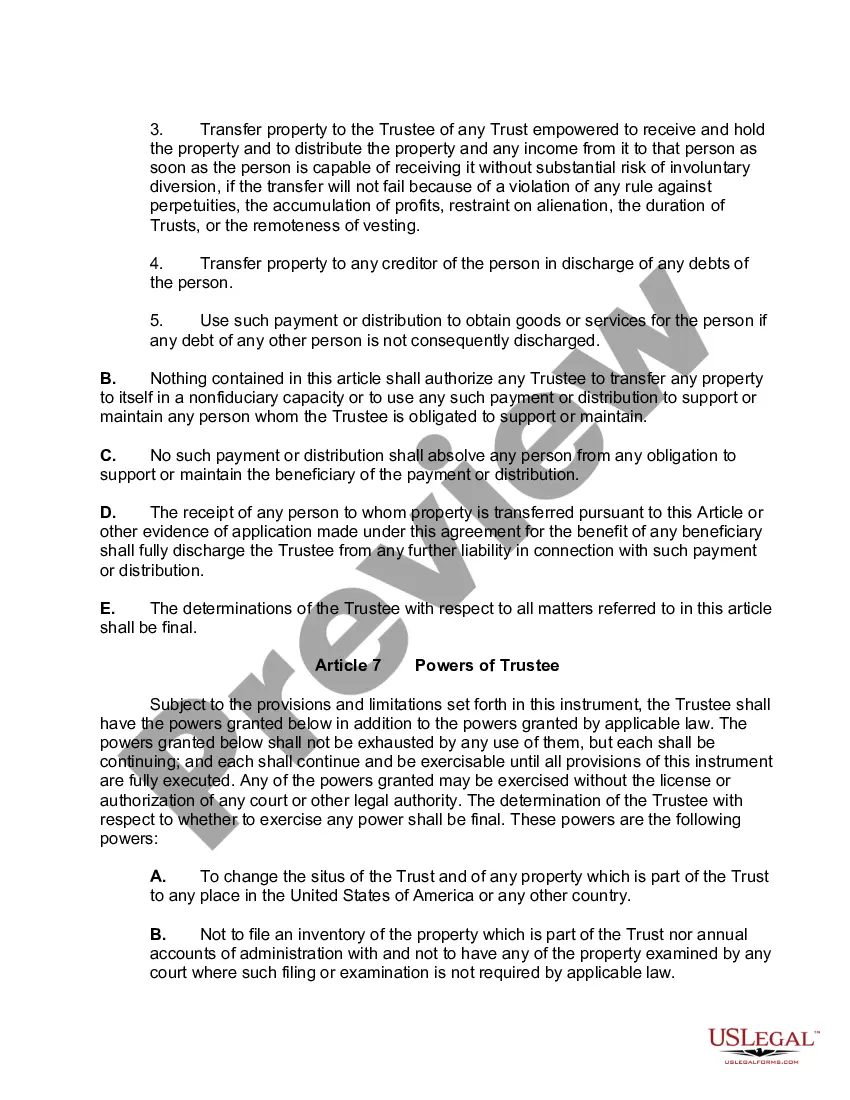
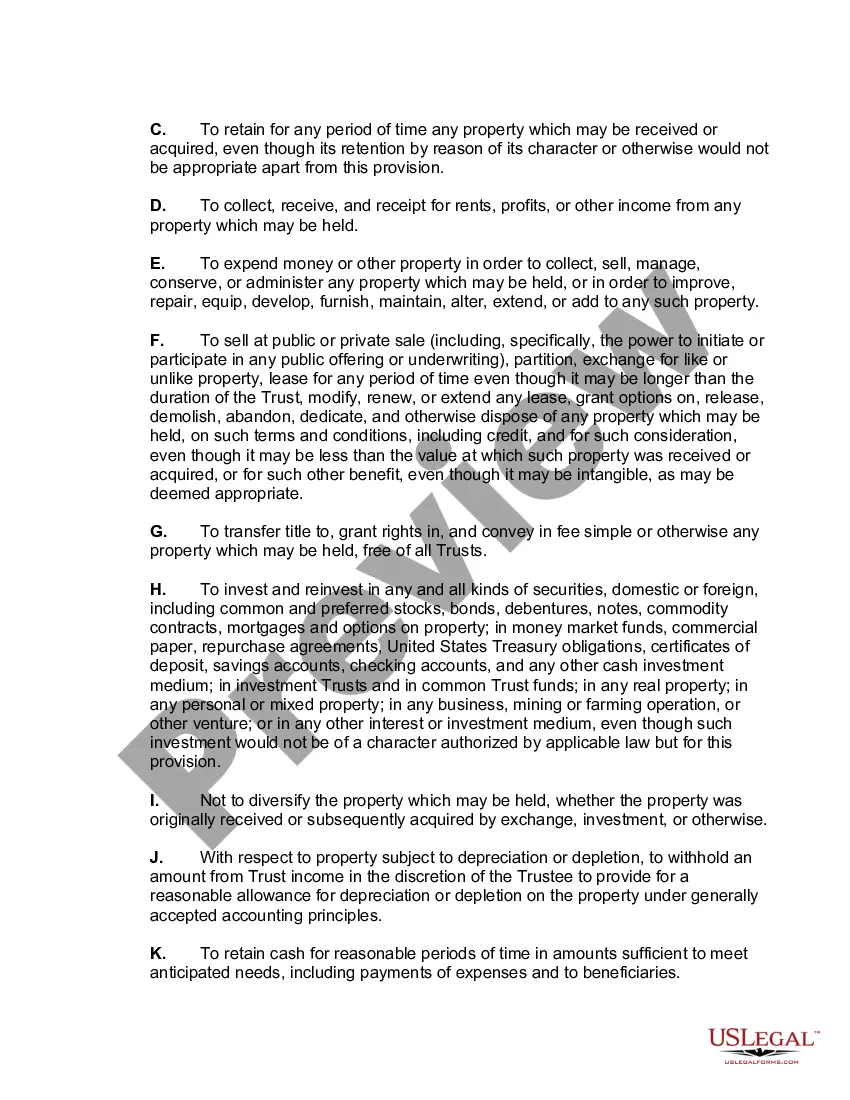

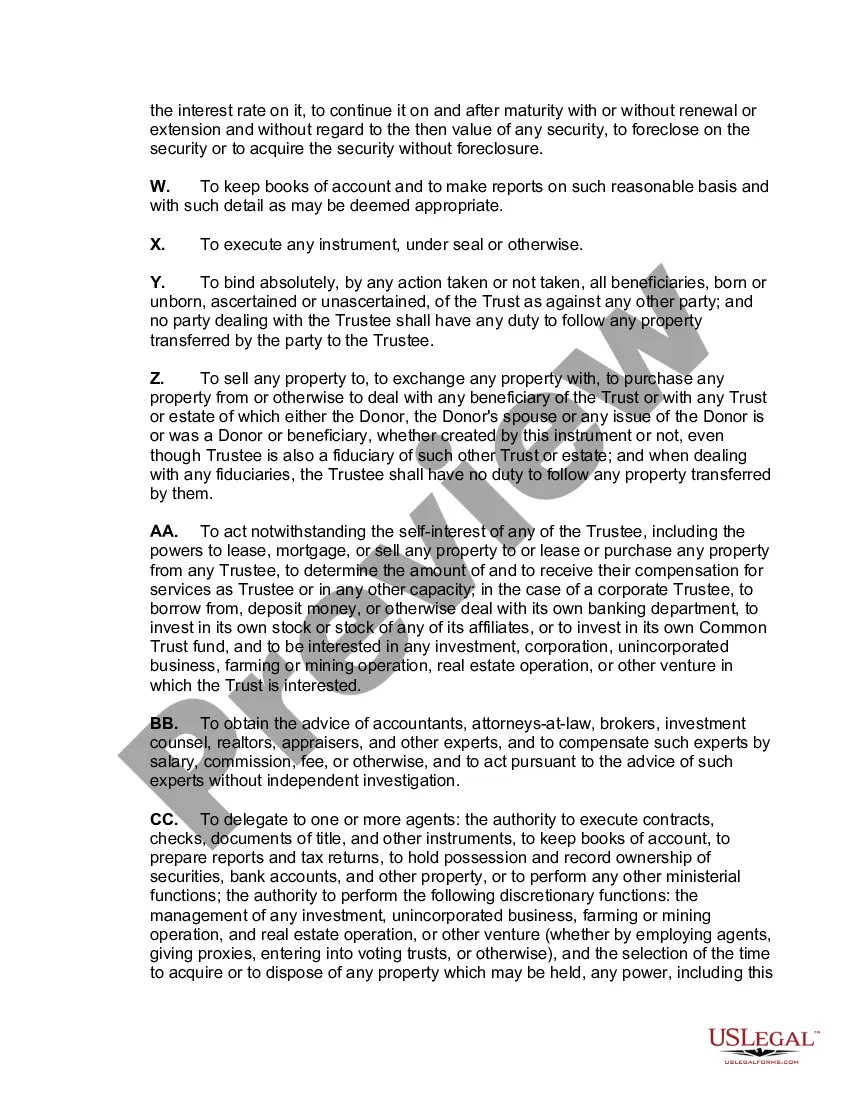

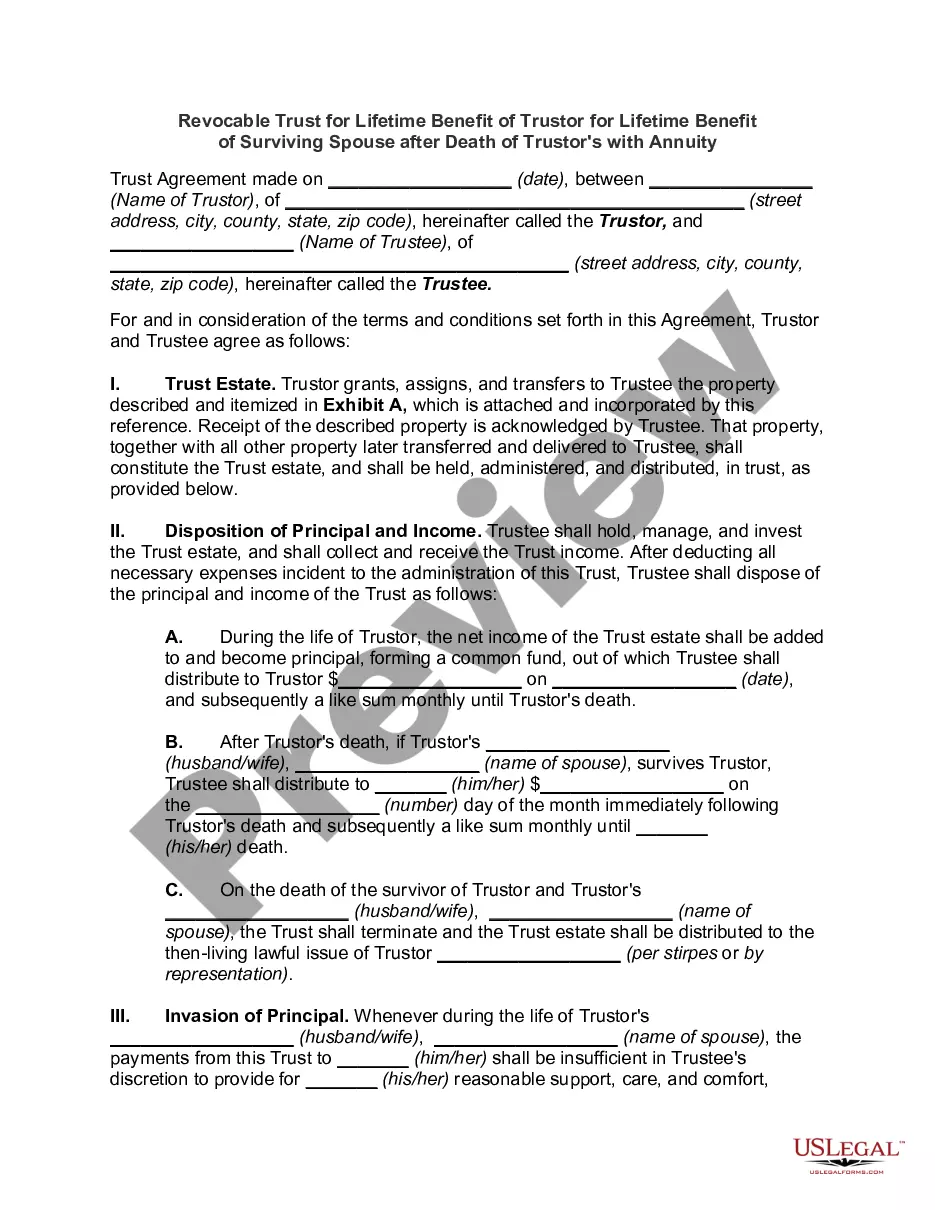
Get your form ready online
Our built-in tools help you complete, sign, share, and store your documents in one place.
Make edits, fill in missing information, and update formatting in US Legal Forms—just like you would in MS Word.
Download a copy, print it, send it by email, or mail it via USPS—whatever works best for your next step.
Sign and collect signatures with our SignNow integration. Send to multiple recipients, set reminders, and more. Go Premium to unlock E-Sign.
If this form requires notarization, complete it online through a secure video call—no need to meet a notary in person or wait for an appointment.
We protect your documents and personal data by following strict security and privacy standards.

Make edits, fill in missing information, and update formatting in US Legal Forms—just like you would in MS Word.

Download a copy, print it, send it by email, or mail it via USPS—whatever works best for your next step.

Sign and collect signatures with our SignNow integration. Send to multiple recipients, set reminders, and more. Go Premium to unlock E-Sign.

If this form requires notarization, complete it online through a secure video call—no need to meet a notary in person or wait for an appointment.

We protect your documents and personal data by following strict security and privacy standards.
Looking for another form?
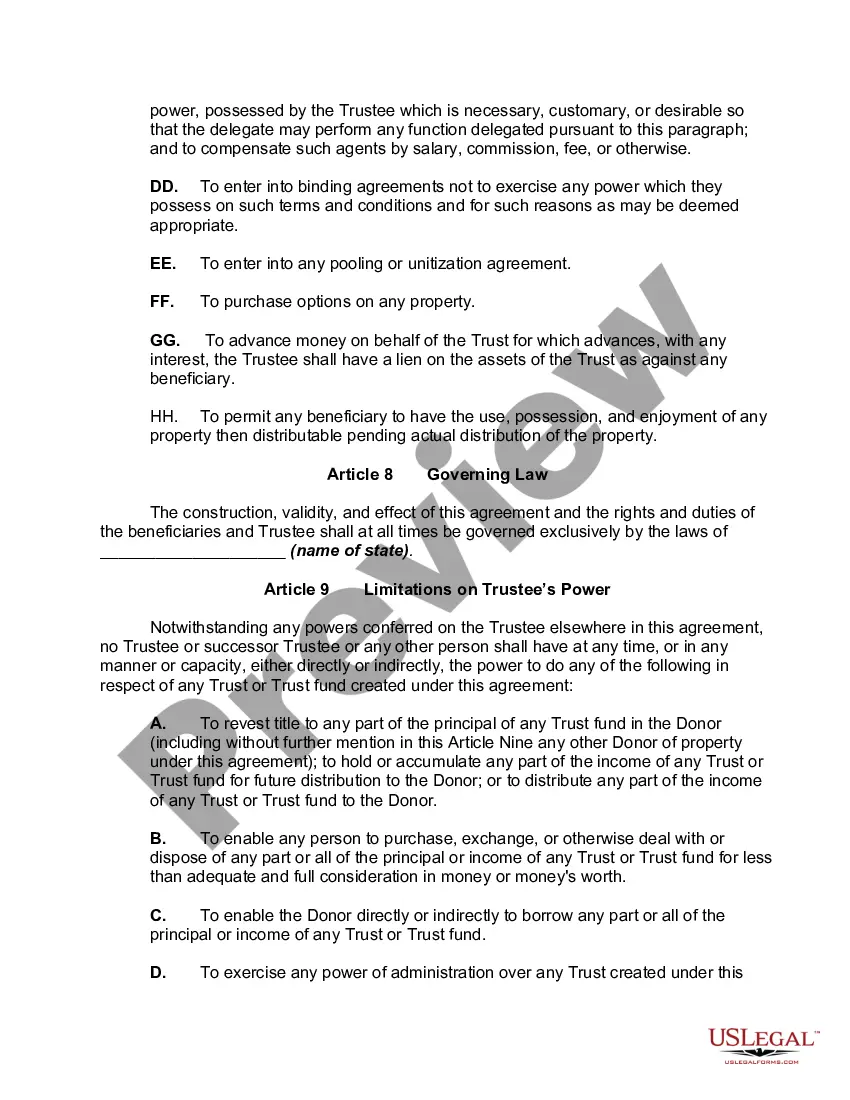
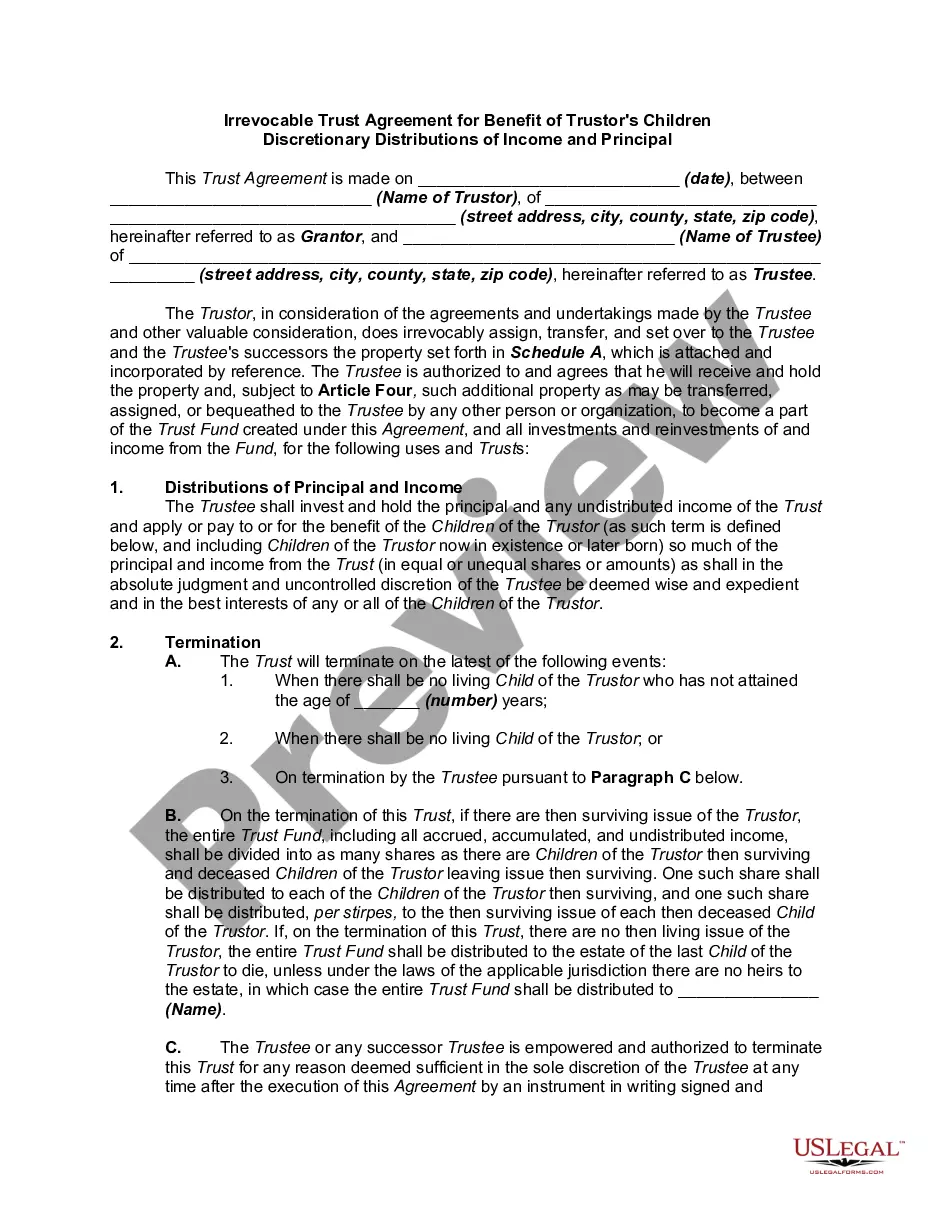
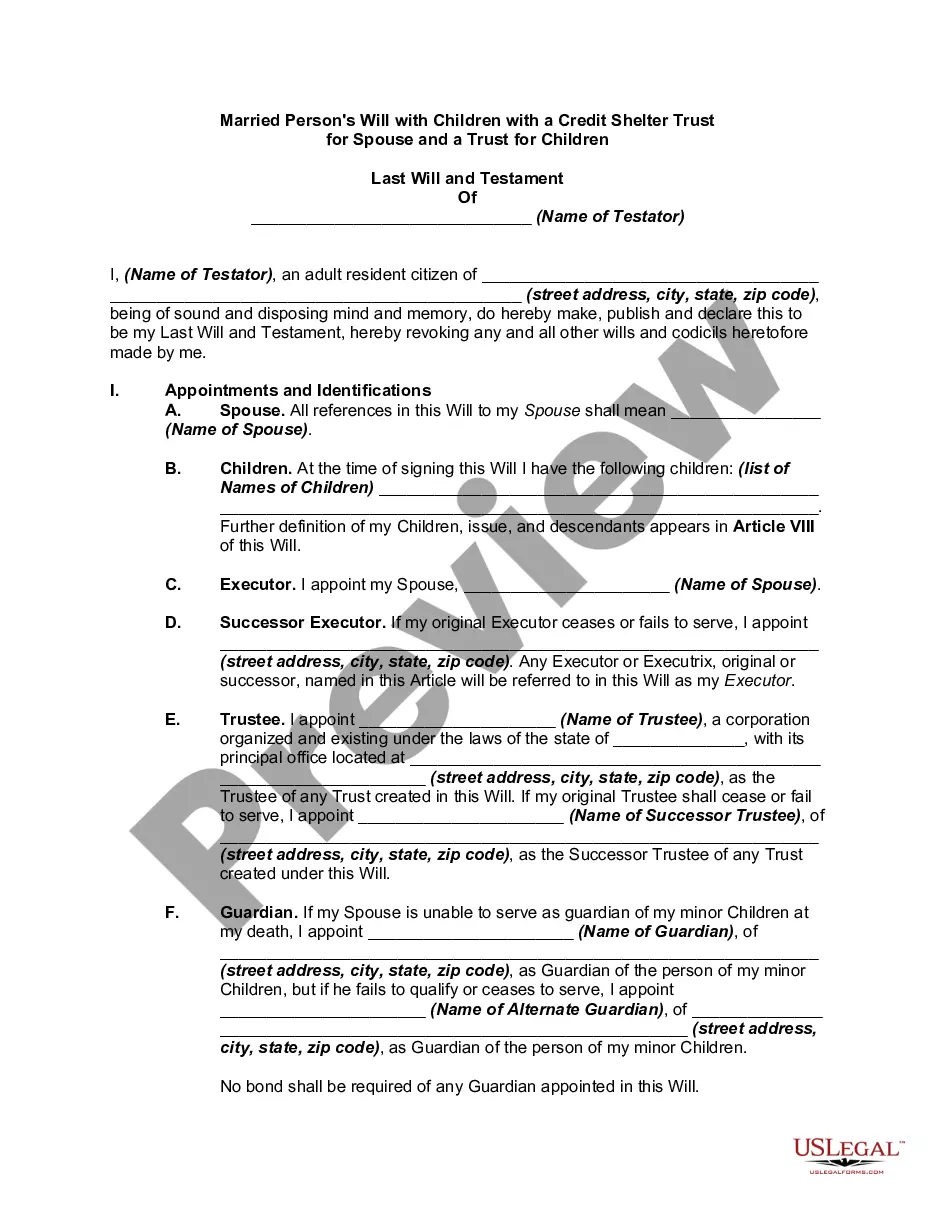
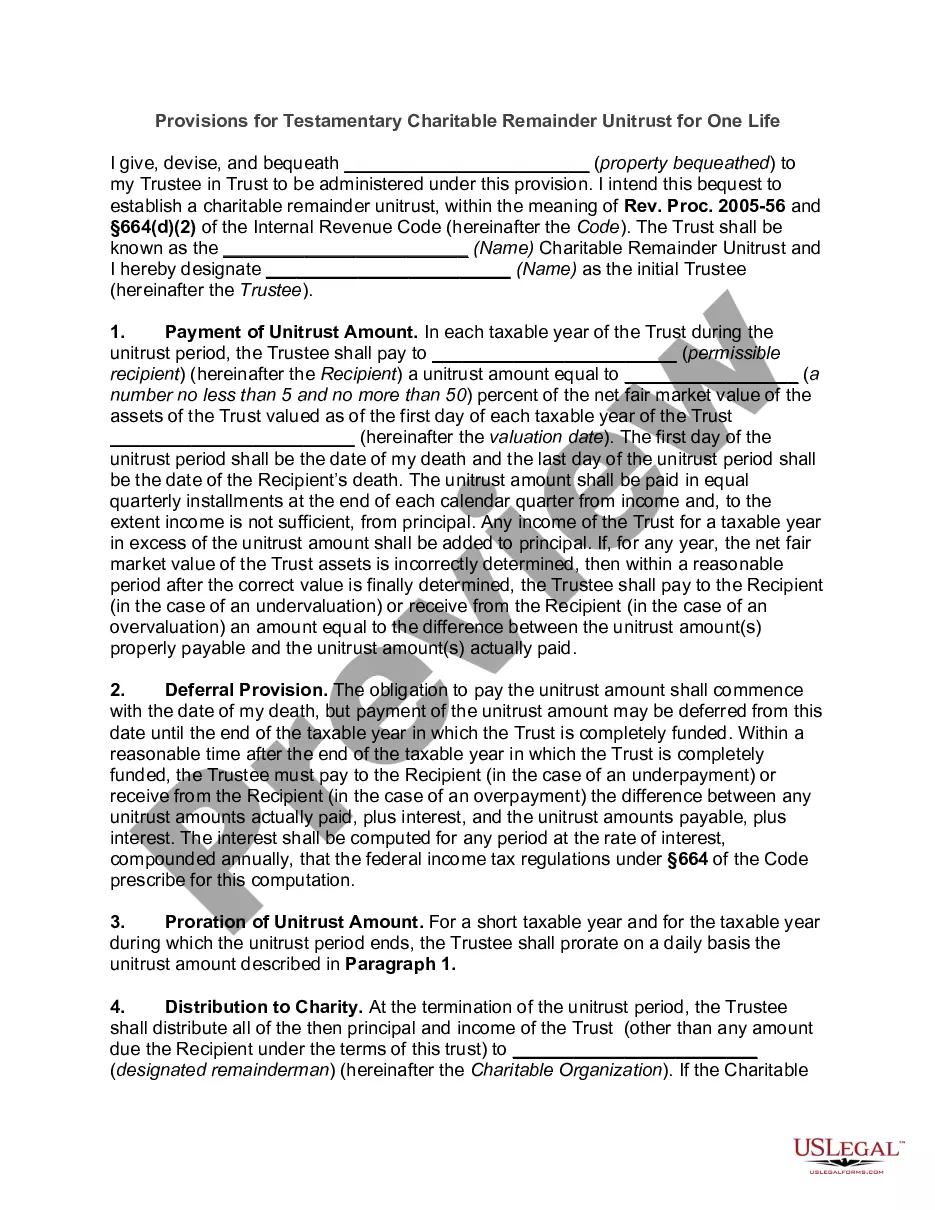
How to fill out Inter Vivos QTIP Trust With Principal To Donor's Children On Spouse's Death?
- Begin by logging into your existing US Legal Forms account. If you haven't created an account yet, start by signing up for access.
- Search for the relevant QTIP trust form using the toolbar. Review the description and preview mode to ensure it meets your jurisdiction's requirements.
- If the form does not suit your needs, utilize the search feature at the top to explore other templates that may be more appropriate.
- Once you find the right document, click on the 'Buy Now' button and select a subscription plan that fits your needs.
- Complete your purchase by entering your payment details, either via credit card or PayPal.
- After confirming your payment, download the form directly to your device for immediate use, or access it later in the 'My Forms' section of your profile.
By using US Legal Forms, you're leveraging a substantial library of over 85,000 legal documents, giving you the ability to create legally sound forms effortlessly.
Take control of your estate planning today! Start your journey with US Legal Forms and ensure your QTIP trust is set up correctly.
Form popularity
FAQ
An example of a QTIP trust is when a parent sets up a trust that designates their surviving spouse as the income beneficiary. In this case, the spouse receives regular distributions from the trust's income while the principal remains untouched until their passing. Once the spouse dies, the remaining assets go to the couple's children or other designated heirs. Understanding this structure is vital, so exploring the QTIP trust explained for beginners can simplify your estate planning process.
A QTIP trust, or Qualified Terminable Interest Property trust, allows you to provide for your spouse while maintaining control over the distribution of your assets after their passing. This type of trust passes income to your spouse but preserves the principal for your chosen beneficiaries. By using a QTIP trust, you can ensure that your estate plan meets your family's needs and goals. For those wanting a clear understanding of estate planning, this is a concept worth exploring; the QTIP trust explained for beginners helps clarify its advantages.
A common example of QTIP property would be a family home held in the trust. In this scenario, the surviving spouse can live in and receive income from the property for their lifetime, which illustrates the benefits of a Qtip trust explained for beginners. After the surviving spouse's death, the home’s value goes to other beneficiaries as specified in the trust. This example highlights the balance between providing support to the surviving spouse and fulfilling the grantor's wishes.
To qualify for the marital deduction in a QTIP trust, assets must be included in the spouse's estate at the time of their death. This means that for the trust to provide the intended tax benefits, it must be set up in a way that meets IRS guidelines. Understanding what qualifies for this deduction is an important aspect of a Qtip trust explained for beginners, as it directly impacts estate tax liabilities.
For a QTIP trust to function correctly, there are specific conditions that must be met. These include ensuring that all income generated by the trust is distributed to the surviving spouse, and the trust must not allow any principal distributions to anyone other than the surviving spouse during their lifetime. Learning these conditions can help you better navigate the Qtip trust explained for beginners and optimize its benefits for your estate.
The QTIP rule is a key concept in estate planning, especially for those looking to maximize tax benefits. This rule allows a trust to qualify for a marital deduction, meaning the assets in the trust aren’t taxed until after the surviving spouse passes away. Understanding this rule is crucial for those implementing a Qtip trust explained for beginners, as it effectively defers taxes and simplifies the transfer of wealth.
To understand a Qtip trust explained for beginners, it’s essential to know the basic requirements. A QTIP trust must provide income to the surviving spouse during their lifetime, with remaining assets going to other beneficiaries after their death. Additionally, the trust must be irrevocable, meaning it cannot be changed or revoked once established. These features ensure that the surviving spouse benefits, while also allowing for proper estate planning.
The purpose of a QTIP is to allow a surviving spouse to receive benefits while preserving estate assets for future beneficiaries. It creates a balanced approach to estate planning, ensuring both immediate support and long-term stability for heirs. By learning more about how a QTIP trust works, families can make informed decisions about their financial futures.
Someone might set up a QTIP trust to protect assets for their spouse while ensuring that heirs receive their intended inheritance after the spouse's death. This type of trust provides financial security and control, preventing added complications during estate settlement. As part of a comprehensive estate strategy, it can be an excellent option for many families.
Two essential requirements of a QTIP trust are that the surviving spouse must receive all the income generated by the trust, and the trust must be irrevocable. This ensures that not only does the spouse have financial support, but it also indicates that the trust cannot be altered once established. Knowing these details can simplify your estate planning process.