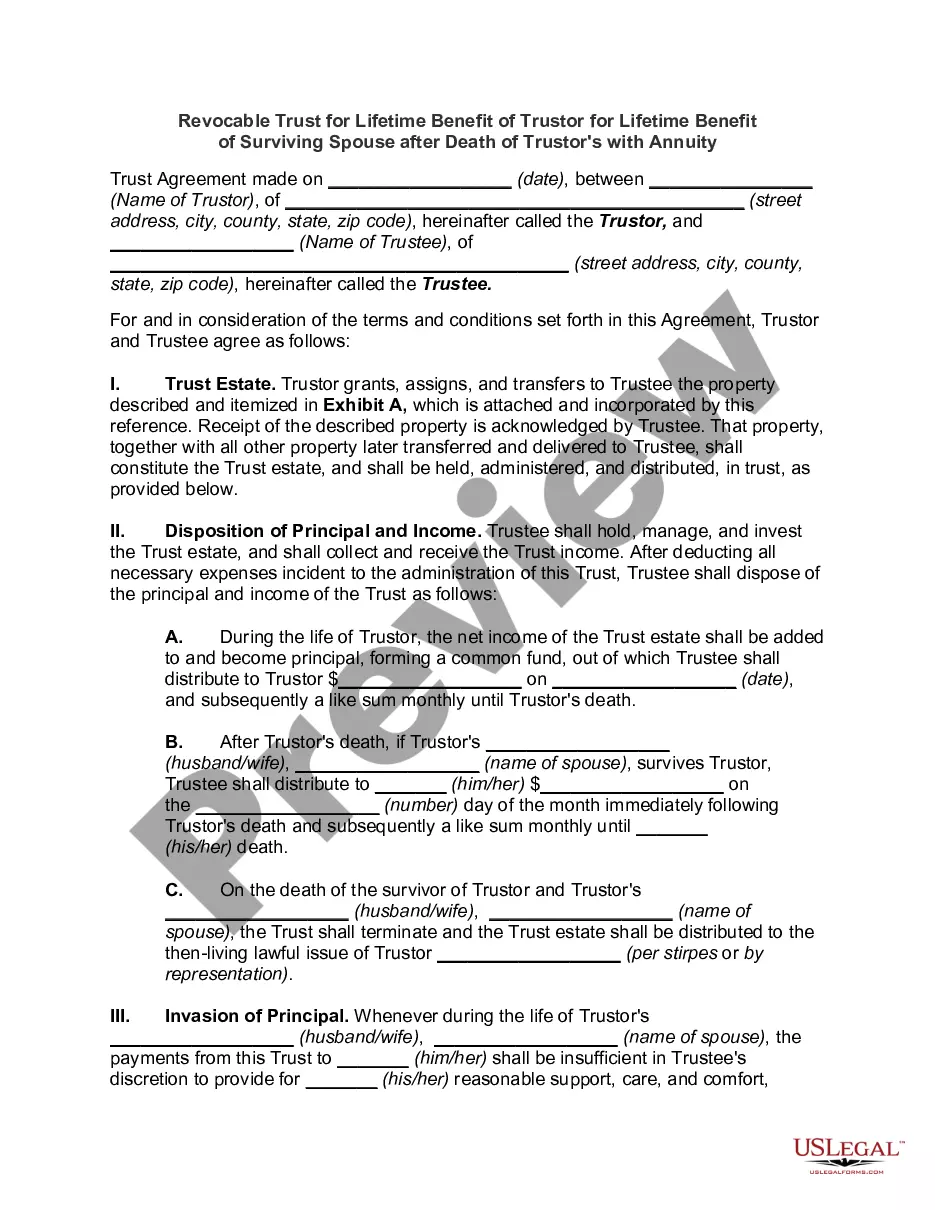
Qtip Trust
Description
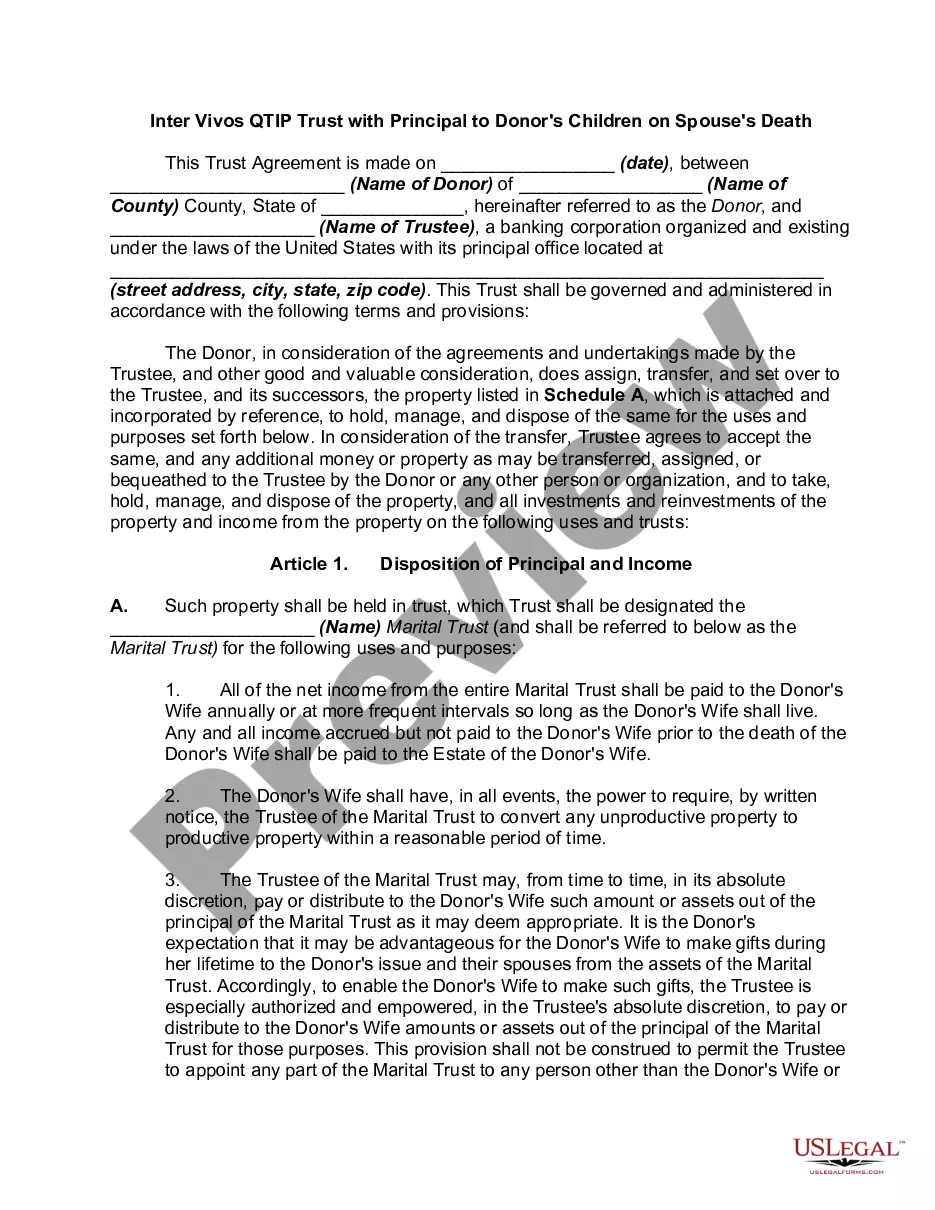
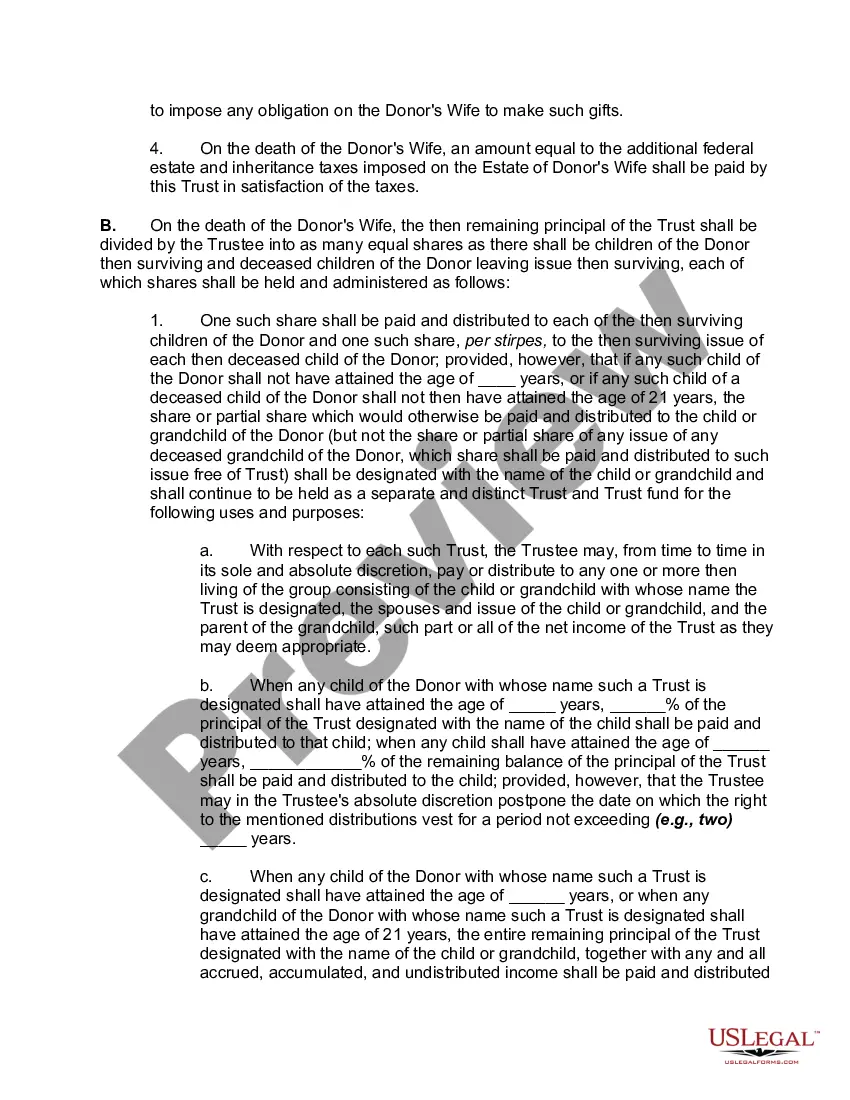
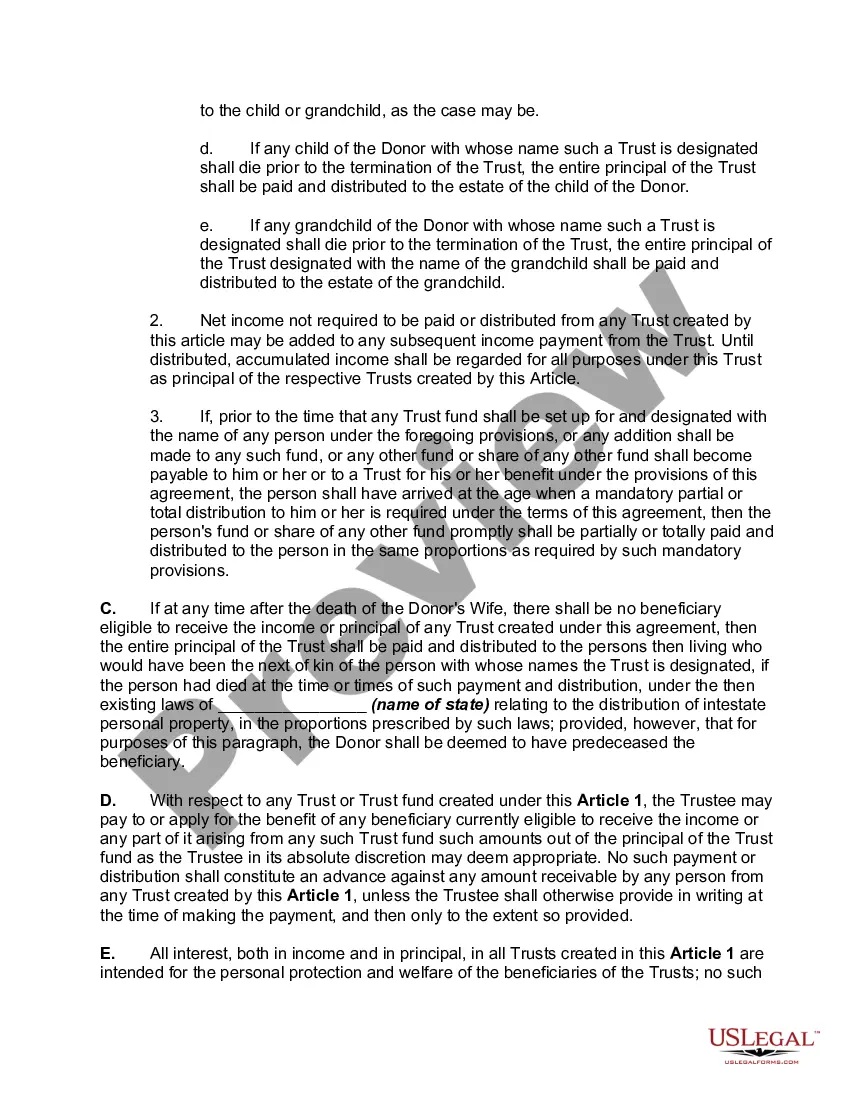
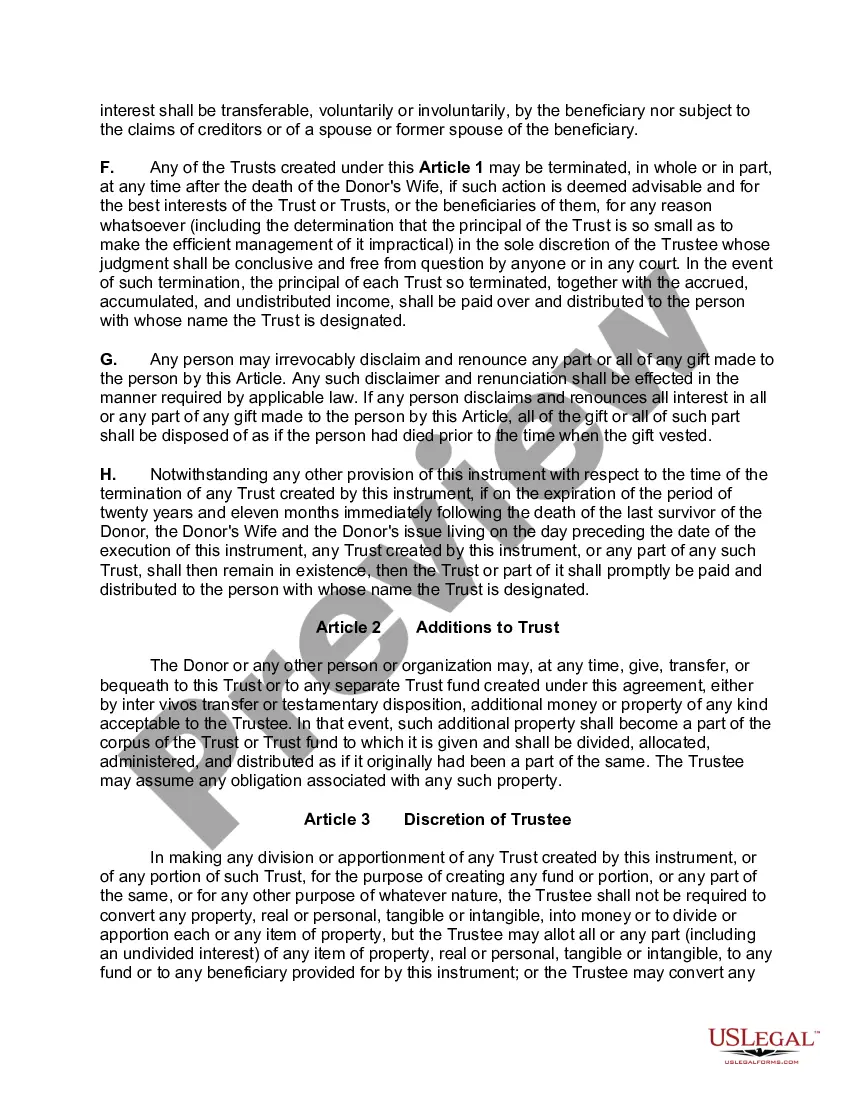
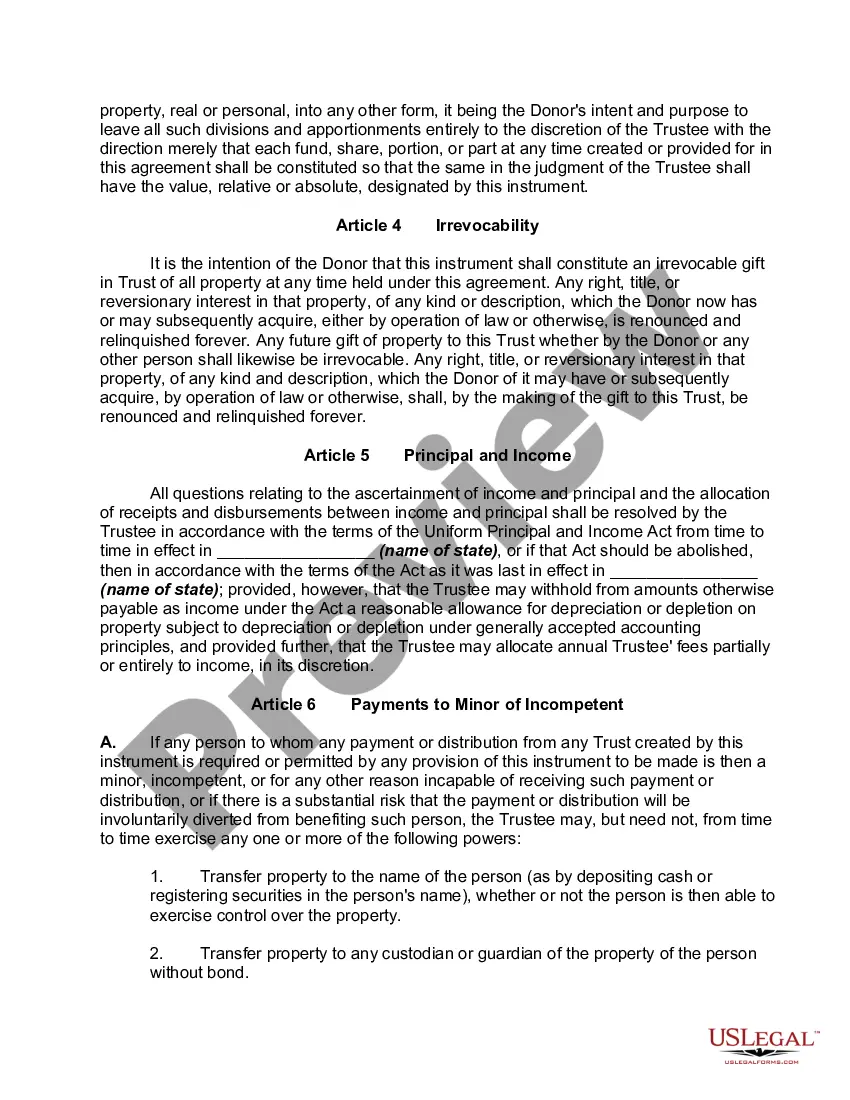
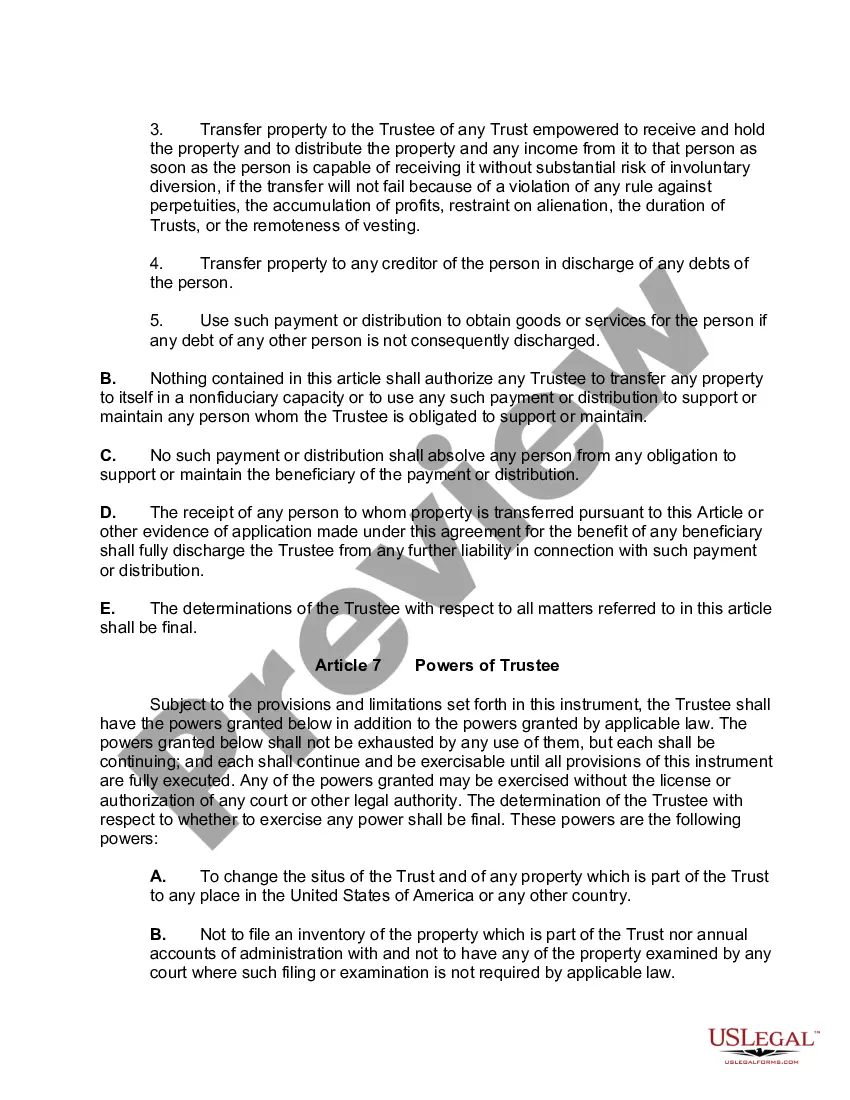
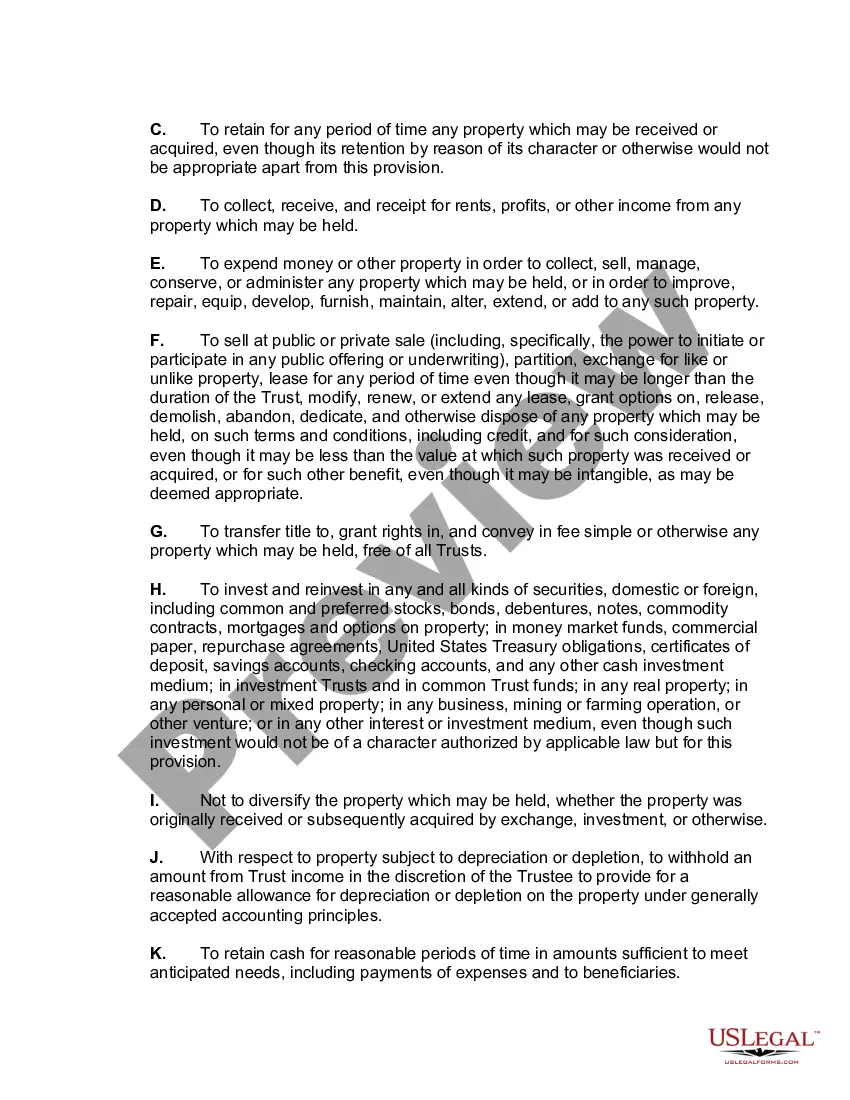

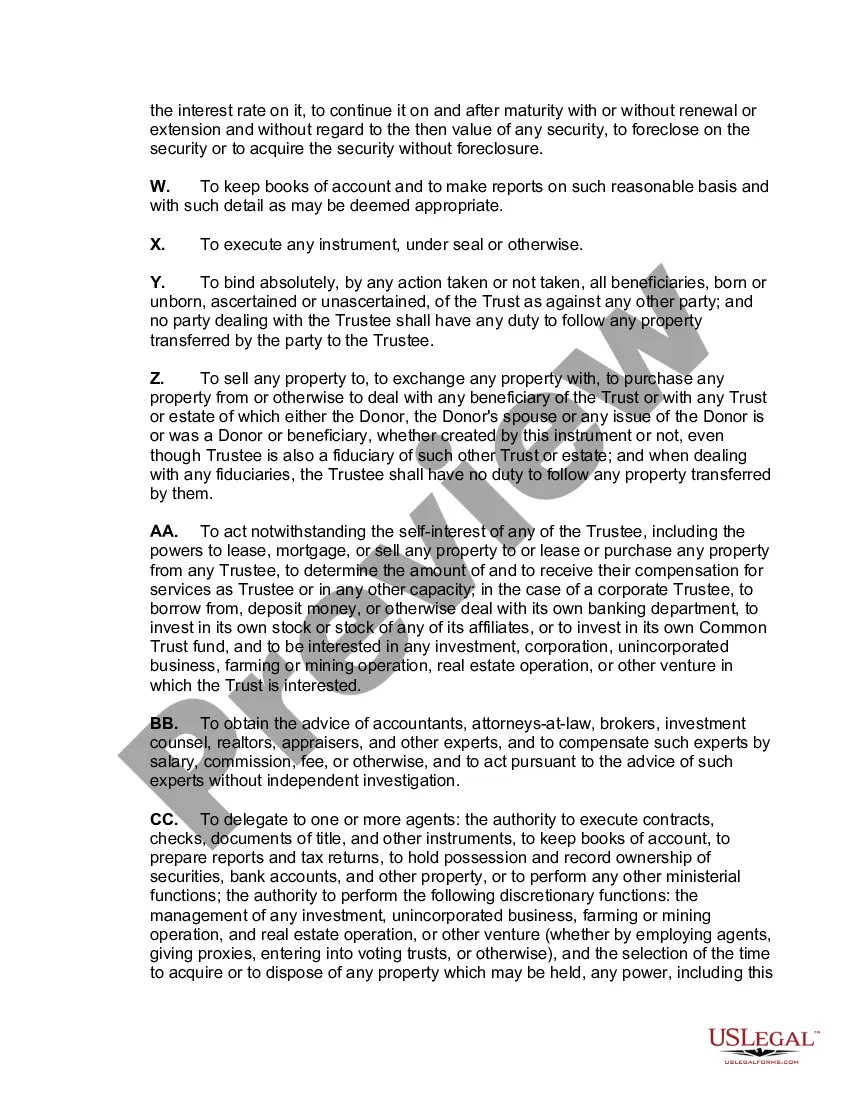

Get your form ready online
Our built-in tools help you complete, sign, share, and store your documents in one place.
Make edits, fill in missing information, and update formatting in US Legal Forms—just like you would in MS Word.
Download a copy, print it, send it by email, or mail it via USPS—whatever works best for your next step.
Sign and collect signatures with our SignNow integration. Send to multiple recipients, set reminders, and more. Go Premium to unlock E-Sign.
If this form requires notarization, complete it online through a secure video call—no need to meet a notary in person or wait for an appointment.
We protect your documents and personal data by following strict security and privacy standards.

Make edits, fill in missing information, and update formatting in US Legal Forms—just like you would in MS Word.

Download a copy, print it, send it by email, or mail it via USPS—whatever works best for your next step.

Sign and collect signatures with our SignNow integration. Send to multiple recipients, set reminders, and more. Go Premium to unlock E-Sign.

If this form requires notarization, complete it online through a secure video call—no need to meet a notary in person or wait for an appointment.

We protect your documents and personal data by following strict security and privacy standards.
Looking for another form?



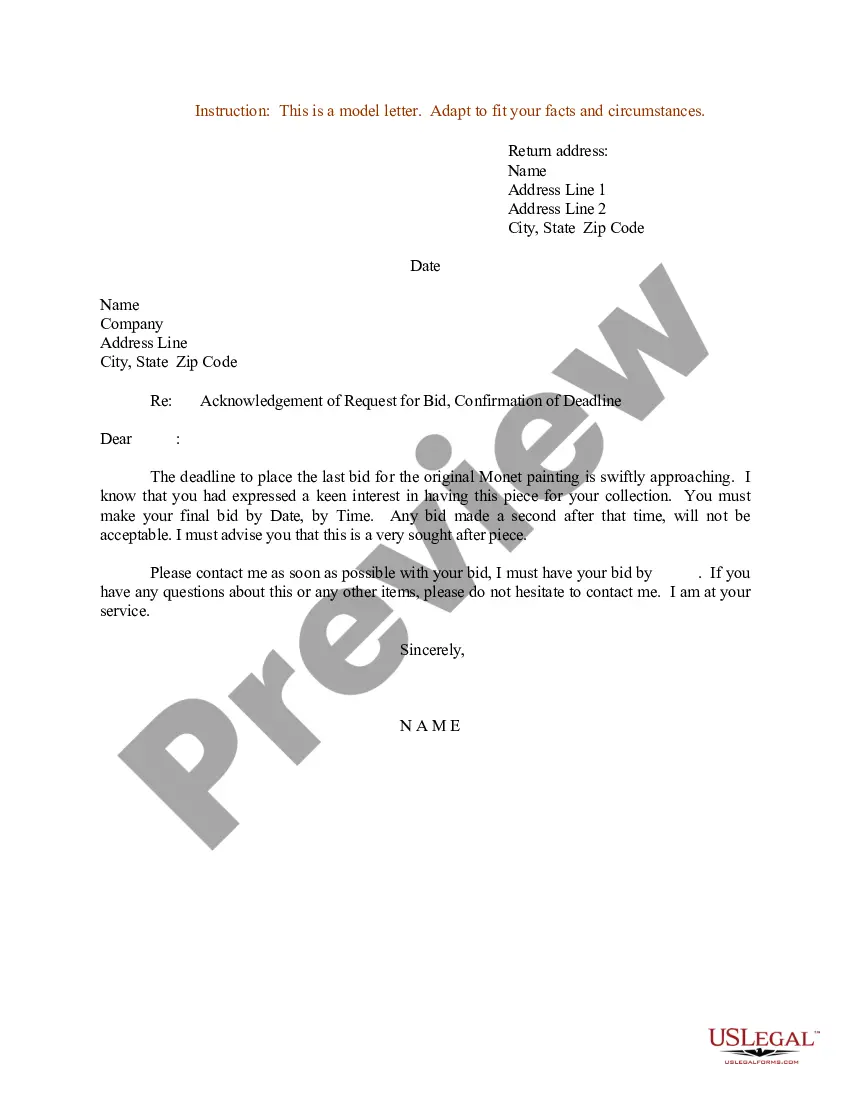


How to fill out Inter Vivos QTIP Trust With Principal To Donor's Children On Spouse's Death?
- Visit the US Legal Forms website and log in to your existing account. Ensure your subscription is active; renew it if necessary.
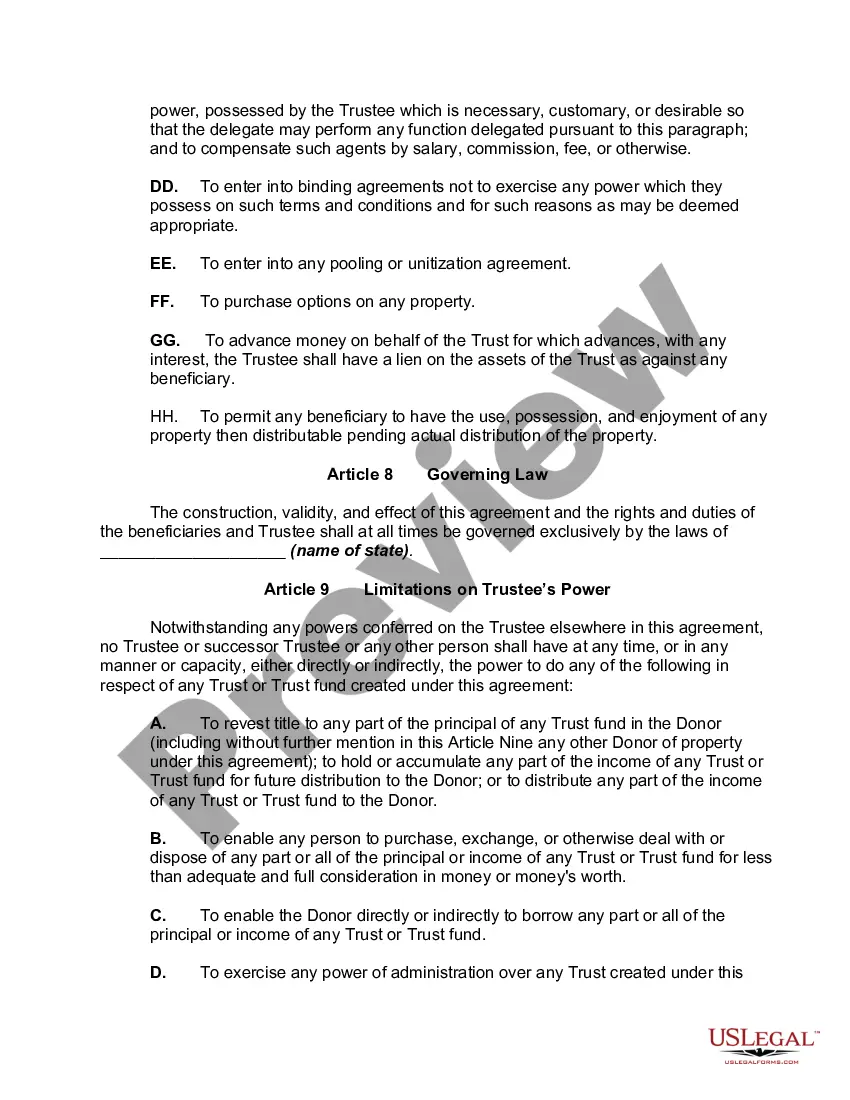
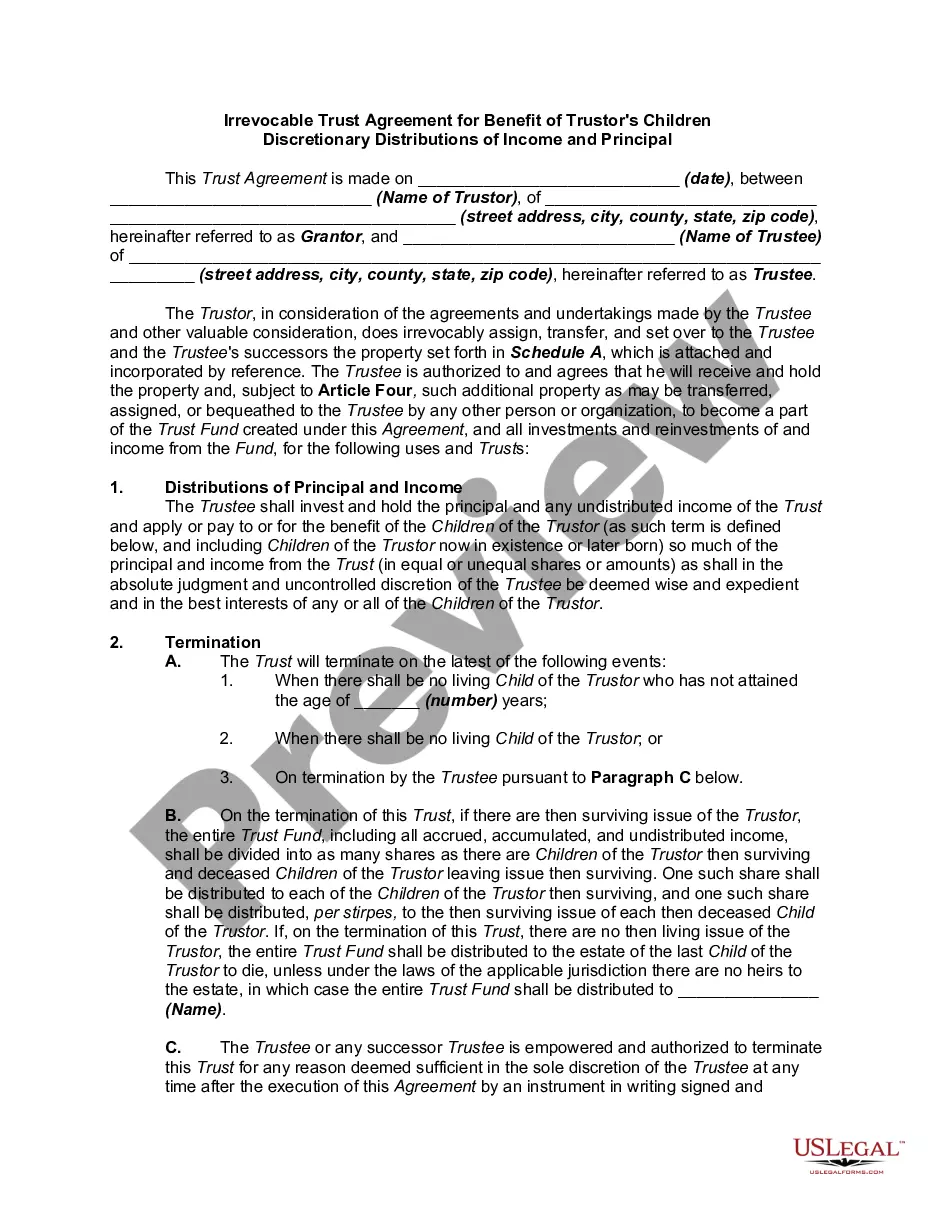
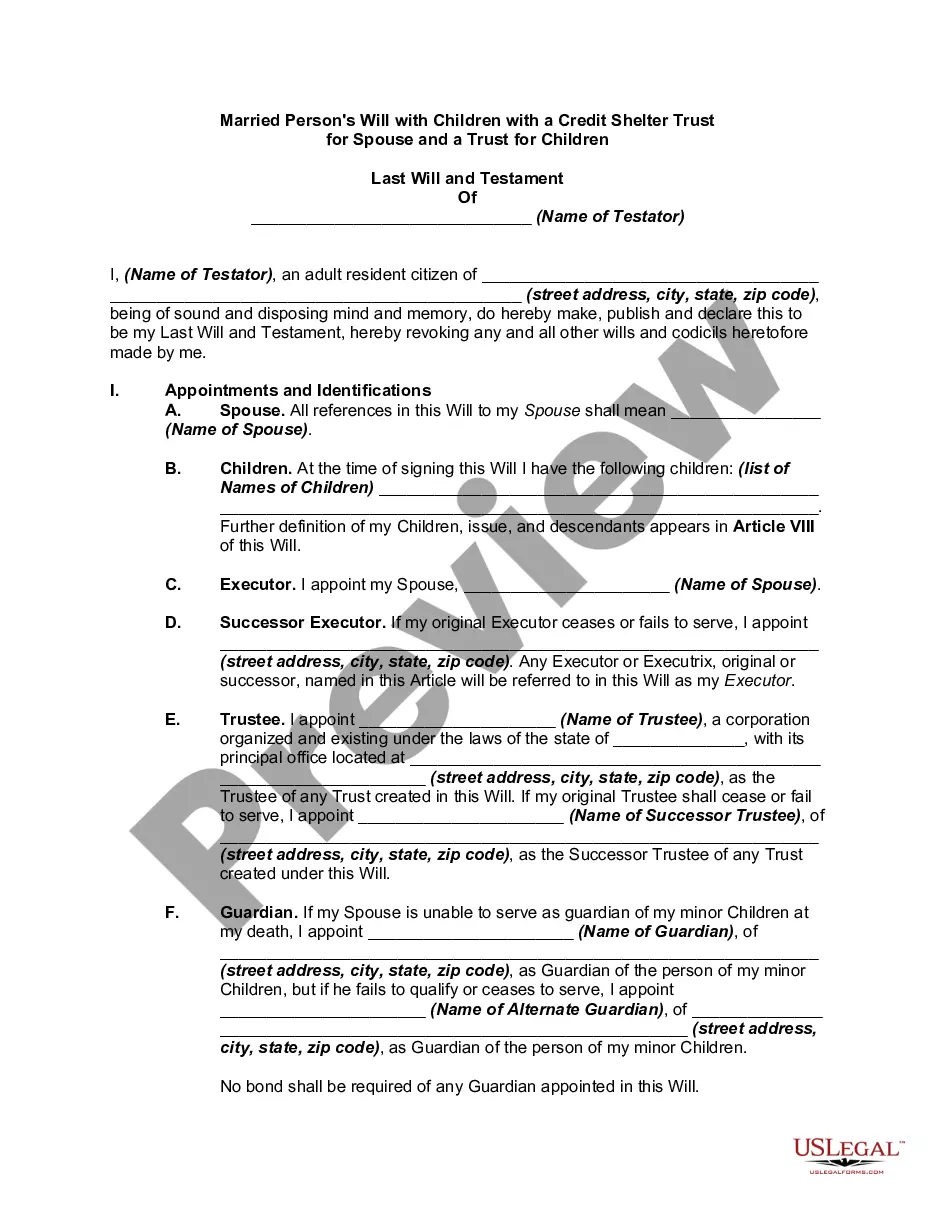
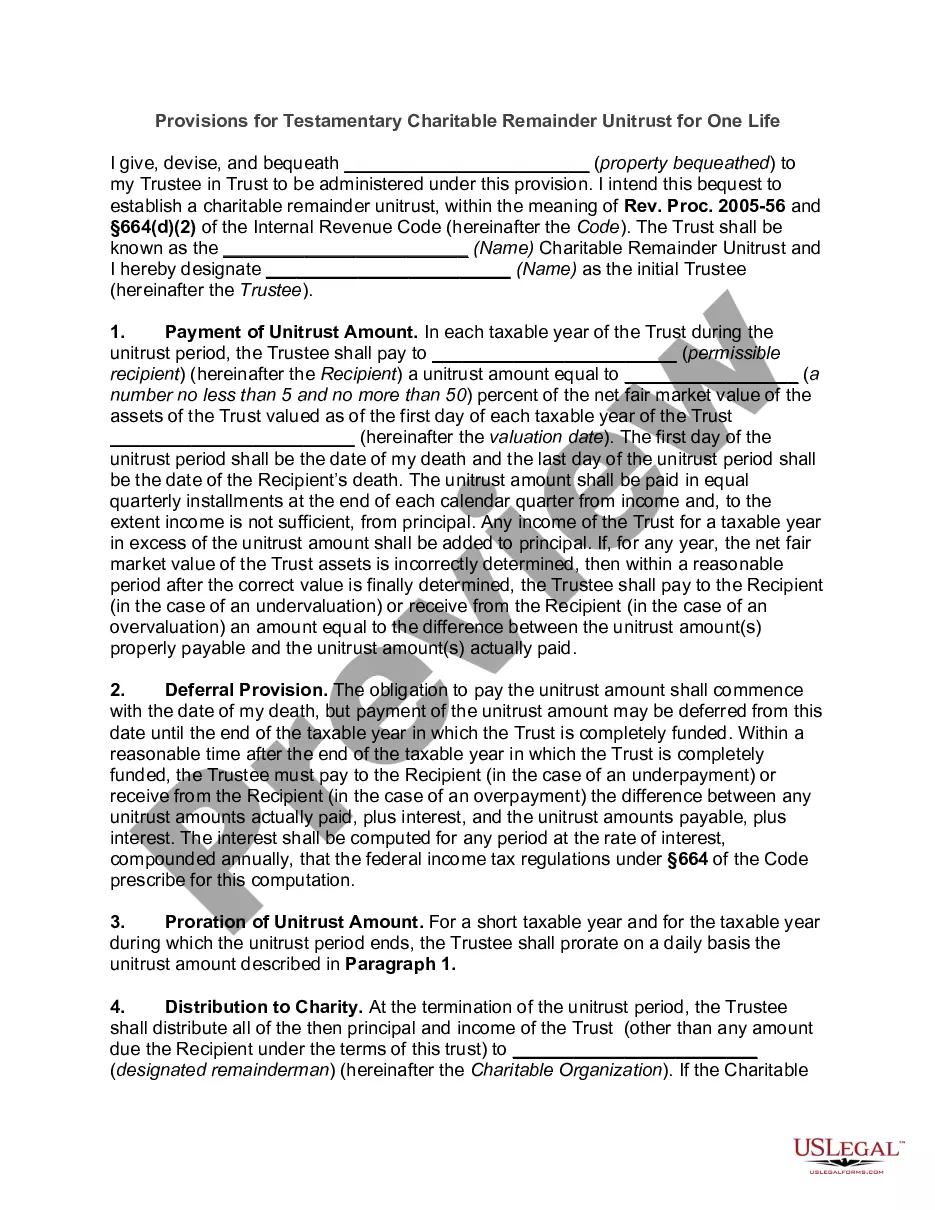
- Explore the Preview mode to review the form description carefully. Confirm that the chosen Qtip trust form meets your specific needs and complies with local jurisdiction.
- If you find the selected documentation is not a perfect fit, utilize the Search tab to locate alternative forms.
- Once you've selected the appropriate document, click the Buy Now button. Choose a subscription plan that works best for you, then set up your account to access the forms library.
- Complete your purchase by entering your payment information through credit card or PayPal for the subscription plan.
- After the transaction, download your Qtip trust form and save it to your device. You can access it later from the My Forms menu in your profile.
With US Legal Forms, you benefit from a robust collection of over 85,000 fillable legal documents, ensuring you have the tools for precise and legally sound forms for your Qtip trust.
Take control of your estate planning today! Visit US Legal Forms to start your journey towards establishing your Qtip trust.
Form popularity
FAQ
The tax implications of a QTIP trust mainly involve how income is treated and reported. Typically, the QTIP trust allows for income generated to be taxed to the surviving spouse, which can often lead to favorable tax treatment. Moreover, upon the death of the surviving spouse, the assets in the QTIP trust receive a step-up in basis, potentially minimizing capital gains taxes when the assets are sold. Understanding these implications can help you make informed decisions when creating your estate plan.
One disadvantage of a QTIP trust is that the assets in the trust may be included in the surviving spouse's estate upon their death. This can lead to potential estate taxes that were not avoided, unlike a bypass trust. Additionally, a QTIP trust provides less flexibility for the surviving spouse to manage the trust assets. It is vital to weigh these factors when considering this powerful estate planning tool.
Yes, a QTIP trust must file a tax return if it generates taxable income. The trust itself is responsible for reporting income on IRS Form 1041. However, the income is typically passed on to the surviving spouse, who will report it on their individual tax return. It is essential to keep accurate records to ensure proper compliance with tax obligations related to the QTIP trust.
A QTIP trust must meet specific requirements to qualify for favorable tax treatment. Firstly, it must provide the surviving spouse with all income generated during their lifetime. Secondly, the trust must allow the surviving spouse to receive the trust assets upon their death. These requirements ensure that the surviving spouse is supported while allowing for careful estate planning. US Legal Forms is here to help you establish a QTIP trust that meets these criteria.
QTIP trusts primarily face taxation based on the income distributed to the surviving spouse. The surviving spouse must report this income on their tax return, paying tax accordingly. However, the value of the trust may not be included in the estate of the deceased spouse, which can be beneficial in long-term estate tax planning. US Legal Forms can support you with the necessary documents for your QTIP trust.
QTIPs, or Qualified Terminable Interest Property trusts, are taxed based on the income they produce. The survivor who receives income from the trust is responsible for paying taxes on that income. Additionally, if managed properly, QTIP trusts can help defer estate taxes until the surviving spouse passes away. To navigate these tax issues effectively, consult with resources offered by US Legal Forms, which can guide you.
The tax treatment of a QTIP trust is important for estate planning. Generally, the income generated by the QTIP trust is taxable to the surviving spouse. This means that while the trust assets may not be included in the deceased spouse's estate, any income received by the surviving spouse will be subject to income tax. Understanding these tax implications can help you make informed decisions, and US Legal Forms provides resources to assist.
A QTIP trust provides income to a surviving spouse, with the remaining assets going to other beneficiaries after their death. For example, if a husband sets up a QTIP trust, his wife receives income during her lifetime, while children from a previous marriage receive the trust's assets when she passes away. This arrangement ensures that the spouse is supported while also protecting the interests of the other beneficiaries. You can explore QTIP trust examples further on our US Legal Forms platform.
The primary reason to use a QTIP trust is to provide financial security for a surviving spouse while ensuring that assets ultimately reach designated heirs. This type of trust can help in managing tax implications and controlling the flow of income. By leveraging a QTIP trust, individuals can thoughtfully plan their estates while considering both current needs and future intentions.
One downside of a QTIP trust is that it may complicate the estate planning process and could incur additional administrative costs. Furthermore, it may delay the distribution of assets, as the trust must be managed during the lifetime of the surviving spouse. Understanding these potential drawbacks can be crucial when considering the best approach for your estate planning needs.