Qtip Spouses Death With Dignity
Description
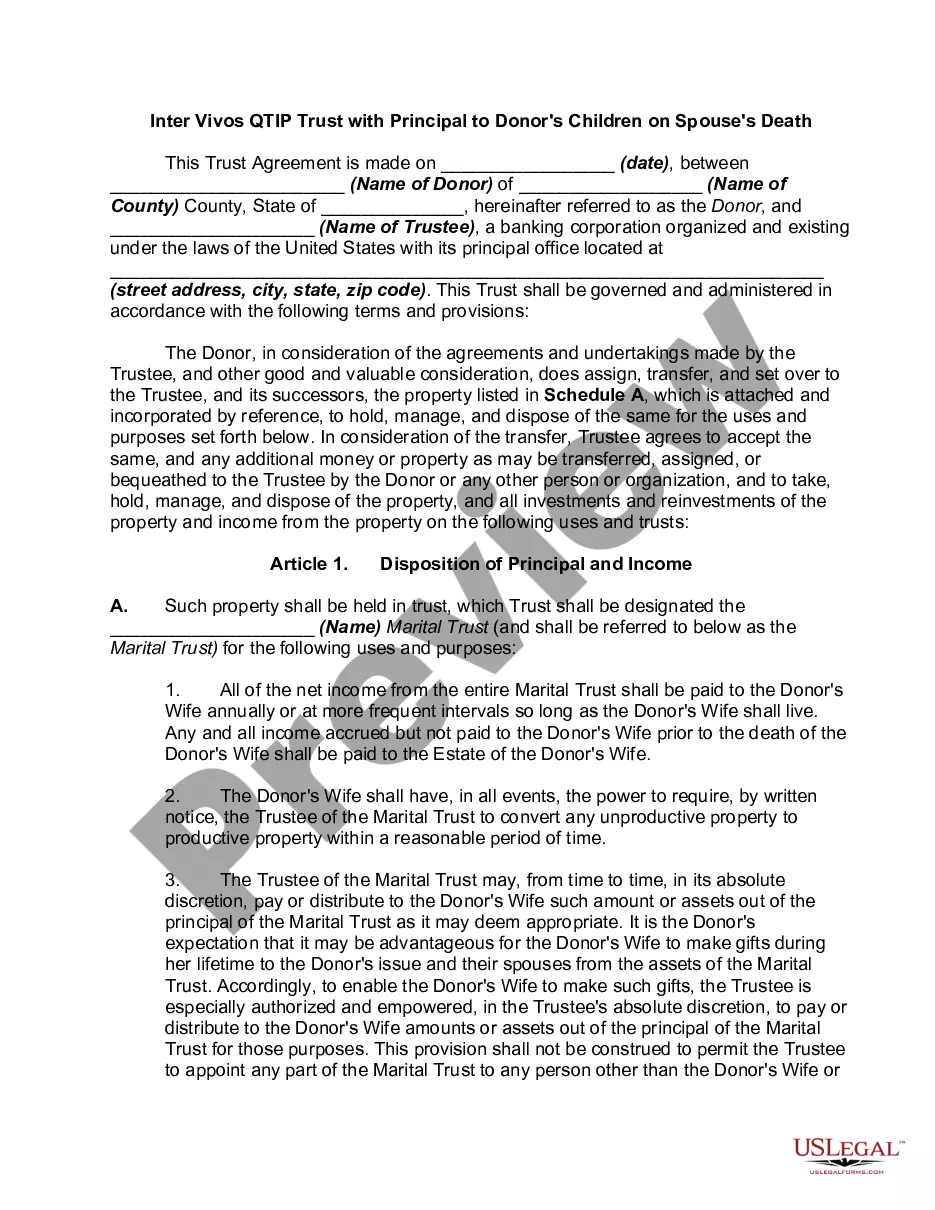
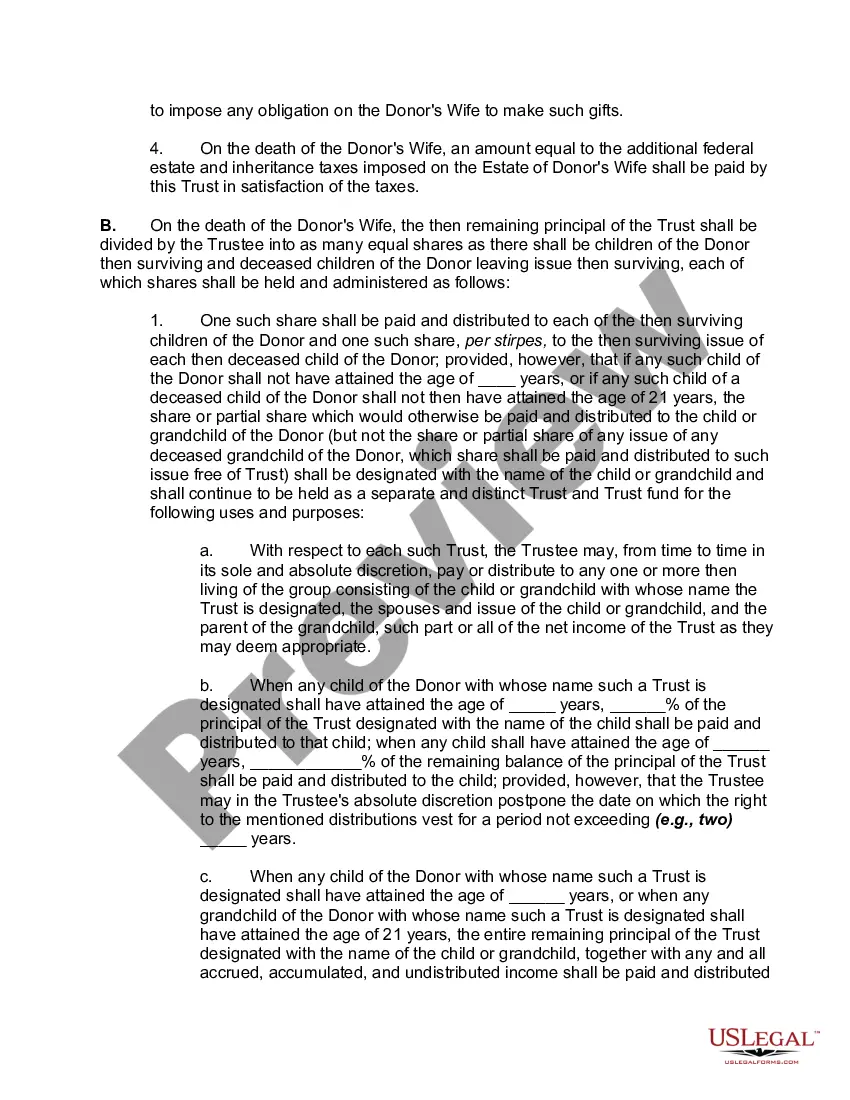
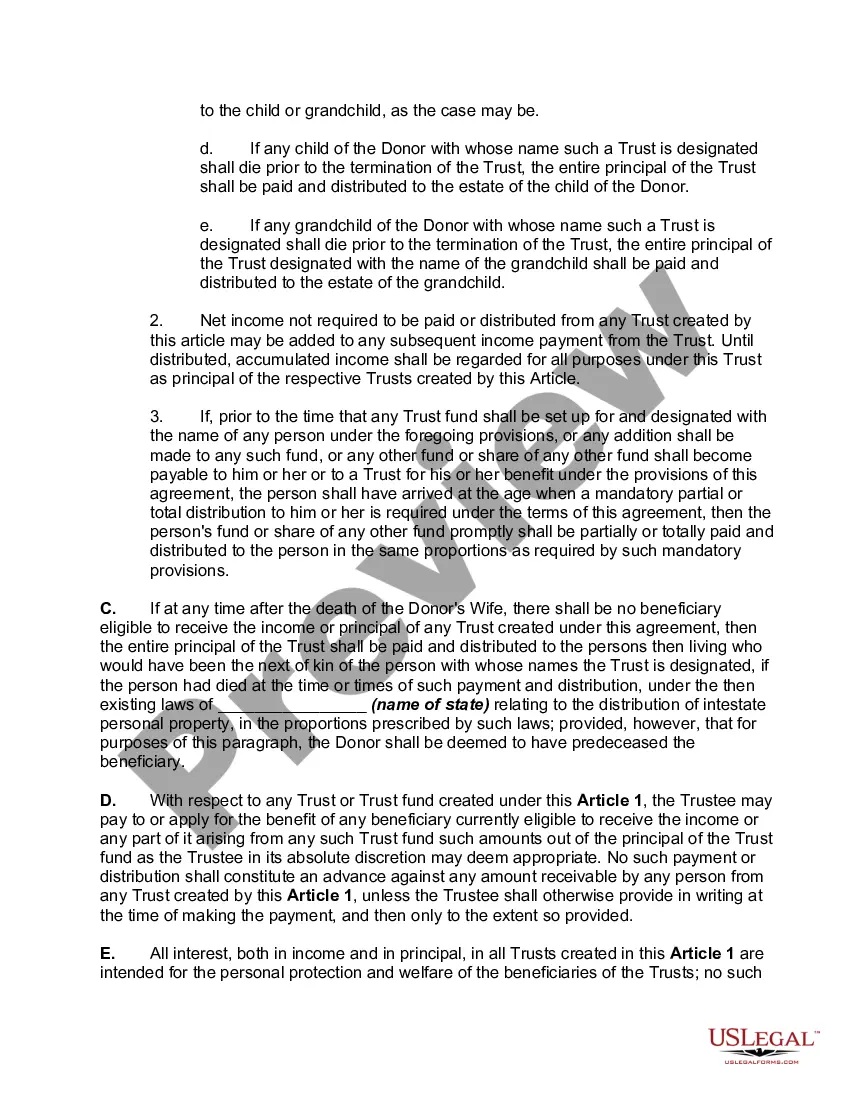
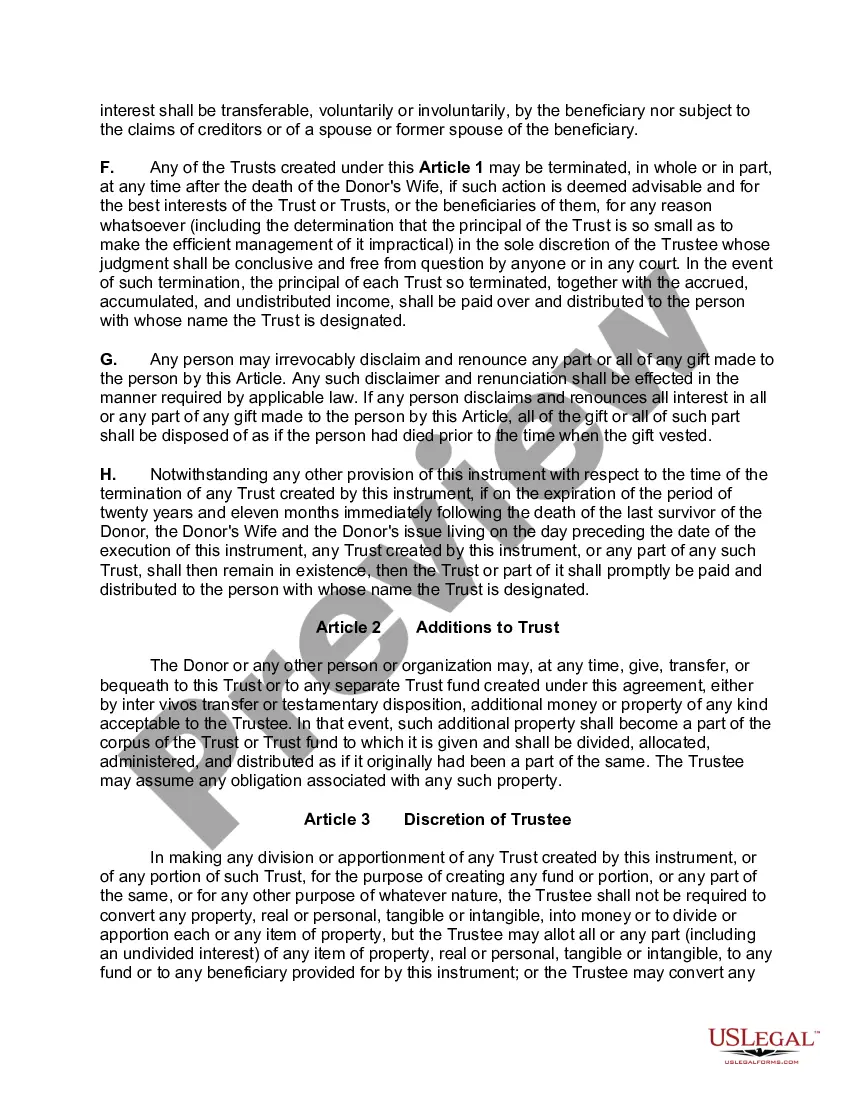
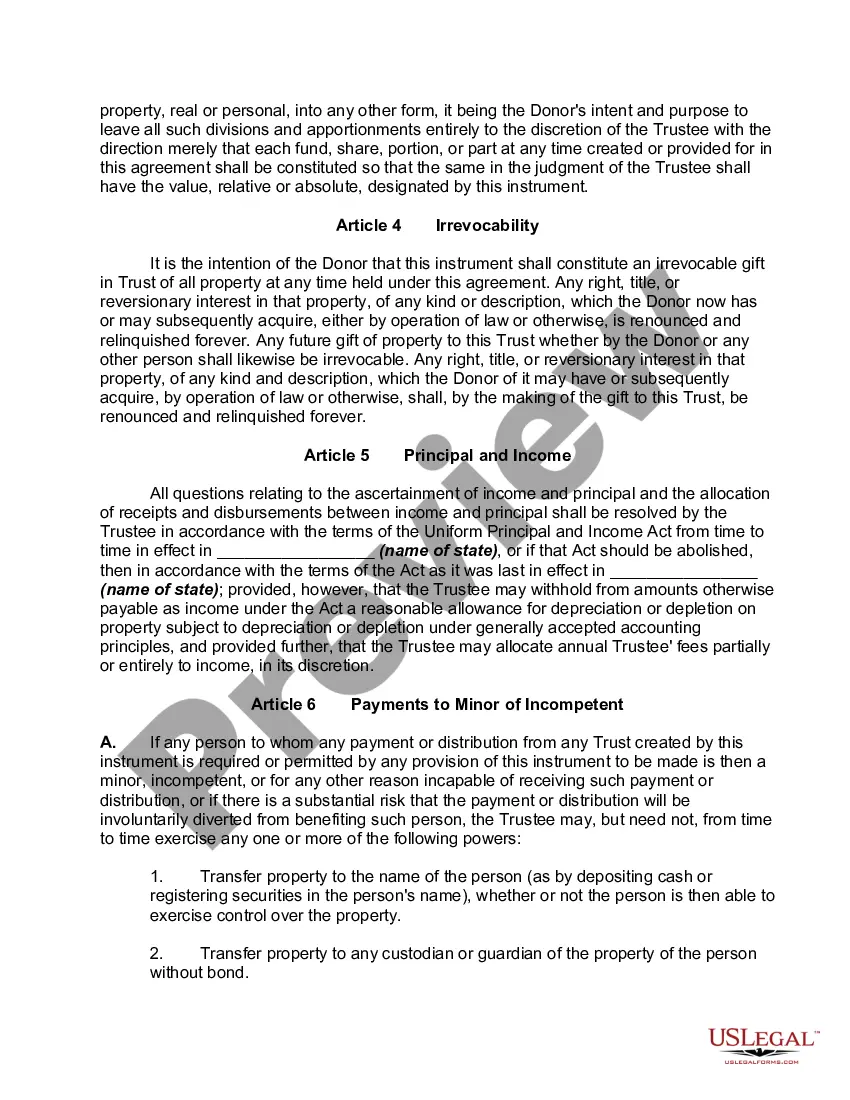
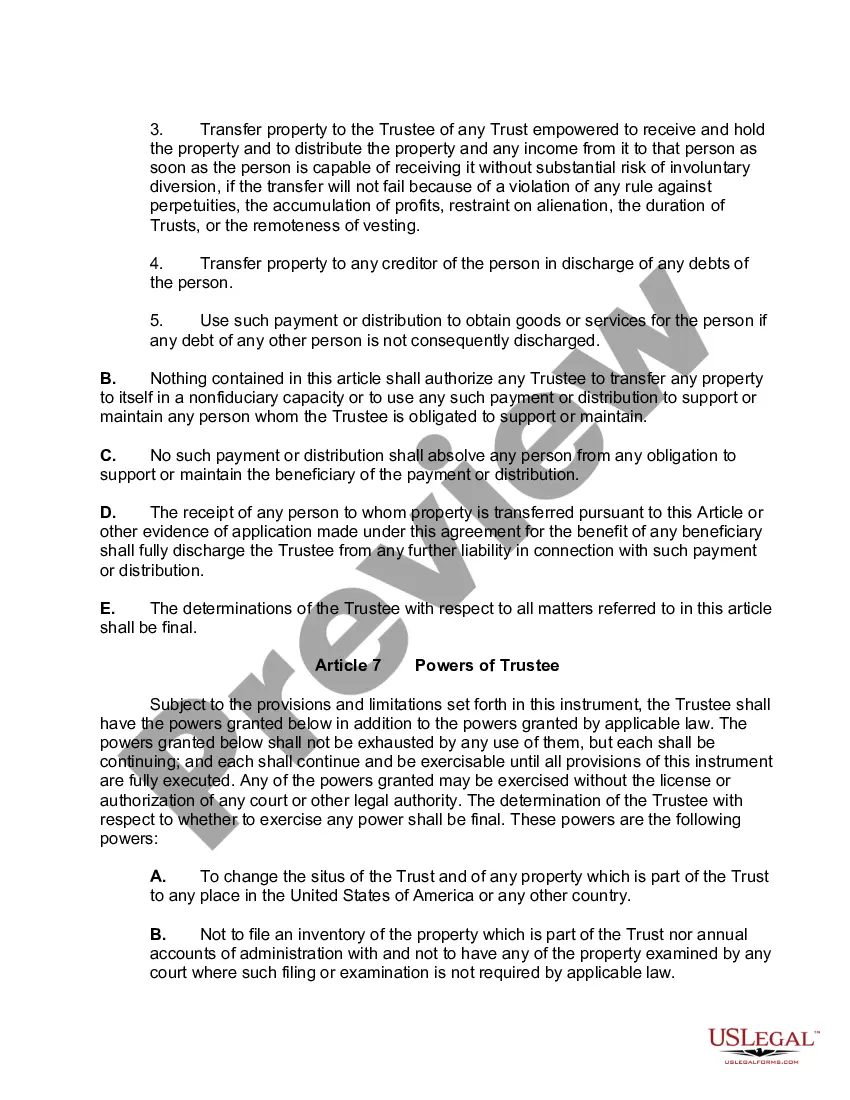
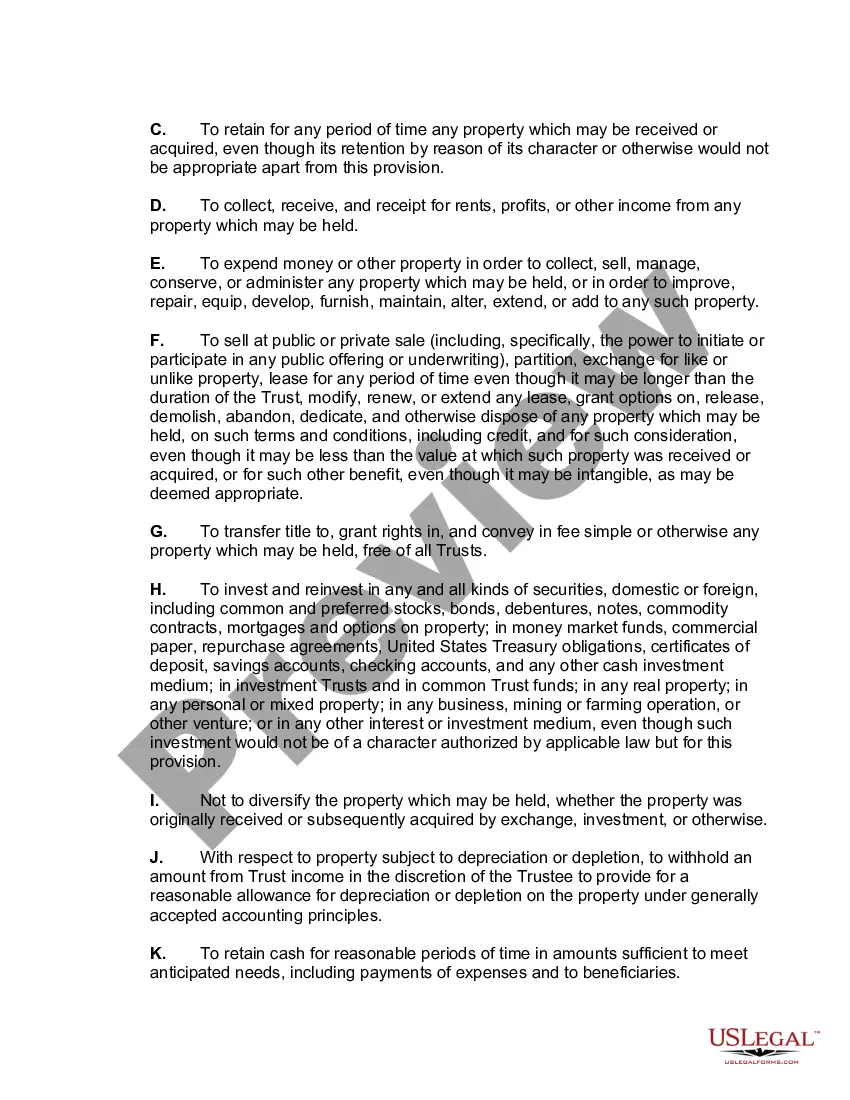
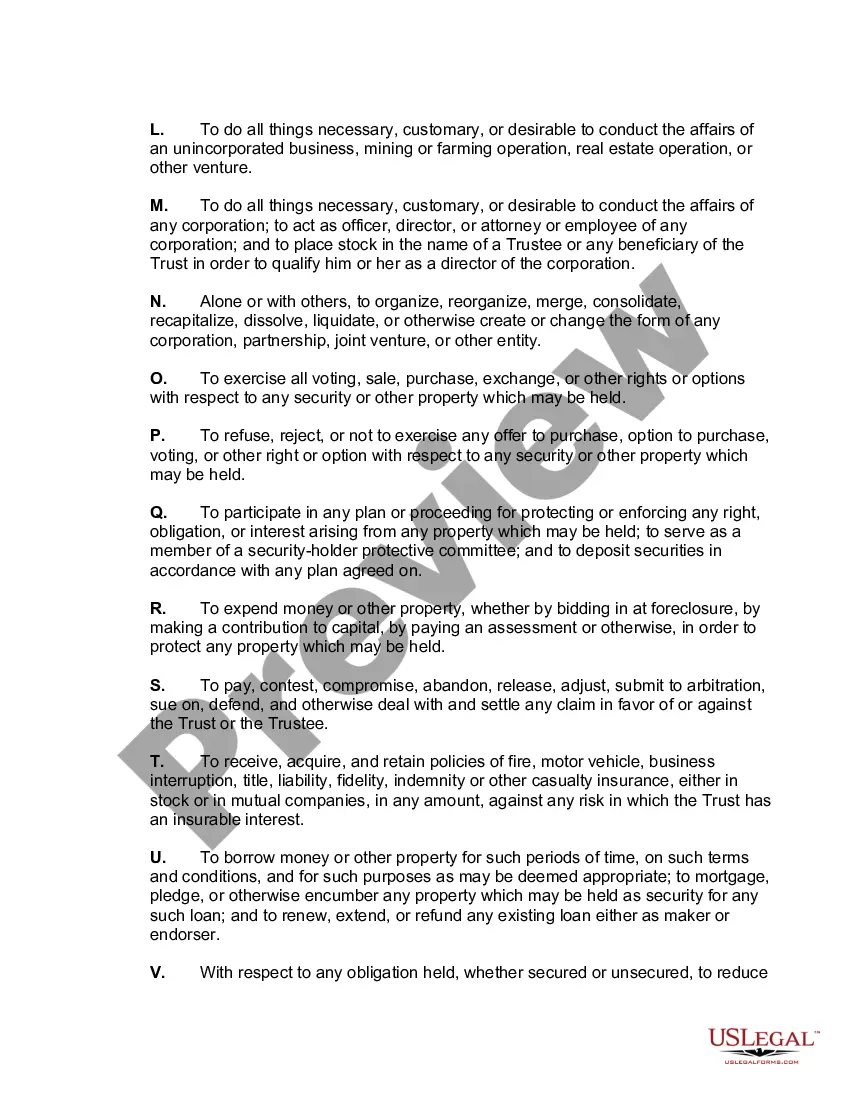

Get your form ready online
Our built-in tools help you complete, sign, share, and store your documents in one place.
Make edits, fill in missing information, and update formatting in US Legal Forms—just like you would in MS Word.
Download a copy, print it, send it by email, or mail it via USPS—whatever works best for your next step.
Sign and collect signatures with our SignNow integration. Send to multiple recipients, set reminders, and more. Go Premium to unlock E-Sign.
If this form requires notarization, complete it online through a secure video call—no need to meet a notary in person or wait for an appointment.
We protect your documents and personal data by following strict security and privacy standards.

Make edits, fill in missing information, and update formatting in US Legal Forms—just like you would in MS Word.

Download a copy, print it, send it by email, or mail it via USPS—whatever works best for your next step.

Sign and collect signatures with our SignNow integration. Send to multiple recipients, set reminders, and more. Go Premium to unlock E-Sign.

If this form requires notarization, complete it online through a secure video call—no need to meet a notary in person or wait for an appointment.

We protect your documents and personal data by following strict security and privacy standards.
Looking for another form?







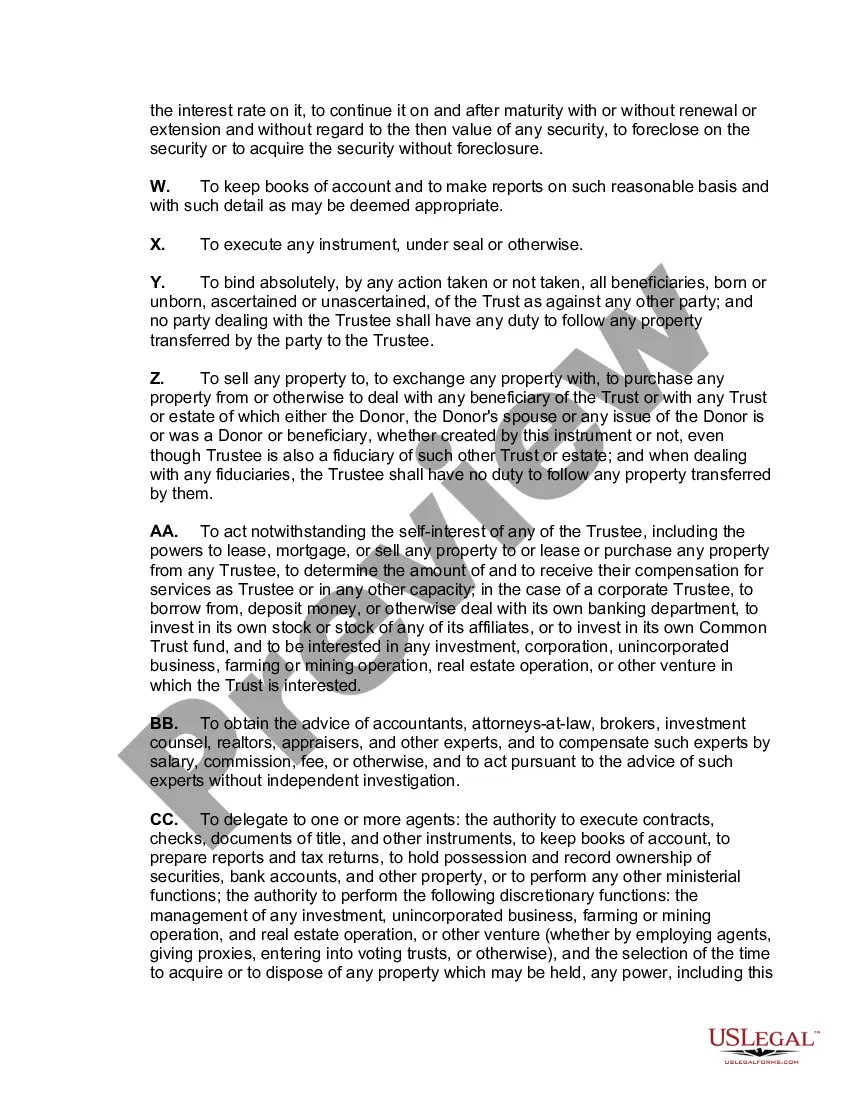
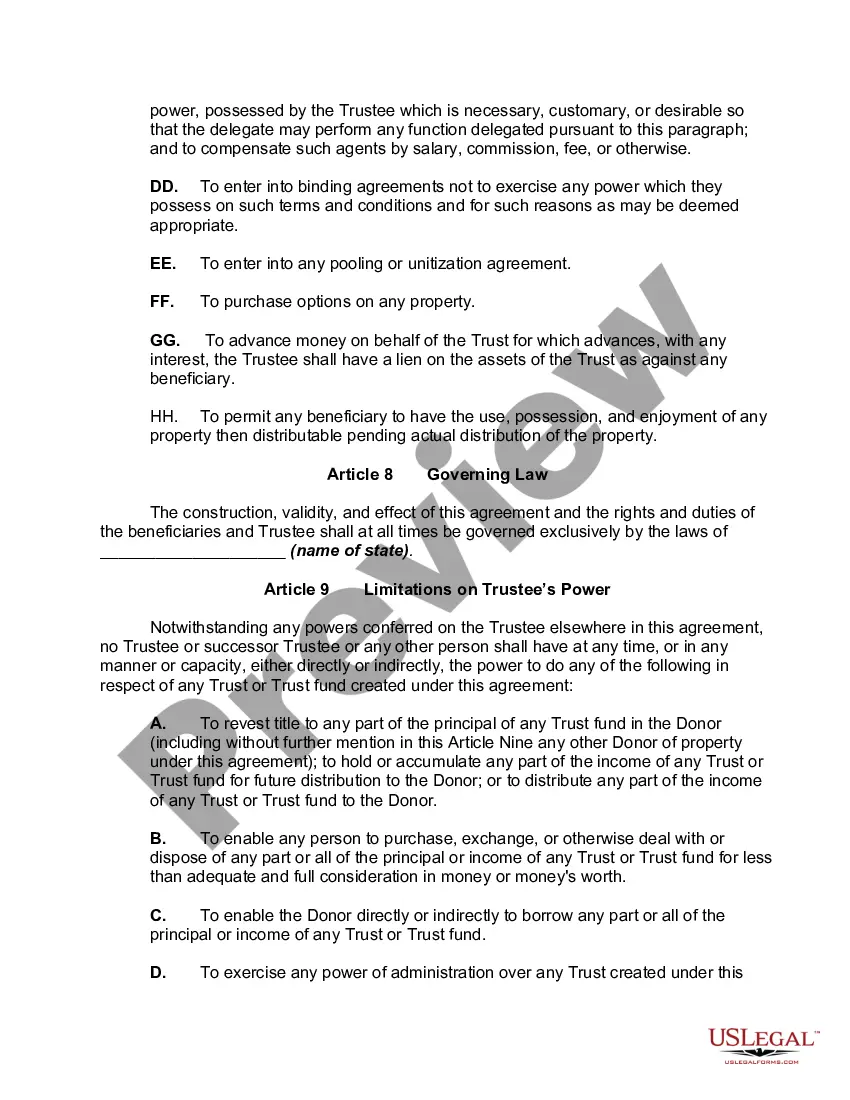
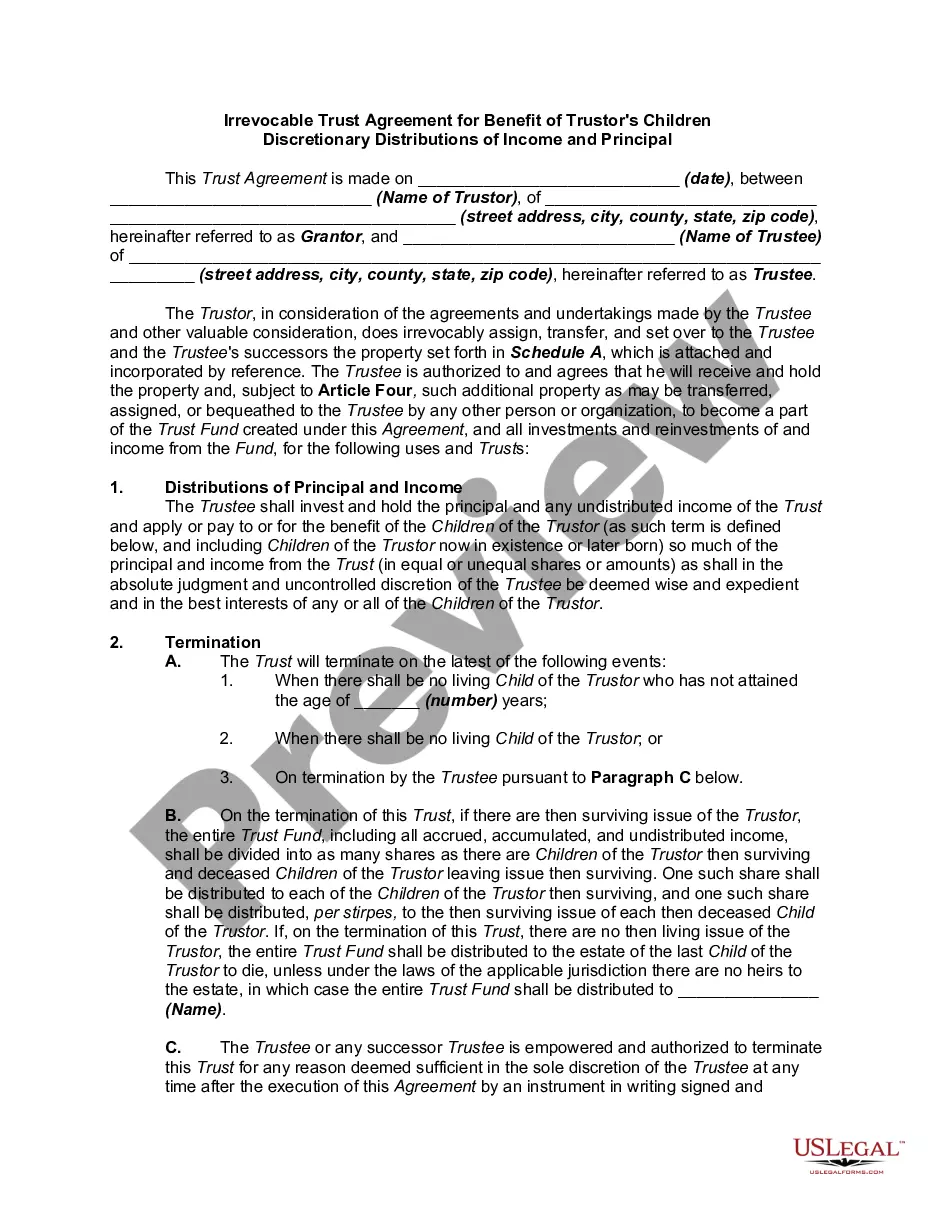
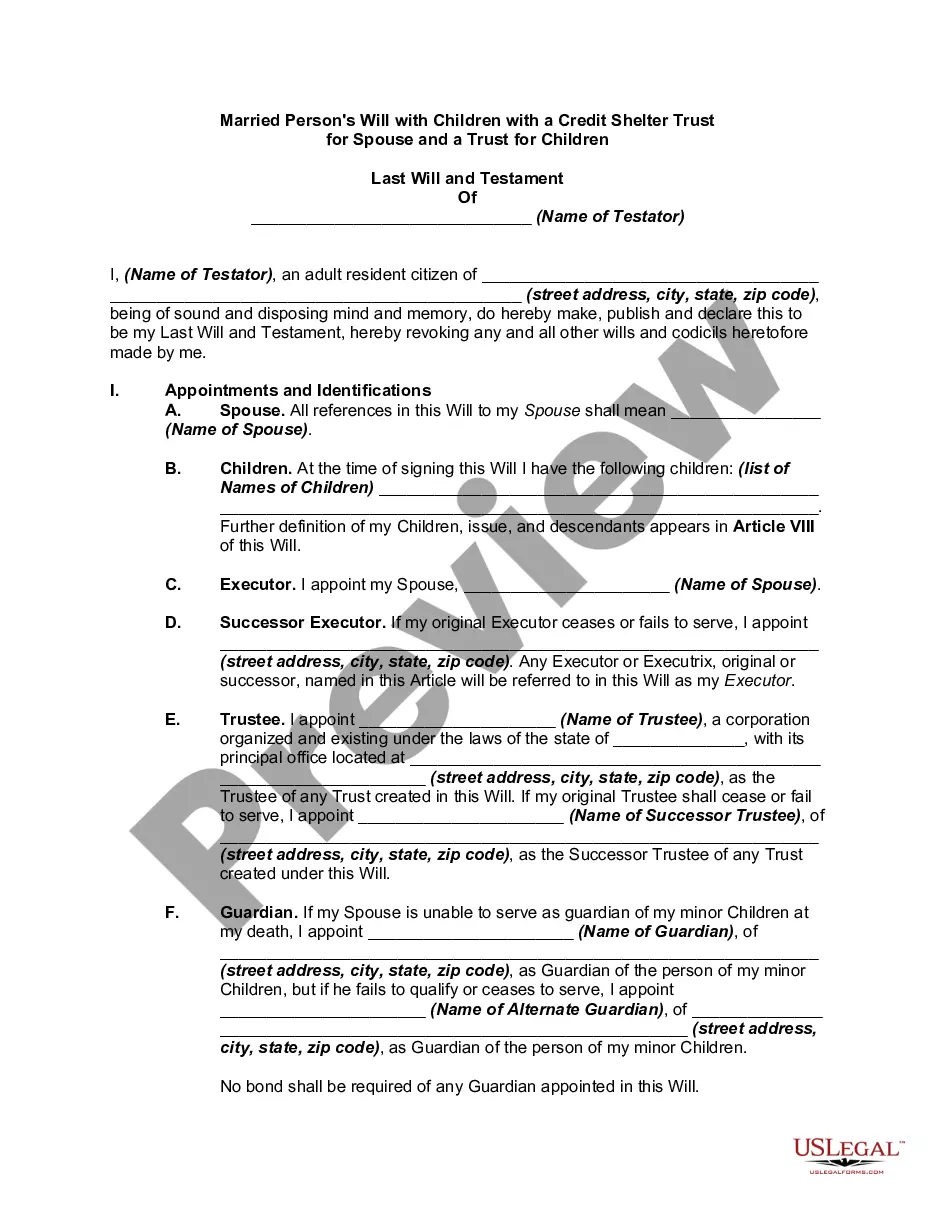
How to fill out Inter Vivos QTIP Trust With Principal To Donor's Children On Spouse's Death?
- If you're a returning user, log into your account to access the form template and click the Download button. Don't forget to check your subscription status; if needed, renew it according to your payment plan.
- For first-time users, start by previewing the specific form and its description. This ensures you select the one that best fits your needs.
- If you need a different template, use the Search tab to find the appropriate form that corresponds with your local requirements.
- Complete your purchase by choosing the correct subscription plan and clicking the Buy Now button. An account registration will be necessary to access the resources.
- Finalize your transaction by entering your credit card information or utilizing your PayPal account for payment.
- Download your form to your device, and you can always access it later through the My Forms section of your profile.
By following these simple steps, you can easily ensure that your legal documents are prepared accurately and efficiently. US Legal Forms not only provides a robust collection of forms but also offers expert assistance for document completion.
Empower yourself today by using US Legal Forms for your legal documentation needs—get started now!
Form popularity
FAQ
Individuals with dementia may face complex challenges concerning their end-of-life decisions. Currently, Dignitas requires that a person must have the ability to provide informed consent, which complicates matters for those with dementia. Advocating for Qtip spouses death with dignity highlights the importance of creating pathways for those facing cognitive decline to have a say in their choices. Families should explore all resources available to support informed decision-making.
The legality of going to Dignitas, a facility that provides assisted dying, varies by region. In the United States, this practice is generally not legal in most states. However, conversations around Qtip spouses death with dignity draw attention to the need for better laws that support individuals facing terminal or debilitating conditions. Always consult legal advice when considering options related to this sensitive issue.
When considering the marital deduction, certain assets do not meet the criteria. For instance, life insurance policies owned by one spouse that name the other spouse as a beneficiary may not qualify if they exceed specific limits. Additionally, property held in a QTIP trust designed for spouses might face restrictions if the trust contains non-qualifying assets. Understanding these elements is crucial to ensure that your planning reflects the principles of QTIP spouses' death with dignity.
A marital deduction trust is a broader category that may include various types of trusts to benefit a surviving spouse, while a QTIP trust specifically allows the surviving spouse to receive income during their lifetime, with the principal going to other beneficiaries after their death. Both serve similar goals, but the QTIP trust provides more explicit control over income distribution. This nuanced approach can align with one’s intentions regarding spouse’s death with dignity.
You qualify for a QTIP marital trust by ensuring it meets the IRS requirements that allow the surviving spouse to receive income from the trust during their lifetime. The property must also pass solely to the spouse. Using a QTIP marital trust can simplify estate planning and uphold the principle of death with dignity by allowing proper management of assets.
To qualify for death with dignity, a person usually must have a terminal illness or a condition that leads to significant suffering. This approach empowers individuals to make choices about their end-of-life care, promoting quality over quantity in life. Planning with a QTIP can be part of ensuring that a person’s end-of-life wishes are properly executed.
For a marital deduction to apply, the property must pass directly to the surviving spouse without any conditions. It must also be structured to provide income for the spouse, which is crucial for maintaining their financial stability. This alleviates tax burdens and aligns with intentions for spouse’s death with dignity.
An example of QTIP property includes real estate, stocks, or other assets that generate income for the surviving spouse. These properties remain in trust, facilitating the spouse's financial security while maintaining control over where the assets go after their death. By using QTIP arrangements, individuals can ensure their plans for death with dignity respect their spouse's needs.
To qualify for the marital deduction for QTIP, the property must pass to the surviving spouse and be included in their gross estate. This enables the property to defer estate taxes until the surviving spouse passes away. By utilizing a QTIP, individuals can ensure their loved ones are taken care of, aligning with their wishes for death with dignity.
A surviving spouse generally has an income interest in a QTIP, meaning they can receive income generated from the property during their lifetime. This setup allows them to enjoy financial benefits while ensuring that the principal stays intact for future beneficiaries. Essentially, this structure provides both financial security and a legacy for the spouse after their passing, showing how a QTIP can support spouse’s death with dignity.