Qtip Spouses Death For The Future
Description
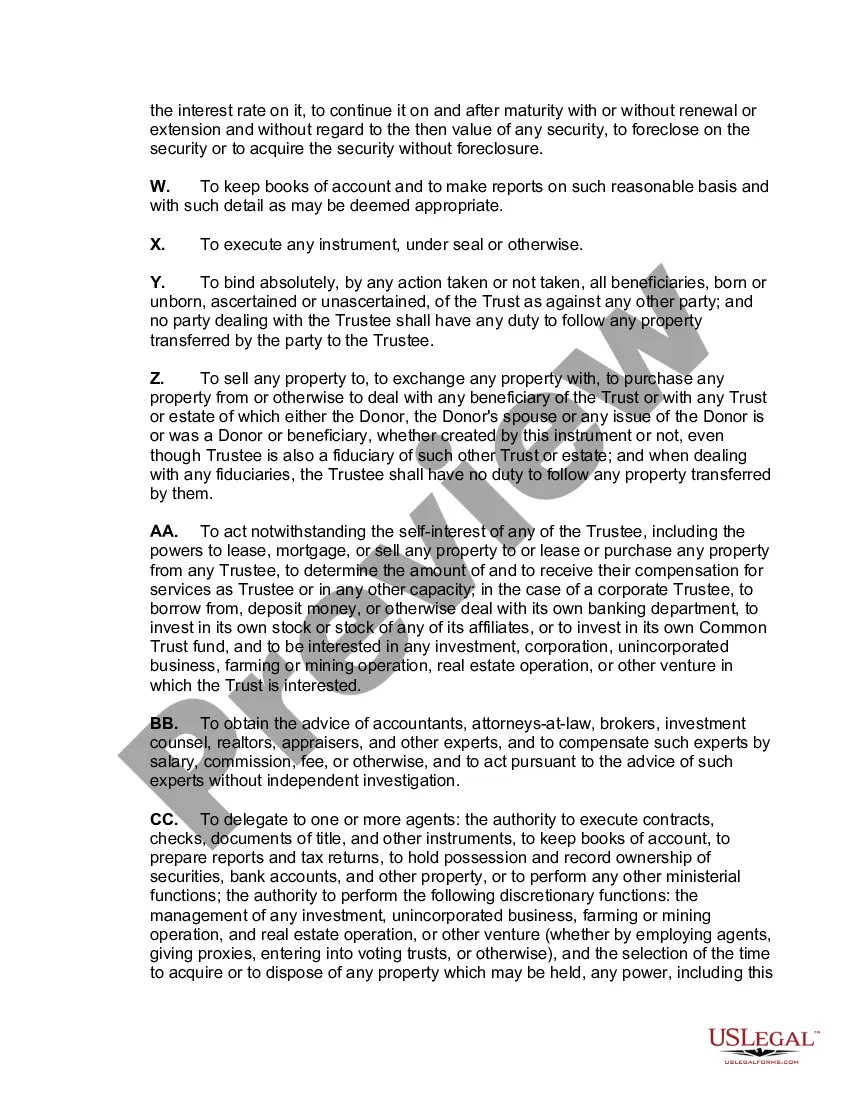
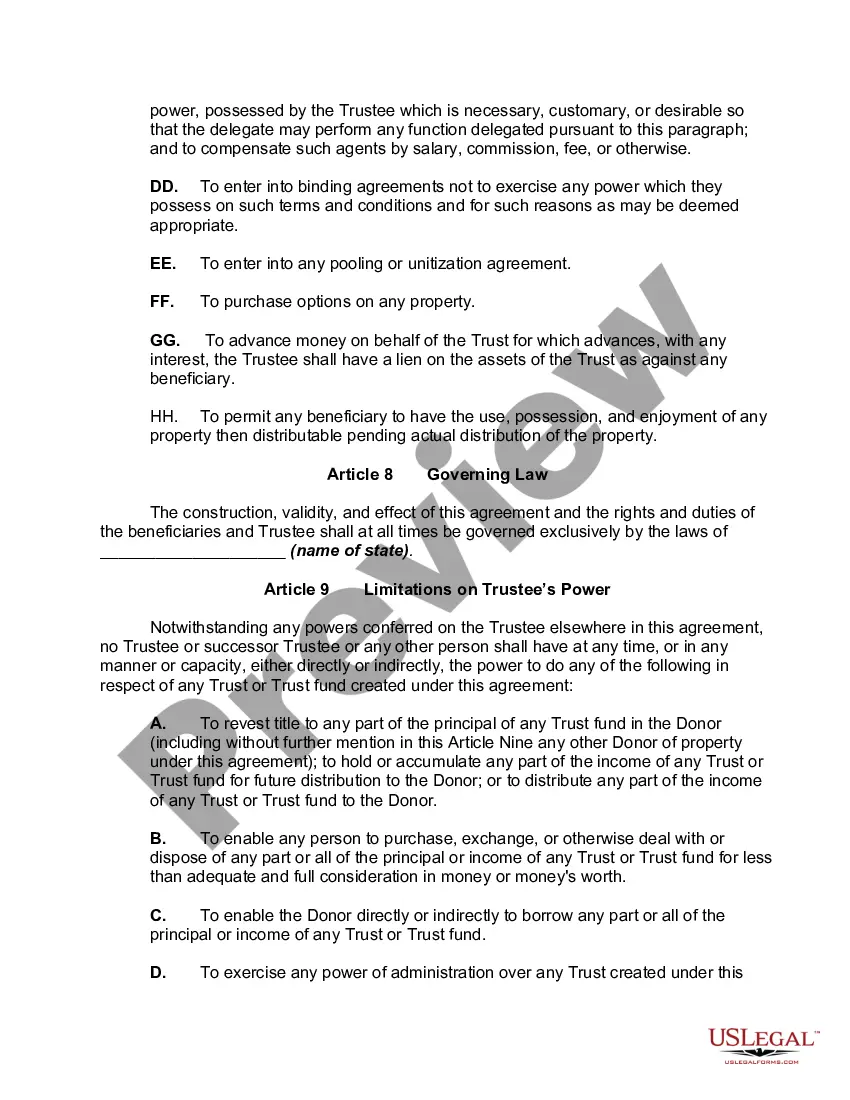

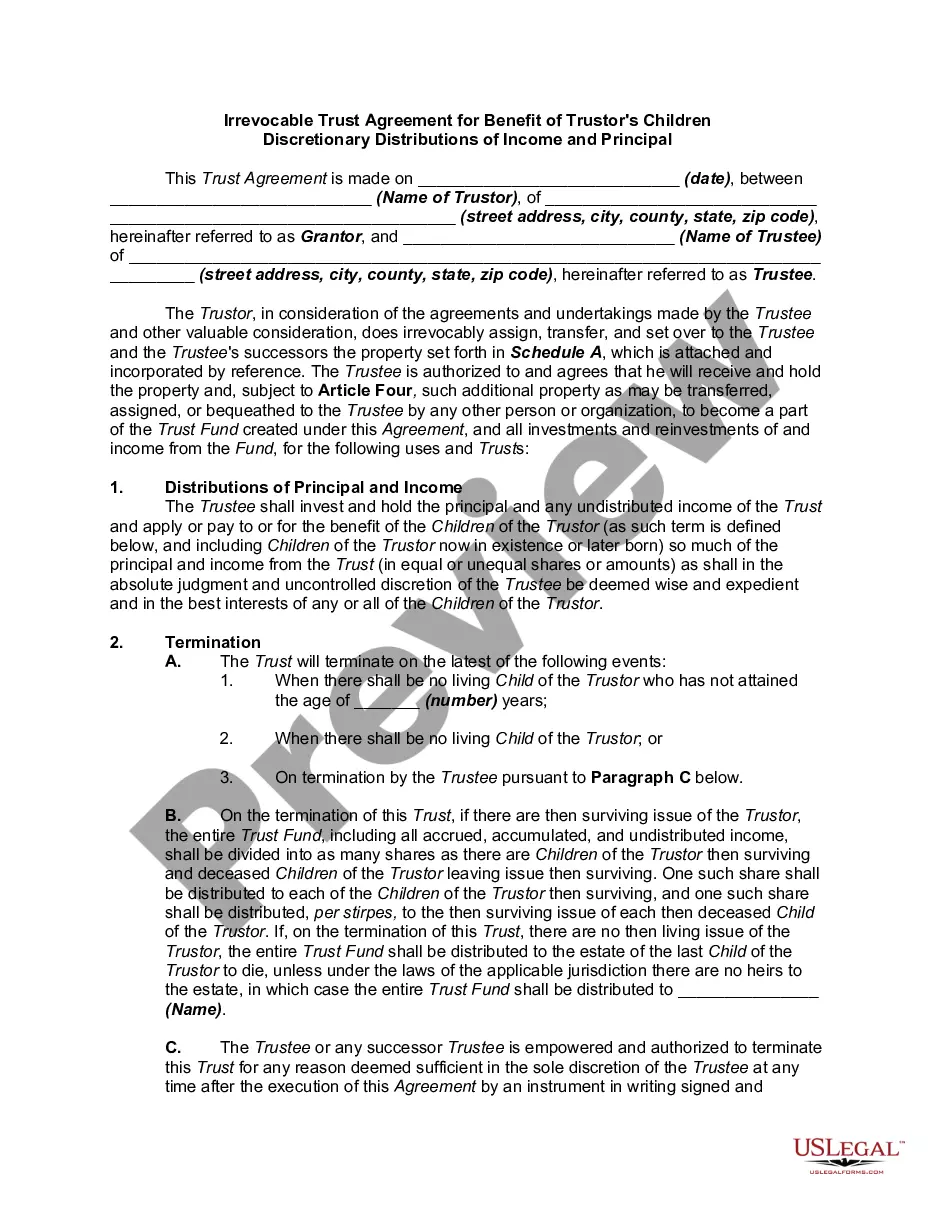
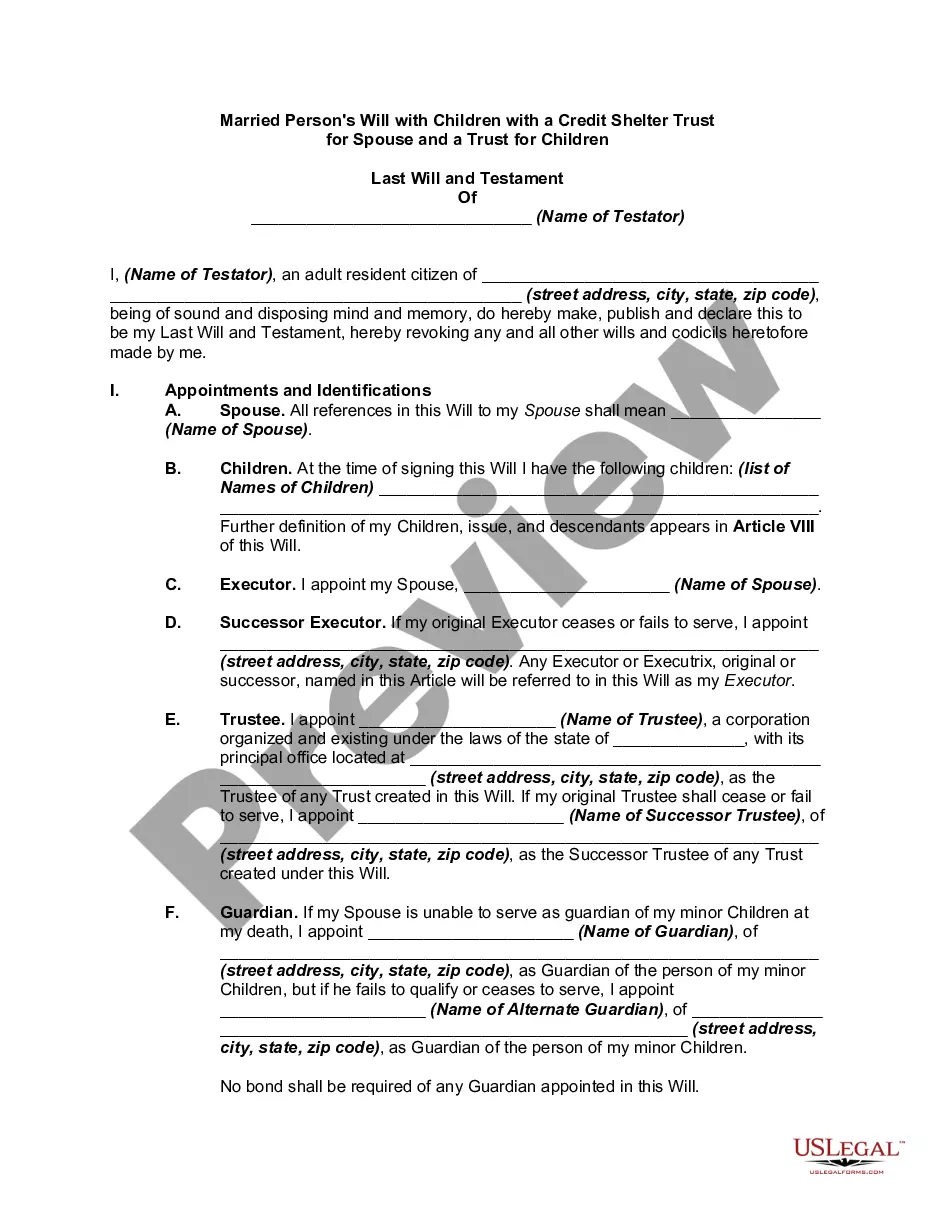
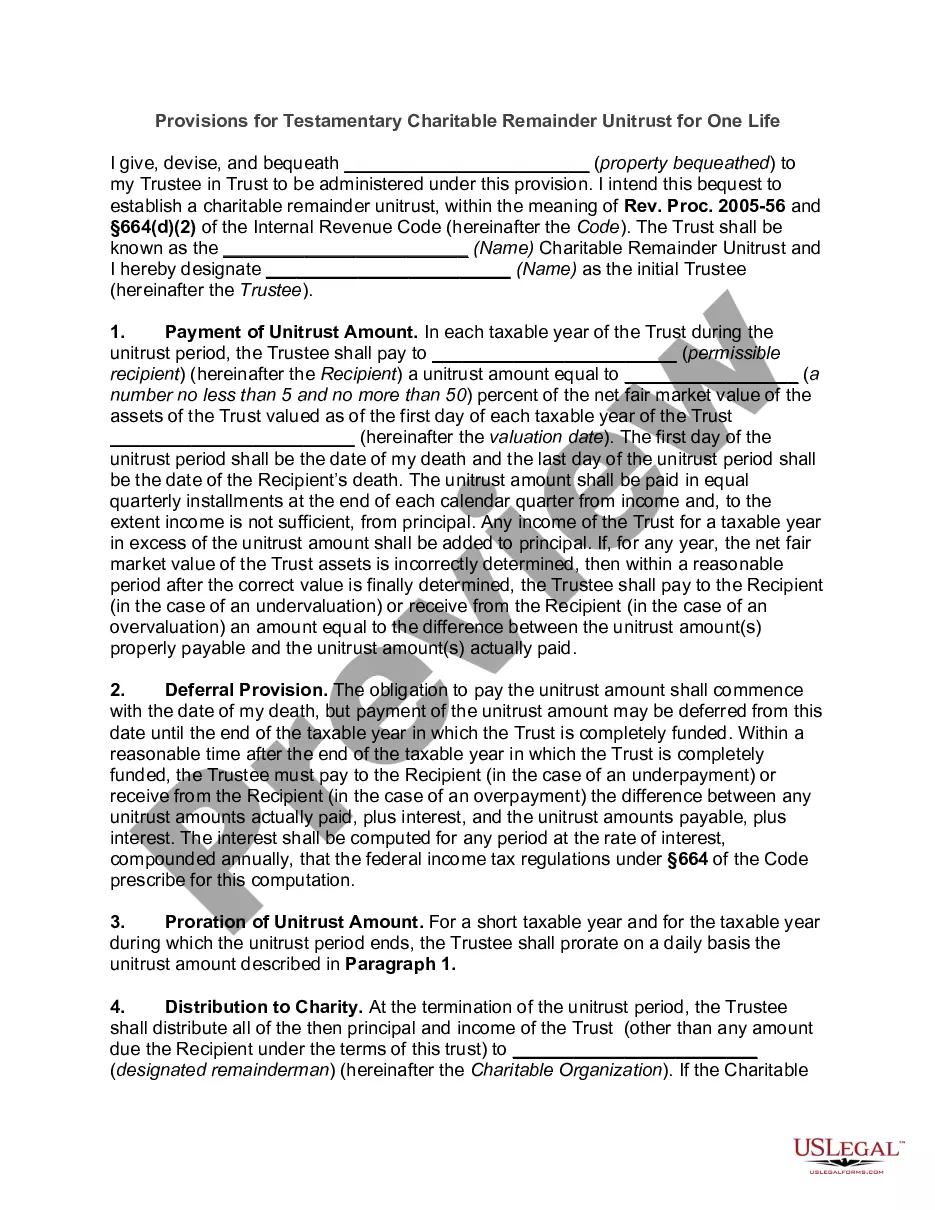
Get your form ready online
Our built-in tools help you complete, sign, share, and store your documents in one place.
Make edits, fill in missing information, and update formatting in US Legal Forms—just like you would in MS Word.
Download a copy, print it, send it by email, or mail it via USPS—whatever works best for your next step.
Sign and collect signatures with our SignNow integration. Send to multiple recipients, set reminders, and more. Go Premium to unlock E-Sign.
If this form requires notarization, complete it online through a secure video call—no need to meet a notary in person or wait for an appointment.
We protect your documents and personal data by following strict security and privacy standards.

Make edits, fill in missing information, and update formatting in US Legal Forms—just like you would in MS Word.

Download a copy, print it, send it by email, or mail it via USPS—whatever works best for your next step.

Sign and collect signatures with our SignNow integration. Send to multiple recipients, set reminders, and more. Go Premium to unlock E-Sign.

If this form requires notarization, complete it online through a secure video call—no need to meet a notary in person or wait for an appointment.

We protect your documents and personal data by following strict security and privacy standards.
Looking for another form?






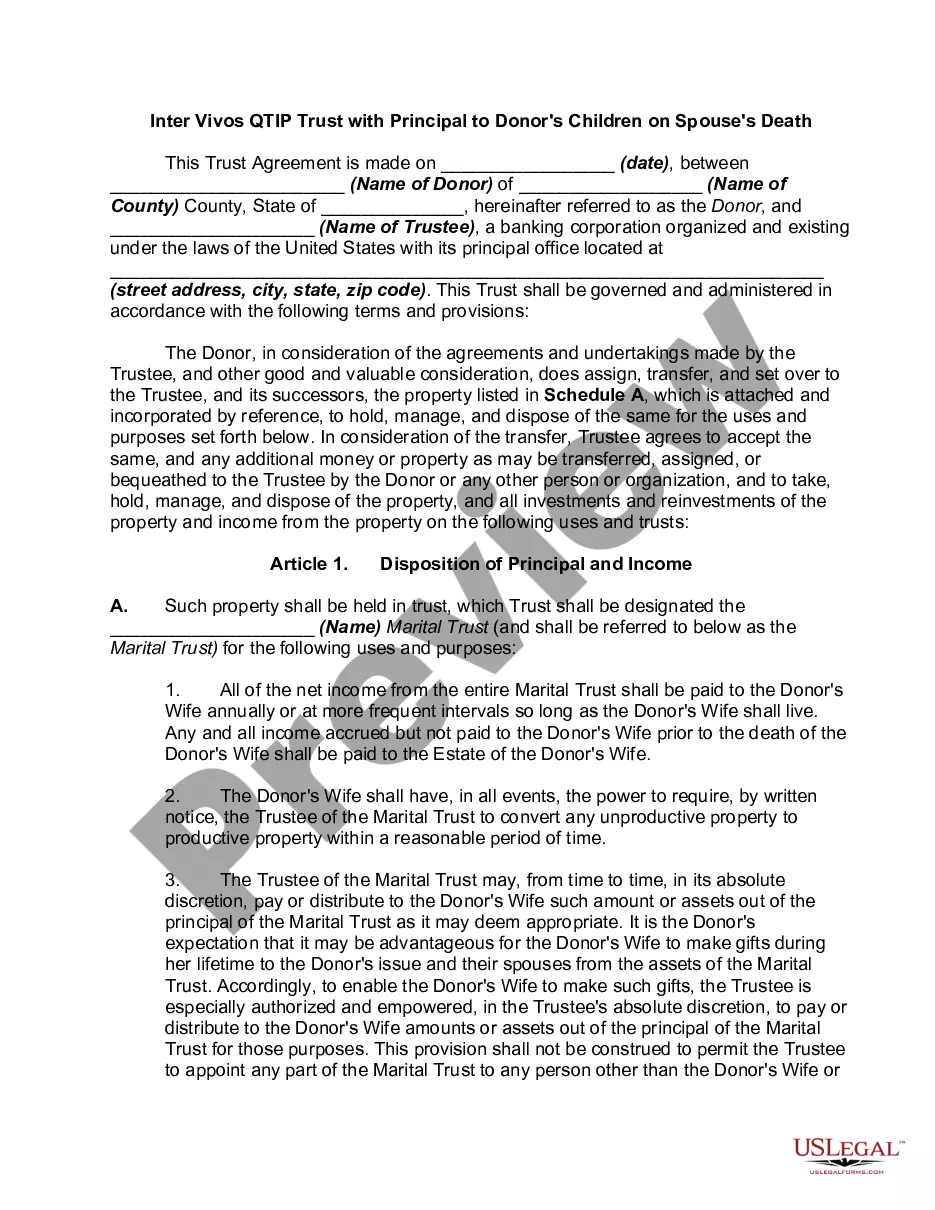
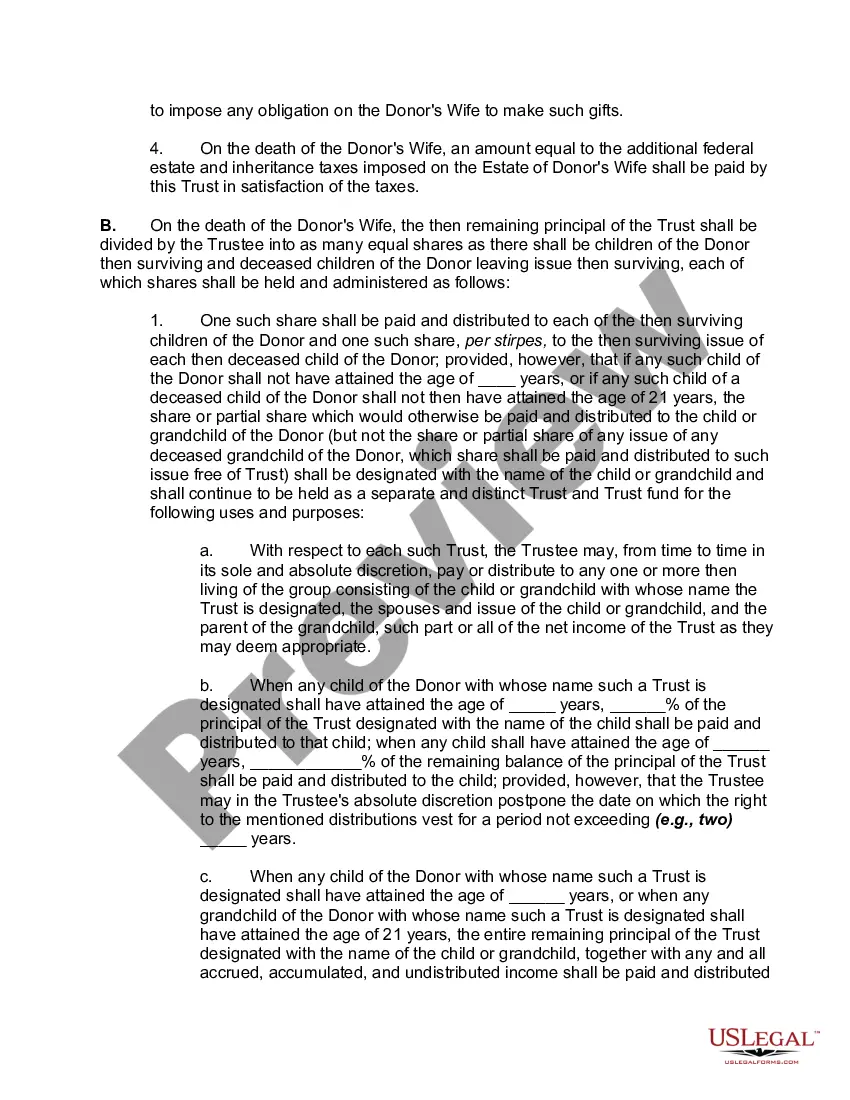
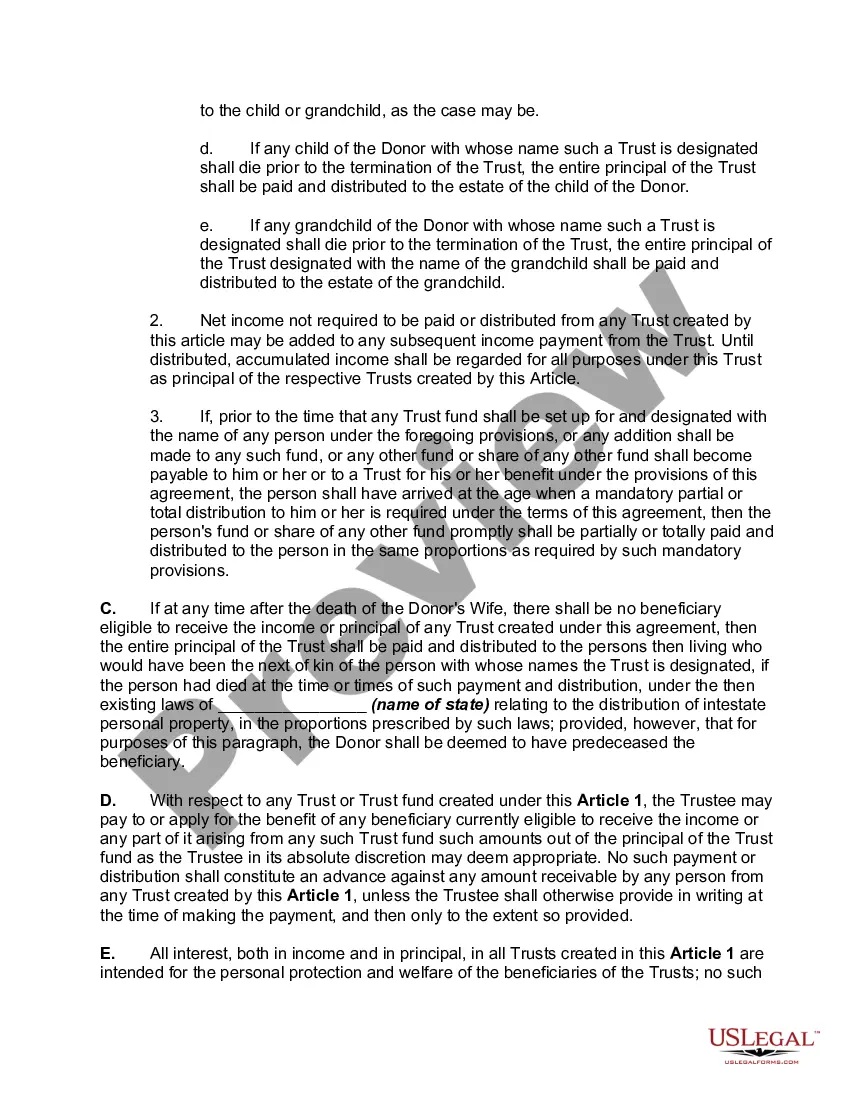
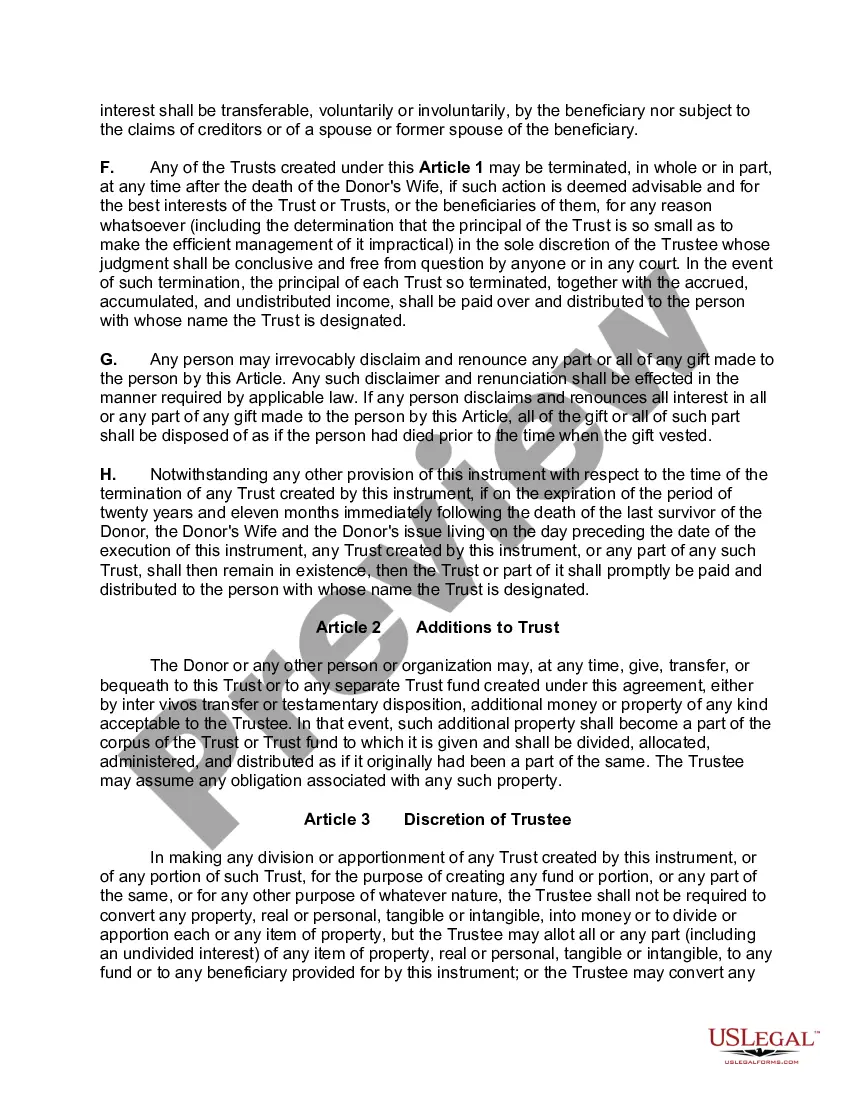
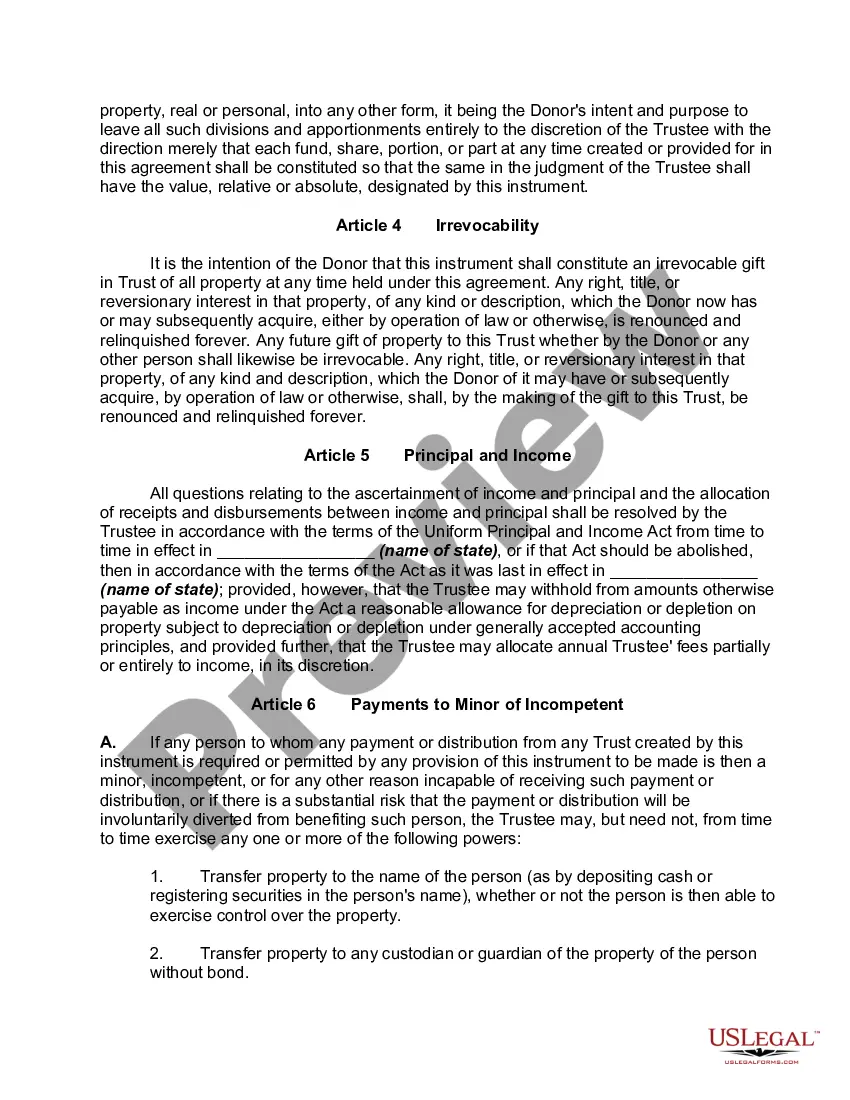
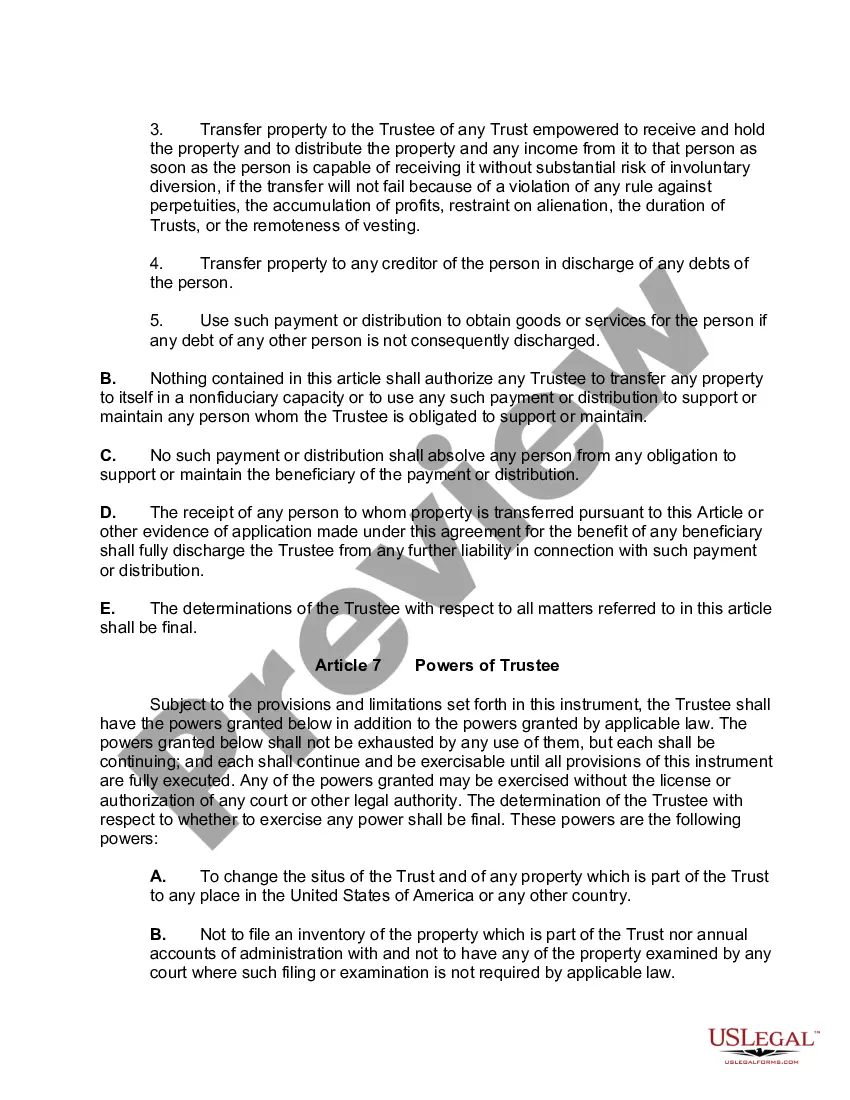
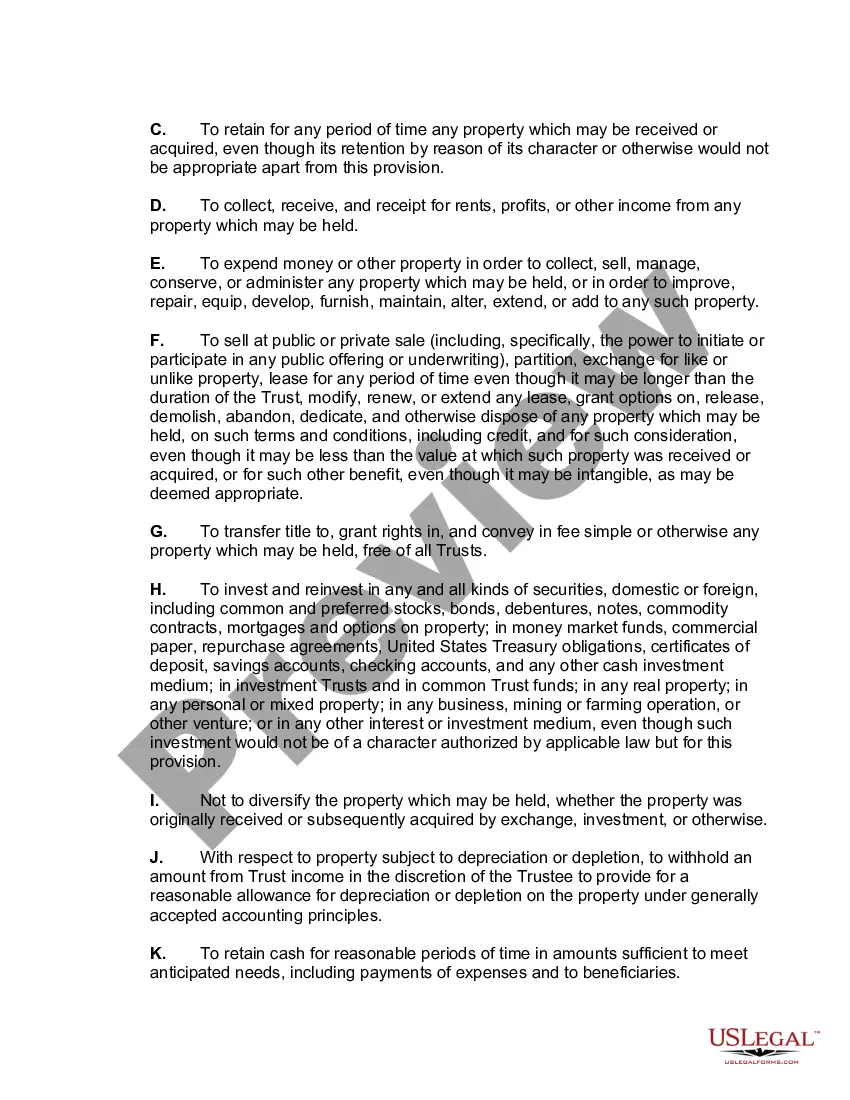
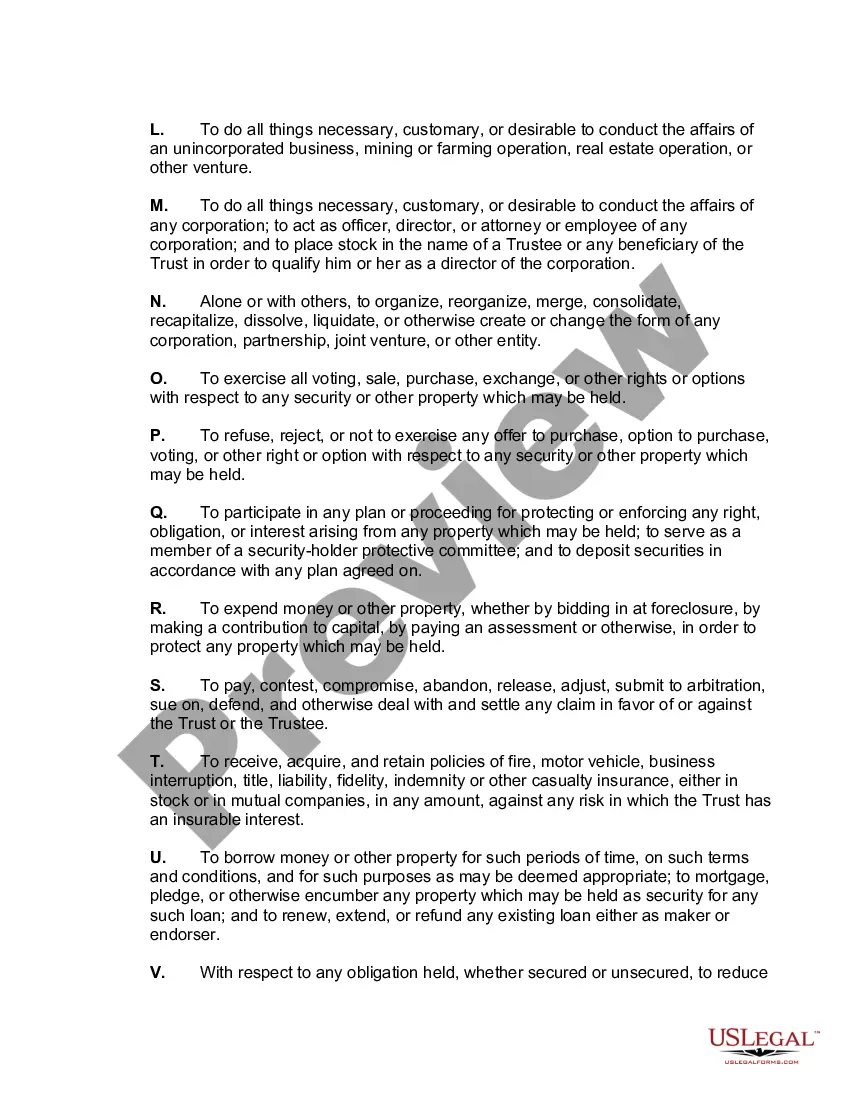
How to fill out Inter Vivos QTIP Trust With Principal To Donor's Children On Spouse's Death?
- Log in to your existing account at US Legal Forms. Ensure that your subscription remains active; renew if necessary.
- If you're a first-time user, begin by examining the Preview mode and form descriptions to find the right document that adheres to your local regulations.
- Use the Search tab to locate any additional templates you might require, ensuring complete accuracy before proceeding.
- Select the document by clicking the 'Buy Now' button, and choose a subscription plan that fits your needs while registering for an account.
- Complete your purchase by entering your payment details through credit card or PayPal.
- Download the finished form to your device and access it at any time from the 'My Forms' section of your account.
By utilizing US Legal Forms, you benefit from a vast library of over 85,000 legal forms, ensuring you find exactly what you need. With the option for expert assistance at your disposal, your legal documents are not just accessible but also accurate and reliable.
Take control of your legal document needs today. Visit US Legal Forms and simplify your journey through the legal landscape.
Form popularity
FAQ
For a property to qualify for the marital deduction in a QTIP trust, it must be included under the QTIP election and provide the surviving spouse with all income generated during their lifetime. The property should also ensure that the surviving spouse has the right to direct its distribution after their death, cementing its role in estate planning. Understanding these requirements empowers you to maximize the benefits when addressing a QTIP spouse's death for the future.
A QTIP property example can include a family vacation home that is placed in trust, allowing the surviving spouse to live there or collect rents until their passing. This arrangement provides both financial benefits during the spouse's lifetime and ensures correct distribution of the property later on. Moreover, it allows the property to qualify for the marital deduction, reducing overall estate tax. Such considerations make QTIP properties valuable for family planning.
In a QTIP trust, the surviving spouse may be granted general or limited powers of appointment, allowing them discretion over the distribution of trust assets. General powers enable the spouse to direct assets to their estate or their beneficiaries, while limited powers restrict distribution to certain individuals. These powers play a vital role in ensuring that the surviving spouse can manage the assets in a way that suits their needs. Understanding these powers is key to setting up an effective QTIP trust.
An example of a QTIP is a jointly owned investment account where the surviving spouse receives income from the account during their lifetime, allowing for financial security. After the surviving spouse's death, the assets can be transferred to other beneficiaries, adhering to the original owner's wishes. This setup ensures both benefit during their life and control over the final distribution, emphasizing the importance of thoughtful estate planning.
Certain types of property do not qualify for the marital deduction, including non-influential assets or those not included in a QTIP trust. Assets that may come with conditions or restrictions might also be excluded, potentially complicating your estate plan. It is essential to be informed about these factors as they affect the transfer and taxation process after a QTIP spouse's death for the future. Consulting legal resources may illuminate your options.
A typical example of QTIP property includes a home that you leave to your spouse via a trust, granting them the right to receive income from the property during their lifetime. This arrangement ensures that your spouse can benefit from the property while allowing for potential tax advantages. Upon the spouse's death, the property can be transferred to your chosen beneficiaries, reflecting your wishes. Knowing these details can help you manage inheritance matters effectively.
To make a QTIP election on Form 706, you must complete the proper sections of the form, specifically providing information about the property included in the election. You will indicate the marital deduction amount for the QTIP property, ensuring the figures reflect the current values at the time of the decedent's death. Properly filing this election is crucial for tax purposes, as it directly impacts how the estate is taxed. For support with this process, consider utilizing US legal forms, which can guide you through the completion of Form 706.
A QTIP trust is often set up to provide financial security for the surviving spouse while controlling how assets are distributed after their death. This trust ensures that the surviving spouse receives income from the trust during their lifetime, while the principal is preserved for other beneficiaries. It’s a strategic option for those wishing to balance support with control over the ultimate distribution. Understanding how this relates to QTIP spouses death for the future can significantly influence your estate planning decisions.
One disadvantage of a QTIP trust is the lack of control over the trust assets by the surviving spouse. The survivor cannot alter the trust terms or change beneficiaries, which may lead to frustration. Additionally, any income generated is taxable to the surviving spouse. Consequently, evaluating QTIP spouses death for the future is vital to uncovering these potential limitations.
The tax implications of a QTIP trust mainly revolve around estate taxes and income taxes. Income generated by the QTIP trust is typically taxed to the surviving spouse, but the trust qualifies for a marital deduction, deferring estate taxes until their death. It's important to plan with these tax obligations in mind, ensuring that your estate is managed efficiently. Therefore, looking into QTIP spouses death for the future can help better navigate tax responsibilities.