Inter Vivos Trust Formalities
Description
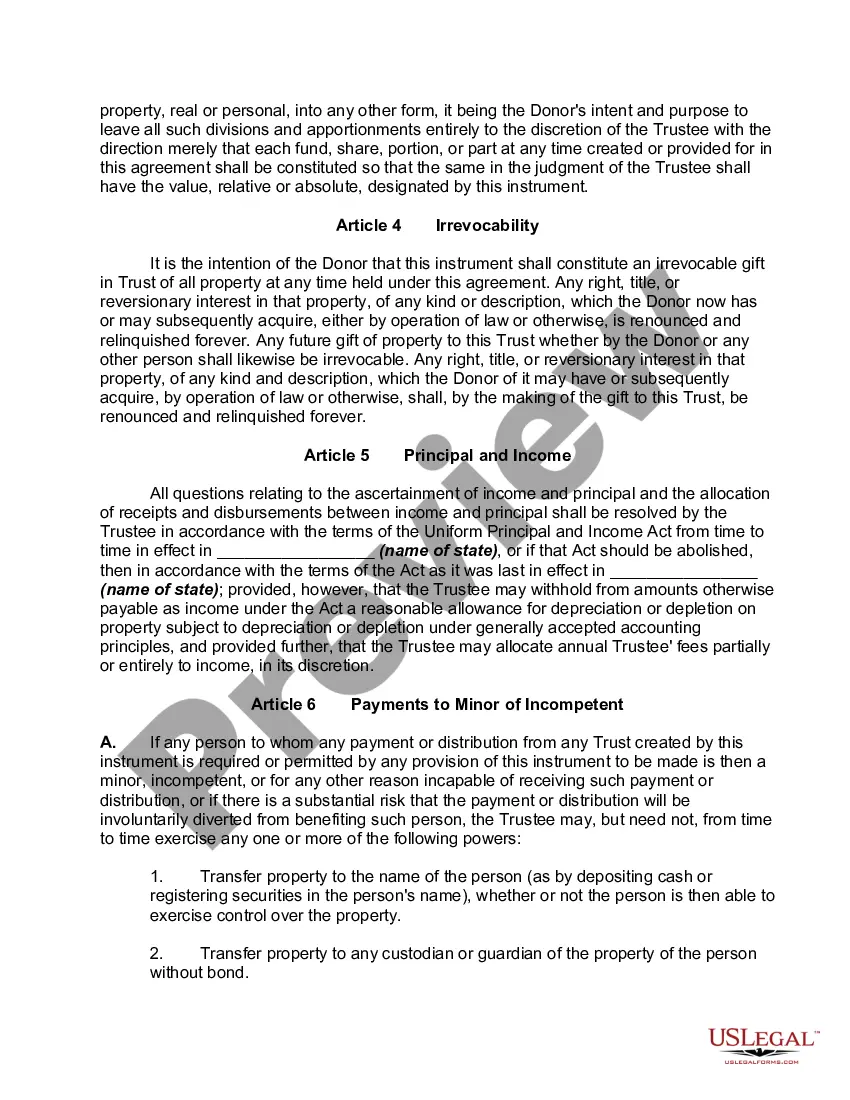
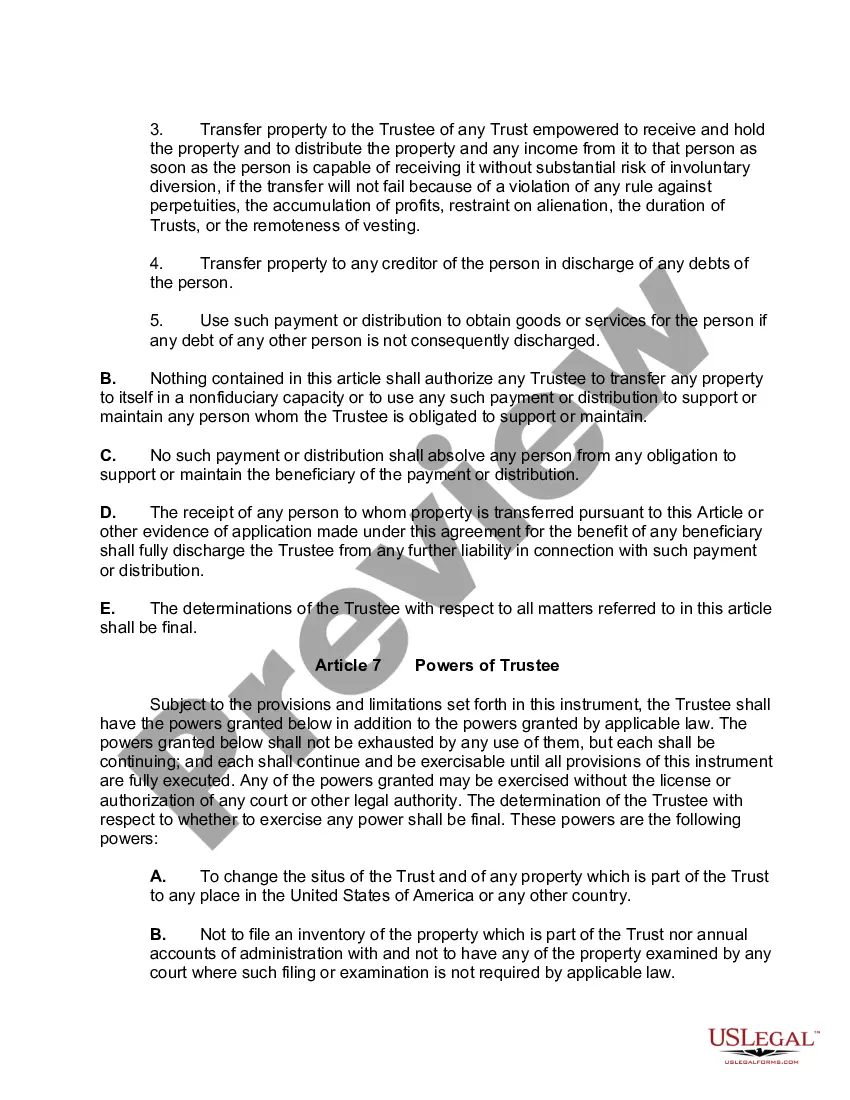
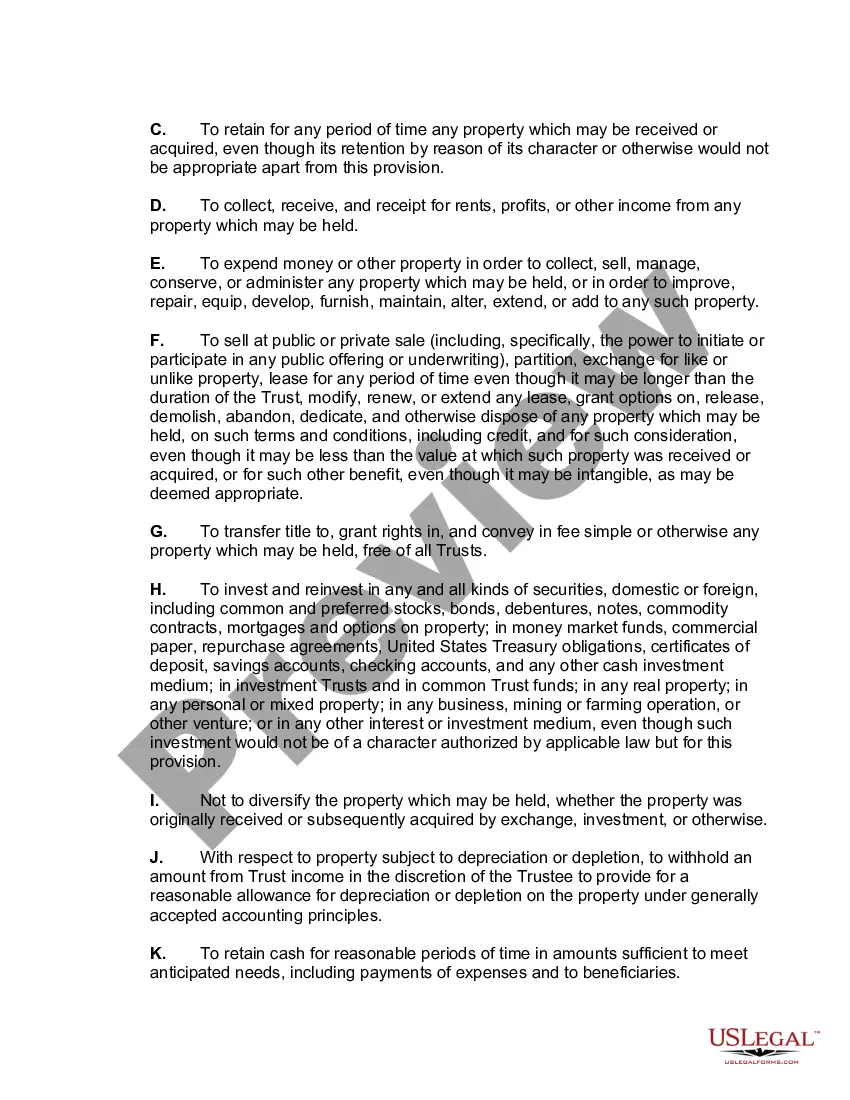
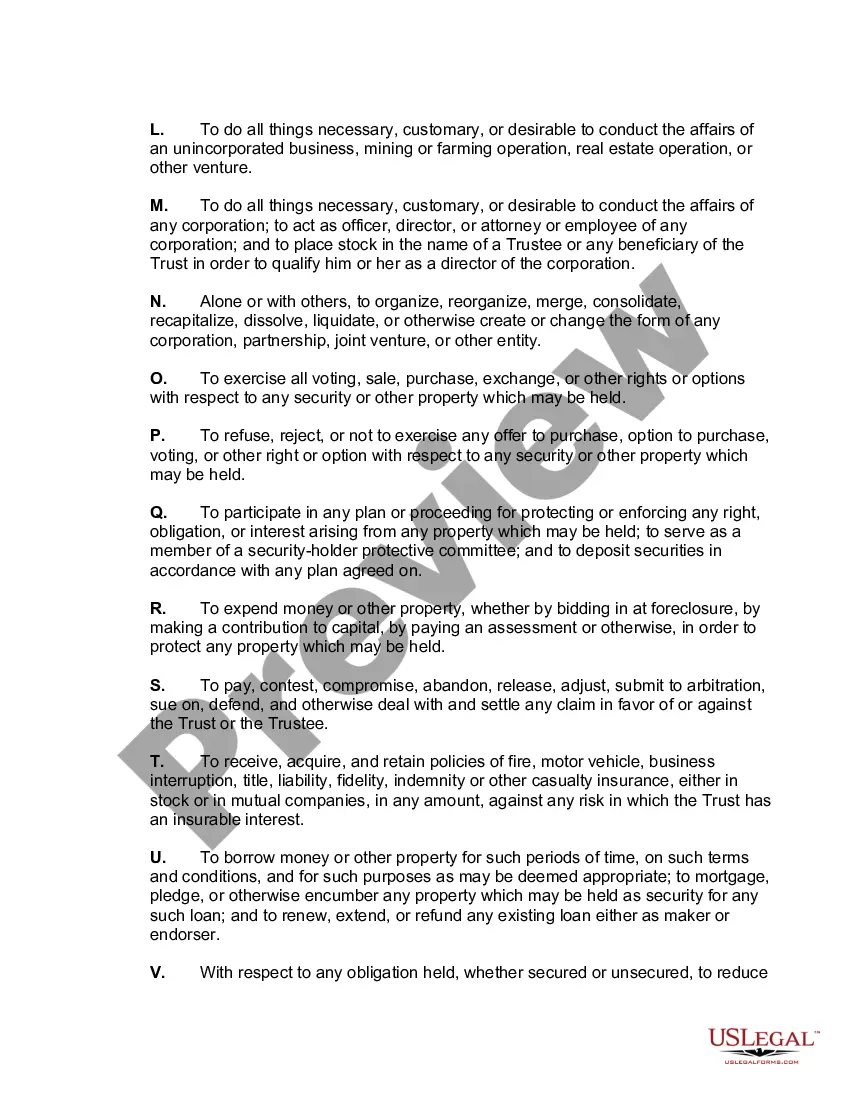

Get your form ready online
Our built-in tools help you complete, sign, share, and store your documents in one place.
Make edits, fill in missing information, and update formatting in US Legal Forms—just like you would in MS Word.
Download a copy, print it, send it by email, or mail it via USPS—whatever works best for your next step.
Sign and collect signatures with our SignNow integration. Send to multiple recipients, set reminders, and more. Go Premium to unlock E-Sign.
If this form requires notarization, complete it online through a secure video call—no need to meet a notary in person or wait for an appointment.
We protect your documents and personal data by following strict security and privacy standards.

Make edits, fill in missing information, and update formatting in US Legal Forms—just like you would in MS Word.

Download a copy, print it, send it by email, or mail it via USPS—whatever works best for your next step.

Sign and collect signatures with our SignNow integration. Send to multiple recipients, set reminders, and more. Go Premium to unlock E-Sign.

If this form requires notarization, complete it online through a secure video call—no need to meet a notary in person or wait for an appointment.

We protect your documents and personal data by following strict security and privacy standards.
Looking for another form?





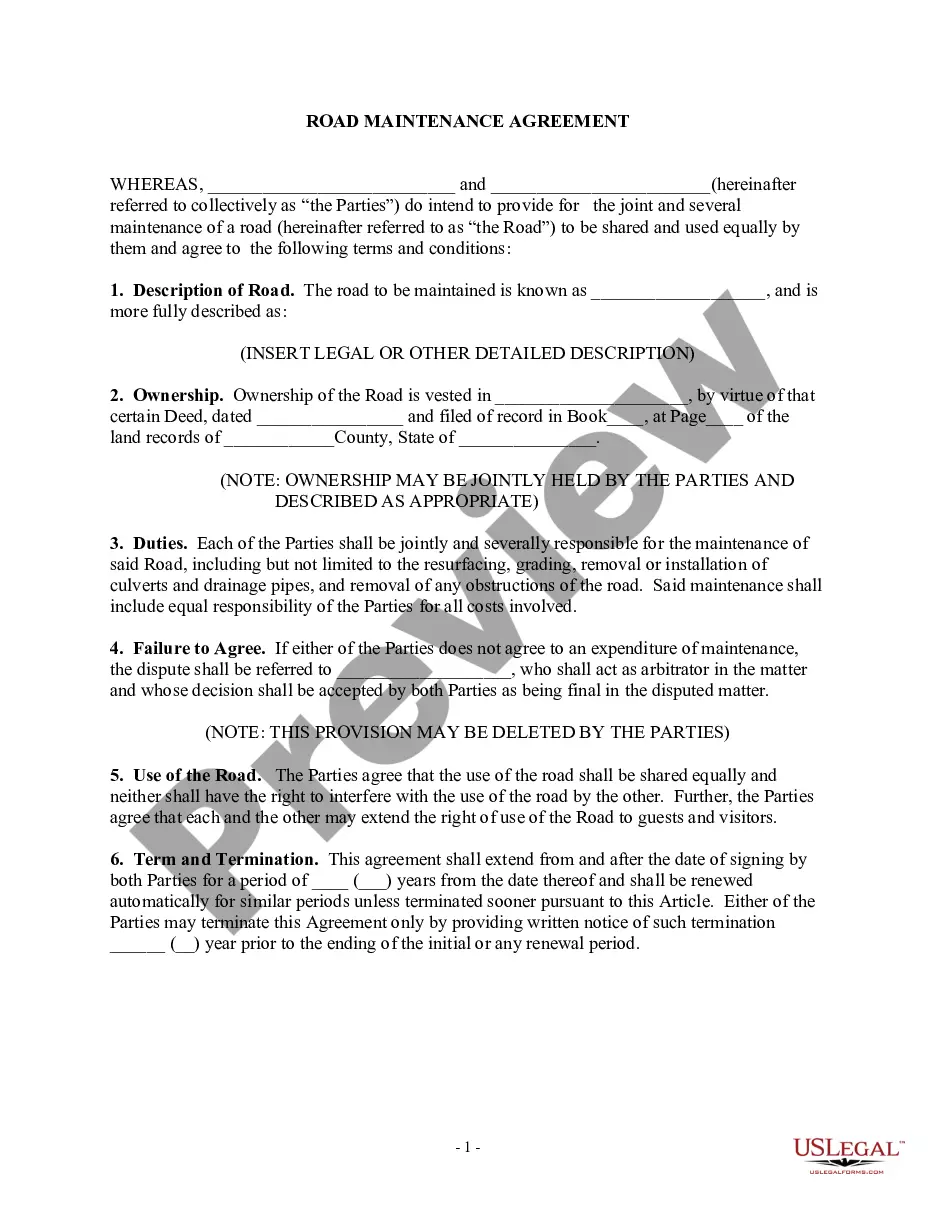



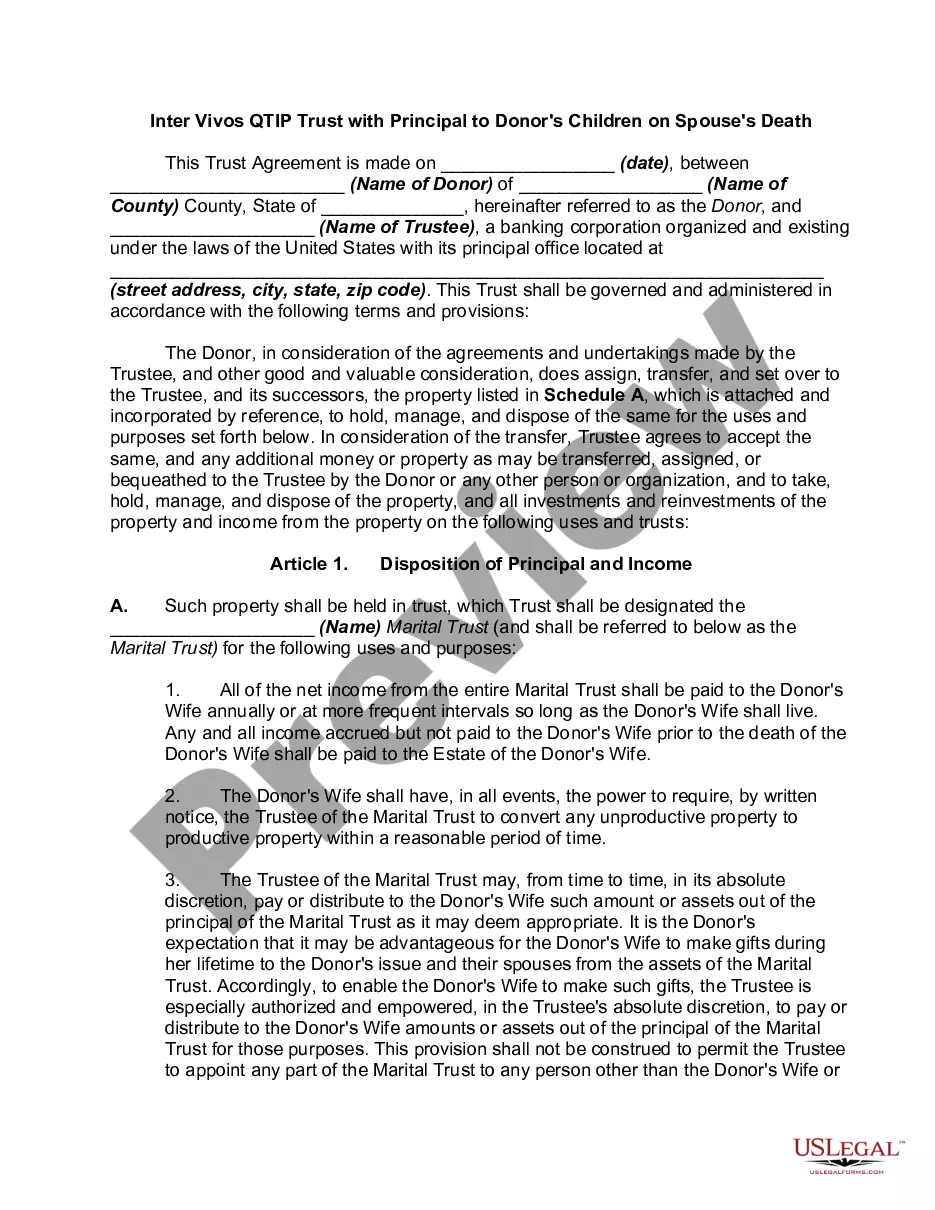
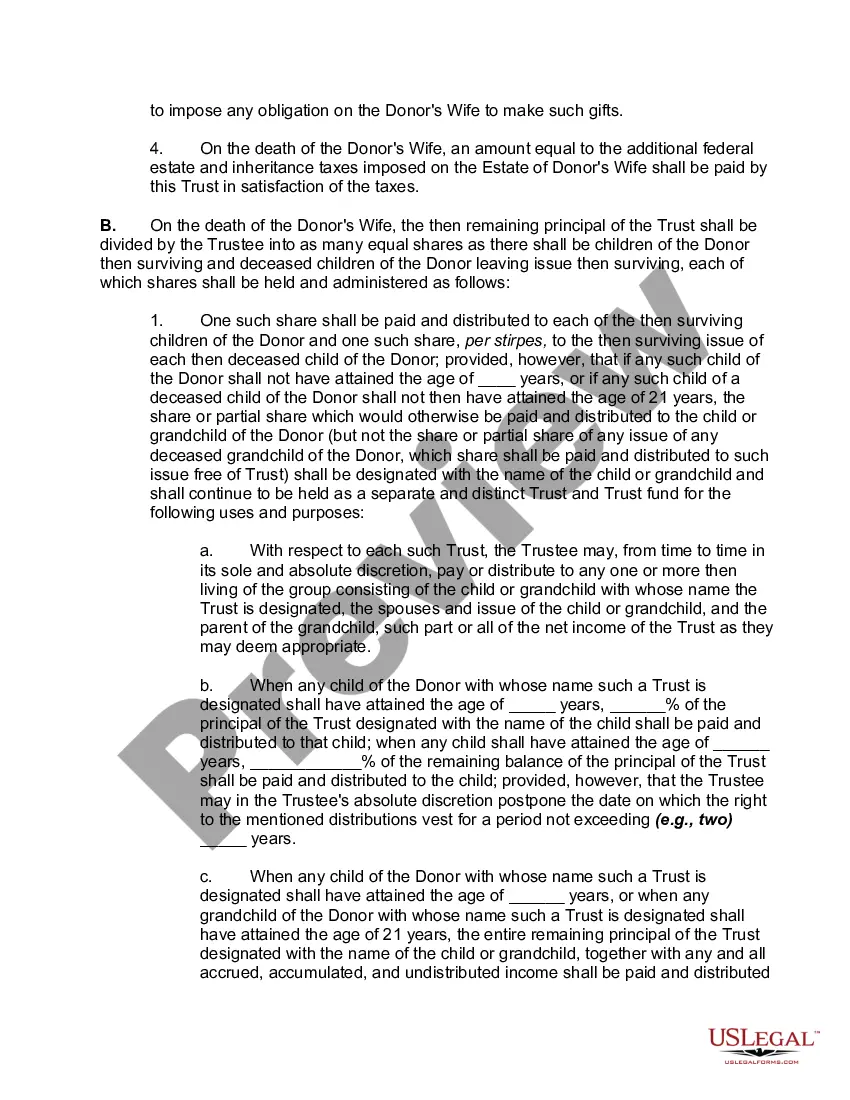
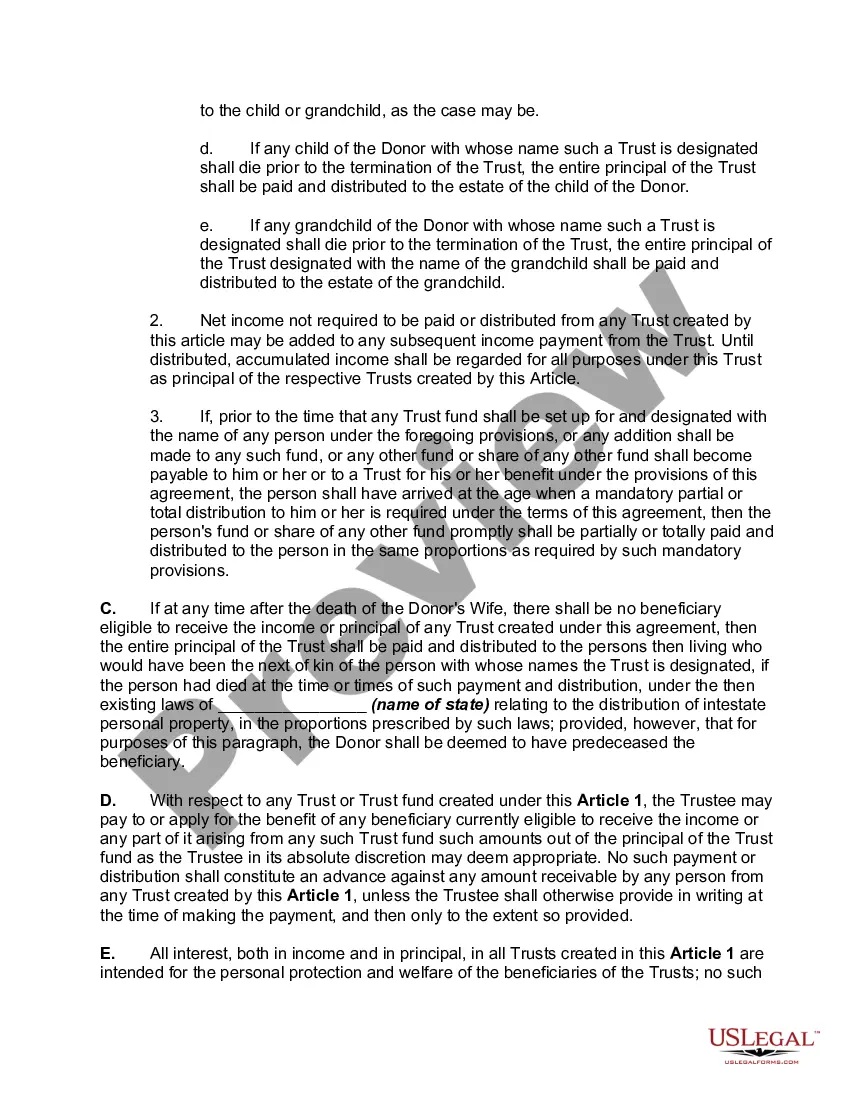
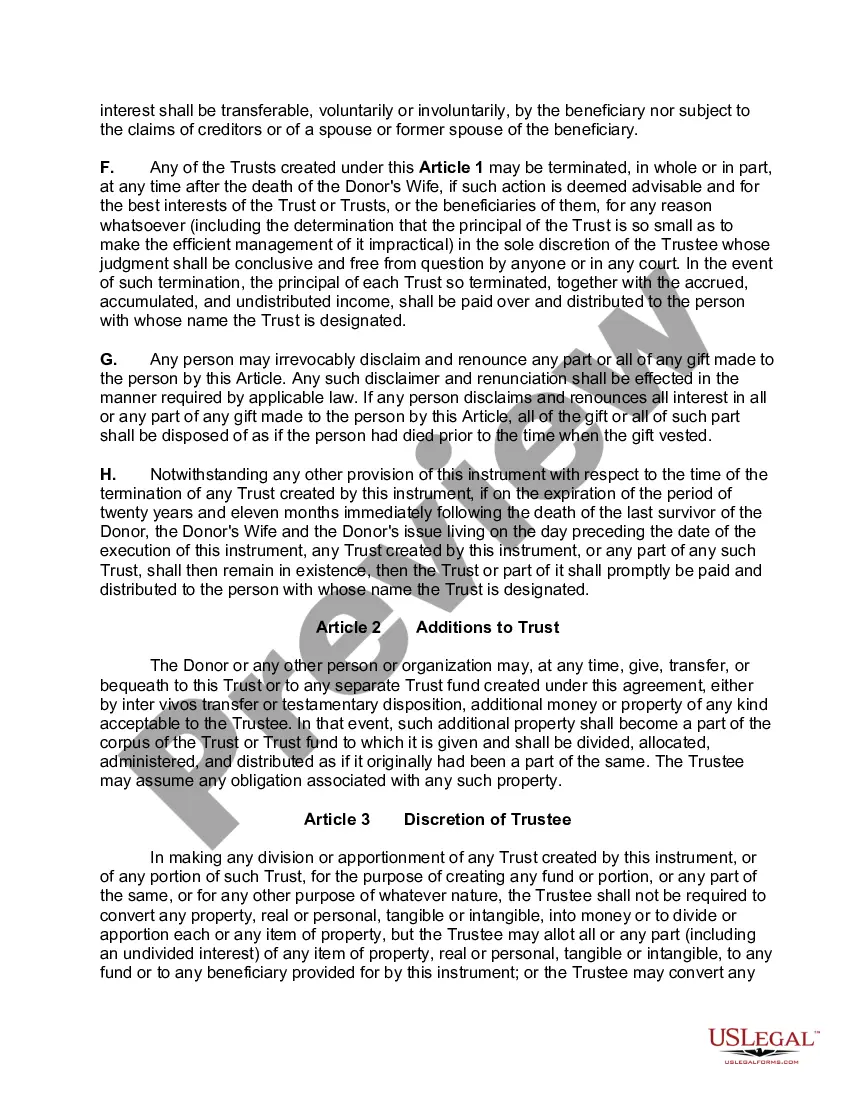
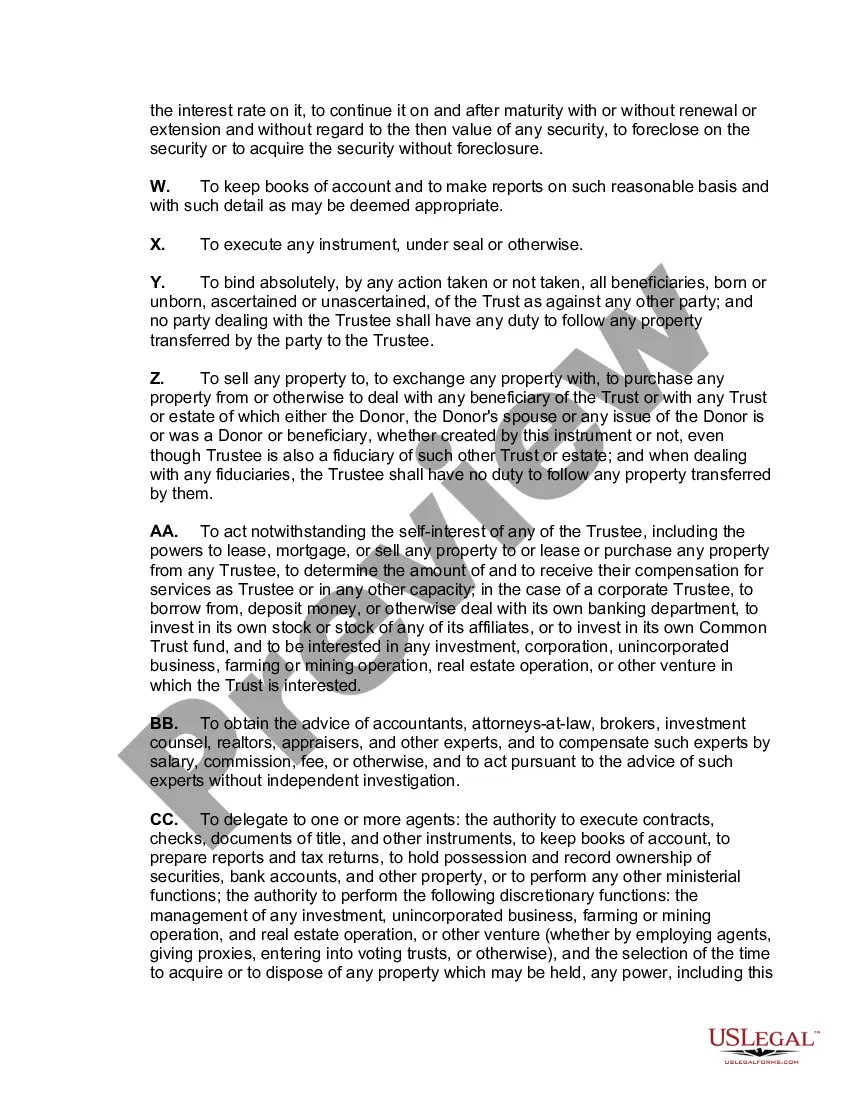
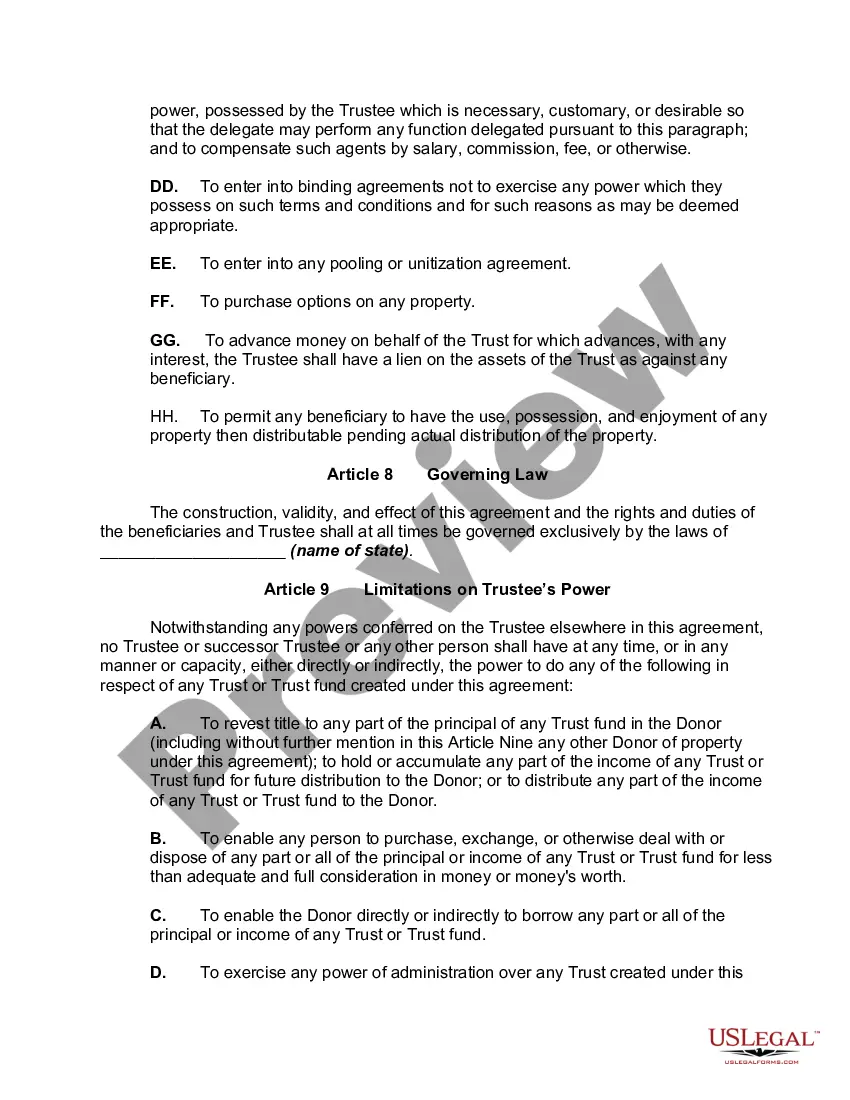
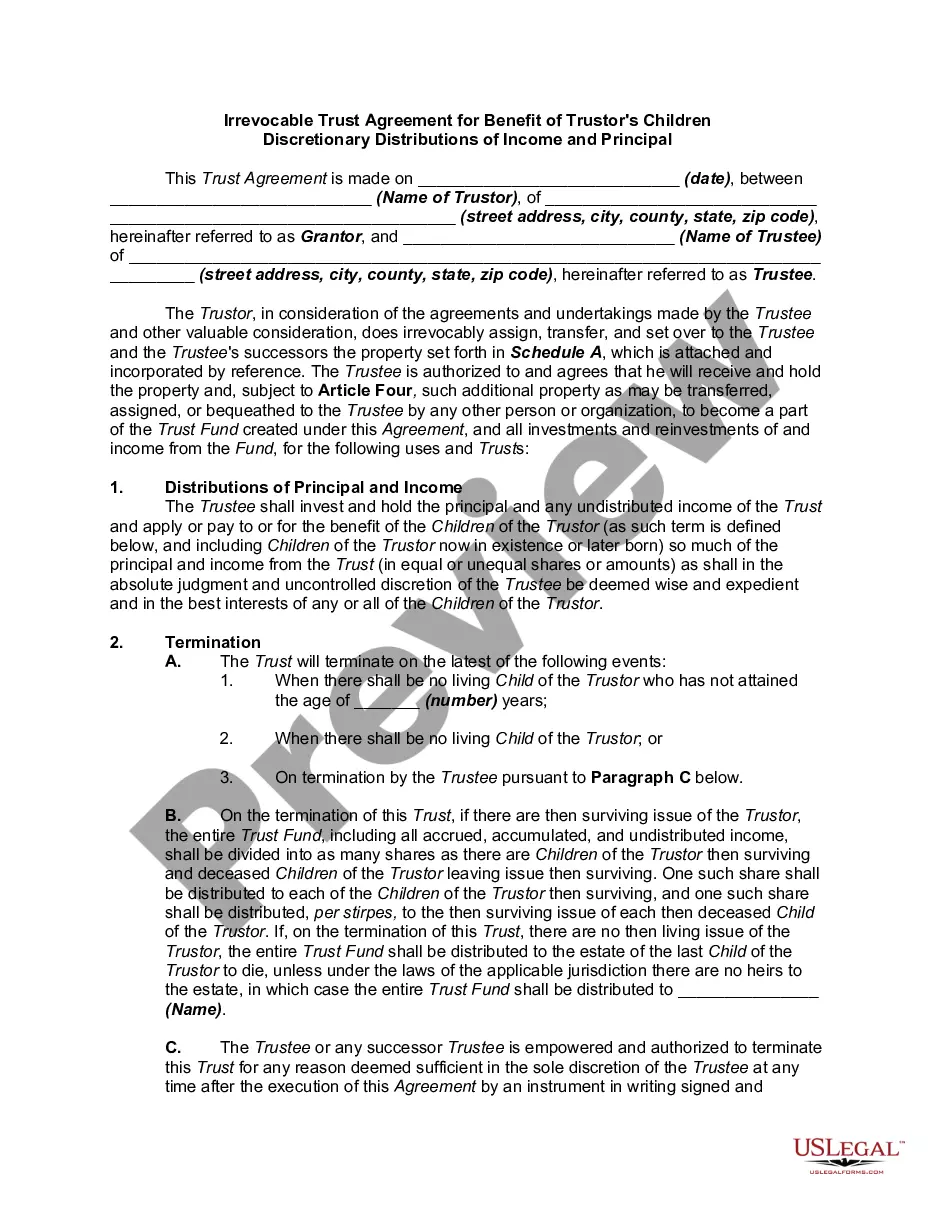
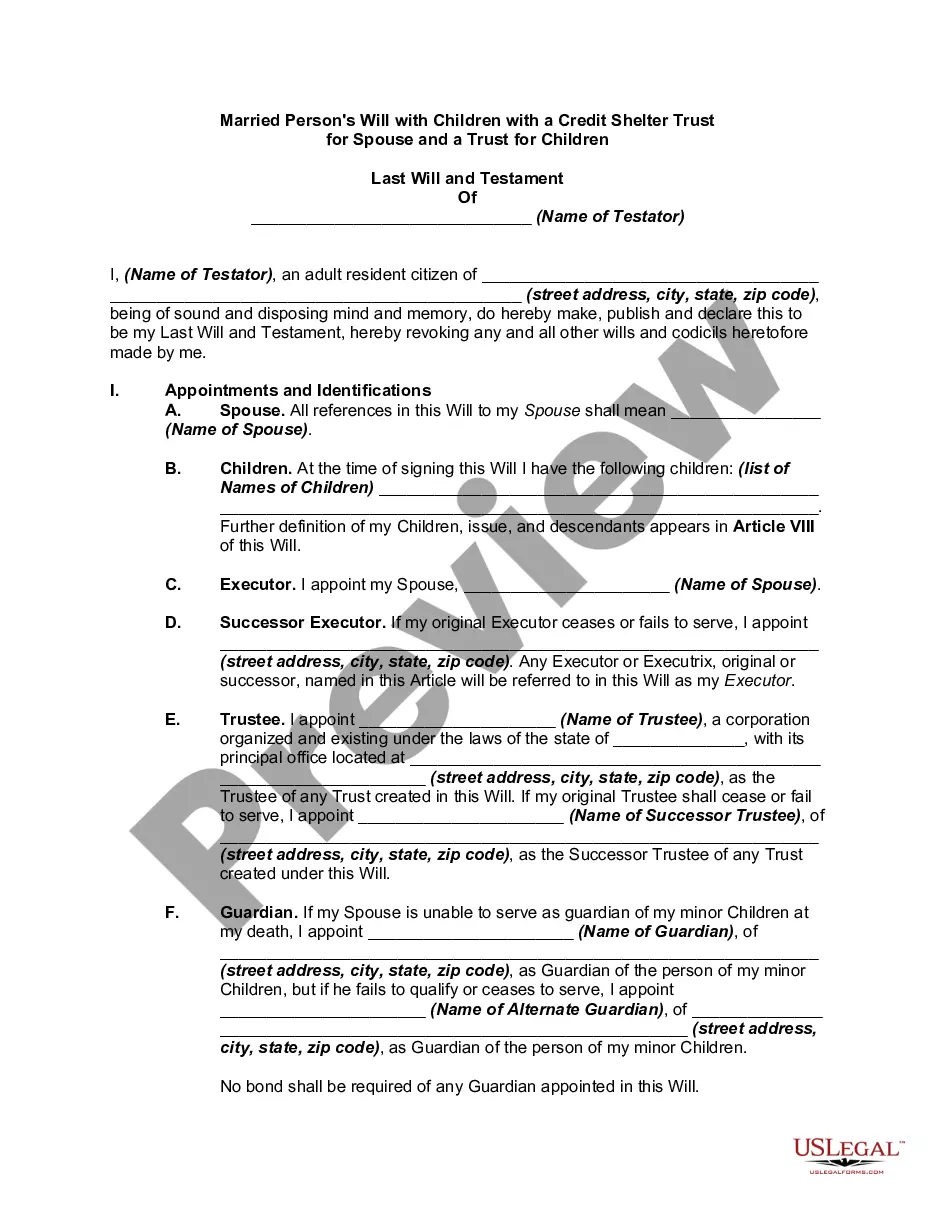
How to fill out Inter Vivos QTIP Trust With Principal To Donor's Children On Spouse's Death?
The Inter Vivos Trust Procedures you see on this page is a versatile legal template created by experienced attorneys in accordance with federal and local regulations.
For over 25 years, US Legal Forms has offered individuals, businesses, and legal practitioners more than 85,000 validated, state-specific forms for any business and personal needs. It’s the quickest, simplest, and most reliable method to acquire the documents you require, as the service ensures bank-level data security and anti-malware safeguards.
Register for US Legal Forms to have verified legal templates for all of life's situations at your fingertips.
- Search for the document you require and review it.
- Browse through the sample you located and preview it or examine the form description to confirm it meets your needs. If it doesn’t, use the search bar to find the suitable one. Click Buy Now once you have found the template you want.
- Subscribe and Log In.
- Select the pricing plan that fits your needs and create an account. Use PayPal or a credit card to make a quick payment. If you already have an account, Log In and verify your subscription to proceed.
- Obtain the fillable template.
- Choose the preferred format for your Inter Vivos Trust Procedures (PDF, Word, RTF) and save the sample on your device.
- Fill out and sign the document.
- Print the template to fill it out by hand. Alternatively, utilize an online multi-functional PDF editor to swiftly and accurately complete and sign your form with a legally-binding electronic signature.
- Download your documents again.
- Access the same document again whenever needed. Go to the My documents tab in your profile to redownload any previously purchased forms.
Form popularity
FAQ
Trusts such as inter vivos trusts and certain irrevocable trusts typically avoid probate if set up correctly. An inter vivos trust specifically allows for the direct transfer of assets to beneficiaries without court intervention. Additionally, revocable living trusts can also bypass probate once the grantor passes away. Choosing the right type of trust involves understanding your options to ensure your estate planning goals are met.
One of the biggest mistakes parents make when setting up a trust fund is failing to fund the trust properly. Without transferring assets into the trust, it cannot operate effectively or serve its intended purpose. This oversight can result in the trust being subjected to probate, defeating its purpose. Ensuring that you complete all inter vivos trust formalities is crucial for successful estate planning.
An inter vivos trust is one of the best options to avoid probate. This type of trust is created during your lifetime, ensuring that your assets can be transferred to your beneficiaries without going through probate court. Other options, like irrevocable trusts, can also bypass probate, but the inter vivos trust is often more flexible and easier to manage. Evaluating your needs can help determine the best trust for your situation.
Yes, inter vivos trusts effectively avoid probate when properly established. This aligns with their primary purpose, which is to manage assets during your lifetime and distribute them after your passing without court intervention. By transferring assets into an inter vivos trust, you ensure that your beneficiaries receive their inheritance swiftly and without unnecessary delays. Remember to adhere to inter vivos trust formalities for optimal results.
Setting up an inter vivos trust involves several steps, starting with determining your goals and selecting your trustee. Next, you will need to draft the trust document, which outlines the terms of the trust and follows the appropriate inter vivos trust formalities. Afterward, you'll fund the trust by transferring assets into it. Resources like uslegalforms can simplify this process, providing necessary templates and guidance.
Yes, an inter vivos trust may need to file a tax return, depending on its income-generating activities. If the trust generates income, it is required to file IRS Form 1041. It is also important to note that the tax treatment of an inter vivos trust differs from that of a revocable trust. Consulting with tax professionals can clarify these obligations.
Inter vivos trusts generally do not go through probate, which is one of their key advantages. Once you create and fund an inter vivos trust, the assets it holds typically pass directly to beneficiaries at your death. This avoids the lengthy and costly probate process, providing peace of mind. Following the right inter vivos trust formalities is essential to ensure this benefit.
Certain assets do not go through probate, including those held in an inter vivos trust. When properly established, these trusts allow for the seamless transfer of assets to beneficiaries without the probate process. Common examples include life insurance policies, retirement accounts, and joint ownership properties. Understanding these asset types can help streamline estate planning.
An example of an inter vivos trust is one where a parent places their home into a trust for their children while retaining the right to live there during their lifetime. This setup keeps the property out of probate, streamlining the transfer process upon the parent's death. It satisfies inter vivos trust formalities by demonstrating the parent’s intent to create a living trust that benefits the children. Utilizing resources from US Legal Forms can help you structure such trusts effectively.
Filling out a certificate of trust involves providing essential information about the trust, including the trustee's details and the trust's date of formation. You must ensure this document meets inter vivos trust formalities by accurately reflecting the trust's structure and purpose. Additionally, it should verify the trustee's authority to act on behalf of the trust without disclosing its contents. Platforms like US Legal Forms provide templates that simplify this process.