Inter Vivos Trust Form With Example
Description
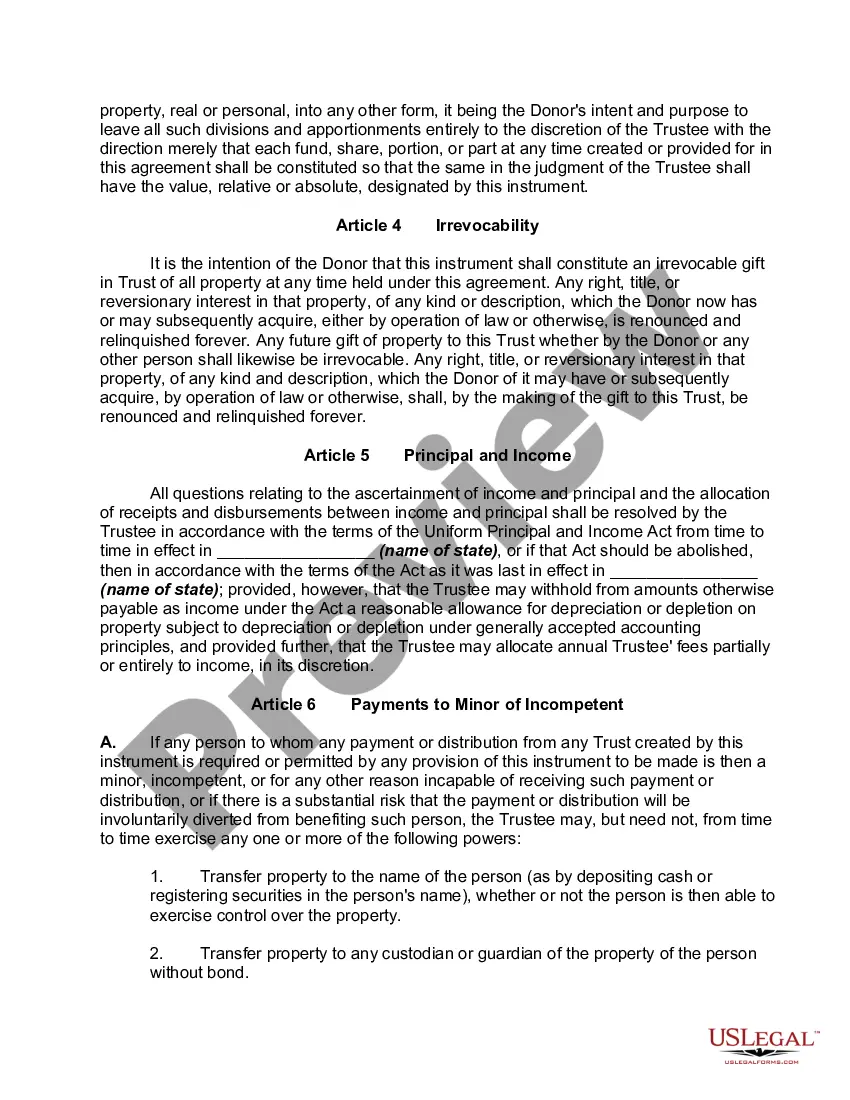
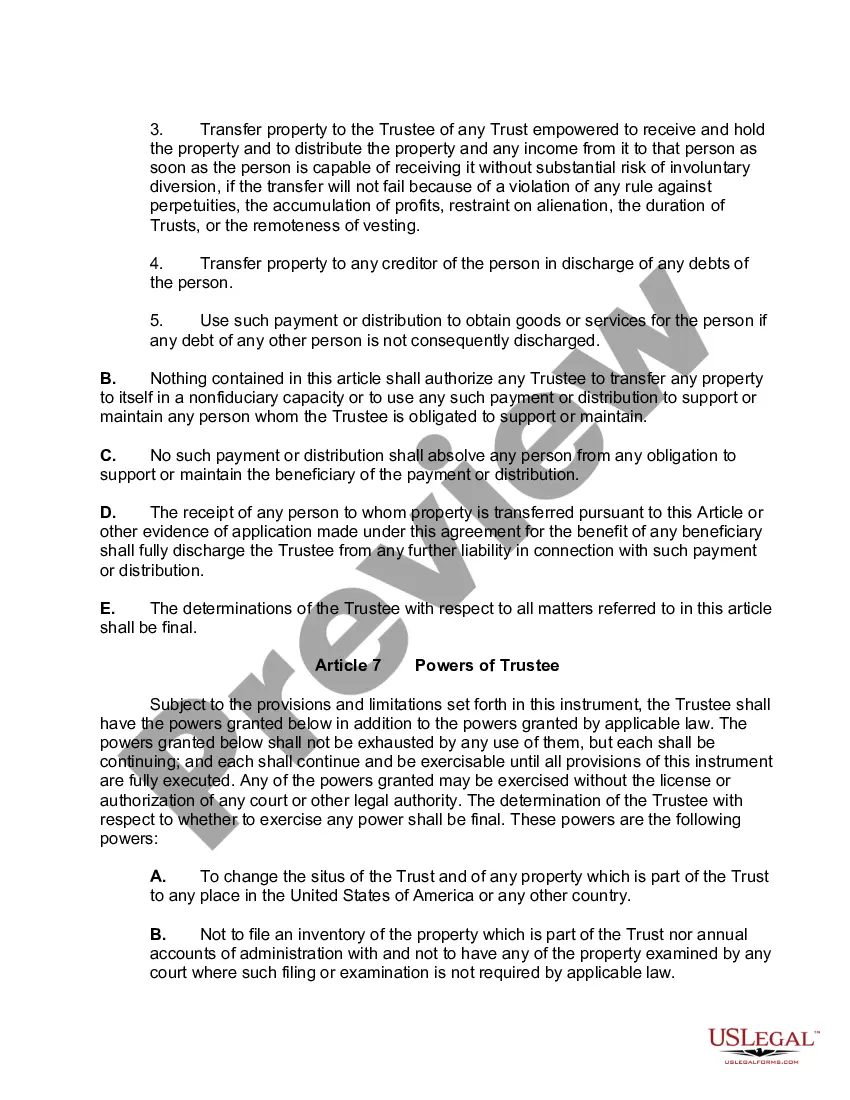
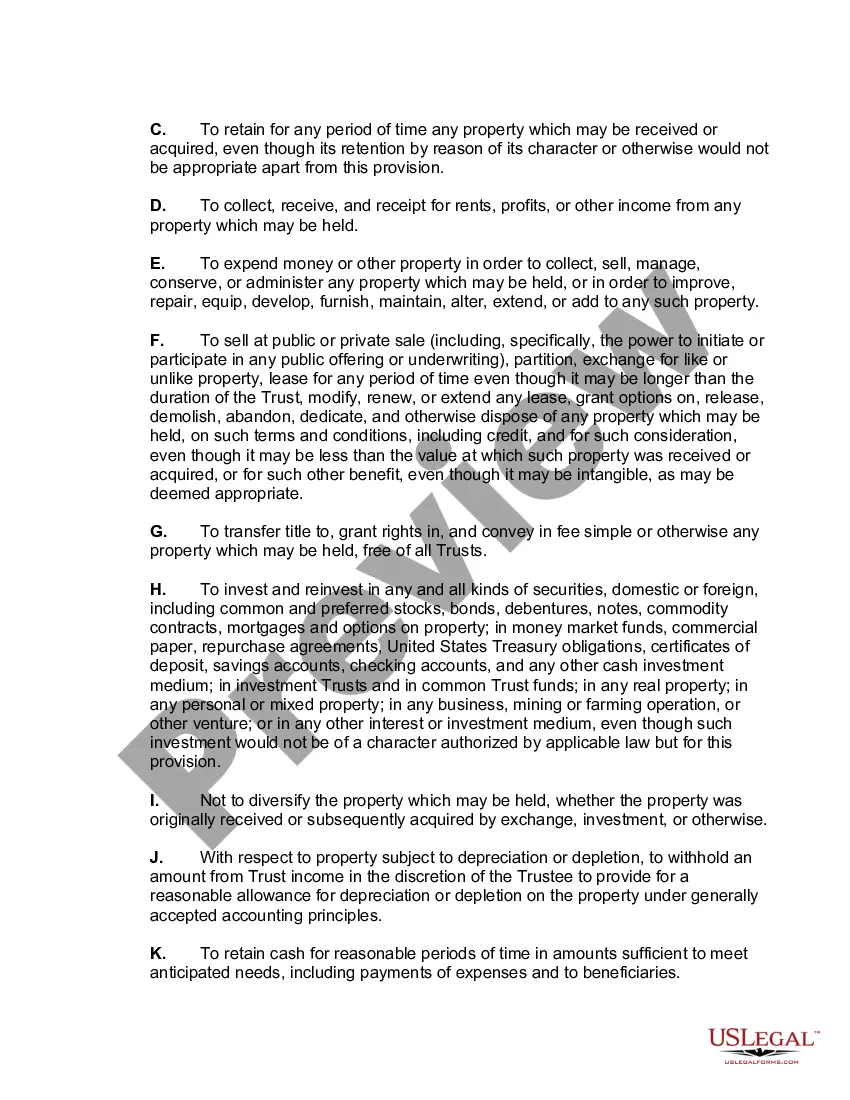
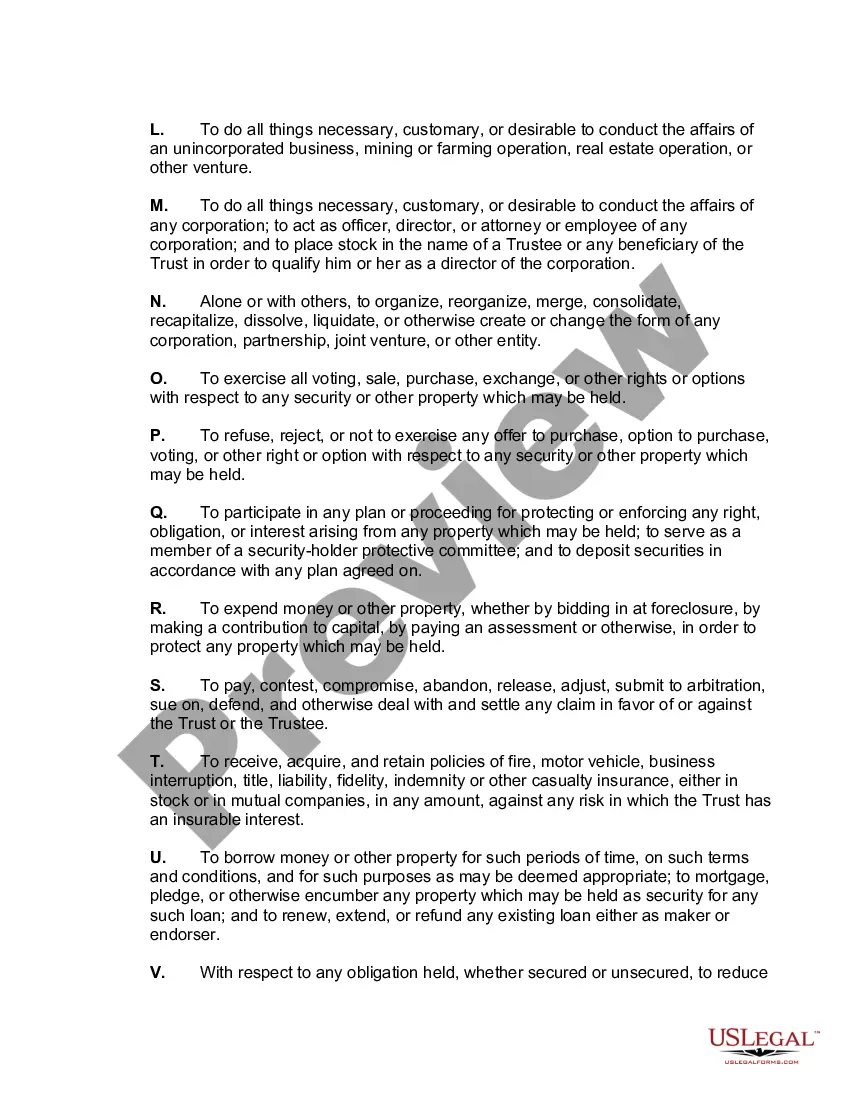

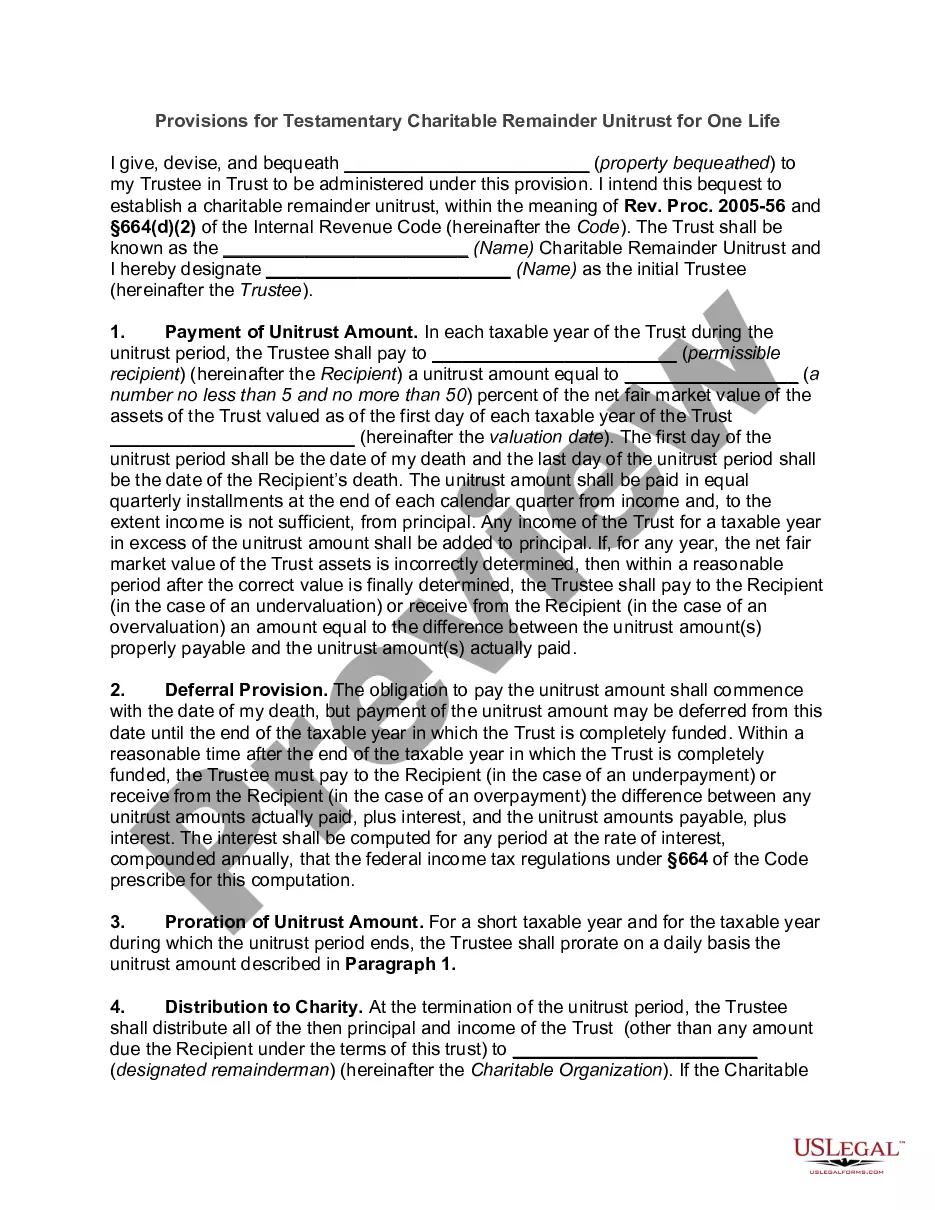
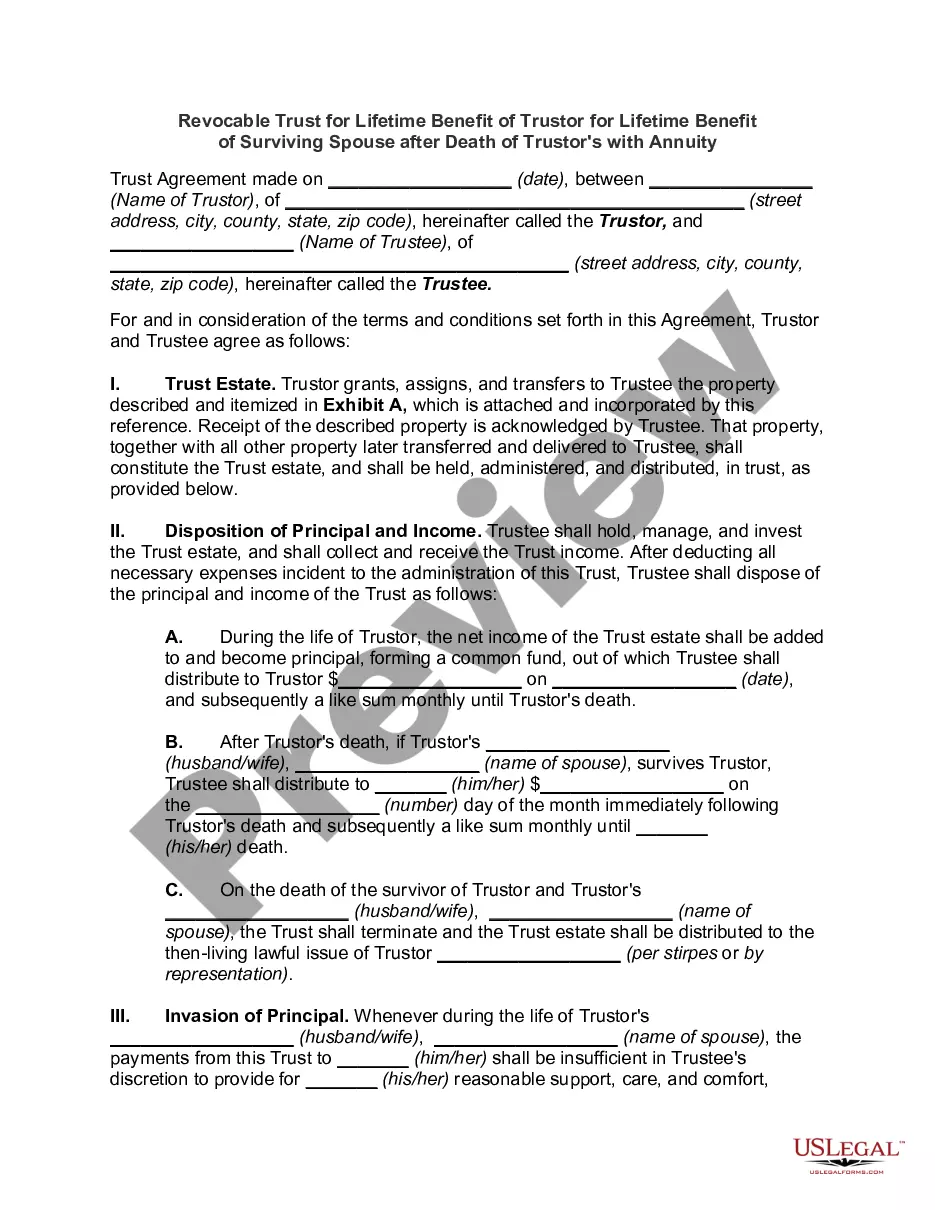
Get your form ready online
Our built-in tools help you complete, sign, share, and store your documents in one place.
Make edits, fill in missing information, and update formatting in US Legal Forms—just like you would in MS Word.
Download a copy, print it, send it by email, or mail it via USPS—whatever works best for your next step.
Sign and collect signatures with our SignNow integration. Send to multiple recipients, set reminders, and more. Go Premium to unlock E-Sign.
If this form requires notarization, complete it online through a secure video call—no need to meet a notary in person or wait for an appointment.
We protect your documents and personal data by following strict security and privacy standards.

Make edits, fill in missing information, and update formatting in US Legal Forms—just like you would in MS Word.

Download a copy, print it, send it by email, or mail it via USPS—whatever works best for your next step.

Sign and collect signatures with our SignNow integration. Send to multiple recipients, set reminders, and more. Go Premium to unlock E-Sign.

If this form requires notarization, complete it online through a secure video call—no need to meet a notary in person or wait for an appointment.

We protect your documents and personal data by following strict security and privacy standards.
Looking for another form?
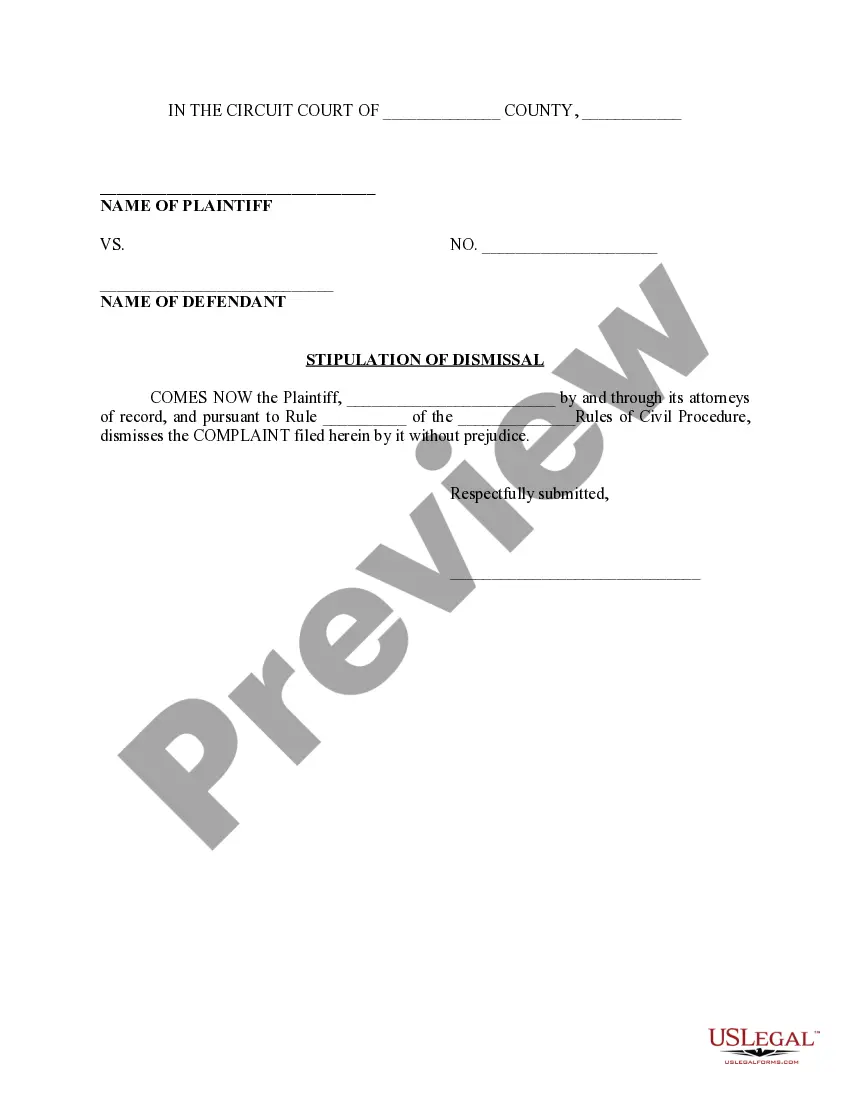




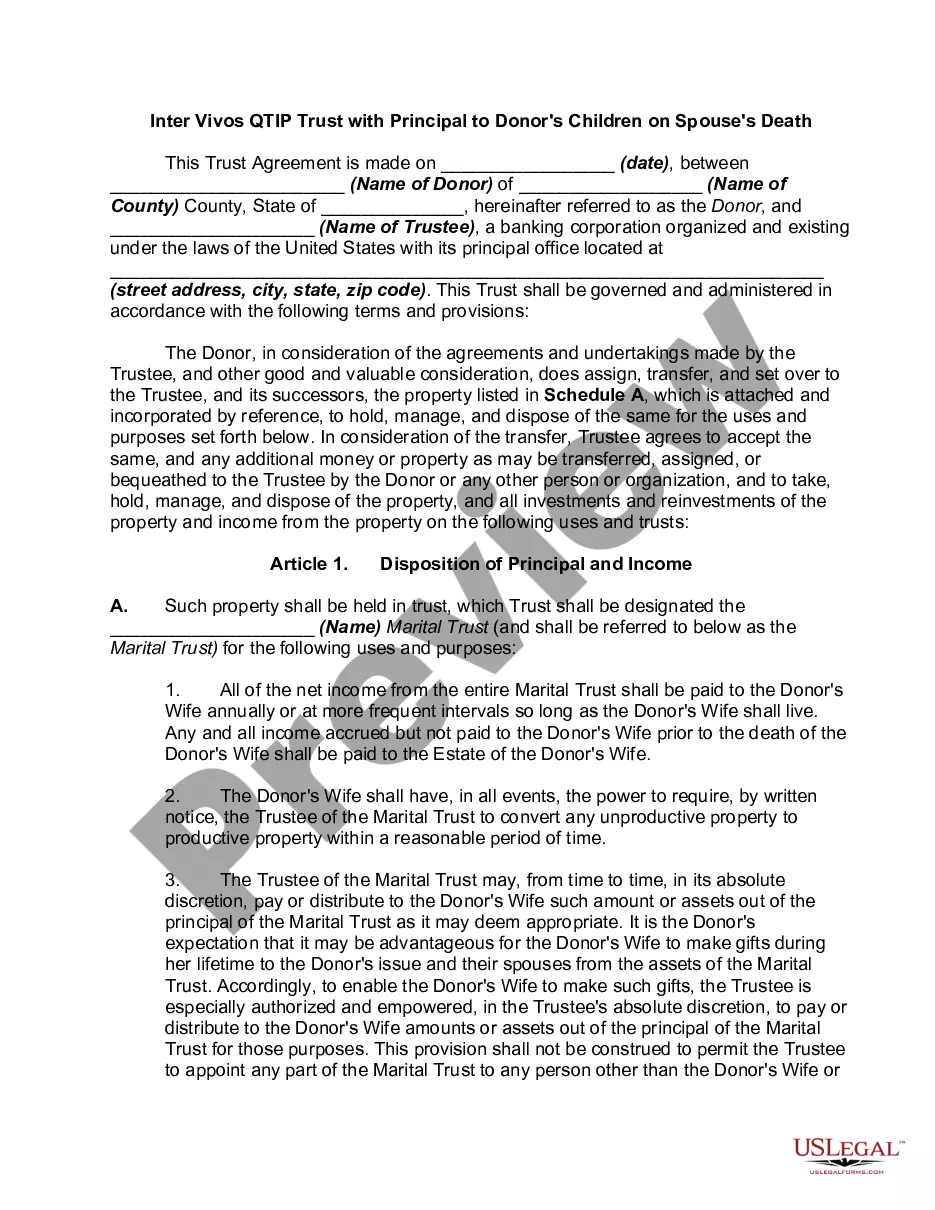
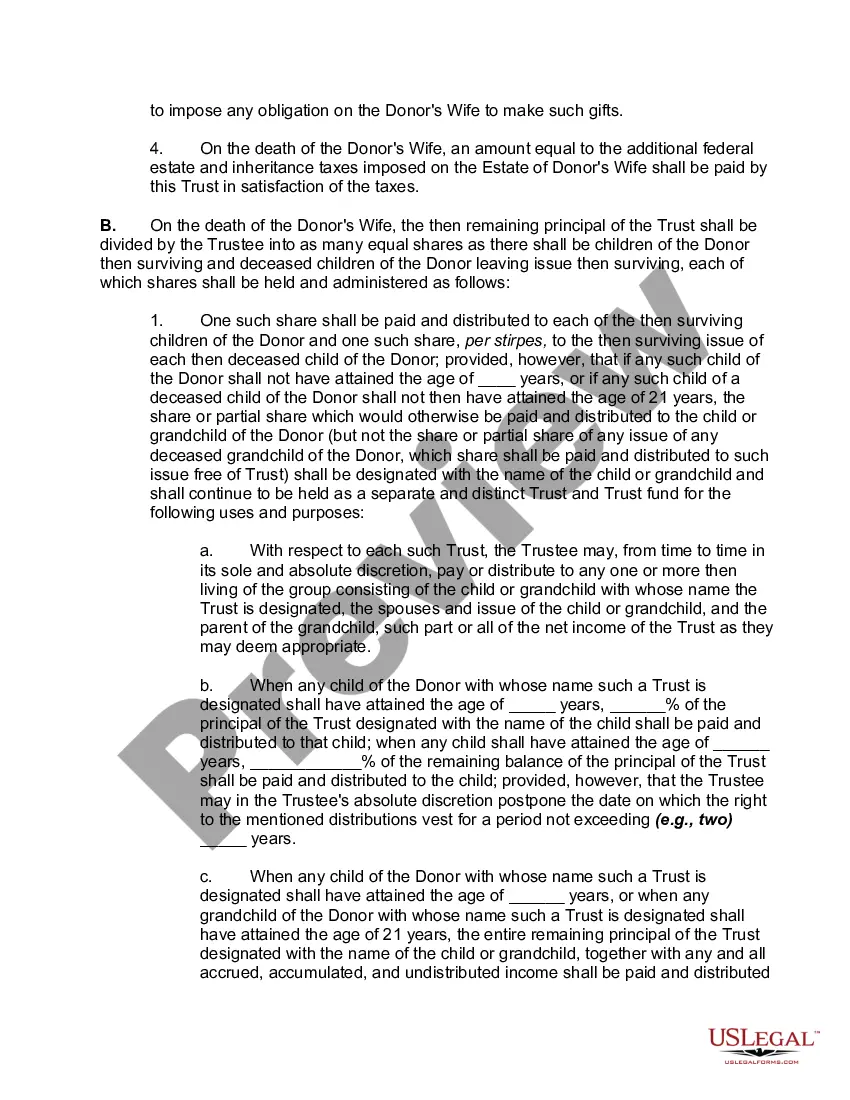
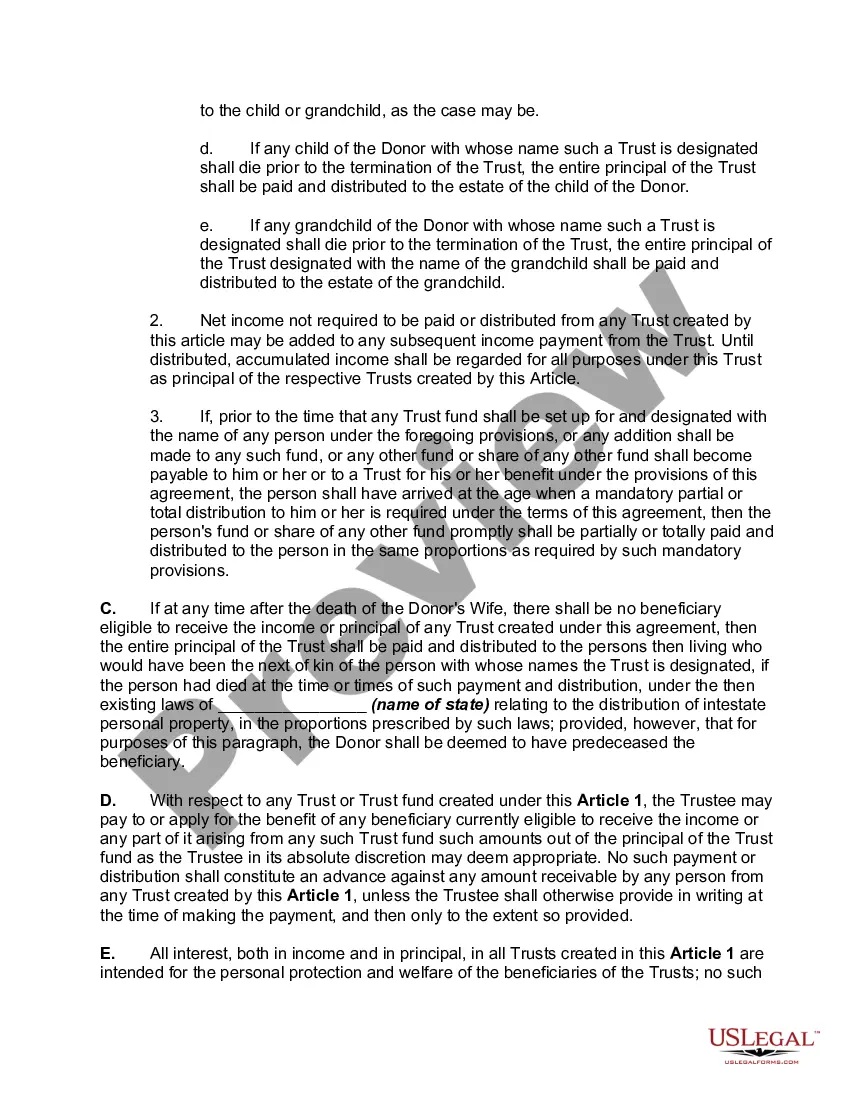
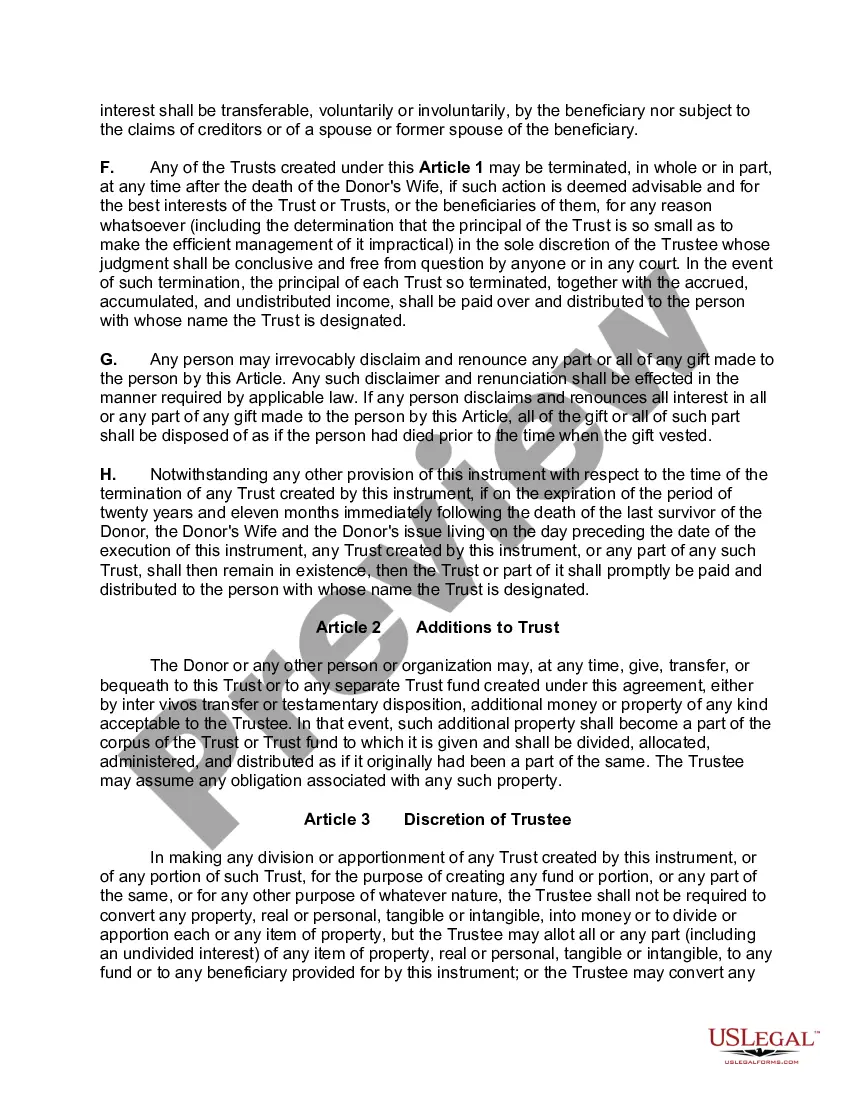
How to fill out Inter Vivos QTIP Trust With Principal To Donor's Children On Spouse's Death?
Utilizing legal document examples that adhere to federal and local laws is crucial, and the web provides numerous alternatives to select from.
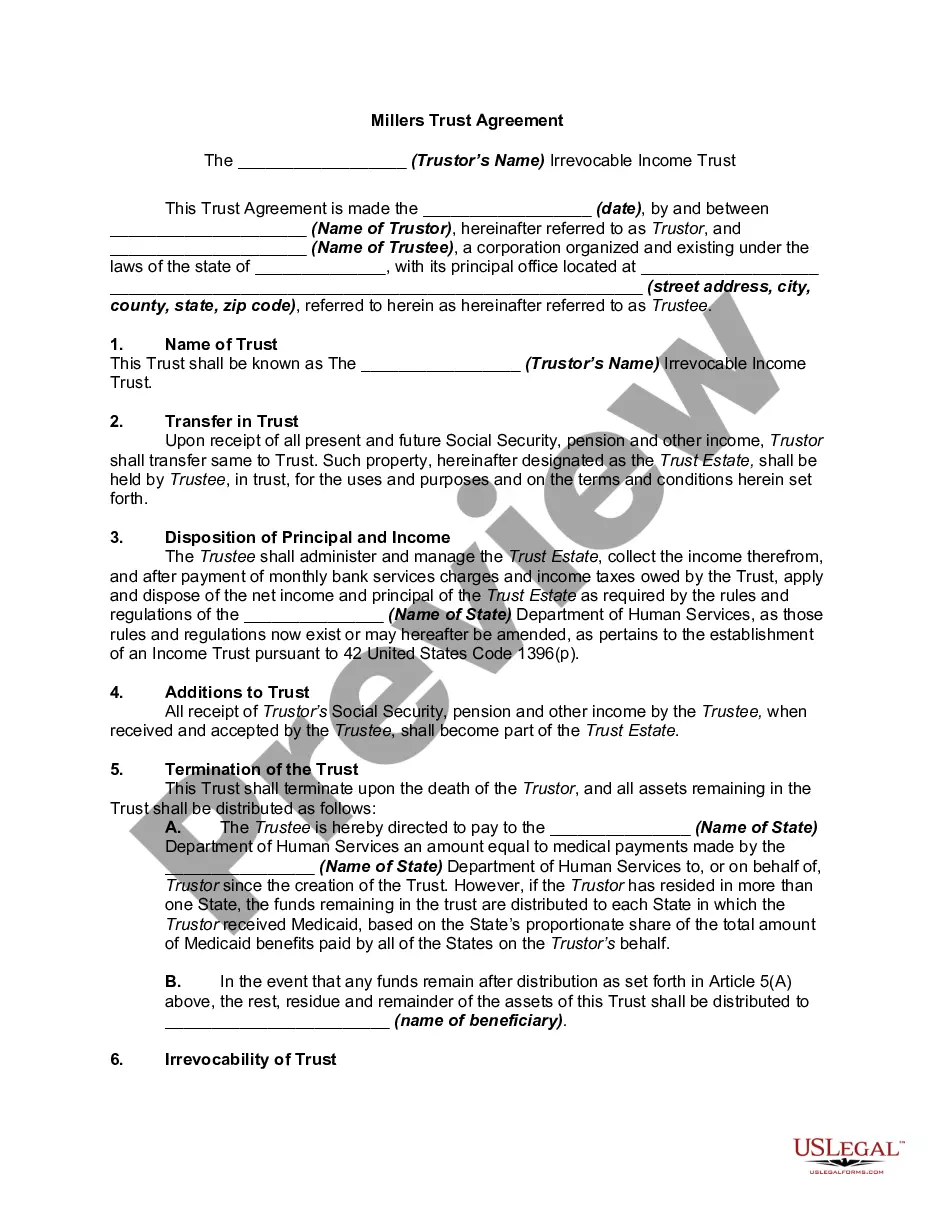
However, what is the benefit of spending time searching for the suitable Inter Vivos Trust Form With Example sample online when the US Legal Forms virtual library has already compiled such templates in one location.
US Legal Forms is the top online legal resource featuring over 85,000 fillable templates created by lawyers for any business and personal matters. They are easy to navigate with all documents categorized by state and purpose.
All templates you find through US Legal Forms are reusable. To re-download and complete previously obtained forms, access the My documents tab in your account. Experience the most comprehensive and user-friendly legal documentation service!
- Our experts stay updated with legislative developments, ensuring that your form is current and compliant when obtaining an Inter Vivos Trust Form With Example from our site.
- Acquiring an Inter Vivos Trust Form With Example is quick and straightforward for both existing and new users.
- If you already possess an account with an active subscription, Log In and download the document sample you need in the appropriate format.
- If you are new to our website, follow the steps below.
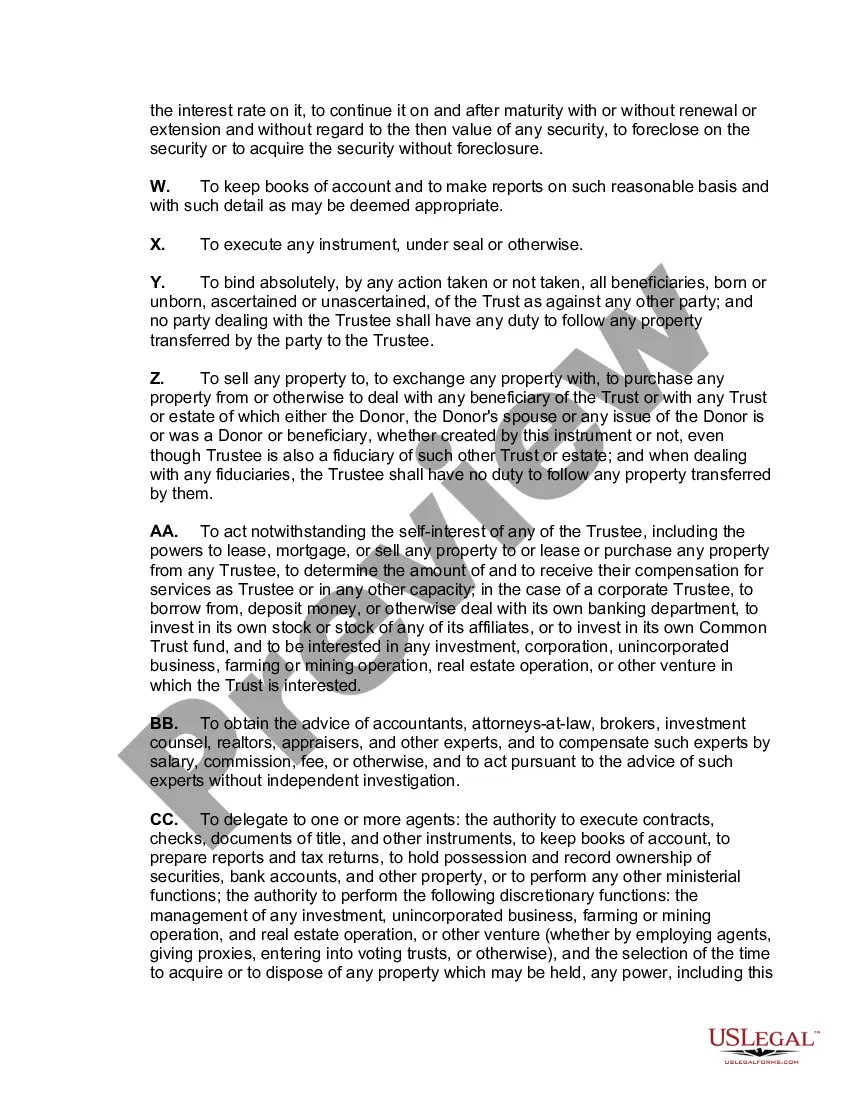
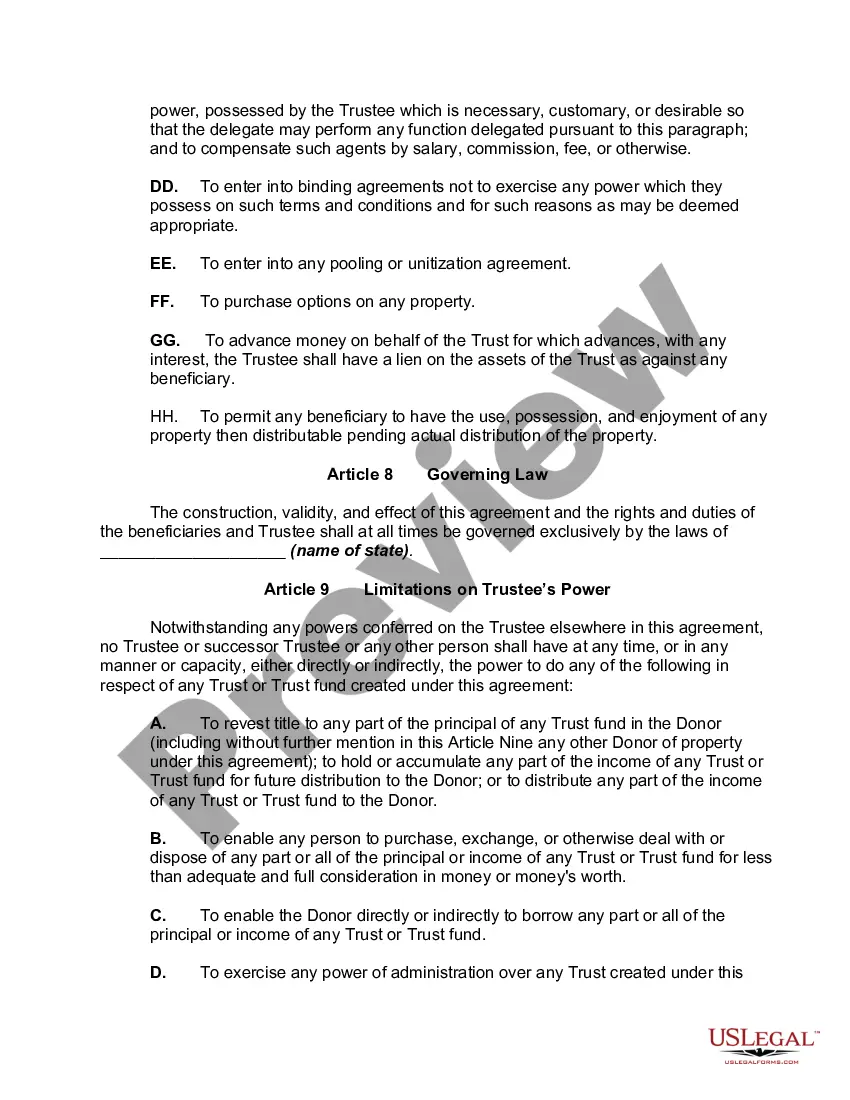
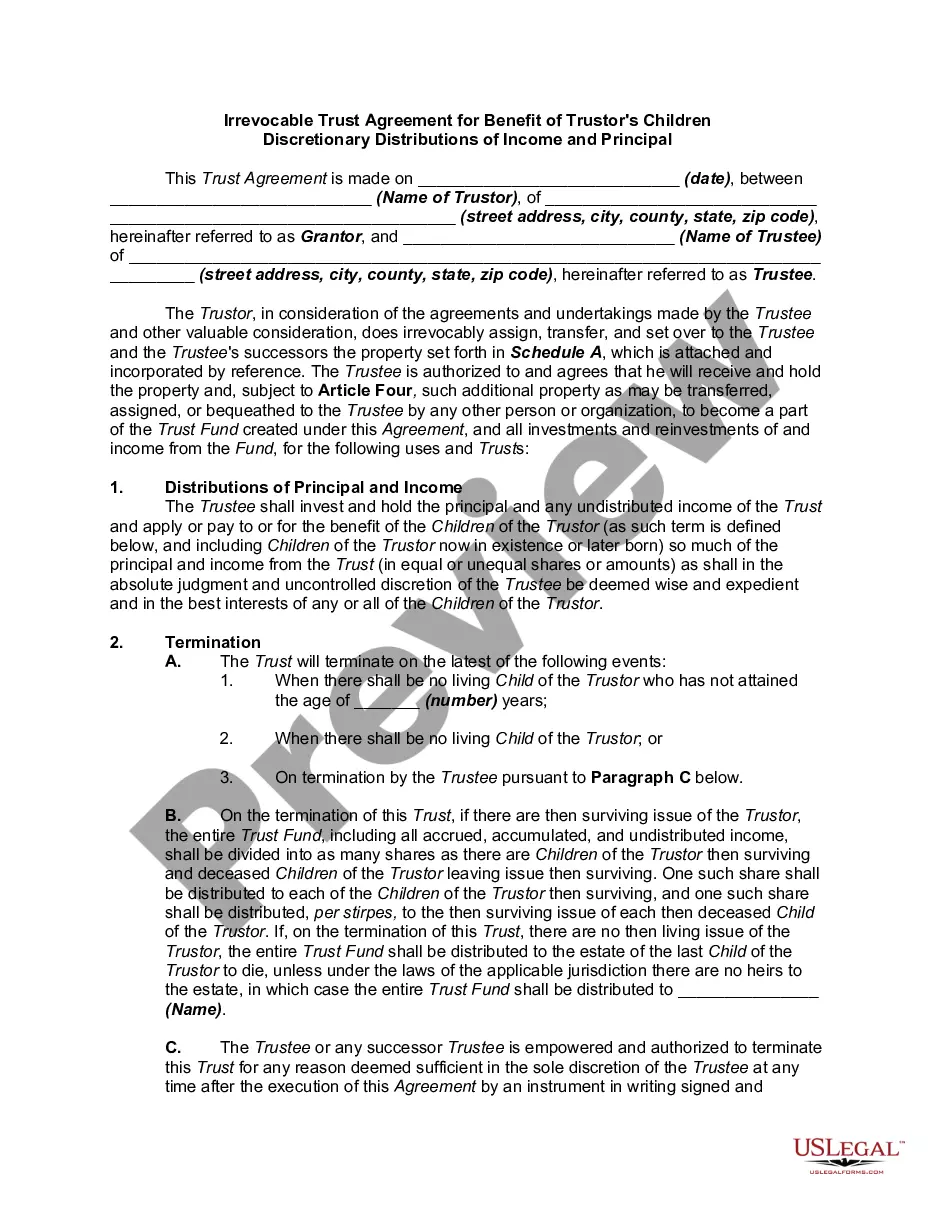
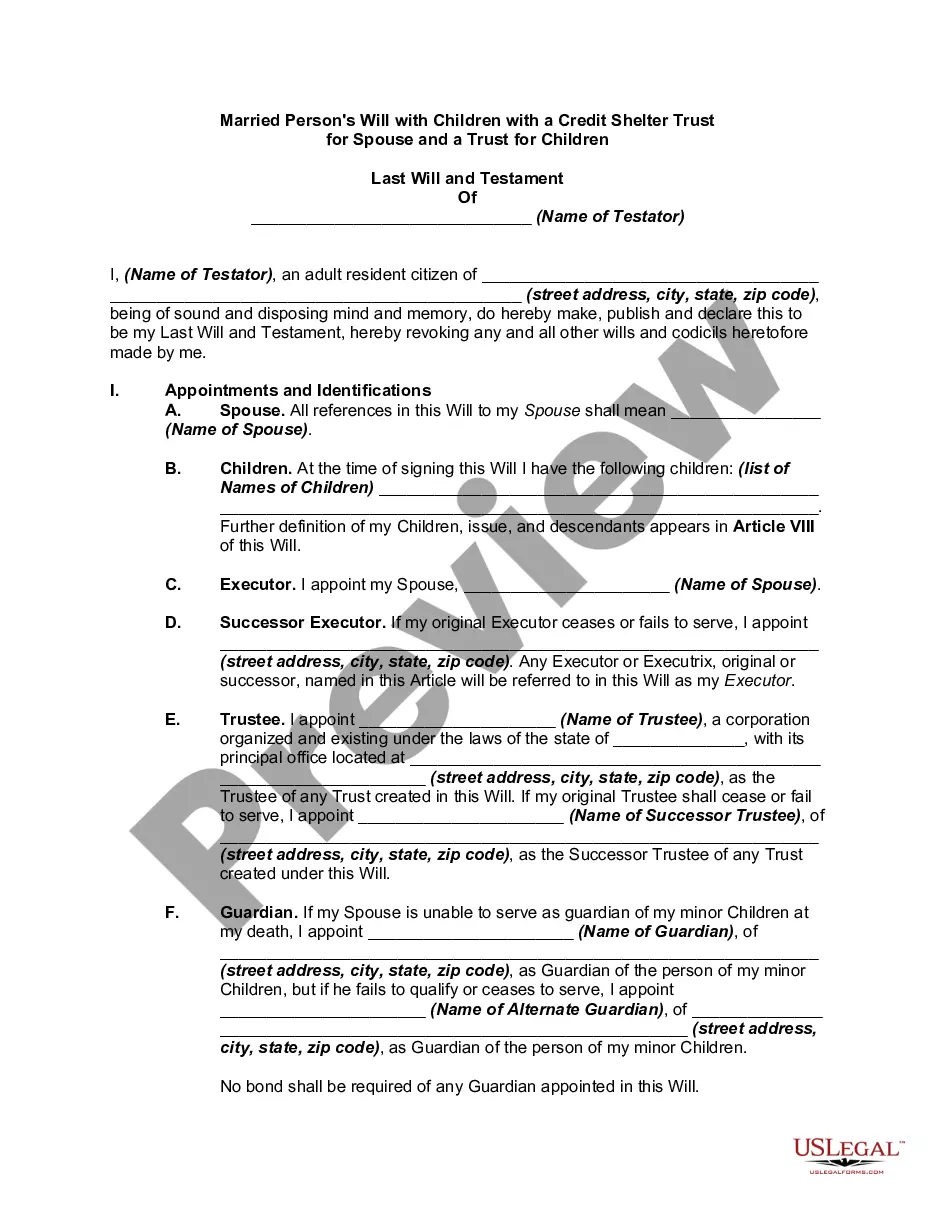
- Review the template using the Preview option or through the text outline to confirm it fits your requirements.
Form popularity
FAQ
Filling out a beneficiary form for a trust requires attention to detail and clarity. Begin by identifying the beneficiaries and noting their relationship to you. Then, on the inter vivos trust form with example, clearly state each beneficiary's name and share of the trust assets. For ease and accuracy, consider using resources from US Legal Forms to assist you in completing this important document.
Yes, an inter vivos trust must be in writing to be legally valid. This written document outlines the terms of the trust and specifies the assets involved. Utilizing an inter vivos trust form with example, you can ensure that your trust complies with legal requirements. You can easily create this document using platforms like US Legal Forms to simplify the process.
Creating an inter vivos trust requires several key elements to ensure its validity. First, you need to have a competent person who can act as the grantor, trustee, and beneficiary. You also need to properly draft an inter vivos trust form with example provisions that outline the trust's terms and conditions. To finalize the trust, assets must be transferred into the trust, making them part of it, ensuring legal protection and clarity in asset management.
An example of an inter vivos trust might involve a homeowner placing their property in a trust while reserving the right to live in it for the rest of their life. By doing this, they provide clear instructions for how the property will be managed and distributed to beneficiaries once they pass away. This type of trust can be detailed using an inter vivos trust form with example specifications tailored to your unique situation.
An inter vivos trust operates during your lifetime, allowing you to transfer assets to the trust while you control them. The trustee manages these assets for the benefit of the specified beneficiaries according to the terms detailed in the inter vivos trust form with example clauses. This arrangement helps to avoid probate after your passing, simplifying the process for your heirs.
Creating an inter vivos trust requires a few essential steps. First, you need to gather important information about the assets you wish to place in the trust. Next, complete the inter vivos trust form with example details regarding the grantor, trustee, and beneficiaries. Lastly, review and sign the form in front of a notary, ensuring your trust is legally binding.
In establishing a trust, the grantor names the trust parties, which include the grantors, typically the spouse; the beneficiaries; and the trustee. Sometimes, the spouses are named as trustees. However, a contingent trustee should be named in the event both spouses die.
Disadvantages of Using an Intervivos Trust Assets acquired by the settlor after the trust is established must be transferred to the trustee prior to death, or by non-probate transfer mechanisms to avoid having to probate them.
Income-Tax: Upto Rs. 2.5 lakh rupees- No tax is required to be paid. Rs. 2.5 lakh to Rs. 5 lakh- 5% of (taxable income less Rs. 2.5 lakh) Rs. 5 lakh to Rs. 10 lakh- Rs. 12500 plus 20% of (taxable income less Rs. 5 lakh) Above Rs. 10 lakh- Rs. 112500 plus 30% of (taxable income less Rs. 10 lakh)