Inter Vivos Form For Property
Description

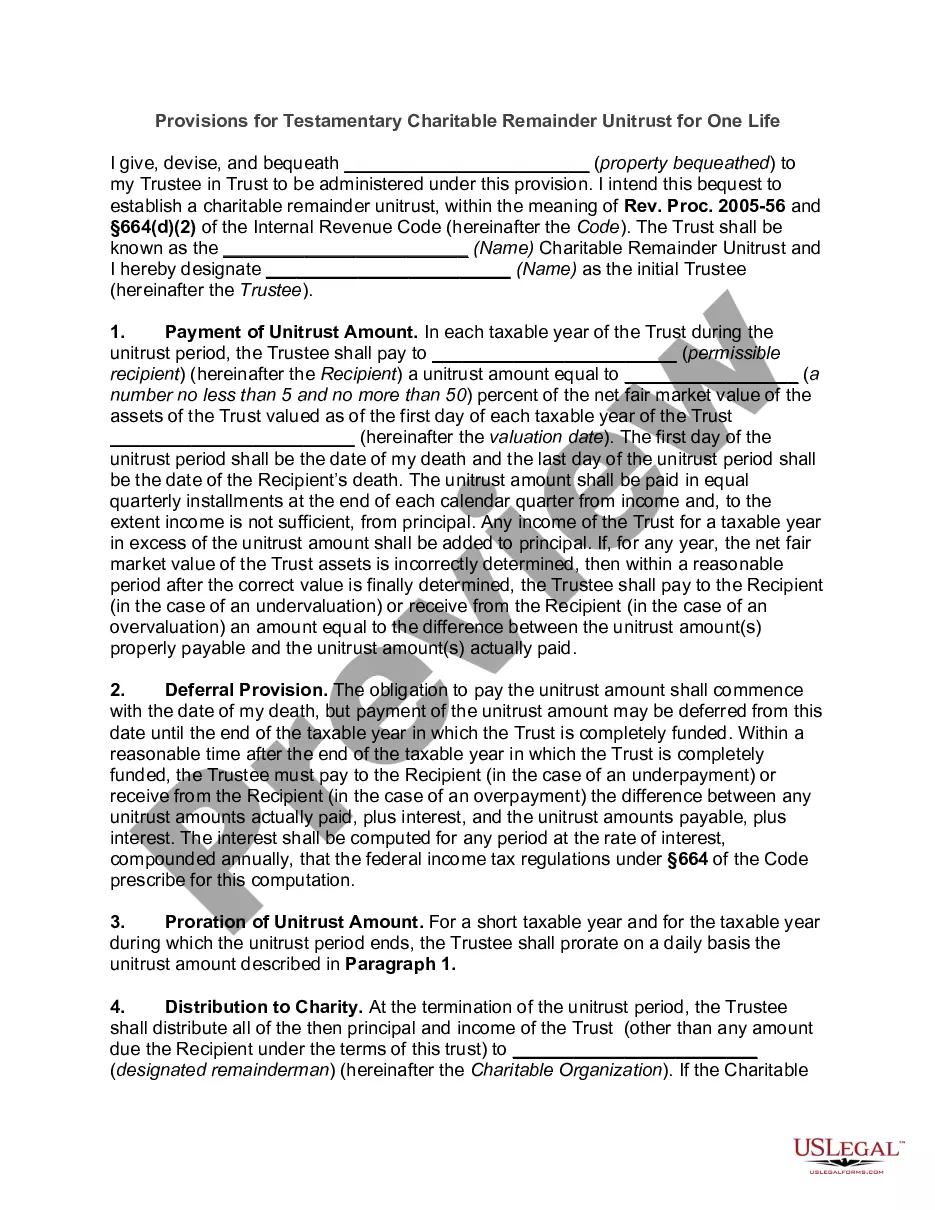
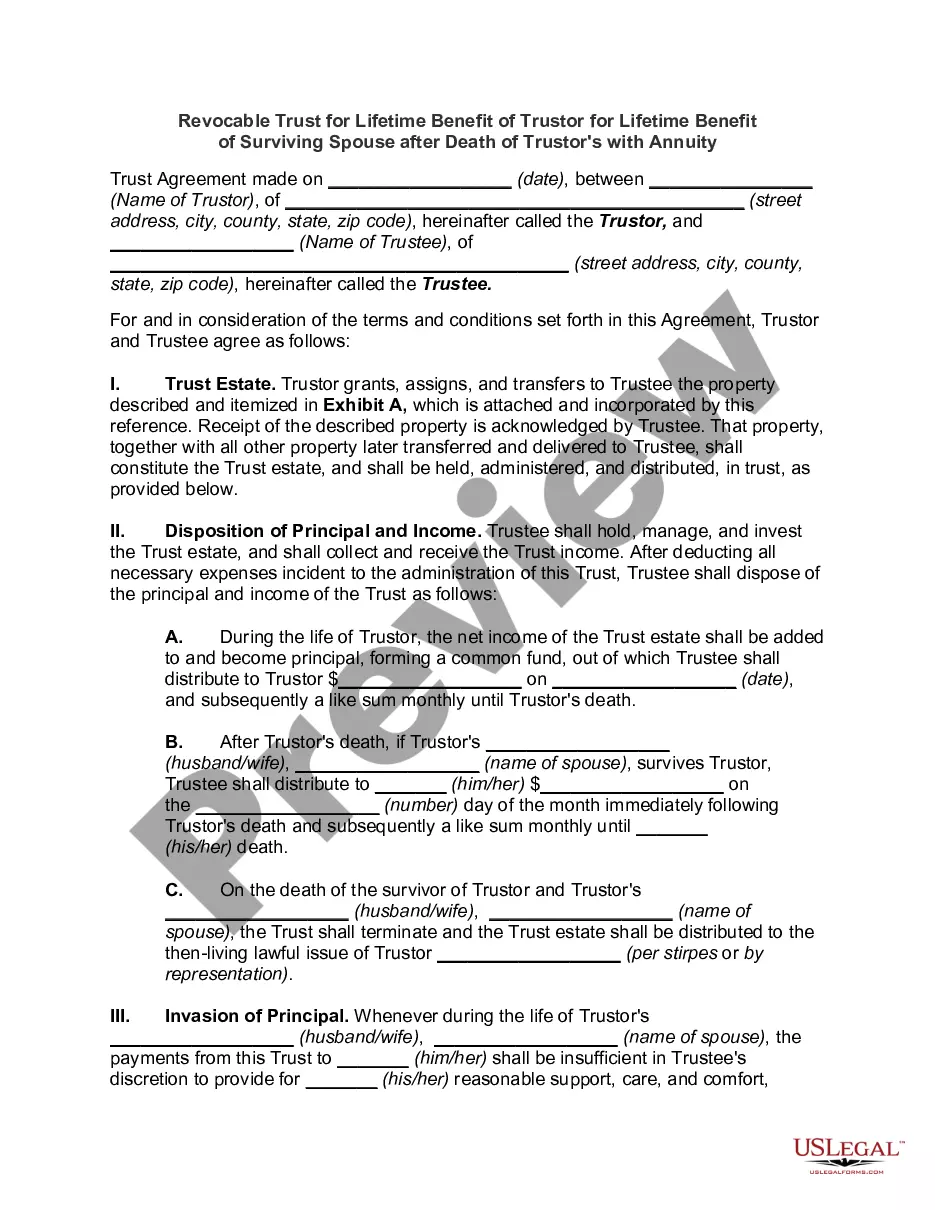
Get your form ready online
Our built-in tools help you complete, sign, share, and store your documents in one place.
Make edits, fill in missing information, and update formatting in US Legal Forms—just like you would in MS Word.
Download a copy, print it, send it by email, or mail it via USPS—whatever works best for your next step.
Sign and collect signatures with our SignNow integration. Send to multiple recipients, set reminders, and more. Go Premium to unlock E-Sign.
If this form requires notarization, complete it online through a secure video call—no need to meet a notary in person or wait for an appointment.
We protect your documents and personal data by following strict security and privacy standards.

Make edits, fill in missing information, and update formatting in US Legal Forms—just like you would in MS Word.

Download a copy, print it, send it by email, or mail it via USPS—whatever works best for your next step.

Sign and collect signatures with our SignNow integration. Send to multiple recipients, set reminders, and more. Go Premium to unlock E-Sign.

If this form requires notarization, complete it online through a secure video call—no need to meet a notary in person or wait for an appointment.

We protect your documents and personal data by following strict security and privacy standards.
Looking for another form?





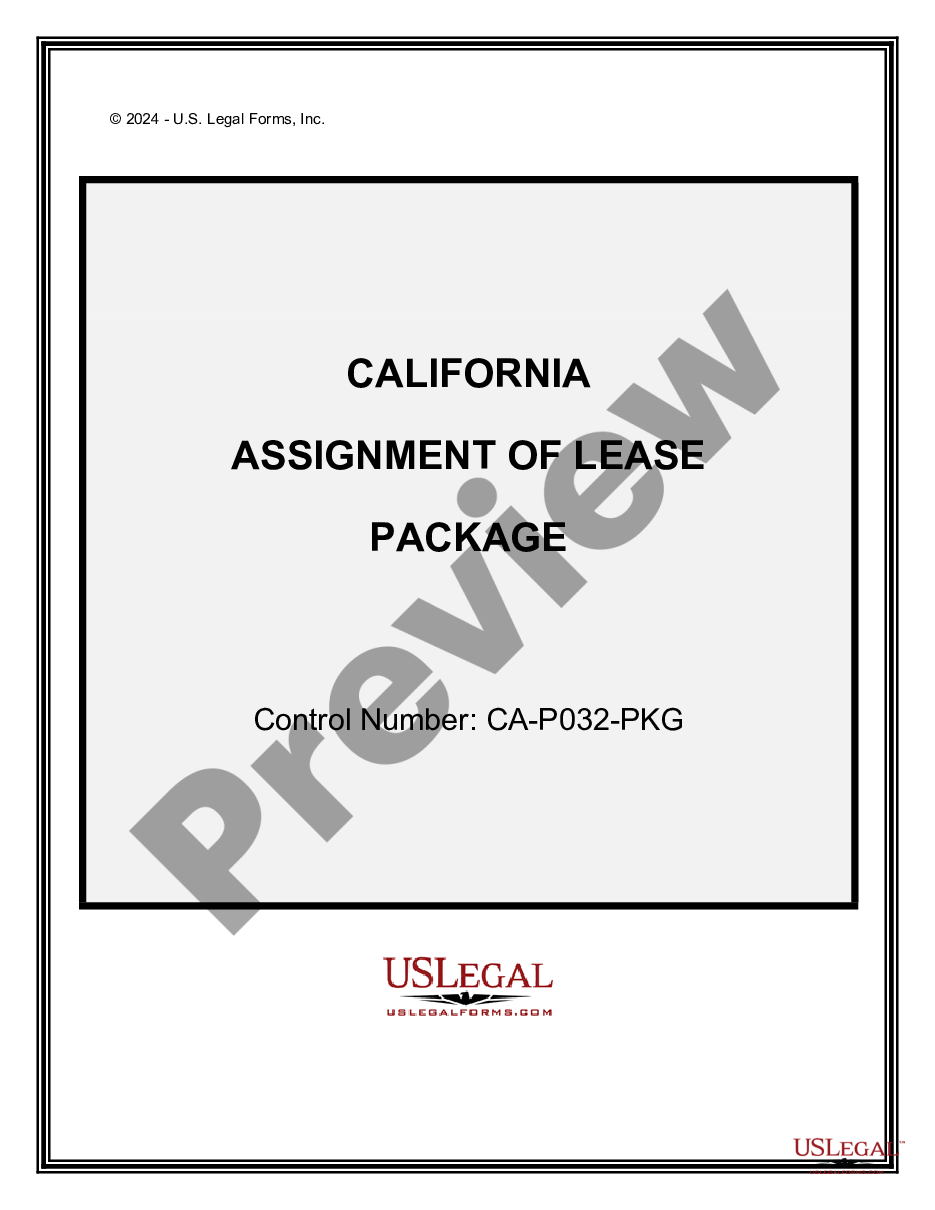


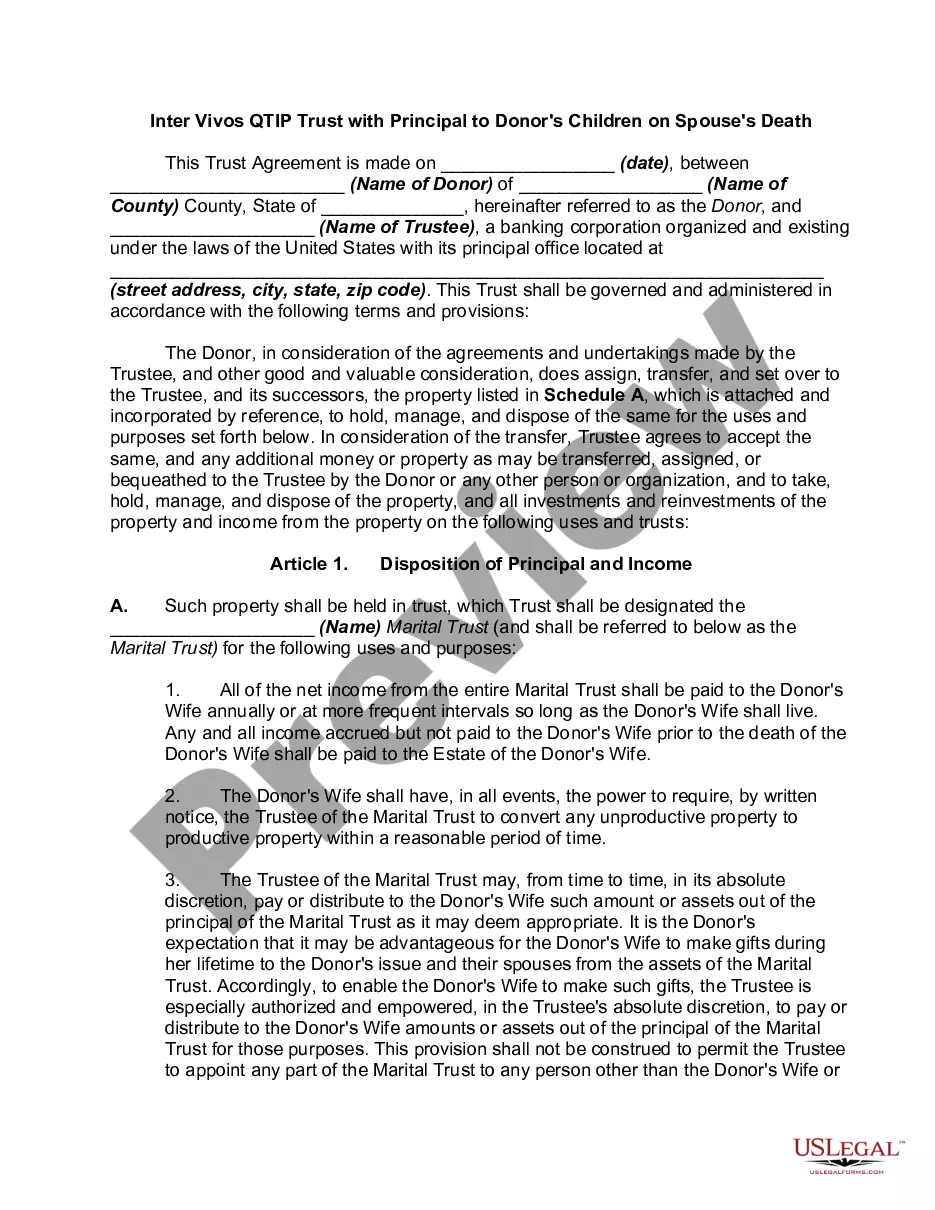
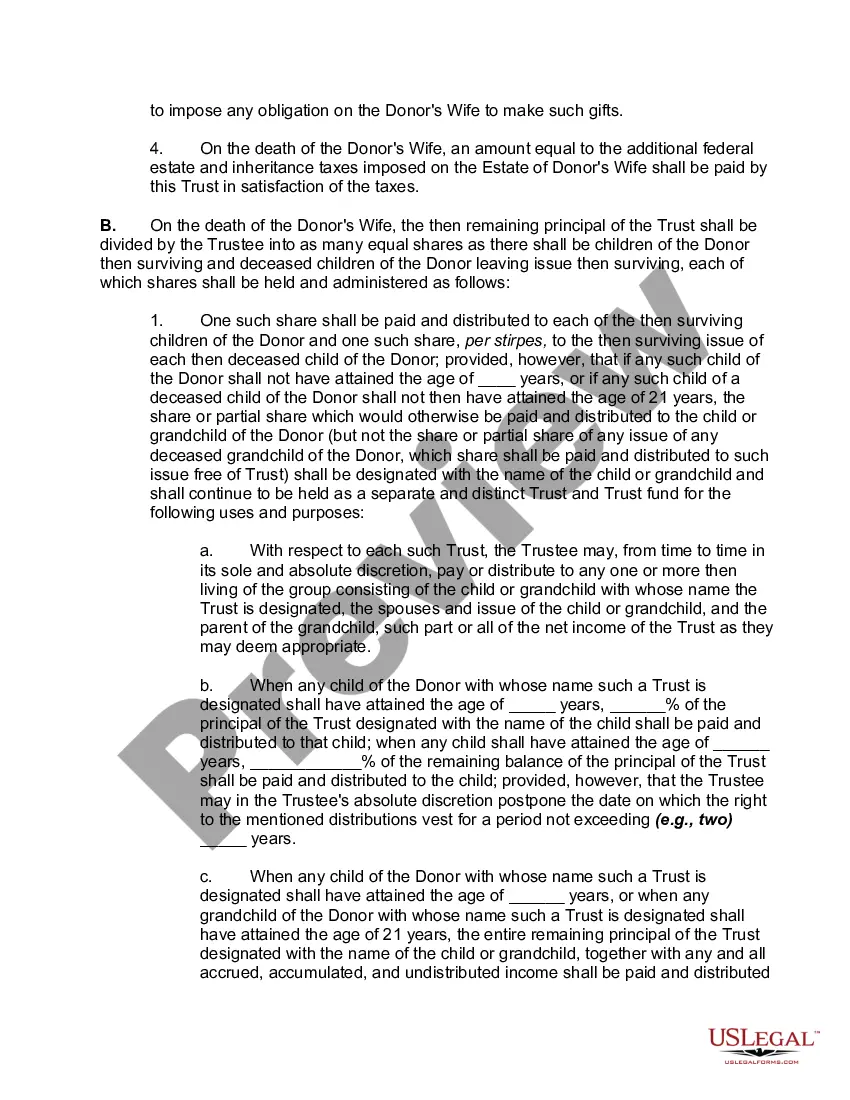
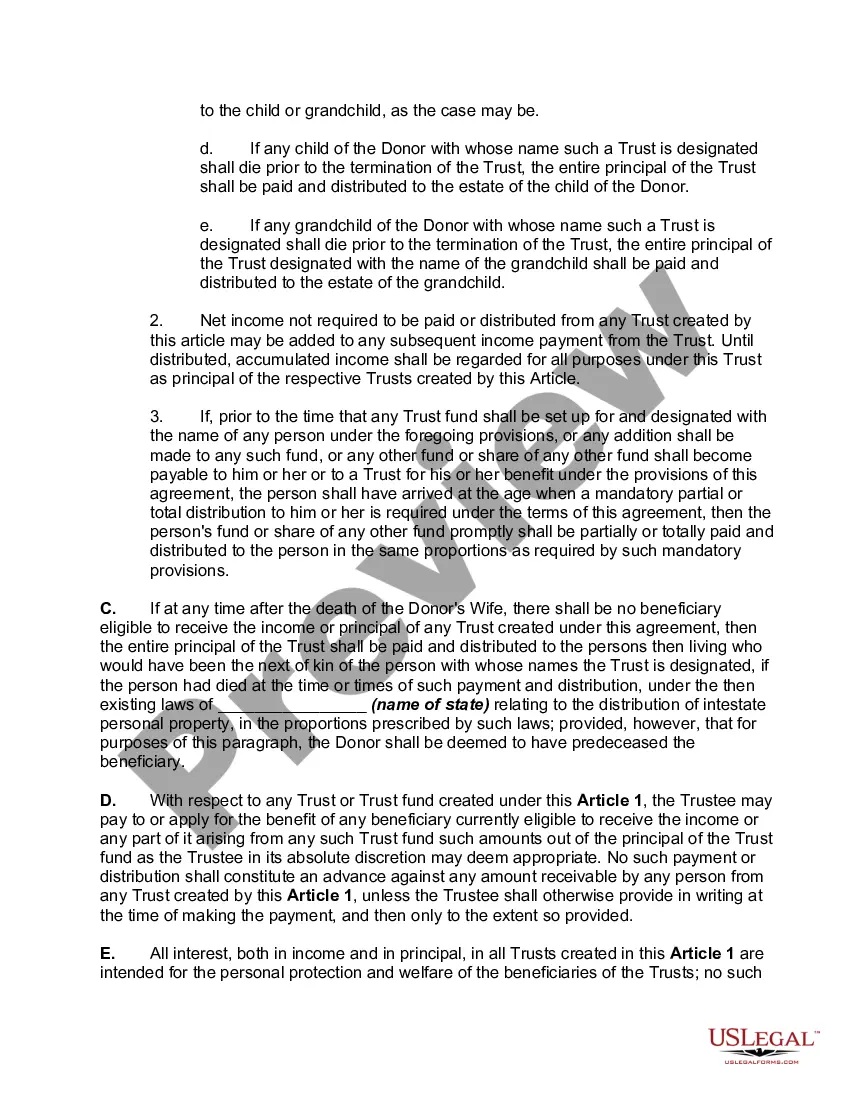
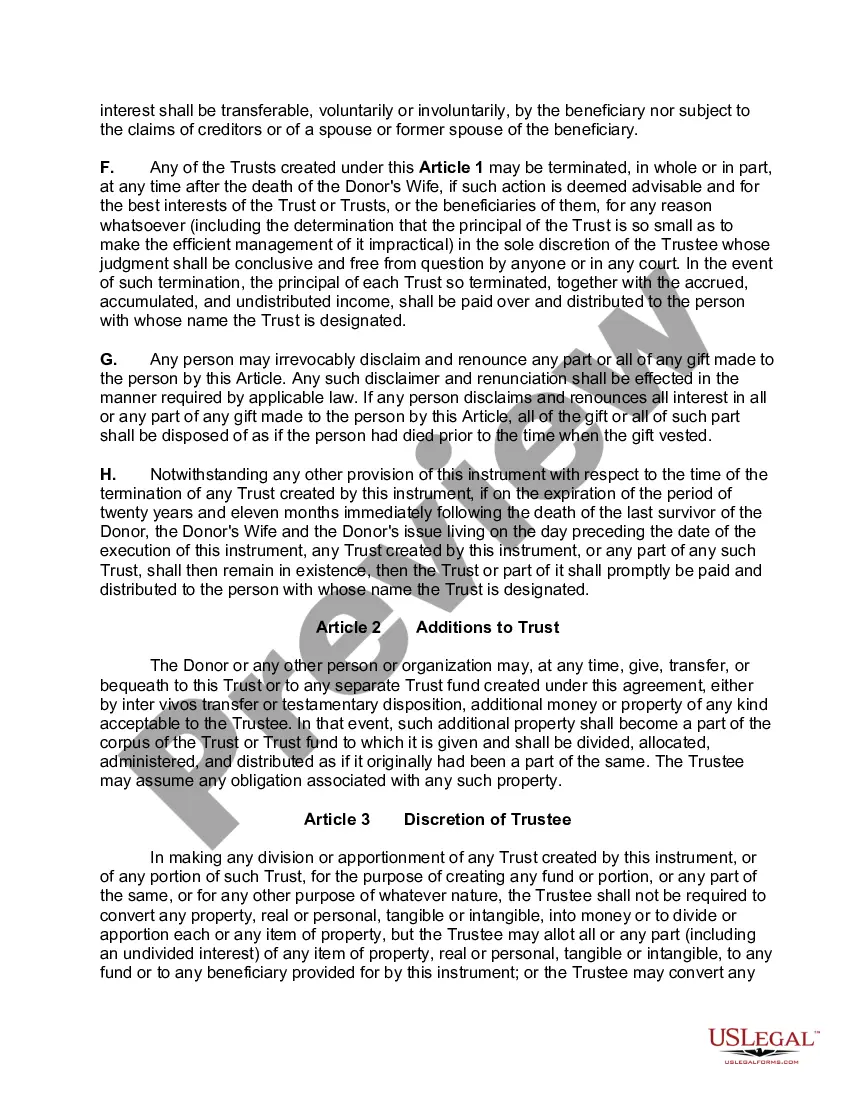
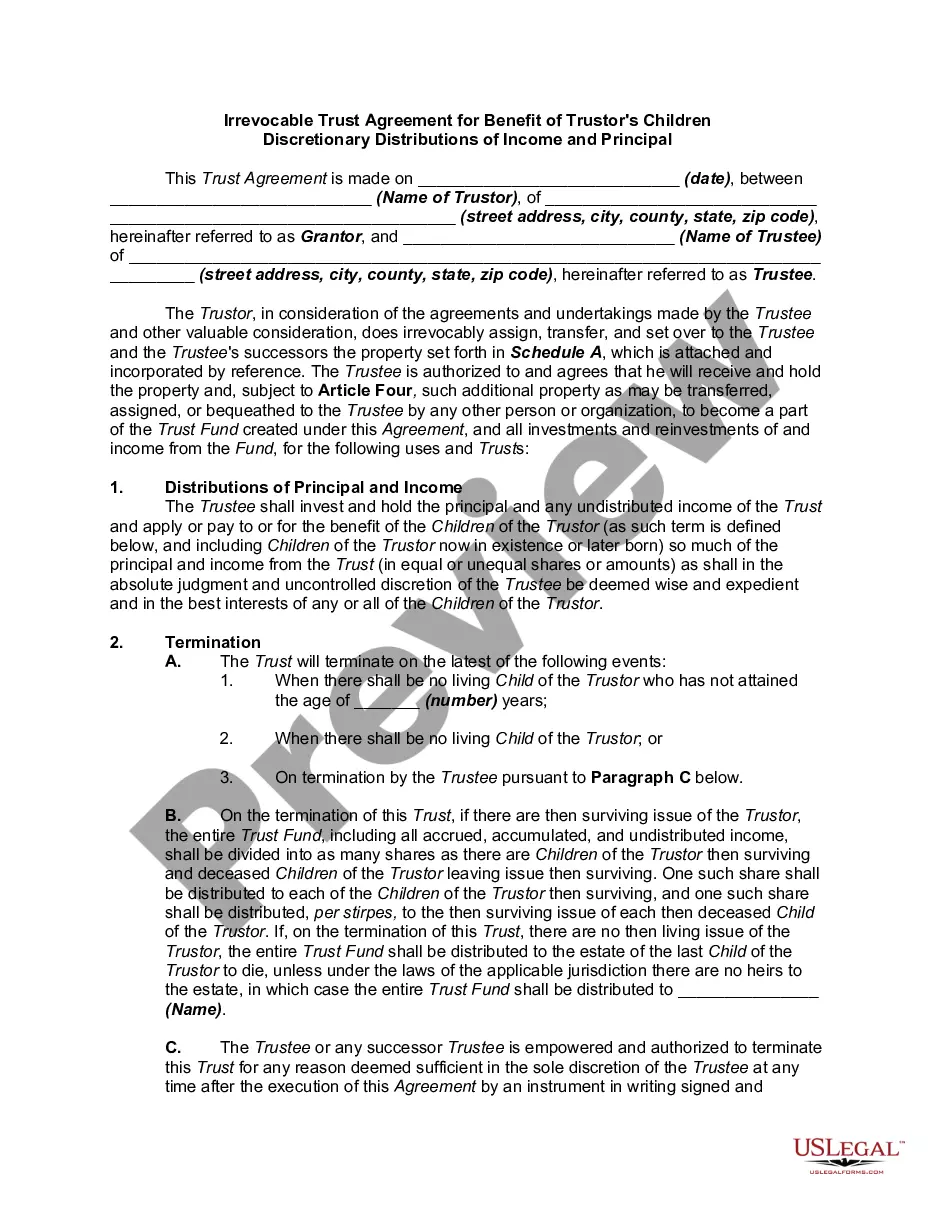
How to fill out Inter Vivos QTIP Trust With Principal To Donor's Children On Spouse's Death?
It’s evident that you can’t become a legal authority overnight, nor can you swiftly learn how to draft an Inter Vivos Form For Property without a specialized background.
Drafting legal documents is a labor-intensive procedure that demands specific training and expertise.
So why not entrust the preparation of the Inter Vivos Form For Property to the professionals.
Preview it (if this option is available) and read the accompanying description to determine if the Inter Vivos Form For Property meets your needs.
If you need a different template, start your search again. Register for a free account and select a subscription plan to purchase the template. Click Buy now. Once your payment is finalized, you can download the Inter Vivos Form For Property, complete it, print it, and send or mail it to the relevant individuals or entities. You can regain access to your forms from the My documents tab at any time. If you’re an existing customer, you can simply Log In, and locate and download the template from the same tab. Regardless of the purpose of your documents—whether financial, legal, or personal—our website has you covered. Try US Legal Forms now!
- With US Legal Forms, one of the most extensive legal template libraries, you can access everything from court documents to templates for internal communication.
- We recognize how vital compliance and adherence to federal and local laws and regulations are.
- That’s why, on our platform, all forms are location-specific and current.
- Here’s how to begin with our website and obtain the document you require in just minutes.
- Find the form you need using the search bar at the top of the page.
Form popularity
FAQ
Both types of gifts share three elements which must be met in order for the gift to be legally effective: donative intent (the intention of the donor to give the gift to the donee), the delivery of the gift to the donee, and the acceptance of the gift.
This type of transfer can be contrasted with a testamentary transfer, which is a transfer made in a will after death. For example, if a parent gifts their child a car while they are still alive, this would be considered an inter vivos transfer.
Some examples of inter vivos actions and items in property law include: An inter vivos transfer is a property transfer that is made during a transferor's lifetime. Living trusts are trusts created during the lifetime of a settlor and are revocable before that settlor's death (see: revocable living trusts).
The essential elements of an inter vivos gift are: (1) present donative intent (the donor's clear intent to pass title/interest to the property to the recipient); (2) delivery (a surrender of all or some dominion and control by the donor and allowing the donee to have possession, which may take different forms ...
An inter vivos transfer is a transfer of property made during a person's lifetime. It can be contrasted with a testamentary transfer, which is a transfer made in a will after death.