Any Trust Property For The Public Good
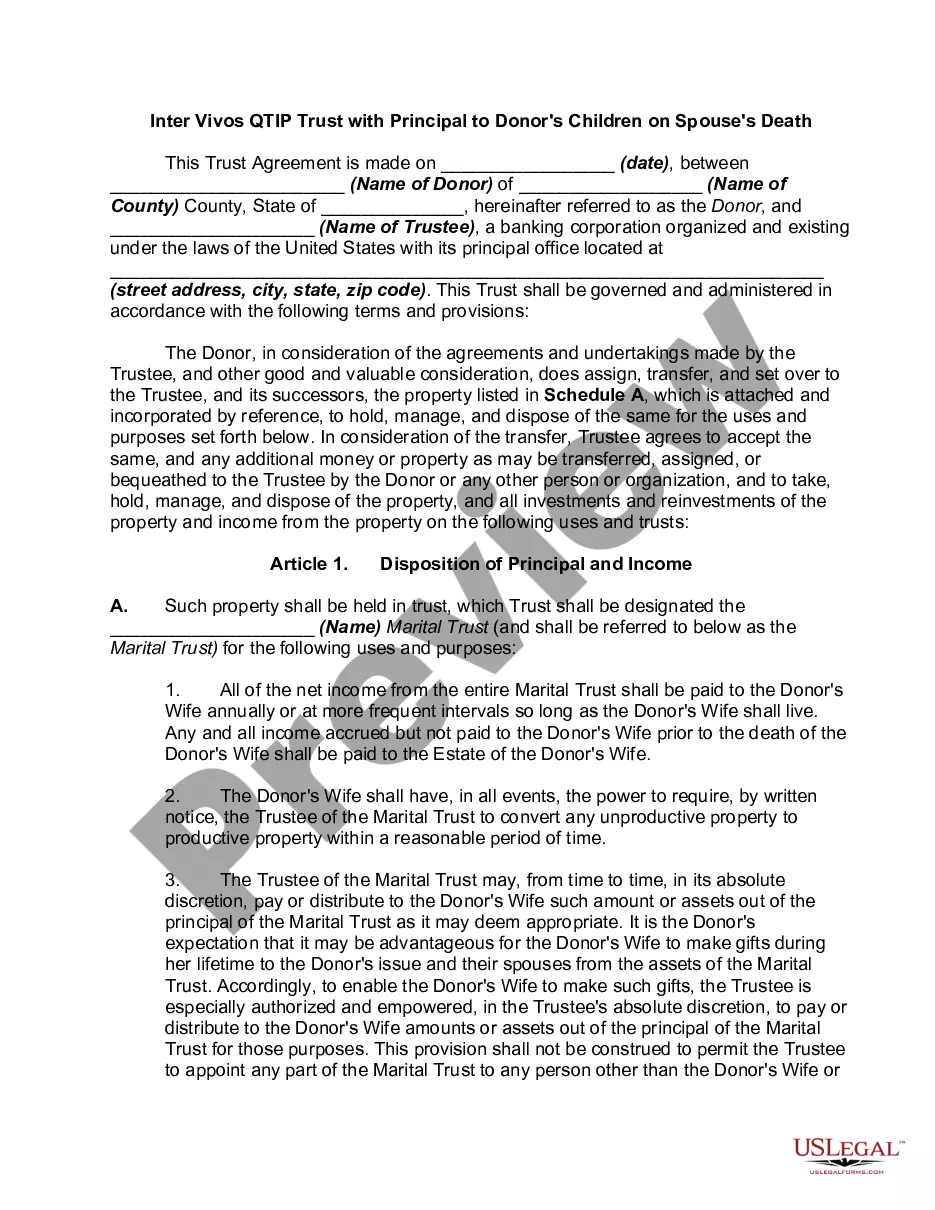
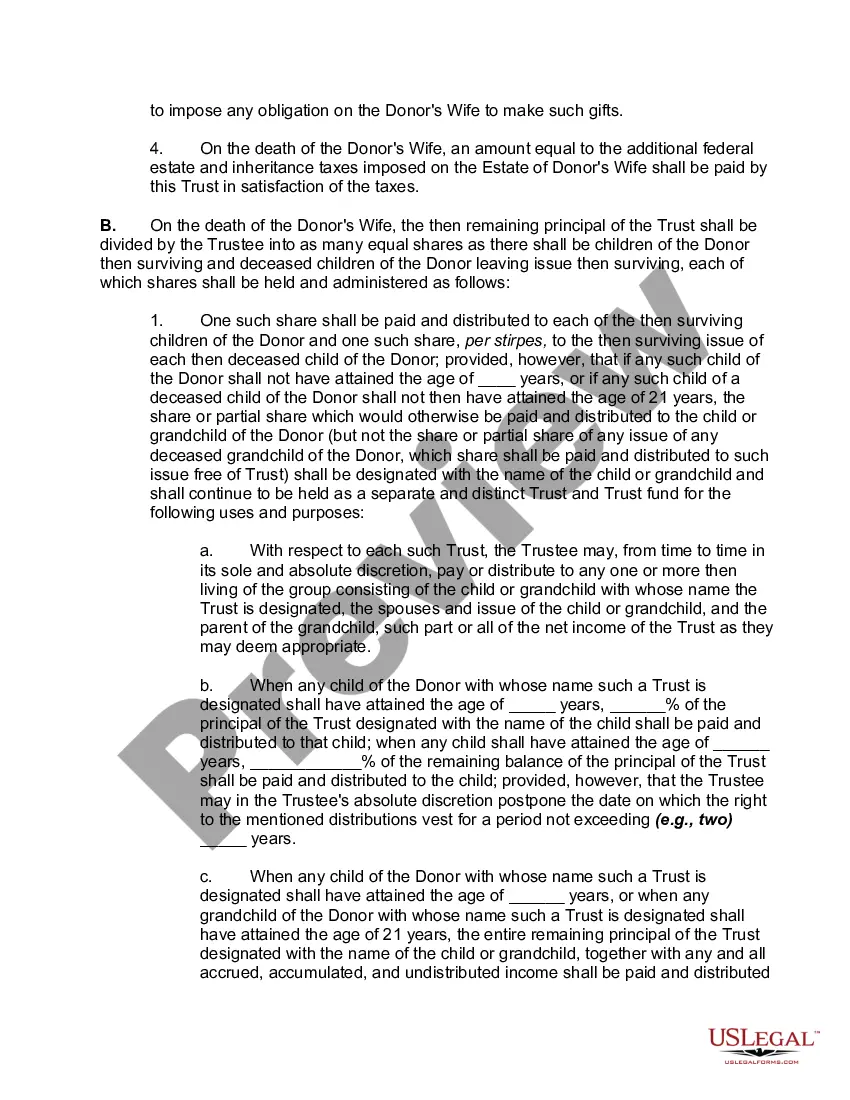
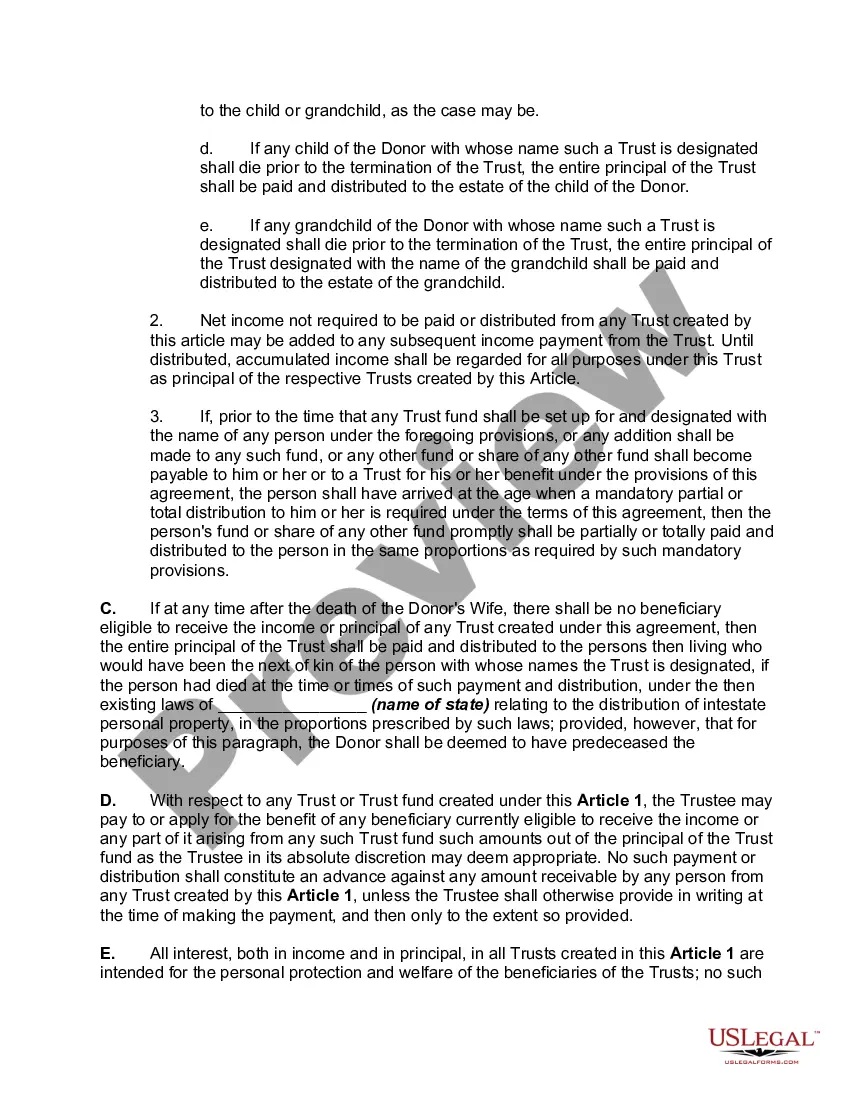
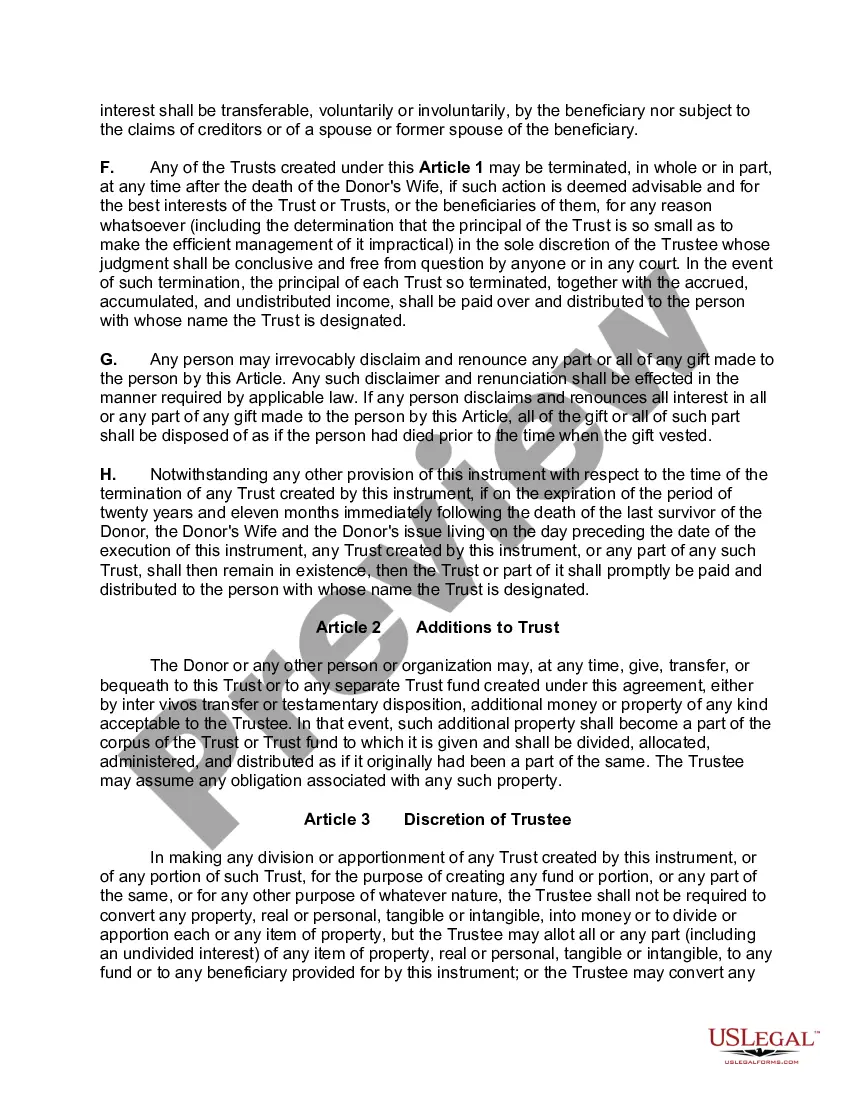
Description
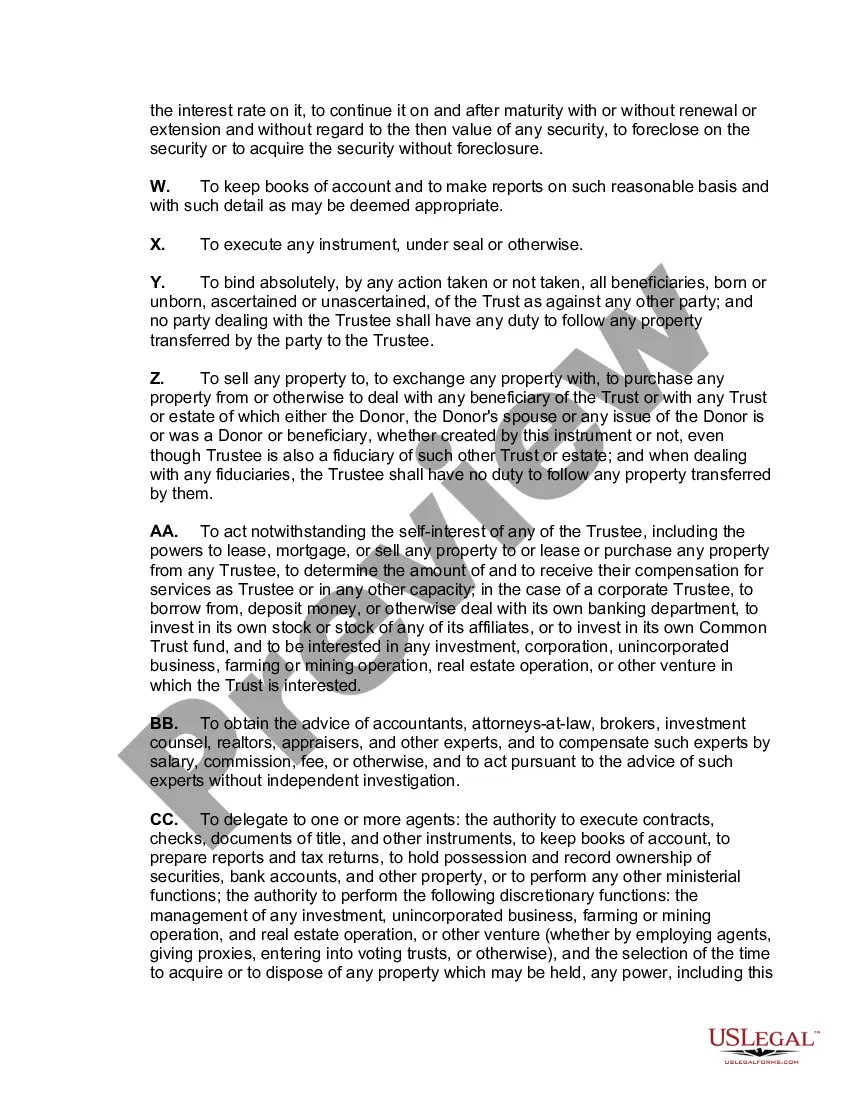
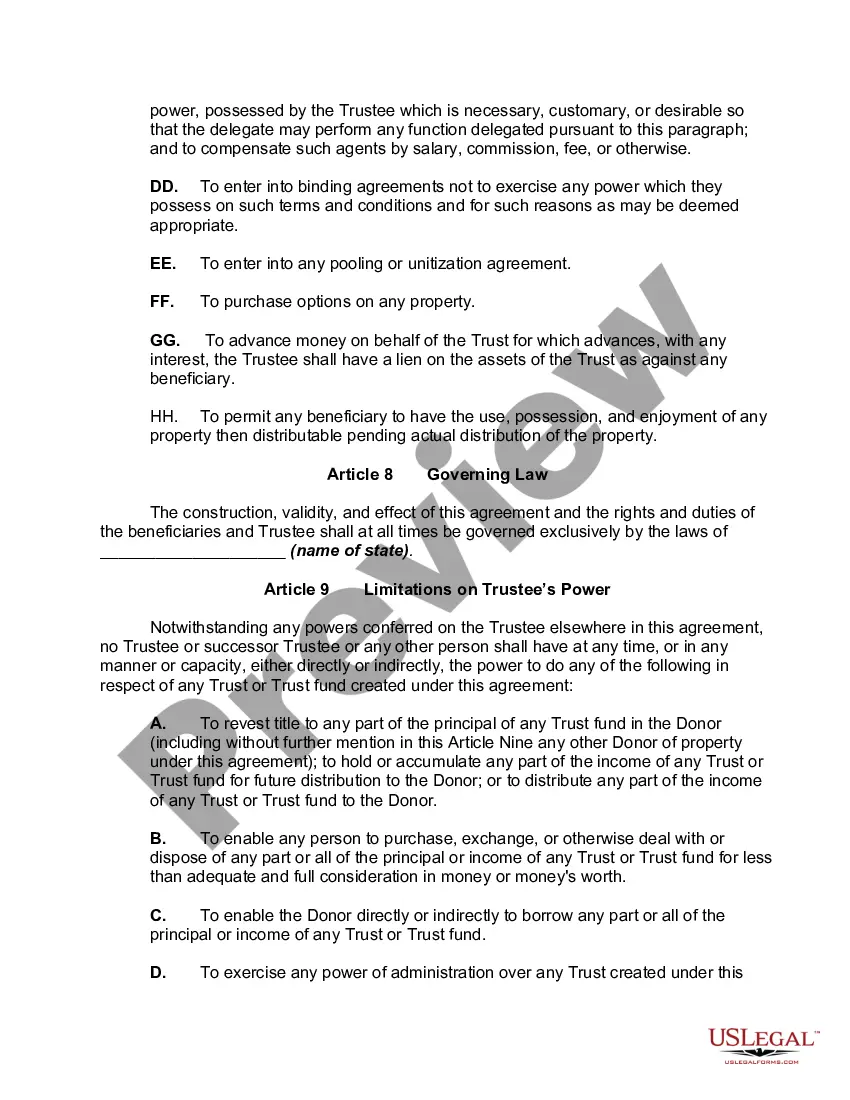

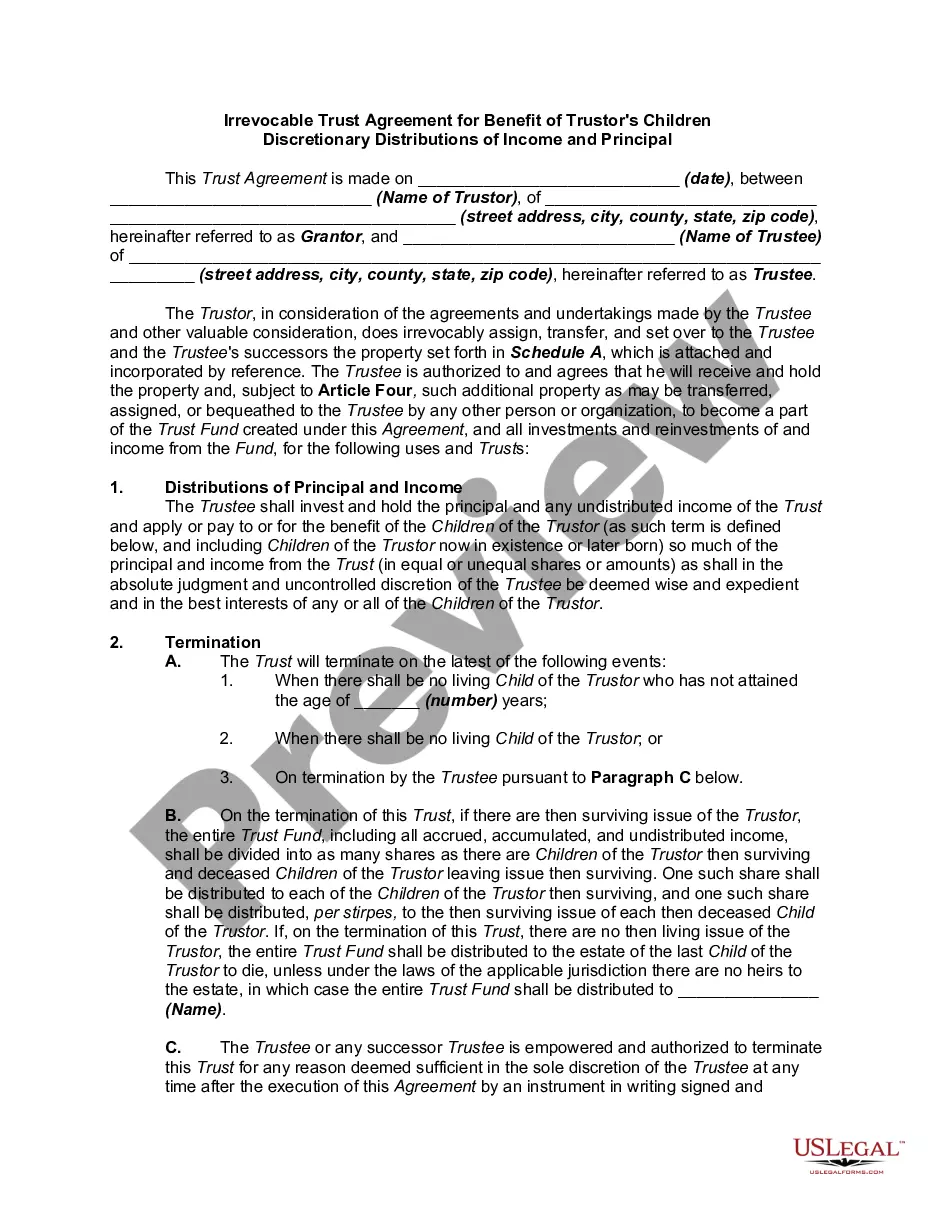
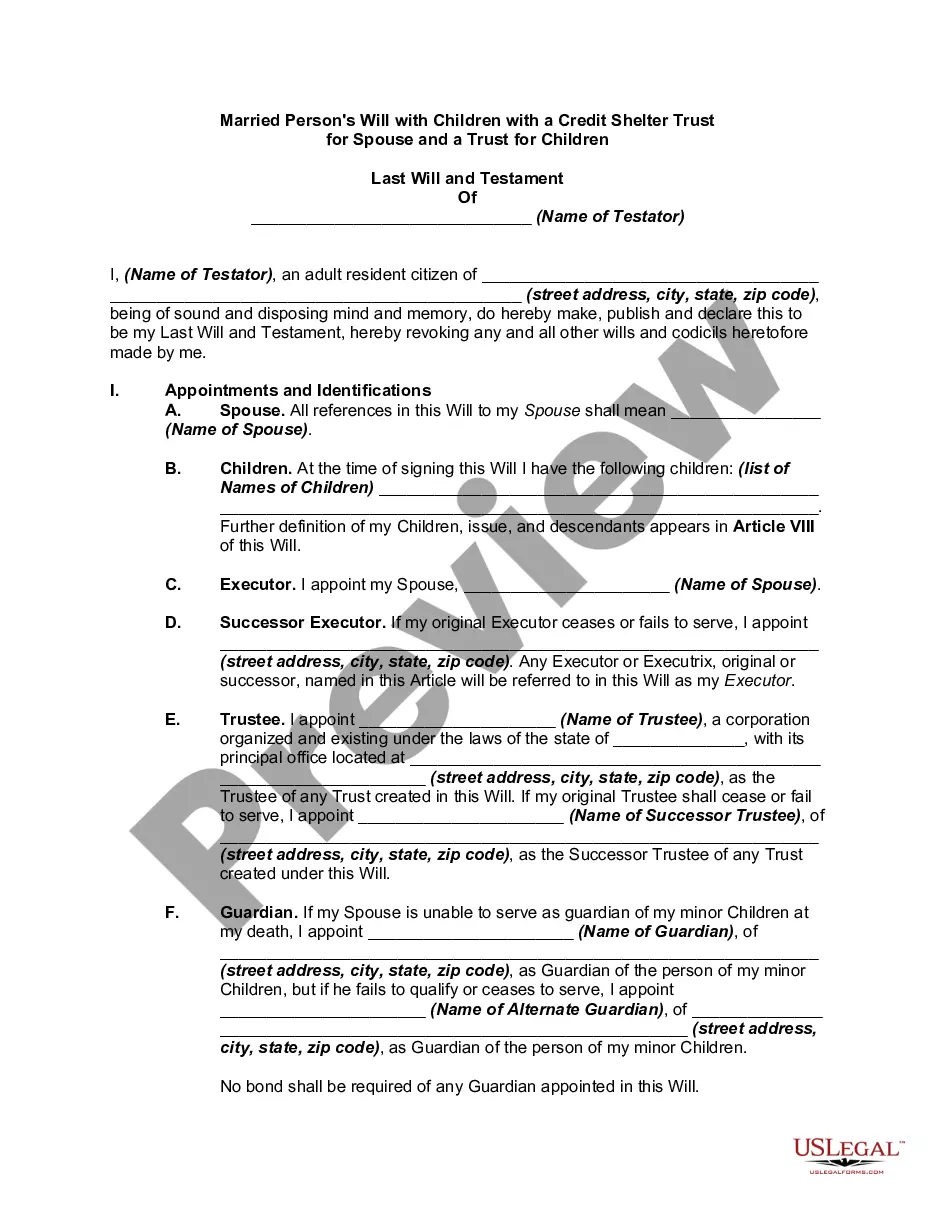
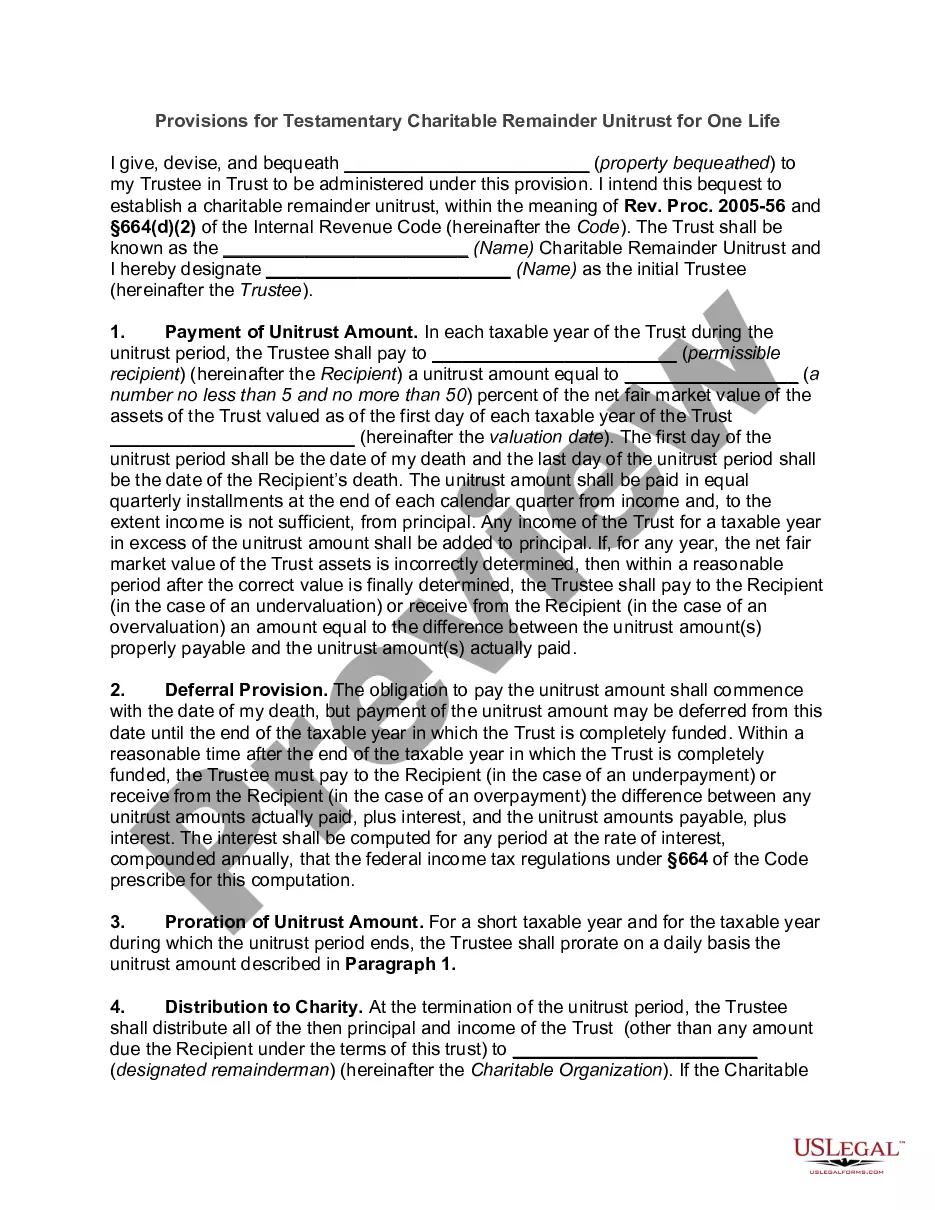
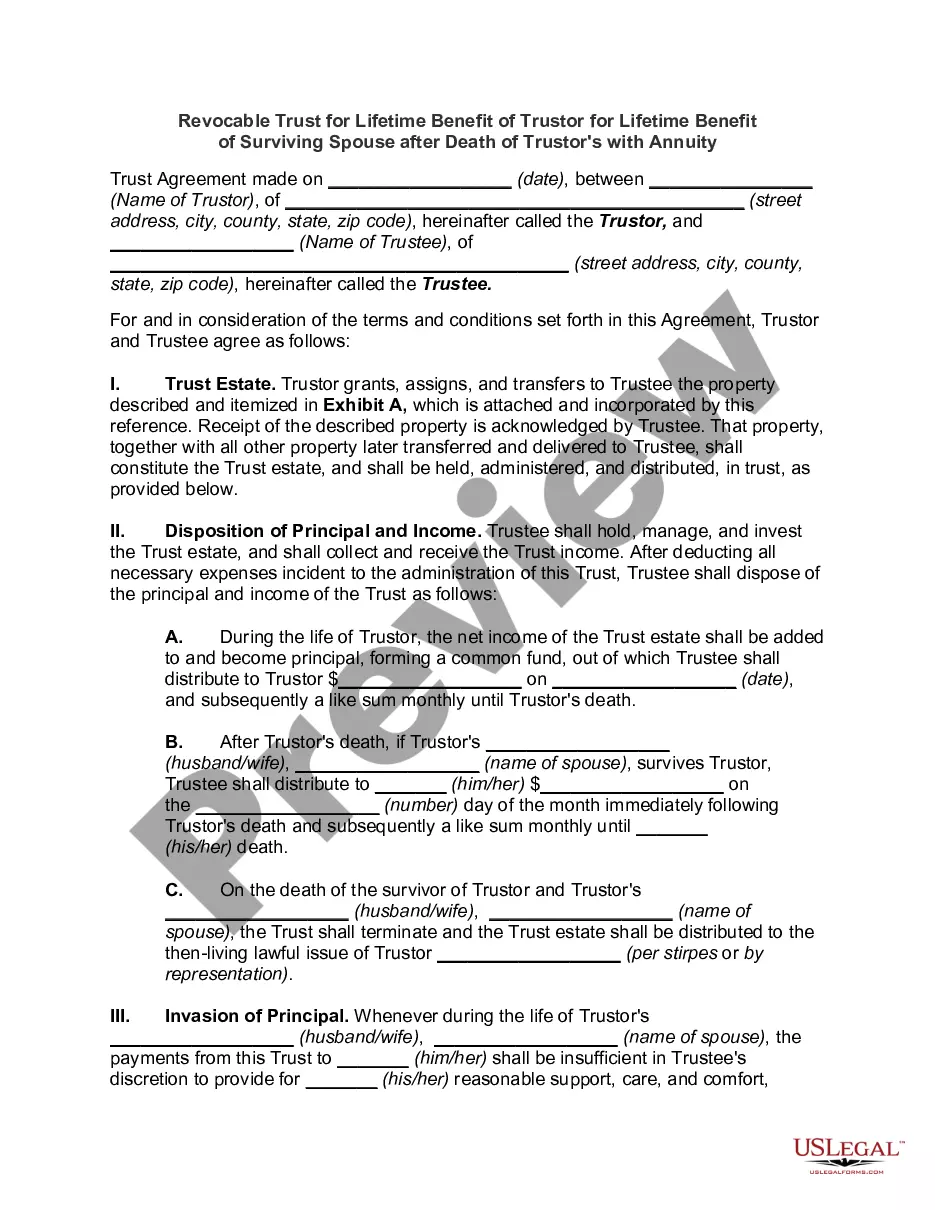
Get your form ready online
Our built-in tools help you complete, sign, share, and store your documents in one place.
Make edits, fill in missing information, and update formatting in US Legal Forms—just like you would in MS Word.
Download a copy, print it, send it by email, or mail it via USPS—whatever works best for your next step.
Sign and collect signatures with our SignNow integration. Send to multiple recipients, set reminders, and more. Go Premium to unlock E-Sign.
If this form requires notarization, complete it online through a secure video call—no need to meet a notary in person or wait for an appointment.
We protect your documents and personal data by following strict security and privacy standards.

Make edits, fill in missing information, and update formatting in US Legal Forms—just like you would in MS Word.

Download a copy, print it, send it by email, or mail it via USPS—whatever works best for your next step.

Sign and collect signatures with our SignNow integration. Send to multiple recipients, set reminders, and more. Go Premium to unlock E-Sign.

If this form requires notarization, complete it online through a secure video call—no need to meet a notary in person or wait for an appointment.

We protect your documents and personal data by following strict security and privacy standards.
Looking for another form?










How to fill out Inter Vivos QTIP Trust With Principal To Donor's Children On Spouse's Death?
It’s clear that you cannot become a legal expert instantly, nor can you learn how to swiftly prepare Any Trust Property For The Public Good without possessing a specialized education.
Drafting legal documents is a lengthy endeavor that demands specific training and expertise.
So why not entrust the preparation of the Any Trust Property For The Public Good to experienced professionals.
You can regain access to your documents from the My documents section at any moment.
If you’re a returning client, you can simply Log In and find and download the template from the same section.
- Find the document you require using the search bar located at the top of the page.
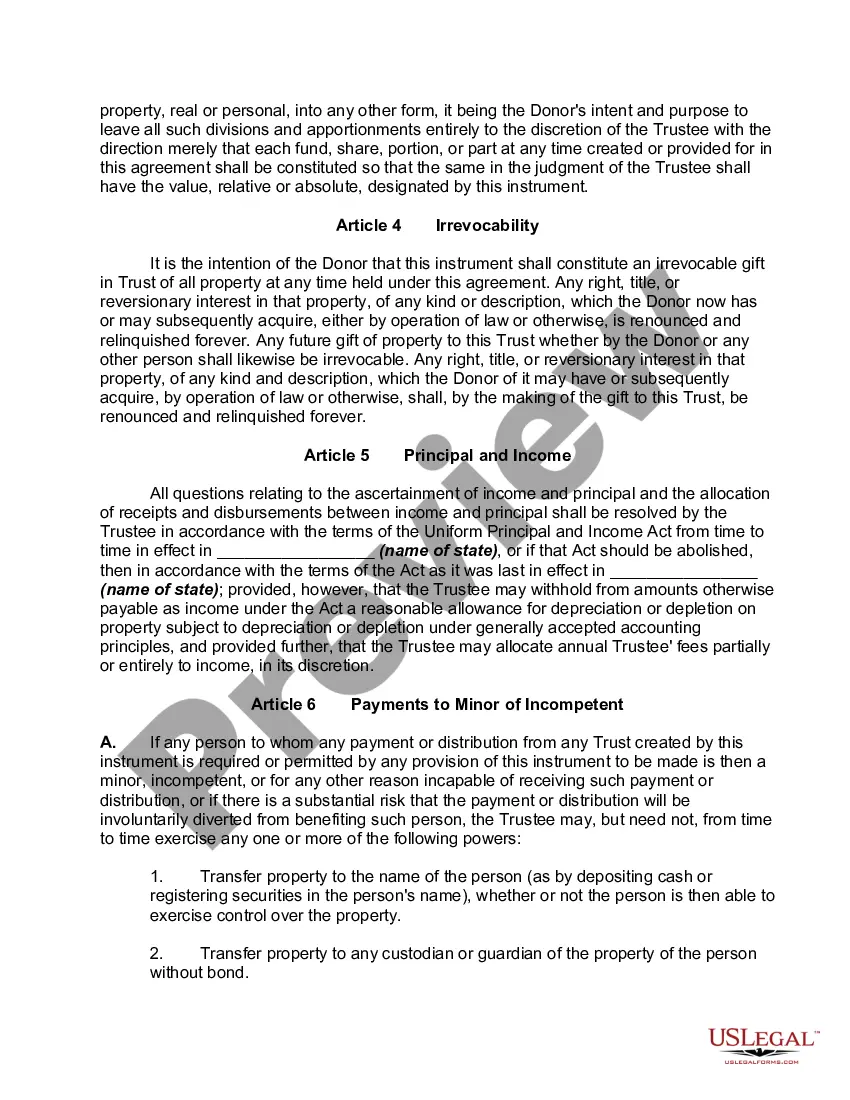
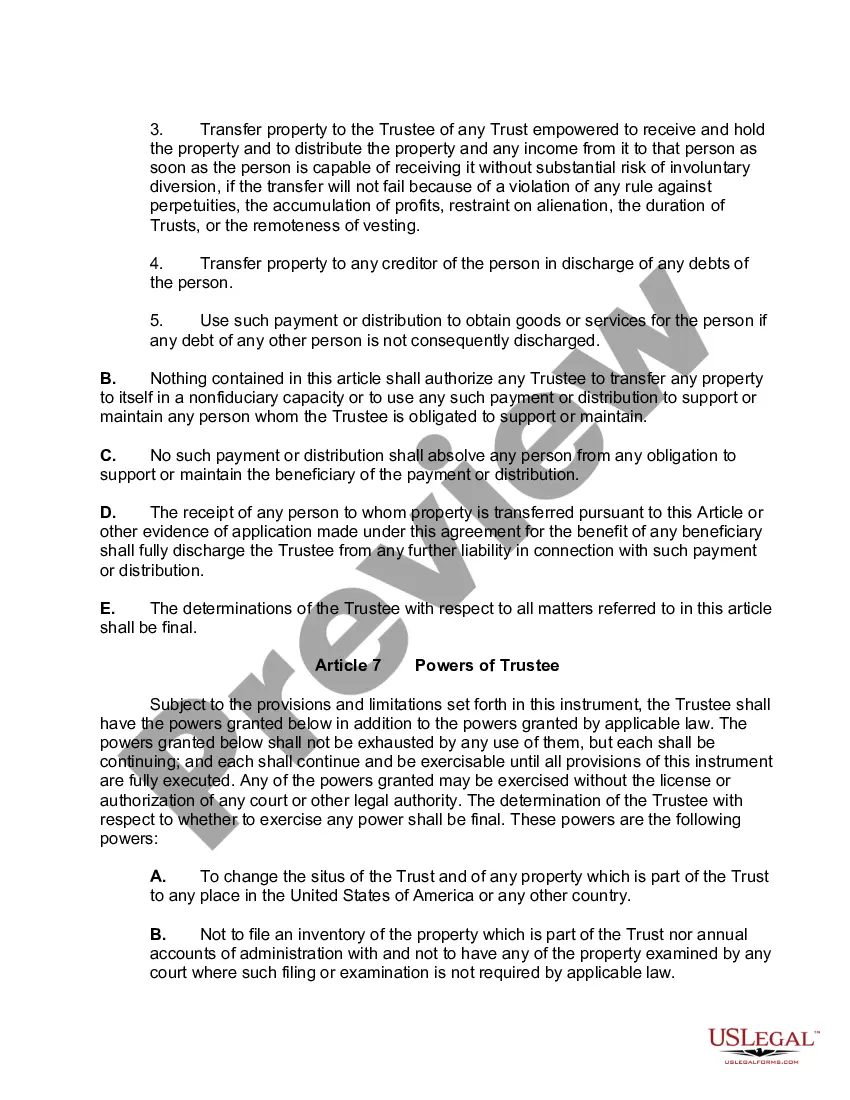
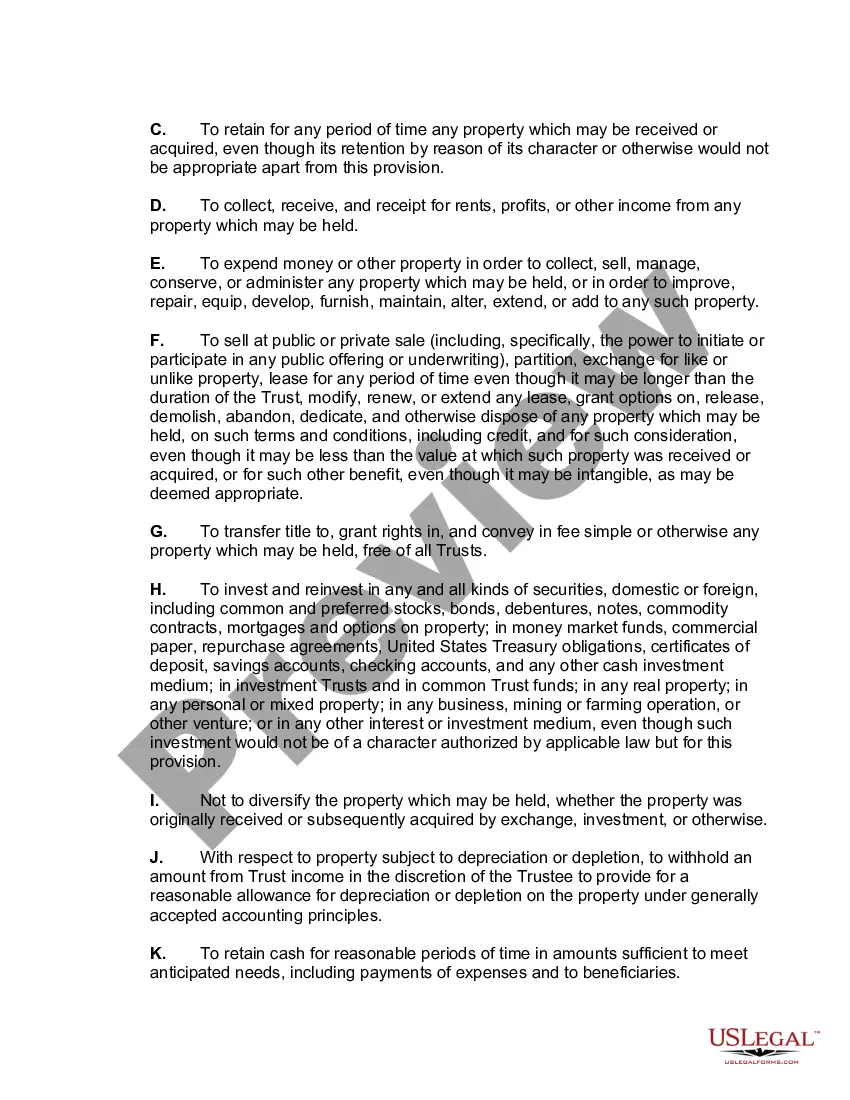
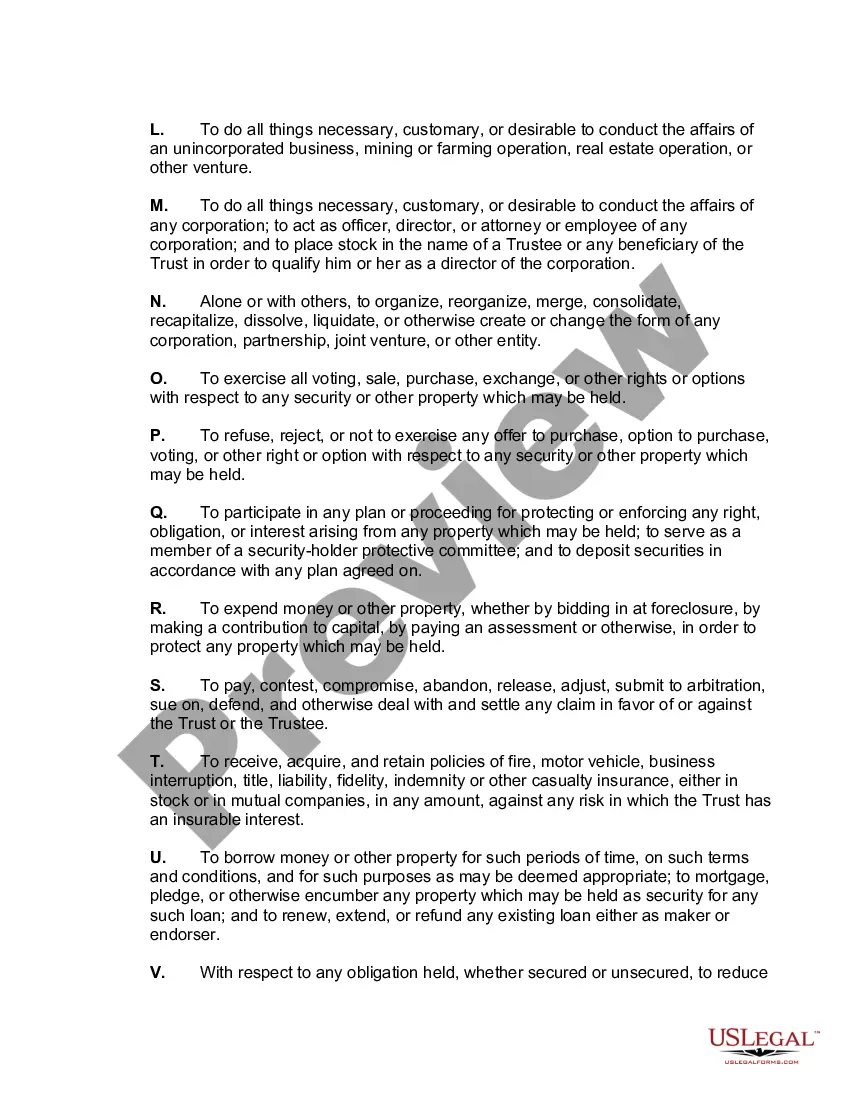
- View it (if this feature is available) and review the accompanying description to ascertain if Any Trust Property For The Public Good is what you’re looking for.
- Initiate your search again if you need another form.
- Create a free account and choose a subscription plan to purchase the form.
- Click Buy now. Once the transaction is completed, you can download the Any Trust Property For The Public Good, fill it out, print it, and forward it or mail it to the appropriate individuals or organizations.
Form popularity
FAQ
Yes, any trust property for the public good can offer some protection against creditors, depending on the type of trust created. A properly established trust can shield your assets by placing them beyond the reach of individuals who may seek to claim them. It's crucial to understand that certain types of trusts provide more protection than others, so consulting with a legal specialist can ensure your assets are secure.
Go to the Probate Division in the county where the decedent lived at the time of death. The court will appoint the ?executor.? It is the executor's job to locate and gather all of the assets, and then pay debts and distribute property ing to the terms of a will. The probate court will supervise this process.
It involves proving the will is valid, identifying and inventorying the deceased person's property, having the property appraised, paying debts and taxes, and distributing the remaining property as the will directs. In Vermont, the cost for probate can range from $2,700 to $6,950 or more.
Fees Fee typeAmountRule/statute that appliesAny postjudgment motion in civil, criminal, or environmental divisions, except small claims$90.0032 V.S.A. § 1431(e)Petition for Minor Settlements$90.0032 V.S.A. § 1431(e)Tax appeal$295.0032 V.S.A. § 4461(a) (2015)3 more rows
Probate is usually necessary in Vermont for most estates. It is the way assets are divided and distributed to heirs.
As stated in Section 103 of Title 14 of Chapter 3 of Vermont probate laws, the individual with custody of the will has to file with a court within 30 days of learning about the death. You do not need to file a petition to open probate at the same time as filing, but you can complete both simultaneously.
Do All Estates Have to Go Through Probate in Vermont? Most estates in Vermont will need to go through probate. Unless they are included in a living trust, they will need to go through a legal process to have the assets transferred to the heirs.
Children in Vermont Inheritance Law If you have children but no spouse when you die intestate, your children will inherit everything. Legally adopted children have just as much right to their intestate share as biological children do.