Any Trust Property For Child
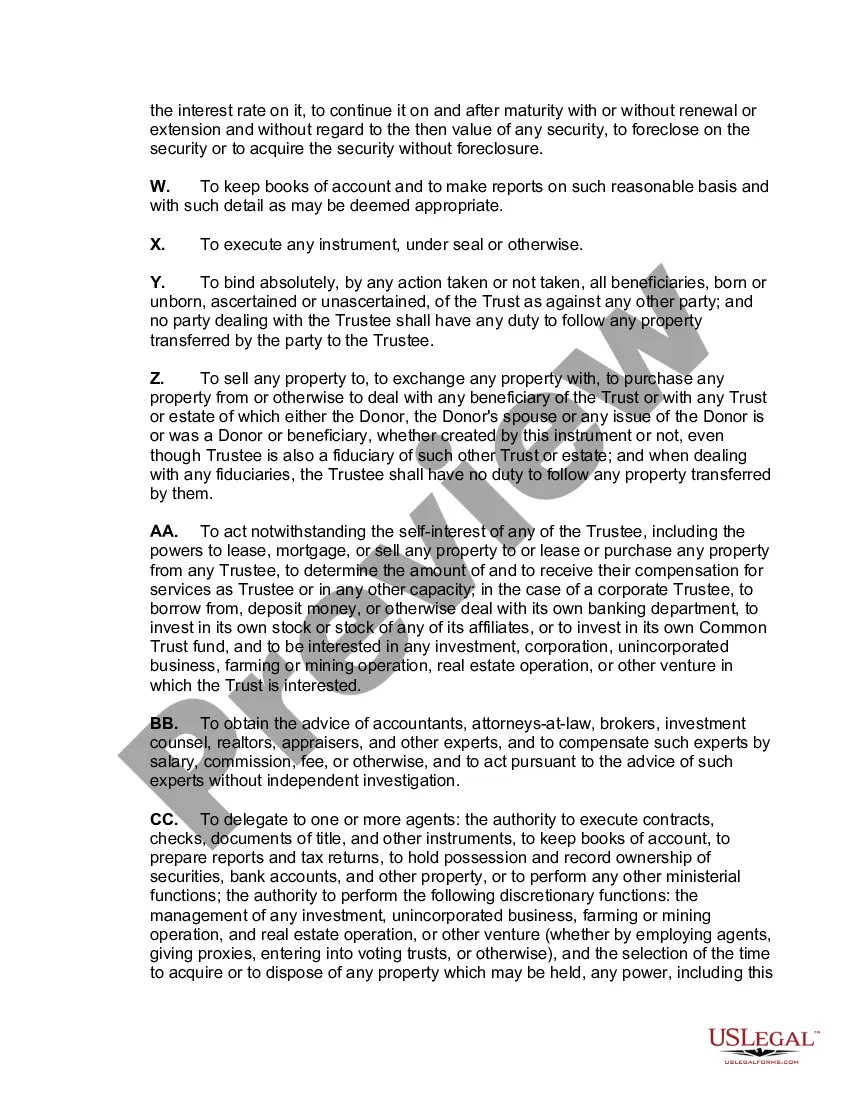
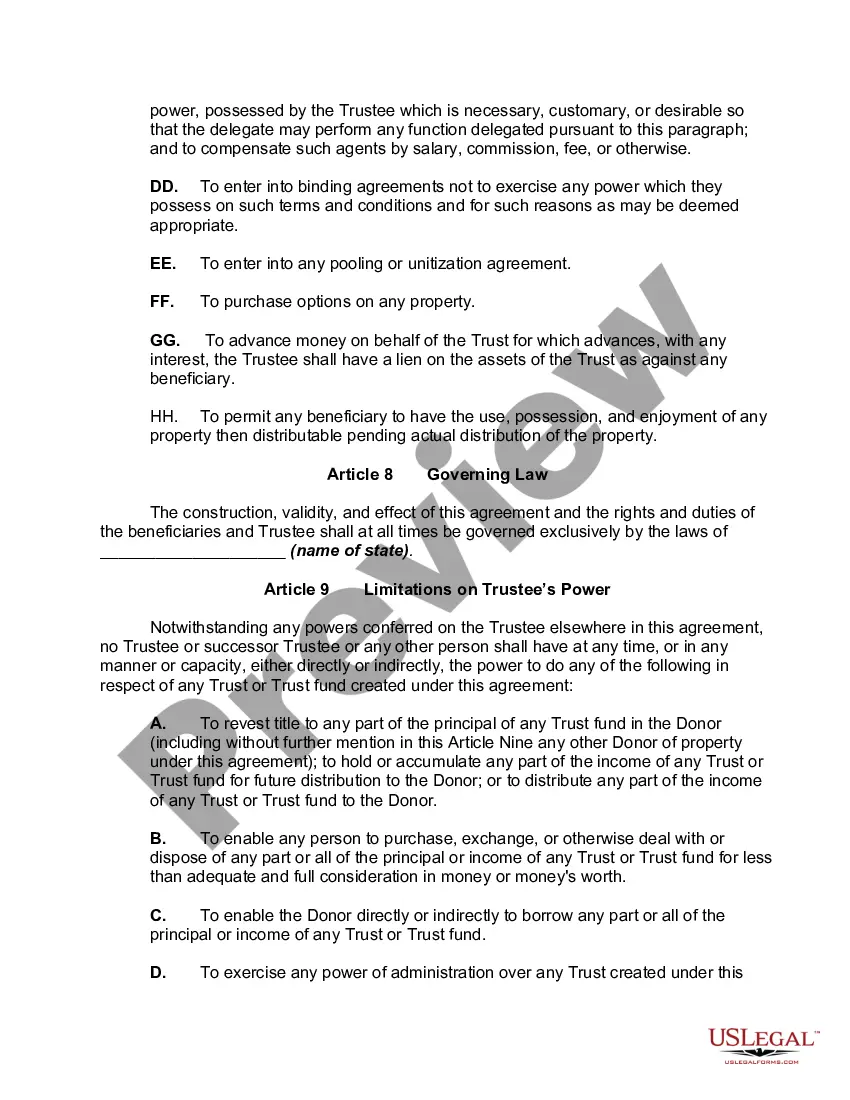
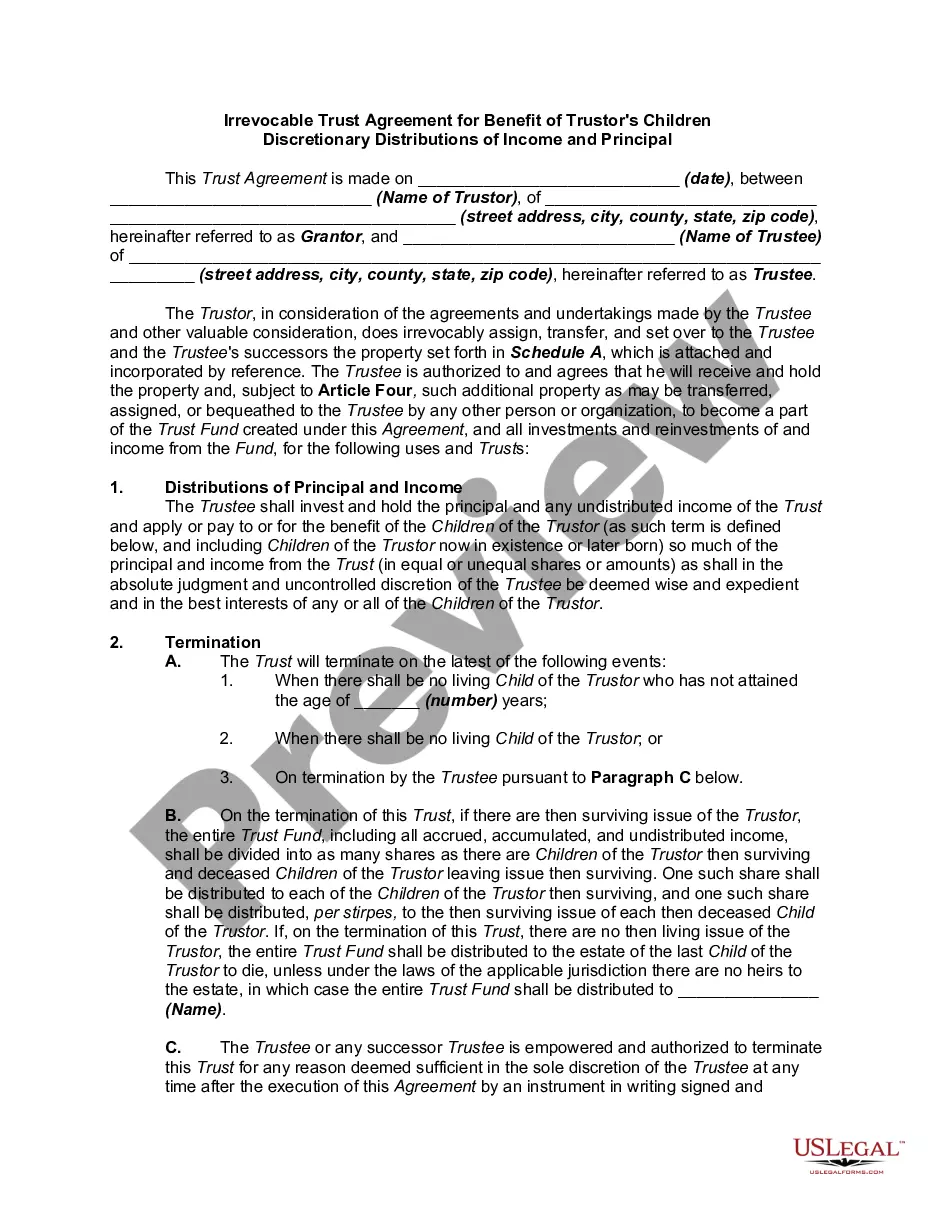
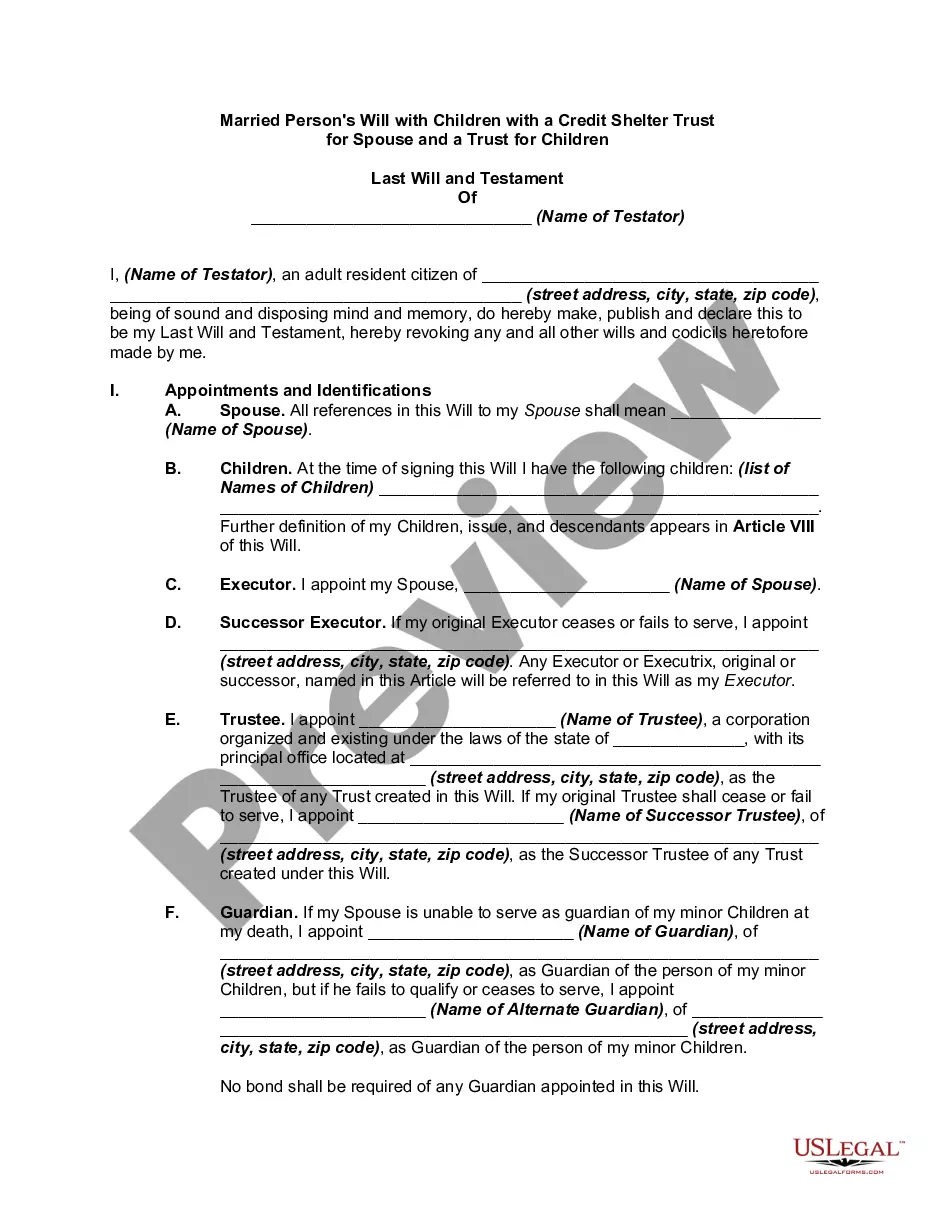
Description
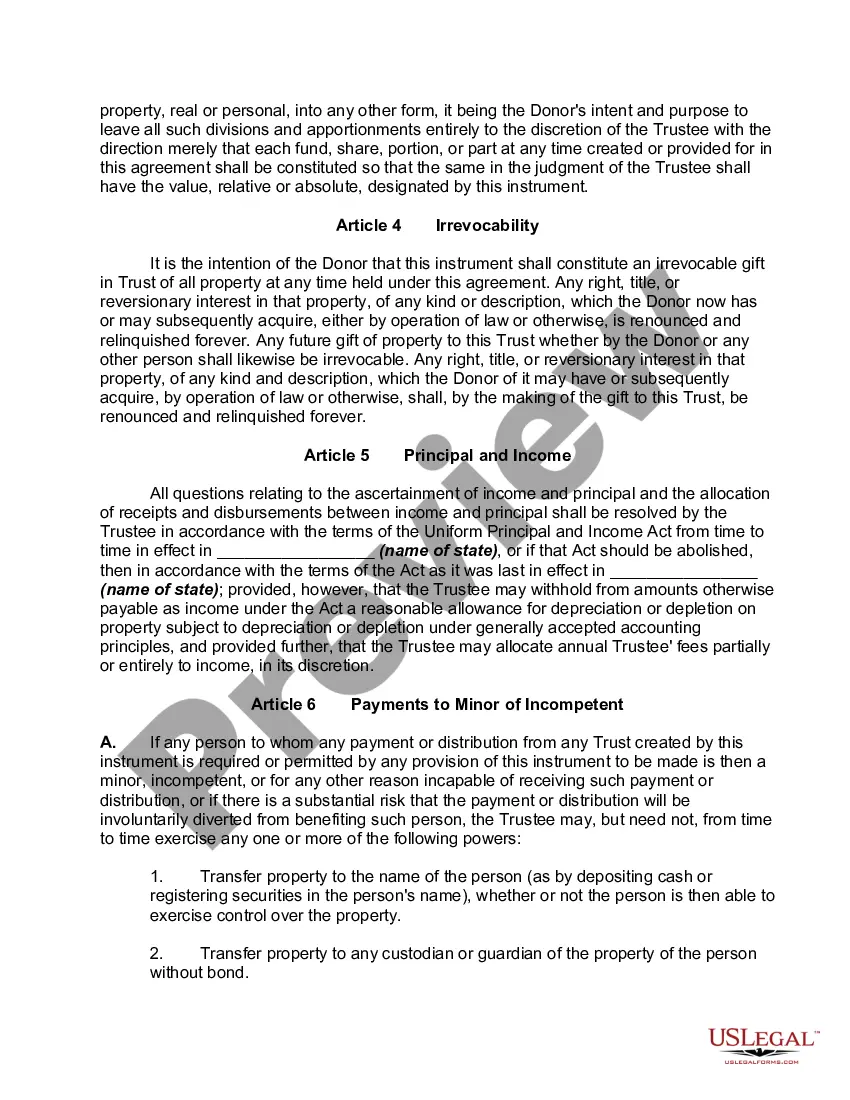
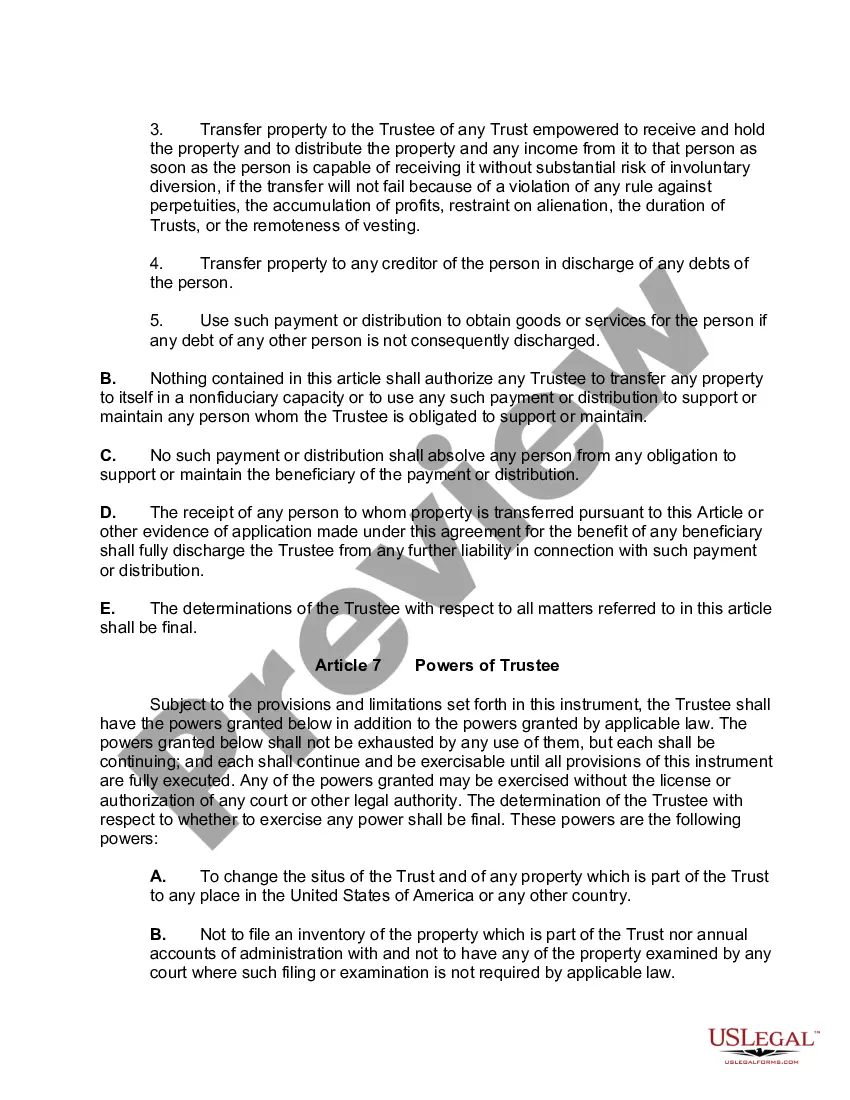
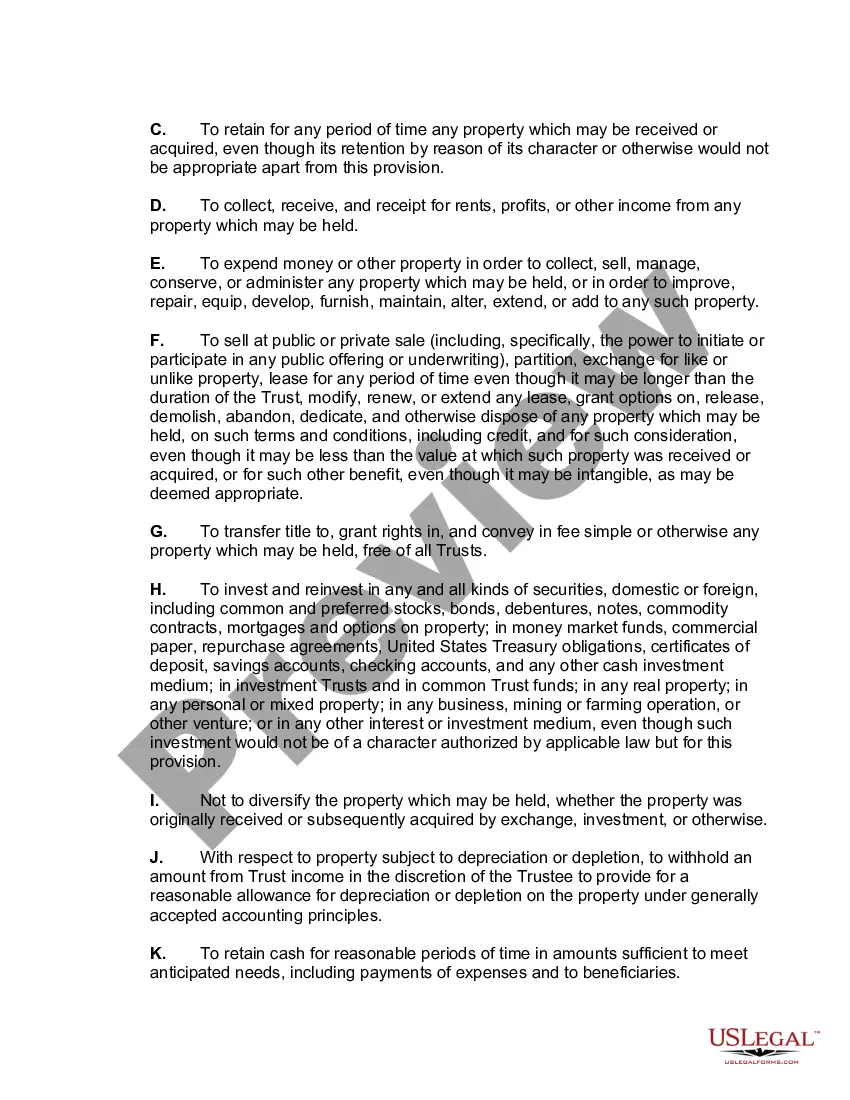
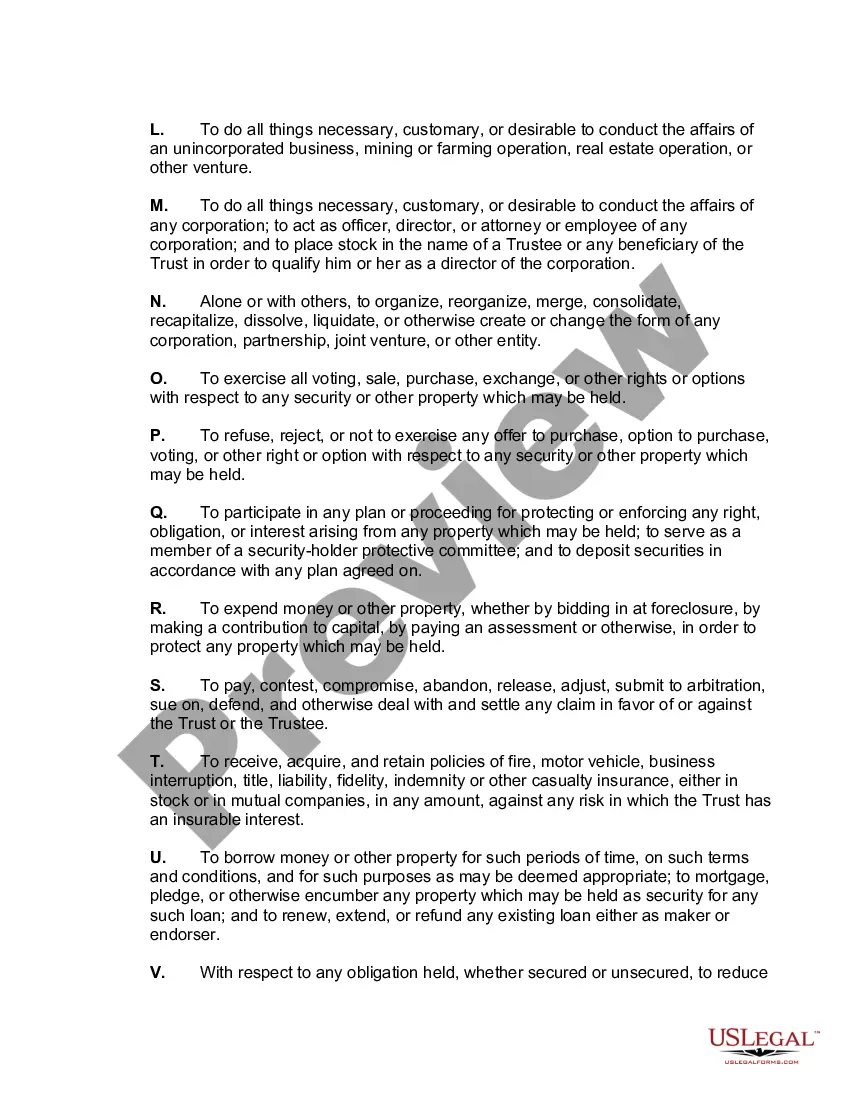

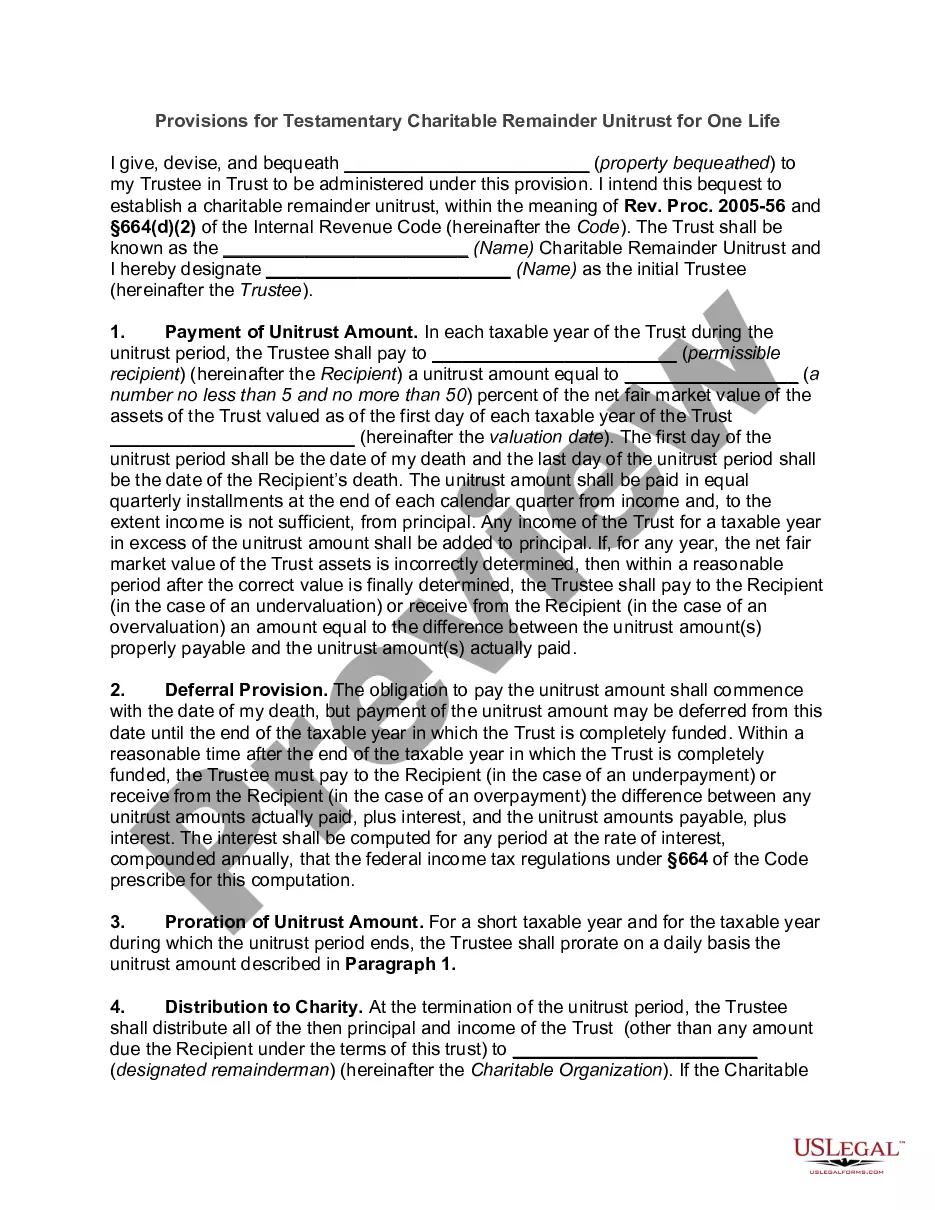
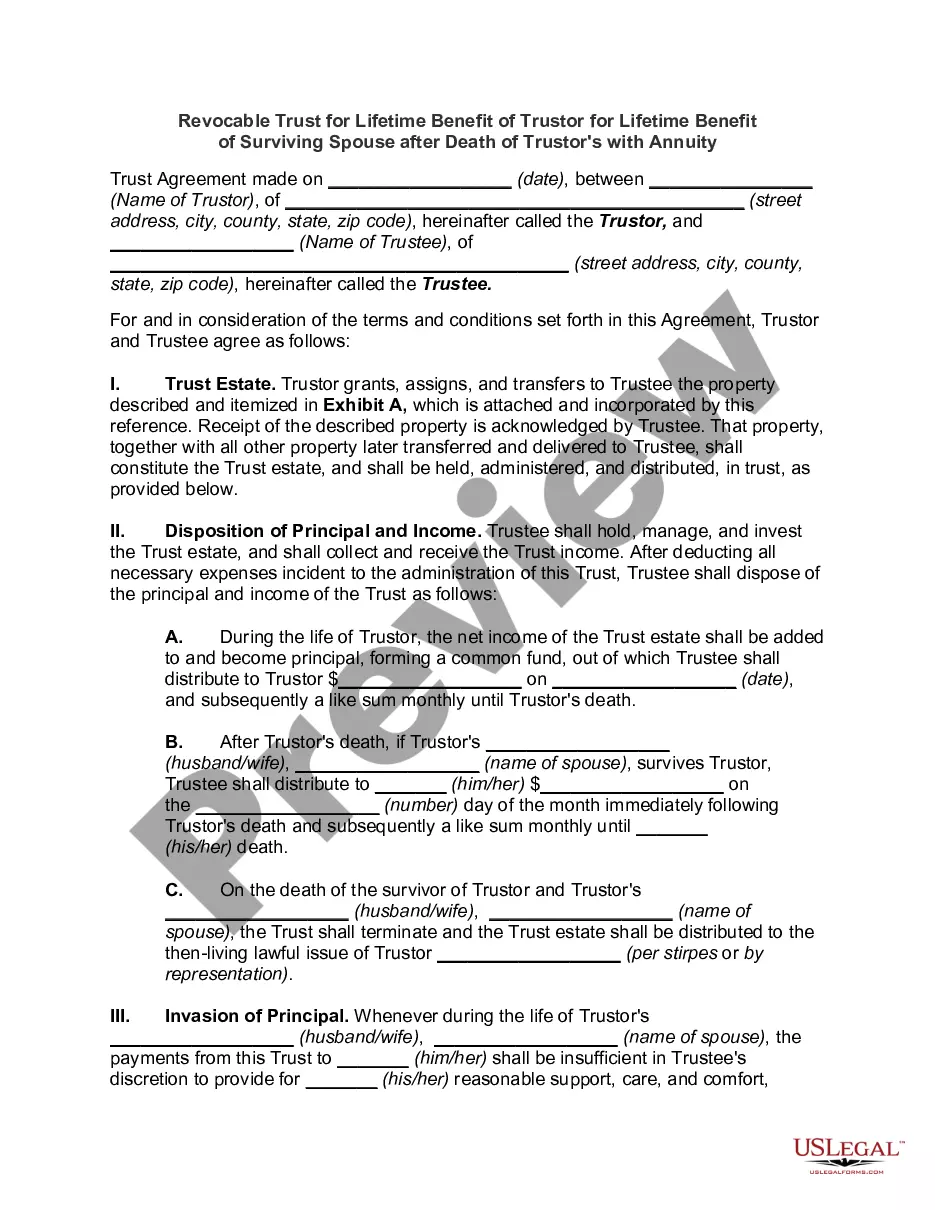
Get your form ready online
Our built-in tools help you complete, sign, share, and store your documents in one place.
Make edits, fill in missing information, and update formatting in US Legal Forms—just like you would in MS Word.
Download a copy, print it, send it by email, or mail it via USPS—whatever works best for your next step.
Sign and collect signatures with our SignNow integration. Send to multiple recipients, set reminders, and more. Go Premium to unlock E-Sign.
If this form requires notarization, complete it online through a secure video call—no need to meet a notary in person or wait for an appointment.
We protect your documents and personal data by following strict security and privacy standards.

Make edits, fill in missing information, and update formatting in US Legal Forms—just like you would in MS Word.

Download a copy, print it, send it by email, or mail it via USPS—whatever works best for your next step.

Sign and collect signatures with our SignNow integration. Send to multiple recipients, set reminders, and more. Go Premium to unlock E-Sign.

If this form requires notarization, complete it online through a secure video call—no need to meet a notary in person or wait for an appointment.

We protect your documents and personal data by following strict security and privacy standards.
Looking for another form?










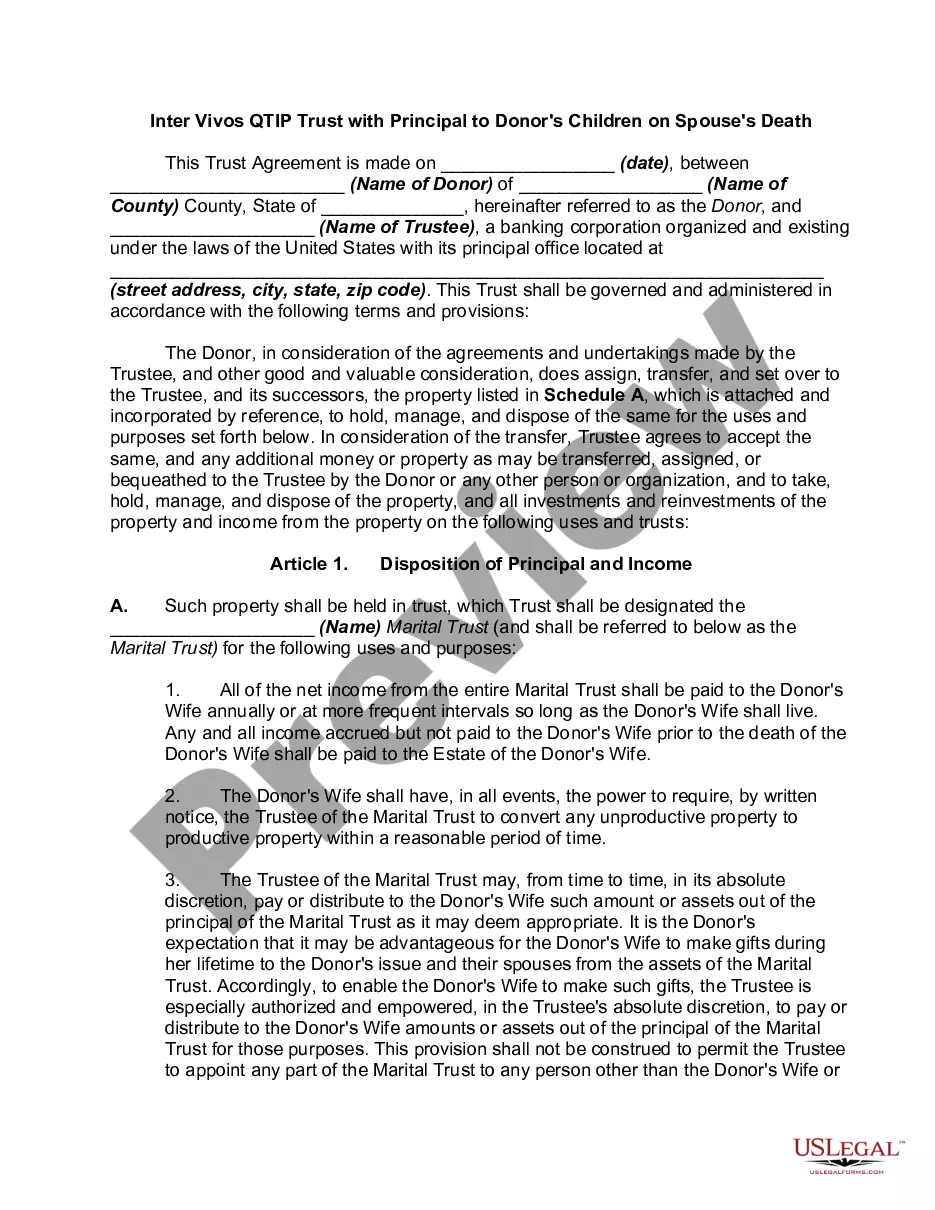
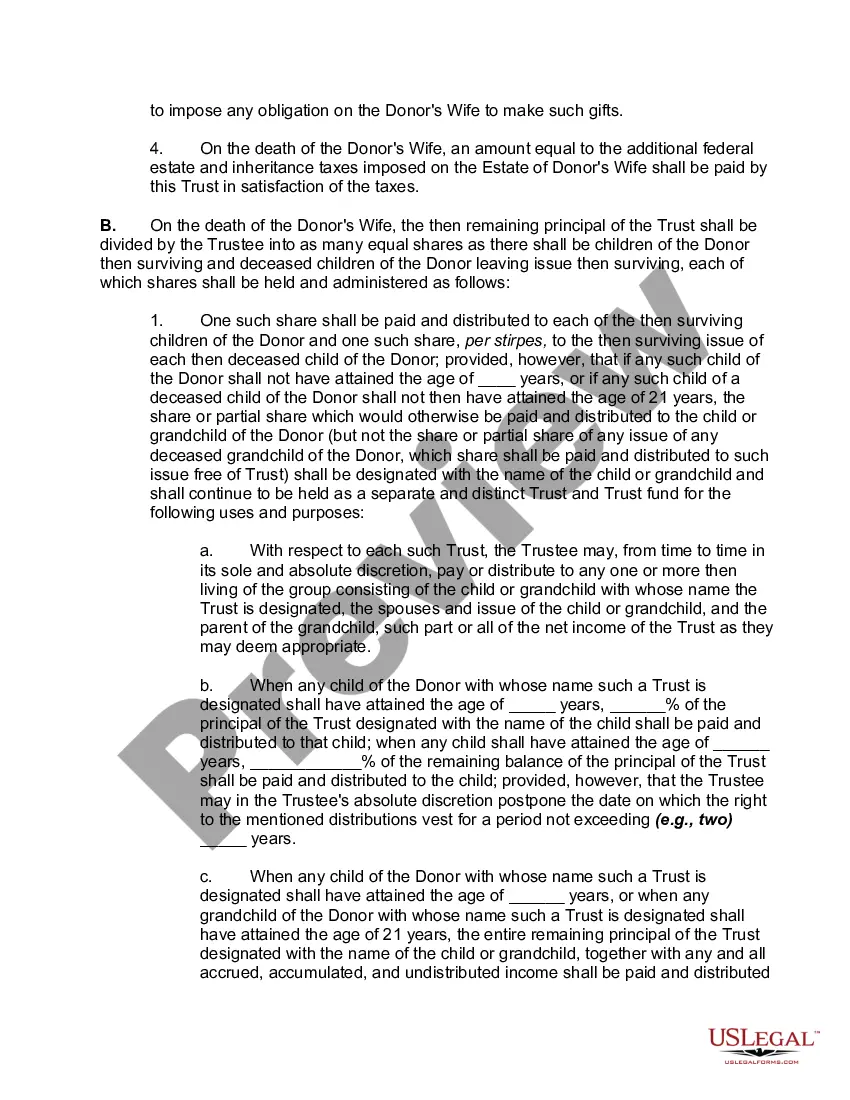
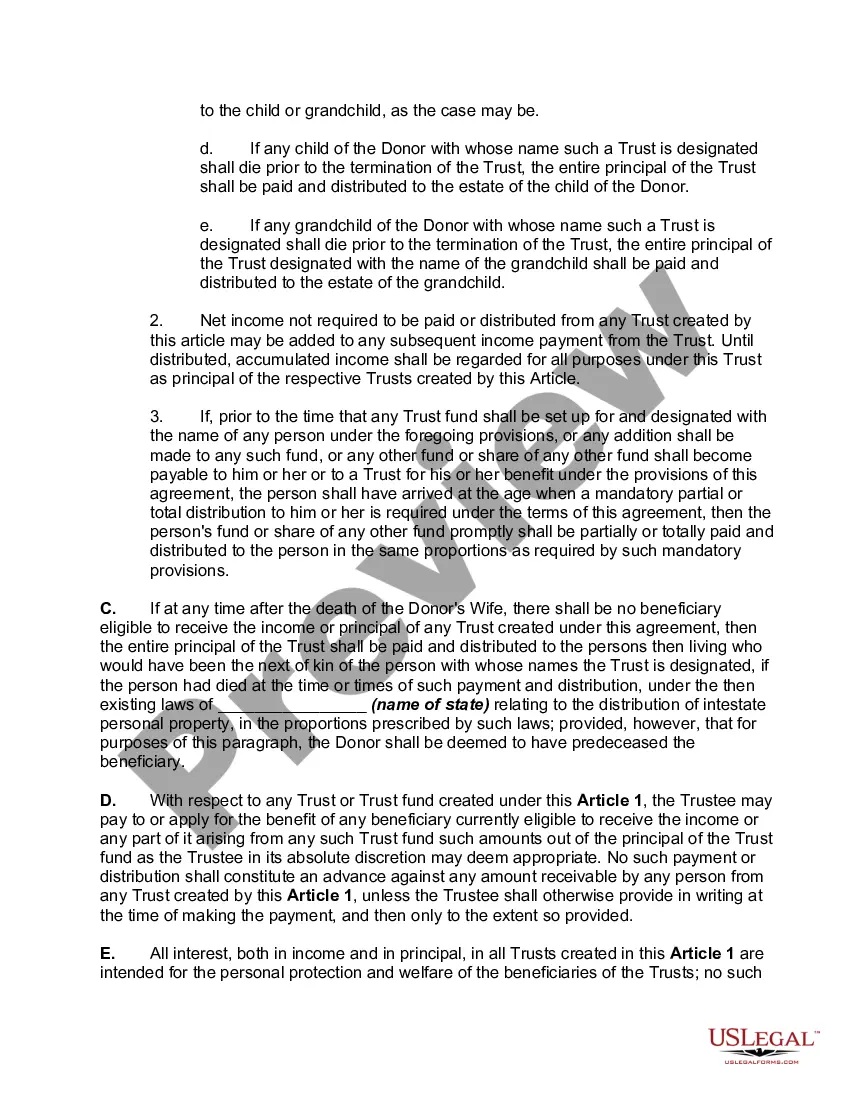
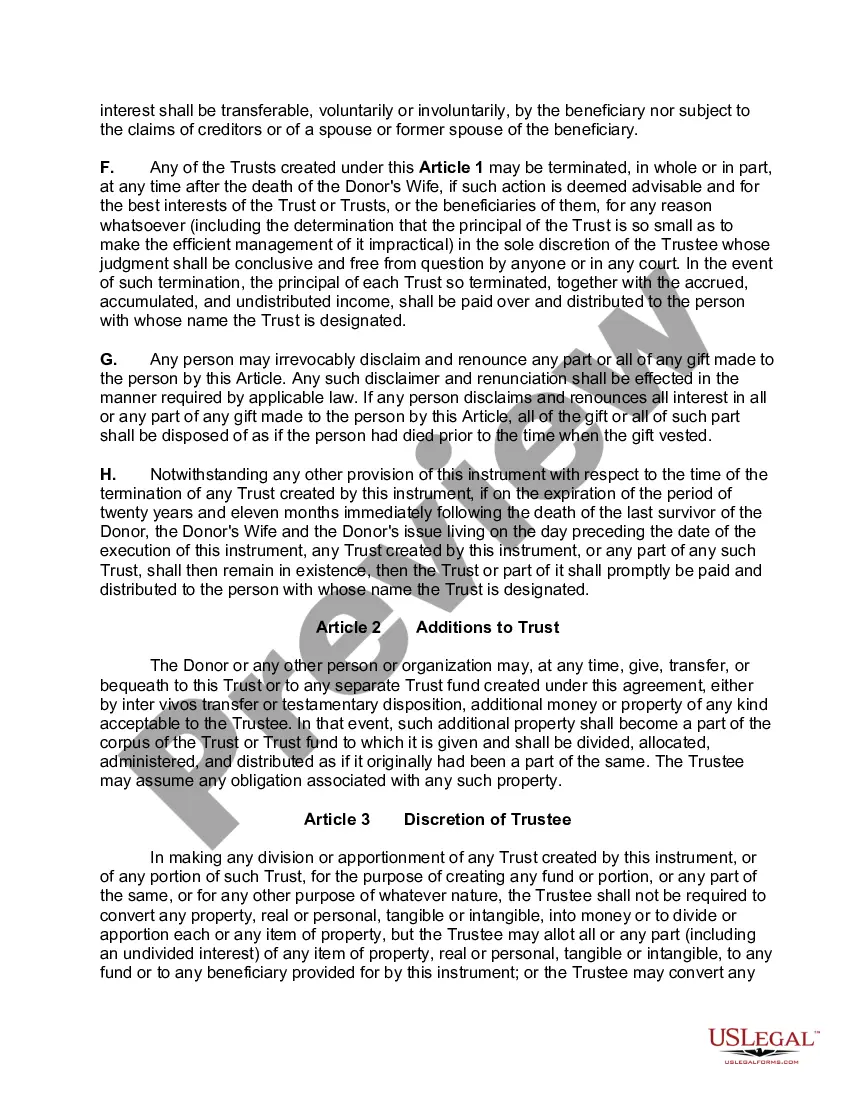
How to fill out Inter Vivos QTIP Trust With Principal To Donor's Children On Spouse's Death?
Whether for professional reasons or personal matters, everyone must deal with legal issues at some point in their lives.
Completing legal paperwork requires meticulous care, beginning with selecting the correct form template.
Once saved, you are free to complete the form using editing software or print it and finish it manually. With a comprehensive US Legal Forms catalog available, you won’t have to waste time searching for the correct template online. Utilize the library's user-friendly navigation to find the appropriate form for any situation.
- For example, if you select an incorrect version of an Any Trust Property For Child, it will be rejected upon submission.
- Thus, it is vital to acquire a trustworthy source of legal documents like US Legal Forms.
- If you need to obtain an Any Trust Property For Child template, follow these simple steps.
- Retrieve the template you require using the search bar or catalog browsing.
- Review the description of the form to ensure it is appropriate for your circumstances, state, and county.
- Click on the form's preview to view it.
- If it is the wrong document, return to the search function to find the Any Trust Property For Child sample you require.
- Download the template when it satisfies your needs.
- If you possess a US Legal Forms account, simply click Log in to access previously saved templates in My documents.
- In case you do not have an account yet, you can obtain the form by clicking Buy now.
- Choose the correct pricing option.
- Fill out the account registration form.
- Select your payment method: use a credit card or PayPal account.
- Choose the file format you prefer and download the Any Trust Property For Child.
Form popularity
FAQ
On some of the forms you will see a place to select a legal separation. This is a legal status that is different than a divorce. In a legal separation you can divide your finances and property, and plan the custody and support of your children. But you are still married and you cannot marry someone else.
The average hourly rate for a family lawyer in Vermont is $279 per hour.
File your completed forms with the civil division of the Superior Court in the county where you live or where the defendant lives. You can file in person, by mail, email, or electronically (e-file). See the Filing Procedures web page for more information about filing.
Filing fees for divorce in Vermont typically range from $150 to $300. However, the overall cost of divorce can be much higher if there are additional legal fees, such as attorneys' fees or mediation costs, and if there are children or complex financial issues involved in the divorce.
Property division means that the court will divide your assets and liabilities between the two of you in your divorce. How will they be divided? Vermont is an ?equitable property? state. This means that the rule of thumb is that everything you own, and everything you owe, should be divided in half.
Fees Fee typeAmountRule/statute that appliesAny postjudgment motion in civil, criminal, or environmental divisions, except small claims$90.0032 V.S.A. § 1431(e)Petition for Minor Settlements$90.0032 V.S.A. § 1431(e)Tax appeal$295.0032 V.S.A. § 4461(a) (2015)3 more rows
$295 for a contested divorce. $90 for a stipulated divorce where one of you is a Vermont resident, or. $180 for a stipulated divorce where neither of you is a Vermont resident. Plus, there are fees to ?serve? (or deliver) your court papers to your spouse.
You can contact the court by phone, in writing, in person, or by sending an email to JUD.VJB@vermont.gov. A motion is a request in writing asking the court to consider doing something specific in your case. All motions must identify the request and give specific reasons for the request.