Partnership With Requirements
Description
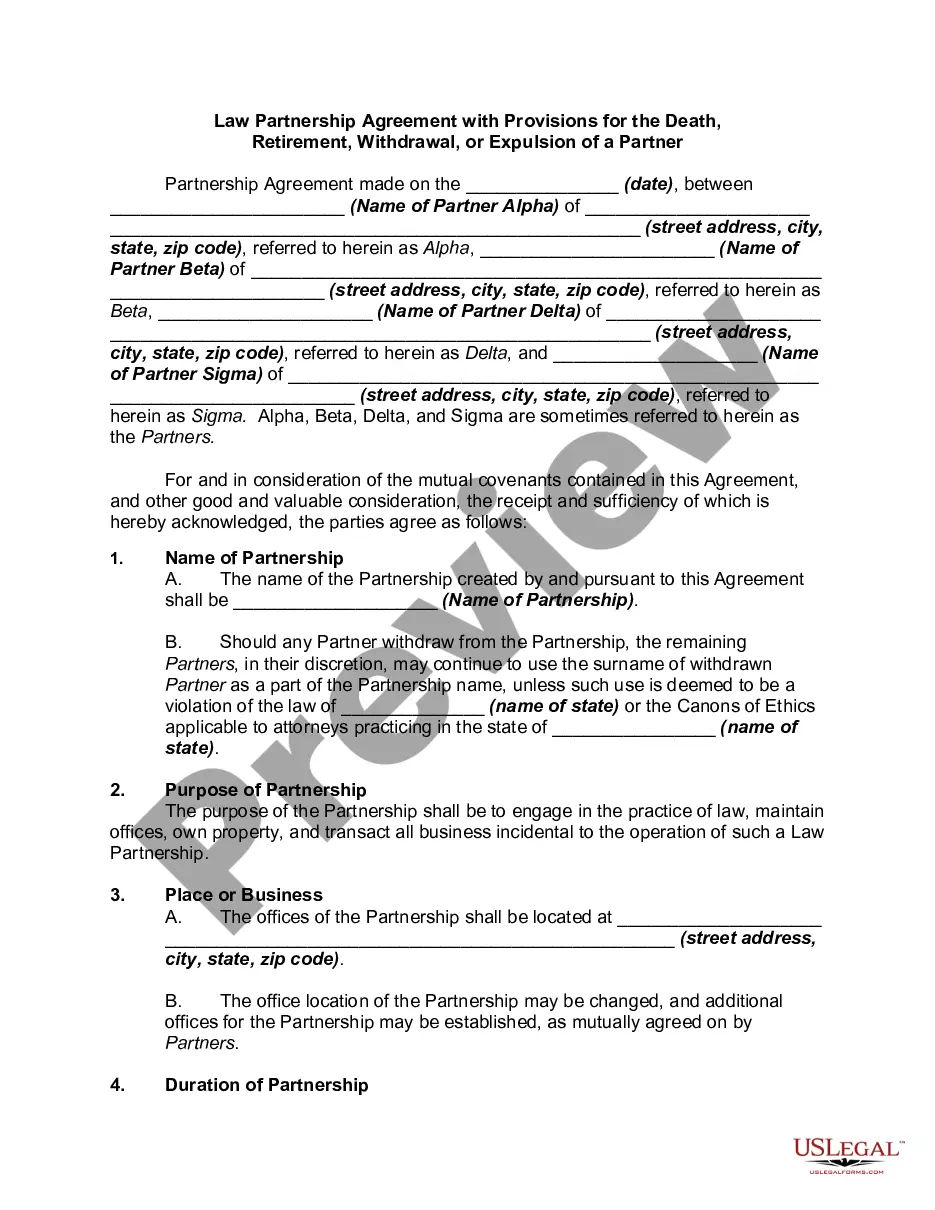
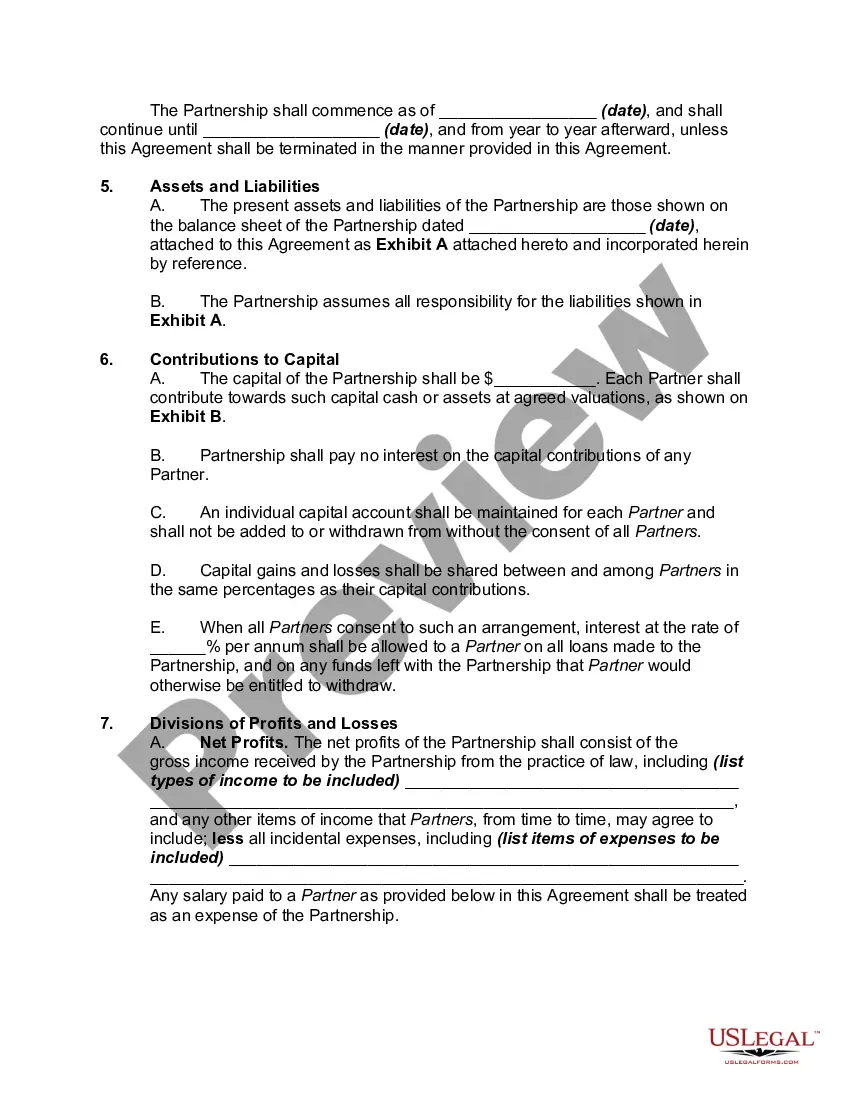
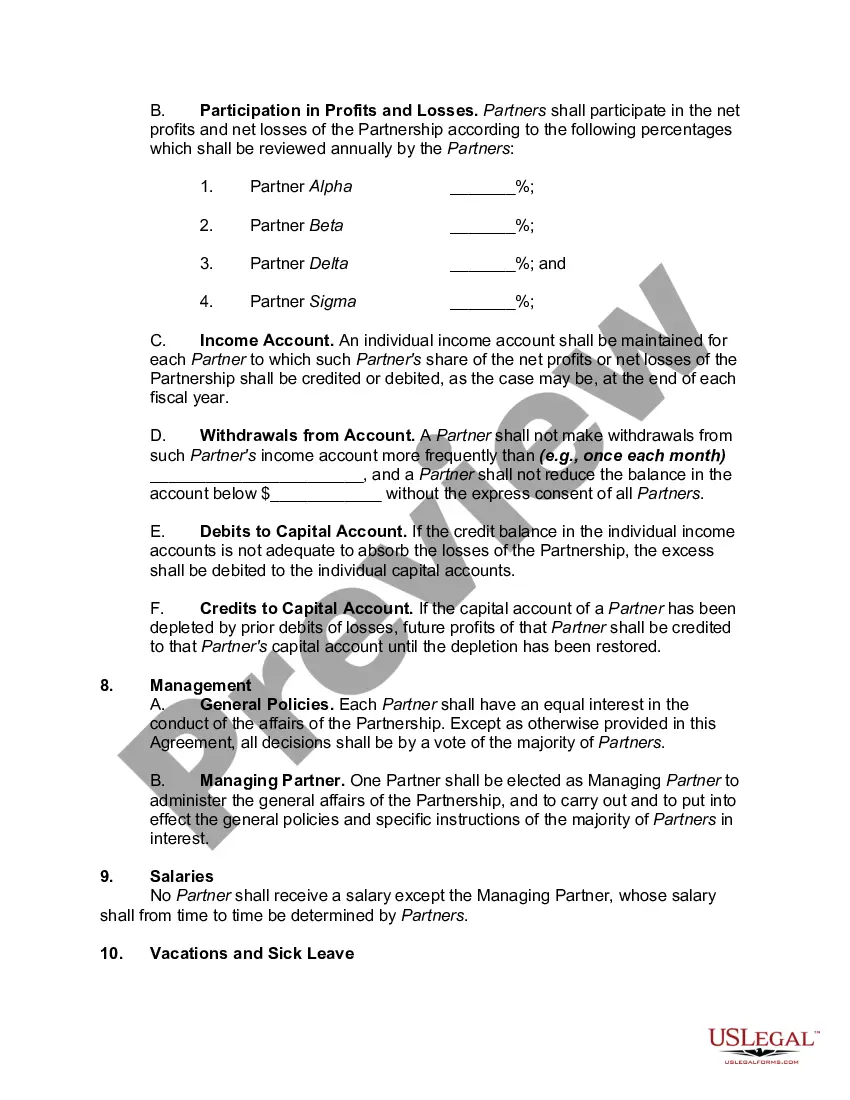
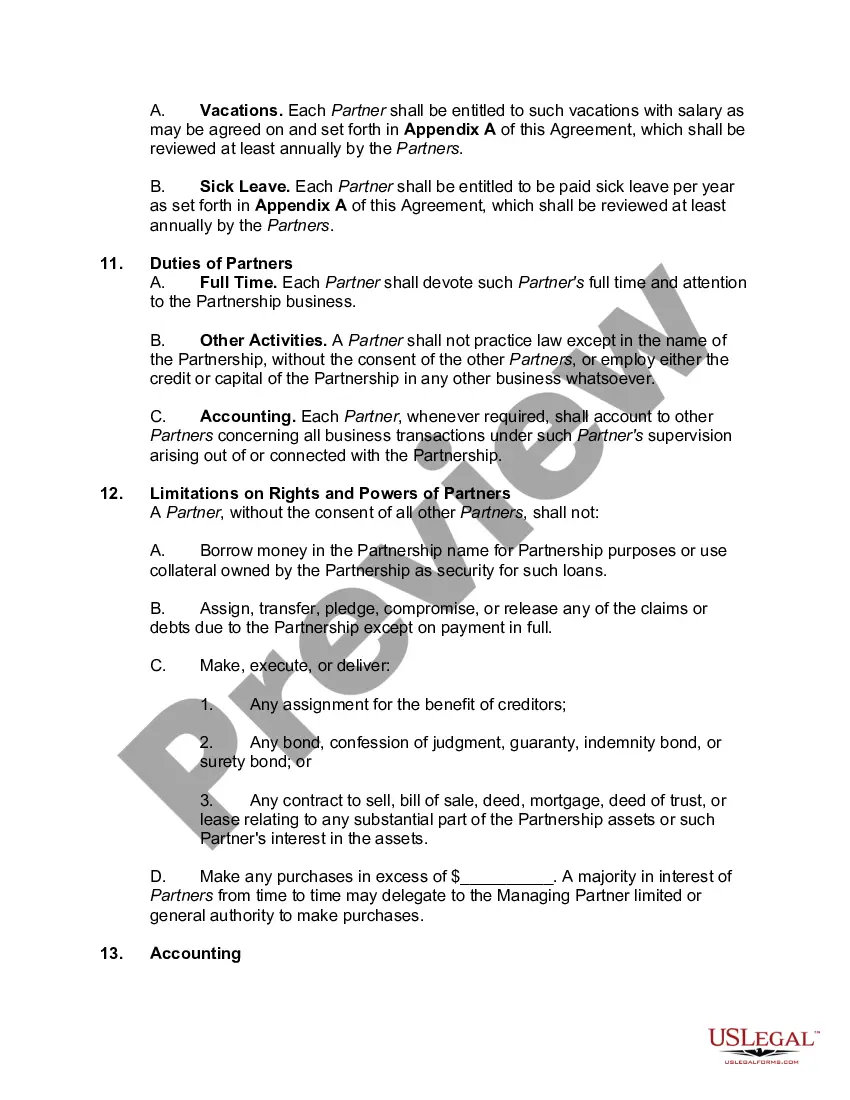
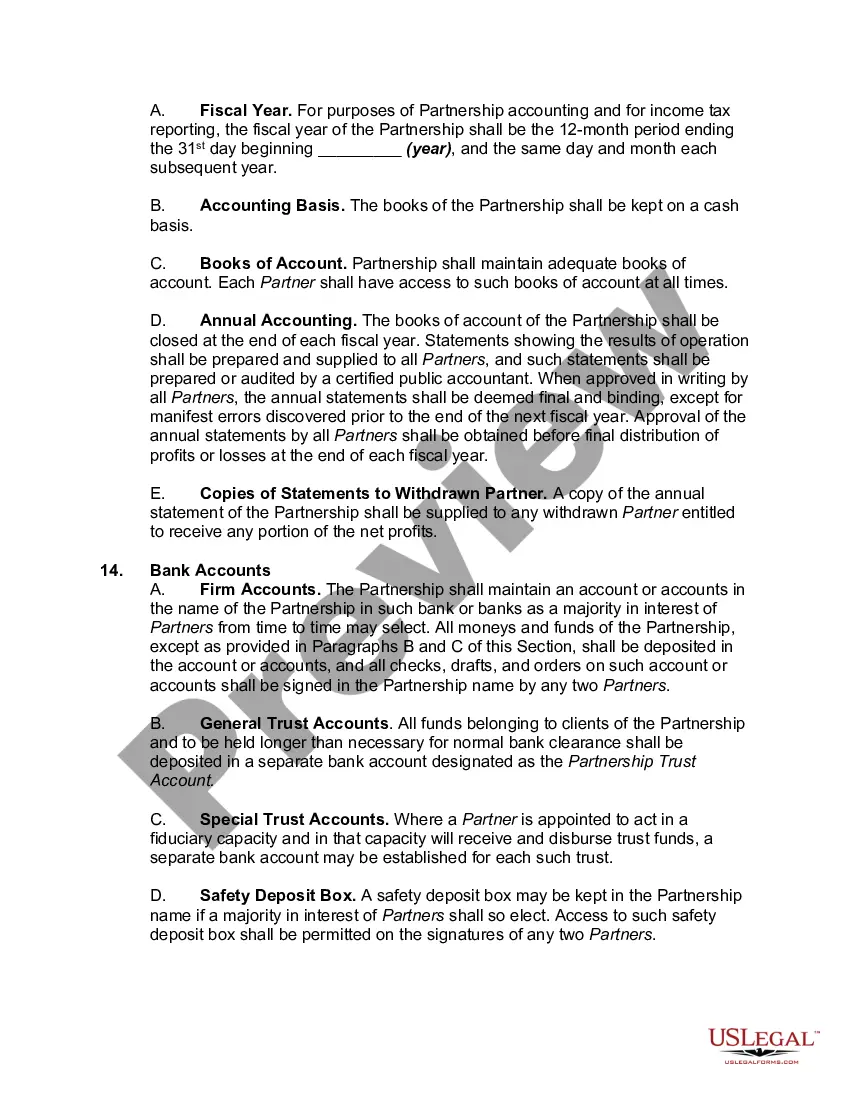
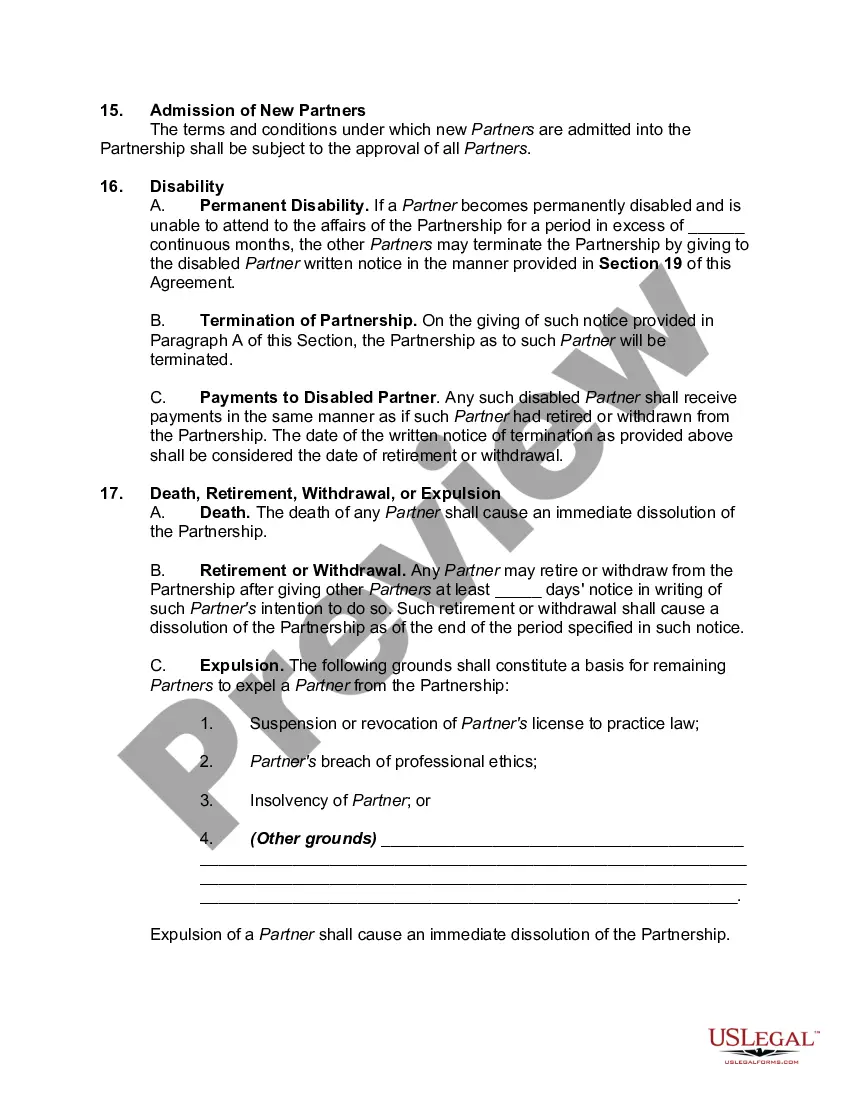
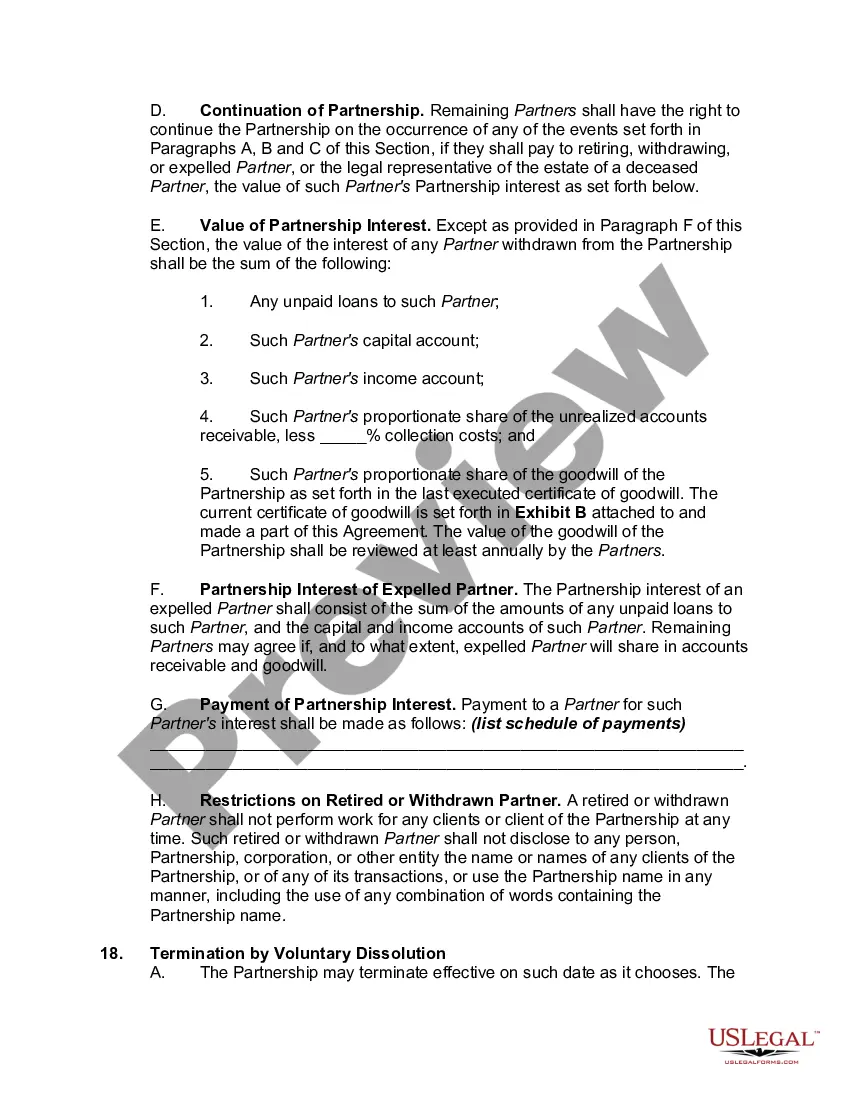
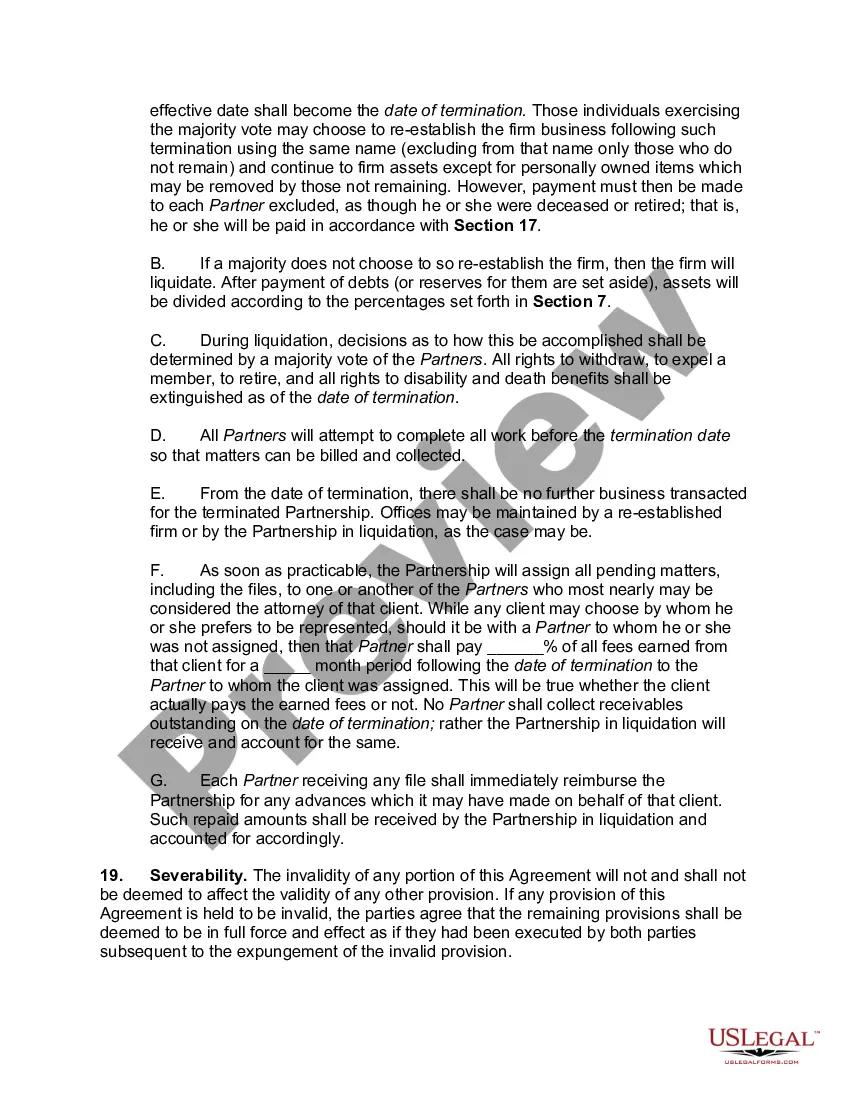
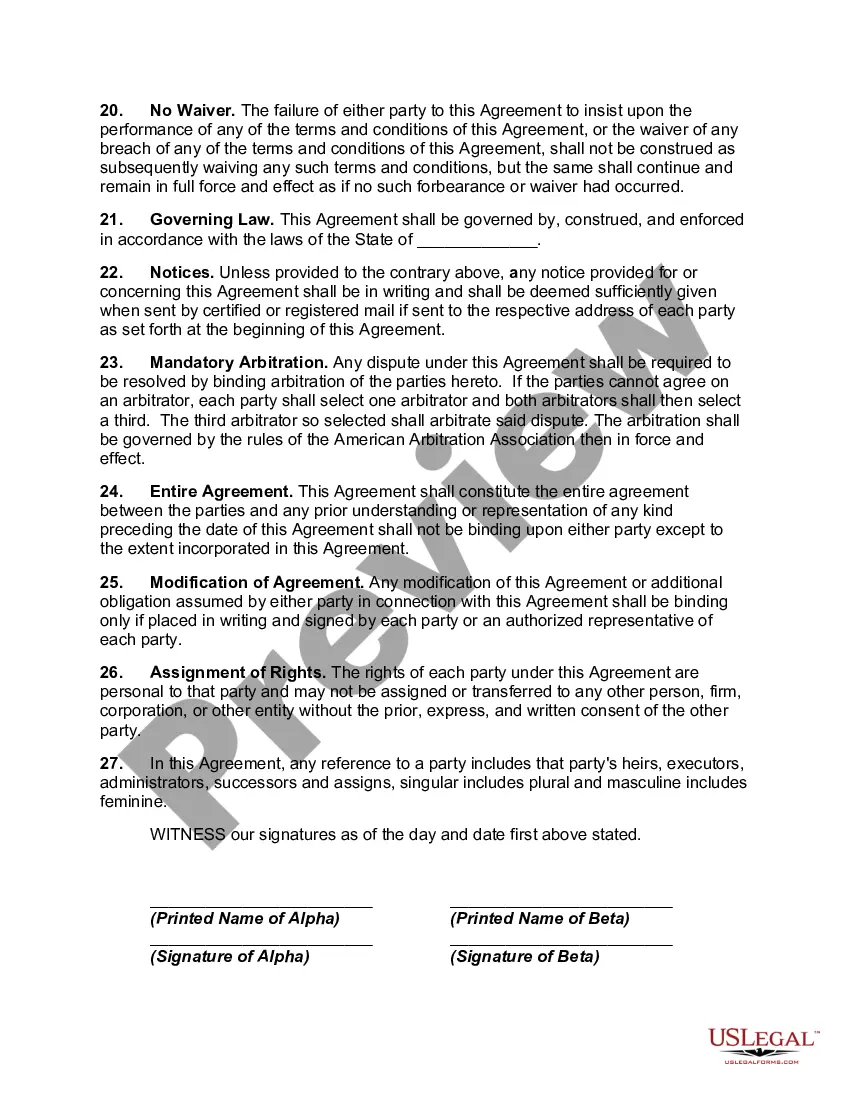
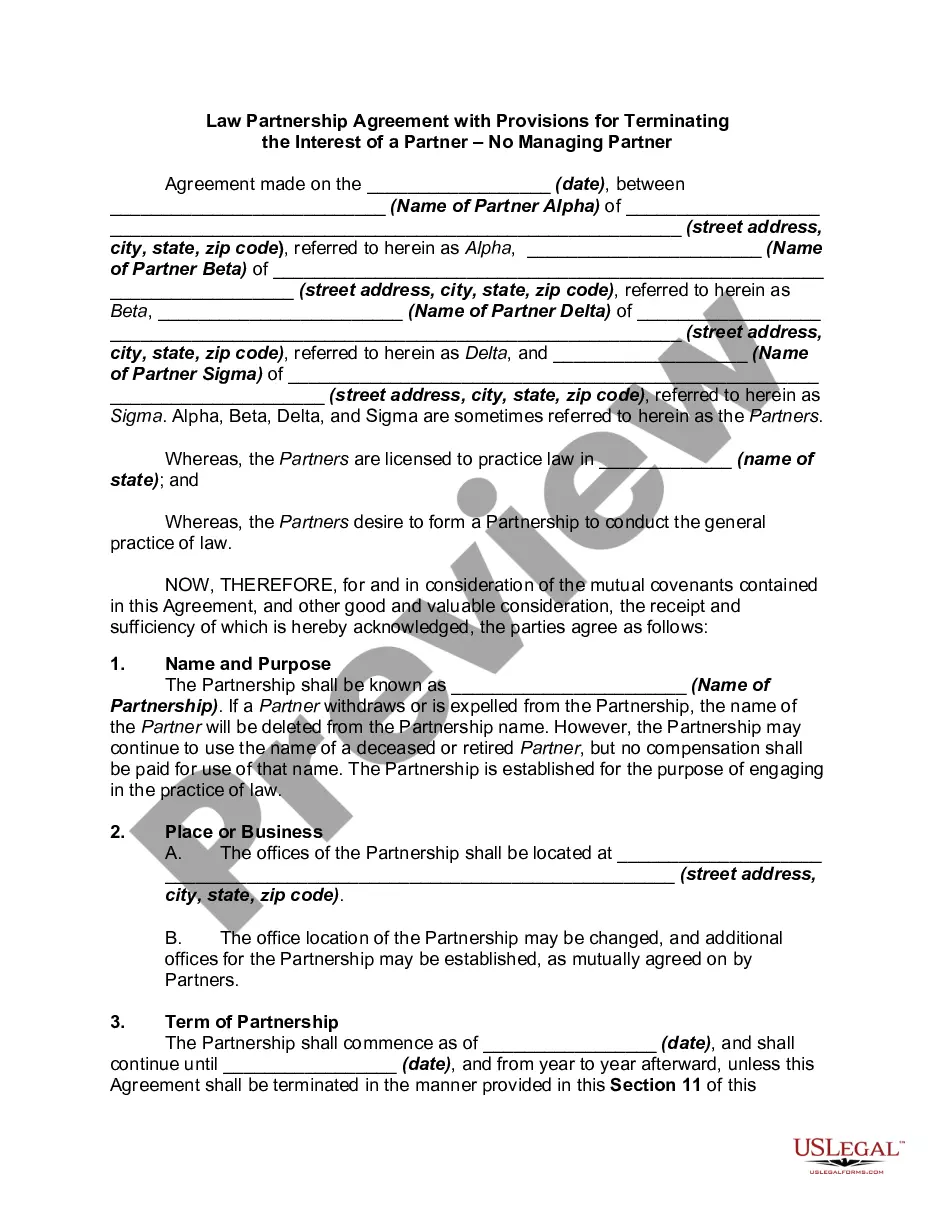
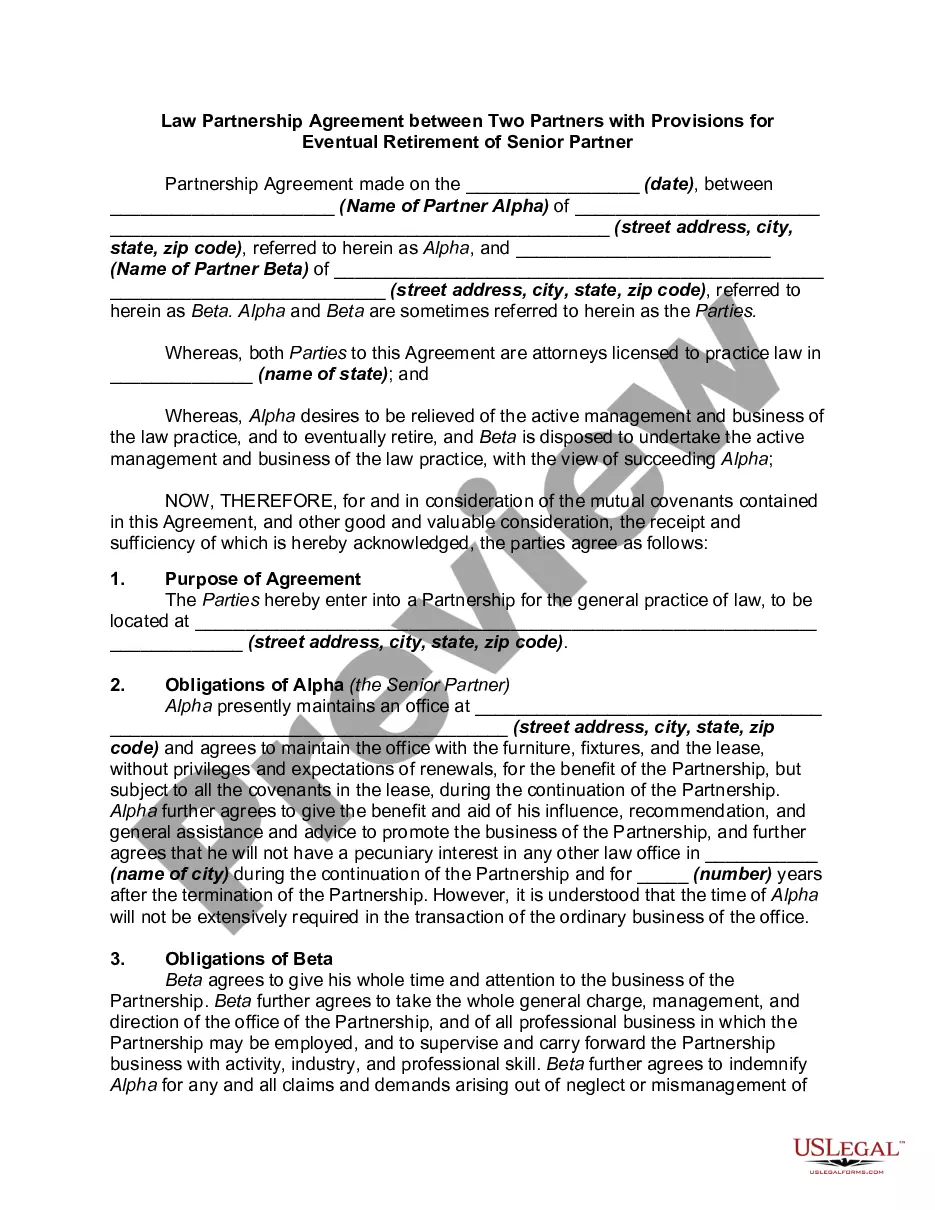
Get your form ready online
Our built-in tools help you complete, sign, share, and store your documents in one place.
Make edits, fill in missing information, and update formatting in US Legal Forms—just like you would in MS Word.
Download a copy, print it, send it by email, or mail it via USPS—whatever works best for your next step.
Sign and collect signatures with our SignNow integration. Send to multiple recipients, set reminders, and more. Go Premium to unlock E-Sign.
If this form requires notarization, complete it online through a secure video call—no need to meet a notary in person or wait for an appointment.
We protect your documents and personal data by following strict security and privacy standards.

Make edits, fill in missing information, and update formatting in US Legal Forms—just like you would in MS Word.

Download a copy, print it, send it by email, or mail it via USPS—whatever works best for your next step.

Sign and collect signatures with our SignNow integration. Send to multiple recipients, set reminders, and more. Go Premium to unlock E-Sign.

If this form requires notarization, complete it online through a secure video call—no need to meet a notary in person or wait for an appointment.

We protect your documents and personal data by following strict security and privacy standards.
Looking for another form?


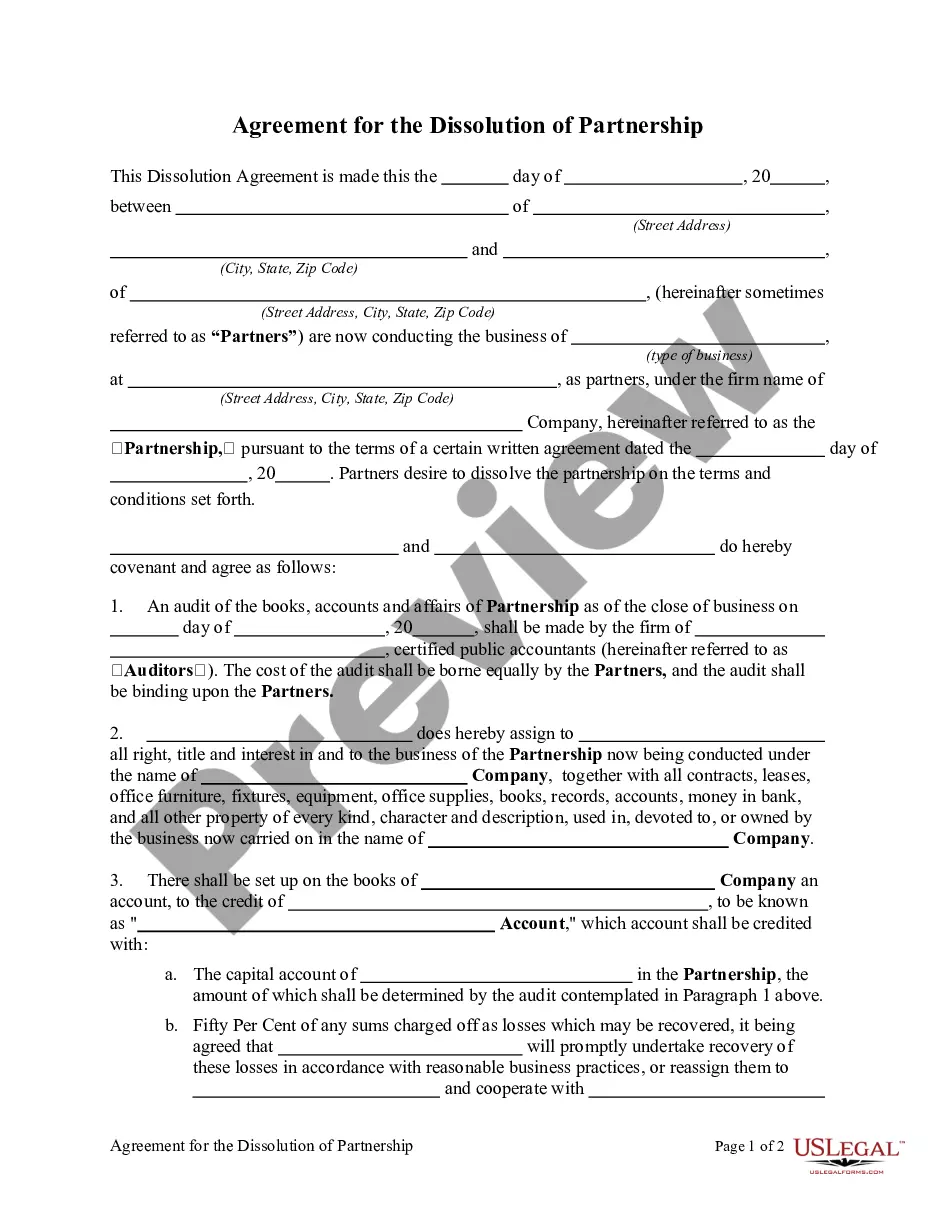






How to fill out Law Partnership Agreement With Provisions For The Death, Retirement, Withdrawal, Or Expulsion Of A Partner?
Managing legal documentation and processes can be a lengthy addition to your schedule.
Partnership With Requirements and similar forms frequently necessitate that you locate them and navigate the path to complete them accurately.
For this reason, whether you are addressing financial, legal, or personal affairs, utilizing a comprehensive and practical online repository of templates at your disposal will be a significant help.
US Legal Forms is the leading online service for legal documents, offering more than 85,000 state-specific templates and various tools to assist you in completing your paperwork with ease.
Is it your initial time using US Legal Forms? Sign up and create a complimentary account in a few moments and you will gain access to the template library and Partnership With Requirements. Then, follow the steps outlined below to complete your document.
- Browse the library of relevant documents available to you with just a single click.
- US Legal Forms provides state- and county-specific templates that are accessible for download at any time.
- Safeguard your document management procedures with a high-quality service that enables you to assemble any template in minutes without any additional or concealed fees.
- Simply Log In to your account, locate Partnership With Requirements and download it immediately from the My documents tab.
- You can also retrieve previously stored forms.
Form popularity
FAQ
Generally, the 5 steps to filing a lawsuit in Louisiana include: Investigate. Gather all relevant evidence. Write the petition for damages. File the petition for damages in the correct court. Serve the petition and summons on the defendant.
Some defendants choose to represent themselves because they have lost confidence in defense lawyers following a previous negative experience, although this may not have been the lawyer's fault. Other defendants distrust the system and feel that going outside it makes a statement of resistance.
Litigants or parties representing themselves in court without the assistance of an attorney are known as pro se litigants.
Introduction. Legal aid services provide free or low-cost legal advice and/or representation for those unable to afford full-cost legal services. This resource guide lists contact information for some of the legal aid service providers located throughout Louisiana.
About Self-Representation "In Pro Per" means that you are acting as your own attorney. You are not required to hire an attorney, but before taking any legal action, it is highly advisable to consult with a lawyer who can inform you about important legal rights.
When you represent yourself, you are referred to as a "self-represented litigant" or "pro-se litigant." Even if you don't have a lawyer, judges and court employees are not allowed to provide you with legal advice and may not be able to speak with you at all about your case outside of the courtroom.
To do so, you need to file a form called an ?In Forma Pauperis? form, or ?IFP? for short. Do I Need Witnesses? Witnesses can testify about facts to help tell your story. They should know the case and have seen or heard the evidence themselves.
People who represent themselves in court without an attorney are Self-Represented Litigants (SRLs), also sometimes called pro se litigants. Under the law, an SRL is held to the same standards and duties as an attorney admitted to the practice of law in the state of Louisiana.