Deed In Lieu Definition With Foreclosure/deed
Description
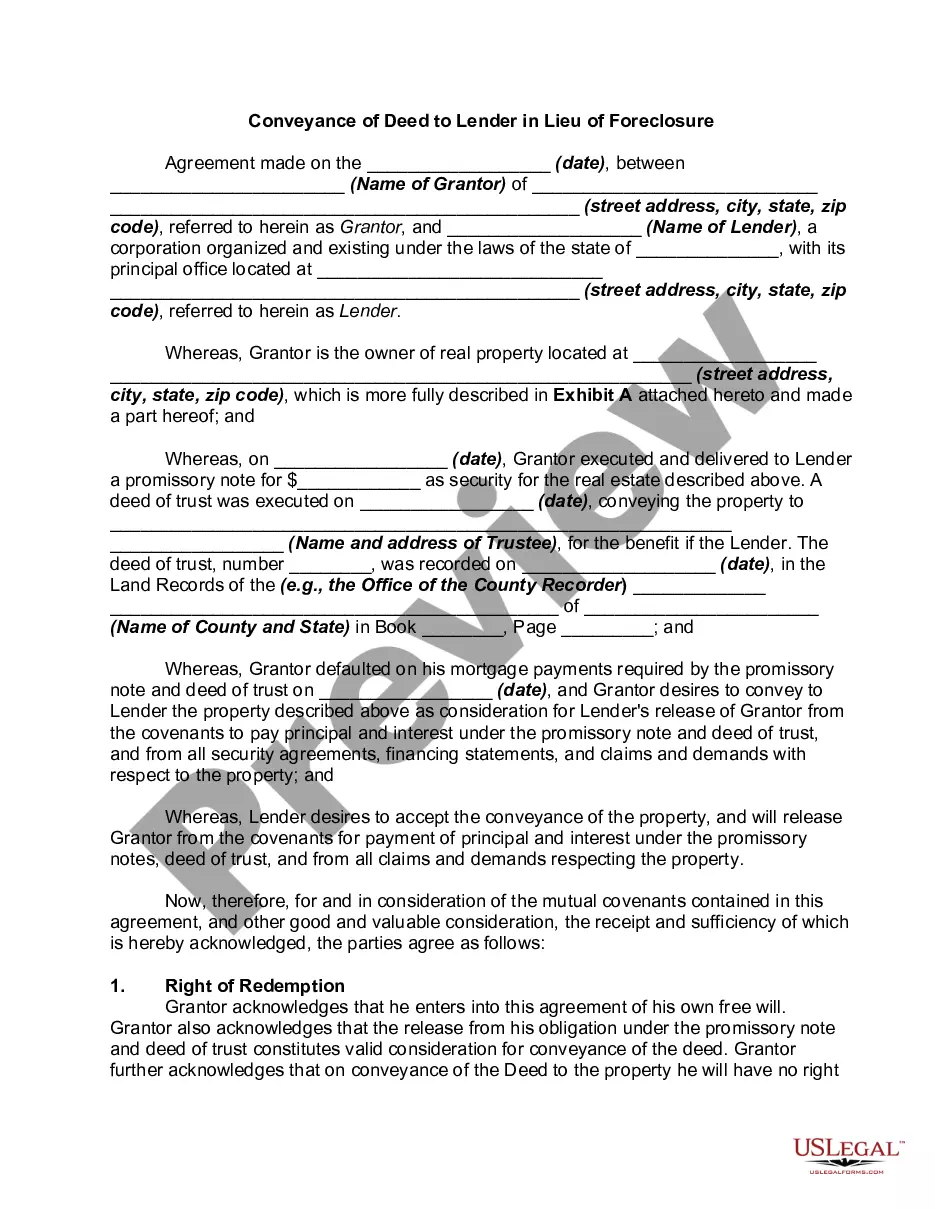
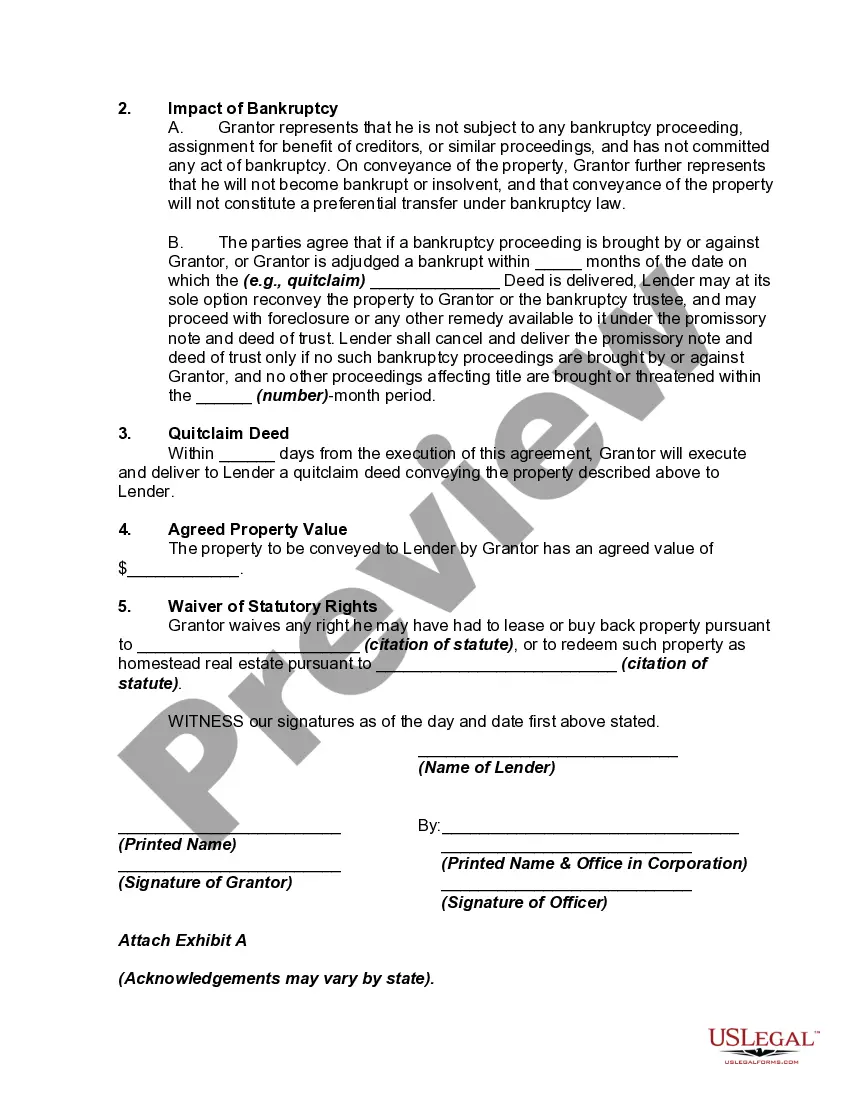
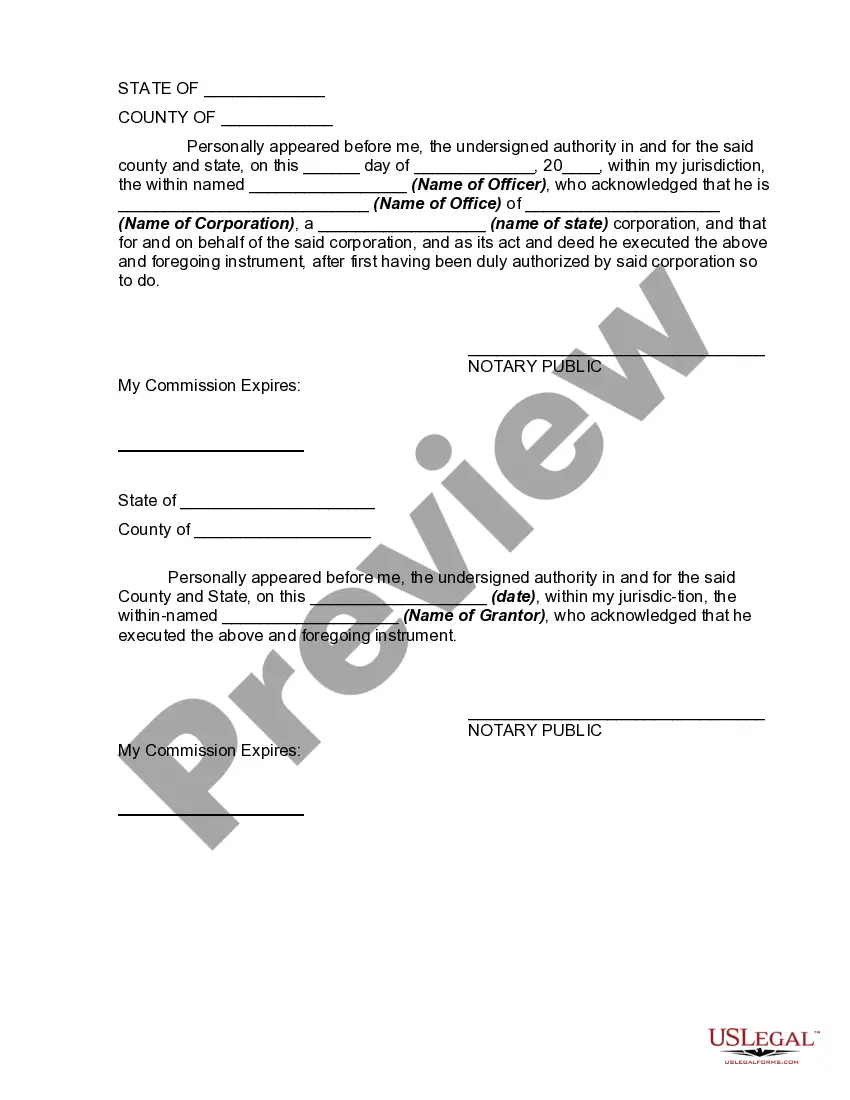
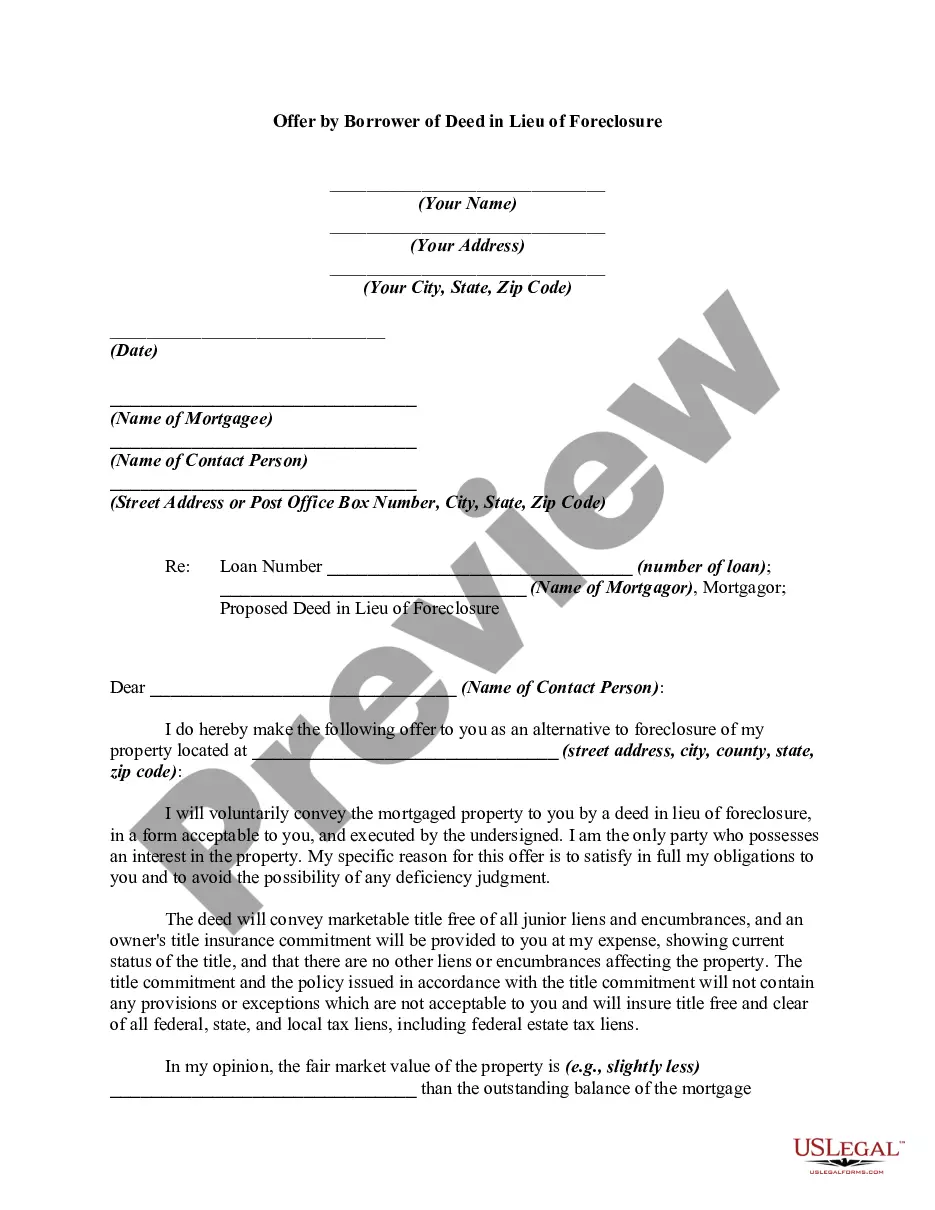

Get your form ready online
Our built-in tools help you complete, sign, share, and store your documents in one place.
Make edits, fill in missing information, and update formatting in US Legal Forms—just like you would in MS Word.
Download a copy, print it, send it by email, or mail it via USPS—whatever works best for your next step.
Sign and collect signatures with our SignNow integration. Send to multiple recipients, set reminders, and more. Go Premium to unlock E-Sign.
If this form requires notarization, complete it online through a secure video call—no need to meet a notary in person or wait for an appointment.
We protect your documents and personal data by following strict security and privacy standards.

Make edits, fill in missing information, and update formatting in US Legal Forms—just like you would in MS Word.

Download a copy, print it, send it by email, or mail it via USPS—whatever works best for your next step.

Sign and collect signatures with our SignNow integration. Send to multiple recipients, set reminders, and more. Go Premium to unlock E-Sign.

If this form requires notarization, complete it online through a secure video call—no need to meet a notary in person or wait for an appointment.

We protect your documents and personal data by following strict security and privacy standards.
Looking for another form?



How to fill out Conveyance Of Deed To Lender In Lieu Of Foreclosure?
Creating legal documents from the ground up can occasionally be daunting.
Some situations may entail extensive research and significant financial investment.
If you’re looking for a simpler and more cost-effective method of generating Deed In Lieu Definition With Foreclosure/deed or any other documents without excessive complications, US Legal Forms is readily available to you.
Our online repository of over 85,000 current legal forms encompasses nearly every facet of your financial, legal, and personal affairs.
Verify the document preview and descriptions to ensure you are selecting the document you need.
- With just a few clicks, you can quickly access state- and county-specific templates meticulously crafted for you by our legal experts.
- Utilize our platform whenever you require a dependable and trustworthy service through which you can effortlessly find and download the Deed In Lieu Definition With Foreclosure/deed.
- If you’re familiar with our services and have created an account with us previously, simply Log In to your account, select the template, and download it or retrieve it again at any time in the My documents section.
- Don’t possess an account? No problem. It just takes a few minutes to establish and browse the catalog.
- However, before rushing to download Deed In Lieu Definition With Foreclosure/deed, consider these tips.
Form popularity
FAQ
The five most important documents to have in your estate plan are your will, a trust, powers of attorney, advanced medical directives, and beneficiary designations.
The use of a Last Will in NJ is more common than a Trust. Not so in other states like Florida and New York. Advocates of a trust over a Last Will argue that a trust avoids probate. A will is subject to probate but probate in New Jersey is simple and inexpensive.
For a person to gain peace of mind, executing the following documents will be extremely valuable: Advance Directive (medical), Durable Power of Attorney (financial), Last Will and Testament (estate distribution, guardianship, debt arrangements), and a (Revocable) Living Trust (private estate distribution).
Only an original Will may be entered into probate by the Surrogate's Court. Determine who the named executor is in the Will and whether he/she/they will qualify. Check to see if the Will is ?self-proved? (N.J.S.A. 3B:3-4).
A: While there are many different ways to approach estate planning, the four foundational documents we're focusing on here are wills, trusts, advance directives, and powers of attorney.
For ongoing advice or assistance from an attorney, you may be charged an hourly rate. In New Jersey, an estate planning attorney typically charges between $150 and $650 per hour.
The Estate Planning Must-Haves. Wills and Trusts. Durable Power of Attorney. Beneficiary Designations. Letter of Intent. Healthcare Power of Attorney. Guardianship Designations. Estate Planning FAQs.
So call us today! Create an Inventory of Your Possessions. ... Consider Your Family's Needs After Your Death. ... Decide Who Your Beneficiaries Will Be. ... Indicate How You Want Your Estate Divided. ... Store Your Documents Properly. ... Update Your Estate Plan Regularly. ... Seek Help from a Trusted Estate Planning Lawyer.