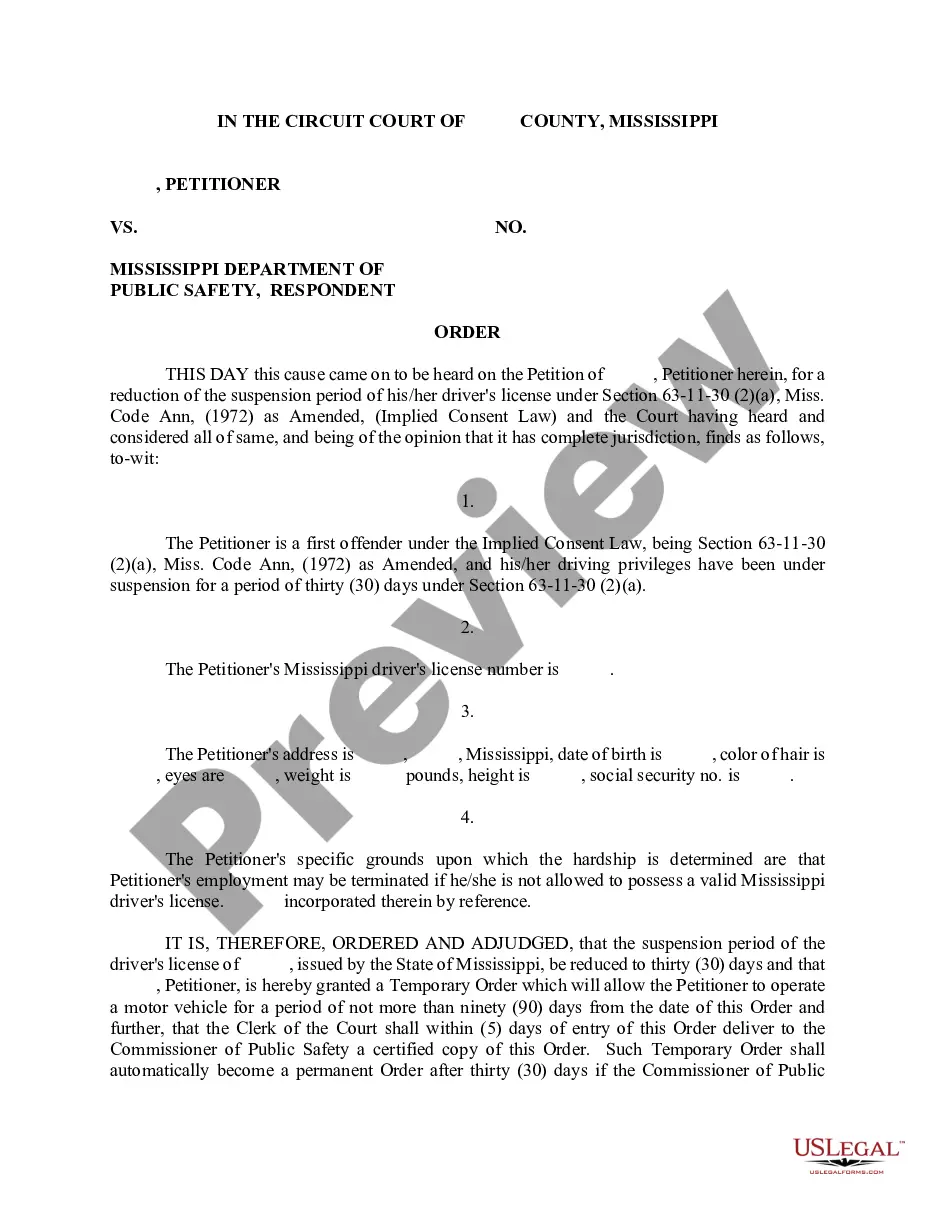
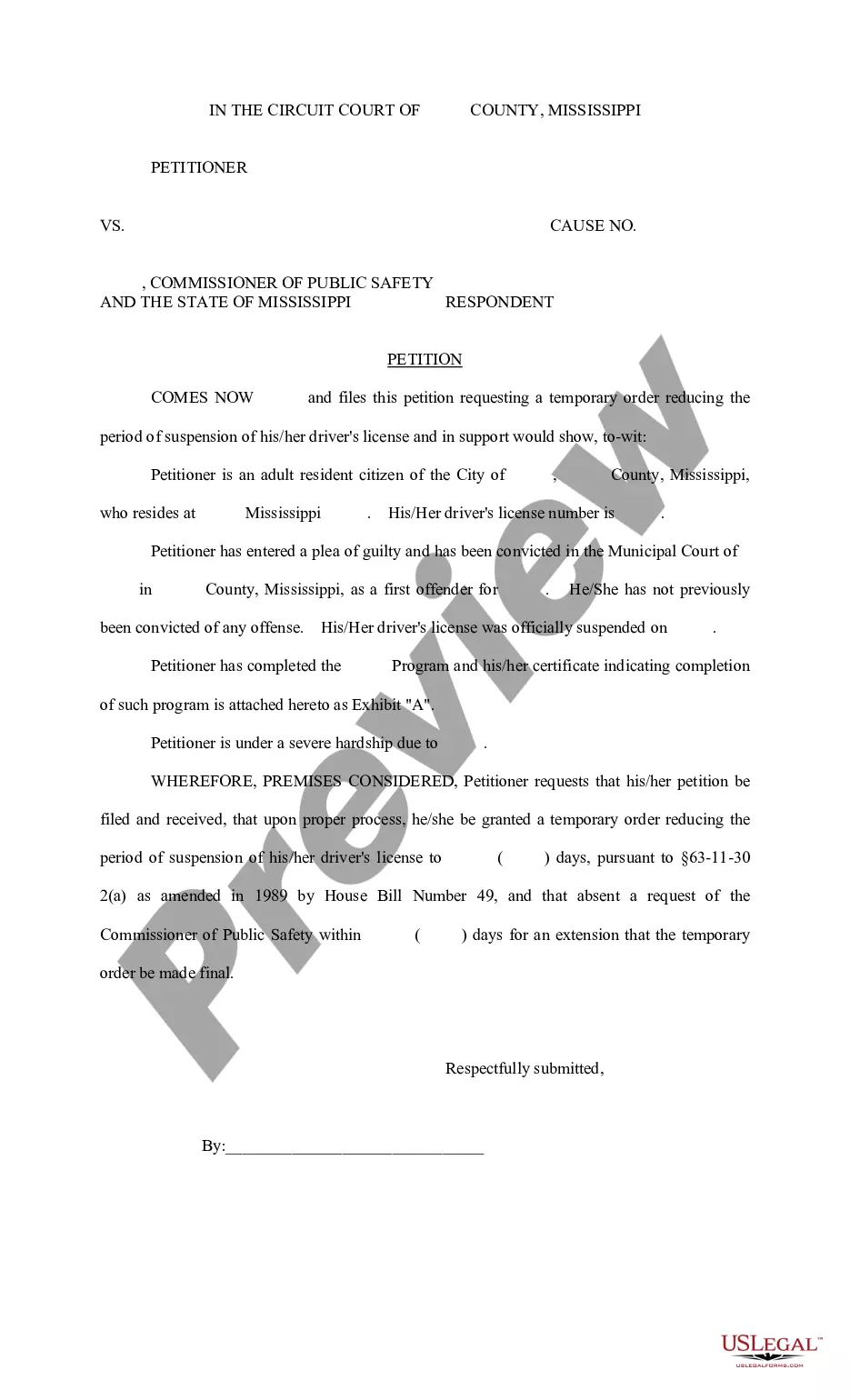
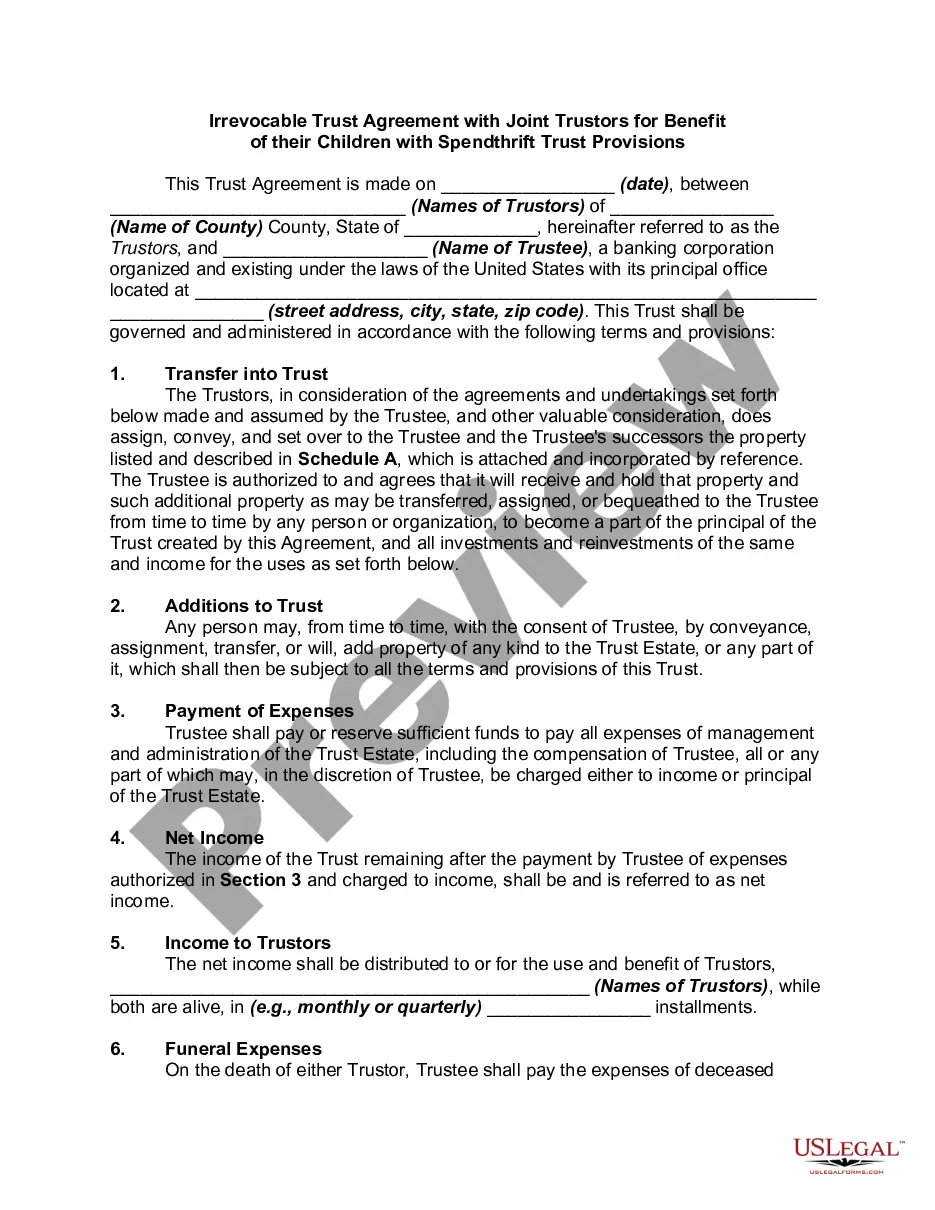
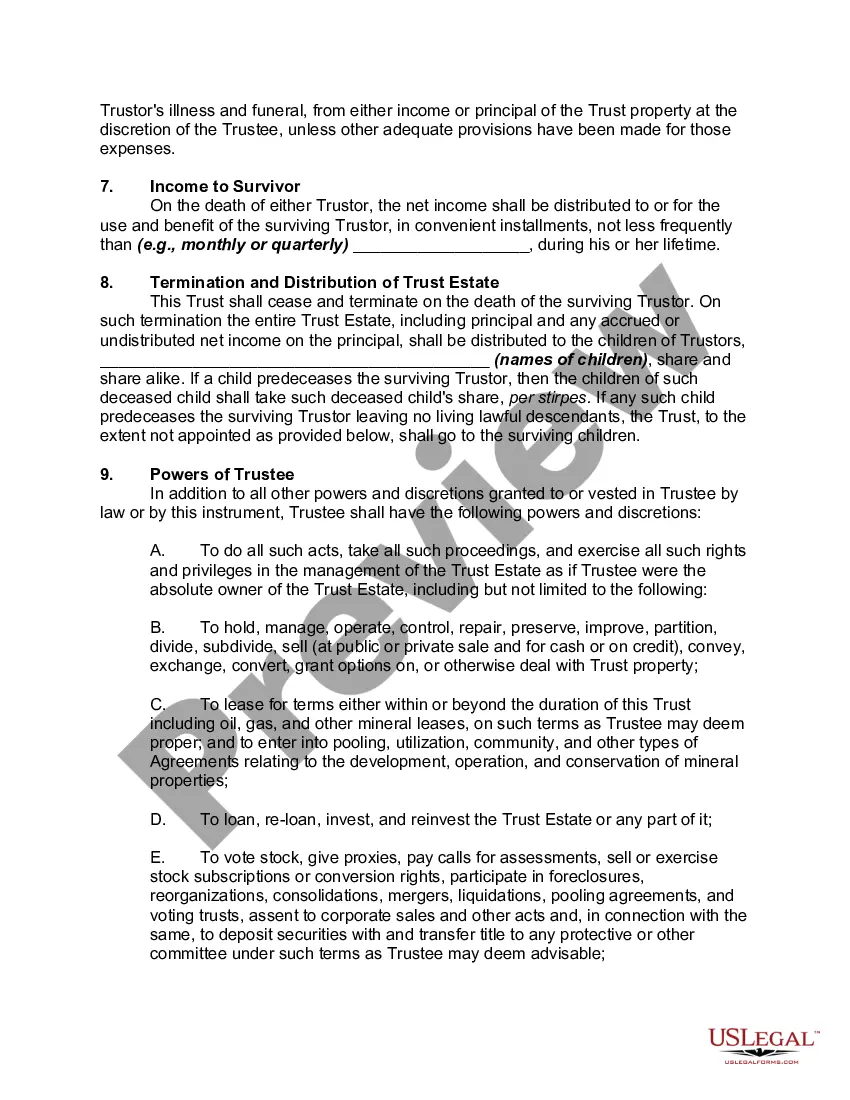
Irrevocable Trust Agreement With Spendthrift Provision
Description
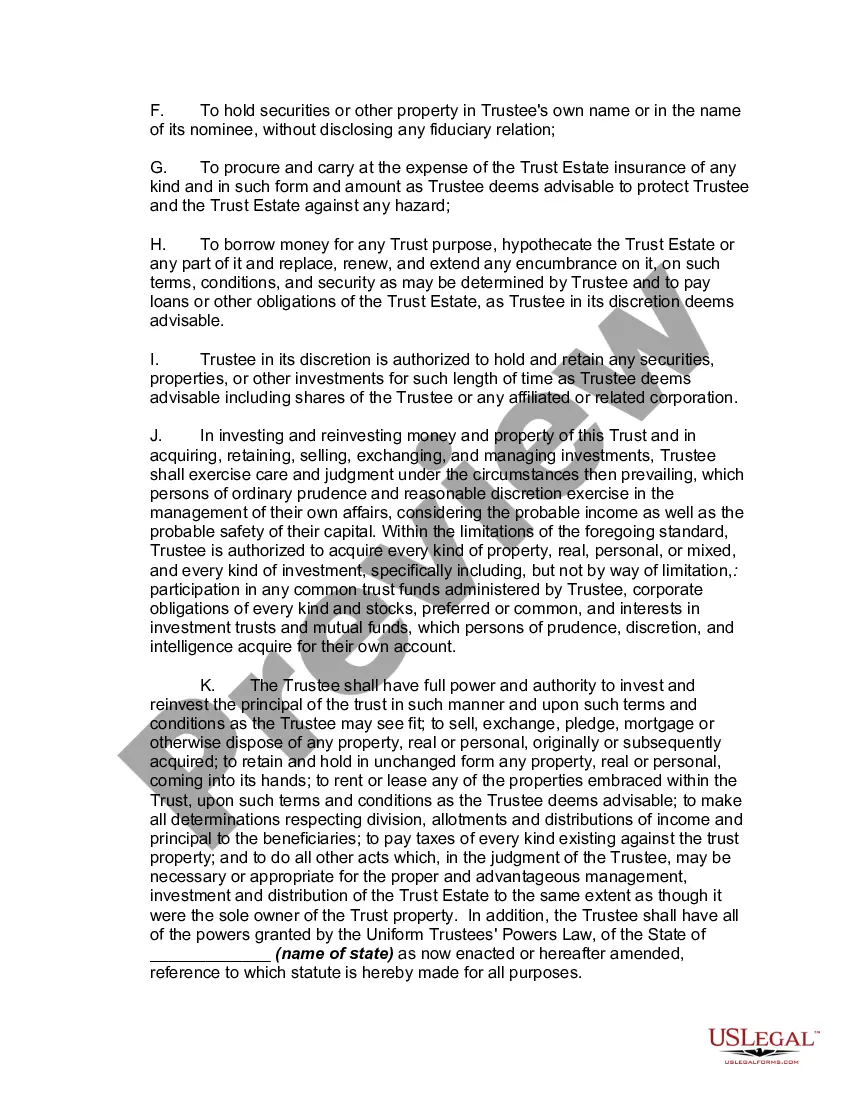
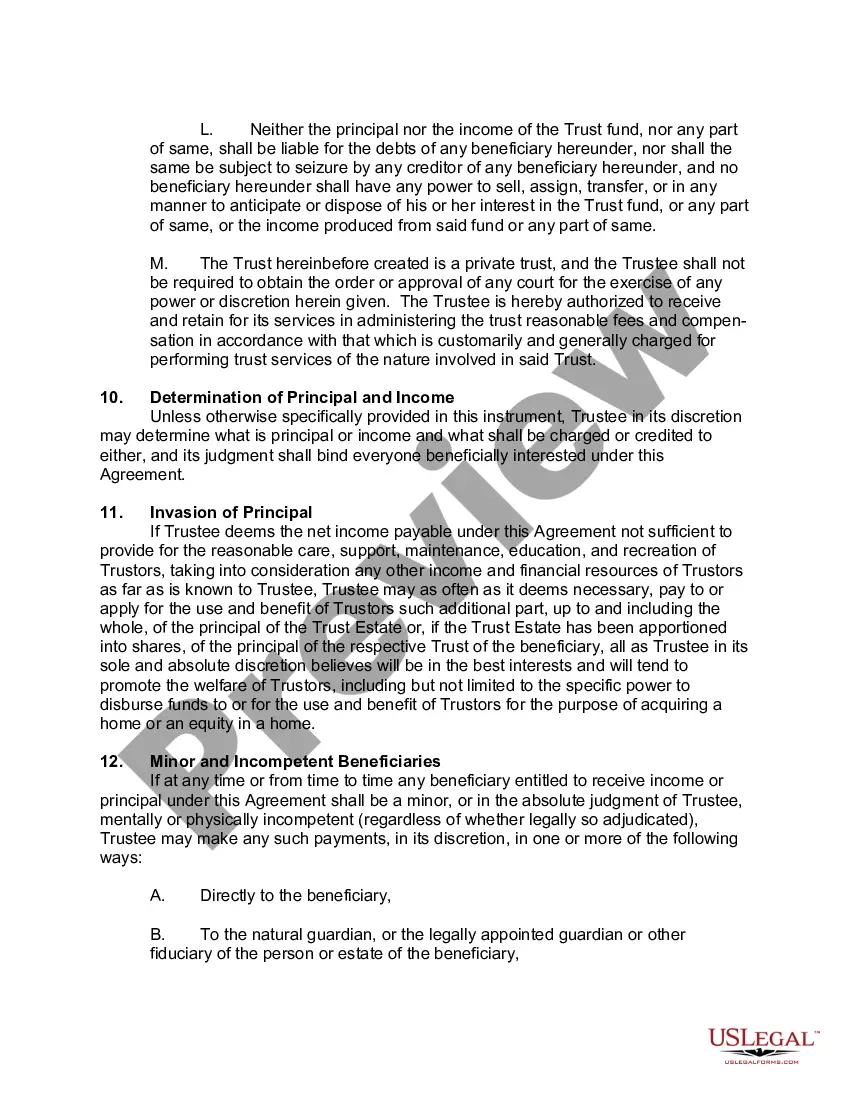
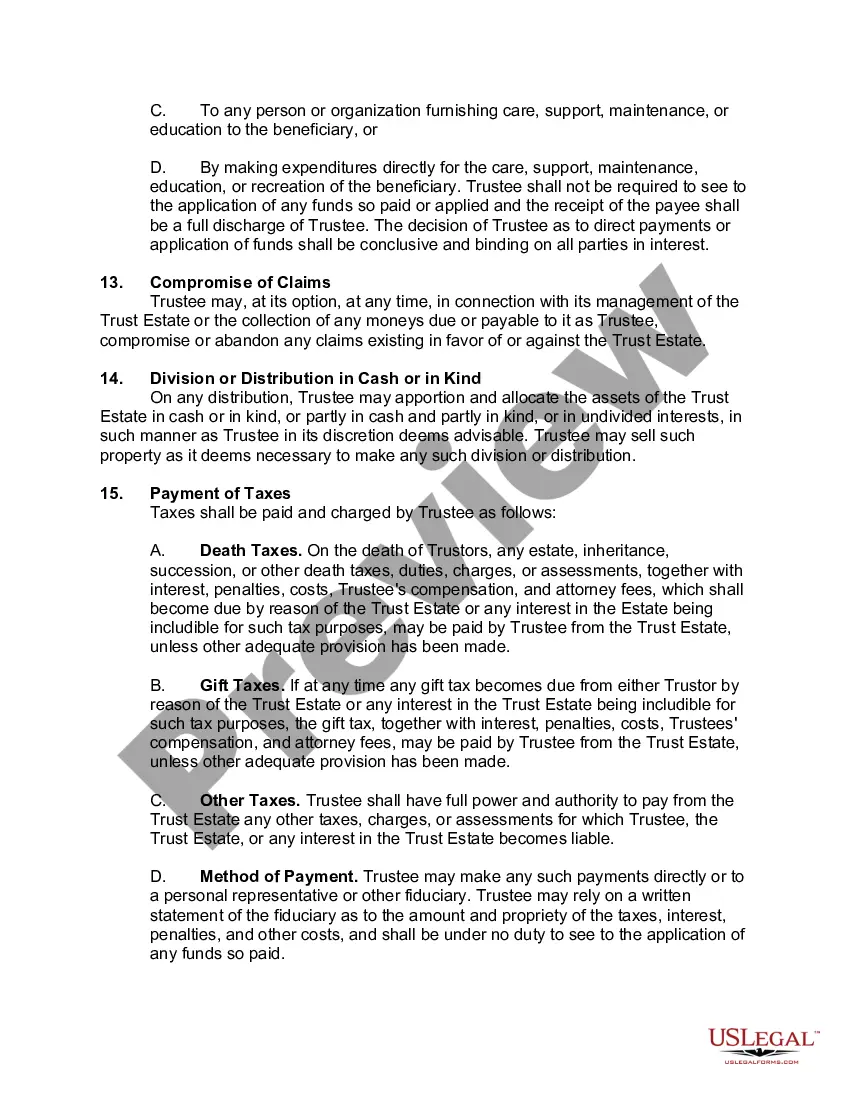
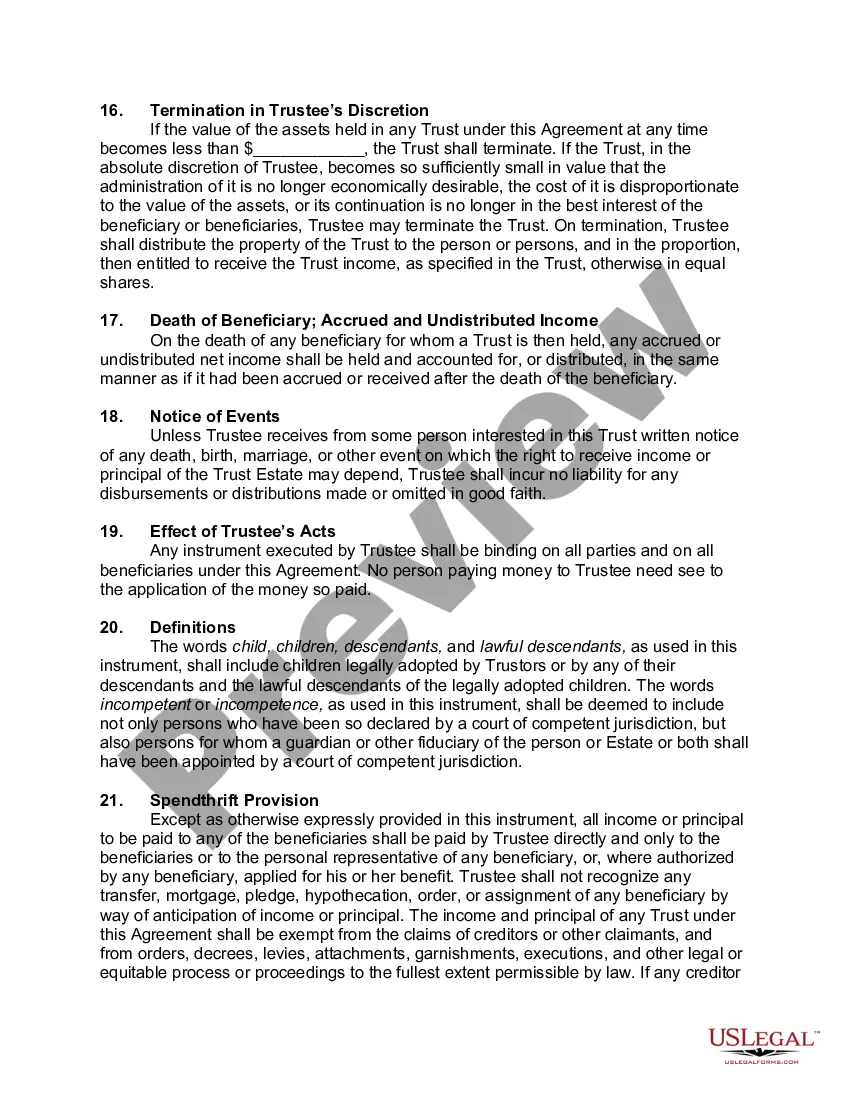
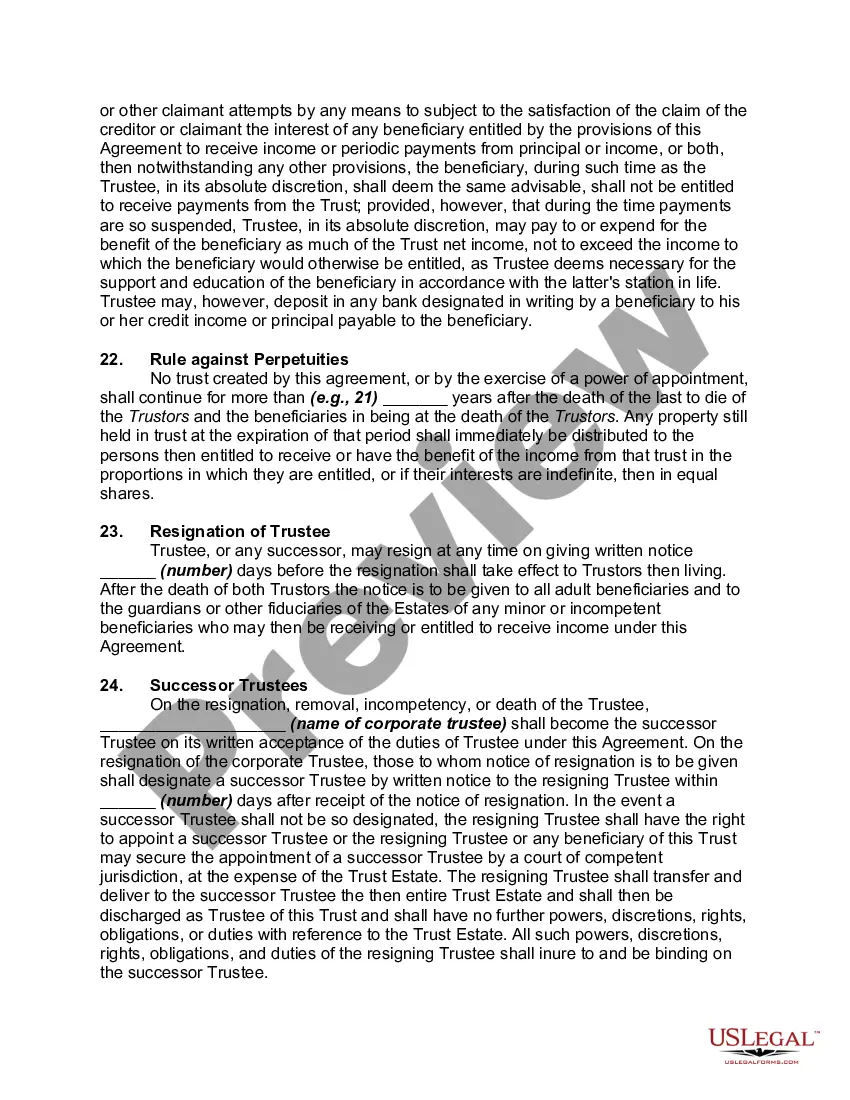
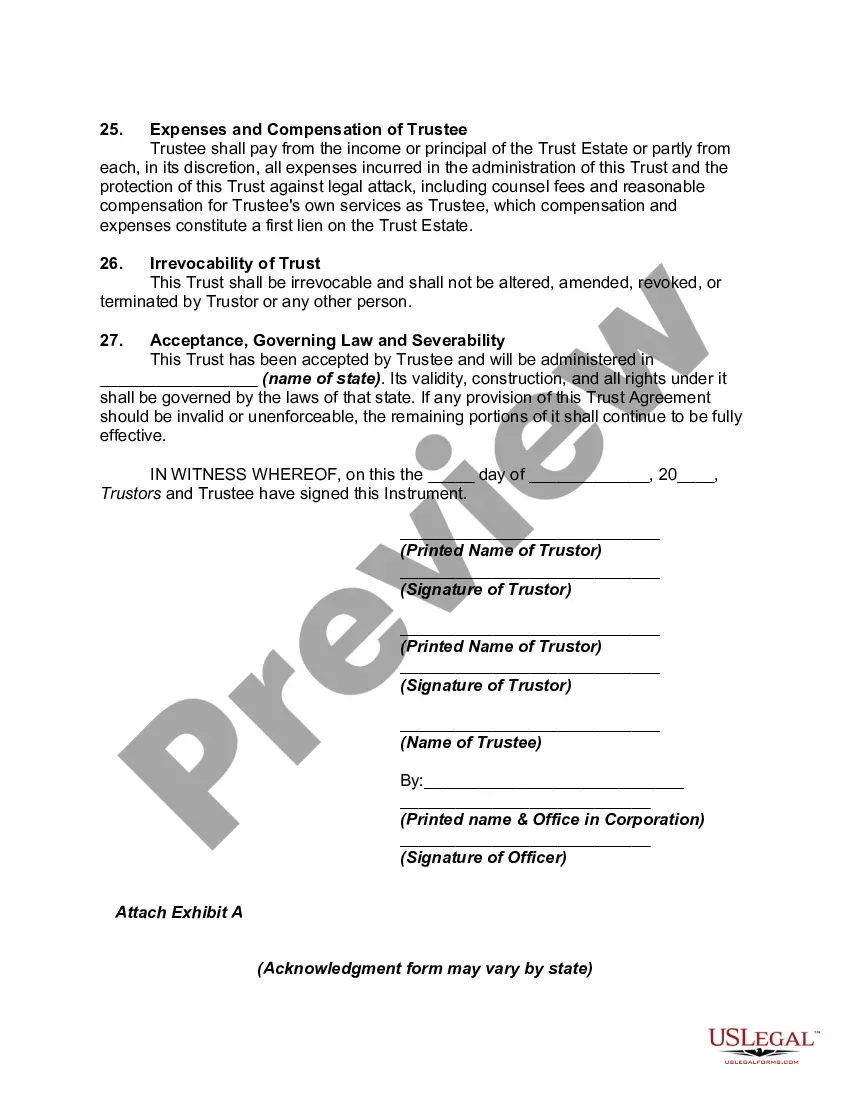
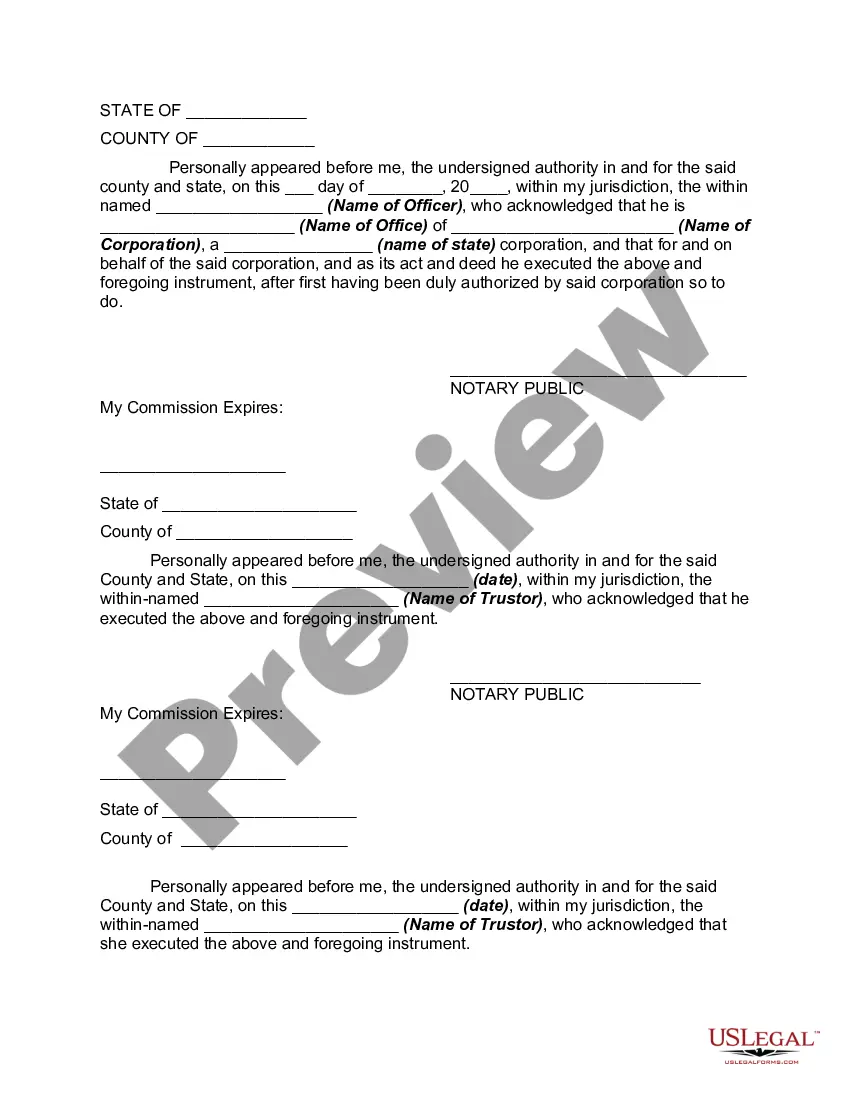
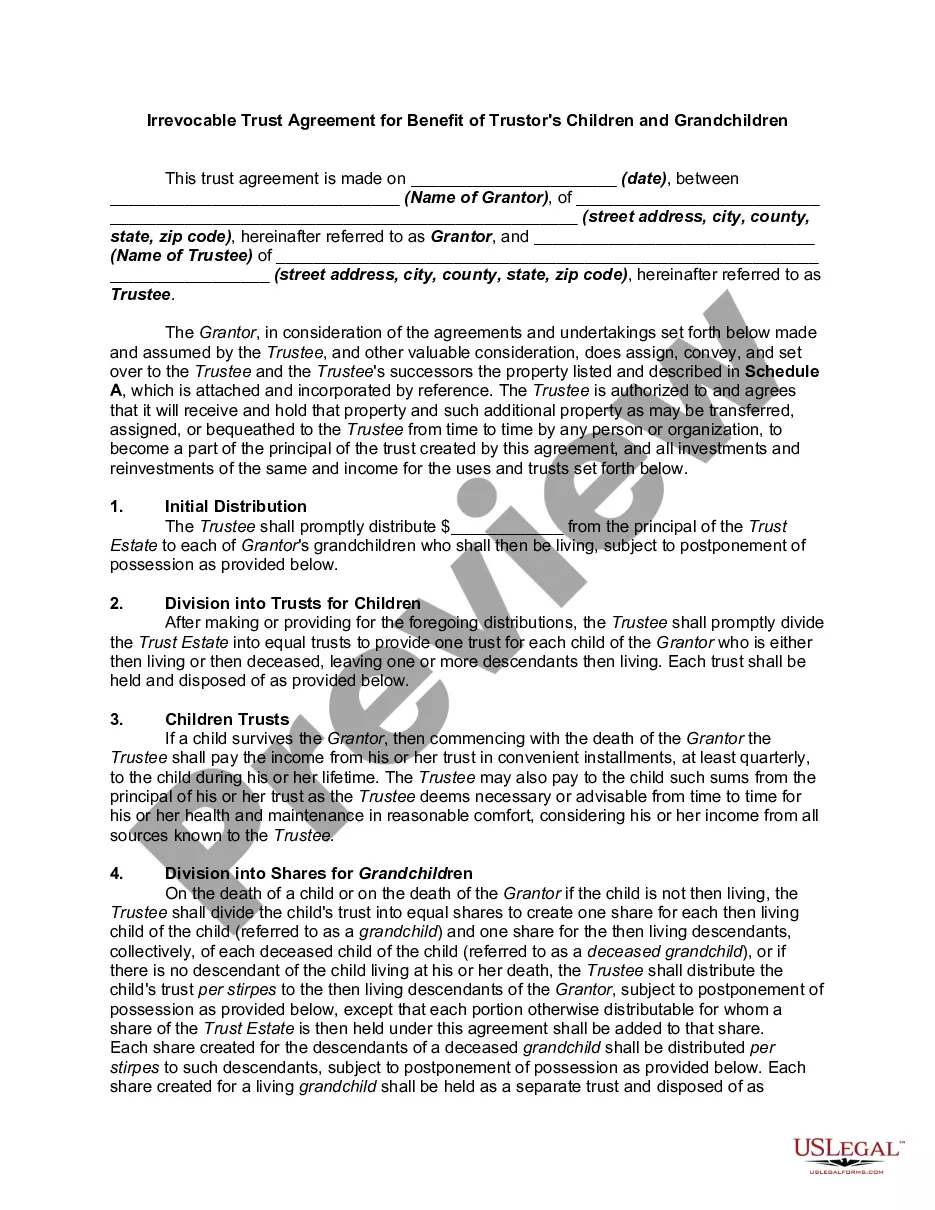
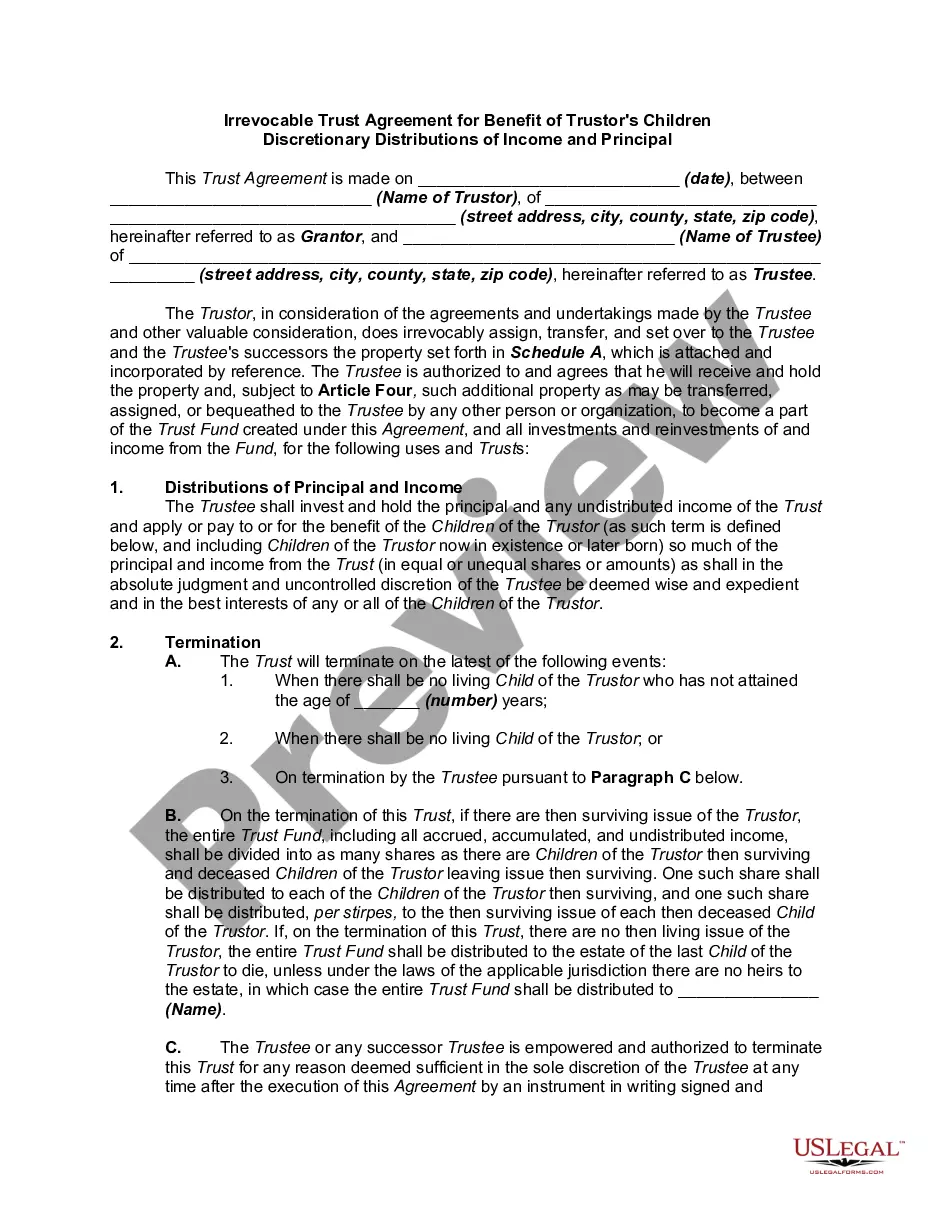
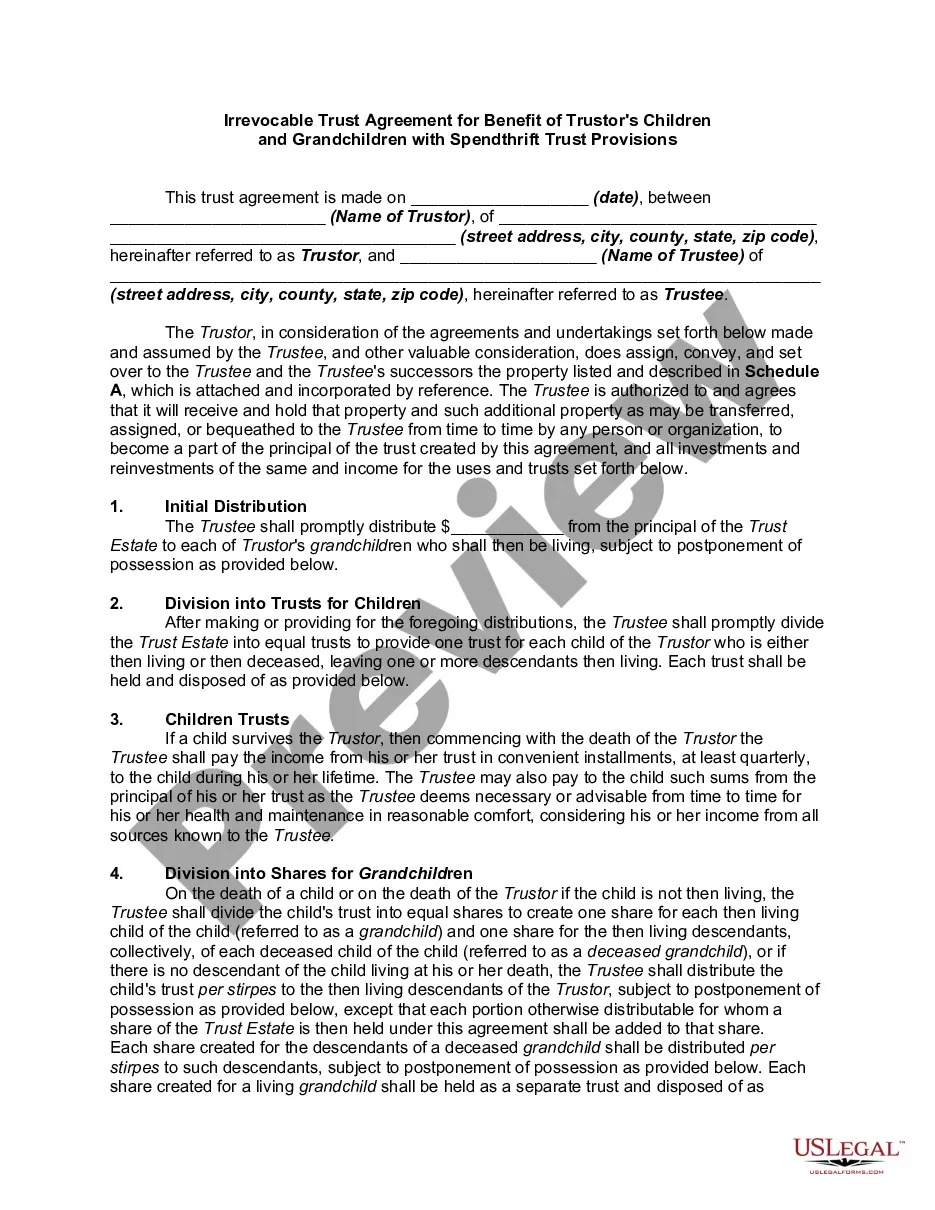
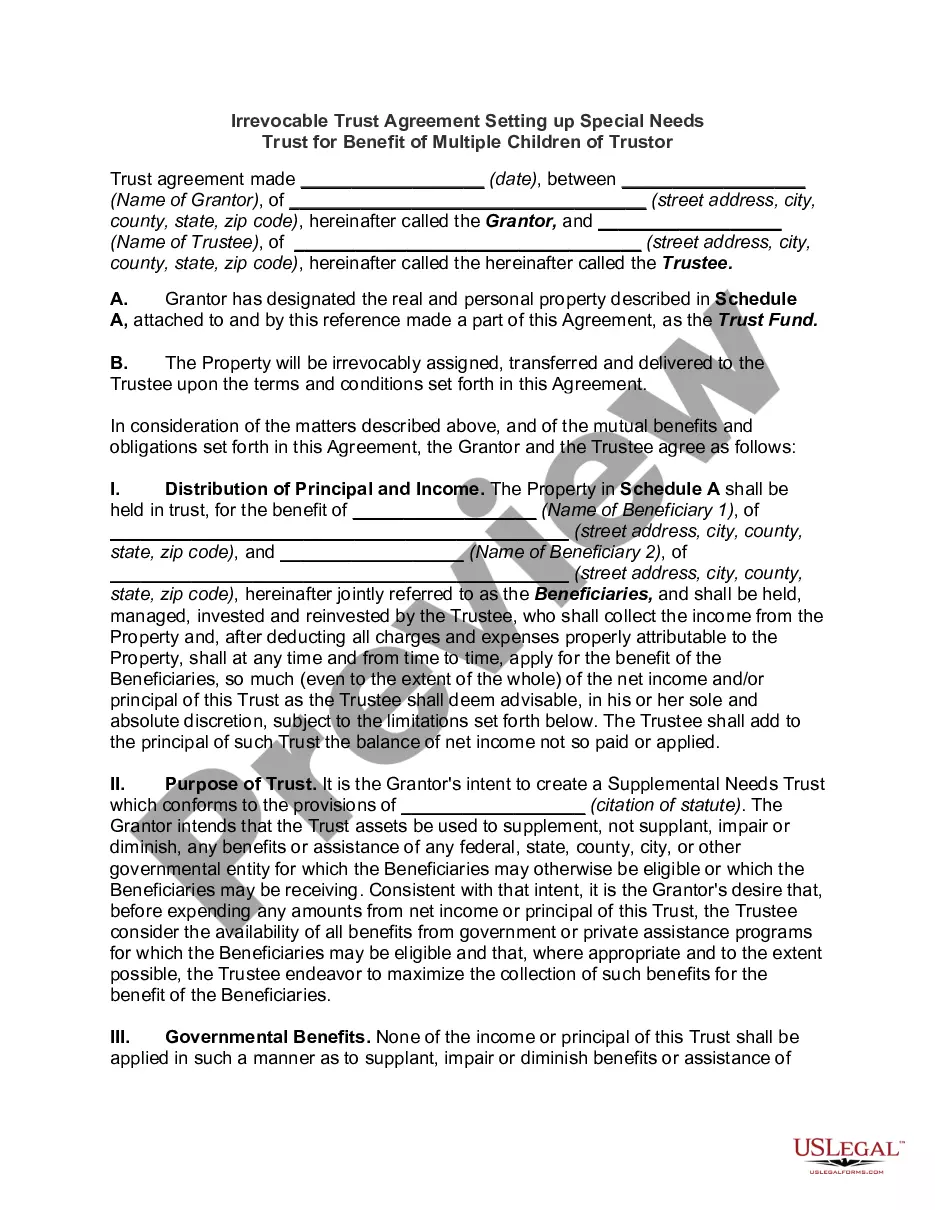
Get your form ready online
Our built-in tools help you complete, sign, share, and store your documents in one place.
Make edits, fill in missing information, and update formatting in US Legal Forms—just like you would in MS Word.
Download a copy, print it, send it by email, or mail it via USPS—whatever works best for your next step.
Sign and collect signatures with our SignNow integration. Send to multiple recipients, set reminders, and more. Go Premium to unlock E-Sign.
If this form requires notarization, complete it online through a secure video call—no need to meet a notary in person or wait for an appointment.
We protect your documents and personal data by following strict security and privacy standards.

Make edits, fill in missing information, and update formatting in US Legal Forms—just like you would in MS Word.

Download a copy, print it, send it by email, or mail it via USPS—whatever works best for your next step.

Sign and collect signatures with our SignNow integration. Send to multiple recipients, set reminders, and more. Go Premium to unlock E-Sign.

If this form requires notarization, complete it online through a secure video call—no need to meet a notary in person or wait for an appointment.

We protect your documents and personal data by following strict security and privacy standards.
Looking for another form?
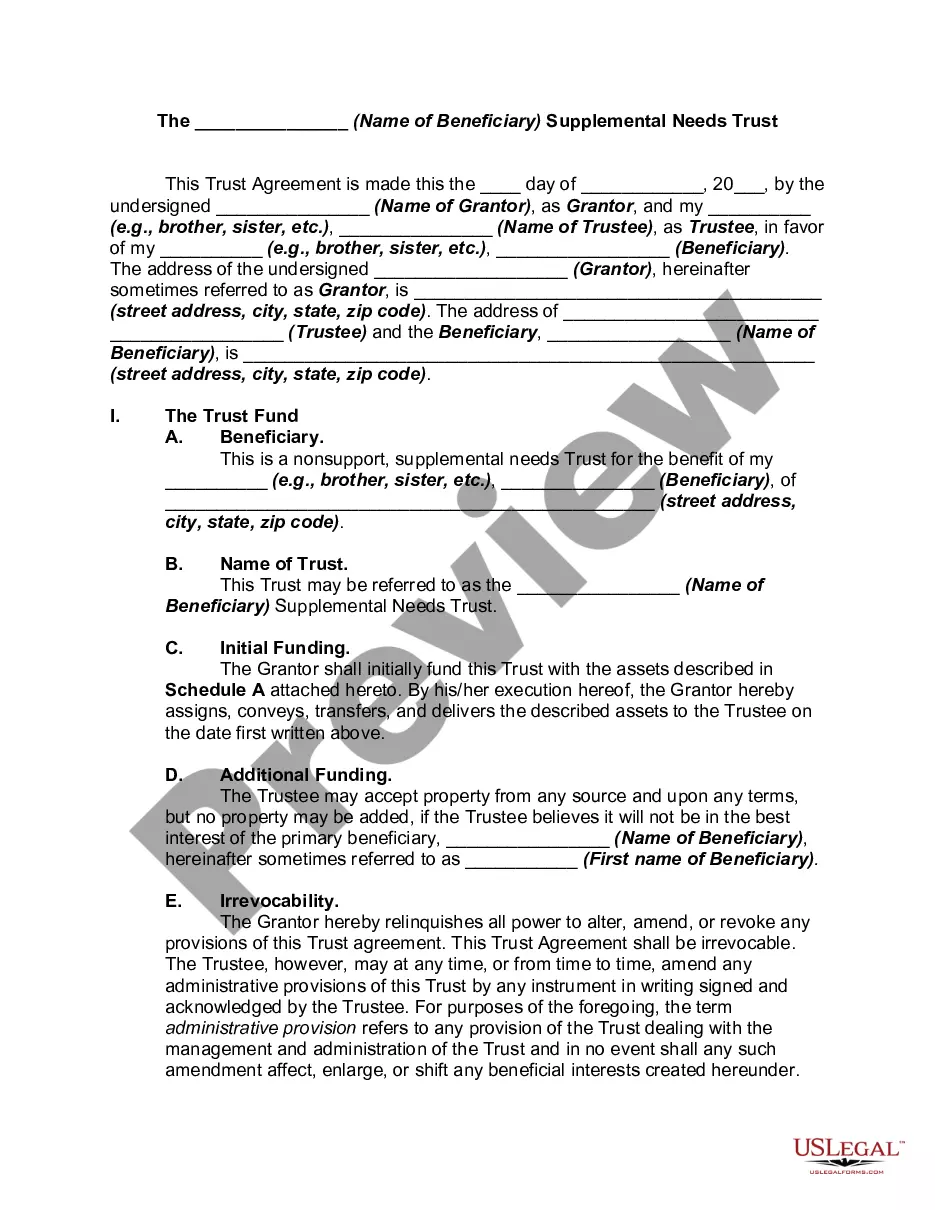

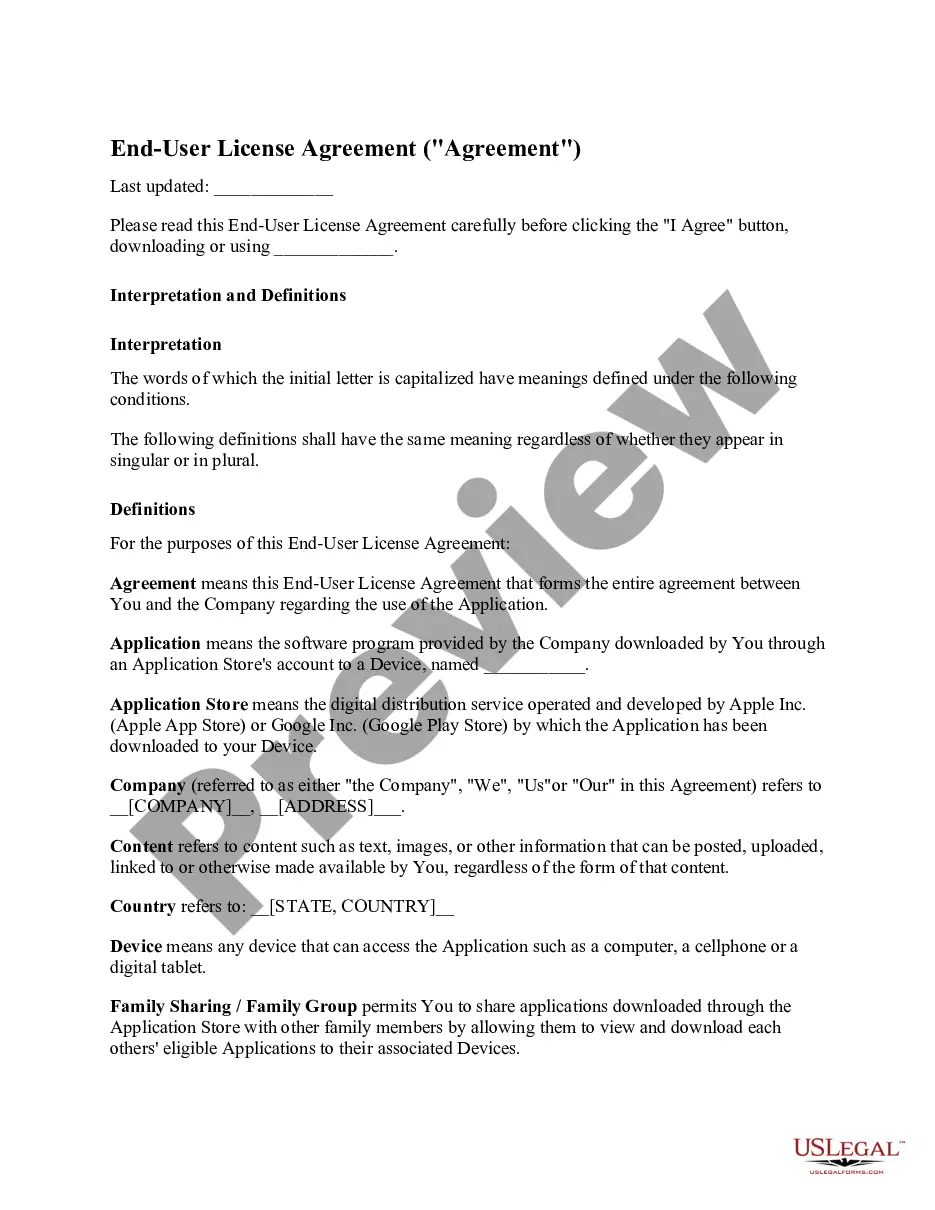




How to fill out Irrevocable Trust Agreement With Joint Trustors For Benefit Of Their Children With Spendthrift Trust Provisions?
Precisely formulated official documentation is among the essential assurances for preventing issues and legal disputes, but acquiring it without the assistance of a lawyer may consume time.
Whether you require a prompt solution for an updated Irrevocable Trust Agreement With Spendthrift Provision or any other forms related to employment, family, or business matters, US Legal Forms is always available to assist.
The process is even simpler for existing users of the US Legal Forms library. If your subscription is active, all you need to do is Log In to your account and click on the Download button next to the selected document. Furthermore, you can access the Irrevocable Trust Agreement With Spendthrift Provision at any time later, as all documents obtained on the platform remain accessible under the My documents tab of your profile. Conserve time and finance on preparing official documentation. Try US Legal Forms immediately!
- Ensure that the document aligns with your circumstances and location by reviewing the description and preview.
- Search for additional examples (if necessary) using the Search bar in the page header.
- Select Buy Now once you find the appropriate template.
- Choose the pricing plan, Log In to your account or create a new one.
- Pick your preferred payment method to purchase the subscription plan (via credit card or PayPal).
- Select PDF or DOCX file format for your Irrevocable Trust Agreement With Spendthrift Provision.
- Click Download, then print the template to complete it or upload it to an online editor.
Form popularity
FAQ
A spendthrift clause is a provision in a trust that prevents creditors of any beneficiary from touching the assets as long as they remain in the trust. It basically disenfranchises creditors completely even in bankruptcy. They're recognized in all 50 States. They're recognized in England.
The grantor can be the trustee of the trust or he or she can name someone else to do the job. The grantor should also name a successor trustee who would take over when the grantor dies. The beneficiary cannot be a trustee.
At its initial set-up, a spendthrift trust works like any other trust. You choose assets to place in the trustmoney, property, etc. and transfer them into it. You name a beneficiary, who is the person who will benefit from the trust.
A spendthrift clause refers to a clause creating a spendthrift trust which limits the ability of assets to be reached by the beneficiary or their creditors.
A spendthrift clause is a provision in a trust most trusts contain one that prevents a trust beneficiary from using a future distribution to secure credit. The clause also prohibits payment to a creditor if it extends credit to a beneficiary based on future distributions.