Pllc With With 0
Description
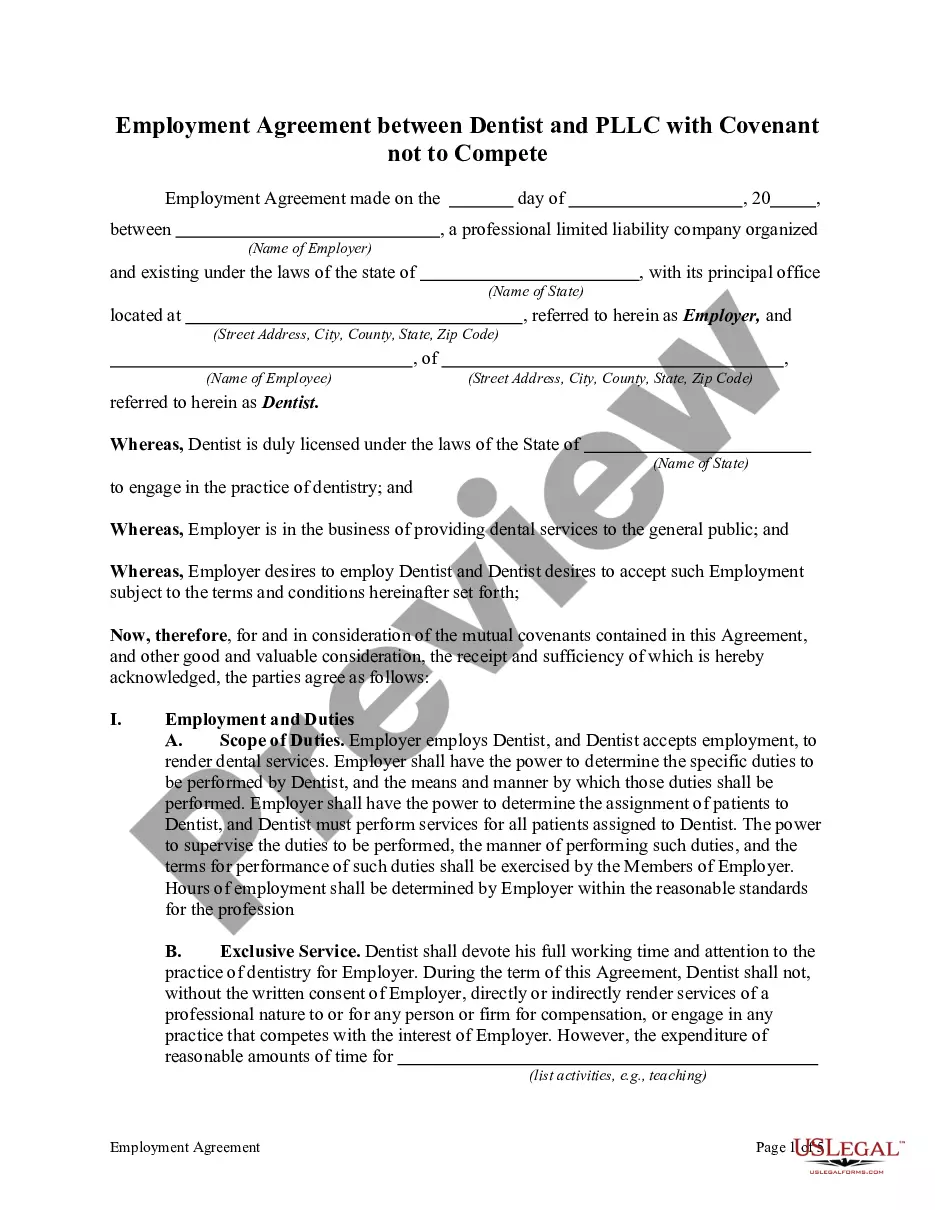
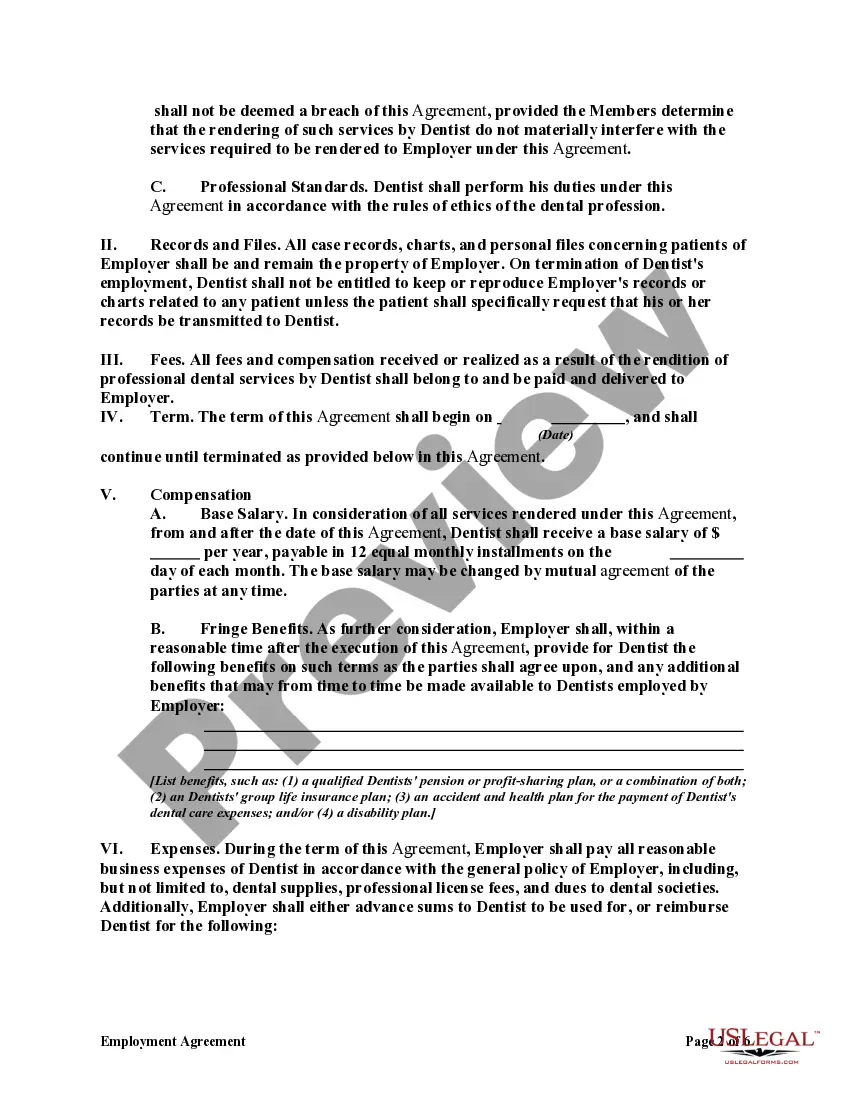
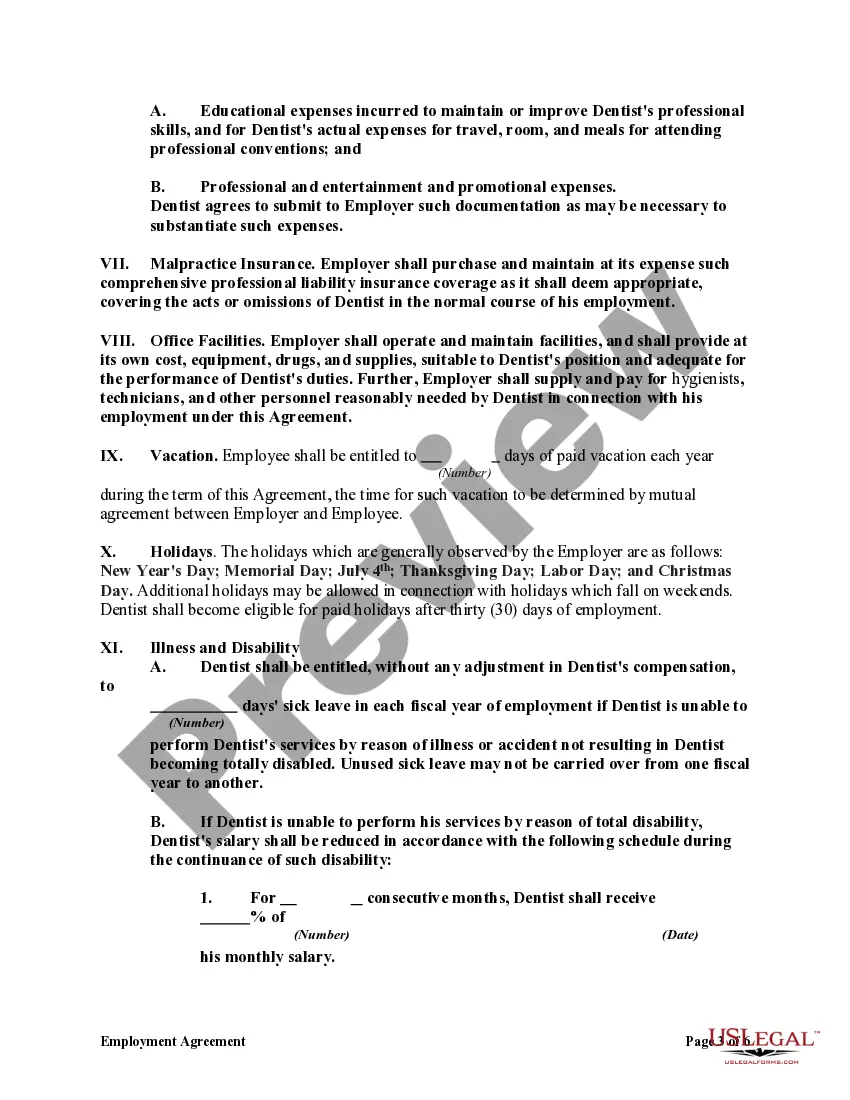

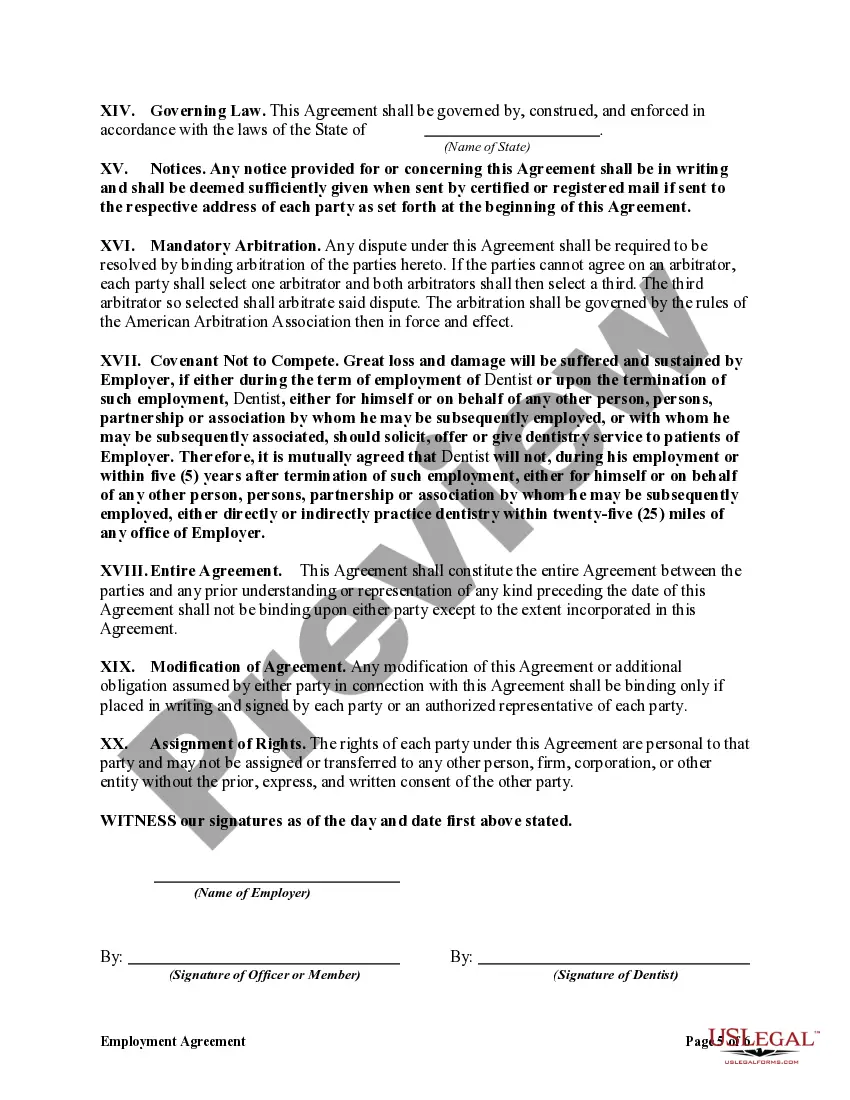

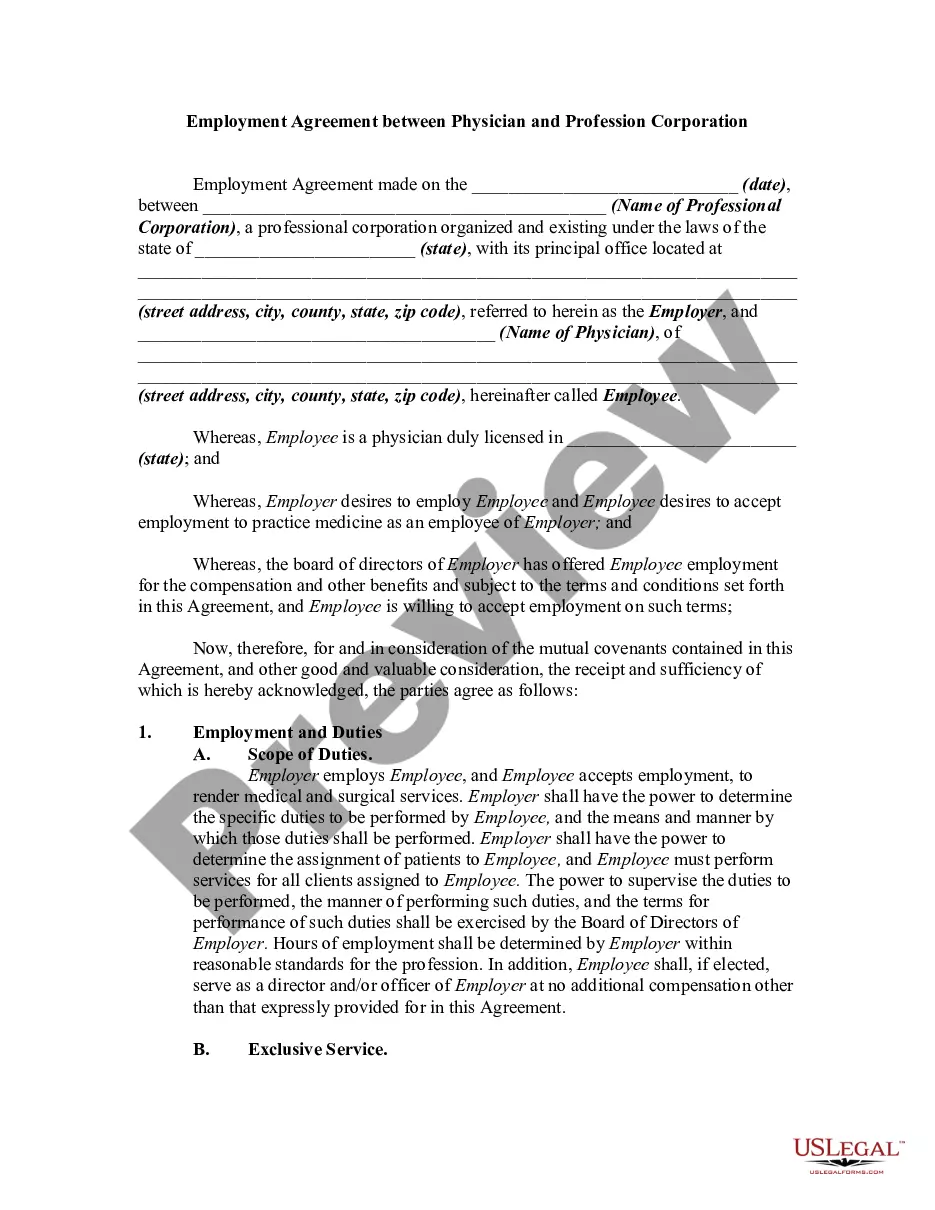
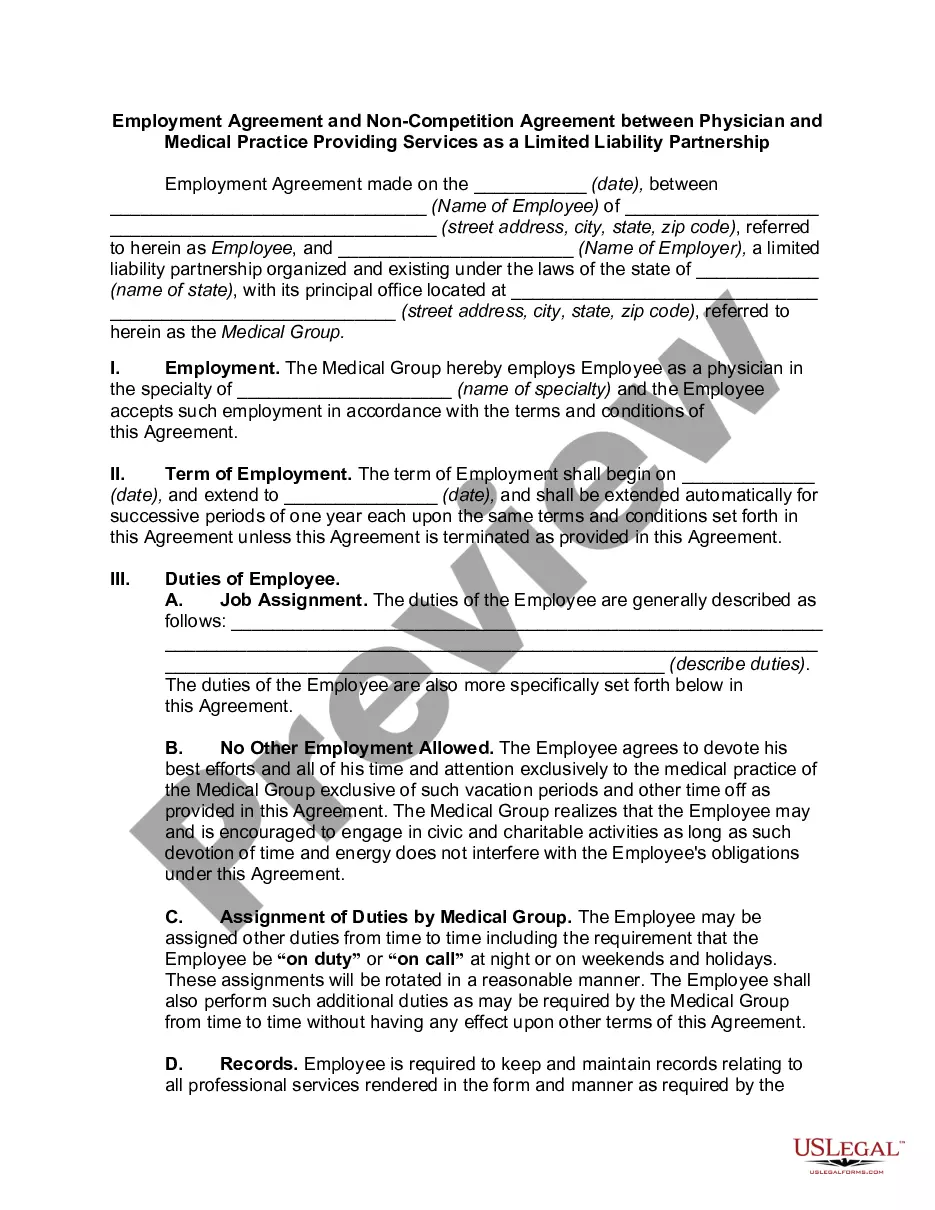
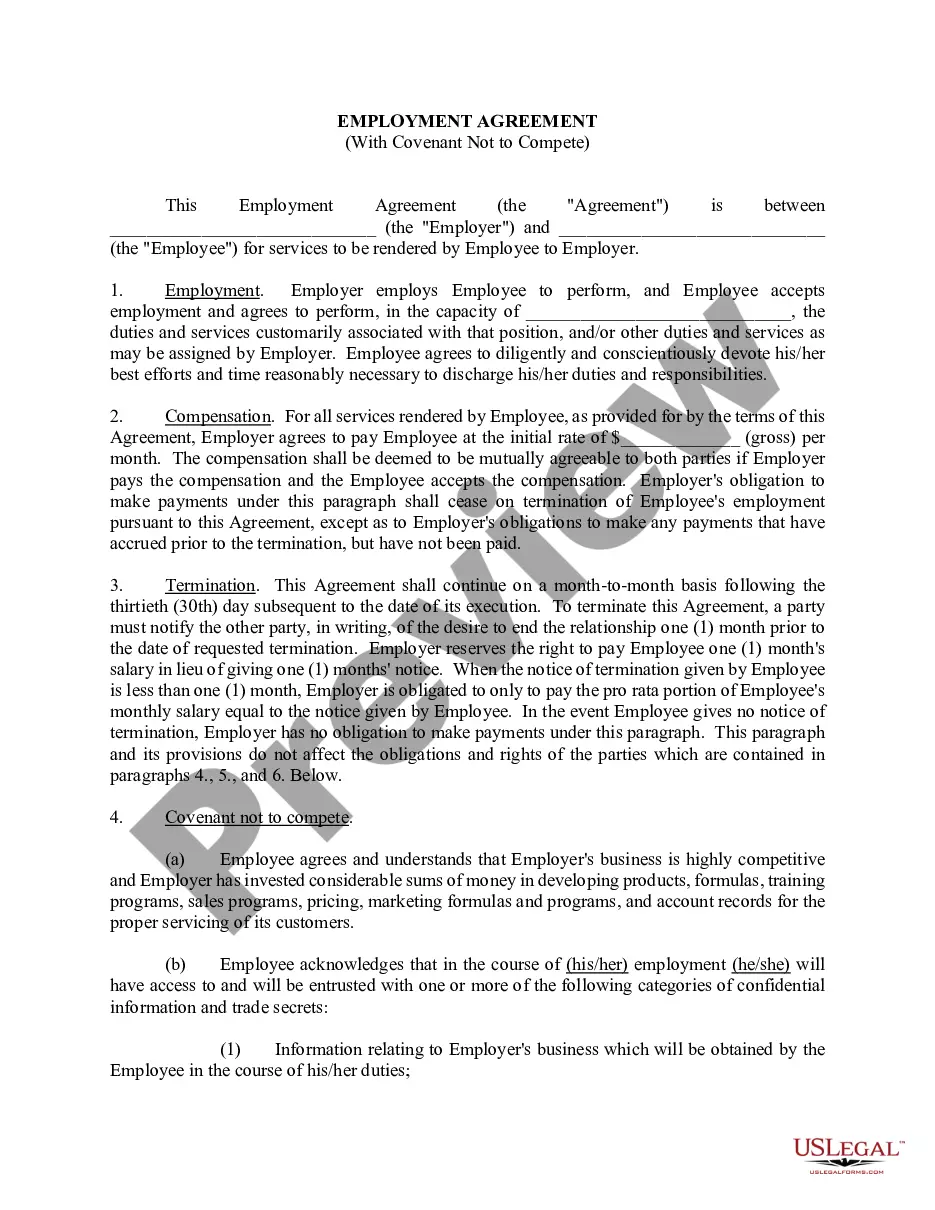
Get your form ready online
Our built-in tools help you complete, sign, share, and store your documents in one place.
Make edits, fill in missing information, and update formatting in US Legal Forms—just like you would in MS Word.
Download a copy, print it, send it by email, or mail it via USPS—whatever works best for your next step.
Sign and collect signatures with our SignNow integration. Send to multiple recipients, set reminders, and more. Go Premium to unlock E-Sign.
If this form requires notarization, complete it online through a secure video call—no need to meet a notary in person or wait for an appointment.
We protect your documents and personal data by following strict security and privacy standards.

Make edits, fill in missing information, and update formatting in US Legal Forms—just like you would in MS Word.

Download a copy, print it, send it by email, or mail it via USPS—whatever works best for your next step.

Sign and collect signatures with our SignNow integration. Send to multiple recipients, set reminders, and more. Go Premium to unlock E-Sign.

If this form requires notarization, complete it online through a secure video call—no need to meet a notary in person or wait for an appointment.

We protect your documents and personal data by following strict security and privacy standards.
Looking for another form?

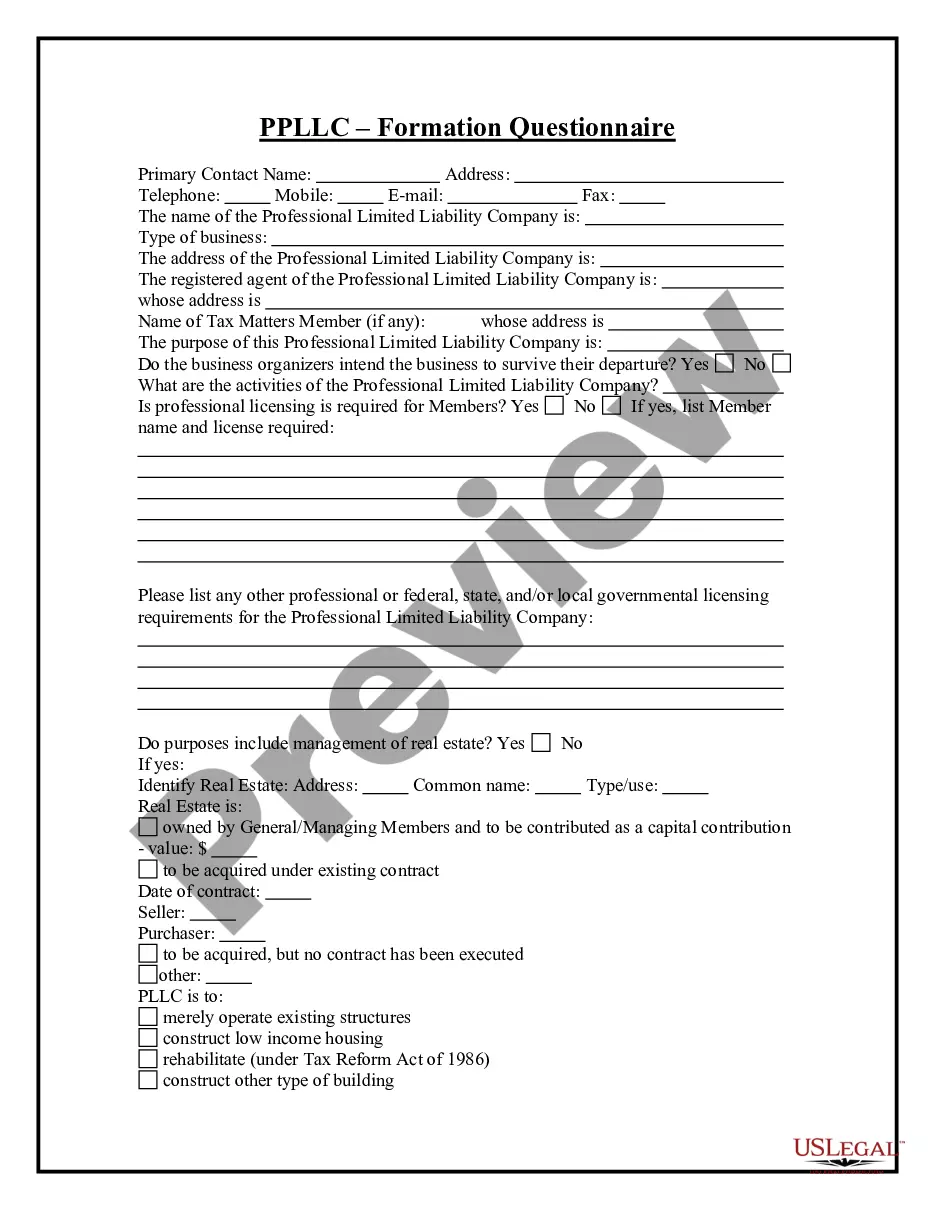
How to fill out Employment Agreement Between Dentist And PLLC With Covenant Not To Compete?
- Log in to your account if you’re already a user, or create a new account if you’re using US Legal Forms for the first time.
- Review the Preview mode and form description carefully to ensure you've chosen the correct document that fulfills your local jurisdiction’s requirements.
- If the initial document doesn’t match your needs, utilize the Search tab to find the appropriate template that suits your situation.
- Select the document and click the Buy Now button to choose your preferred subscription plan. You will need to register to access the full library.
- Complete your transaction by providing payment details via credit card or PayPal, ensuring you gain access to premium content.
- Finally, download your form to your device, where you can access it anytime through the My Forms menu in your profile.
Once you've followed these steps, you’ll have your Pllc with 0 ready for use. US Legal Forms not only provides you with numerous options and templates, but also supports you with legal expertise, ensuring your documents are accurate and compliant.
Start exploring the extensive collection today and empower yourself with the legal forms needed for success!
Form popularity
FAQ
The naming requirements for a PLLC dictate that the name must clearly state its professional status. This means including 'PLLC' or 'Professional Limited Liability Company' in the name. It's also important to ensure that the name does not include terms that are misleading or prohibited by state law. Consulting your state’s business registration office can help you navigate these requirements effectively.
While a PLLC provides personal liability protection, it can have some drawbacks. One disadvantage is that the formation process may be more complex compared to sole proprietorships. Additionally, some states impose higher fees and annual reporting requirements on PLLCs. Therefore, it's essential to evaluate if the benefits of forming a PLLC outweigh these potential disadvantages.
A PLLC name must include the words 'Professional Limited Liability Company' or the abbreviation 'PLLC' to indicate its business structure. Additionally, the name should not be confusingly similar to another registered business name in your state. It is also advisable to avoid restricted words that could mislead the public. Always check your state's regulations before finalizing your PLLC name.
To form a PLLC, start by choosing a name that complies with your state's guidelines. Next, file the Articles of Organization with your state's Secretary of State. Don’t forget to create an operating agreement that outlines the management structure and ownership of the PLLC. Finally, ensure you obtain any necessary licenses and permits for your specific profession.
Yes, obtaining an Employer Identification Number (EIN) for a PLLC is usually necessary. This number allows you to open a business bank account, hire employees, and file taxes properly. Utilizing platforms like USLegalForms can streamline the EIN application process, ensuring your PLLC is established correctly and efficiently.
While ownership typically requires a member to hold a stake, there are scenarios where an individual can be recognized as a member without formal ownership. This arrangement often exists within specific agreements or operational structures. For a PLLC with 0% ownership, clarify roles and expectations through clear documentation to protect all members' interests.
An LLC must have at least one member to be valid and recognized legally. Therefore, it cannot operate with zero members, as this undermines its structure. When considering a PLLC with 0%, it’s crucial to ensure at least one member exists to facilitate business operations and decision-making.
Yes, it is possible to be a member of an LLC without owning a designated percentage. Membership without ownership typically occurs through a contractual agreement outlining roles and contributions. It’s important to document such agreements clearly to avoid confusion regarding rights and responsibilities. If exploring a PLLC with 0% ownership, ensure your agreement accurately reflects your intended involvement.
To start a PLLC, you must select a unique business name and appoint a registered agent. Furthermore, filing articles of organization with your state's Secretary of State is essential. Gathering proper documentation ensures your PLLC is compliant and functional, allowing you to establish a strong foundation for growth.
Ownership refers to the percentage stake in the LLC, while membership indicates an individual's status as part of the LLC. A member contributes to the management and decisions of the business, while ownership outlines profit shares. When establishing a PLLC with 0%, these distinctions help clarify your involvement and rights.