Pllc With For Loops
Description
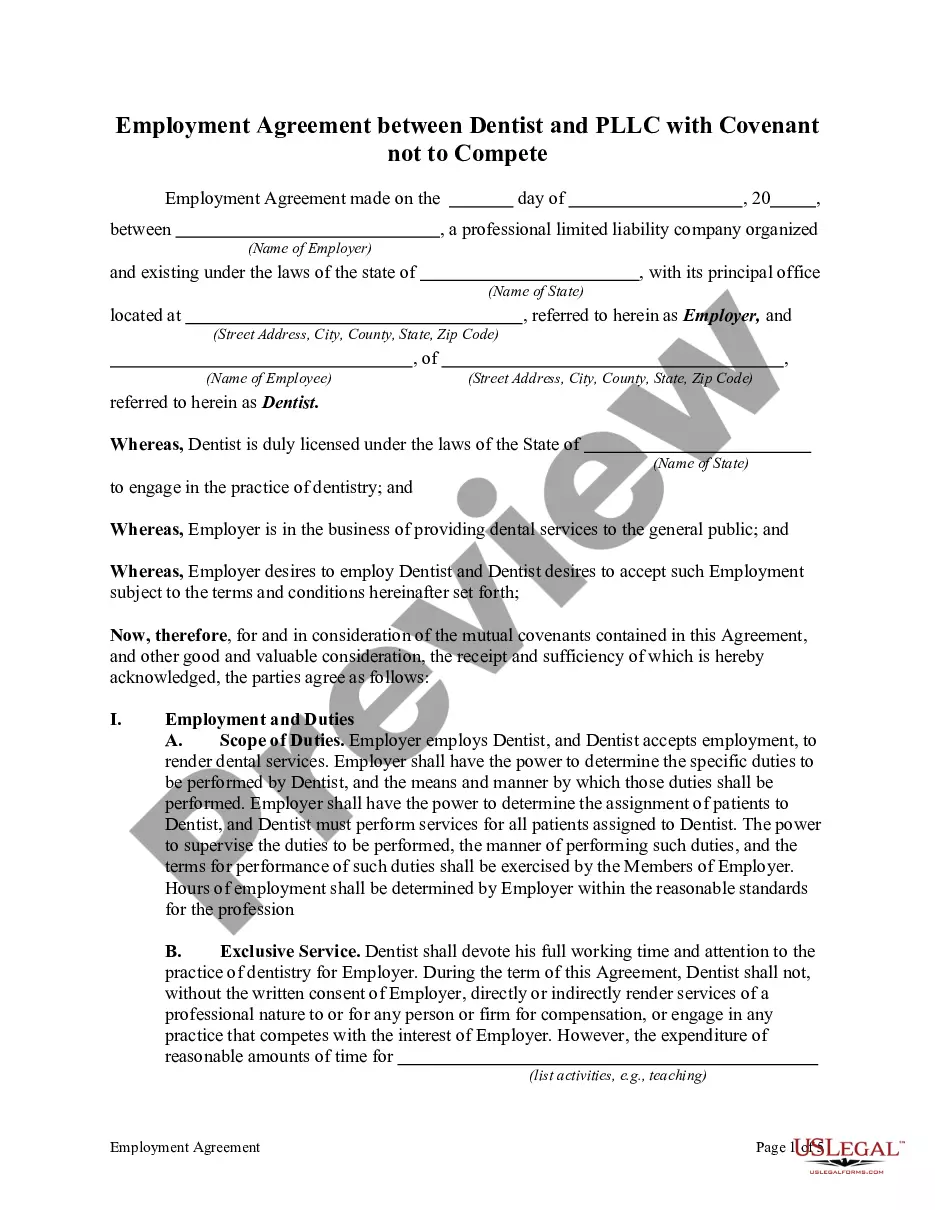
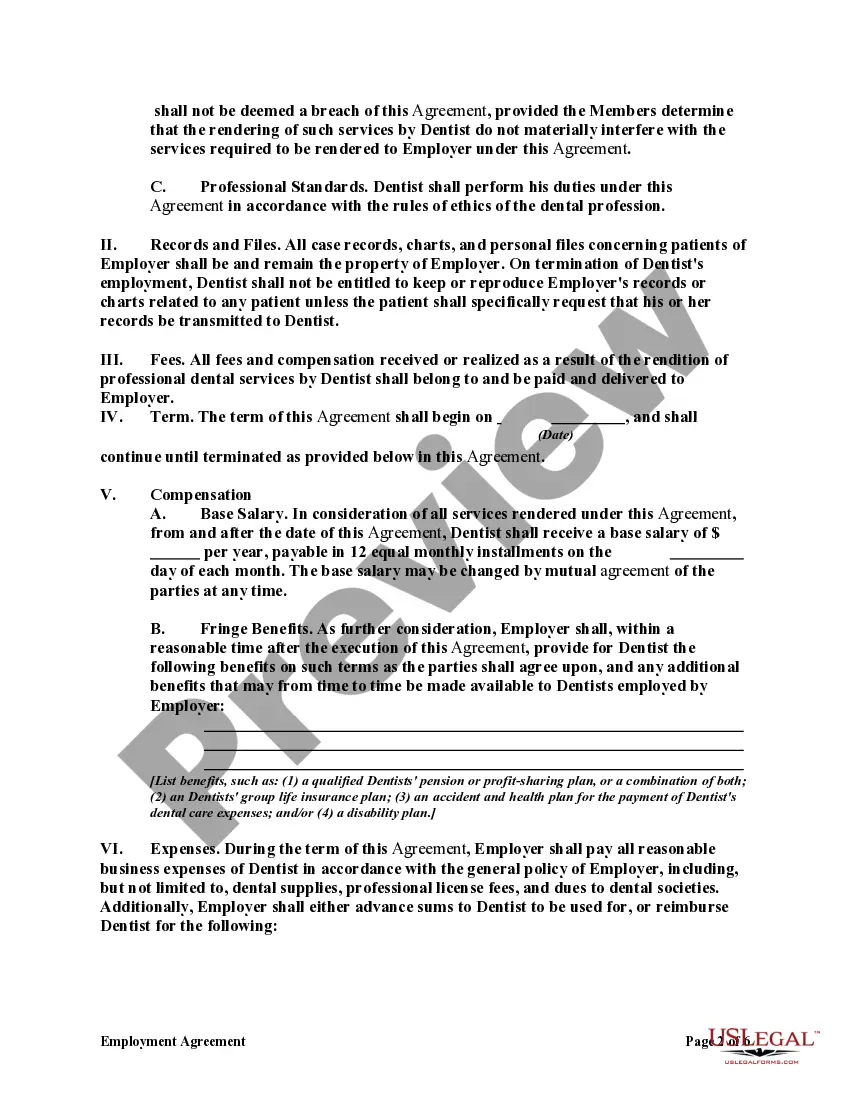
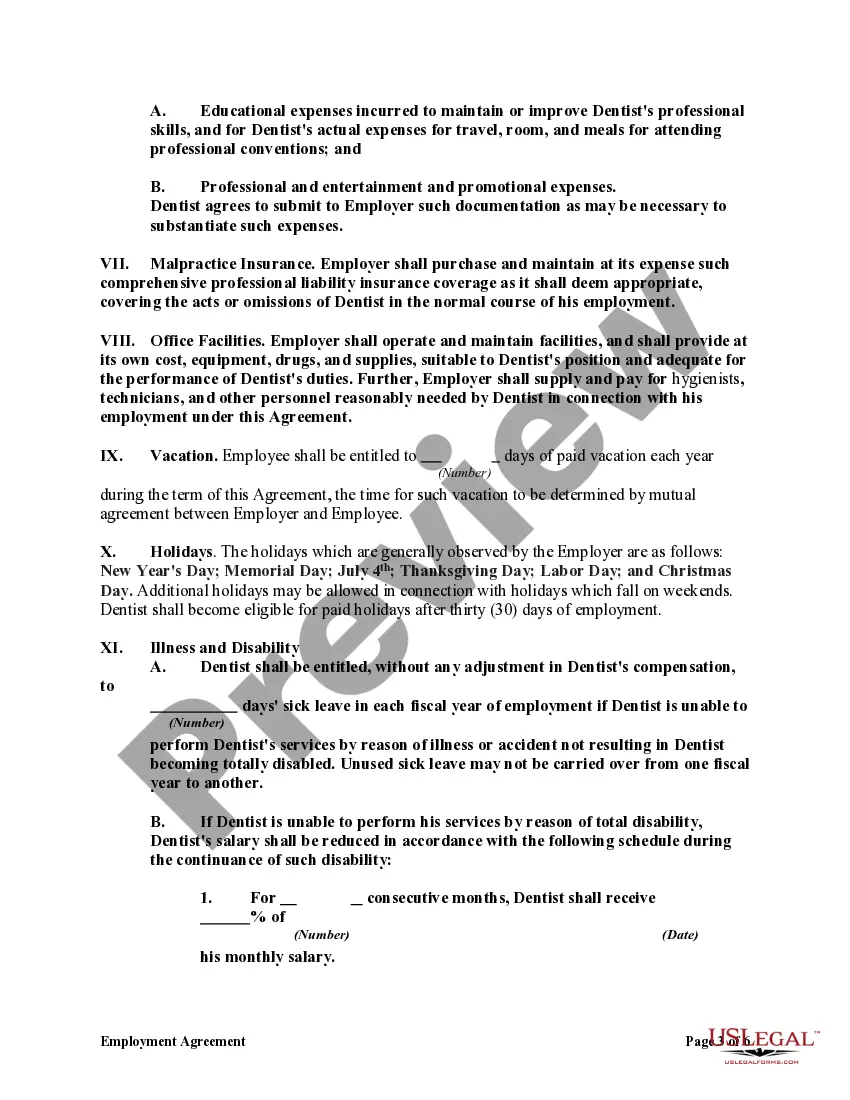

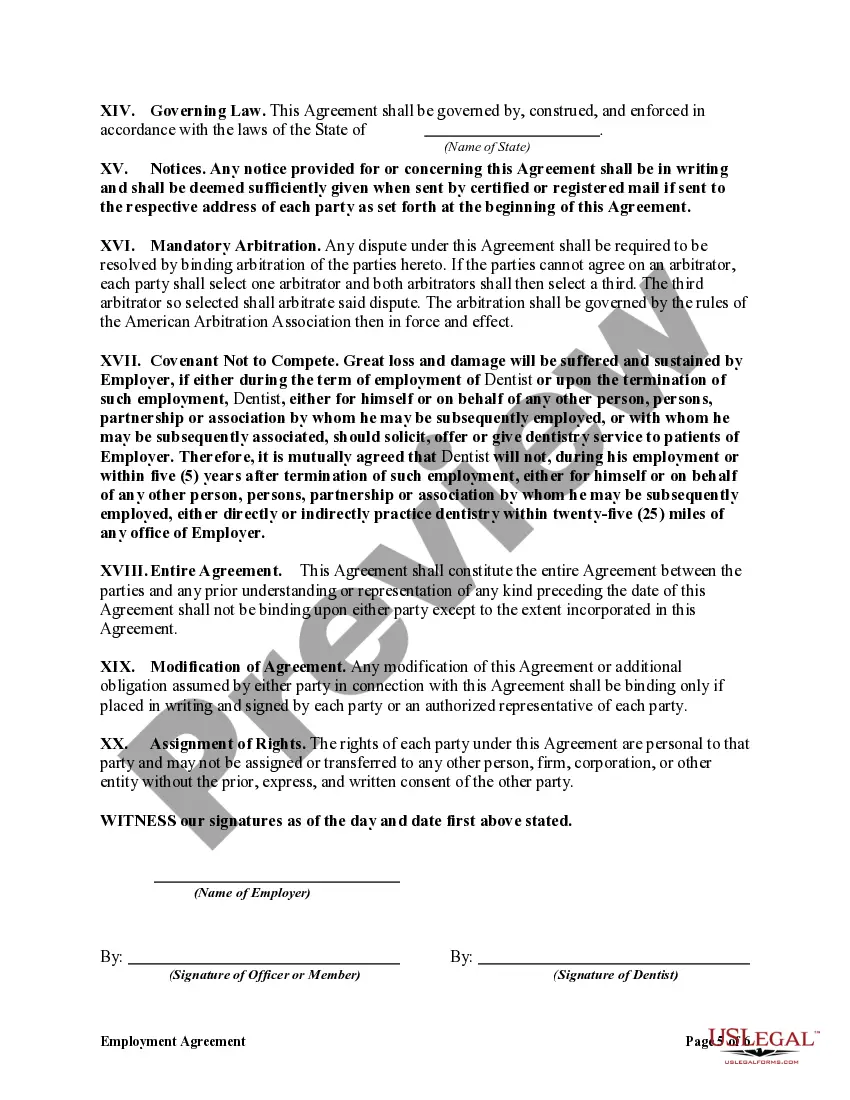
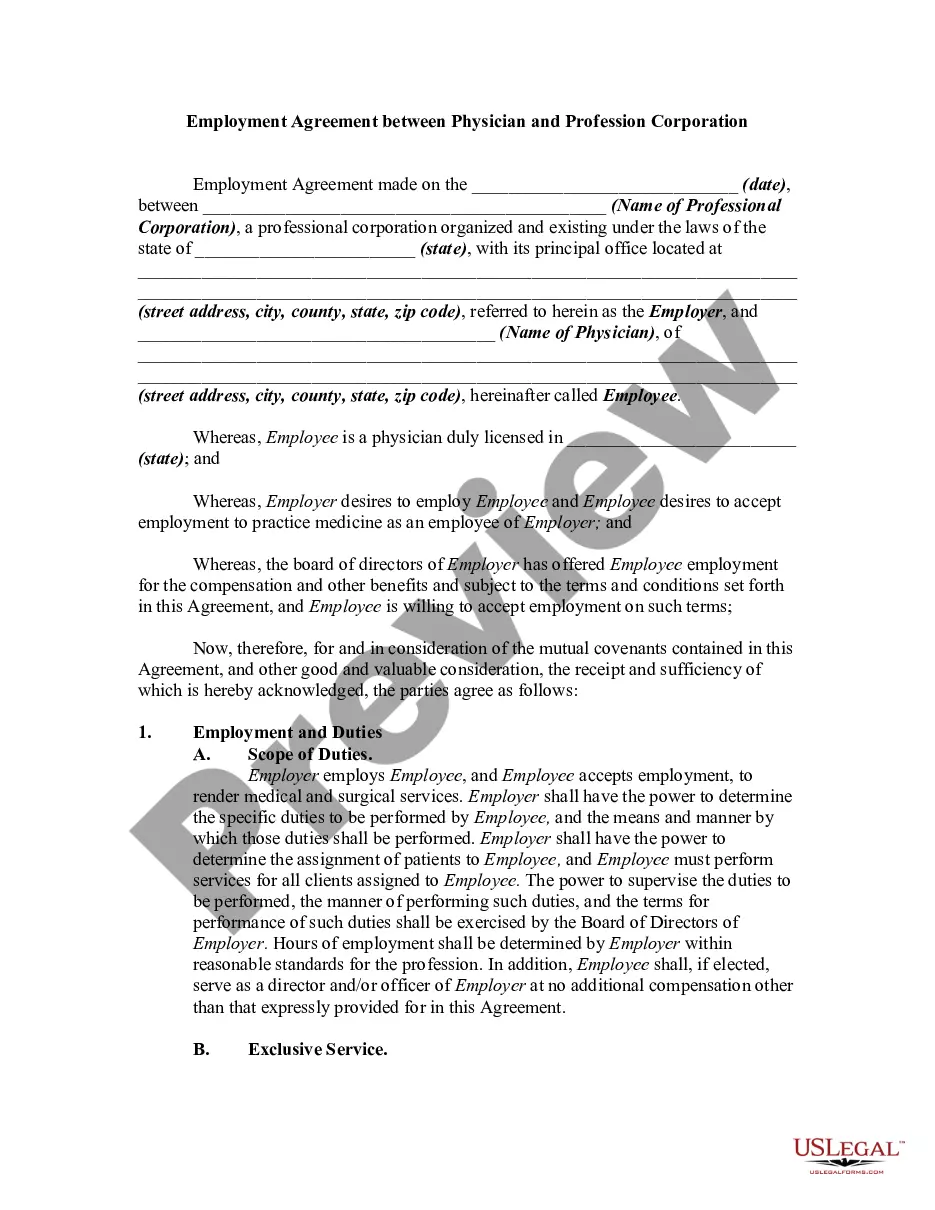
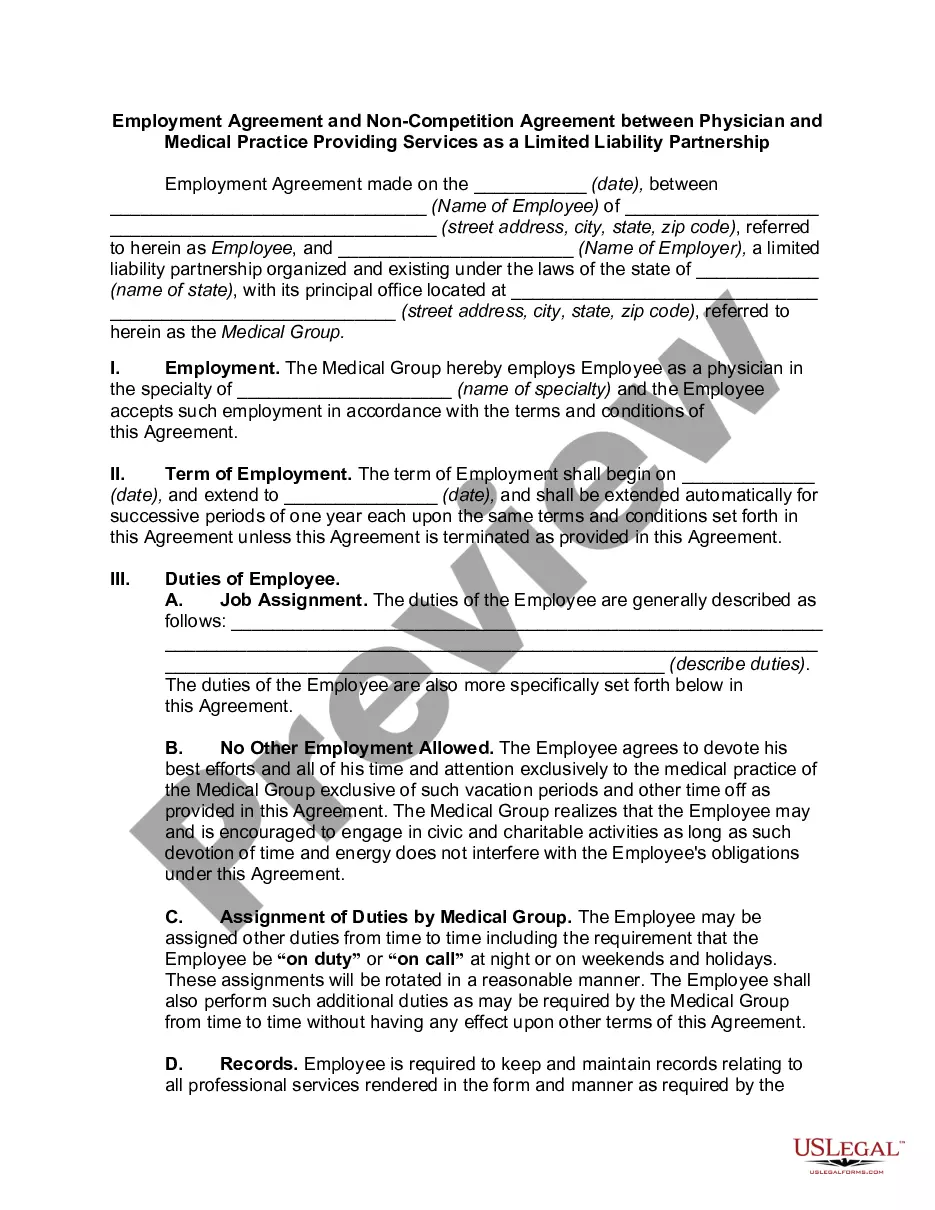
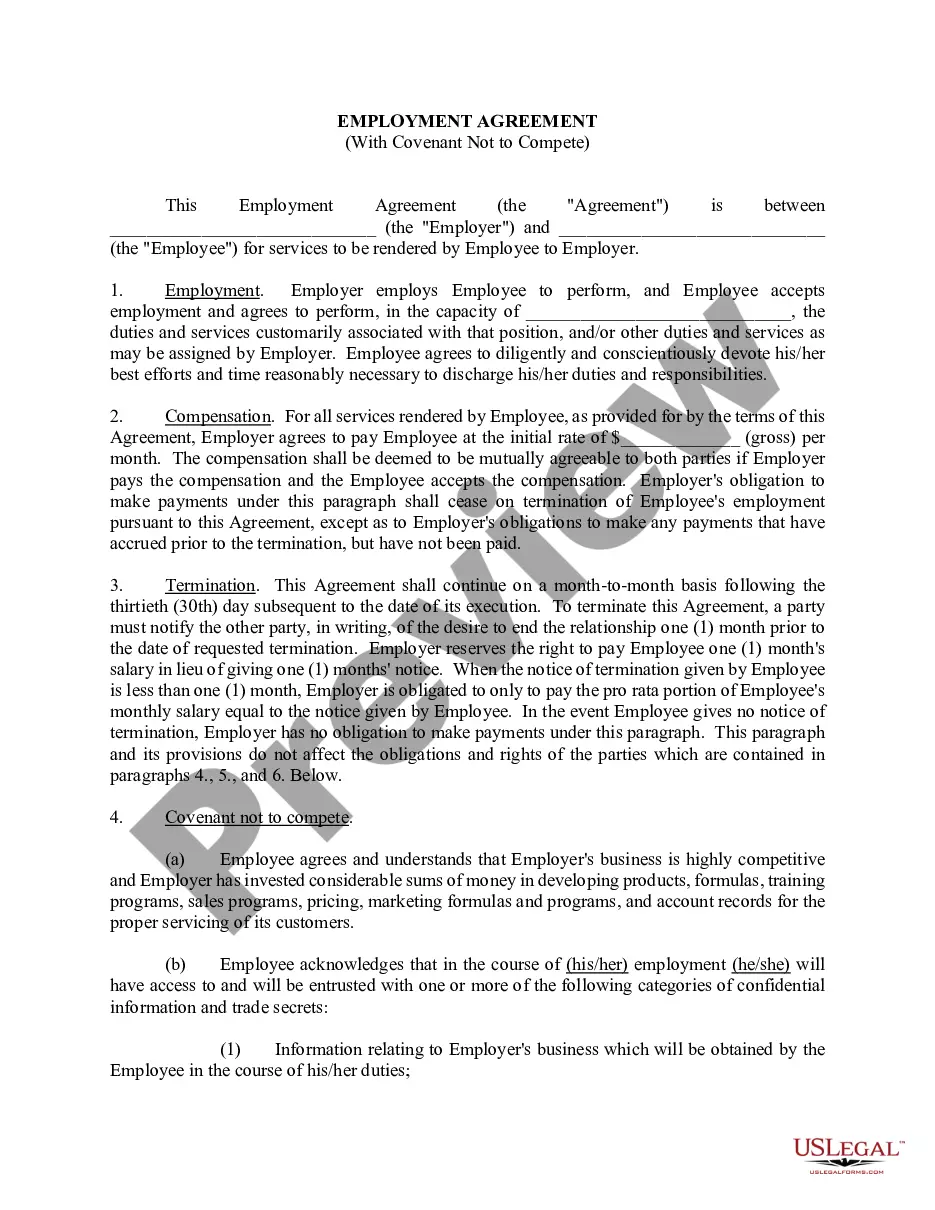
Get your form ready online
Our built-in tools help you complete, sign, share, and store your documents in one place.
Make edits, fill in missing information, and update formatting in US Legal Forms—just like you would in MS Word.
Download a copy, print it, send it by email, or mail it via USPS—whatever works best for your next step.
Sign and collect signatures with our SignNow integration. Send to multiple recipients, set reminders, and more. Go Premium to unlock E-Sign.
If this form requires notarization, complete it online through a secure video call—no need to meet a notary in person or wait for an appointment.
We protect your documents and personal data by following strict security and privacy standards.

Make edits, fill in missing information, and update formatting in US Legal Forms—just like you would in MS Word.

Download a copy, print it, send it by email, or mail it via USPS—whatever works best for your next step.

Sign and collect signatures with our SignNow integration. Send to multiple recipients, set reminders, and more. Go Premium to unlock E-Sign.

If this form requires notarization, complete it online through a secure video call—no need to meet a notary in person or wait for an appointment.

We protect your documents and personal data by following strict security and privacy standards.
Looking for another form?
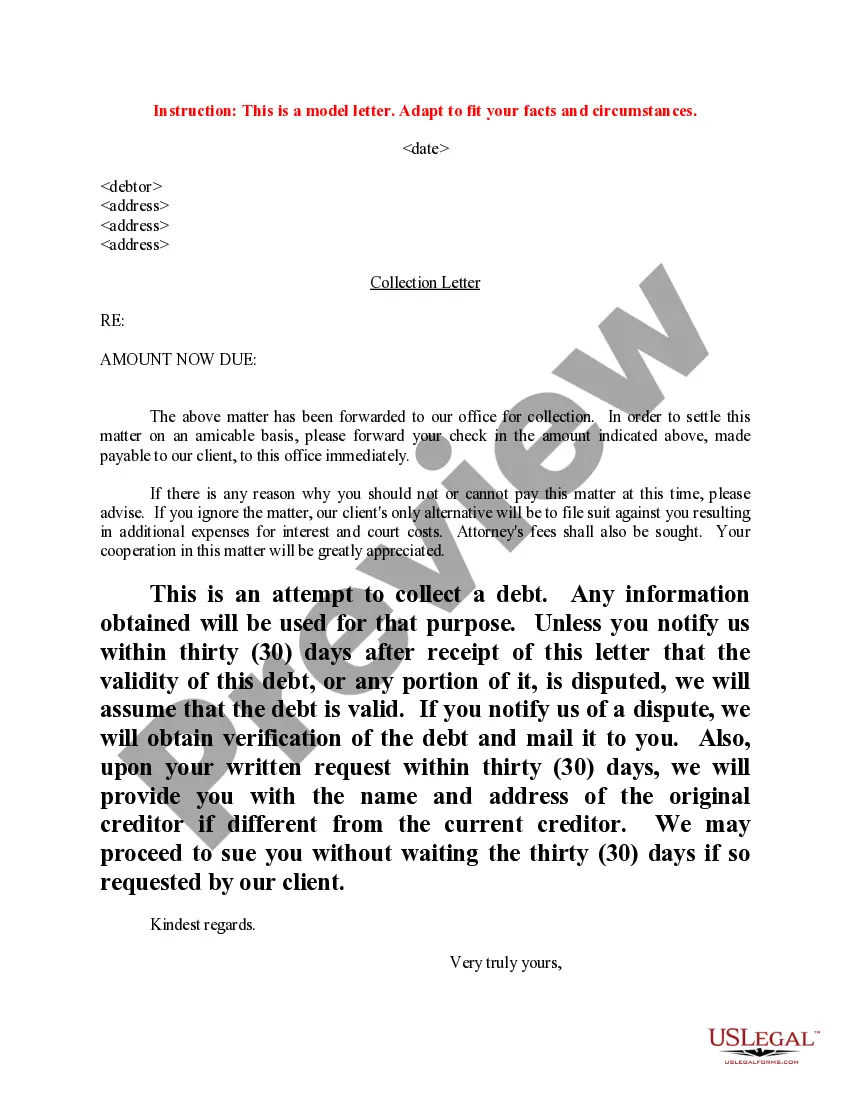
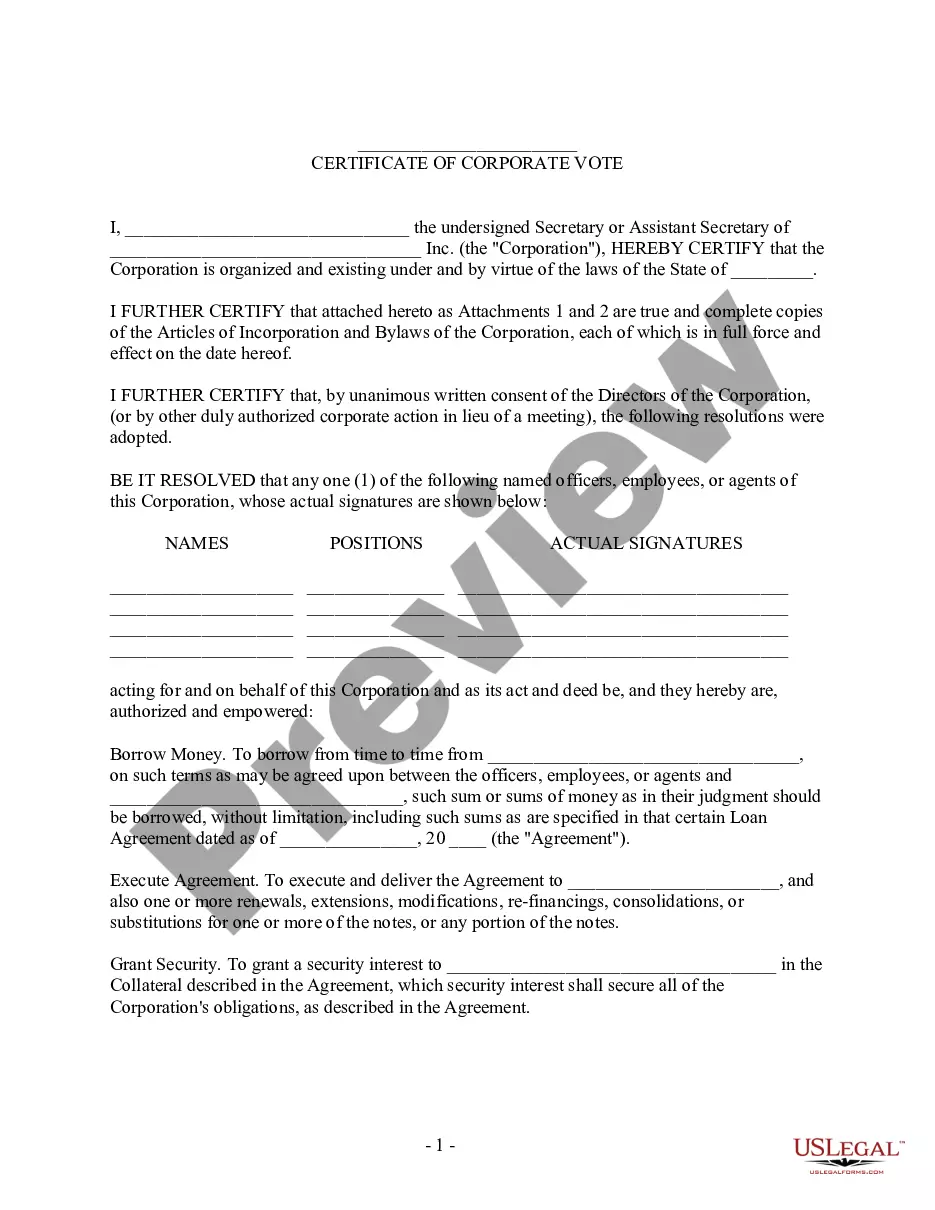
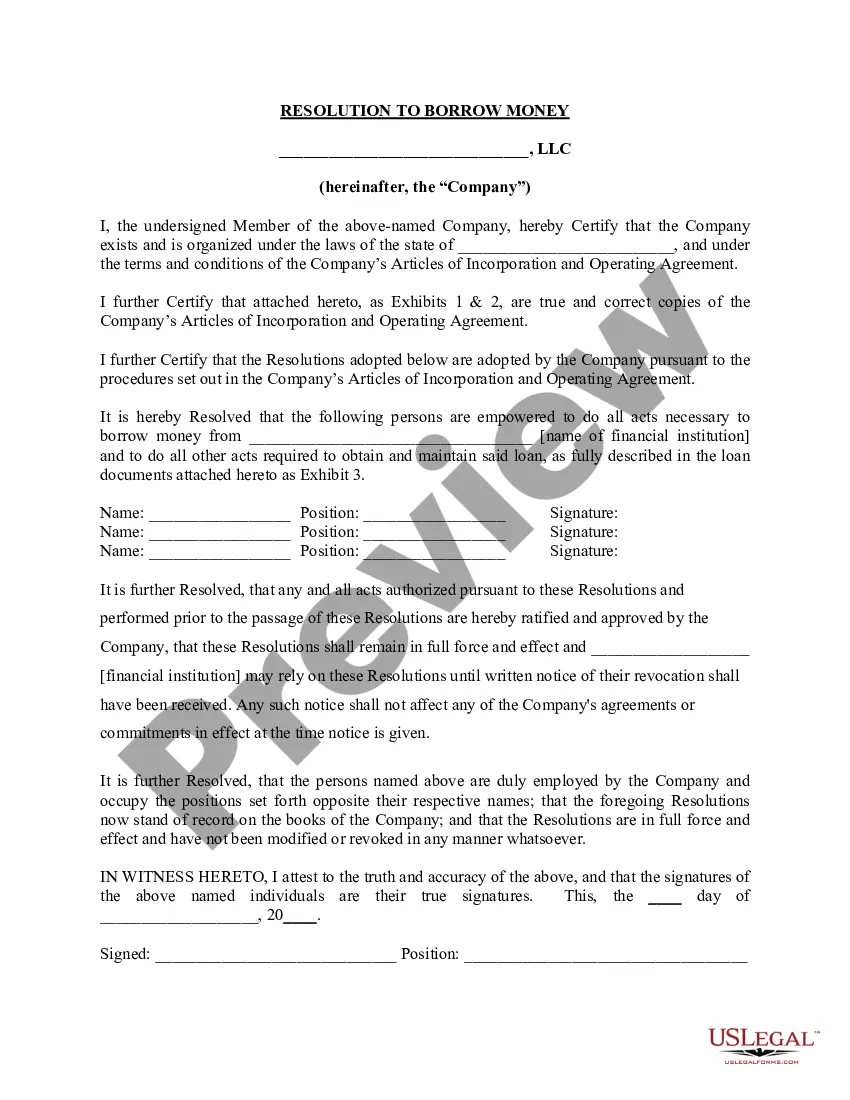
How to fill out Employment Agreement Between Dentist And PLLC With Covenant Not To Compete?
- Log in to your US Legal Forms account if you are a returning user. Ensure your subscription is active; renew it if needed.
- In the preview mode, browse the available form templates. Check that the selected form meets your requirements and adheres to your local jurisdiction.
- Should you find discrepancies or need an alternative, utilize the Search tab to explore more template options until you find the right one.
- Once you've identified the suitable form, click on the 'Buy Now' button and select your preferred subscription plan.
- Complete your purchase by entering your credit card details or using your PayPal account for payment.
- Finally, download your form to your device. Access your saved templates anytime from the 'My Forms' section in your profile.
By following these straightforward steps, you can quickly obtain the legal forms you need.
US Legal Forms offers an extensive collection of over 85,000 legal documents, providing users with invaluable resources for efficient document preparation. Start today and make your legal processes smoother!
Form popularity
FAQ
A for loop allows you to execute a block of code repeatedly based on defined conditions. It simplifies the task of managing repeated operations in programming tasks, especially with Pllc with for loops. This functionality can greatly enhance the efficiency and structure of your code.
'I' typically stands for 'index' in the context of for loops. It serves as a variable that tracks the current position during iteration. By understanding this, you will appreciate how using Pllc with for loops aids in managing sequences effectively.
We use 'I' in for loops as a common convention to represent the loop index or counter. This choice enhances familiarity and ease of understanding among programmers. Utilizing Pllc with for loops with such indexed variables improves clarity and reduces confusion in coding.
You must specify an initialization, a termination condition, and an increment operation for the loop to function correctly. These three specifications guide the loop for its entire duration. When implementing Pllc with for loops, ensuring these elements are clearly defined is essential.
A do loop is a control structure that executes a block of code at least once before evaluating a condition. This feature makes it distinct from a for loop, which checks the condition before execution. In programming scenarios with Pllc with for loops, knowing about do loops can offer different approaches to solving problems.
The letter 'I' is primarily used as an index variable in for loops, representing a placeholder for counting iterations. This convention keeps your code cleaner and easier to understand. In the context of Pllc with for loops, this practice helps maintain readability and organization.
The three statements in a for loop typically include the initialization statement, the condition to evaluate, and the increment statement. Together, they define how the loop operates and when it continues or stops. Understanding these statements is crucial for effectively utilizing Pllc with for loops in your projects.
To create a looping structure, you need a starting point, a condition, and a way to modify the loop variable. These three elements work in harmony to decide when a loop should run and when it should stop. Correctly implementing these requirements enhances your experience with Pllc with for loops.
A true statement about a for loop is that it enables efficient iteration over collections or ranges. This characteristic is particularly useful in data manipulation and analysis tasks. Therefore, using Pllc with for loops can significantly improve your programming efficiency.
The main feature of a for loop is its ability to repeat a block of code a set number of times, based on specific conditions. This repetition allows you to automate tasks, reducing manual effort. In applications involving Pllc with for loops, this feature saves time and increases productivity.