Request For Letter Of Competency
Description
Get your form ready online
Our built-in tools help you complete, sign, share, and store your documents in one place.
Make edits, fill in missing information, and update formatting in US Legal Forms—just like you would in MS Word.
Download a copy, print it, send it by email, or mail it via USPS—whatever works best for your next step.
Sign and collect signatures with our SignNow integration. Send to multiple recipients, set reminders, and more. Go Premium to unlock E-Sign.
If this form requires notarization, complete it online through a secure video call—no need to meet a notary in person or wait for an appointment.
We protect your documents and personal data by following strict security and privacy standards.

Make edits, fill in missing information, and update formatting in US Legal Forms—just like you would in MS Word.

Download a copy, print it, send it by email, or mail it via USPS—whatever works best for your next step.

Sign and collect signatures with our SignNow integration. Send to multiple recipients, set reminders, and more. Go Premium to unlock E-Sign.

If this form requires notarization, complete it online through a secure video call—no need to meet a notary in person or wait for an appointment.

We protect your documents and personal data by following strict security and privacy standards.
Looking for another form?
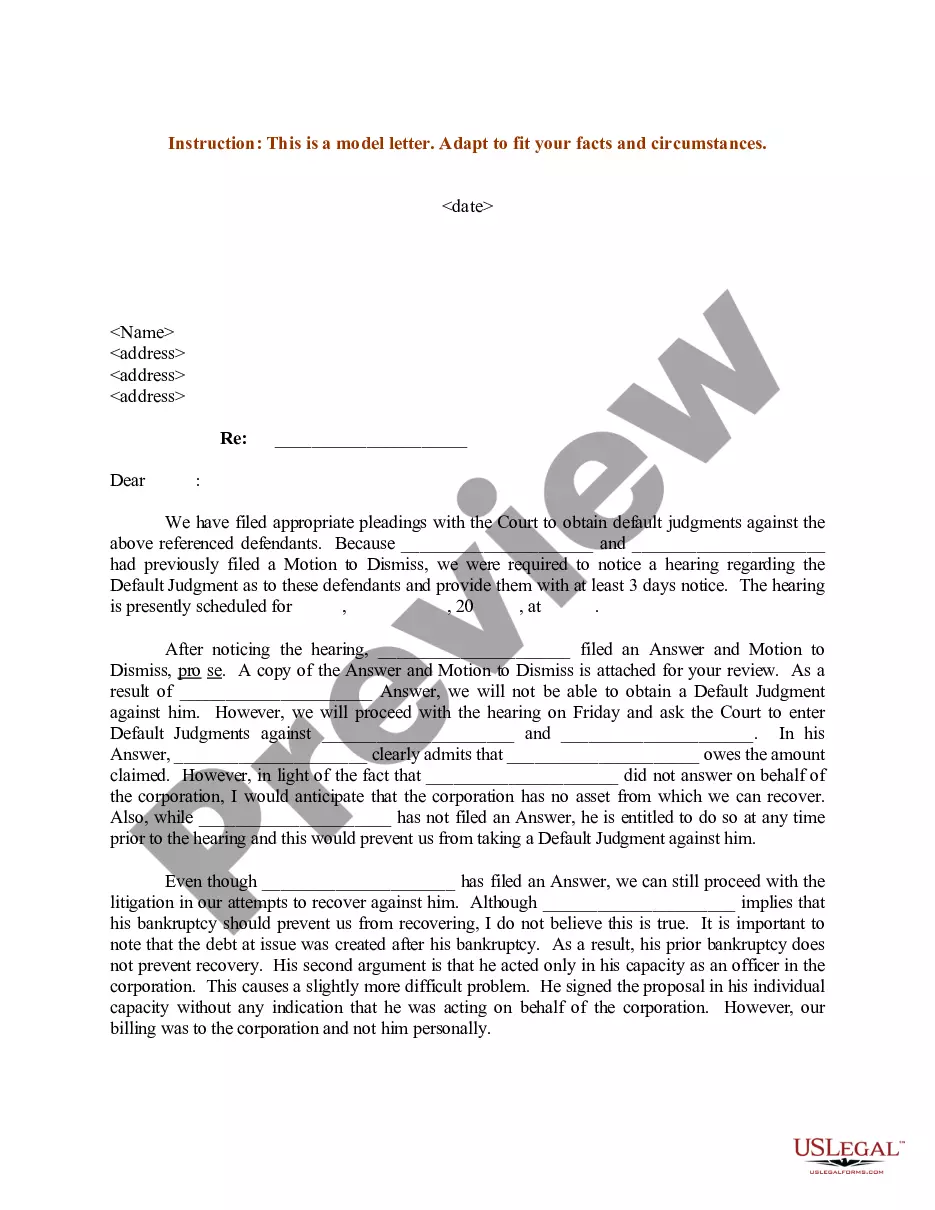
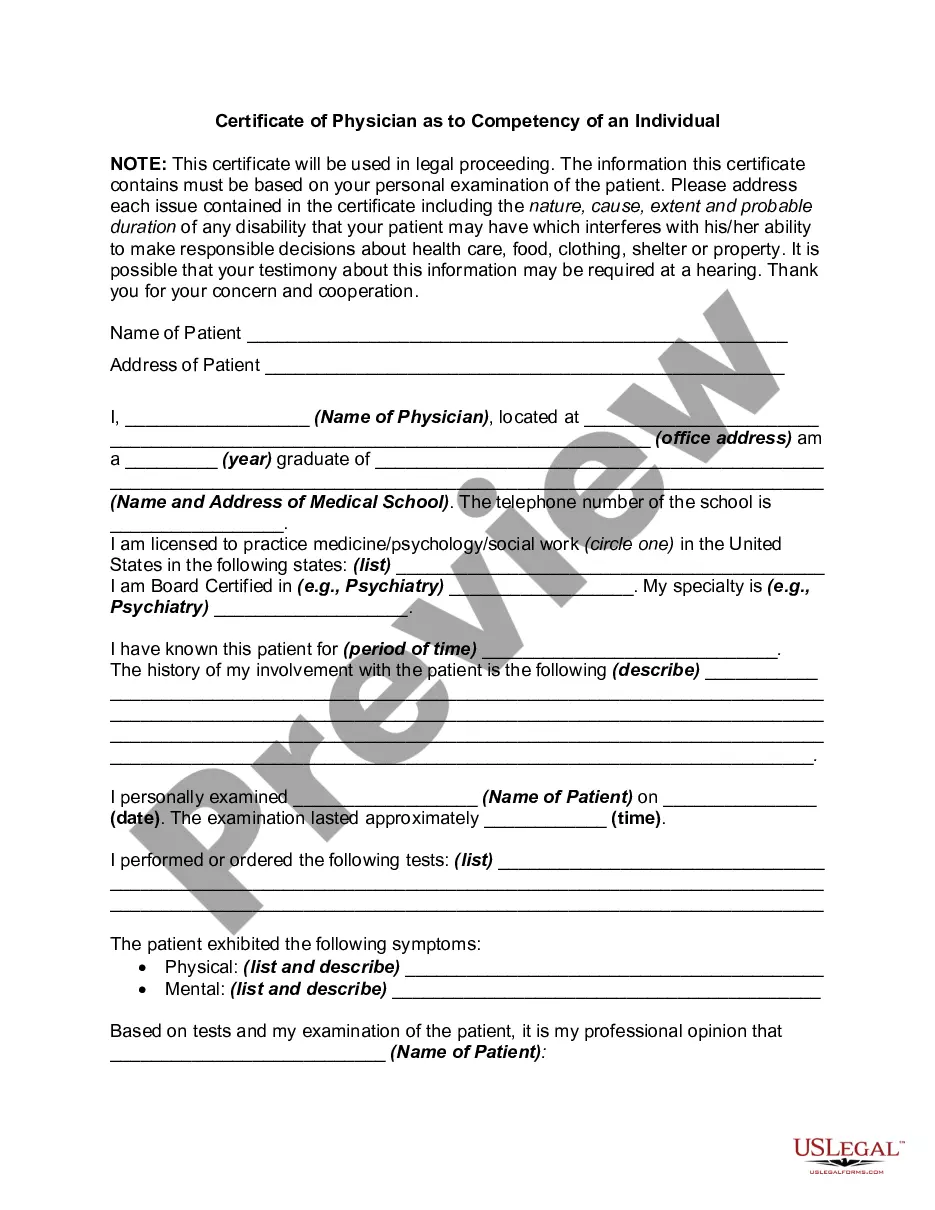
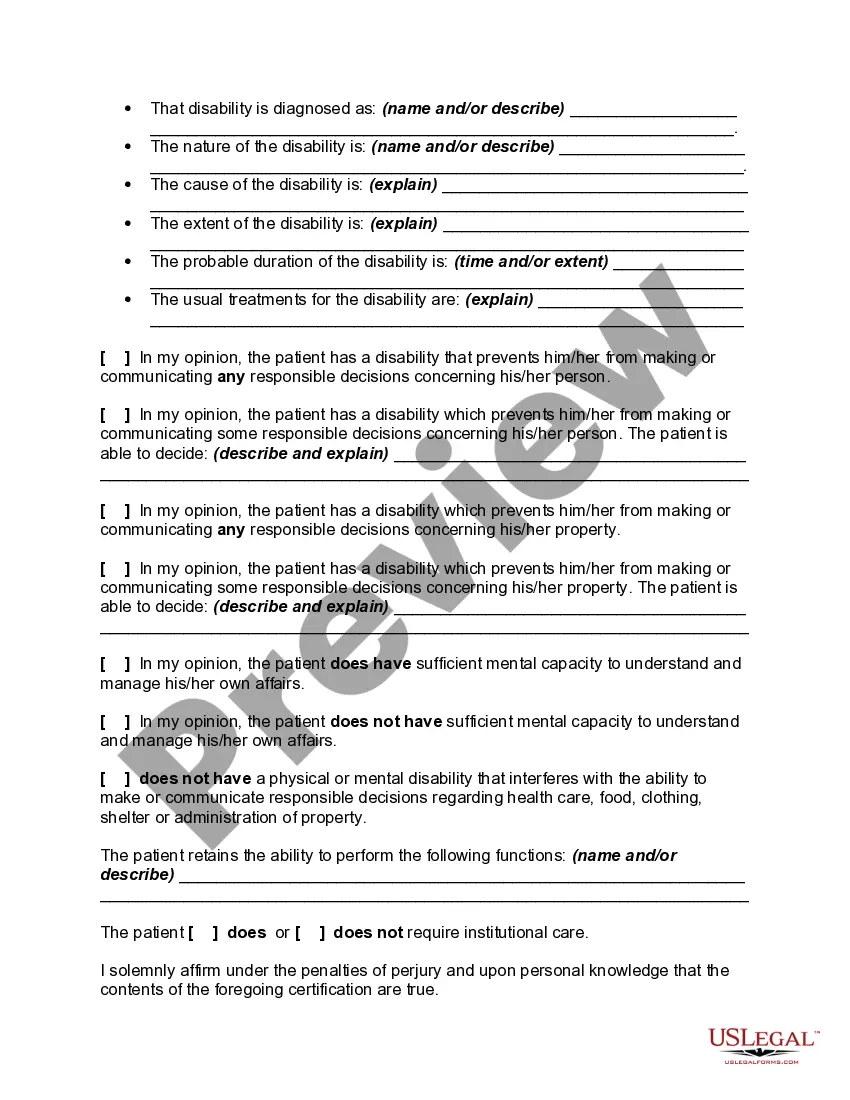
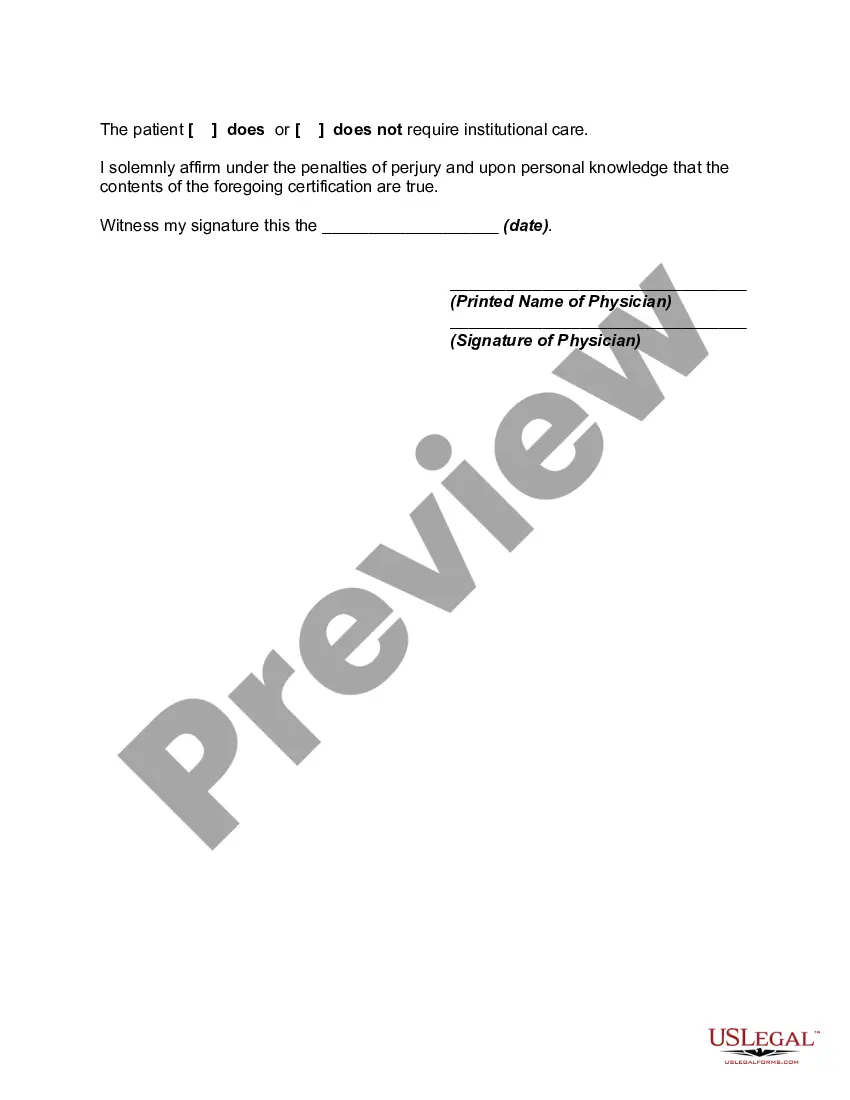
How to fill out Certificate Of Physician As To Competency Of An Individual?
Utilizing legal templates that adhere to federal and local regulations is essential, and the internet presents numerous options to select from.
However, what’s the purpose of squandering time searching for the accurate Request For Letter Of Competency example online when the US Legal Forms digital library has already compiled such templates in one location.
US Legal Forms is the most extensive online legal directory featuring over 85,000 fillable templates created by attorneys for any business and personal situation.
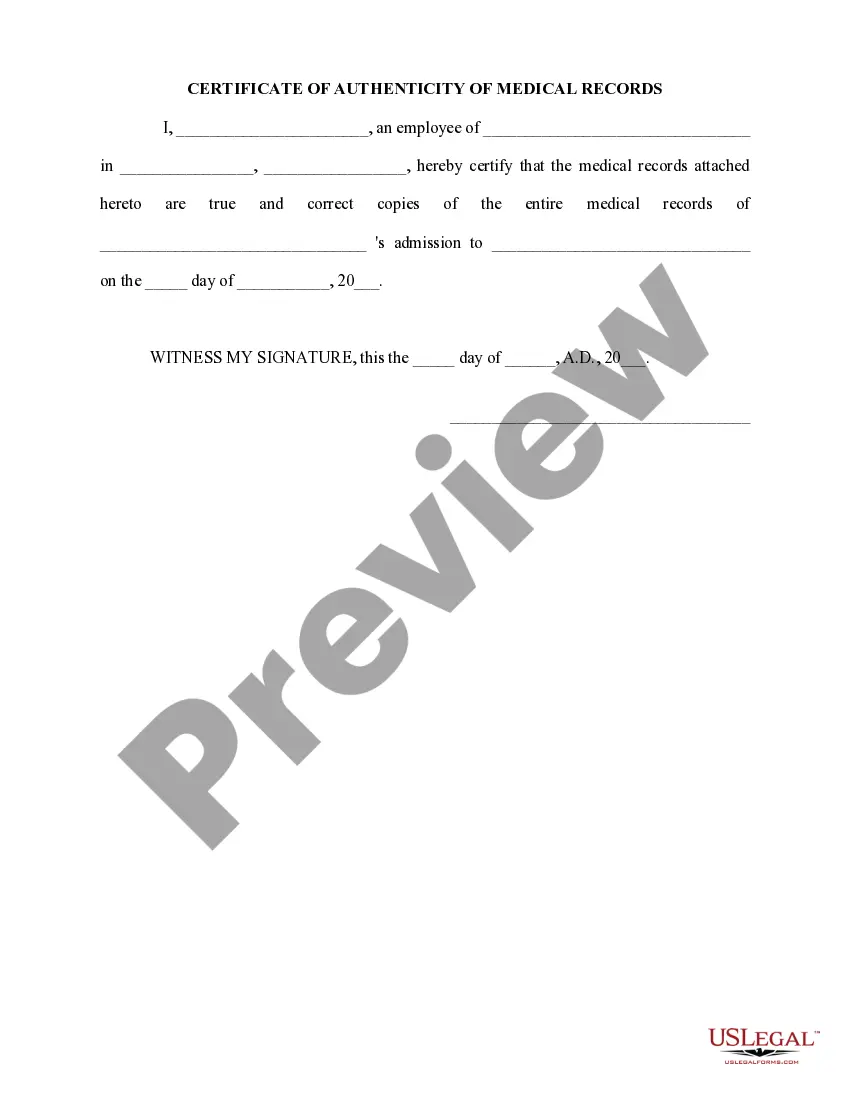
Explore the template using the Preview feature or through the text description to confirm it aligns with your requirements.
- They are easy to navigate with all documents categorized by state and intended use.
- Our specialists keep up with legal changes, ensuring that your form is always current and compliant when obtaining a Request For Letter Of Competency from our platform.
- Acquiring a Request For Letter Of Competency is straightforward and swift for both existing and new users.
- If you already possess an account with a valid subscription, Log In and store the document sample you need in the appropriate format.
- If you are unfamiliar with our site, follow the steps outlined below.
Form popularity
FAQ
Factors that determine competency include cognitive abilities, understanding of personal circumstances, and the capacity to make informed choices. Other considerations may involve the individual’s mental health history and any existing medical conditions. Recognizing these factors can help articulate your needs when seeking a Request for letter of competency.
Writing a letter of competence should follow a clear structure, including an introduction, body, and conclusion. In the introduction, state the purpose of the letter, followed by detailed observations and conclusions in the body. Always ensure the letter is professional, as it may serve as part of the documentation for a Request for letter of competency.
To obtain a letter of competency, begin by consulting with a licensed attorney who specializes in elder law. They can help you understand the requirements and processes involved. Obtaining this letter often involves medical evaluations and court proceedings, which demonstrate the necessity of the Request for letter of competency.
Competency in the elderly is determined through a combination of medical evaluations, psychological assessments, and legal standards. These evaluations focus on the individual's ability to understand information, appreciate consequences, and make informed decisions. If needed, securing a Request for letter of competency can assist in navigating the legal process.
A judge determines competency by reviewing evidence presented during a hearing. This may include testimonies from family members, medical evaluations, and expert opinions regarding the individual's mental state. The outcome may influence the issuance of a Request for letter of competency, which establishes legal authority over personal matters.
Competency level can be assessed through evaluations that consider cognitive functioning, decision-making abilities, and understanding of consequences. Healthcare professionals may utilize standardized tests and personal interviews to assess these factors. Understanding competency levels is crucial for determining if a Request for letter of competency is needed.
Determining competency in the elderly often requires a thorough assessment by a qualified professional. Medical evaluations, psychological tests, and observations of daily functioning can all contribute to the determination. If concerns arise, seeking a Request for letter of competency can provide clarity and support in making decisions about care.
To declare an elderly parent incompetent, you typically need to initiate a legal process. This often involves gathering medical evidence and possibly obtaining a court order. It is recommended to consult with a legal expert who specializes in elder law to guide you through the necessary steps. This process may also help you secure a Request for letter of competency.
A letter of competency is usually written by a qualified mental health professional, such as a psychiatrist, psychologist, or licensed therapist. They evaluate the person’s cognitive abilities and offer insights into their capacity to make decisions. If you are in need of a request for letter of competency, seeking assistance from these experts is essential.
To prove mental competency, you should gather evaluations conducted by licensed mental health professionals. Their assessments will highlight the individual's understanding of their legal rights and responsibilities. When you have to make a request for letter of competency, these evaluations serve as strong evidence.