Examples Of Performance Reviews For Needs Improvements
Description
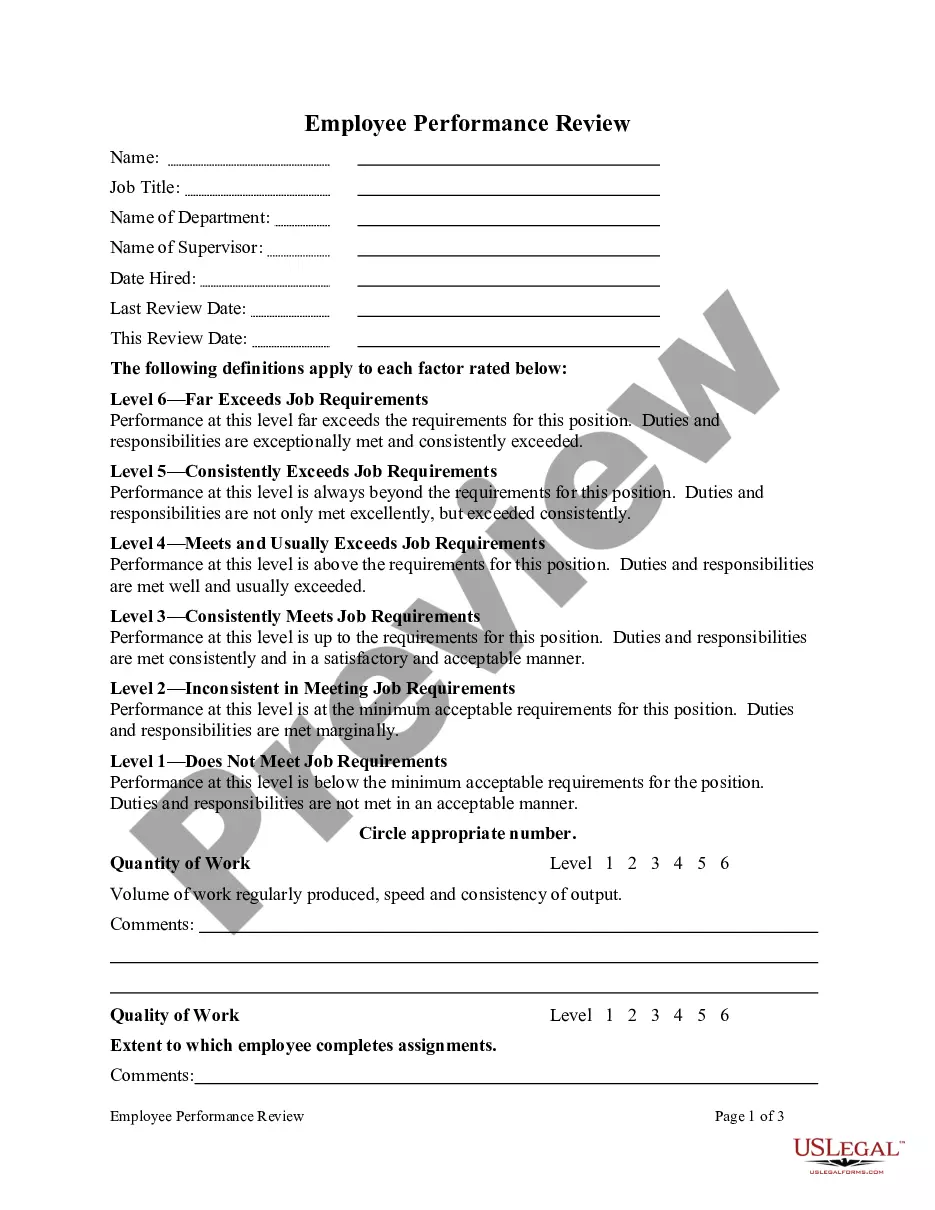
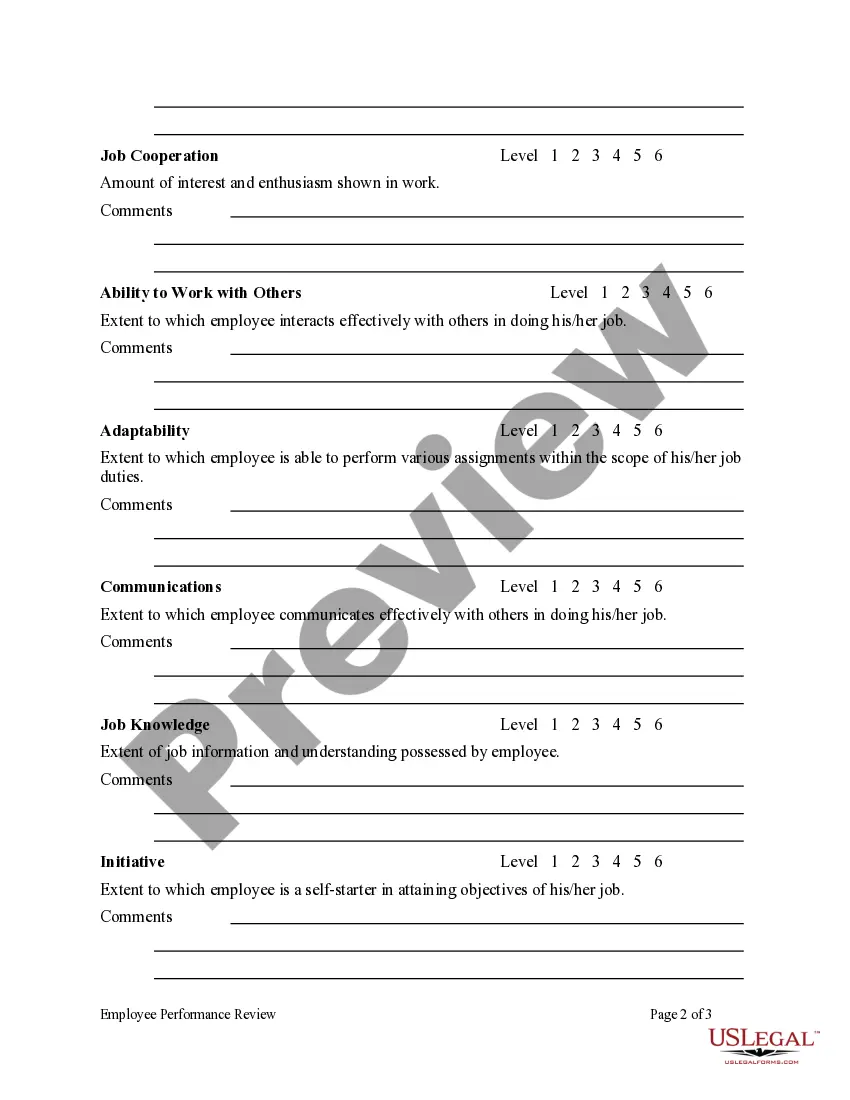
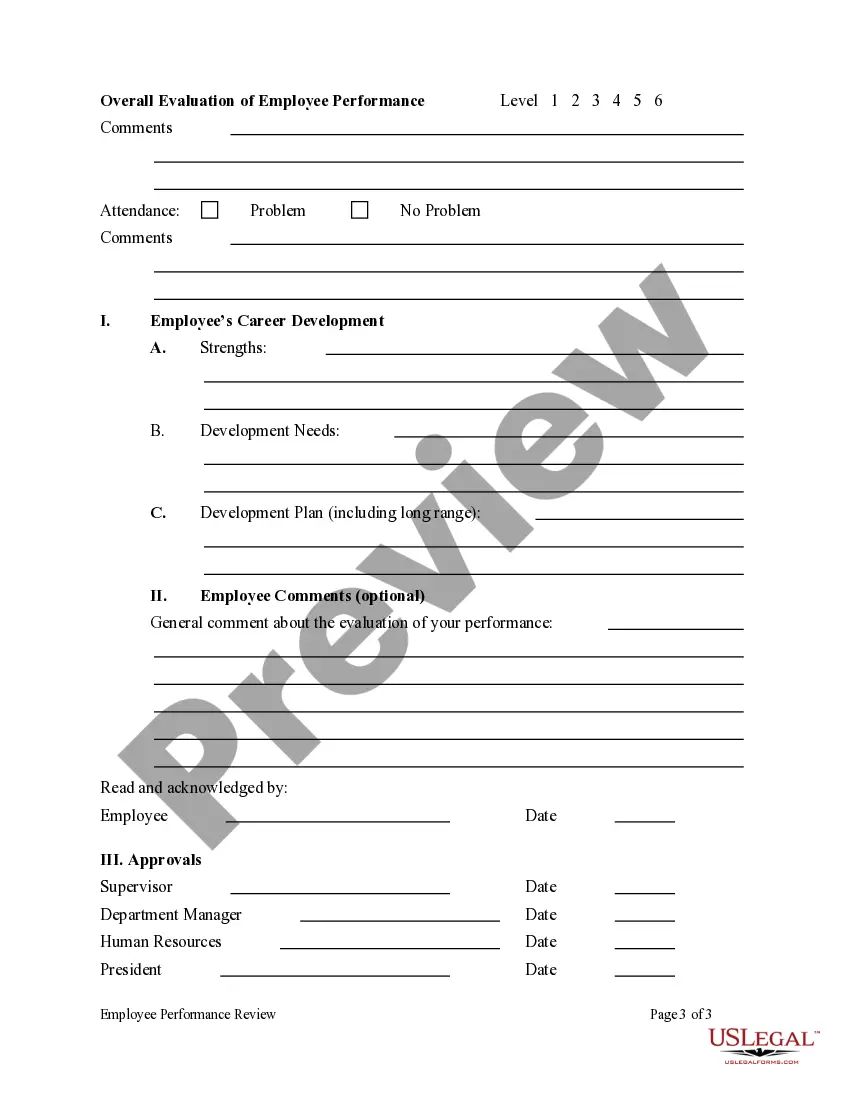
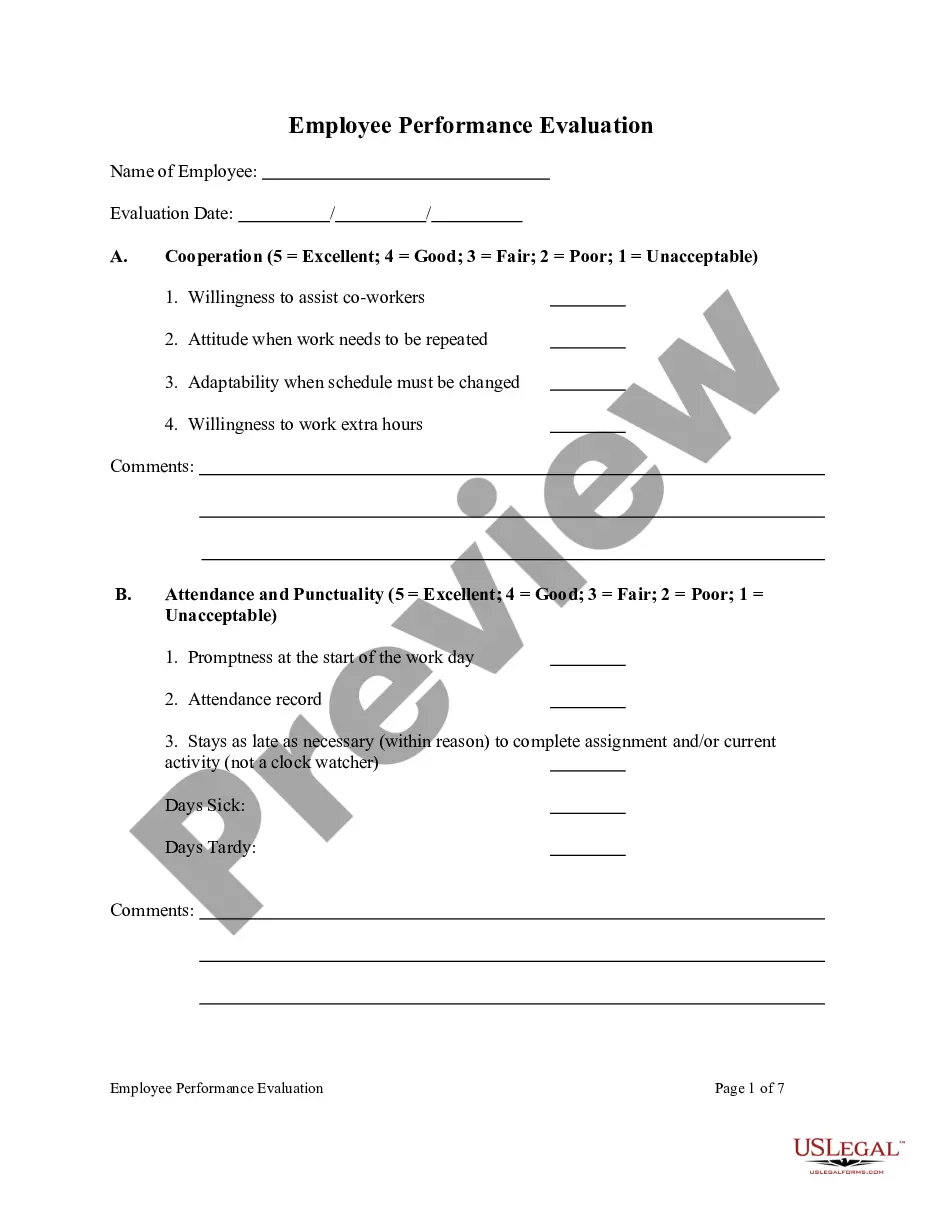
Get your form ready online
Our built-in tools help you complete, sign, share, and store your documents in one place.
Make edits, fill in missing information, and update formatting in US Legal Forms—just like you would in MS Word.
Download a copy, print it, send it by email, or mail it via USPS—whatever works best for your next step.
Sign and collect signatures with our SignNow integration. Send to multiple recipients, set reminders, and more. Go Premium to unlock E-Sign.
If this form requires notarization, complete it online through a secure video call—no need to meet a notary in person or wait for an appointment.
We protect your documents and personal data by following strict security and privacy standards.
Make edits, fill in missing information, and update formatting in US Legal Forms—just like you would in MS Word.
Download a copy, print it, send it by email, or mail it via USPS—whatever works best for your next step.
Sign and collect signatures with our SignNow integration. Send to multiple recipients, set reminders, and more. Go Premium to unlock E-Sign.
If this form requires notarization, complete it online through a secure video call—no need to meet a notary in person or wait for an appointment.
We protect your documents and personal data by following strict security and privacy standards.
Looking for another form?
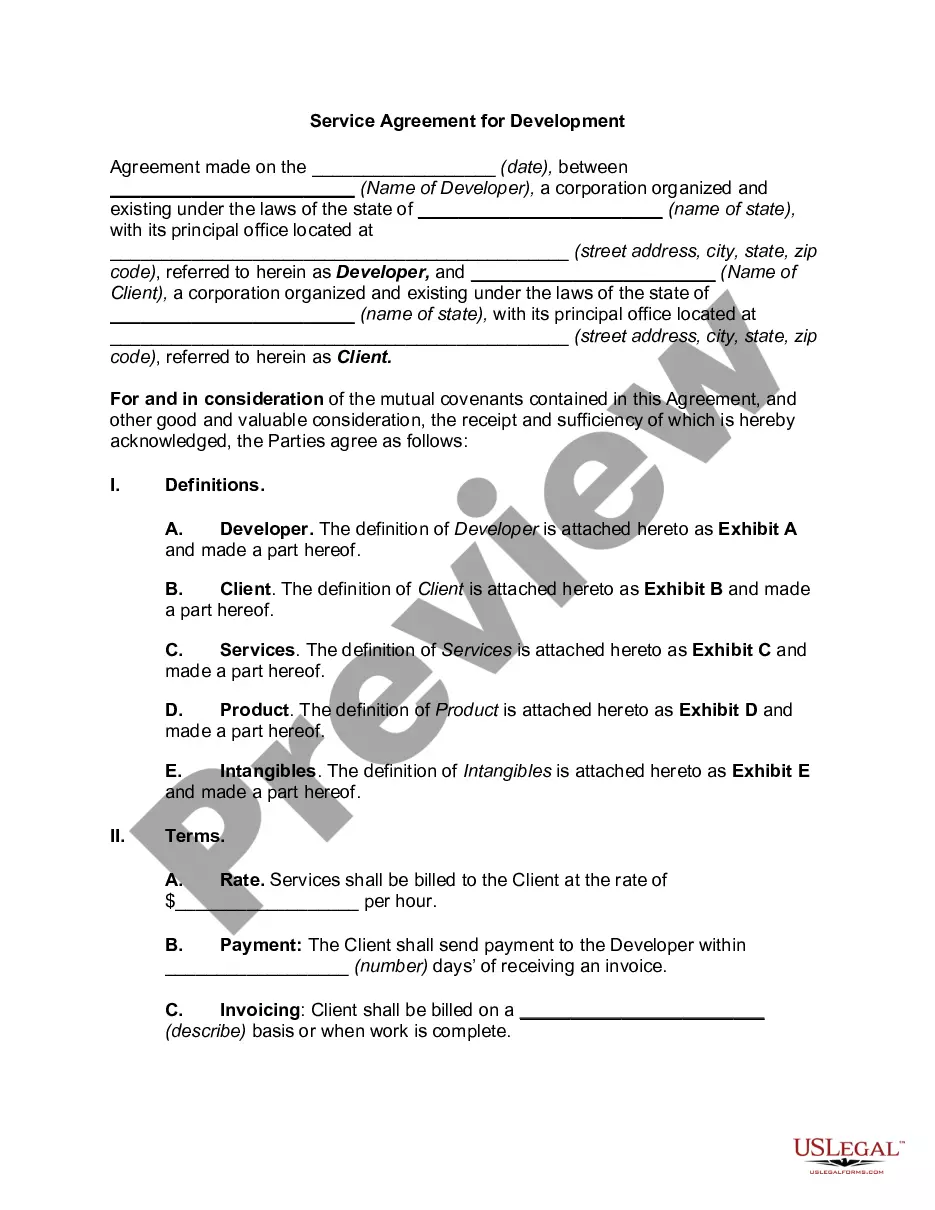
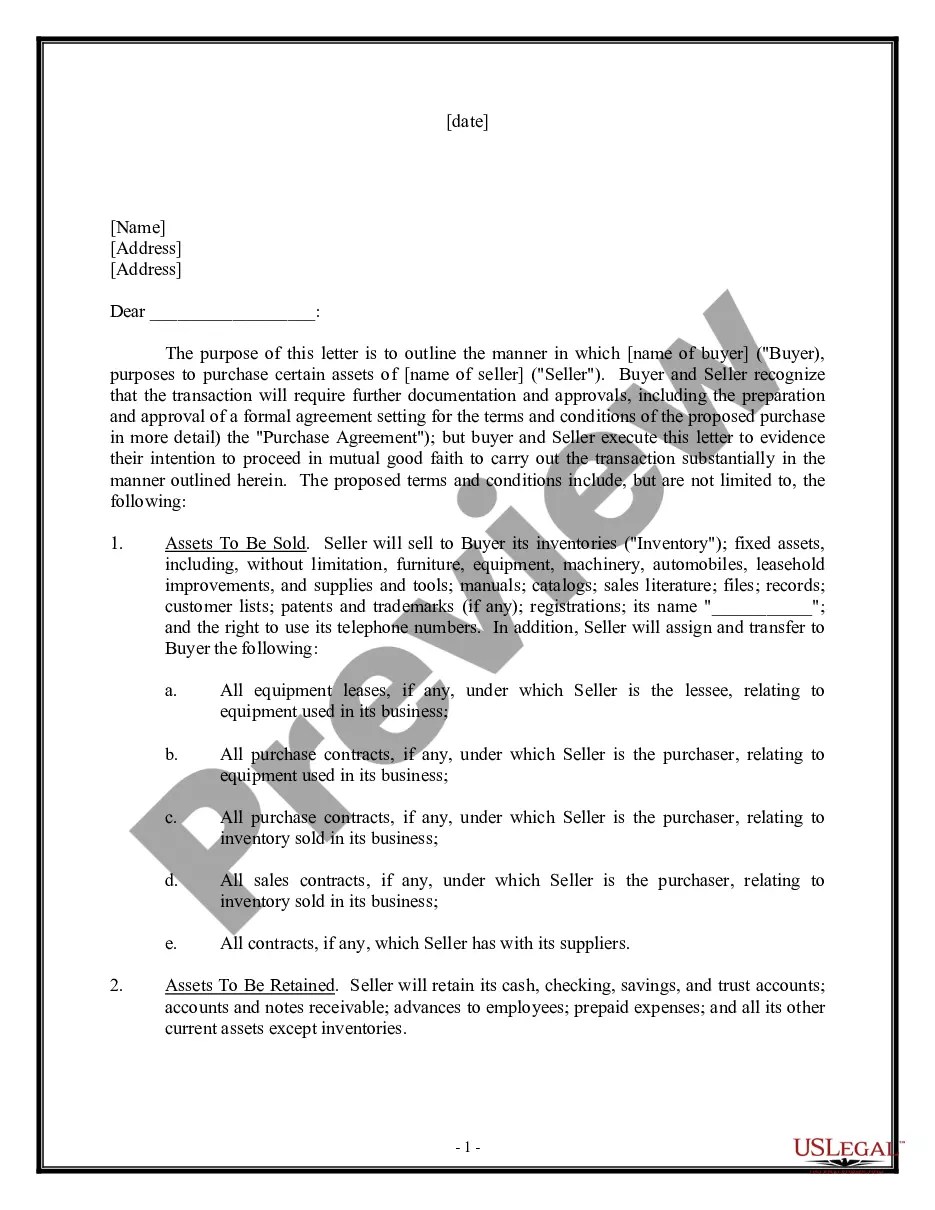






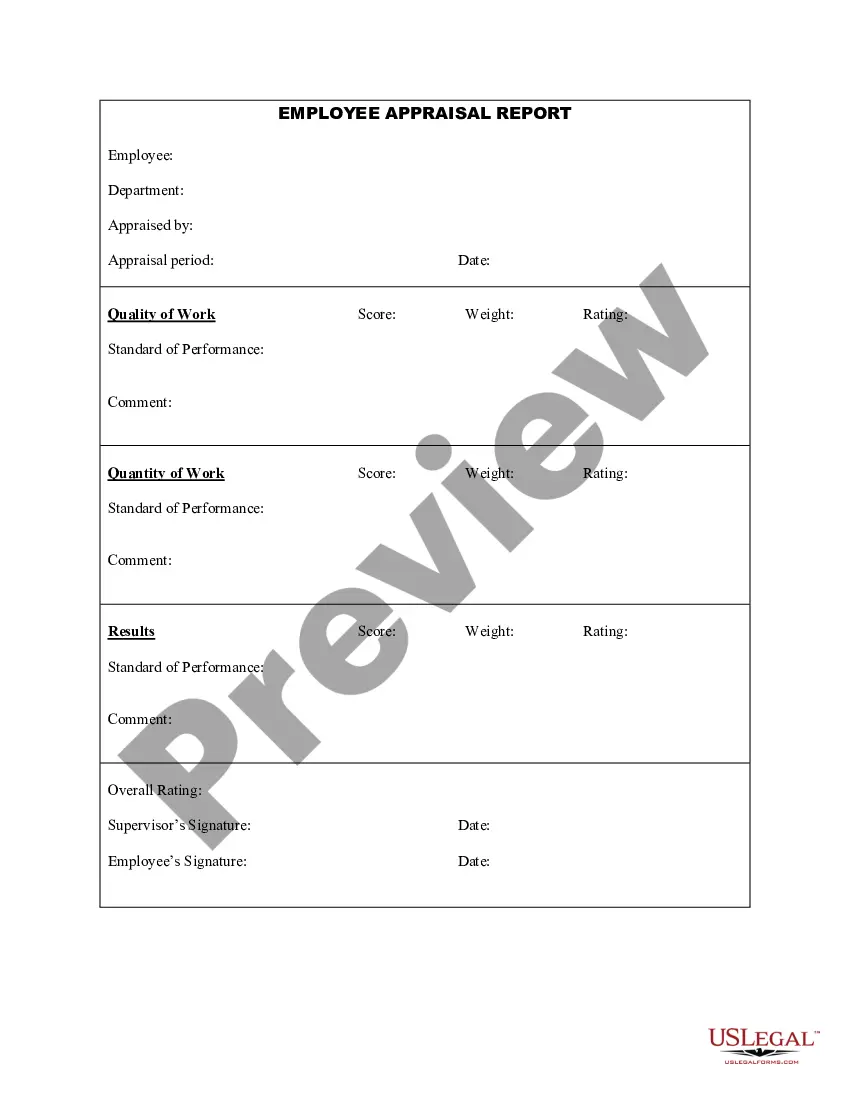
How to fill out Employee Performance Review?
- Log into your existing US Legal Forms account by clicking here.
- Check that your subscription is active; if not, consider renewing it based on your chosen payment plan.
- Preview available templates to identify the one that best aligns with your performance review requirements.
- If you don’t find an appropriate template, make use of the Search tab to locate additional options.
- Once you've found a suitable template, click on the Buy Now button and select your desired subscription.
- Complete your purchase by entering your payment details, either via credit card or your PayPal account.
- After purchasing, download the form directly to your device and access it anytime from the My Forms section of your profile.
By leveraging the robust library of over 85,000 legal forms at US Legal Forms, you can ensure that your performance reviews are both detailed and compliant with legal standards.
Don't settle for generic templates; start your journey towards effective performance reviews today with US Legal Forms!
Form popularity
FAQ
During a performance review, you might note areas such as communication skills, time management, or adherence to company policies as needing improvement. It's crucial to be specific about what challenges the employee faces and to emphasize potential for growth. Discussing these elements openly can lead to meaningful examples of performance reviews for needs improvements, creating a path for the employee’s development.
In a typical 1 to 5 rating scale for performance reviews, a rating of 1 often indicates 'Unsatisfactory', while a 2 might reflect 'Needs Improvement.' This scale helps define the levels of employee performance clearly. Understanding how to interpret these ratings can aid in drafting precise examples of performance reviews for needs improvements.
Writing a review for improvement requires a structured approach. Start by stating the performance aspects that need attention, and then offer constructive criticism along with practical suggestions for enhancement. It is vital to frame your feedback positively and encourage open dialogue. By doing so, you are providing clear examples of performance reviews for needs improvements.
A PIP, or Performance Improvement Plan, is a formal process aimed at assisting employees in improving their performance. It outlines specific areas in which an employee needs to enhance their skills or results and sets achievable goals. The plan often includes timelines for follow-up meetings and benchmarks to assess progress. Utilizing a PIP can provide useful examples of performance reviews for needs improvements.
The five levels of performance rating often range from 'Outstanding' to 'Unsatisfactory.' These levels typically include: exceeds expectations, meets expectations, needs improvement, and unsatisfactory. Each level serves to clarify the performance spectrum, allowing employees to understand where they stand. Familiarizing yourself with these classifications can help you articulate examples of performance reviews for needs improvements effectively.
When writing about improvements in a performance review, it's important to highlight not just areas of concern but also potential solutions. Use clear and straightforward language to define specific goals the employee can work toward. Include actionable steps to demonstrate how they can address these needs. This approach enriches the review and provides clear examples of performance reviews for needs improvements.
Writing effective performance feedback for improvement involves focusing on specific behaviors and outcomes. Begin by stating the observed actions that require attention. Follow this with constructive suggestions that guide the employee toward achieving better results. Always support your feedback with examples to clarify expectations and paths for growth, embodying examples of performance reviews for needs improvements.
In a professional context, top development areas often include leadership ability, technical skill enhancement, and emotional intelligence. Identifying these areas can help you set goals that align with personal and organizational objectives. Looking at examples of performance reviews for needs improvements can provide clarity on how to grow in these domains. Take time to strategize your development plan accordingly.
To determine your top three areas of improvement, consider gathering feedback from colleagues and supervisors. Common themes may arise, such as communication, leadership, or project management. Referencing examples of performance reviews for needs improvements can assist you in pinpointing these areas effectively. Understanding your strengths and weaknesses helps prioritize your development efforts.
A needs improvement rating typically indicates that an employee's performance falls short of expectations. Organizations use this rating to highlight specific areas where growth is necessary. Exploring examples of performance reviews for needs improvements will provide clarity on how such assessments function, ensuring you understand the expectations moving forward. Use this feedback as a stepping stone to achieve future goals.