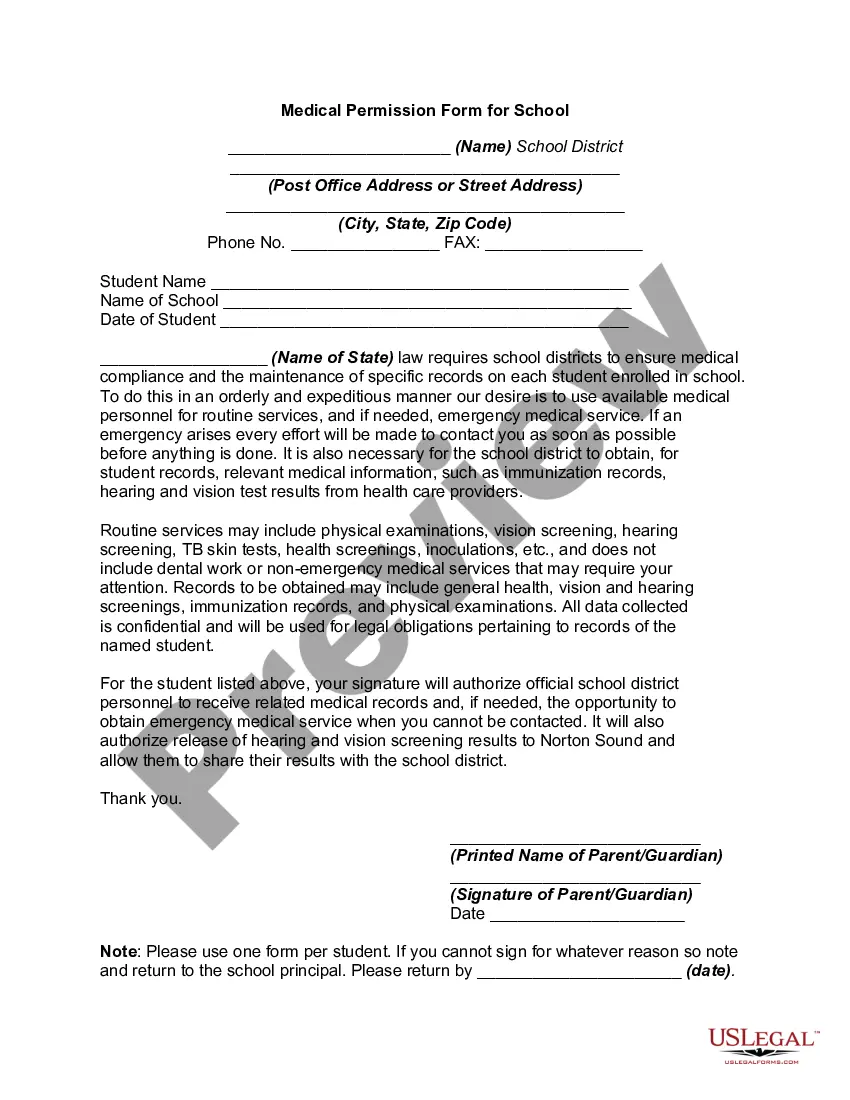
Formulario Solicitud Examen Médico Forense
Description
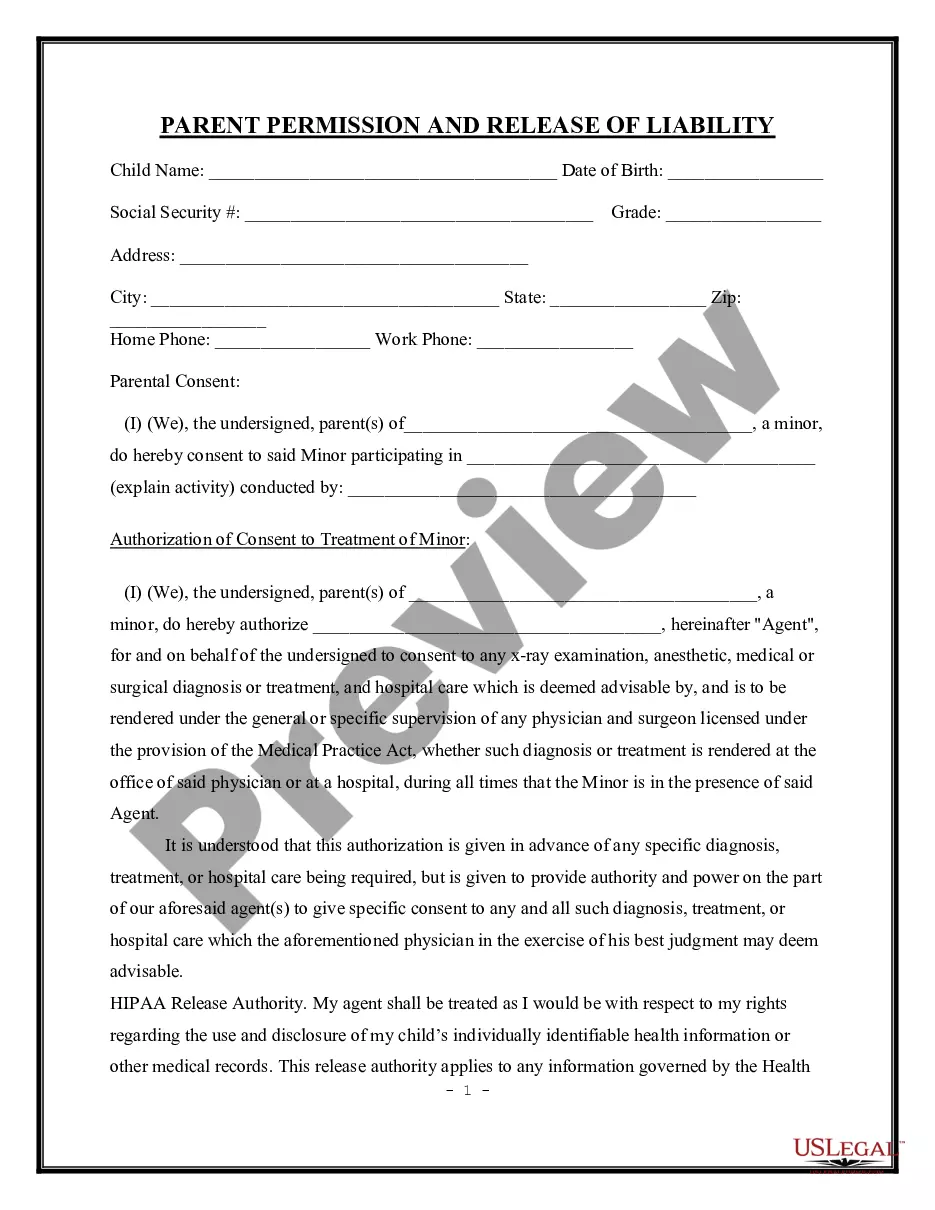
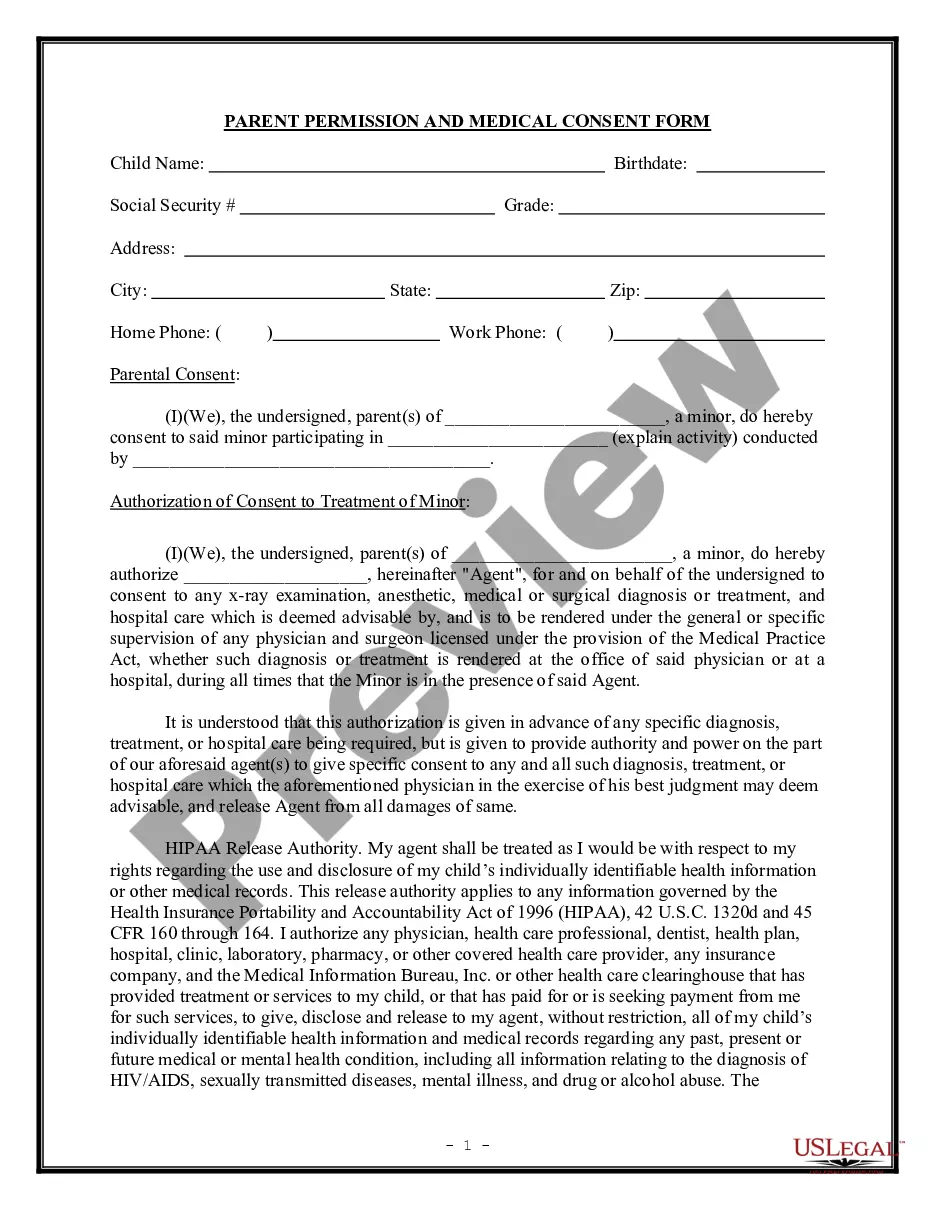
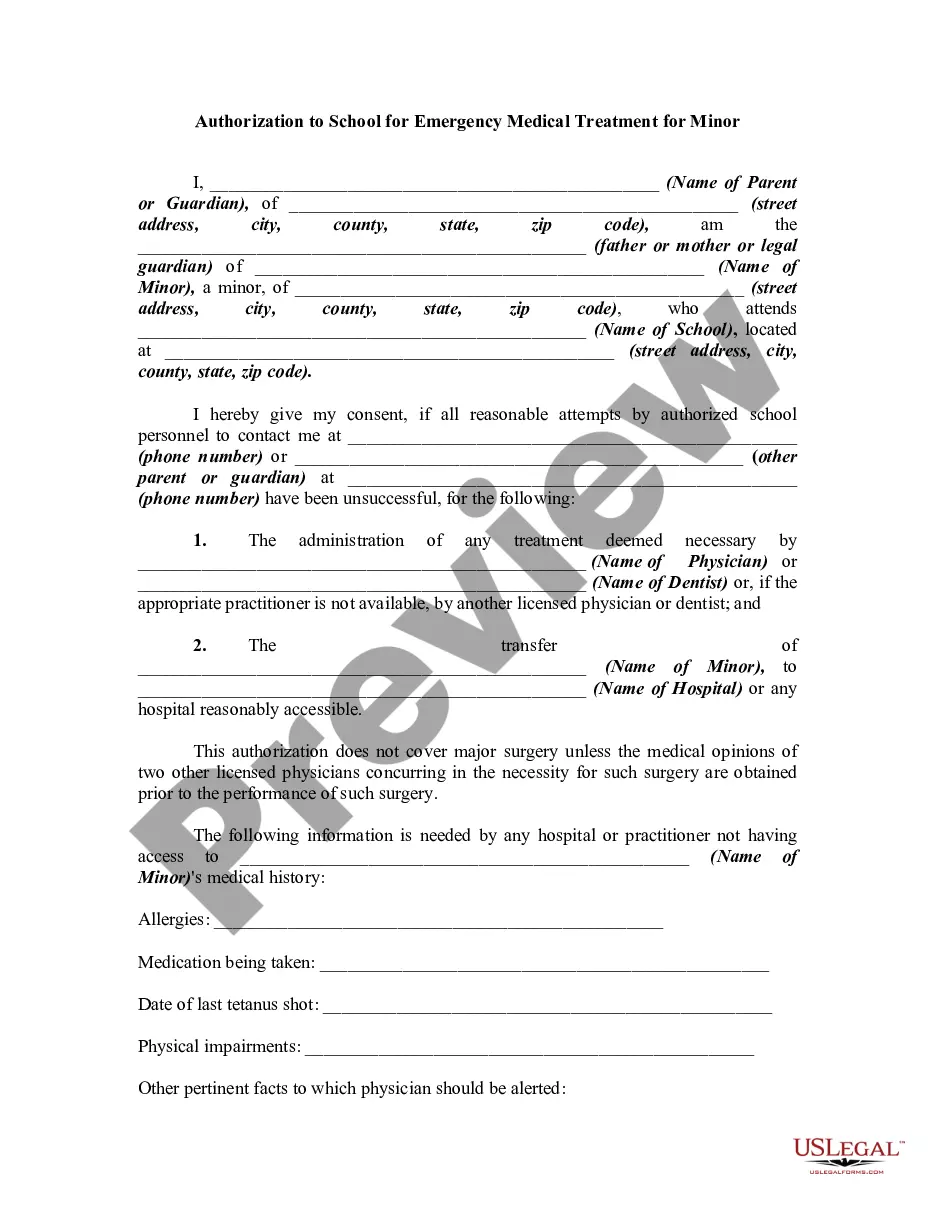
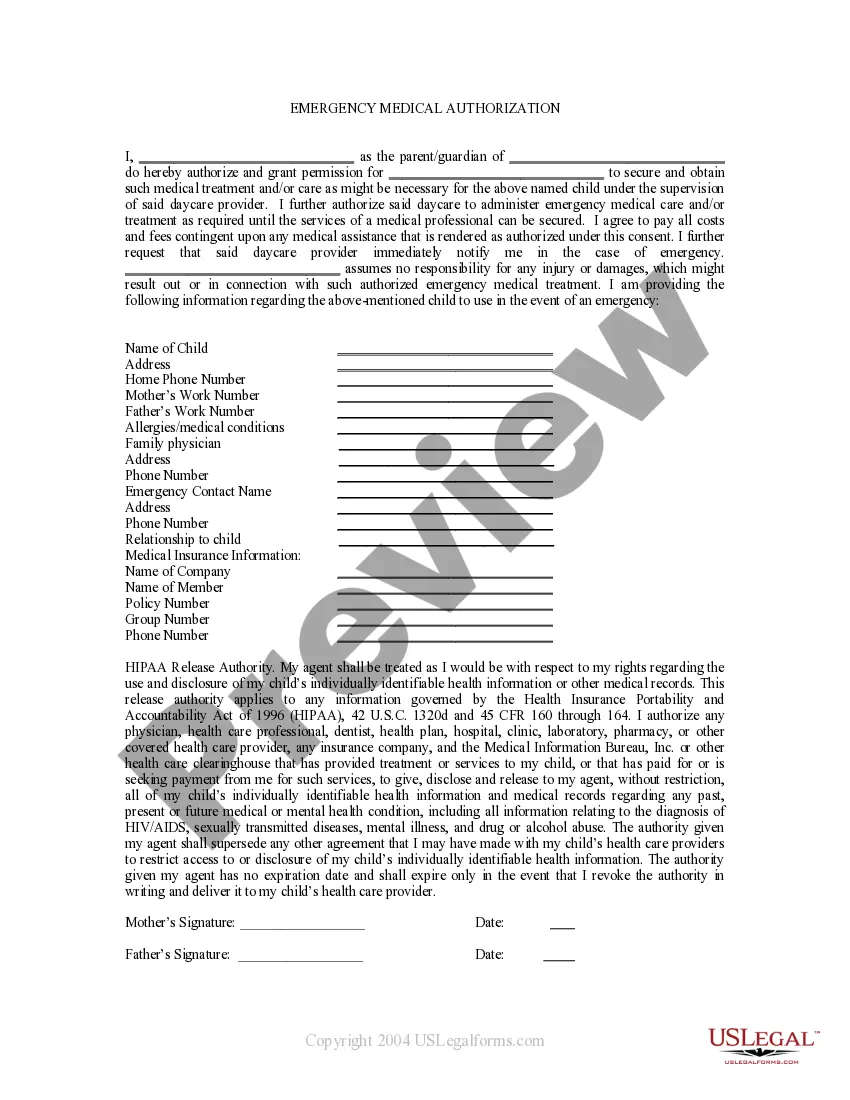
Get your form ready online
Our built-in tools help you complete, sign, share, and store your documents in one place.
Make edits, fill in missing information, and update formatting in US Legal Forms—just like you would in MS Word.
Download a copy, print it, send it by email, or mail it via USPS—whatever works best for your next step.
Sign and collect signatures with our SignNow integration. Send to multiple recipients, set reminders, and more. Go Premium to unlock E-Sign.
If this form requires notarization, complete it online through a secure video call—no need to meet a notary in person or wait for an appointment.
We protect your documents and personal data by following strict security and privacy standards.

Make edits, fill in missing information, and update formatting in US Legal Forms—just like you would in MS Word.

Download a copy, print it, send it by email, or mail it via USPS—whatever works best for your next step.

Sign and collect signatures with our SignNow integration. Send to multiple recipients, set reminders, and more. Go Premium to unlock E-Sign.

If this form requires notarization, complete it online through a secure video call—no need to meet a notary in person or wait for an appointment.

We protect your documents and personal data by following strict security and privacy standards.
Looking for another form?




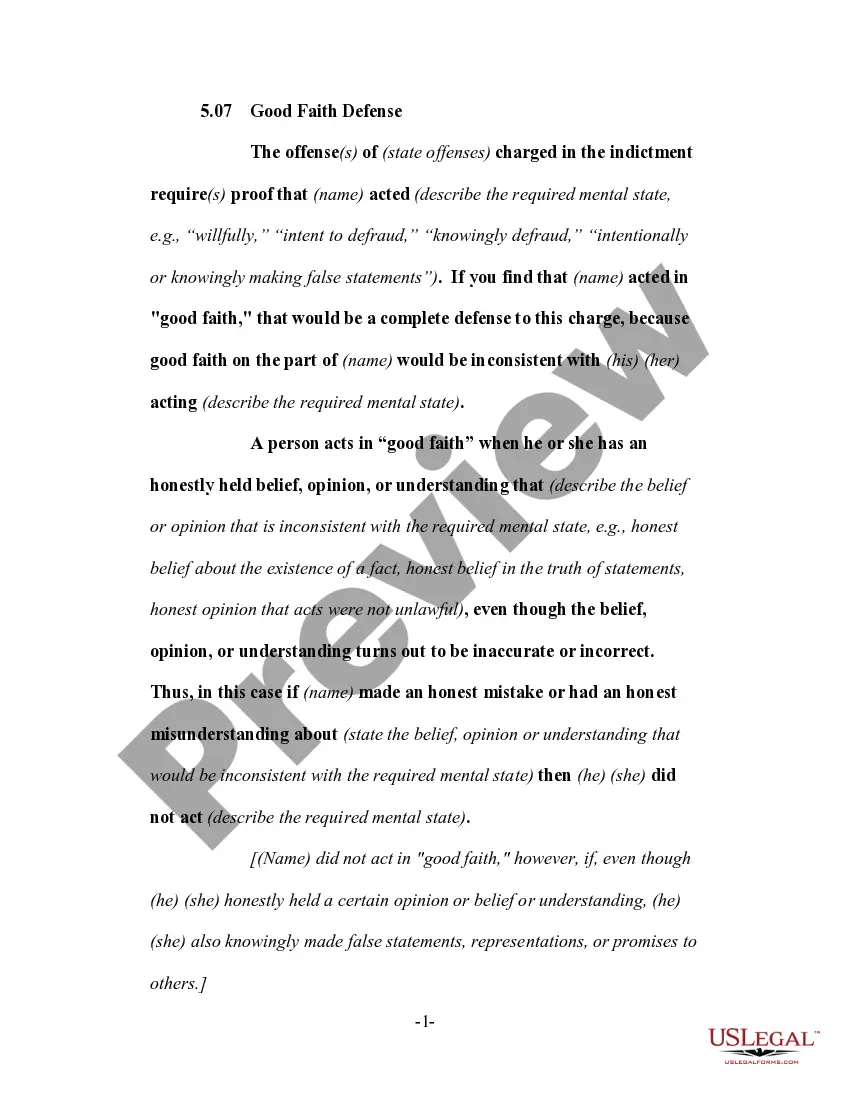





How to fill out Medical Permission Form For School?
It’s clear that you cannot instantly become a legal authority, nor can you easily learn how to swiftly prepare Formulario Solicitud Examen Médico Forense without a specific set of skills.
Assembling legal paperwork is a lengthy process that necessitates particular training and expertise. So why not entrust the development of the Formulario Solicitud Examen Médico Forense to the professionals.
With US Legal Forms, one of the most extensive repositories of legal documents, you can find everything from court forms to templates for workplace communication. We recognize how vital it is to comply with federal and local laws and regulations. That’s why, on our site, all forms are specific to your location and current.
You can regain access to your documents from the My documents tab at any time. If you are an existing client, you can simply Log In, and find and download the template from the same section.
Regardless of the purpose of your forms—be it financial and legal, or personal—our site has you covered. Try US Legal Forms today!
- Locate the document you need by utilizing the search bar at the top of the page.
- View it (if this option is available) and review the accompanying description to see if Formulario Solicitud Examen Médico Forense is what you need.
- Repeat your search if you require another form.
- Create a free account and select a subscription plan to acquire the template.
- Click Buy now. Once the purchase is finalized, you can access the Formulario Solicitud Examen Médico Forense, complete it, print it, and send or mail it to the appropriate individuals or entities.
Form popularity
FAQ
South Carolina does not recognize ?legal separation.? Instead, the South Carolina Family Courts issue Orders of Separate Maintenance and Support, which provide specific details regarding parties' child custody, visitation, and support arrangements, as well as maintaining marital assets and paying marital debts, until ...
There are three requirements for a valid will in South Carolina: It is signed by the will-maker. It must have two witness signatures. It must be notarized by a notary public.
There are three requirements for a valid will in South Carolina: It is signed by the will-maker. It must have two witness signatures. It must be notarized by a notary public.
Lack of formalities. Wills must be properly drafted, witnessed, and signed in ance with various requirements under state law. An estate litigation lawyer can explain more details about these formalities. Without them, the will may not be valid.
proving will speeds up probate because the court can accept the will without contacting the witnesses who signed it. To make your will selfproving, you and your witnesses will go to the notary and sign an affidavit that states who you are and that each of you knew you were signing the will. S.C.
They typically include no verbal or telephonic communication or other forms of communication which includes, Facebook, twitter, text messages and even third-party contact (have a friend or family member pass along a message for you) to the alleged victim.
Wills in South Carolina don't need to be notarized to be valid, but notarization can make the probate process smoother. That's because, when a will is notarized, it means the probate court doesn't have to summon the witnesses to make sure the will is legally binding.
A South Carolina will must be filed with the Probate Court within thirty days of the decedent's death. Once the will is proven, the executor (person who oversees the deceased's estate) can proceed to wrap up the estate, which includes collecting and protecting property, paying off debts, and then distributing assets.