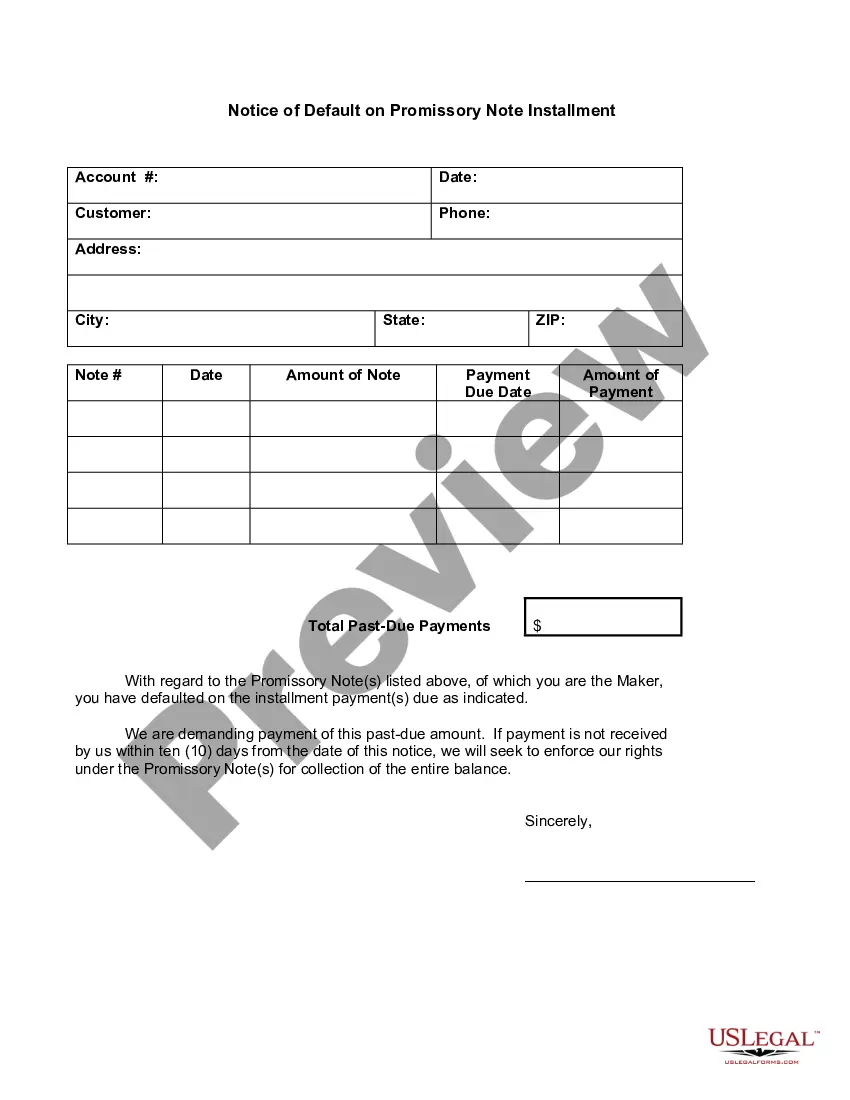
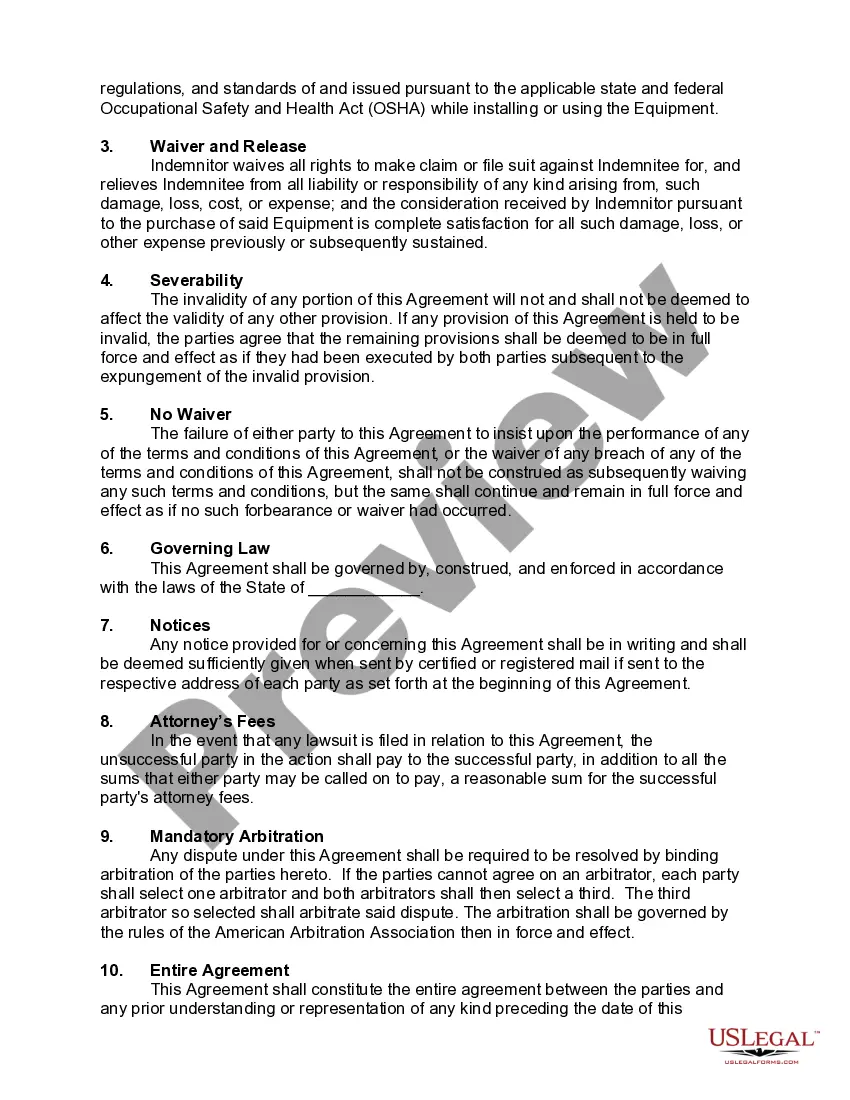
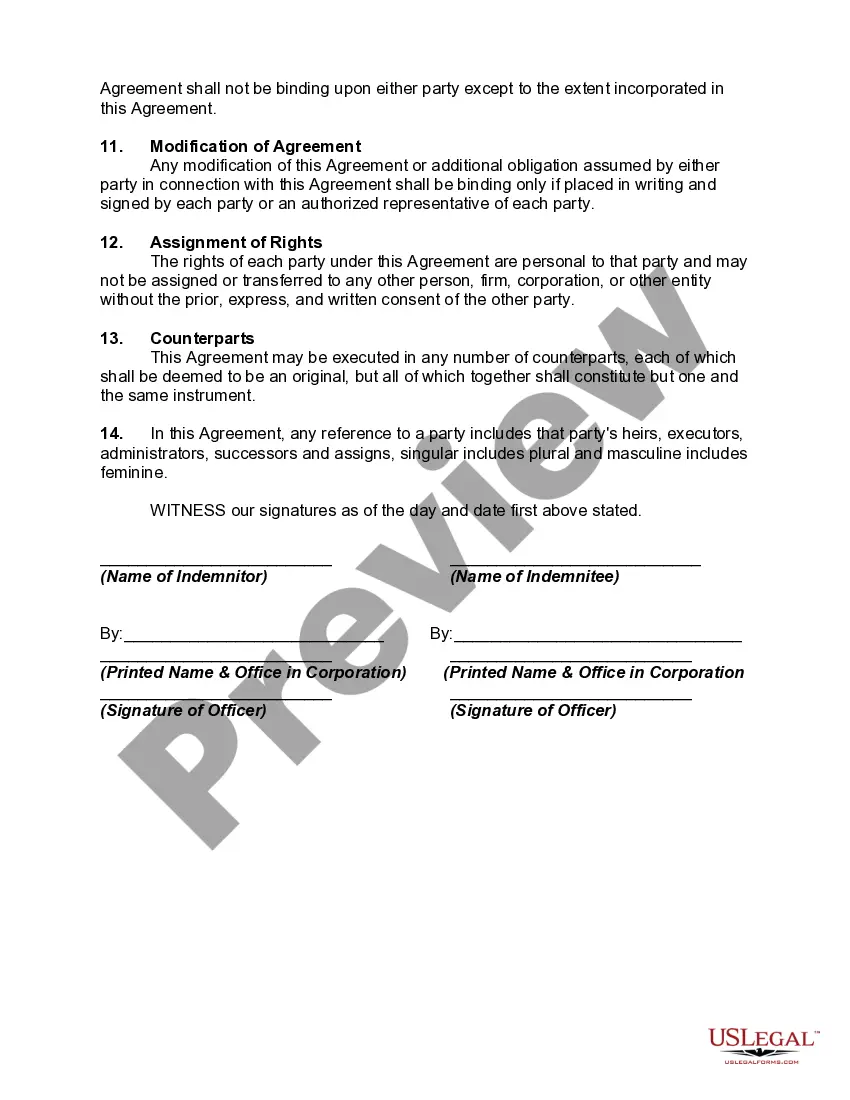
Indemnity Agreement With Quitclaim
Description
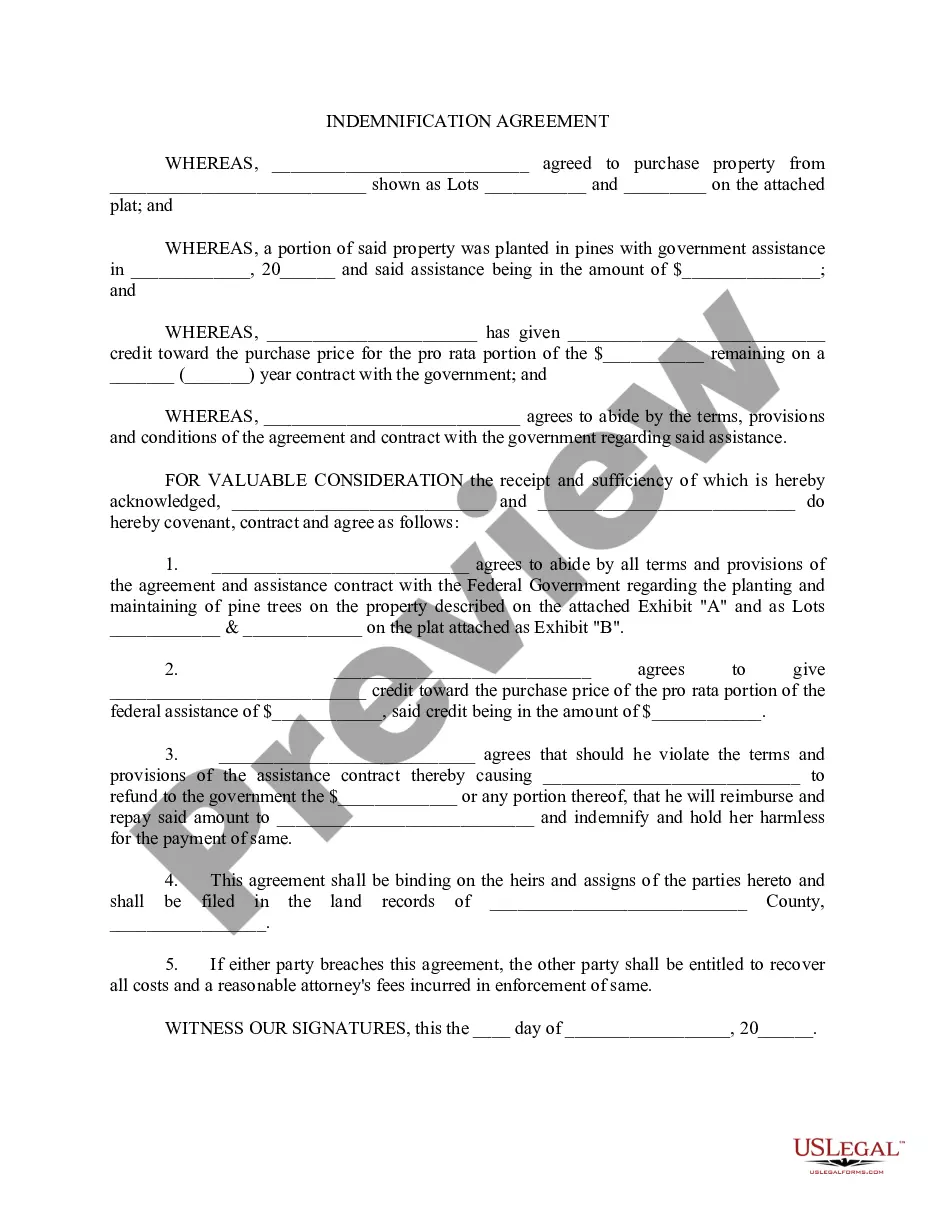
Get your form ready online
Our built-in tools help you complete, sign, share, and store your documents in one place.
Make edits, fill in missing information, and update formatting in US Legal Forms—just like you would in MS Word.
Download a copy, print it, send it by email, or mail it via USPS—whatever works best for your next step.
Sign and collect signatures with our SignNow integration. Send to multiple recipients, set reminders, and more. Go Premium to unlock E-Sign.
If this form requires notarization, complete it online through a secure video call—no need to meet a notary in person or wait for an appointment.
We protect your documents and personal data by following strict security and privacy standards.

Make edits, fill in missing information, and update formatting in US Legal Forms—just like you would in MS Word.

Download a copy, print it, send it by email, or mail it via USPS—whatever works best for your next step.

Sign and collect signatures with our SignNow integration. Send to multiple recipients, set reminders, and more. Go Premium to unlock E-Sign.

If this form requires notarization, complete it online through a secure video call—no need to meet a notary in person or wait for an appointment.

We protect your documents and personal data by following strict security and privacy standards.
Looking for another form?

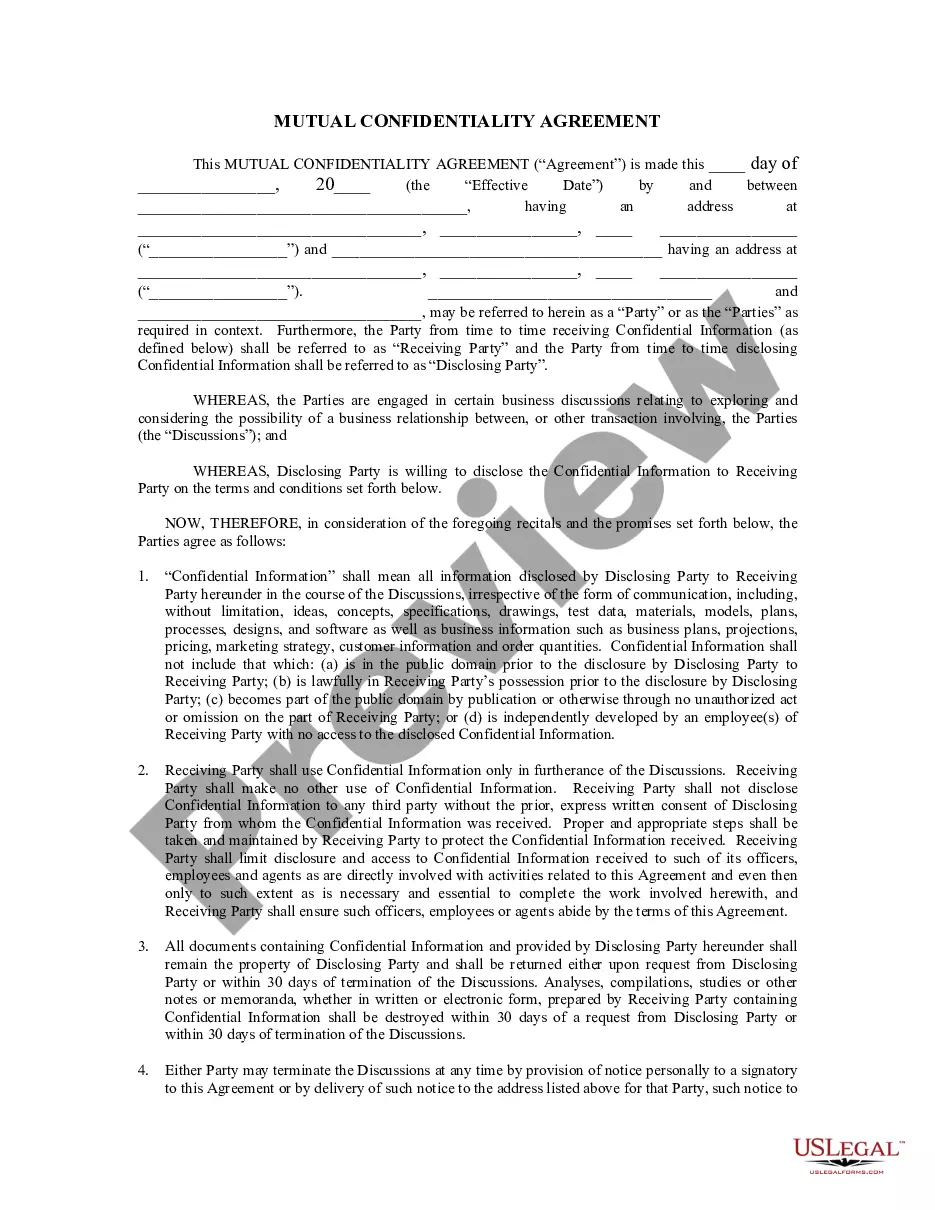
How to fill out Indemnity Agreement Regarding Sale Of Industrial Specialty Equipment?
Bureaucracy necessitates exactness and correctness.
Unless you engage with completing documentation like the Indemnity Agreement With Quitclaim routinely, it may lead to some misinterpretations.
Selecting the appropriate example from the outset will ensure that your document submission will proceed smoothly and avert any troubles of resubmitting a file or repeating the same task from the beginning.
Acquiring the correct and updated templates for your documents is a matter of minutes with an account at US Legal Forms. Sidestep the bureaucratic issues and enhance your form handling efficiency.
- Discover the suitable template using the search bar.
- Verify that the Indemnity Agreement With Quitclaim you’ve found is valid for your state or locality.
- Review the preview or read the description that contains the details on the application of the template.
- If the result matches your search, click the Buy Now button.
- Choose the suitable option among the recommended subscription plans.
- Log In to your account or sign up for a new one.
- Complete the purchase using a credit card or PayPal account.
- Download the form in the format you prefer.
Form popularity
FAQ
There are 3 levels of indemnification: broad form, intermediate form, and limited form. This requires the indemnitor to pay not only for its liabilities but also for the indemnitee's liability whether the indemnitee is solely (i.e. 100%) at fault or partially at fault.
This is an example of what a typical indemnification clause can look like: Party A will perform work at own risk, and indemnifies Party B against all loss, damages, expense, and liability resulting from injury to property." In this example, Party A is agreeing that even if Party B would have been found liable for an
A common example of indemnification happens with reagrd to insurance transactions. This often happens when an insurance company, as part of an individual's insurance policy, agrees to indemnify the insured person for losses that the insured person incurred as the result of accident or property damage.
Intermediate indemnity is the most common form of indemnity. With intermediate indemnity the indemnitor assumes liability if it has contributed to the fault. If the indemnitee is solely at fault, the indemnitor is not liable.
Company/Business/Individual Name shall fully indemnify, hold harmless and defend and its directors, officers, employees, agents, stockholders and Affiliates from and against all claims, demands, actions, suits, damages, liabilities, losses, settlements, judgments, costs and expenses (including but not