Agreement To Pay For Property Damages
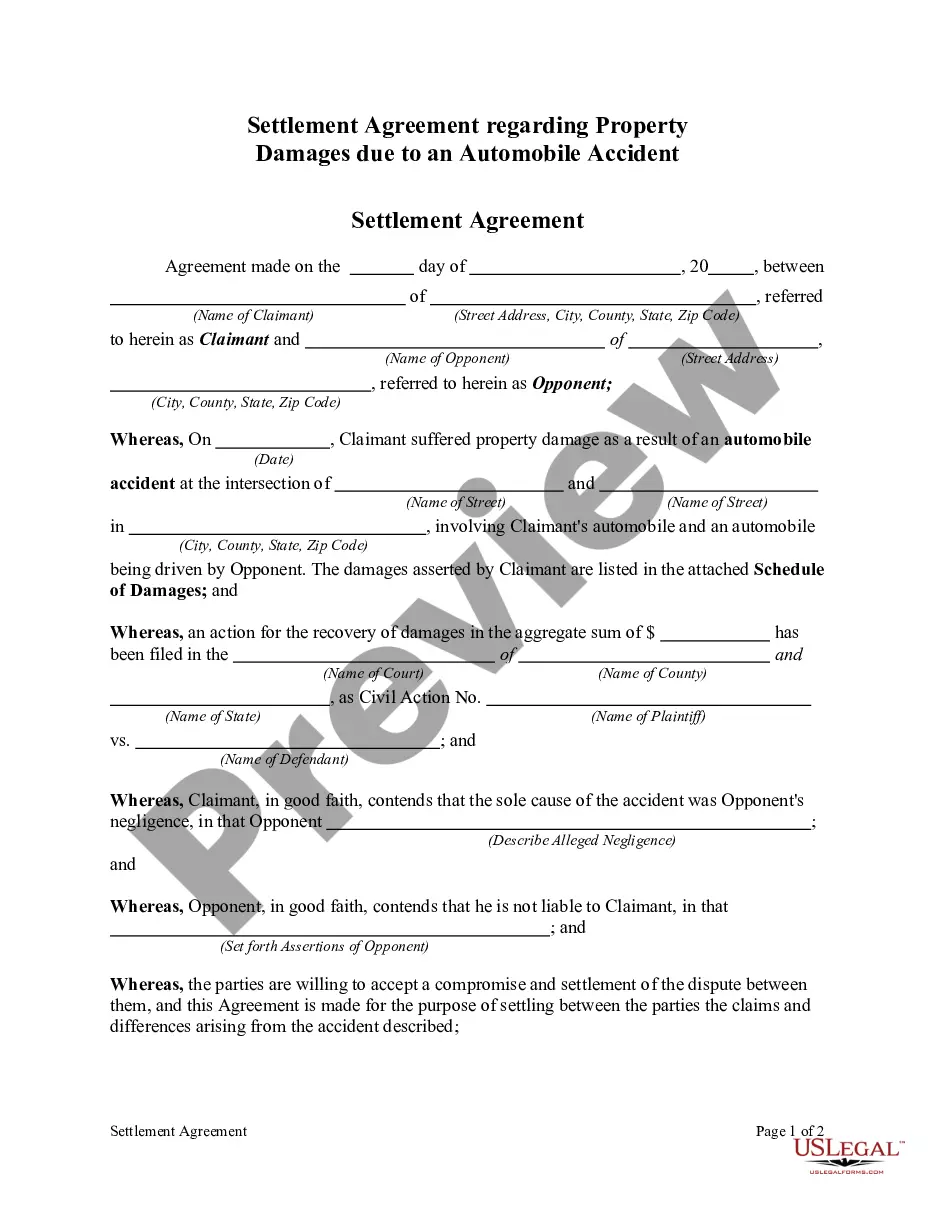
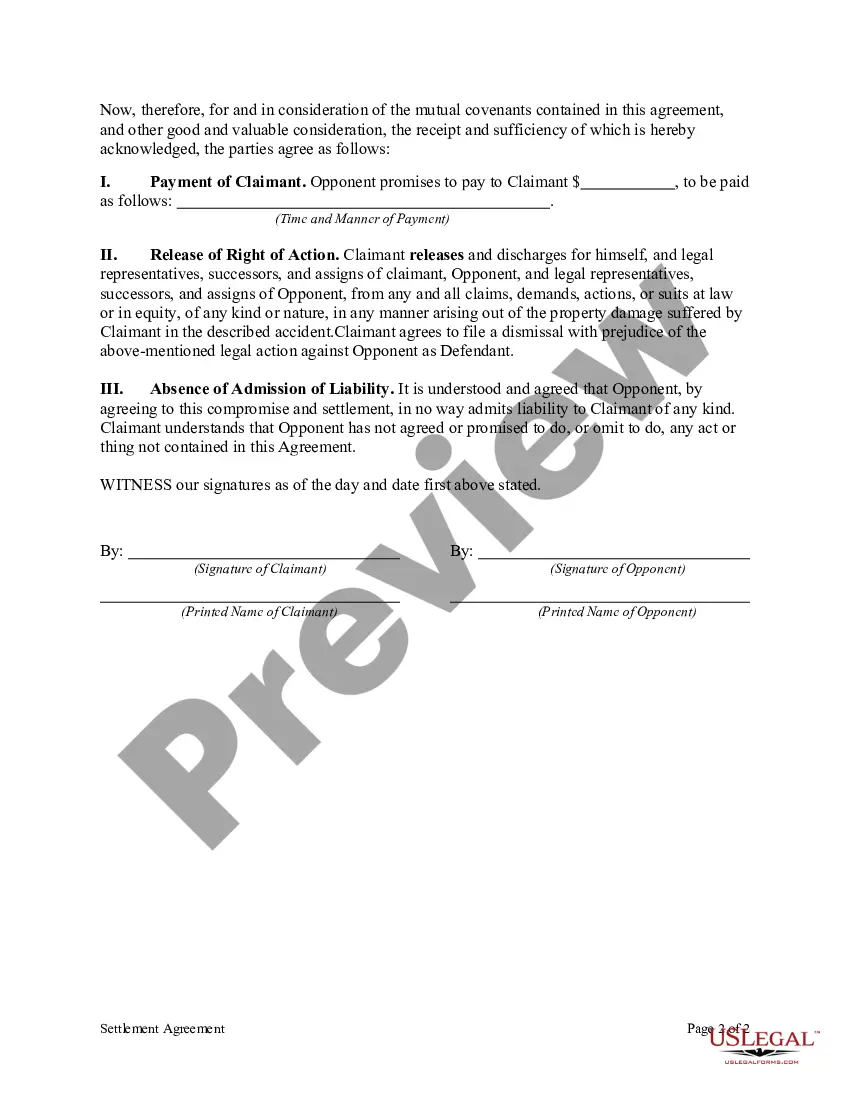
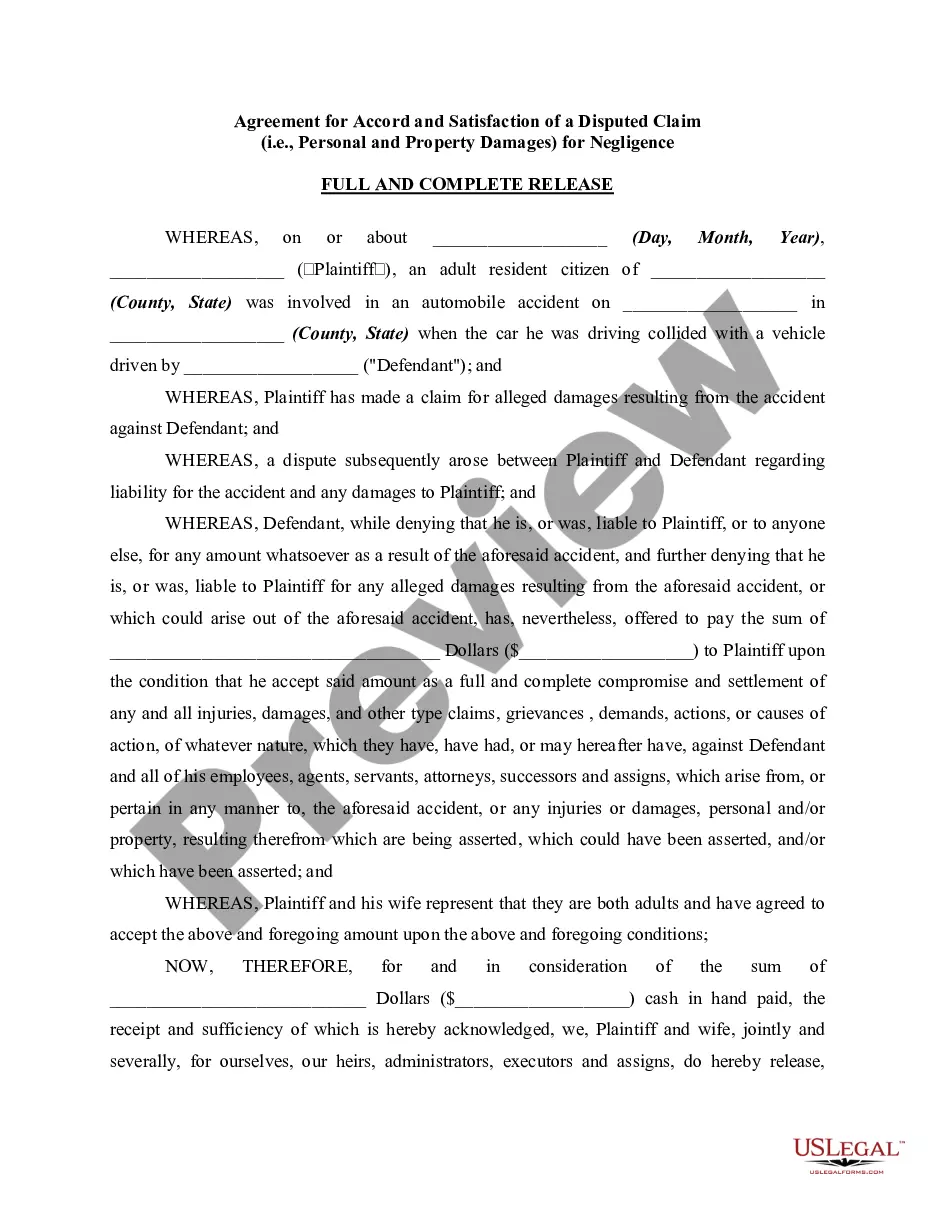
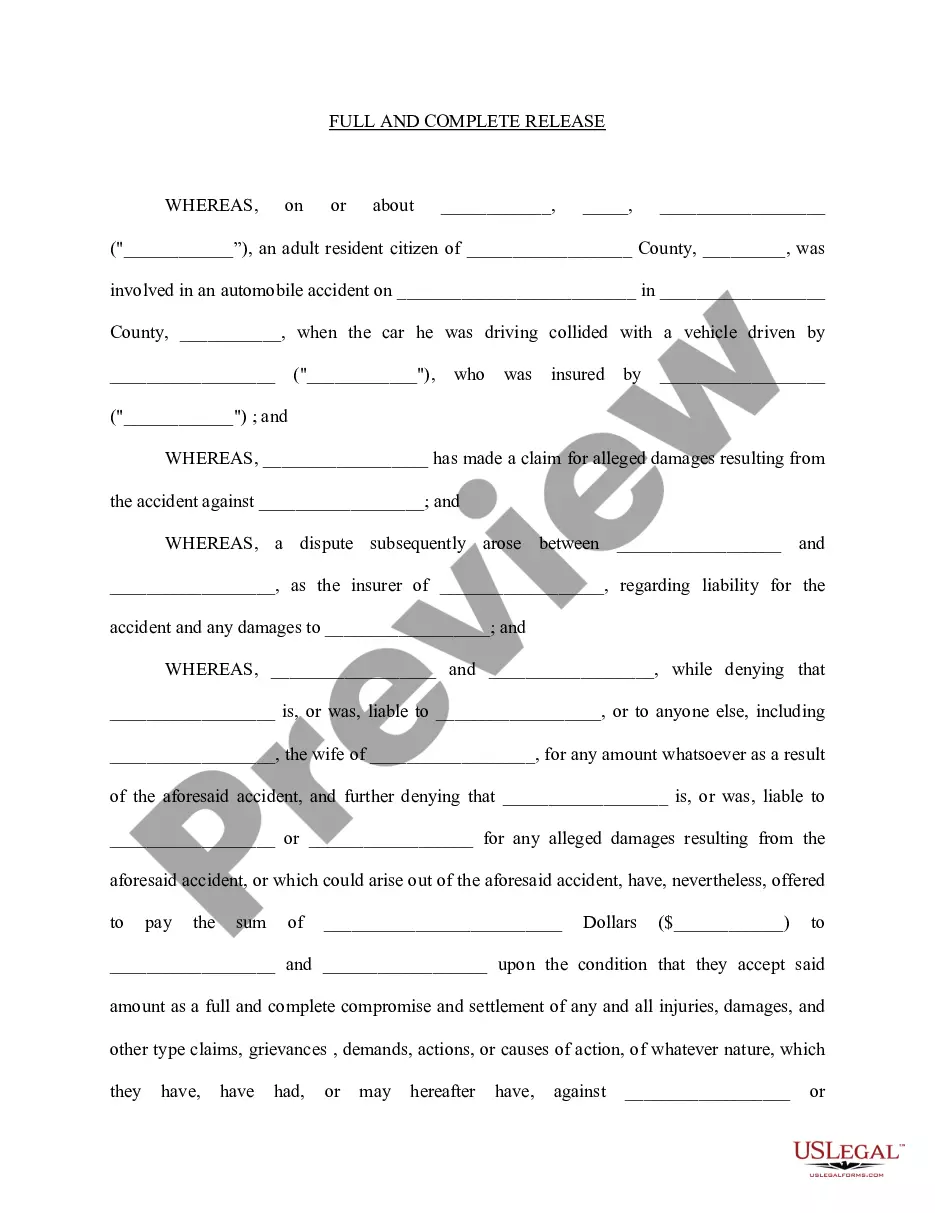
Description
Get your form ready online
Our built-in tools help you complete, sign, share, and store your documents in one place.
Make edits, fill in missing information, and update formatting in US Legal Forms—just like you would in MS Word.
Download a copy, print it, send it by email, or mail it via USPS—whatever works best for your next step.
Sign and collect signatures with our SignNow integration. Send to multiple recipients, set reminders, and more. Go Premium to unlock E-Sign.
If this form requires notarization, complete it online through a secure video call—no need to meet a notary in person or wait for an appointment.
We protect your documents and personal data by following strict security and privacy standards.

Make edits, fill in missing information, and update formatting in US Legal Forms—just like you would in MS Word.

Download a copy, print it, send it by email, or mail it via USPS—whatever works best for your next step.

Sign and collect signatures with our SignNow integration. Send to multiple recipients, set reminders, and more. Go Premium to unlock E-Sign.

If this form requires notarization, complete it online through a secure video call—no need to meet a notary in person or wait for an appointment.

We protect your documents and personal data by following strict security and privacy standards.
Looking for another form?









How to fill out Settlement Agreement Regarding Property Damages Due To An Automobile Accident?
Whether for commercial intents or for personal matters, everyone needs to handle legal issues at some stage in their life.
Completing legal paperwork requires meticulous consideration, commencing with selecting the appropriate form template.
Complete the profile registration form. Choose your payment method: use a credit card or PayPal account. Select the document format you desire and download the Agreement To Pay For Property Damages. Once saved, you can fill out the form using editing software or print it and complete it by hand. With a comprehensive US Legal Forms catalog available, you never have to waste time searching for the correct template online. Utilize the library’s intuitive navigation to find the suitable template for any situation.
- For example, if you pick an incorrect version of the Agreement To Pay For Property Damages, it will be rejected after submission.
- Thus, it is vital to secure a trustworthy source of legal documents like US Legal Forms.
- If you need to acquire an Agreement To Pay For Property Damages template, adhere to these straightforward steps.
- Obtain the template you require by utilizing the search feature or catalog navigation.
- Examine the form’s description to ensure it aligns with your case, state, and county.
- Click on the form’s preview to inspect it.
- If it is the wrong document, return to the search function to locate the Agreement To Pay For Property Damages sample you need.
- Acquire the template when it fulfills your criteria.
- If you already possess a US Legal Forms profile, simply click Log in to access previously saved documents in My documents.
- If you haven’t created an account yet, you can download the form by clicking Buy now.
- Select the correct pricing option.
Form popularity
FAQ
The property damage rule describes the legal principle that allows property owners to seek compensation for losses, typically due to negligence or wrongful acts of others. It emphasizes that those responsible for property damage must pay for the costs incurred by the affected party. Understanding this rule is crucial, especially when creating an agreement to pay for property damages, as it sets clear expectations for all parties involved. Legal platforms like uslegalforms can assist in drafting agreements that clearly outline responsibilities under this rule.
A payment for damages refers to funds transferred to cover losses caused by actions that resulted in property damage. This payment can take many forms, often involving a structured agreement to pay for property damages in legal scenarios. To ensure compliance and clarity, it is advisable to document such arrangements formally. This documentation serves as proof of the commitment to cover any damages.
The term 'indemnification' is used to describe the process of paying for damages. This legal concept involves one party assuming the financial responsibility for another's losses. In the context of an agreement to pay for property damages, indemnification guarantees that the responsible party covers repair costs or any incurred expenses due to property damage. Creating such agreements provides clarity and security for both parties.
A common term for paying for damages is 'remittance' or simply 'payment.' This involves transferring funds to cover the costs associated with property damages. In legal contexts, this can be part of an agreement to pay for property damages, ensuring that the impacted party receives compensation for their losses. Using a formal agreement protects both parties and clarifies the obligations involved.
In California, the law regarding property damage emphasizes the responsibility of individuals to repair or compensate for damages caused to someone else's property. An agreement to pay for property damages can help clarify the terms of repair or compensation, providing legal assurance for both parties. It is crucial to understand your rights and obligations under this agreement to avoid potential disputes. Utilizing a trusted platform like US Legal Forms can guide you in drafting a legally sound agreement tailored to your specific situation.
Identify the damages you have suffered. For example, describe your monetary loss, the injuries you suffered, the damage to your property, and how much it will cost to fix it. Explain why your damages was your opponent's fault. Then, state what you want as compensation for these damages.
I hereby WAIVE, in advance, ALL CLAIMS for loss, theft or damage to any property owned or controlled by me, that I may in the future have against the Released Parties, relating in any way to an Event and either of the following: (a) my choosing to park any vehicle owned or controlled by me in any areas owned or ...
How to write a demand letter Establish facts. Don't assume everyone knows the facts. ... Refer to evidence. If there's evidence (like a contract), you don't need to include it, but you should refer to it. ... Make a demand. Be specific as to what you want. ... Set a deadline and establish method of payment. ... Offer a consequence.
Indemnity is a contractual agreement between two parties in which one party agrees to pay for potential losses or damage caused by another party.
What to Include in Your Demand Letter for Property Damage Add as many details about how the property got damaged. ... Make sure to include exactly what you are demanding payment for. ... Include how you would like to receive payment.