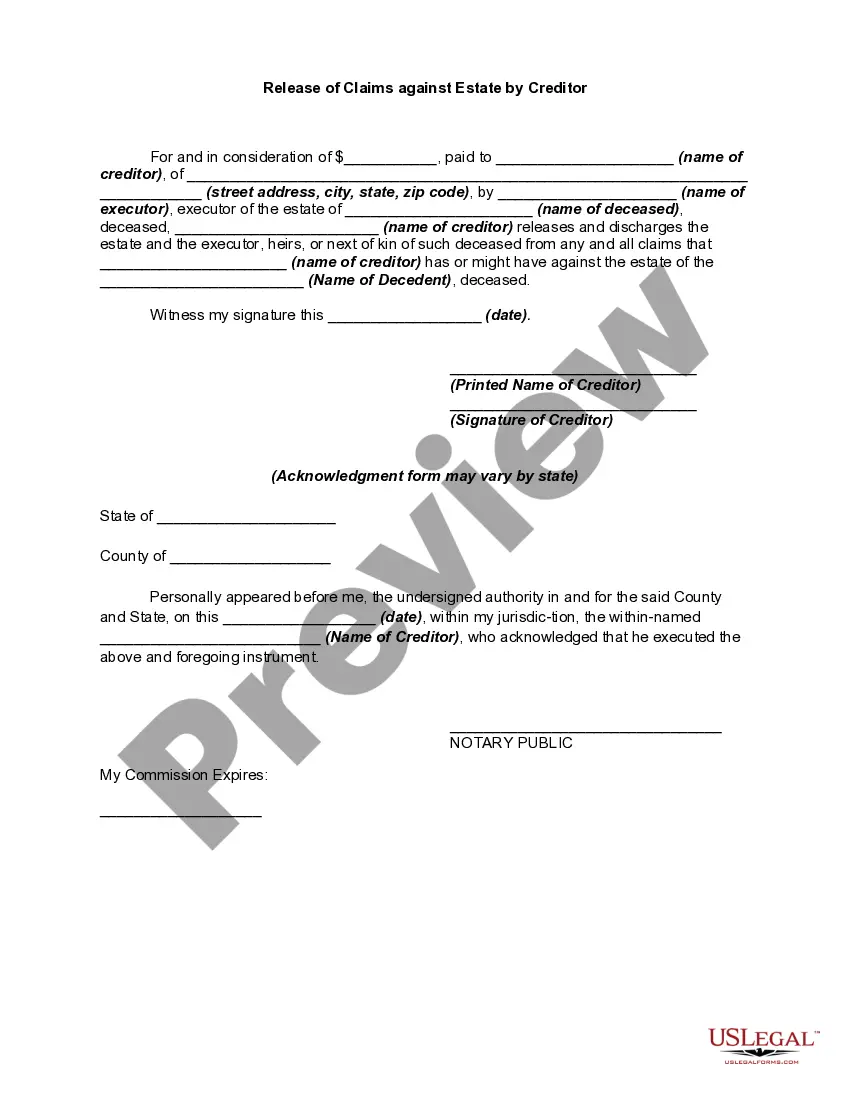
Release Against Estate With A Will
Description
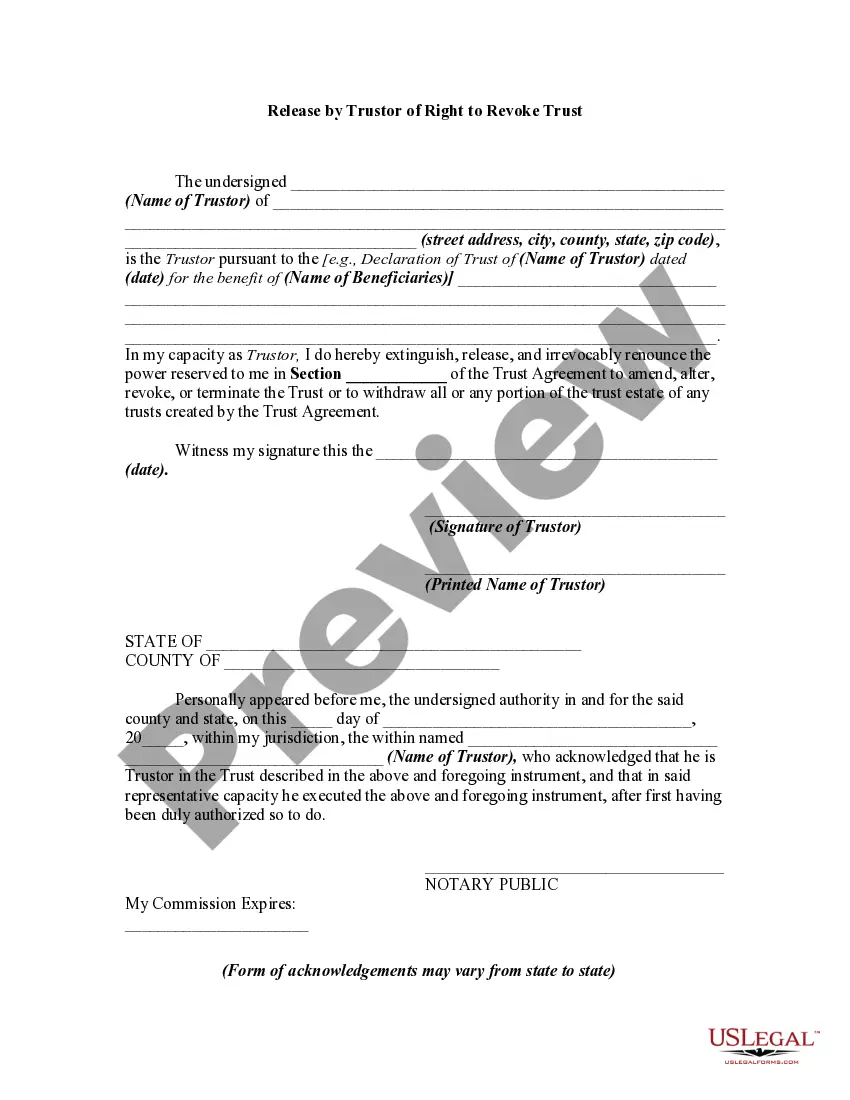
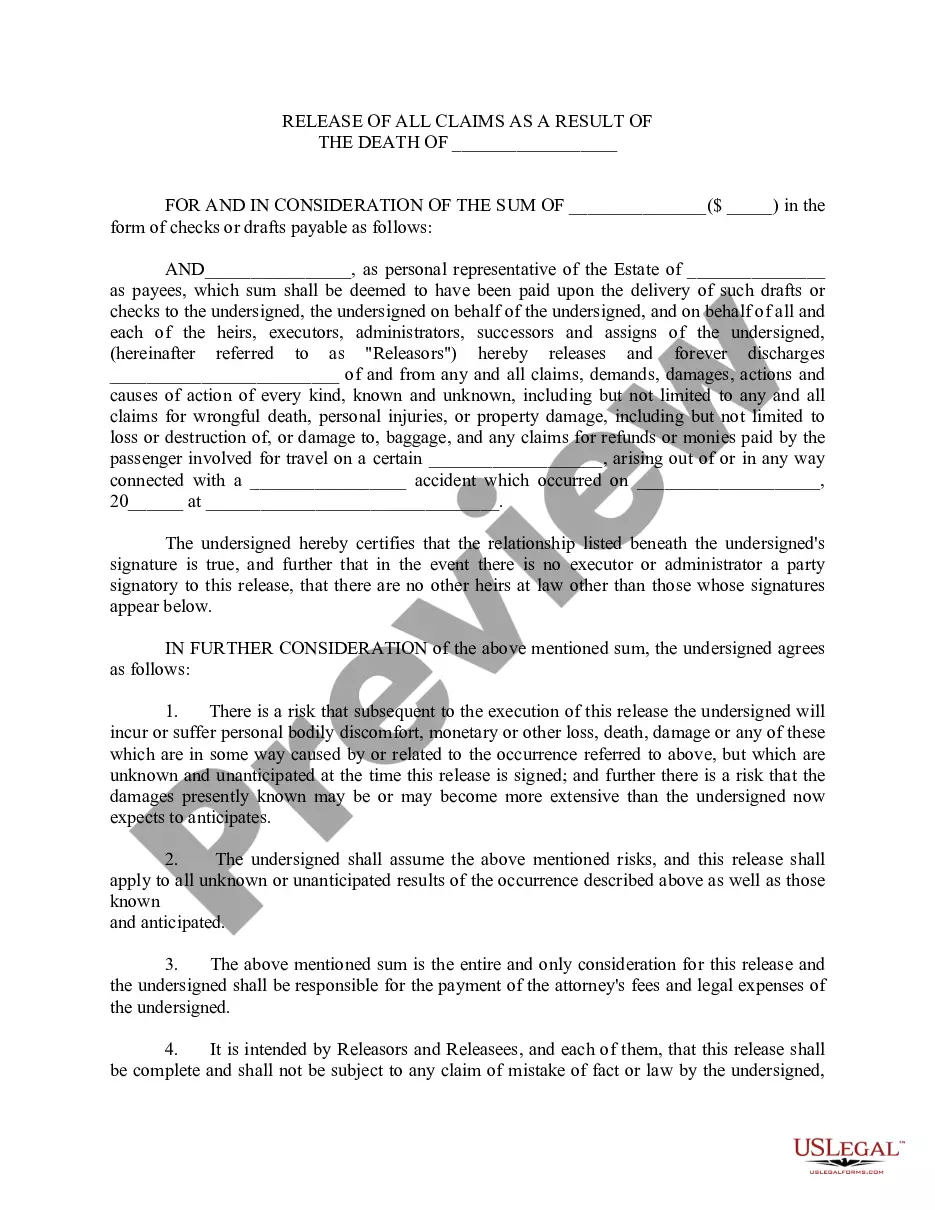
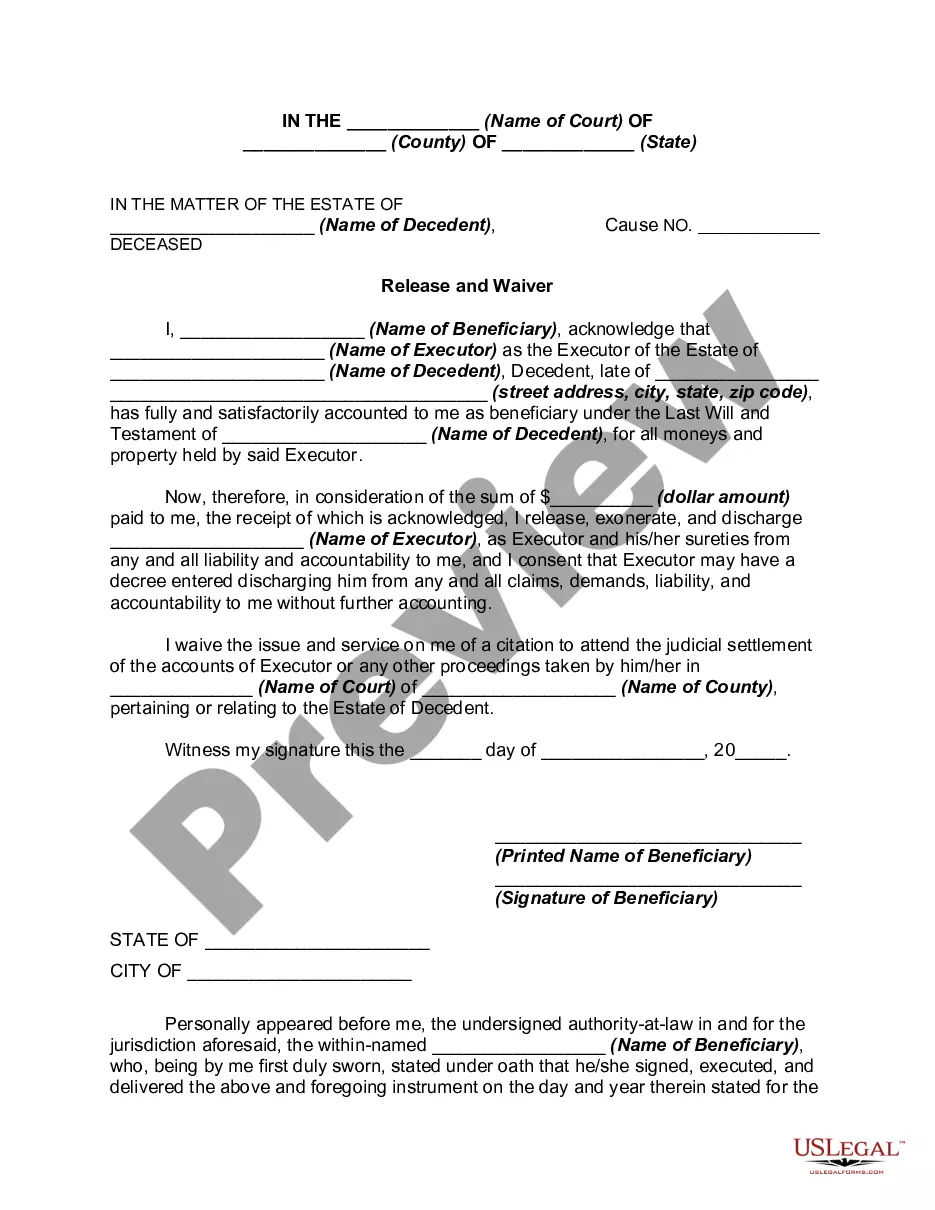
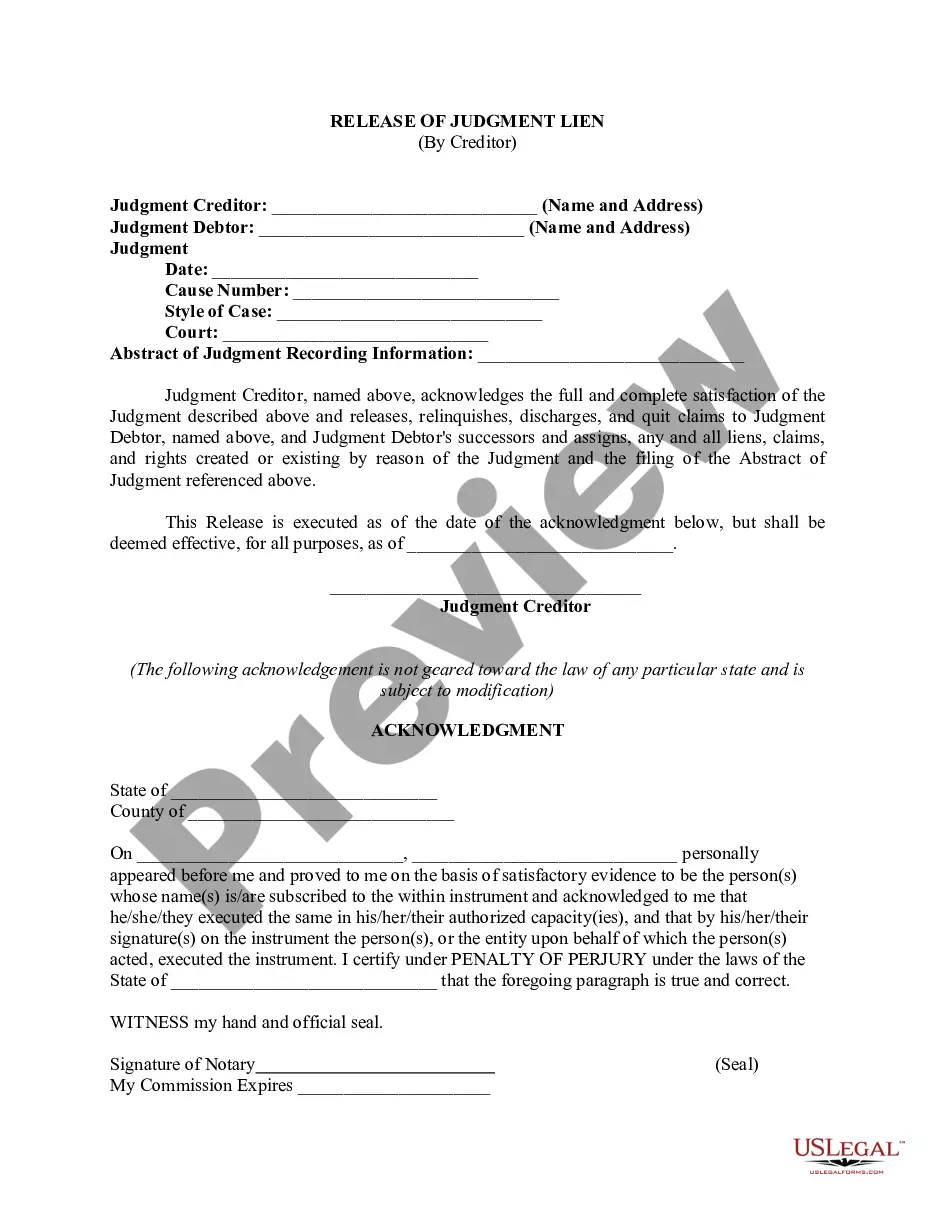
Get your form ready online
Our built-in tools help you complete, sign, share, and store your documents in one place.
Make edits, fill in missing information, and update formatting in US Legal Forms—just like you would in MS Word.
Download a copy, print it, send it by email, or mail it via USPS—whatever works best for your next step.
Sign and collect signatures with our SignNow integration. Send to multiple recipients, set reminders, and more. Go Premium to unlock E-Sign.
If this form requires notarization, complete it online through a secure video call—no need to meet a notary in person or wait for an appointment.
We protect your documents and personal data by following strict security and privacy standards.

Make edits, fill in missing information, and update formatting in US Legal Forms—just like you would in MS Word.

Download a copy, print it, send it by email, or mail it via USPS—whatever works best for your next step.

Sign and collect signatures with our SignNow integration. Send to multiple recipients, set reminders, and more. Go Premium to unlock E-Sign.

If this form requires notarization, complete it online through a secure video call—no need to meet a notary in person or wait for an appointment.

We protect your documents and personal data by following strict security and privacy standards.
Looking for another form?


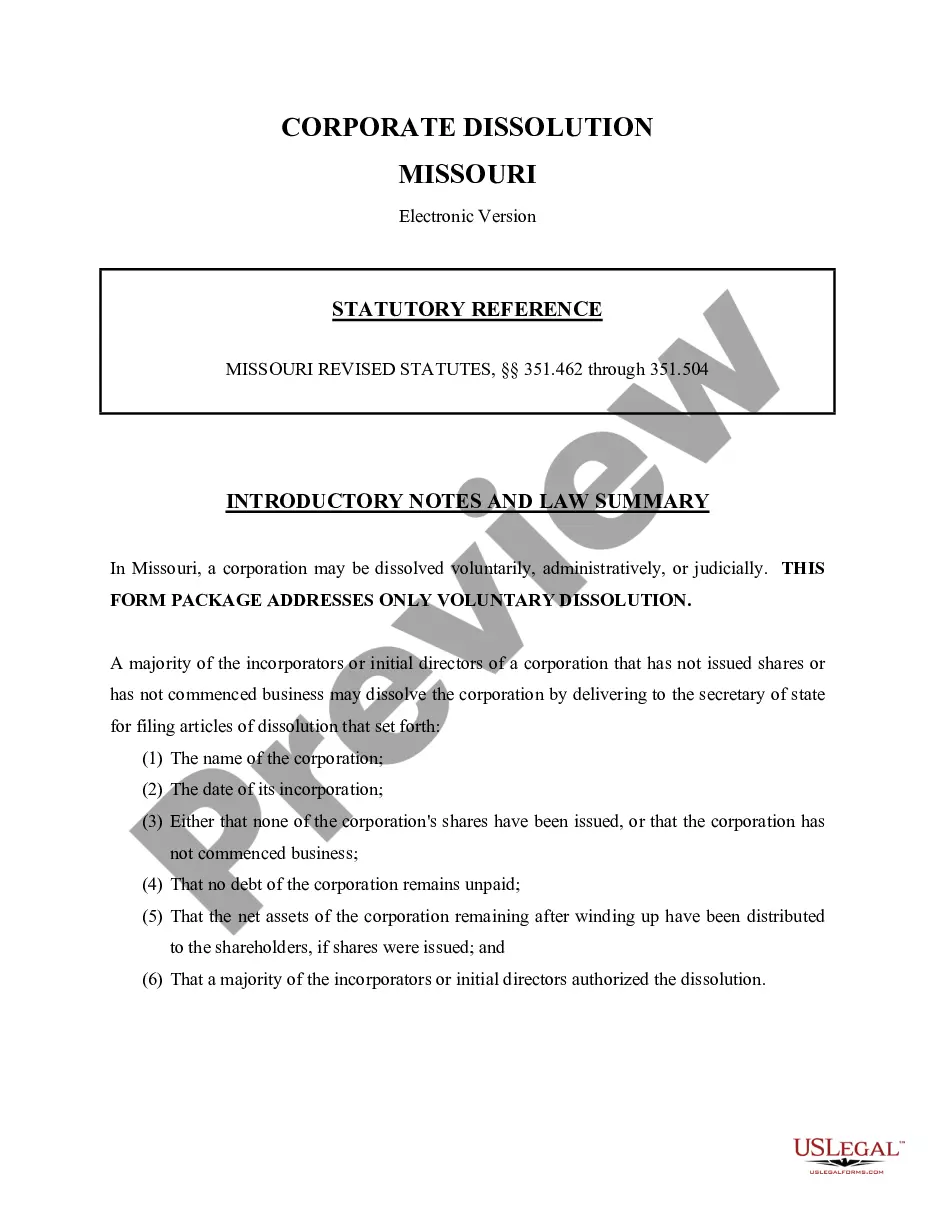




How to fill out Release Of Claims Against Estate By Creditor?
- If you have previously used the US Legal Forms service, simply log in to your account and download the necessary form template by clicking the Download button. Ensure your subscription is active; if not, renew it based on your payment plan.
- For first-time users, start by reviewing the Preview mode and form description to confirm you've selected the correct form that meets your needs and local jurisdiction requirements.
- Search for additional templates if needed. Should you find any discrepancies, utilize the Search tab to locate the appropriate form. If it matches your criteria, proceed to the next step.
- Purchase the document by clicking the Buy Now button and selecting your desired subscription plan. Registration for an account is required to access the document library.
- Complete your purchase by providing your credit card information or using your PayPal account for the subscription.
- Download your form and save it to your device for completion. You can also access it anytime from the My Forms section of your profile.
US Legal Forms empowers individuals and attorneys by providing a robust collection of legal documents. With over 85,000 easily editable forms, you can ensure that your legal paperwork is both accurate and compliant with state laws.
Get started today and simplify your legal document needs with US Legal Forms. Your journey to effective legal solutions begins here!
Form popularity
FAQ
Relieving an estate from administration means that the probate process is complete, allowing for the swift distribution of assets to beneficiaries. This often follows a successful release against an estate with a will, ensuring that all obligations have been met. Once an estate is relieved from administration, beneficiaries can access their inheritance without ongoing legal hurdles.
Clearing a deceased estate involves paying off debts, settling taxes, and ensuring all necessary paperwork is completed. This process may require you to release against the estate with a will to facilitate the proper distribution of assets. Utilizing resources like USLegalForms can streamline this process, helping you navigate legal requirements efficiently.
Creditors typically have a limited timeframe to make claims against an estate, usually around 6 months after the estate enters probate. During this period, the executor must release against the estate with a will, addressing valid claims while protecting the estate's assets. It is wise for the executor to notify all known creditors promptly to avoid complications.
Assets such as life insurance policies, retirement accounts, and jointly owned properties do not go through probate. These assets automatically transfer to designated beneficiaries. Ensuring a clear release against estate with a will can help clarify the intent and reduce complications during the transfer process.
Establishing joint ownership of property is a commonly used way to avoid probate. When one owner dies, the other automatically inherits the asset. You might also want to explore using a release against estate with a will to further streamline your estate management process.
Yes, beneficiaries can override probate in certain cases. If the asset is designated with a beneficiary, it passes directly to them, bypassing probate altogether. This makes it crucial to consider the implications of a release against estate with a will for effective estate planning.
To release funds after probate, the executor must submit a petition to the court for distribution. This process confirms that all debts and taxes have been settled. By using a release against estate with a will, you can simplify the release of funds and ensure a smoother transition for beneficiaries.
Yes, there are ways to avoid probate, such as establishing a living trust or naming beneficiaries on accounts. These strategies help you ensure that your assets transfer seamlessly upon your death. The release against estate with a will can also function as a helpful tool in these situations.
Typically, you have about six months to a year to settle an estate after someone passes away. However, this timeline can vary depending on state laws and the complexity of the estate. Utilizing a release against estate with a will can streamline this process, allowing you to manage the estate efficiently.
One method that does not exist for avoiding probate is simply declaring that your assets are not subject to it. This is often misunderstood. Remember, legally handling an estate requires following specific processes, and the release against estate with a will ensures that your wishes are honored correctly.