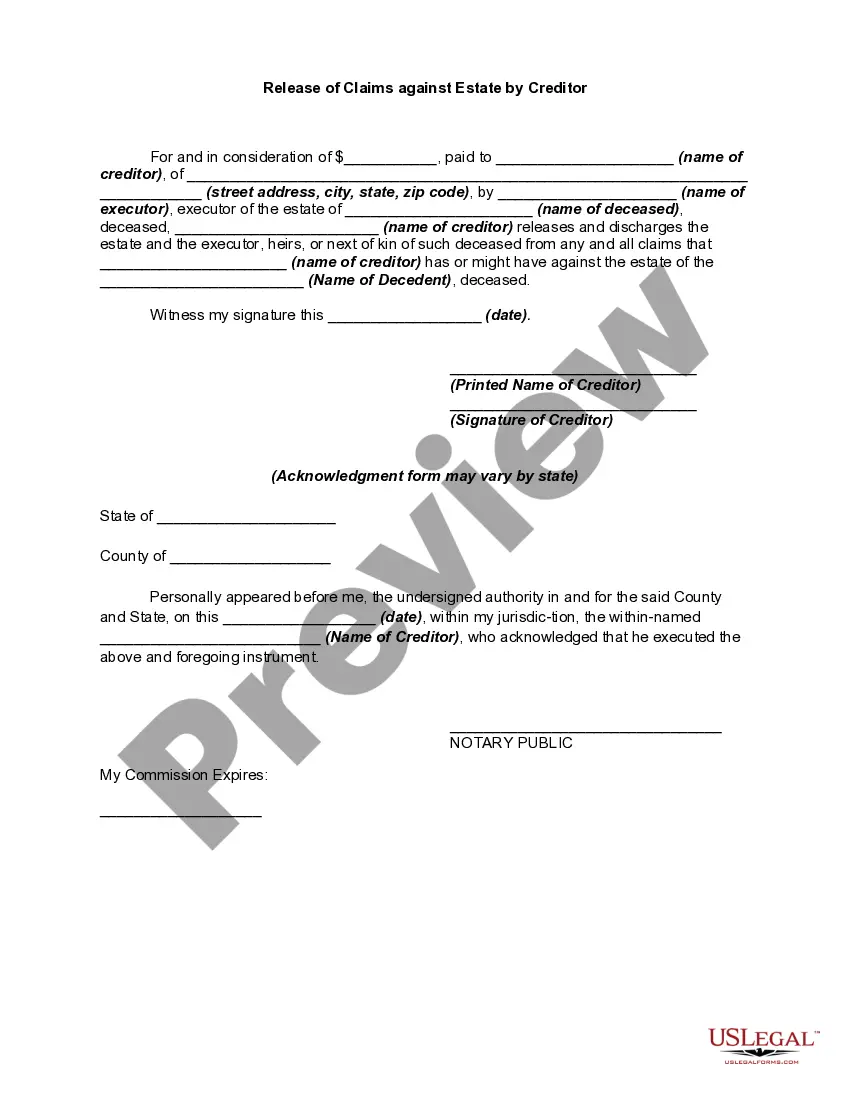
Estate State Deceased With No
Description
Get your form ready online
Our built-in tools help you complete, sign, share, and store your documents in one place.
Make edits, fill in missing information, and update formatting in US Legal Forms—just like you would in MS Word.
Download a copy, print it, send it by email, or mail it via USPS—whatever works best for your next step.
Sign and collect signatures with our SignNow integration. Send to multiple recipients, set reminders, and more. Go Premium to unlock E-Sign.
If this form requires notarization, complete it online through a secure video call—no need to meet a notary in person or wait for an appointment.
We protect your documents and personal data by following strict security and privacy standards.

Make edits, fill in missing information, and update formatting in US Legal Forms—just like you would in MS Word.

Download a copy, print it, send it by email, or mail it via USPS—whatever works best for your next step.

Sign and collect signatures with our SignNow integration. Send to multiple recipients, set reminders, and more. Go Premium to unlock E-Sign.

If this form requires notarization, complete it online through a secure video call—no need to meet a notary in person or wait for an appointment.

We protect your documents and personal data by following strict security and privacy standards.
Looking for another form?
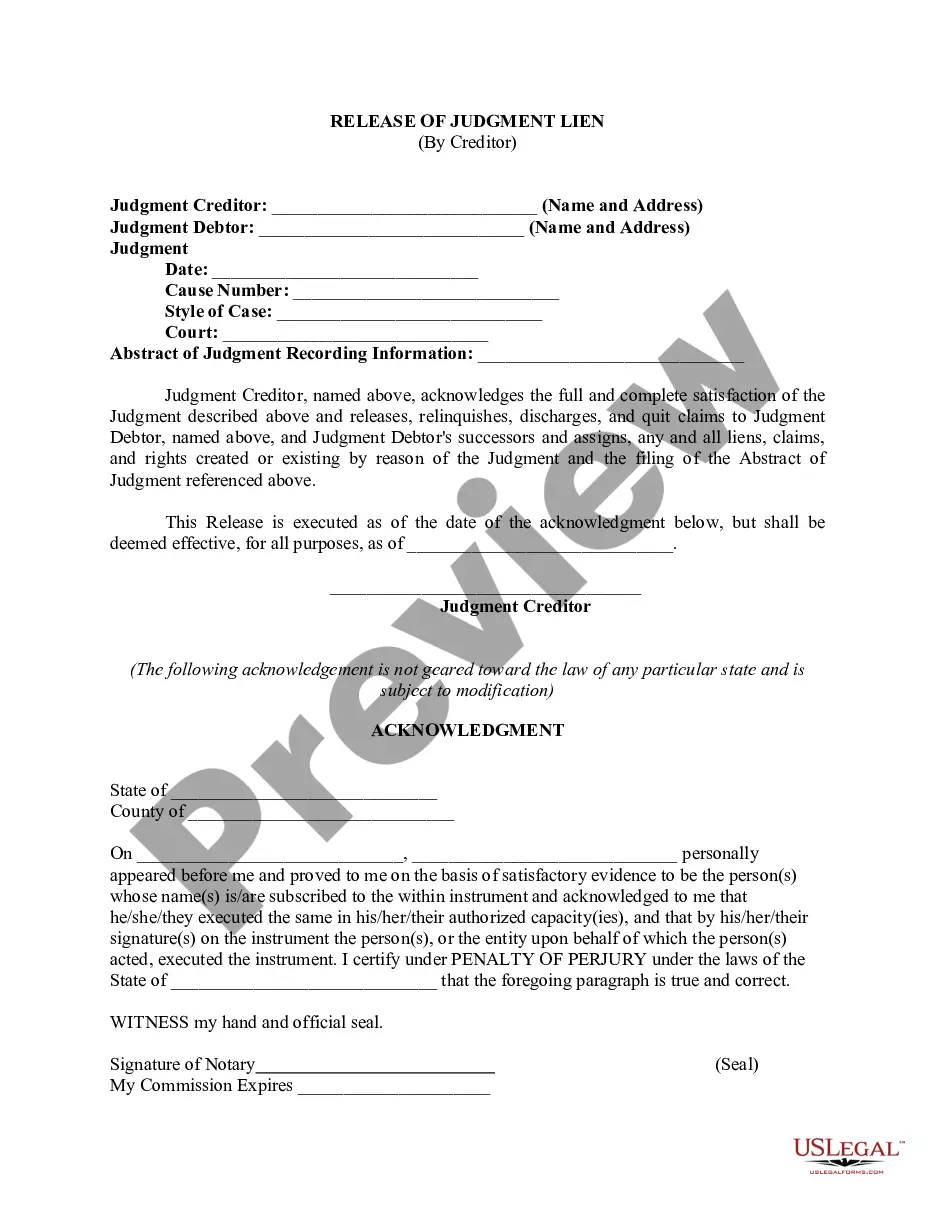
How to fill out Release Of Claims Against Estate By Creditor?
Managing legal documents can be daunting, even for the most experienced professionals.
If you are interested in an Estate State Deceased With No and lack the time to search for the appropriate and current version, the process can become stressful.
US Legal Forms fulfills any needs you may have, ranging from personal to business documents, all in one location.
Utilize advanced tools to complete and manage your Estate State Deceased With No.
Follow these steps after finding the form you need: Verify it is the correct form by previewing it and reviewing its details, ensure that the template is recognized in your state or county, click Buy Now when ready, select a monthly subscription plan, choose the format you prefer, and Download, complete, sign, print, and send your document. Experience the US Legal Forms online library, backed by 25 years of expertise and reliability. Transform your daily document management into a straightforward and user-friendly process today.
- Access a valuable repository of articles, guides, and resources pertinent to your situation and requirements.
- Save time and energy searching for the documents you need by leveraging US Legal Forms’ sophisticated search and Review feature to obtain Estate State Deceased With No.
- If you have a membership, Log In to your US Legal Forms account, locate the form, and acquire it.
- Check the My documents tab to view the documents you have previously saved and manage your folders as desired.
- If you are new to US Legal Forms, create an account to gain unlimited access to all the platform's features.
- A comprehensive online form library can significantly benefit anyone looking to navigate these situations effectively.
- US Legal Forms is a leader in the online legal forms sector, offering over 85,000 state-specific legal forms accessible at any time.
- With US Legal Forms, you can access legal and business forms specific to your state or county.
Form popularity
FAQ
A proof of executor is a legal document that confirms an individual's authority to administer an estate. This document is typically issued by the probate court upon verifying the executor's appointment. It is essential for executing the deceased's wishes, managing assets, and settling debts. Using US Legal Forms can help you gather the necessary paperwork to obtain this proof efficiently.
When there is no will, the estate is distributed according to state intestacy laws. Generally, the deceased's closest relatives, such as spouses, children, or parents, will inherit the estate. If no immediate family exists, the estate may go to more distant relatives. US Legal Forms can help you understand the distribution process based on your specific state laws.
To file for executor status without a will, you must submit a petition to the probate court in the deceased's county. This petition should include information regarding the estate and the heirs. You will also need to provide evidence supporting your request to be appointed as executor. Consider using US Legal Forms to access templates that can help streamline your filing.
Proving an executor without a will involves demonstrating the deceased's intentions through evidence such as affidavits or testimony from family members. You will need to file a petition with the probate court outlining your relationship to the deceased and your role. The court will consider this information when deciding on the executor's appointment. US Legal Forms can assist you in preparing the necessary legal documents.
To verify the executor of an estate, you should check the probate court records where the estate is filed. The court documents will list the appointed executor and their authority. Additionally, you can request a copy of the will, if available, or any court orders related to the executor's appointment. Utilizing services like US Legal Forms can simplify obtaining these documents.
If there is no will, the estate is considered intestate. First, you should identify the legal heirs based on state laws, which dictate the distribution of assets. Next, you may need to petition the probate court to appoint an administrator for the estate. US Legal Forms can provide resources to help you navigate these steps smoothly.
Every state sets the priority ing to which claims must be paid. The estate's beneficiaries only get paid once all the creditor claims have been satisfied. Usually, estate administration fees, funeral expenses, support payments, and taxes have priority over other claims.
To apply for an Employer Identification Number (EIN) for a decedent's estate, use Form SS-4, Application for EIN. Applicants in the U.S. or U.S. possessions can apply for and receive an EIN free of charge on IRS.gov.
If the personal administrator decides to pay creditors from an insolvent estate, they must do so in the following order. Secured creditors. Reasonable funeral, administration and testamentary expenses. Testamentary expenses can include things like probate fees and solicitor fees.
Most executors must file final state and federal income tax returns for the calendar year in which the deceased person died. A tax return is required if the deceased person received at least a minimum amount of income (set by federal law each year) in the last year of life.