Estate State Deceased For Sale
Description
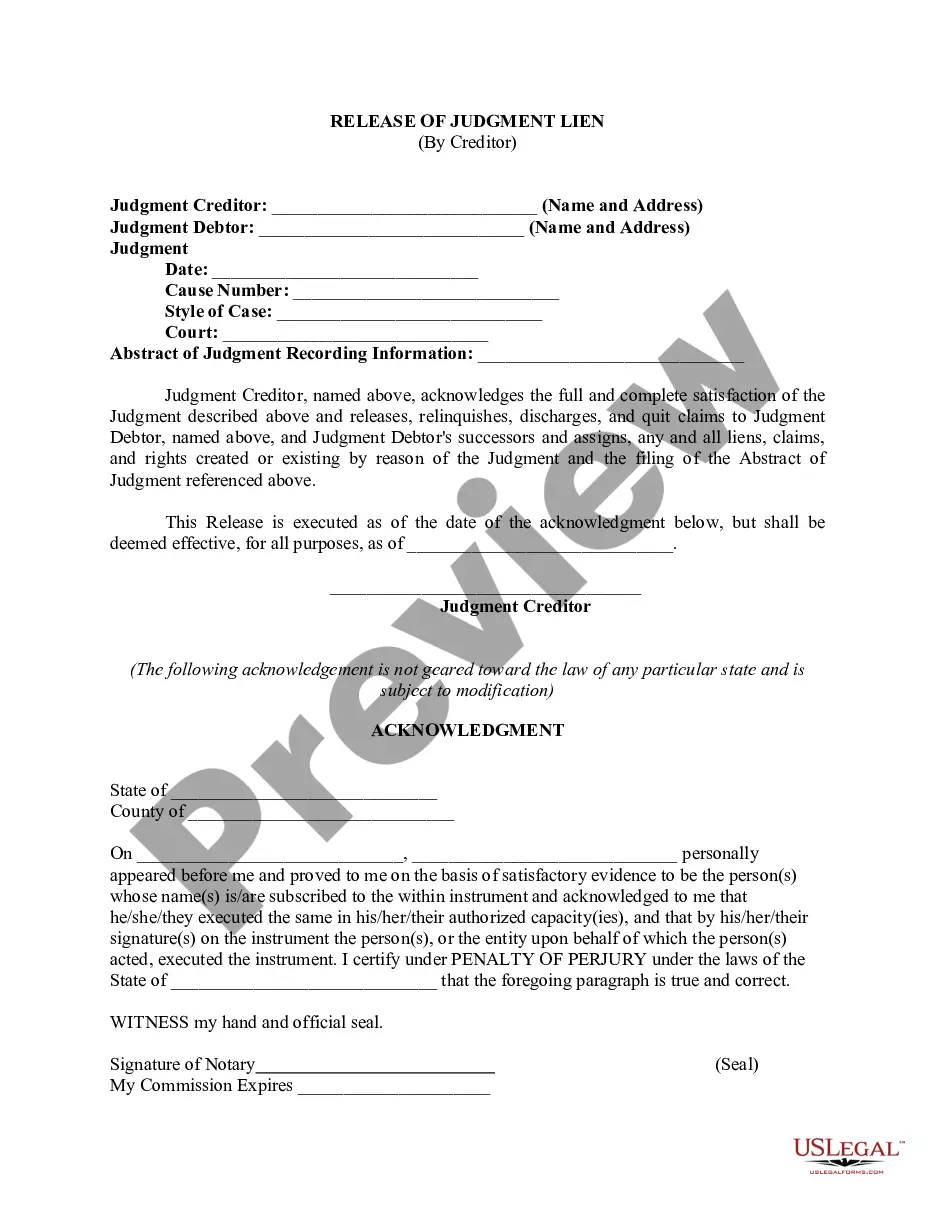
Get your form ready online
Our built-in tools help you complete, sign, share, and store your documents in one place.
Make edits, fill in missing information, and update formatting in US Legal Forms—just like you would in MS Word.
Download a copy, print it, send it by email, or mail it via USPS—whatever works best for your next step.
Sign and collect signatures with our SignNow integration. Send to multiple recipients, set reminders, and more. Go Premium to unlock E-Sign.
If this form requires notarization, complete it online through a secure video call—no need to meet a notary in person or wait for an appointment.
We protect your documents and personal data by following strict security and privacy standards.

Make edits, fill in missing information, and update formatting in US Legal Forms—just like you would in MS Word.

Download a copy, print it, send it by email, or mail it via USPS—whatever works best for your next step.

Sign and collect signatures with our SignNow integration. Send to multiple recipients, set reminders, and more. Go Premium to unlock E-Sign.

If this form requires notarization, complete it online through a secure video call—no need to meet a notary in person or wait for an appointment.

We protect your documents and personal data by following strict security and privacy standards.
Looking for another form?
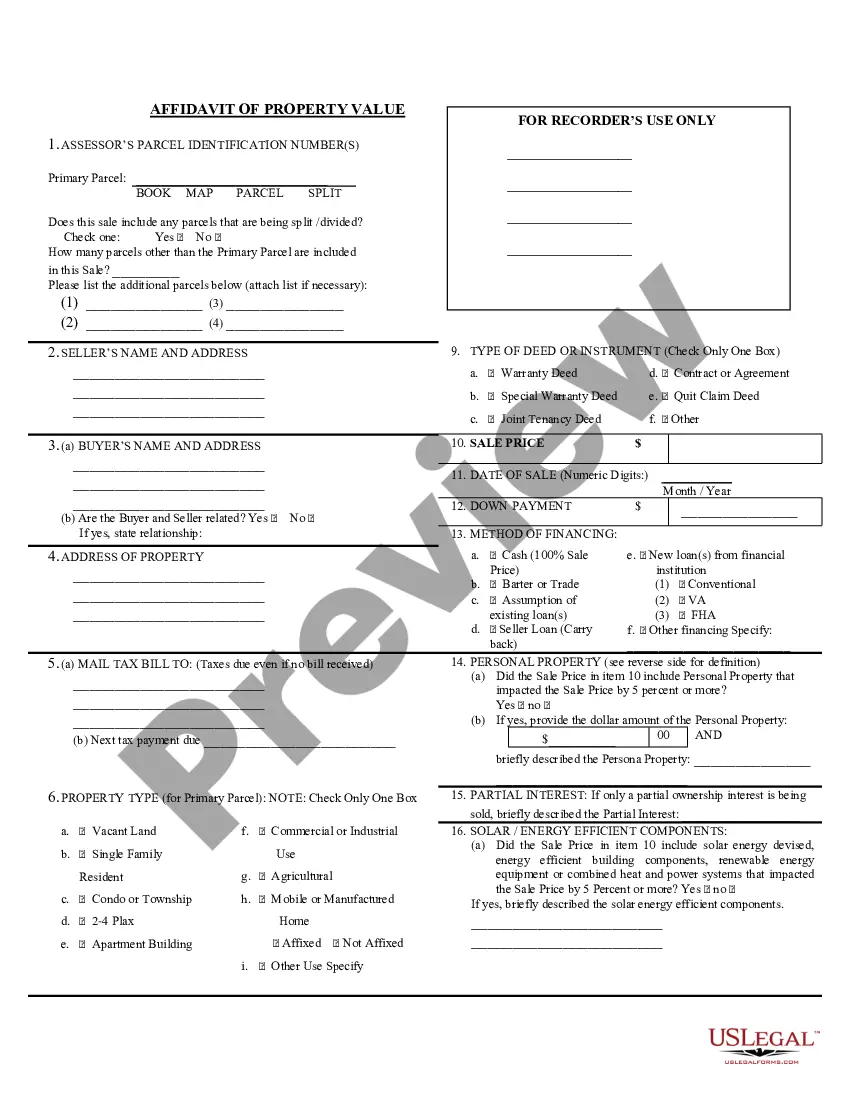
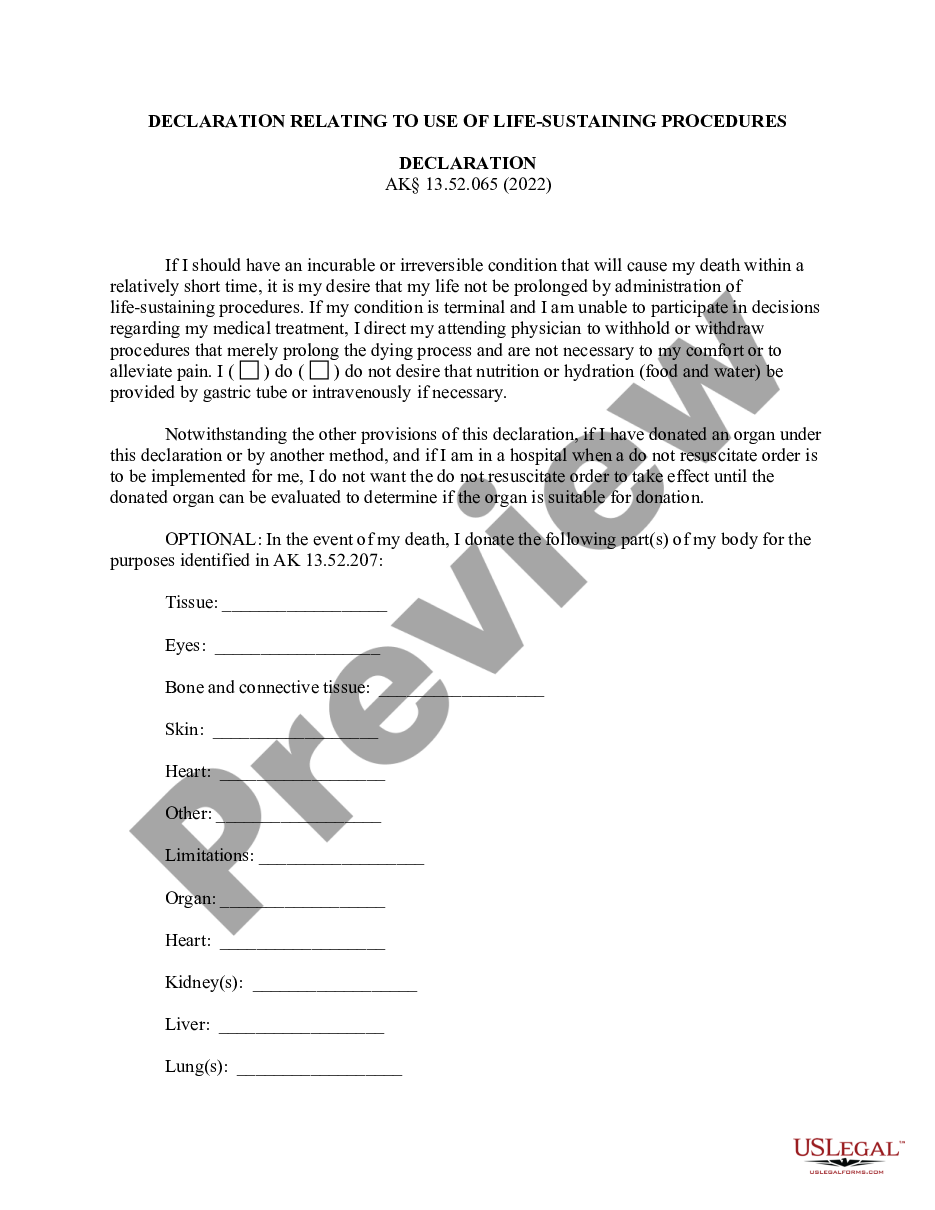

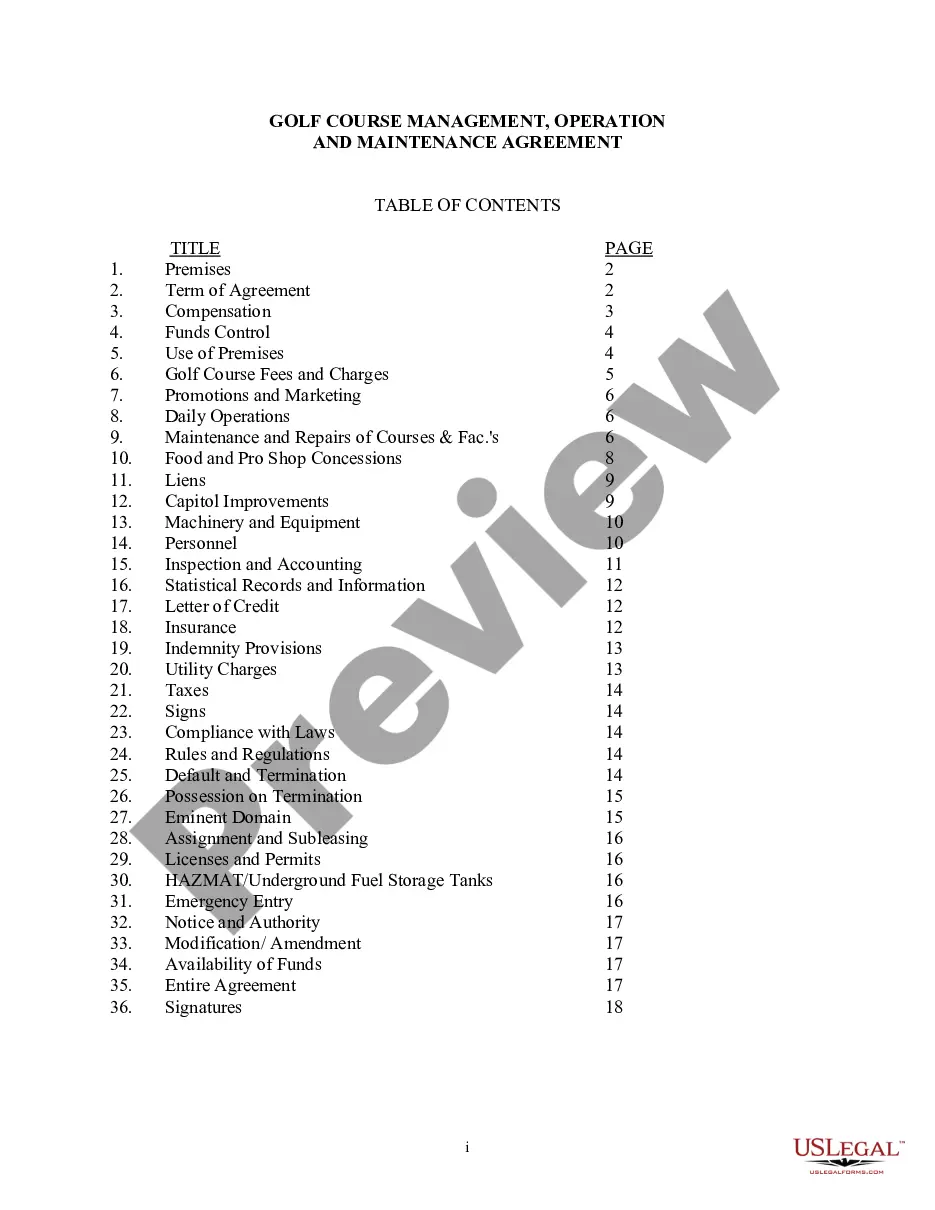

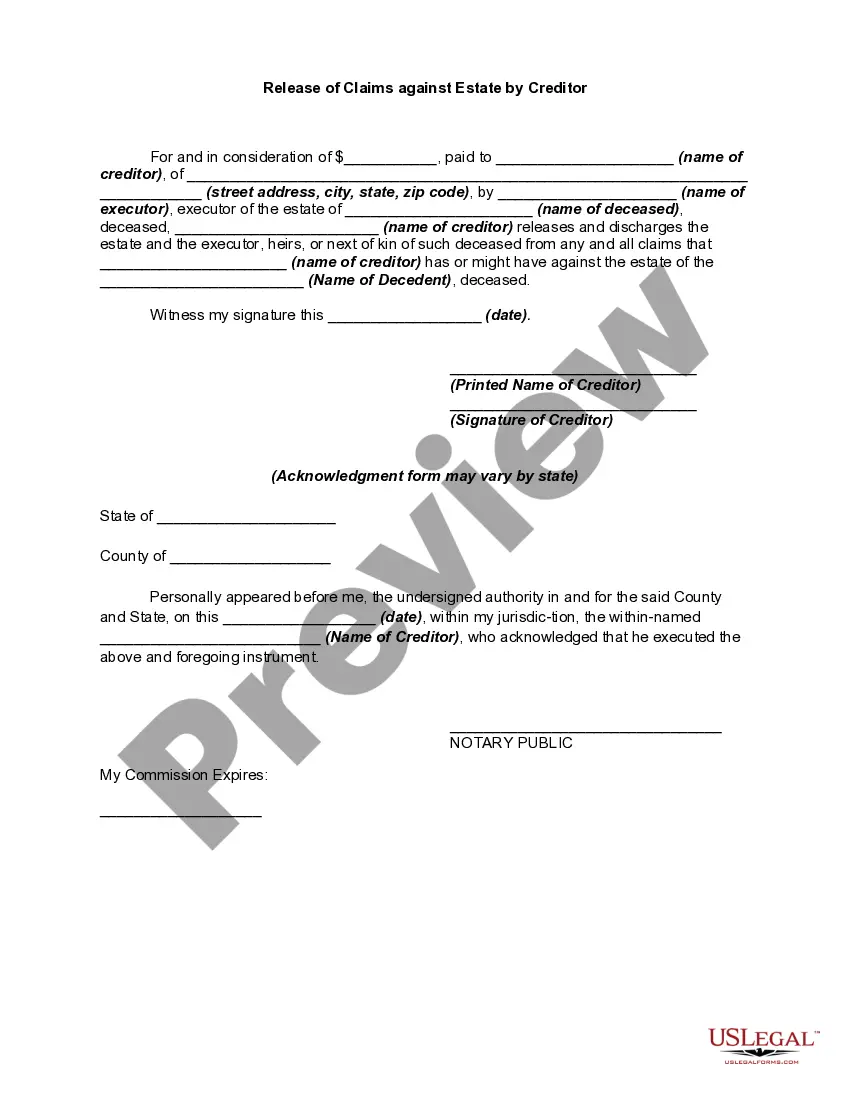
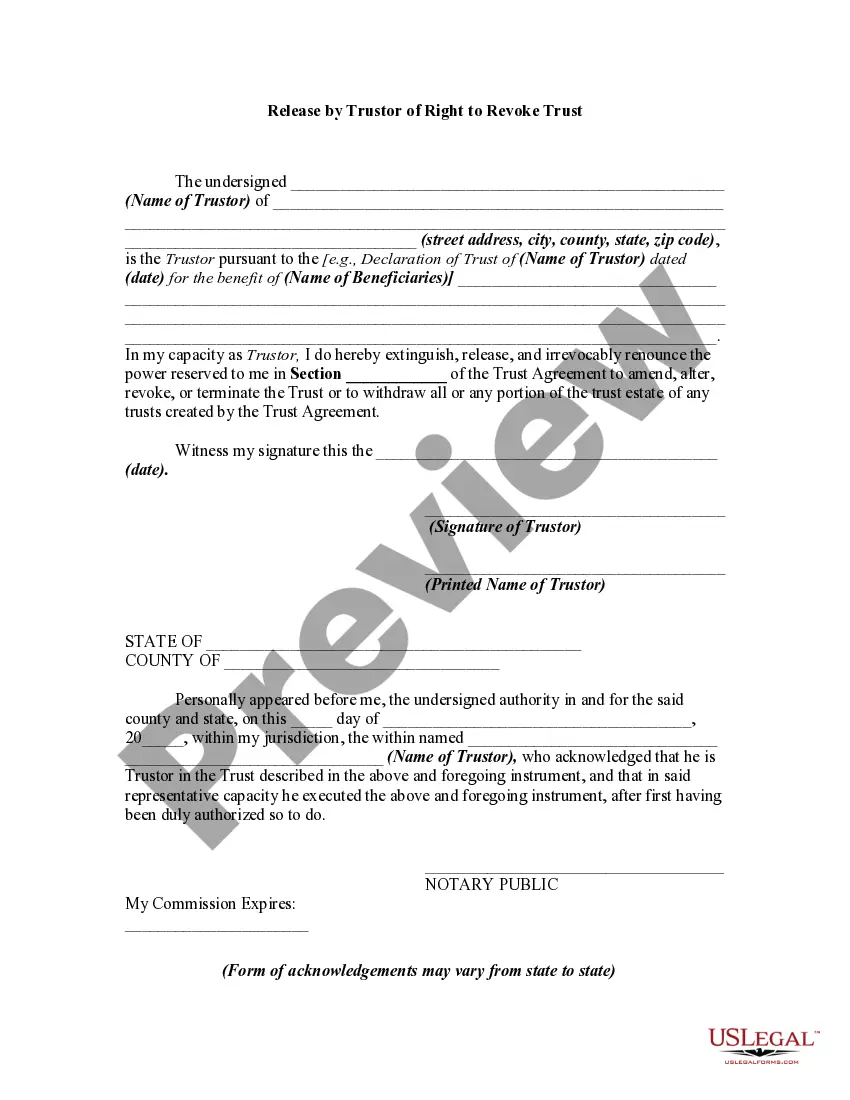
How to fill out Release Of Claims Against Estate By Creditor?
Securing a reliable source for the latest and pertinent legal templates is a significant part of navigating bureaucracy.
Identifying the appropriate legal documents requires precision and meticulousness, which is why it's crucial to obtain samples of Estate State Deceased For Sale exclusively from reputable providers, such as US Legal Forms. An incorrect template can squander your time and hinder your current situation. With US Legal Forms, you have minimal concerns.
Once you have the document on your device, you can edit it with the editor or print it out and fill it in manually. Eliminate the stress associated with your legal documentation. Browse the extensive US Legal Forms library to discover legal templates, evaluate their relevance to your situation, and download them instantly.
- Utilize the library navigation or search feature to find your template.
- Examine the form’s description to ensure it aligns with the stipulations of your state and region.
- Check the form preview, if available, to confirm that it is indeed the document you seek.
- Return to the search to find the correct template if the Estate State Deceased For Sale does not fulfill your requirements.
- If you are confident about the form’s applicability, download it.
- If you are a registered user, click Log in to verify and access your selected templates in My documents.
- If you do not have an account yet, click Buy now to obtain the template.
- Choose the pricing plan that meets your needs.
- Proceed to the registration to complete your transaction.
- Conclude your purchase by selecting a payment option (credit card or PayPal).
- Choose the file format for downloading Estate State Deceased For Sale.
Form popularity
FAQ
The 2 year rule for deceased estate property generally refers to the time frame in which claims against an estate must typically be filed. In many jurisdictions, creditors have two years to make claims against the estate, after which they may lose their right to do so. This rule can significantly impact the sale of any 'estate state deceased for sale.' Consulting US Legal Forms can help clarify these timelines and ensure compliance with legal requirements.
The easiest way to transfer property after death often involves establishing a living trust before passing. A living trust allows the property to bypass probate, making it easier for heirs to receive their inheritance quickly. If a trust was not set up, using a simplified probate process, if applicable, is a good alternative. For 'estate state deceased for sale,' US Legal Forms can provide essential forms to facilitate this transfer.
In Alabama, not all estates must go through probate. Smaller estates, typically valued below a certain threshold, may qualify for a simplified process. However, if the estate includes real property or significant assets, probate is generally required. If you are facing the sale of an 'estate state deceased for sale,' understanding Alabama's probate rules is crucial, and US Legal Forms can assist you with necessary legal documents.
Ownership from a deceased estate is usually transferred through probate court. The court appoints an executor to oversee the distribution of assets as per the will or state law. In cases where there is no will, intestacy laws determine how the property is divided. For those dealing with 'estate state deceased for sale,' US Legal Forms offers resources to help you navigate this transition smoothly.
To transfer ownership of a deceased person's property, you typically need to go through the probate process. This legal procedure validates the deceased's will and oversees the distribution of their assets. If the deceased left a will, the executor named in it will manage the estate. For properties classified as 'estate state deceased for sale,' utilizing legal documents from platforms like US Legal Forms can simplify this process.
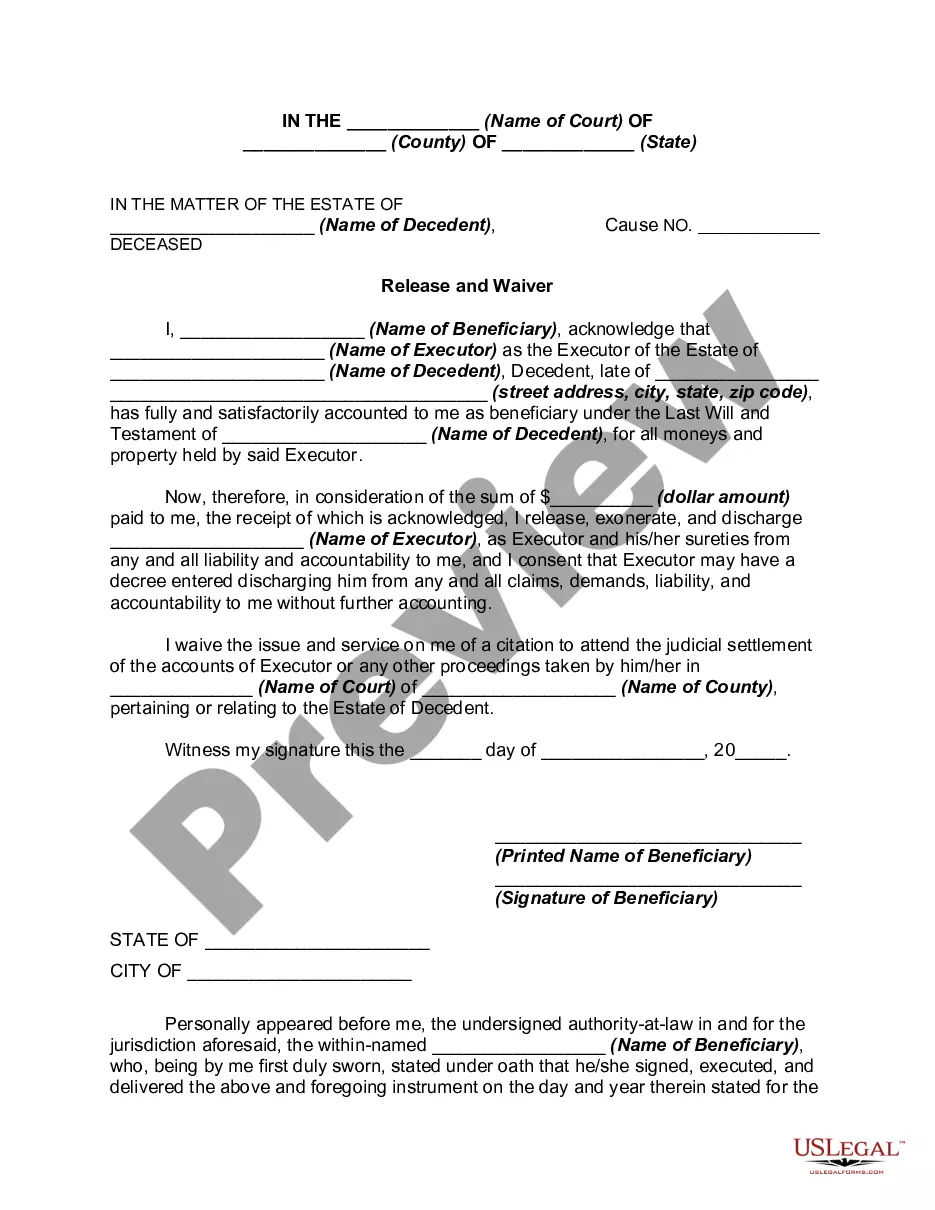
Place an advertisement in a local newspaper where the deceased usually lived, as well as the Government Gazette. This advertisement will inform all creditors of the deceased's death and request them to lodge their claims against the deceased estate (?claims?) within 30 days from the date of the advertisement.
After a death, the deceased's executor or administrator has the job of winding up the estate. Once this has been done, they are required to provide a final estate account. This details all of the assets, income, liabilities and expenses as well as the amount that is payable to the beneficiaries.
Typically, you need to make it known that you are the executor of the estate and are not taking responsibility for the transaction yourself. You can do this by simply signing your name and putting your title of executor of the estate afterward.
Every state sets the priority ing to which claims must be paid. The estate's beneficiaries only get paid once all the creditor claims have been satisfied. Usually, estate administration fees, funeral expenses, support payments, and taxes have priority over other claims.
If the personal administrator decides to pay creditors from an insolvent estate, they must do so in the following order. Secured creditors. Reasonable funeral, administration and testamentary expenses. Testamentary expenses can include things like probate fees and solicitor fees.