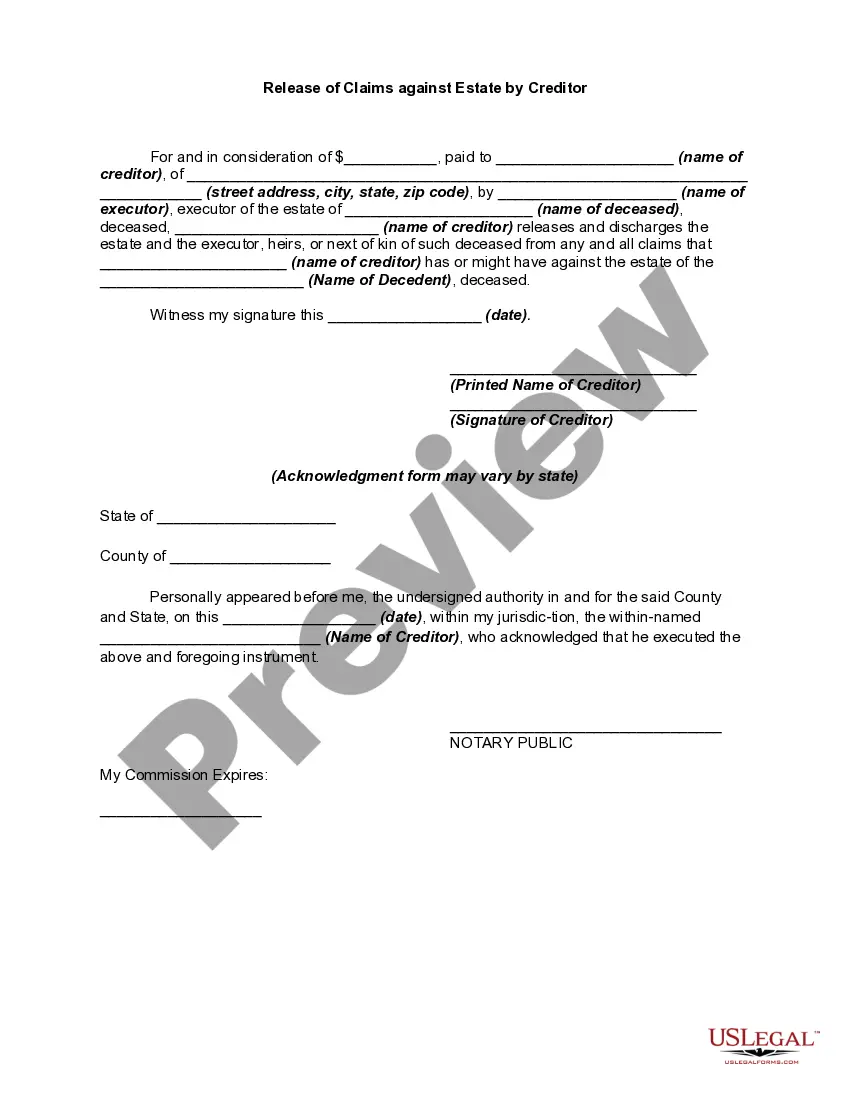
Estate Creditor With No Estate
Description
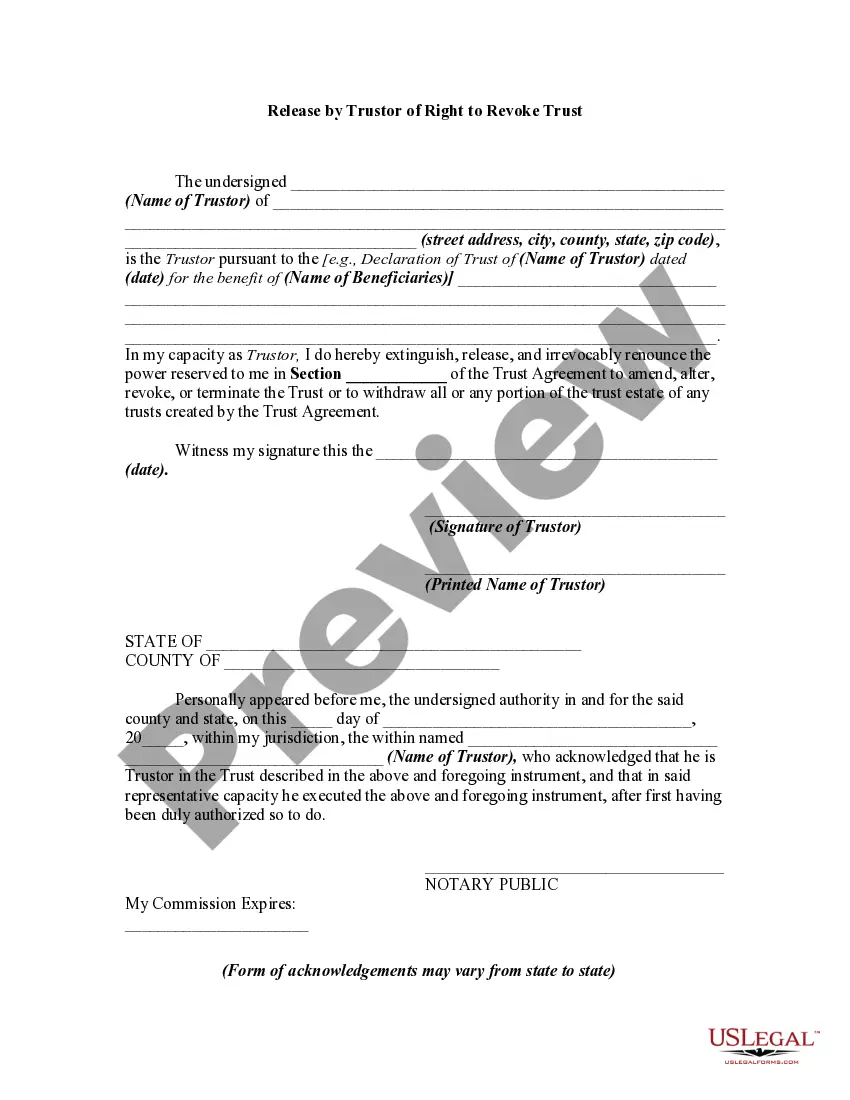
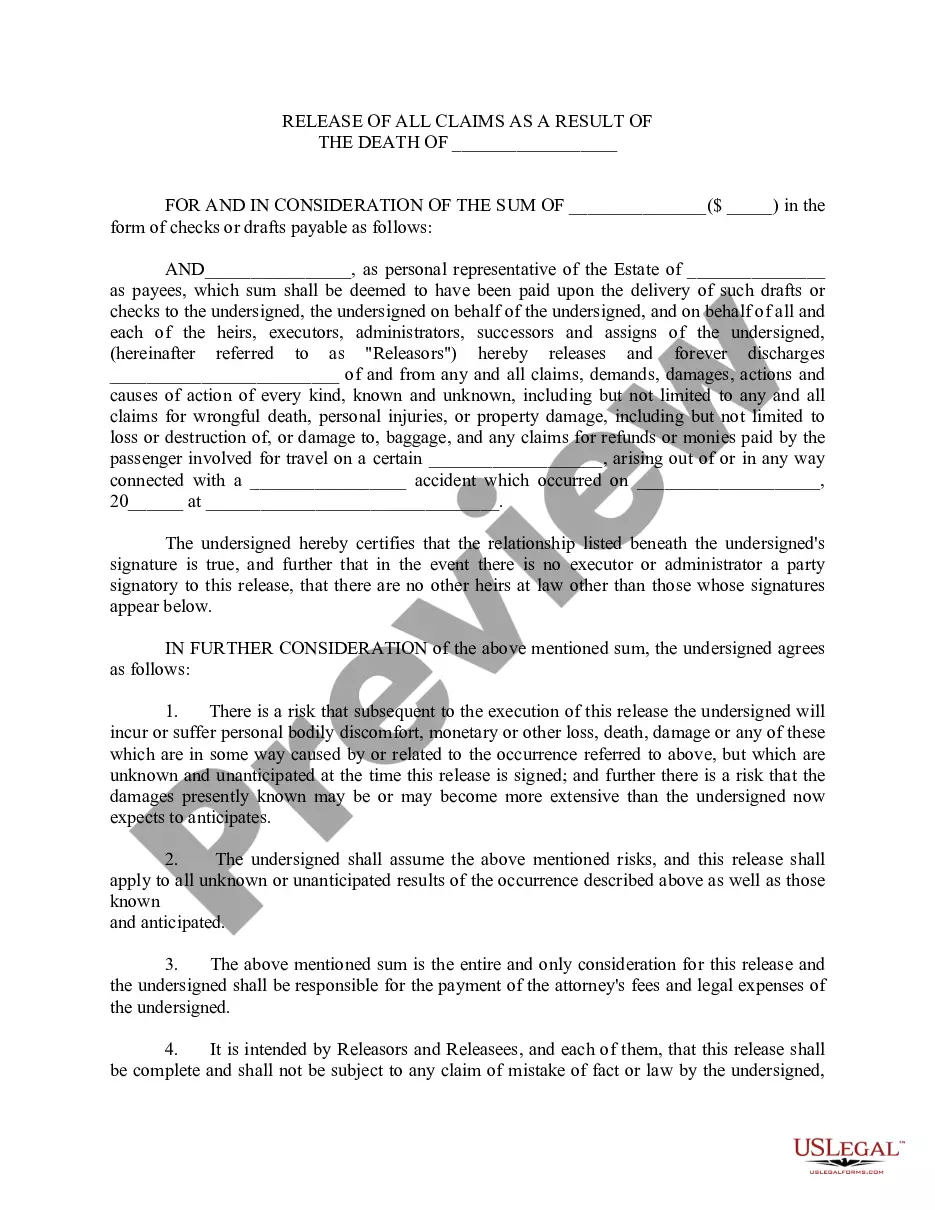
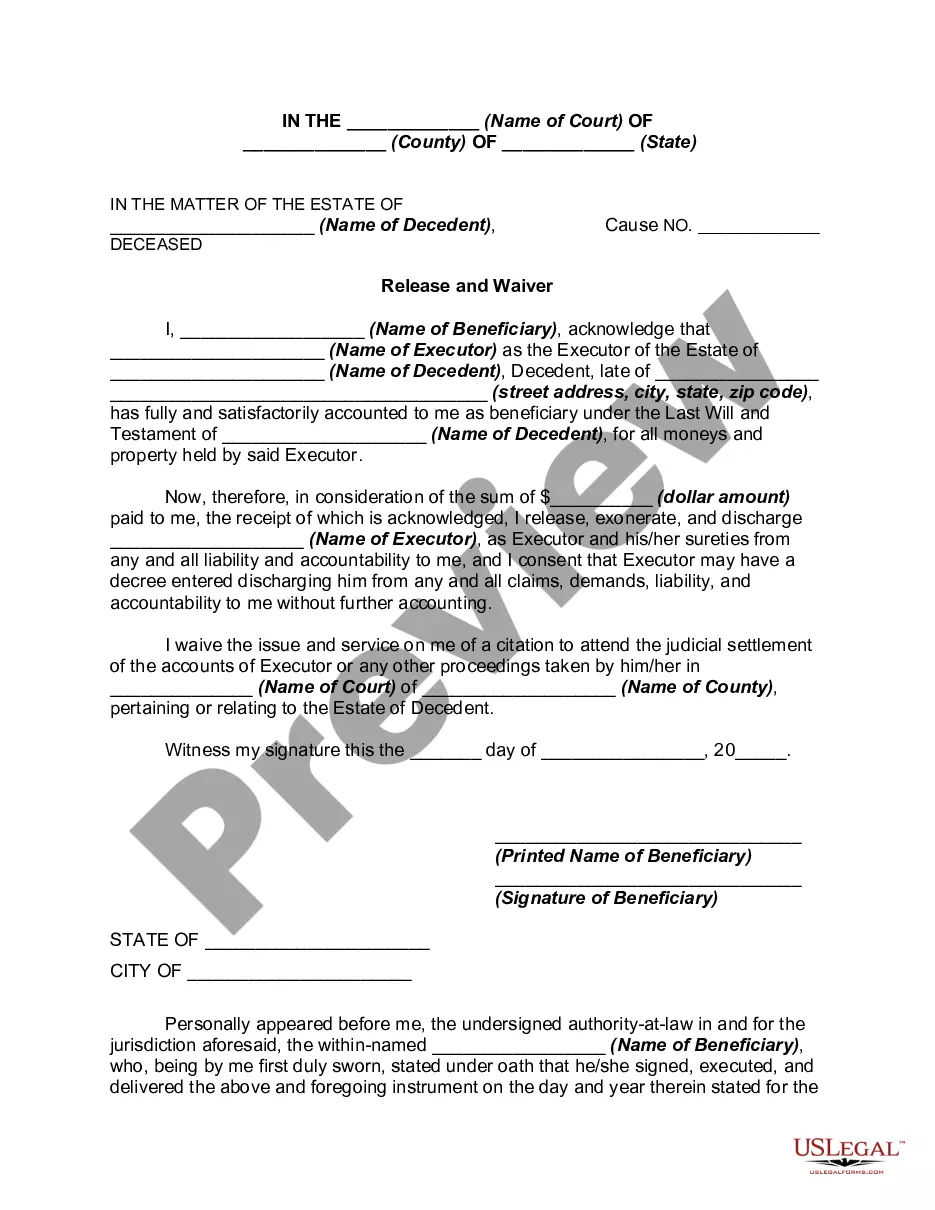
Get your form ready online
Our built-in tools help you complete, sign, share, and store your documents in one place.
Make edits, fill in missing information, and update formatting in US Legal Forms—just like you would in MS Word.
Download a copy, print it, send it by email, or mail it via USPS—whatever works best for your next step.
Sign and collect signatures with our SignNow integration. Send to multiple recipients, set reminders, and more. Go Premium to unlock E-Sign.
If this form requires notarization, complete it online through a secure video call—no need to meet a notary in person or wait for an appointment.
We protect your documents and personal data by following strict security and privacy standards.

Make edits, fill in missing information, and update formatting in US Legal Forms—just like you would in MS Word.

Download a copy, print it, send it by email, or mail it via USPS—whatever works best for your next step.

Sign and collect signatures with our SignNow integration. Send to multiple recipients, set reminders, and more. Go Premium to unlock E-Sign.

If this form requires notarization, complete it online through a secure video call—no need to meet a notary in person or wait for an appointment.

We protect your documents and personal data by following strict security and privacy standards.
Looking for another form?


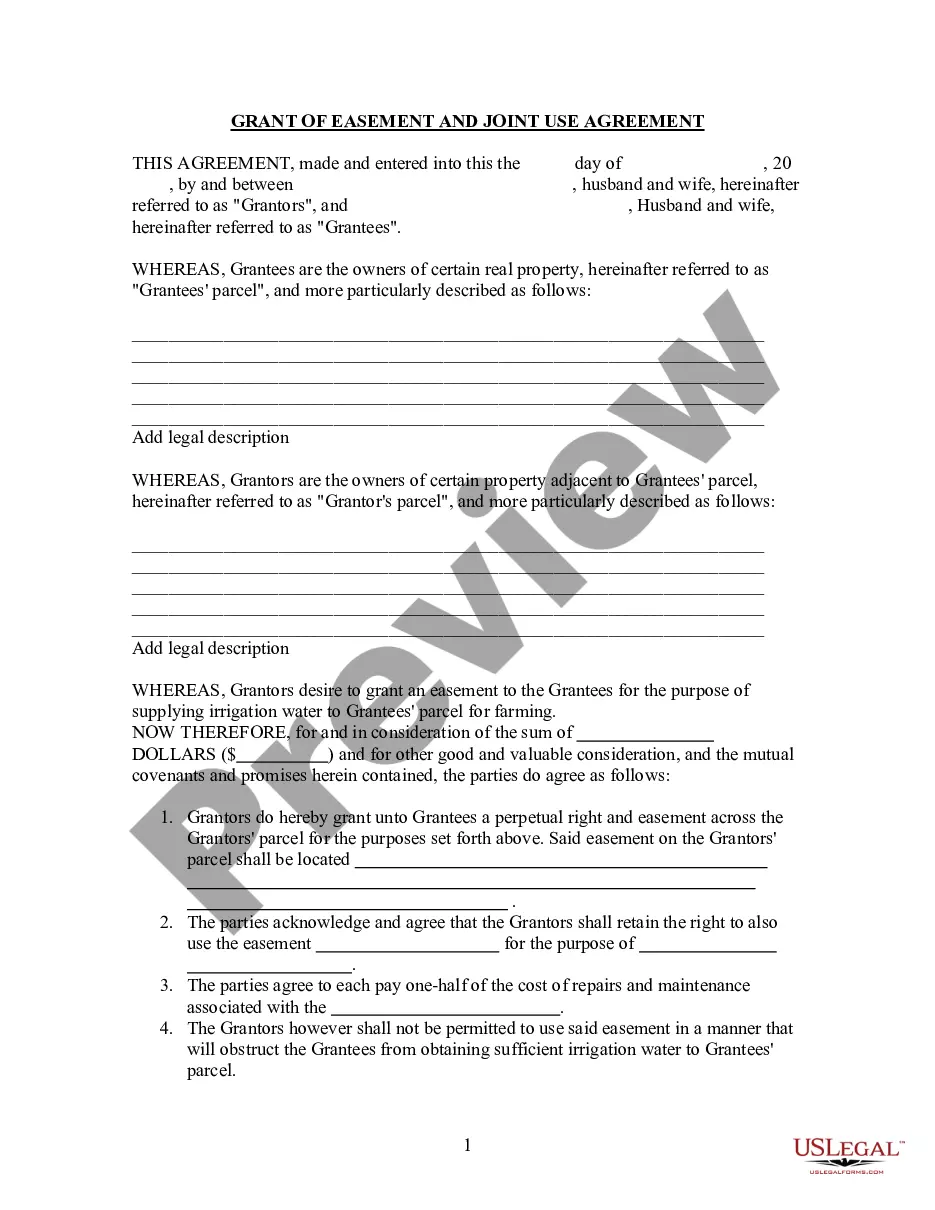






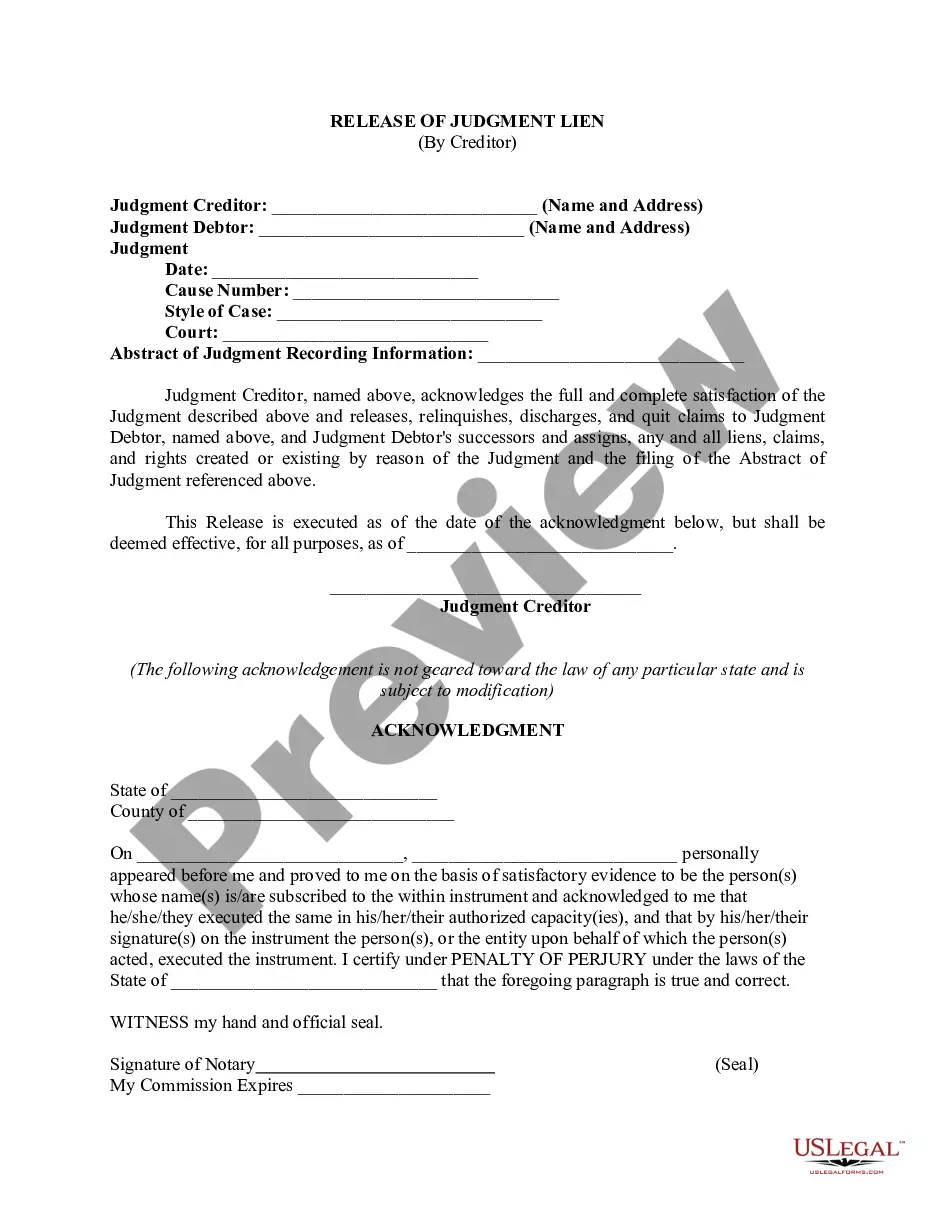
How to fill out Release Of Claims Against Estate By Creditor?
Regardless of whether it's for professional reasons or personal issues, everyone must confront legal matters at some point in their lives. Filling out legal paperwork requires meticulous care, starting from selecting the appropriate form template. For instance, if you opt for an incorrect version of the Estate Creditor With No Estate, it will be rejected once you submit it. Thus, it's crucial to have a trustworthy source of legal documents like US Legal Forms.
If you wish to acquire an Estate Creditor With No Estate template, follow these simple steps.
- Obtain the template you require by utilizing the search bar or catalog navigation.
- Review the form’s details to ensure it aligns with your circumstances, state, and locality.
- Click on the form’s preview to inspect it.
- If it is not the correct document, return to the search tool to locate the Estate Creditor With No Estate sample you need.
- Download the template once it fulfills your criteria.
- If you possess a US Legal Forms account, simply click Log in to access previously saved templates in My documents.
- If you haven’t created an account yet, you can download the form by clicking Buy now.
- Select the suitable pricing option.
- Complete the profile registration form.
- Choose your payment method: use a credit card or PayPal account.
- Select the document format you desire and download the Estate Creditor With No Estate.
- Once saved, you can fill out the form using editing software or print it and complete it by hand.
- With a vast US Legal Forms catalog available, you do not need to waste time searching for the appropriate template online. Utilize the library’s user-friendly navigation to find the correct template for any situation.
Form popularity
FAQ
Contacting creditors after someone passes away is a crucial step in managing any outstanding debts. You should gather all relevant information, including account numbers and the deceased's personal details, to facilitate the communication process. Reach out to each creditor directly, informing them of the individual's death and inquiring about any outstanding balances. If you're unsure how to proceed, consider using platforms like US Legal Forms to access resources that can help guide you through this process with ease.
When someone dies with no estate, the situation regarding their debts can be complex. Typically, creditors cannot pursue the deceased's family members for payment if there are no assets to cover the debts. In many cases, these debts may be written off, especially if there is no estate creditor with no estate to claim against. However, it's essential to consult with a legal expert to understand the specifics of the estate and any potential obligations.
To write a letter to creditors regarding a deceased individual with no estate, clearly state the person's name, date of death, and that there are no assets to settle the debt. Include any relevant account information and your contact details. This letter serves as a formal notification and can help clarify the situation with creditors. For templates and support, consider using resources available on US Legal Forms.
When there is no estate, the debt typically does not transfer to family members or heirs. Creditors may write off the debt, as there are no assets to claim. However, it is important to inform creditors about the deceased's passing and the absence of an estate. This action can help prevent any misunderstandings in the future.
If there is no one available to serve as executor, you can petition the court to appoint an administrator for the estate. This individual will manage the estate's affairs, including settling debts. Choosing a reliable and trustworthy person is crucial for this role. For more guidance, consider using platforms like US Legal Forms to access relevant legal documents.
Generally, if your parents have no assets, you will not inherit their debt. Creditors cannot claim payment from you if there is no estate to settle the debts. However, it is wise to be aware of any co-signed loans or joint accounts, as these may involve your personal responsibility. To navigate these matters effectively, you might want to explore legal resources.
In most cases, you do not inherit your parents' debt if there is no estate. Debt typically stays with the deceased, and creditors often cannot pursue family members for payment unless they co-signed the debt. However, laws vary by state, so it is essential to check local regulations. If you have concerns, consider consulting with a legal expert to clarify your situation.